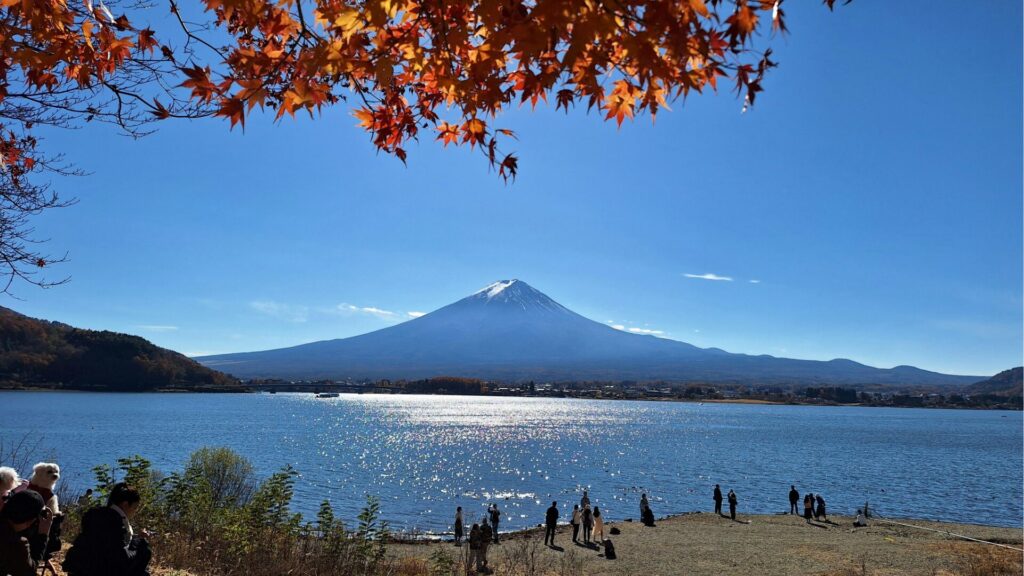
Why Mt Fuji Onsen Is the Ultimate Japanese Experience
Few experiences in Japan rival the serene luxury of soaking in a steaming outdoor hot spring while gazing at the snow-capped peak of Mt Fuji. The Fuji Five Lakes region, Hakone, and the broader foothills of Japan's tallest mountain are home to dozens of exceptional onsen facilities — from centuries-old ryokan with private rotenburo (open-air baths) to modern day-trip spas with panoramic picture windows framing the volcano.
Whether you are planning a day trip from Tokyo or a multi-night stay, this guide covers the best Mt Fuji onsen destinations in 2026, including how to choose between regions, what to expect at each facility, seasonal tips, and practical access information.
-

-
Mt Fuji: The Ultimate 2026 Guide to Japan's Iconic Mountain
Why Mt Fuji Captivates Millions of Visitors Every Year Mt Fuji — or Fujisan (富士山) as it is known in Japanese — stands at 3,776 meters (12,389 feet), making it the tallest peak in Japan. Its near-perfect symmetrical cone, capped with snow for much of the year, has been a symbol of Japan for centuries. In 2013, UNESCO designated Mt Fuji as a World Cultural Heritage Site, recognizing not just its geological significance but its deep influence on Japanese art, literature, and spirituality. Whether you want to climb to the summit, photograph the mountain from a picturesque lake, soak in ...
続きを見る
Top Mt Fuji Onsen Areas at a Glance
The hot springs around Mt Fuji are spread across several distinct areas, each with its own character, water source, and vantage point. Understanding the differences will help you pick the ideal onsen for your trip.
Kawaguchiko Onsen (Lake Kawaguchi)
Lake Kawaguchi is the most accessible of the Fuji Five Lakes and arguably the most popular Mt Fuji onsen destination. Hotels and ryokan along the northern shore offer unobstructed views of the mountain reflected in the lake. The local hot spring water is pumped from deep underground and is classified as calcium-sodium-chloride spring, believed to improve circulation and soothe muscle fatigue.
- Konansou: A luxury lakeside ryokan with private open-air baths on the balcony of select rooms — perfect for watching sunrise paint Mt Fuji in pink and gold.
- Fuji Lake Hotel: Features a large communal rotenburo directly facing the mountain. The hotel also welcomes day-trip bathers.
- Yurari (Fuji Yurari Onsen): A spacious day-trip facility on the western shore of Lake Kawaguchi with 16 different baths, including a panoramic rotenburo with one of the most dramatic Fuji views in the region.
-
-
Drive from Tokyo to Kawaguchiko Onsen: The Ultimate Self-Drive Guide for Overseas Visitors
Planning to drive from Tokyo to Kawaguchiko onsen? This in‑depth guide covers routes, permits, parking, tolls, itineraries, and seasonal tips—everything you need to enjoy Lake Kawaguchiko and Mt. Fuji hot springs by rental car. Why Drive from Tokyo to Kawaguchiko Onsen? Driving gives you freedom to stop at scenic viewpoints, lesser‑known onsen ryokan, and cafés around the Fuji Five Lakes. Compared with trains and buses, a car lets you combine multiple sights in one day, travel early or late to avoid crowds, and carry luggage with ease. Quick Facts Distance & time: ~110–140 km from central Tokyo; 2–2.5 hours in ...
続きを見る
Hakone Onsen
Hakone is Japan's most famous hot spring resort area and sits on the southeastern side of Mt Fuji, roughly 80 km from the summit. Unlike Kawaguchiko, Hakone has been an established onsen town for centuries, with over 20 distinct hot spring sources producing a wide variety of mineral compositions — sulfur, alkaline, iron-rich, and more.
- Tenzan Tohji-kyo: A rustic, forest-surrounded day-trip onsen in the Tonosawa area with multiple outdoor rock baths fed by natural spring water.
- Hakone Kowakien Yunessun: A family-friendly complex with themed baths (including wine and coffee baths) alongside a traditional onsen zone.
- Gora Kadan: One of Hakone's most prestigious ryokan, offering kaiseki cuisine and private open-air baths with seasonal garden views.
While not every Hakone onsen offers a direct Fuji view, many elevated facilities and the surrounding Owakudani volcanic valley provide dramatic backdrops.
-

-
Rent a Car Tokyo to Hakone Onsen: Complete Driving Guide for Visitors
Why Drive from Tokyo to Hakone Onsen? Renting a car gives you door‑to‑door access to hot spring towns, ryokan with private baths, and scenic viewpoints that are difficult to reach by train or bus. A car also lets you time onsen visits to avoid crowds, bring luggage without transfers, and combine Hakone with outlets, wineries, or Mt. Fuji photo spots in a single loop. When Is the Best Time to Drive to Hakone? Hakone is a year‑round destination. Weekdays outside national holidays are best for smooth traffic. Peak congestion times include Saturday mornings outbound from Tokyo and Sunday evenings inbound. ...
続きを見る
Fujiyoshida and Oshino Onsen
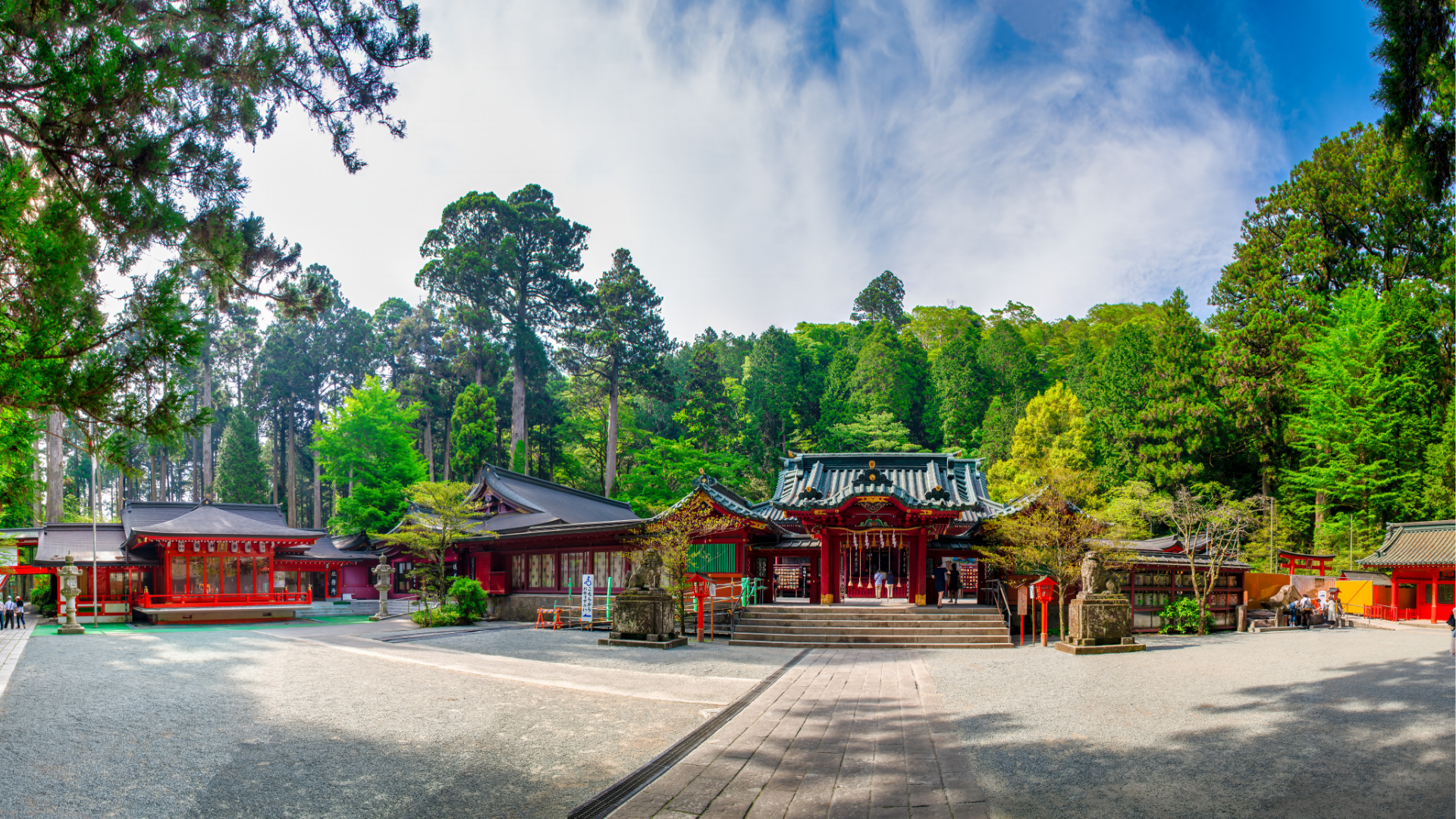
The town of Fujiyoshida, located at the northern base of Mt Fuji, serves as the gateway to the Yoshida Trail climbing route. Its onsen facilities are more modest than Kawaguchiko or Hakone but offer an authentic, local atmosphere with fewer tourists.
- Fujiyama Onsen: A well-maintained public bathhouse with large wooden tubs and outdoor baths. The facility uses natural hot spring water and is open until late evening, making it a favorite post-hike soak for climbers.
- Hotel Mount Fuji: Perched on a hill above Lake Yamanaka, this hotel's rotenburo delivers sweeping views of the mountain and is open to non-guests during certain hours.
Subashiri and Gotemba Onsen
The eastern slopes of Mt Fuji near Gotemba and Subashiri are less touristed, making them ideal for travelers seeking quiet retreats. Gotemba Premium Outlets visitors often combine shopping with a stop at nearby onsen.
- Benifuji no Yu (Gotemba): A day-trip facility located near the outlets with an open-air bath that overlooks Mt Fuji on clear days.
- Subashiri Onsen Tenbo no Yu: A small local bathhouse known for its unobstructed eastern view of the mountain. Hot spring water here is slightly alkaline and gentle on the skin.
Best Mt Fuji Onsen for Spectacular Views
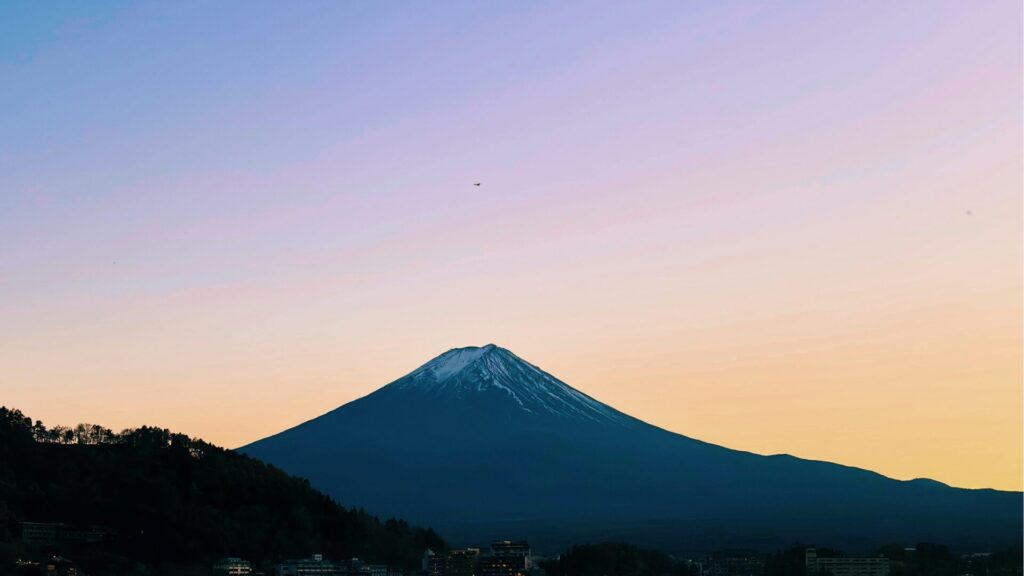
If your primary goal is to soak while staring at the mountain, these are the top picks ranked by view quality:
- Hottarakashi Onsen (Yamanashi): Often cited as the number-one onsen view in Japan. Located on a hillside east of Kofu, this open-air bath faces Mt Fuji across a vast valley. The "Acchi no Yu" and "Kocchi no Yu" baths open before dawn, letting you watch the sunrise illuminate the peak while soaking in steaming mineral water.
- Yurari (Kawaguchiko): The Kasumi-no-Yu panoramic bath on the upper floor provides an eye-level perspective of Fuji that feels impossibly close.
- Hotel Kaneyamaen (Kawaguchiko): The rooftop infinity-style rotenburo appears to merge with the lake and mountain beyond.
- Fujisan Onsen Hotel Ohashi: A budget-friendly option in Fujikawaguchiko with a communal outdoor bath offering solid mountain views.
Day-Trip vs. Overnight Onsen Stays
Day-Trip Onsen (Higaeri Onsen)
Many Mt Fuji onsen facilities welcome visitors who are not staying overnight. Day-trip fees typically range from ¥800 to ¥2,000 per person. Most provide towels, shampoo, and soap for a small additional fee. This option is ideal if you are on a tight schedule or combining the onsen visit with sightseeing around the Fuji Five Lakes area.
Overnight Ryokan Stay
For the full experience, booking a night at a traditional ryokan is unparalleled. An overnight stay usually includes a multi-course kaiseki dinner featuring local ingredients such as Koshu wine-marinated fish and Yamanashi houtou noodles, followed by unlimited access to the baths, including late-night and early-morning soaks when the crowds are gone. Prices for a ryokan with private bath and meals range from ¥20,000 to ¥80,000 per person per night, depending on the property's prestige and room type.
Seasonal Guide: When to Visit Mt Fuji Onsen
Winter (December–February)
Winter is arguably the best season for Mt Fuji onsen. The mountain is covered in thick snow, the air is crisp and dry, and the contrast between the steaming bath water and the cold surroundings creates that quintessential Japanese winter onsen experience. Visibility is at its highest during winter months, so clear Fuji views are more likely.
Spring (March–May)
Cherry blossoms around the Fuji Five Lakes in April create a breathtaking combination of pink flowers and the snow-capped peak. Soaking in an outdoor bath surrounded by sakura petals is a bucket-list moment.
Summer (June–August)
Summer coincides with the Mt Fuji climbing season. While cloud cover often obscures the summit during the day, evenings can clear up. Onsen after a long day of hiking or visiting the 5th Station is deeply restorative. Be aware that some outdoor baths may be uncomfortably warm during the hottest weeks of July and August.
Autumn (September–November)
Fall foliage (koyo) paints the mountains around Kawaguchiko and Hakone in vivid reds, oranges, and golds. Mid-November is the peak autumn color season in the Fuji region, and an onsen visit at this time pairs perfectly with the Kawaguchiko Autumn Leaves Festival.
Onsen Etiquette: What Every Visitor Should Know
Japanese onsen have well-established customs that all visitors are expected to follow. Understanding these rules will make your experience smoother and more enjoyable.
- Wash before entering: Always use the shower stations to thoroughly wash and rinse your body before stepping into any communal bath.
- No swimwear: Traditional onsen require full nudity. Baths are gender-separated. If this is uncomfortable, seek out konyoku (mixed) baths or kashikiri (private rental) baths.
- Tattoo policies: Many onsen in Japan still prohibit entry for guests with visible tattoos. However, the Fuji Five Lakes region has become increasingly tattoo-friendly, especially at day-trip facilities catering to international tourists. Hottarakashi Onsen, for example, does not restrict tattooed guests. Always verify the policy before visiting.
- Keep towels out of the water: The small modesty towel may be placed on your head but should never be dipped into the bath water.
- Stay hydrated: The mineral-rich water and high temperatures can cause dehydration. Drink water or milk (a Japanese post-onsen tradition) after bathing.
How to Get to Mt Fuji Onsen From Tokyo
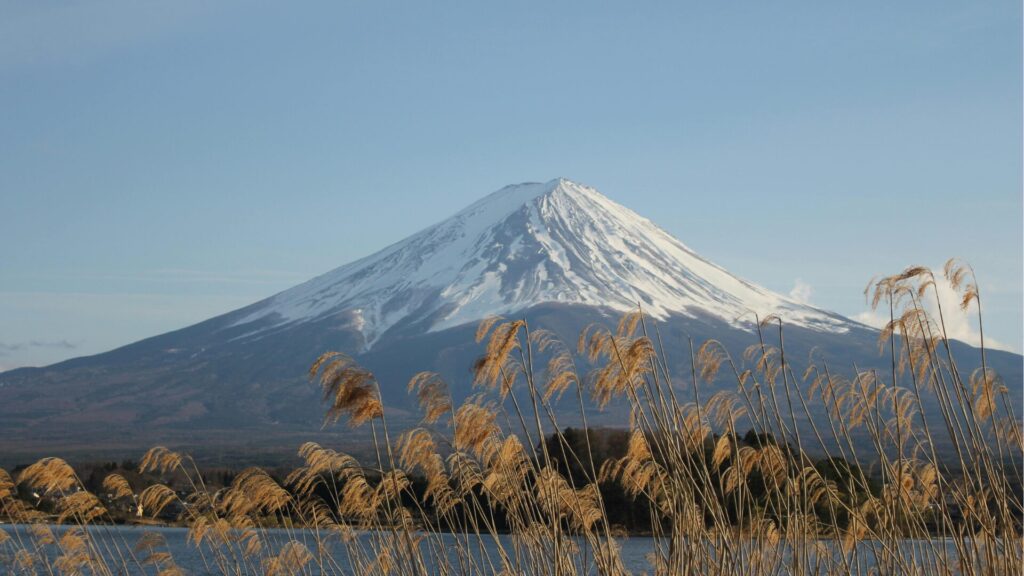
By Train and Bus
The most common public transit route is taking the JR Chuo Line from Shinjuku to Otsuki Station, then transferring to the Fuji Kyuko Line to Kawaguchiko Station. The entire journey takes approximately 2 hours and 15 minutes. From Kawaguchiko Station, local buses and taxis connect to most major onsen facilities.
For Hakone, the Odakyu Romance Car from Shinjuku reaches Hakone-Yumoto in about 85 minutes, providing direct access to Hakone's onsen district.
By Car
Driving from Tokyo to the Kawaguchiko area takes roughly 1.5 to 2 hours via the Chuo Expressway, depending on traffic. The flexibility of having your own vehicle is a significant advantage when visiting multiple onsen facilities, viewpoints, and the various lakes in a single day. Parking is generally free or inexpensive at most onsen in the region. For those who want to turn the journey itself into an experience, renting a JDM car and taking scenic routes through the Fuji foothills can add another dimension to the trip.
-
-
Tokyo to Mt Fuji: Every Way to Get There in 2026 (Train, Bus, Car & Tours)
How Far Is Mt Fuji from Tokyo? Mt Fuji sits roughly 100 km (62 miles) southwest of central Tokyo. Despite the modest distance on a map, actual travel time varies considerably depending on your transport mode, departure point, and destination on the Fuji side. Whether you are heading to the Fuji Five Lakes area (Kawaguchiko), the Subashiri 5th Station for climbing, or simply a scenic viewpoint, the journey from Tokyo to Mt Fuji typically takes between 1.5 and 3 hours one way. Understanding the geography is helpful: the Chuo Expressway and Route 138 cut through the mountains west of Tokyo, ...
続きを見る
Combining Mt Fuji Onsen With Other Activities
A trip to the Mt Fuji onsen region pairs naturally with a variety of other experiences:
- Fuji Five Lakes sightseeing: Lake Kawaguchi, Lake Yamanaka, Lake Saiko, Lake Shoji, and Lake Motosu each offer unique Fuji perspectives. Lake Motosu is the view featured on the ¥1,000 bill.
- Chureito Pagoda: The iconic five-story pagoda with Mt Fuji in the background is a short drive from Kawaguchiko.
- Oshino Hakkai: A set of eight crystal-clear spring-water ponds in a traditional village, fed by snowmelt from Mt Fuji that has been filtered through volcanic rock for over 80 years.
- Aokigahara Forest: The famous sea of trees at the base of Mt Fuji, best explored with a guided nature walk along designated paths.
- Fujikyu Highland: An amusement park in Fujiyoshida with roller coasters that offer Fuji views during the ride.
-
-
Fuji Five Lakes: The Complete 2026 Guide to the 5 Lakes of Mt Fuji
What Are the 5 Lakes of Mt Fuji? The Fuji Five Lakes — known as Fujigoko (富士五湖) in Japanese — are a group of five lakes situated at the northern base of Mt Fuji in Yamanashi Prefecture. Formed by ancient lava flows from Mt Fuji's eruptions that dammed natural river valleys, these lakes have been a cornerstone of Japanese landscape appreciation for centuries. Together, they form one of the most scenic regions in all of Japan and serve as the primary vantage point for iconic views of the mountain. The five lakes are Lake Kawaguchiko, Lake Yamanakako, Lake Saiko, Lake ...
続きを見る
Planning Your Mt Fuji Onsen Trip in 2026
Advance planning is essential, especially for ryokan stays. The most popular properties around Kawaguchiko and Hakone book out weeks or even months ahead during peak seasons — cherry blossom in early April, autumn foliage in November, and New Year holidays. Booking platforms like Jalan.net, Rakuten Travel, and Booking.com all list Mt Fuji-area ryokan and allow filtering by onsen amenities, room type, and view.
For day-trip onsen, no reservation is typically needed, but arriving early — especially on weekends — ensures a less crowded experience. Hottarakashi Onsen opens approximately one hour before sunrise, and arriving at opening is the surest way to secure a spot with the best view.
Mt Fuji onsen is, in every sense, where Japan's natural grandeur and bathing culture converge. Whether you choose a simple public bathhouse in Fujiyoshida or a lavish ryokan on the shores of Lake Kawaguchi, the experience of watching steam rise against the backdrop of that perfect volcanic cone is something that stays with you long after you towel off.
Experience Japan’s Finest JDM Adventures
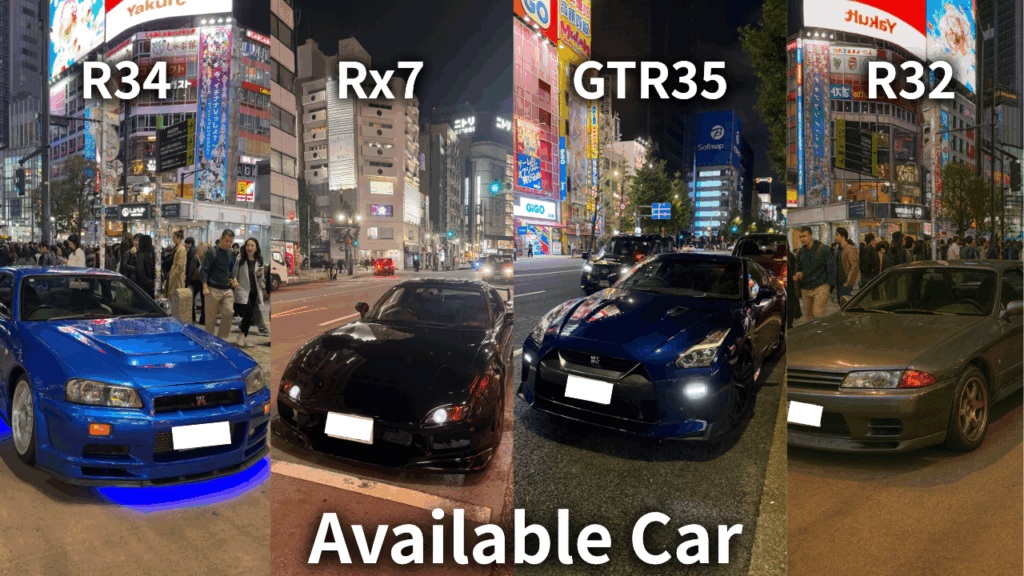
From Daikoku PA tours to JDM sports car rentals and drift experiences, we offer premium driving adventures for visitors who want more than ordinary sightseeing.
Get behind the wheel of iconic machines such as the GT-R, RX-7, and Supra, and experience Japan’s legendary car culture in the most unforgettable way. Whether you want a scenic Tokyo car experience or something more thrilling and immersive, we can guide you to the right plan.
Not sure which experience suits you best? No problem. Message us on WhatsApp and we’ll help you choose the ideal option based on your travel plans, interests, and driving experience.
Popular dates sell out quickly, so we recommend contacting us early.
Customer Reviews
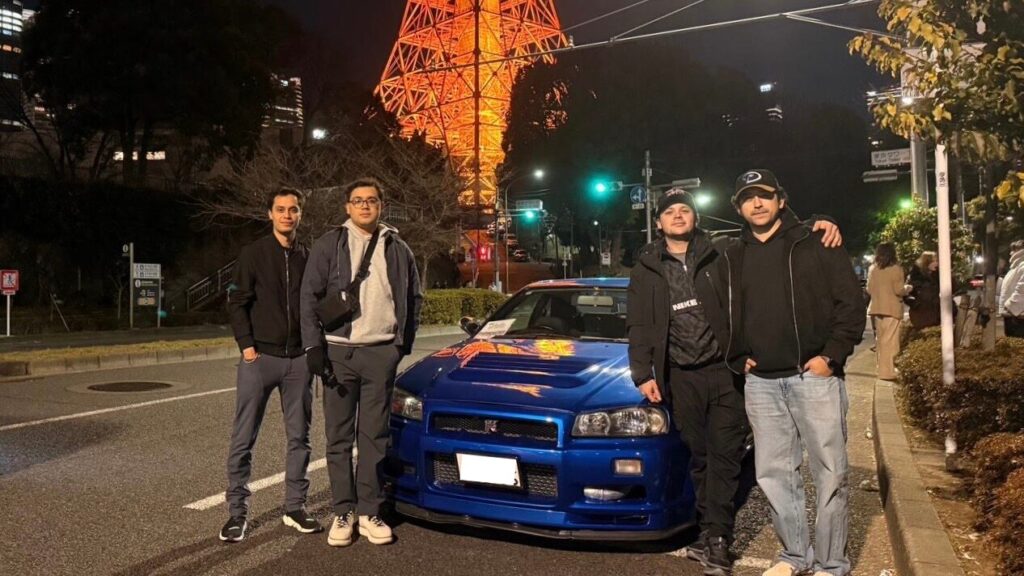
Important Information
- This is a drive tour where you drive your rental car, and our guide navigates from the seat.
- This is a self-drive tour where you drive your rental car, and our guide navigates from the passenger seat.
- The tour begins and ends at the same location (Shibuya).
- If the Daikoku Parking Area is closed, we will instead guide you to another car meet further away.
- The consultant is a cultural expert and navigator, not a taxi service.
