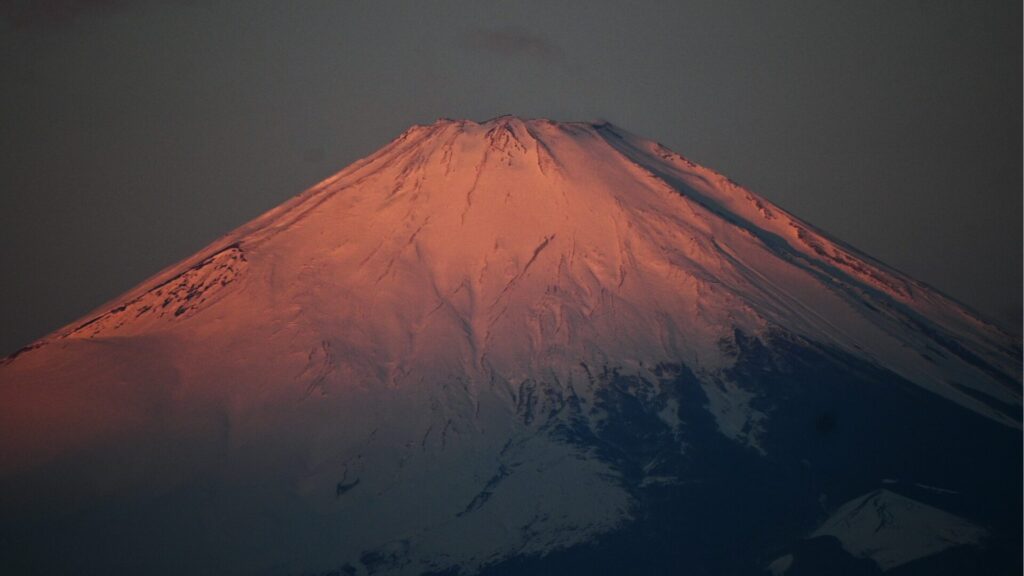
Why Mt Fuji Photos Are So Captivating
Mount Fuji is arguably the most photographed mountain on Earth. Its near-perfect conical silhouette, seasonal color shifts, and the way it dominates the horizon from dozens of vantage points across central Japan make it an irresistible subject for professional photographers and smartphone-wielding travelers alike. Whether you are chasing a snow-capped winter scene reflected in a glassy lake or a cherry-blossom-framed spring composition, understanding where, when, and how to photograph Fuji is the difference between a forgettable snapshot and a gallery-worthy image.
This guide covers 12 of the finest locations for Mt Fuji photos, along with practical tips on timing, gear, and conditions that will help you capture Japan's iconic peak at its absolute best in 2026.
-

-
Mt Fuji: The Ultimate 2026 Guide to Japan's Iconic Mountain
Why Mt Fuji Captivates Millions of Visitors Every Year Mt Fuji — or Fujisan (富士山) as it is known in Japanese — stands at 3,776 meters (12,389 feet), making it the tallest peak in Japan. Its near-perfect symmetrical cone, capped with snow for much of the year, has been a symbol of Japan for centuries. In 2013, UNESCO designated Mt Fuji as a World Cultural Heritage Site, recognizing not just its geological significance but its deep influence on Japanese art, literature, and spirituality. Whether you want to climb to the summit, photograph the mountain from a picturesque lake, soak in ...
続きを見る
Best Time of Year and Day for Mt Fuji Photography
Seasonal Considerations
- Winter (December–February): The highest probability of clear skies and a fully snow-capped summit. Cold, dry air reduces haze, producing the sharpest images. This is widely considered the best season for Mt Fuji photos.
- Spring (March–April): Cherry blossoms create iconic foreground elements. Mornings tend to be clearer before afternoon clouds build.
- Autumn (October–November): Fiery maple and ginkgo foliage adds dramatic color contrast. Visibility improves as summer humidity fades.
- Summer (June–September): The most challenging season. Fuji is frequently obscured by clouds and haze. Early mornings before dawn offer the best chances.
Golden Hour and Blue Hour
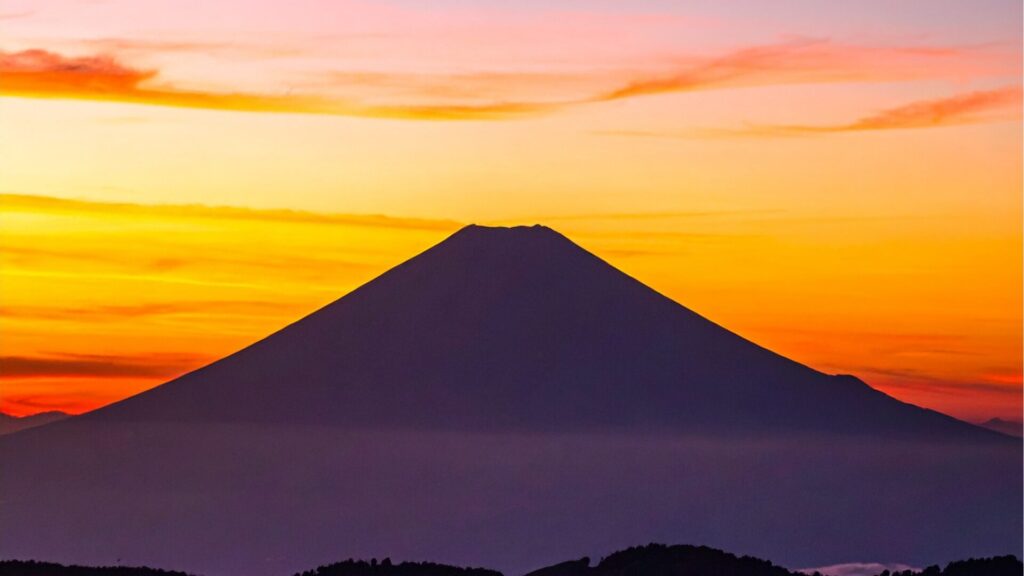
The period from roughly 30 minutes before sunrise to 30 minutes after produces the most dramatic light on Mt Fuji. Dawn paints the summit in warm pinks and oranges—a phenomenon the Japanese call "akafuji" (red Fuji). Blue hour, just before sunrise, is ideal for long-exposure lake reflections. Late afternoon can also work, especially in winter when the sun sets behind the photographer from many eastern vantage points.
12 Best Locations for Mt Fuji Photos
1. Lake Kawaguchiko – North Shore
The north shore of Lake Kawaguchiko is the single most popular spot for Mt Fuji photography, and for good reason. The lake's surface mirrors Fuji's reflection on calm mornings, particularly in winter. The Ōishi Park area offers lavender fields in summer and autumn foliage, while the lakeside walking path near Kubota Itchiku Art Museum gives an unobstructed panorama. Arrive before dawn on a windless morning for the classic "inverted Fuji" reflection shot.
-
-
Drive from Tokyo to Kawaguchiko Onsen: The Ultimate Self-Drive Guide for Overseas Visitors
Planning to drive from Tokyo to Kawaguchiko onsen? This in‑depth guide covers routes, permits, parking, tolls, itineraries, and seasonal tips—everything you need to enjoy Lake Kawaguchiko and Mt. Fuji hot springs by rental car. Why Drive from Tokyo to Kawaguchiko Onsen? Driving gives you freedom to stop at scenic viewpoints, lesser‑known onsen ryokan, and cafés around the Fuji Five Lakes. Compared with trains and buses, a car lets you combine multiple sights in one day, travel early or late to avoid crowds, and carry luggage with ease. Quick Facts Distance & time: ~110–140 km from central Tokyo; 2–2.5 hours in ...
続きを見る
2. Chureito Pagoda (Arakurayama Sengen Park)
This five-story pagoda framed against Mt Fuji is one of the most reproduced images in Japanese travel photography. Located in Fujiyoshida, the viewpoint requires climbing nearly 400 steps. Spring cherry blossoms and autumn maples provide seasonal foreground elements. Morning light is ideal, as the pagoda faces southwest toward Fuji. Note that the platform can get extremely crowded—arriving at dawn or on a weekday significantly improves your chances of a clean composition.
3. Lake Shoji
The smallest and quietest of the Fuji Five Lakes, Shoji offers undisturbed reflections and far fewer tourists than Kawaguchiko. The western shore provides an excellent angle on Fuji's symmetrical profile. This is a favorite among landscape photographers who want solitude and a mirror-like water surface at sunrise.
-
-
Fuji Five Lakes: The Complete 2026 Guide to the 5 Lakes of Mt Fuji
What Are the 5 Lakes of Mt Fuji? The Fuji Five Lakes — known as Fujigoko (富士五湖) in Japanese — are a group of five lakes situated at the northern base of Mt Fuji in Yamanashi Prefecture. Formed by ancient lava flows from Mt Fuji's eruptions that dammed natural river valleys, these lakes have been a cornerstone of Japanese landscape appreciation for centuries. Together, they form one of the most scenic regions in all of Japan and serve as the primary vantage point for iconic views of the mountain. The five lakes are Lake Kawaguchiko, Lake Yamanakako, Lake Saiko, Lake ...
続きを見る
4. Lake Tanuki (Tanukiko)
Situated in Shizuoka Prefecture to the southwest of Fuji, Lake Tanuki is famous for the "diamond Fuji" phenomenon—when the rising sun aligns perfectly with the summit, typically around April 20 and August 20 each year. The double diamond effect, where both the sun and its reflection form diamonds, is a once-in-a-lifetime shot. Even outside those dates, Tanuki's calm waters produce beautiful reflections.
5. Fujikawaguchiko Lawson Convenience Store
This unassuming Lawson store in Fujikawaguchiko became a viral sensation for the way Mt Fuji rises perfectly behind its blue-and-white signage. The juxtaposition of everyday Japanese commercial life with the majestic peak encapsulates a uniquely contemporary aesthetic. Local authorities installed a mesh barrier in 2024 to manage overtourism at the original spot, but the view remains partially visible, and alternative Lawson branches in the area offer similar compositions without restrictions.
-
-
The Famous Lawson Mt Fuji Spot in Fujikawaguchiko: What You Need to Know in 2026
Why the Lawson Mt Fuji Photo Spot Became World-Famous Few convenience stores on Earth have achieved the level of global fame that the Lawson branch in Fujikawaguchiko now enjoys. Located on the main street of this quiet lakeside town, the store's unassuming blue-and-white signage is perfectly framed against the towering silhouette of Mount Fuji rising behind it. The image — a quintessentially Japanese convenience store dwarfed by the nation's most sacred peak — became a viral sensation on social media platforms worldwide, drawing millions of visitors to a spot that was never designed to be a tourist attraction. The specific ...
続きを見る

6. Shinkansen Between Shin-Fuji and Mishima
Some of the most dramatic Mt Fuji photos are taken from a moving bullet train. When riding the Tokaido Shinkansen westbound from Tokyo, sit on the right side (seat D or E). Between Shin-Fuji and Mishima stations, Fuji appears spectacularly close with tea fields or urban foreground. Use a fast shutter speed (1/1000s or above) and continuous autofocus to freeze the scene from the moving train.
7. Nihondaira Plateau (Shimizu, Shizuoka)
Nihondaira offers a commanding southeasterly perspective of Fuji across Suruga Bay and the Shimizu port. The plateau sits at roughly 300 meters elevation, placing you above low-level haze. The Nihondaira Yume Terrace observation deck provides floor-to-ceiling glass for all-weather viewing. Morning light on a clear winter day reveals Fuji in extraordinary detail from this angle.
8. Miho no Matsubara (Miho Pine Grove)
A UNESCO World Heritage site component, this centuries-old pine grove along a black-sand beach in Shizuoka frames Fuji across Suruga Bay. The combination of gnarled pine trees, dark volcanic sand, and the distant peak evokes classical ukiyo-e woodblock prints. It is especially photogenic at sunset when the sky turns warm tones behind the pines.
9. Oshino Hakkai
This cluster of eight crystal-clear spring-fed ponds in Oshino village offers a quintessentially rural Japanese foreground—thatched-roof farmhouses, water mills, and turquoise pools—with Fuji towering in the background. The clarity of the spring water adds a remarkable textural element to wide-angle compositions. Early morning visits avoid the tour-bus crowds.
10. Fumotoppara Campground
For astrophotography and Milky Way compositions with Fuji, Fumotoppara is the top choice. This open grassland campground in Shizuoka has minimal light pollution and an unobstructed north-facing view of Fuji. Winter nights offer the clearest skies. A sturdy tripod, wide-angle lens (14–24mm), and manual exposure of 15–25 seconds at high ISO will capture the stars arching over the summit.
11. Mt Fuji 5th Station
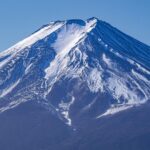
While most iconic photos are taken from a distance, the 5th Station at roughly 2,300 meters offers a dramatically different perspective. You can photograph the volcanic terrain, sea of clouds below, and sunrise from an elevated vantage point. The Subashiri and Yoshida 5th Station trails present particularly photogenic cloud formations in early morning. Access by car is restricted during the climbing season (July–September), requiring a shuttle bus from parking lots below.
-
-
Mt Fuji 5th Station: Complete 2026 Visitor Guide to Elevation, Access, and What to Expect
What Is the Mt Fuji 5th Station? The Mt Fuji 5th Station is the most popular gateway to Japan's iconic peak, sitting at approximately 2,305 meters (7,562 feet) above sea level on the Yoshida Trail — the mountain's most frequently used climbing route. Located on the Yamanashi Prefecture side (Subaru Line 5th Station), it serves as both the starting point for summit climbers and a world-class sightseeing destination in its own right. Every year, millions of visitors — many with no intention of climbing — travel here simply to experience the dramatic alpine landscape, shop for souvenirs, and peer above ...
続きを見る
12. Hakone (Lake Ashi and Owakudani)
Lake Ashi in Hakone provides a romantic composition of Fuji behind traditional pirate-ship sightseeing boats and torii gates. Owakudani, the volcanic valley above, offers a stark, sulfurous foreground contrasting with Fuji's serene silhouette. Hakone is a popular day-trip from Tokyo and can be combined with an onsen stay for a more relaxed photography itinerary.
Camera Gear and Settings for Sharp Mt Fuji Photos
Recommended Gear
- Camera: Any interchangeable-lens camera (mirrorless or DSLR). Modern smartphones with telephoto lenses can also produce excellent results in good light.
- Lenses: A 24–70mm zoom covers most compositions. A 70–200mm telephoto compresses the background and makes Fuji appear larger. A wide-angle (16–35mm) is essential for lake reflections and starscapes.
- Tripod: Mandatory for sunrise, blue-hour, and night photography. A lightweight carbon-fiber travel tripod is ideal.
- Filters: A circular polarizer reduces haze and enhances contrast. A graduated neutral-density filter balances a bright sky against a darker foreground.
Key Camera Settings
- Aperture: f/8–f/11 for landscapes maximizes sharpness across the frame.
- ISO: Keep as low as possible (ISO 100–400) during daylight. Increase to ISO 3200–6400 for night photography.
- Shutter speed: Use a remote release or 2-second timer to avoid camera shake on a tripod. For lake reflections, 1–5 second exposures can smooth minor ripples.
- Focus: Manual focus to infinity or use autofocus on the peak, then switch to manual to lock it.
Composition Tips for Iconic Mt Fuji Shots
The most powerful Mt Fuji photos share common compositional principles. Placing Fuji off-center using the rule of thirds—rather than dead center—often creates a more dynamic image. Leading lines such as roads, rivers, rows of cherry trees, or shorelines draw the eye toward the mountain. Foreground interest is critical: without it, even the most spectacular view of Fuji can look flat. Consider flowers, torii gates, boats, pagodas, or traditional architecture.
Layering adds depth. Position elements at near, mid, and far distances—such as a pine branch in the immediate foreground, a lake in the middle ground, and Fuji in the background. Atmospheric conditions like low-lying clouds, morning mist, or rain clearing can elevate a standard composition into something extraordinary. Do not be discouraged by partial cloud cover; Fuji peeking through gaps can be more evocative than a completely clear sky.
How to Get to These Photo Spots from Tokyo
Most of the best Mt Fuji photography locations are within a 1.5- to 2.5-hour drive from central Tokyo. The Fuji Five Lakes area (Kawaguchiko, Shoji) is accessible via the Chuo Expressway. Shizuoka-side spots like Lake Tanuki, Nihondaira, and Miho no Matsubara are reached via the Tomei Expressway. Having your own vehicle is a significant advantage for Mt Fuji photography because many of the best sunrise vantage points require arriving before public transportation begins operating. Driving also allows you to move quickly between multiple locations in a single morning session as cloud conditions change.
For those traveling by public transit, JR trains to Mishima or Shin-Fuji and Fujikyuko Railway to Kawaguchiko station provide a baseline, though you will need local buses or taxis to reach specific viewpoints. Planning around bus timetables limits flexibility, especially for dawn shoots.
Weather and Visibility: Checking Conditions Before You Go
Nothing matters more for Mt Fuji photography than visibility. The mountain is hidden by clouds more often than it is visible, particularly from May through September. Before heading out, check these resources:
- Live webcams: Multiple webcams around the Fuji Five Lakes region stream real-time views. Checking these before departing saves wasted trips.
- Japan Meteorological Agency (JMA): Provides detailed cloud-cover forecasts by region.
- Windy.com: Offers hour-by-hour cloud-layer predictions that are highly accurate for planning sunrise sessions.
- Local visibility: Even when Fuji is clear at the summit, low-altitude haze can obscure the base. Winter's cold, dry air consistently produces the best full-mountain visibility.
Etiquette and Rules for Photography Around Mt Fuji
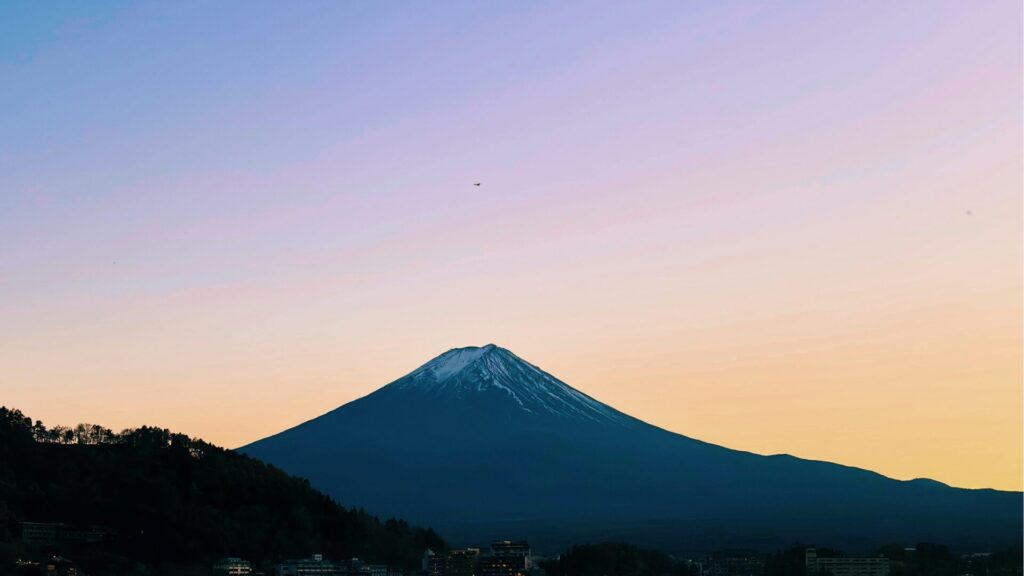
The explosive popularity of Mt Fuji photos on social media has led to overtourism issues at several locations. Respect local regulations, including the barriers installed at the Fujikawaguchiko Lawson. Do not trespass on private property or block roads for photos. At Chureito Pagoda, follow the queuing system for the main viewpoint platform. Drone photography is restricted in many areas around Fuji, including national parks and near airports—always check current Civil Aviation Bureau regulations before flying. Leave no trace at natural sites, and be mindful of noise levels during early-morning shoots in residential areas.
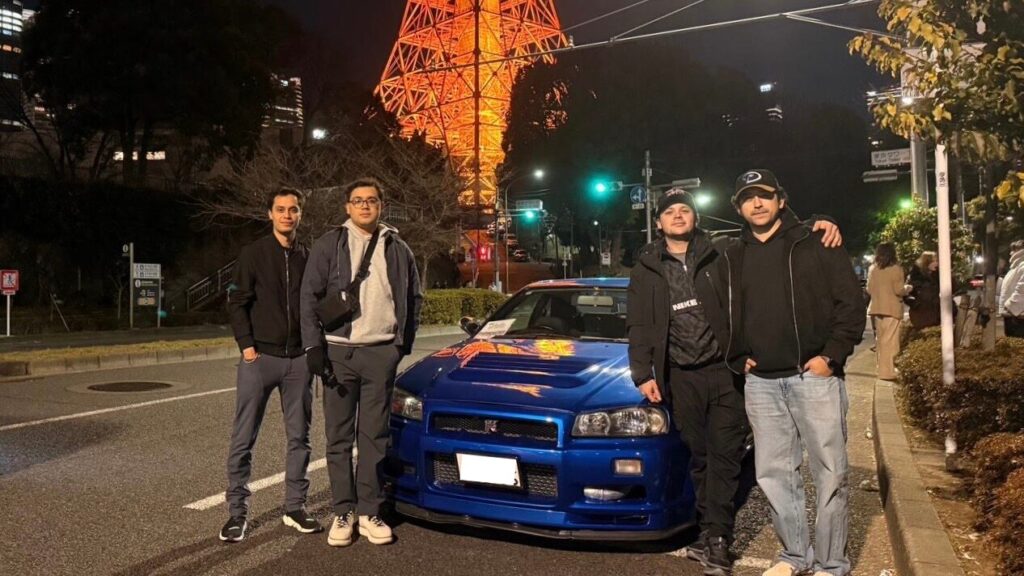
Experience Japan’s Finest JDM Adventures
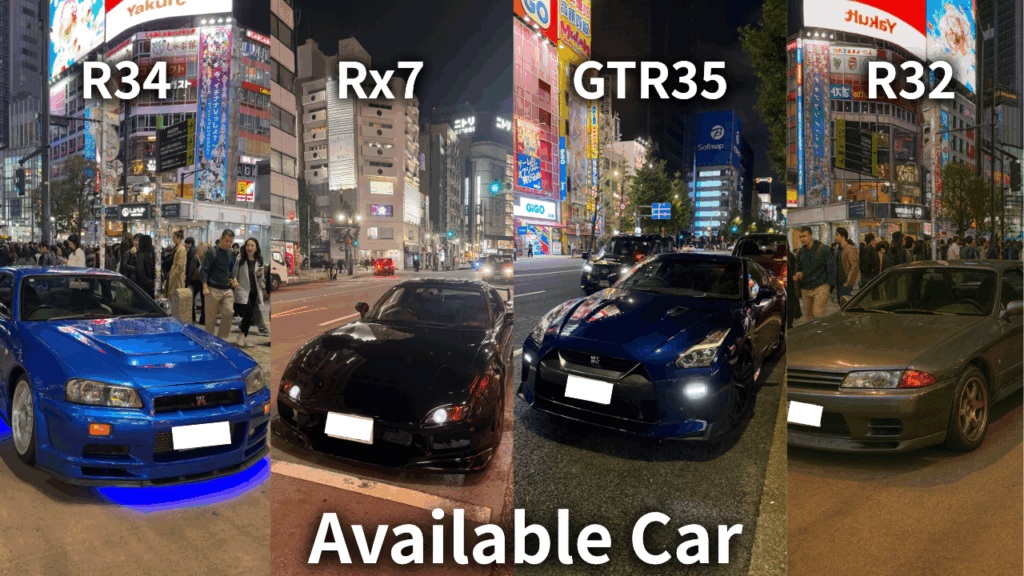
From Daikoku PA tours to JDM sports car rentals and drift experiences, we offer premium driving adventures for visitors who want more than ordinary sightseeing.
Get behind the wheel of iconic machines such as the GT-R, RX-7, and Supra, and experience Japan’s legendary car culture in the most unforgettable way. Whether you want a scenic Tokyo car experience or something more thrilling and immersive, we can guide you to the right plan.
Not sure which experience suits you best? No problem. Message us on WhatsApp and we’ll help you choose the ideal option based on your travel plans, interests, and driving experience.
Popular dates sell out quickly, so we recommend contacting us early.
Customer Reviews
Important Information
- This is a drive tour where you drive your rental car, and our guide navigates from the seat.
- This is a self-drive tour where you drive your rental car, and our guide navigates from the passenger seat.
- The tour begins and ends at the same location (Shibuya).
- If the Daikoku Parking Area is closed, we will instead guide you to another car meet further away.
- The consultant is a cultural expert and navigator, not a taxi service.
