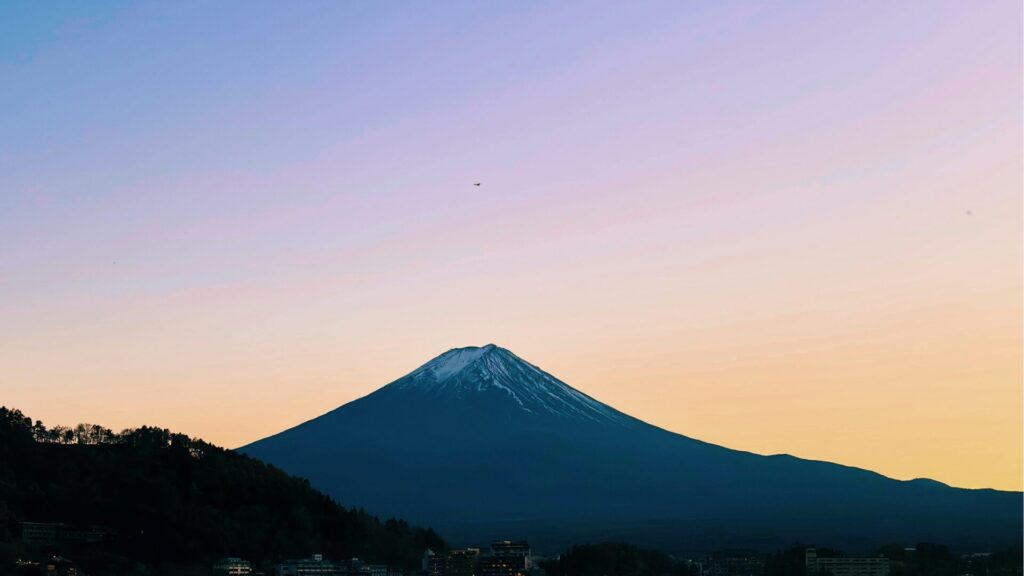
Why Take a Mt Fuji Tour?
Mount Fuji is Japan's most iconic landmark, and experiencing it through a well-organized tour can transform an ordinary day trip into an unforgettable adventure. Whether you are a first-time visitor looking for the classic photo opportunity or a seasoned traveler seeking a multi-day climbing expedition, a Mt Fuji tour offers structure, expert guidance, and access to locations that independent travelers often miss.
The region surrounding Mount Fuji is vast, spanning parts of Shizuoka and Yamanashi prefectures. Without local knowledge, it is easy to spend hours navigating confusing bus routes, missing seasonal viewpoints, or arriving at overcrowded spots at the worst possible time. A guided tour solves these problems while letting you focus entirely on the experience.
-

-
Mt Fuji: The Ultimate 2026 Guide to Japan's Iconic Mountain
続きを見る
Types of Mt Fuji Tours Available in 2026
Day Tours from Tokyo
The most popular Mt Fuji tour category is the day trip departing from central Tokyo. These tours typically last 10 to 12 hours and include round-trip transportation by coach bus, visits to one or more of the Fuji Five Lakes, a stop at the Fuji 5th Station (when the road is open), and a meal or shopping break at a nearby town. Many day tours bundle Mount Fuji with other attractions such as Hakone, the Oshino Hakkai springs, or a Lake Kawaguchiko cruise.
Prices for standard group day tours range from ¥8,000 to ¥15,000 per person in 2026, depending on inclusions. Premium or small-group options can run ¥20,000 to ¥40,000 but typically offer a more personalized experience, flexible itineraries, and higher-quality meals.
Mt Fuji Climbing Tours
For those who want to stand on the summit of Japan's tallest peak (3,776 meters), guided climbing tours operate during the official season from early July to mid-September. These tours usually follow the Yoshida Trail, the most accessible and well-serviced route, although some operators offer the Subashiri or Fujinomiya trails for a quieter experience.
A typical two-day climbing tour includes transportation from Tokyo, an experienced mountain guide, one night at a mountain hut (usually at the 7th or 8th Station), and a sunrise summit attempt. Expect to pay between ¥25,000 and ¥60,000 per person. In 2026, climbers must also pay the ¥2,000 entrance fee and are strongly encouraged to register through the official reservation system to manage trail congestion.
Private and Custom Tours
Private Mt Fuji tours cater to families, couples, or small groups who want complete flexibility. A private guide picks you up from your hotel and designs the itinerary around your interests — photography spots, local cuisine, onsen towns, or lesser-known shrines. Private tours cost more, typically ¥50,000 to ¥120,000 for a full day for a group of up to four, but the freedom and personalized attention make them a worthwhile investment for many travelers.
Self-Drive Tours
Renting a car and driving to the Mount Fuji area is another compelling option, especially for travelers who value independence. The drive from central Tokyo takes approximately 90 minutes to two hours via the Chuo Expressway. Having your own vehicle allows you to visit off-the-beaten-path viewpoints, explore at your own pace, and combine the trip with a stop at scenic hot spring towns along the way.
-
-
Drive from Tokyo to Kawaguchiko Onsen: The Ultimate Self-Drive Guide for Overseas Visitors
続きを見る
Top Destinations Included in Mt Fuji Tours
Fuji 5th Station (Subaru Line)
Located at 2,300 meters on the Yoshida side, the 5th Station is the highest point accessible by vehicle. From here, you get panoramic views above the clouds, a handful of souvenir shops, a small shrine, and the trailhead for Fuji climbers. Note that the Subaru Line toll road closes to private vehicles during the climbing season; a shuttle bus system operates instead.
Lake Kawaguchiko
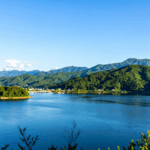
Lake Kawaguchiko is the most developed of the Fuji Five Lakes and the most common stop on organized tours. The northern shore offers the iconic reflection of Mt Fuji on calm mornings. Attractions around the lake include the Kubota Itchiku Art Museum, the Music Forest museum, and the Kawaguchiko Ropeway leading to the Mt Tenjo observation deck.
Chureito Pagoda
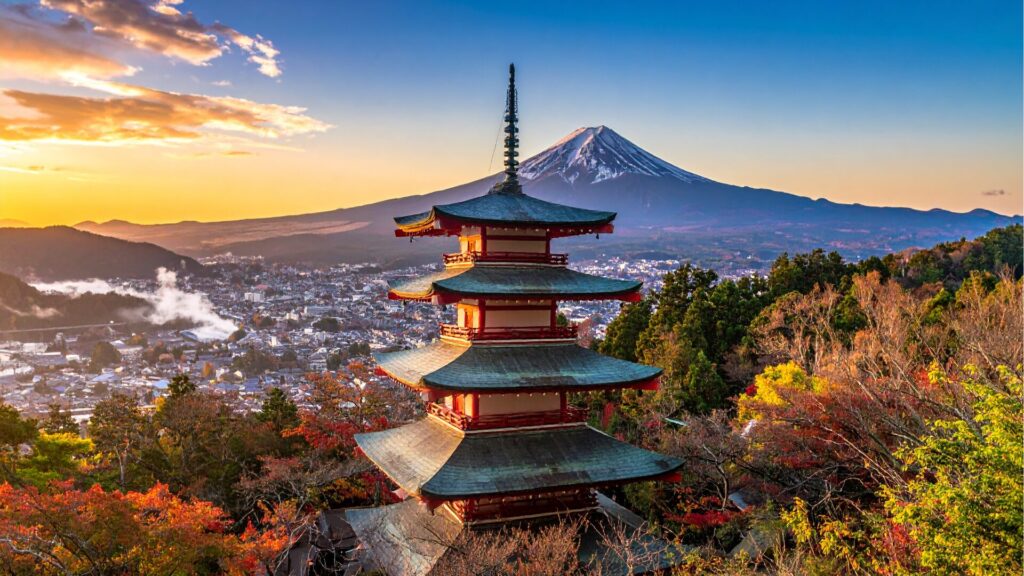
The Chureito Pagoda, part of Arakura Sengen Shrine in Fujiyoshida, is one of the most photographed spots in all of Japan. A climb of 398 steps leads to a five-story pagoda framed by Mount Fuji in the background. The view is spectacular year-round but truly magical during cherry blossom season in early April and autumn foliage in November.
Oshino Hakkai
This collection of eight crystal-clear spring water ponds, fed by snowmelt from Mt Fuji filtered through lava for over 80 years, sits in a quaint village between Lake Kawaguchiko and Lake Yamanakako. Many tours stop here for 30 to 60 minutes, giving visitors time to taste the spring water, browse traditional craft shops, and enjoy the pastoral Fuji views.
Hakone
Some Mt Fuji tours extend to Hakone, a renowned hot spring resort area. Highlights include the Owakudani volcanic valley, Lake Ashi cruises with Fuji views, and the Hakone Open-Air Museum. A combined Fuji-Hakone tour makes for a full and varied day.
Best Time of Year for a Mt Fuji Tour
Clear Skies: October to February
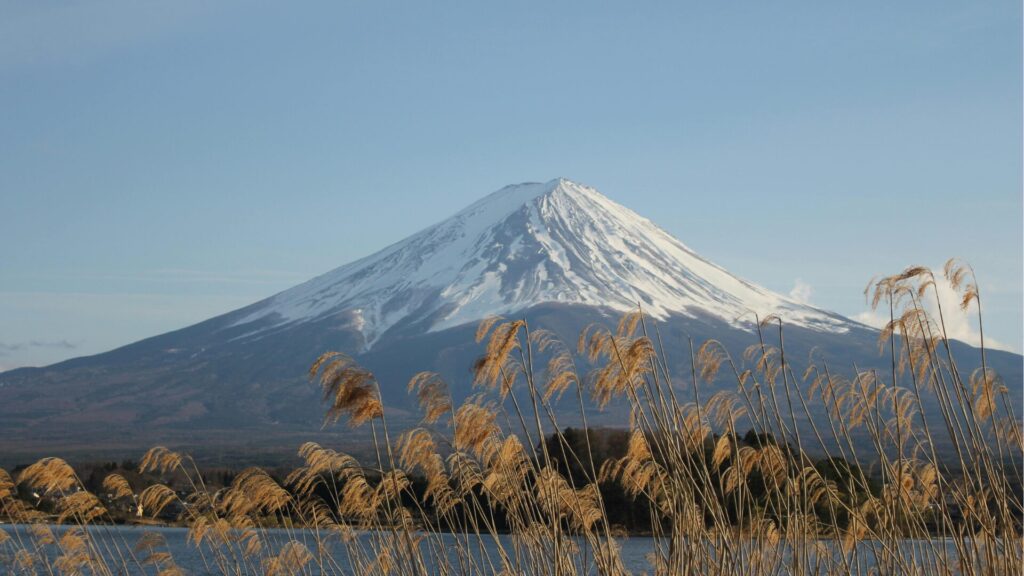
Contrary to popular belief, the best months for actually seeing Mount Fuji are during the cooler months. From October through February, the air is drier and clearer, meaning the mountain is visible far more often than during the humid summer months. The snow-capped peak against blue winter skies creates the classic postcard image most visitors hope for.
Cherry Blossom Season: Late March to Mid-April
If you want to photograph Fuji framed by cherry blossoms — especially at Chureito Pagoda — aim for late March to mid-April. Timing varies year to year, so checking the forecast as your trip approaches is essential.
Climbing Season: July to Mid-September
The official climbing season is the only time the summit trails are fully open and staffed with mountain huts. However, this is also when Fuji is most frequently hidden behind clouds. Many climbers begin their ascent in the afternoon, sleep at a mountain hut, and finish the climb before dawn to witness the legendary goraiko (sunrise from the summit).
Autumn Foliage: Late October to Mid-November
The Fuji Five Lakes region is particularly beautiful in autumn, when the maple trees around the lakes turn vivid shades of red and gold. The Maple Corridor along Lake Kawaguchiko's northern shore is a highlight during this period.
How to Choose the Right Mt Fuji Tour
With dozens of operators offering Mt Fuji tours in 2026, selecting the right one requires matching the tour to your priorities. Consider the following factors:
- Group size: Large bus tours (30-40 people) are budget-friendly but follow rigid schedules. Small-group tours (6-12 people) offer a balance of cost and flexibility.
- Language: Confirm the tour is conducted in English. Some budget options primarily cater to domestic Japanese tourists with limited English guidance.
- Inclusions: Check whether lunch, admission fees, and the 5th Station shuttle bus fare are included. Hidden costs can add up quickly.
- Season and weather policy: Ask about cancellation or rerouting policies in case of poor weather. A good operator will offer alternatives or refunds if Fuji is completely obscured.
- Pickup location: Most Tokyo-based tours depart from Shinjuku Station, but some offer hotel pickup for an additional fee.
Getting to Mount Fuji on Your Own
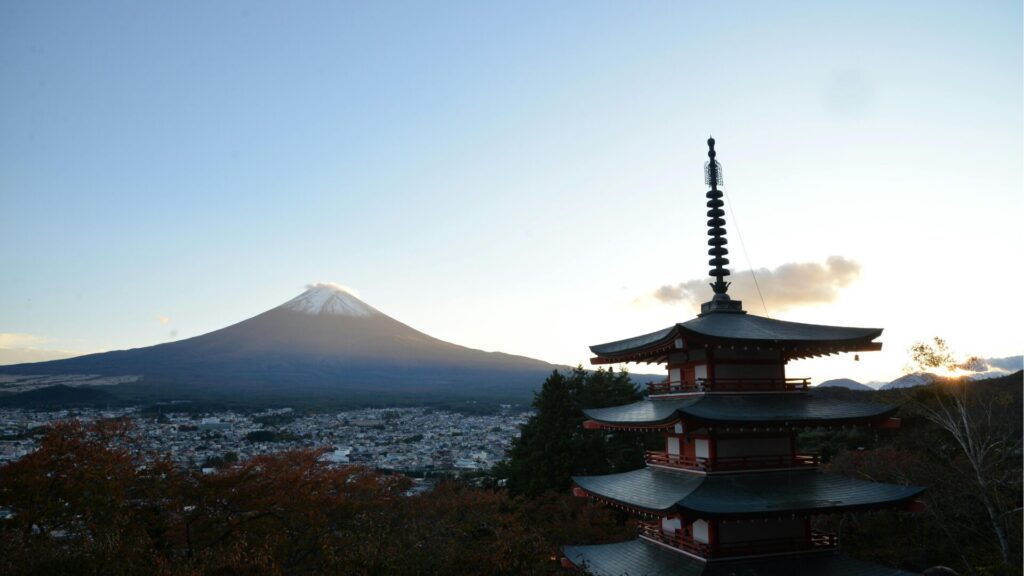
If you prefer not to join an organized tour, reaching Mount Fuji independently is straightforward. The fastest public transport option is the JR Chuo Line limited express from Shinjuku to Otsuki, then transferring to the Fujikyu Railway to Kawaguchiko Station (total journey: about 2 hours, roughly ¥4,000 one way). Direct highway buses also run from Shinjuku Bus Terminal to Kawaguchiko and Fuji 5th Station, taking about 2 to 2.5 hours depending on traffic.
Driving offers the greatest flexibility, particularly if you want to visit multiple lakes and viewpoints in a single day without being constrained by bus schedules. The toll from Tokyo to Kawaguchiko via the Chuo Expressway is approximately ¥3,000 to ¥4,000 one way.
-
-
Tokyo to Mt Fuji: Every Way to Get There in 2026 (Train, Bus, Car & Tours)
続きを見る
Tips for an Unforgettable Mt Fuji Tour Experience
- Start early: Morning offers the highest probability of clear Fuji views. Clouds typically build from late morning onward, especially in warmer months.
- Dress in layers: Temperatures at the 5th Station can be 10-15°C cooler than Tokyo, even in summer. If climbing, be prepared for near-freezing temperatures at the summit.
- Bring a camera with zoom capability: Many of the best Fuji viewpoints are at a distance. A telephoto lens or good smartphone zoom makes a significant difference.
- Book climbing tours months in advance: Mountain hut reservations fill up rapidly, and the 2026 reservation system limits daily climber numbers on the Yoshida Trail.
- Check the Fuji visibility forecast: Several Japanese websites and apps provide real-time Fuji visibility data. Cross-reference these before committing to a specific date.
- Combine with a hot spring visit: The Fuji area has numerous onsen facilities. Soaking in an outdoor bath with a Fuji view after a long day of sightseeing is one of Japan's quintessential experiences.
Hidden Gem Viewpoints Most Tours Miss
While standard tours cover the greatest hits, some of the most breathtaking Mt Fuji views come from lesser-known locations:
- Lake Shojiko: The smallest and least visited of the Fuji Five Lakes offers an unspoiled reflection of Fuji with almost no crowds.
- Nihondaira (Shizuoka side): This hilltop plateau provides a completely different perspective of Fuji from the south, often overlooked by Tokyo-based tours.
- Fumotoppara Campground: A vast open field at the base of Fuji, popular with campers but also accessible for day visitors. The unobstructed ground-to-summit view is unrivaled.
- Misaka Pass: The viewpoint that inspired the famous ukiyo-e print by Hokusai. Lake Kawaguchiko stretches below with Fuji rising behind it.
- Tanuki Lake (Shizuoka): Featured on the ¥1,000 bill, this is where you can see the "Diamond Fuji" phenomenon when the sun aligns perfectly with the summit during certain dates in February and October.
Reaching these hidden spots typically requires a car, as public transportation connections are limited or nonexistent. For travelers who want to explore beyond the standard tourist circuit, a self-drive approach opens up an entirely different dimension of the Mt Fuji experience.
Mt Fuji Tour Budget Breakdown for 2026
To help you plan your budget, here is a rough breakdown of costs for different Mt Fuji tour styles:
- Budget group day tour: ¥8,000-¥15,000 per person (includes transport, guide, some admissions)
- Premium small-group day tour: ¥20,000-¥40,000 per person (includes transport, lunch, all admissions, English guide)
- Guided climbing tour (2 days): ¥25,000-¥60,000 per person (includes transport, guide, mountain hut, meals on the mountain)
- Private tour (full day): ¥50,000-¥120,000 per group of up to 4
- Self-drive (car rental + tolls + fuel): ¥10,000-¥25,000 total depending on vehicle and duration
Additional costs to factor in include the ¥2,000 Fuji climbing entrance fee (if summiting), ropeway tickets (approximately ¥900), boat cruises (approximately ¥1,000), and meals at lakeside restaurants (¥1,000-¥3,000 per person).
Frequently Asked Questions About Mt Fuji Tours
Can I see Mt Fuji on a cloudy day?
Unfortunately, clouds can completely obscure the mountain. Statistically, Fuji is visible roughly 30-40% of days during summer and over 60% of days during winter. Reputable tour operators either offer alternative itineraries or partial refunds when visibility is zero.
Is a Mt Fuji tour worth it if I am not climbing?
Absolutely. The vast majority of visitors experience Fuji from the base, lakeside, or the 5th Station without climbing to the summit. The surrounding area offers rich cultural sites, stunning natural scenery, and excellent food — more than enough to fill a memorable day.
Are Mt Fuji tours suitable for children?
Day tours to the lakes and 5th Station are suitable for all ages. Climbing tours, however, are recommended for children aged 10 and older who are in good physical condition. Altitude sickness can affect anyone regardless of fitness level.
Should I book a Mt Fuji tour in advance?
Yes, especially during peak seasons (cherry blossom, summer climbing, and autumn foliage). Popular tours sell out weeks in advance. Booking at least two weeks ahead is recommended; for climbing tours, book two to three months early to secure mountain hut availability.
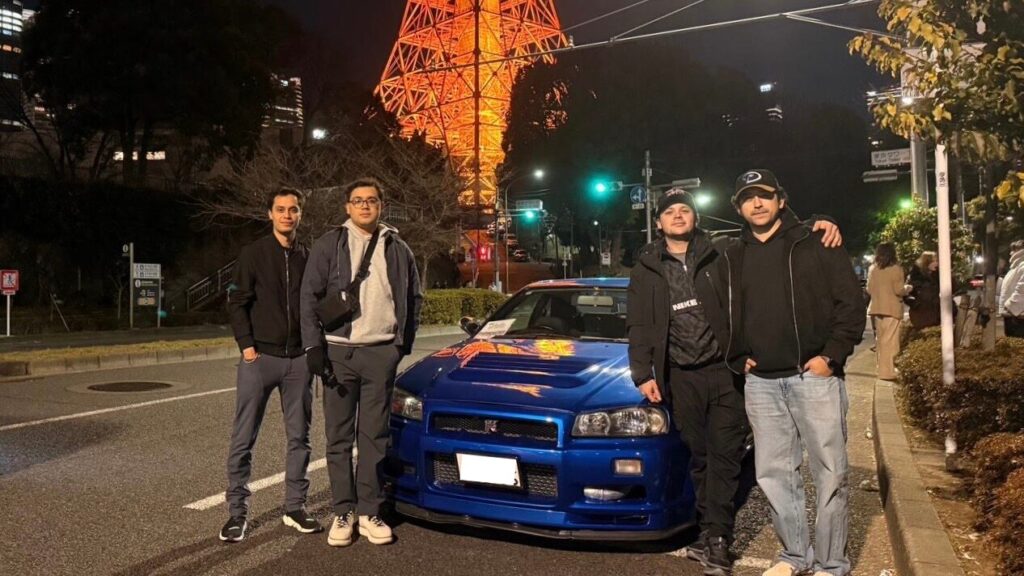
Experience Japan’s Finest JDM Adventures
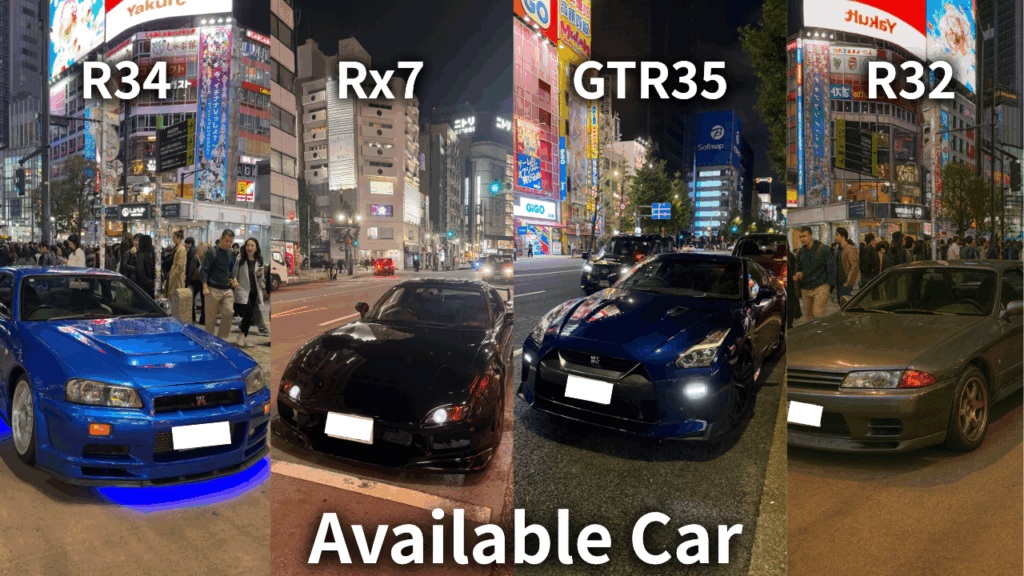
From Daikoku PA tours to JDM sports car rentals and drift experiences, we offer premium driving adventures for visitors who want more than ordinary sightseeing.
Get behind the wheel of iconic machines such as the GT-R, RX-7, and Supra, and experience Japan’s legendary car culture in the most unforgettable way. Whether you want a scenic Tokyo car experience or something more thrilling and immersive, we can guide you to the right plan.
Not sure which experience suits you best? No problem. Message us on WhatsApp and we’ll help you choose the ideal option based on your travel plans, interests, and driving experience.
Popular dates sell out quickly, so we recommend contacting us early.
Customer Reviews
Important Information
- This is a drive tour where you drive your rental car, and our guide navigates from the seat.
- This is a self-drive tour where you drive your rental car, and our guide navigates from the passenger seat.
- The tour begins and ends at the same location (Shibuya).
- If the Daikoku Parking Area is closed, we will instead guide you to another car meet further away.
- The consultant is a cultural expert and navigator, not a taxi service.
