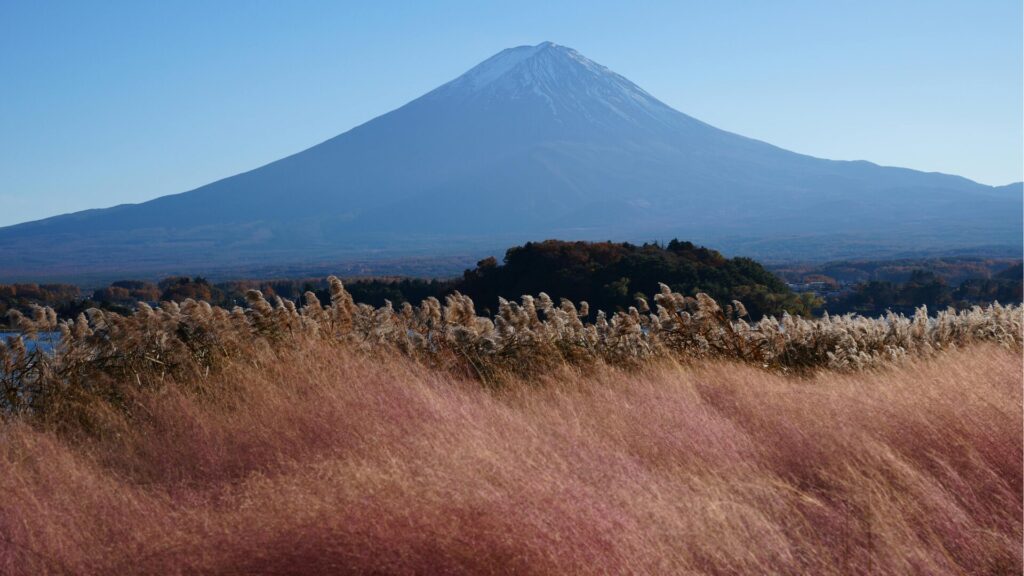
Understanding Mt Fuji Weather Before You Go
Mt Fuji weather is notoriously unpredictable and dramatically different from conditions at lower elevations. Standing at 3,776 meters (12,389 feet), Japan's tallest peak creates its own microclimate that can shift from calm sunshine to fierce winds and freezing temperatures within minutes. Whether you are planning to climb the summit, photograph the mountain from surrounding lakes, or simply admire it from a distance, understanding Mt Fuji's weather patterns is essential for a safe and rewarding experience.
This guide breaks down monthly weather conditions at the summit and base, explains seasonal visibility patterns, and offers practical advice for choosing the best time to visit Mt Fuji in 2026.
-

-
Mt Fuji: The Ultimate 2026 Guide to Japan's Iconic Mountain
Why Mt Fuji Captivates Millions of Visitors Every Year Mt Fuji — or Fujisan (富士山) as it is known in Japanese — stands at 3,776 meters (12,389 feet), making it the tallest peak in Japan. Its near-perfect symmetrical cone, capped with snow for much of the year, has been a symbol of Japan for centuries. In 2013, UNESCO designated Mt Fuji as a World Cultural Heritage Site, recognizing not just its geological significance but its deep influence on Japanese art, literature, and spirituality. Whether you want to climb to the summit, photograph the mountain from a picturesque lake, soak in ...
続きを見る
Mt Fuji Summit Weather vs. Base Area Weather
One of the most important things to understand about Mt Fuji weather is the vast difference between conditions at the base and at the summit. The Fuji Five Lakes region (Kawaguchiko, Yamanakako, etc.) sits at approximately 800–1,000 meters elevation, while the summit is nearly four times higher. This altitude gap creates a temperature difference of roughly 20°C (36°F) between the two zones.
Temperature Comparison
- Base area (Kawaguchiko): Summer highs of 27–30°C (81–86°F); winter lows of −7°C (19°F)
- Summit: Summer highs of only 5–7°C (41–45°F); winter lows can plunge below −30°C (−22°F)
Even during the official climbing season in July and August, nighttime summit temperatures regularly drop below freezing. Wind chill can make it feel 10–15°C colder than the actual air temperature, especially above the 8th station.
Wind Conditions
Mt Fuji's isolated, conical shape means it is fully exposed to prevailing winds from every direction. Average wind speeds at the summit can exceed 15 m/s (34 mph) year-round, with winter gusts frequently surpassing 30 m/s (67 mph). These conditions make winter climbing extremely dangerous and are the primary reason the mountain is officially open only during summer.
Mt Fuji Weather by Month
Below is a month-by-month breakdown of typical weather conditions for both the summit and the base area around Mt Fuji. Use this as a planning framework, but always check forecasts before your trip.
January – February
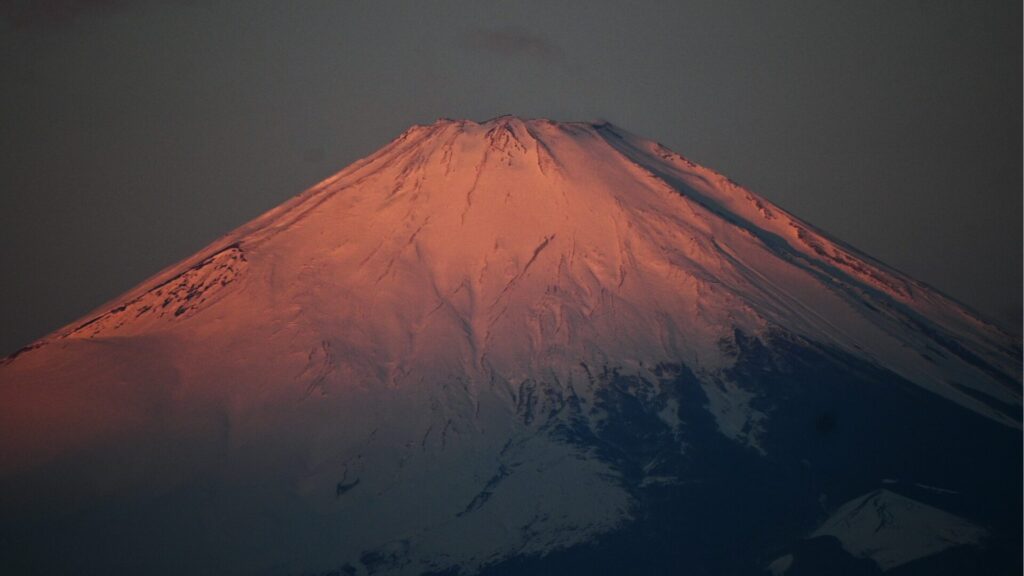
The harshest months on Mt Fuji. The summit is buried in snow and ice, with temperatures averaging −18°C to −22°C (0°F to −8°F). Visibility can be excellent on clear winter days, making these prime months for distant photography from Tokyo or Hakone. However, the mountain itself is completely off-limits for casual hikers. The base area sees occasional snowfall and temperatures between −5°C and 5°C (23°F to 41°F).
March – April
Snow begins to slowly melt at lower elevations, but the summit remains heavily snow-covered. March is still very cold at altitude, with summit temperatures around −15°C (5°F). By April, base area temperatures warm to 8–16°C (46–61°F), and cherry blossoms appear around Kawaguchiko, offering iconic Fuji-and-sakura photo opportunities. Cloud cover increases somewhat in April.
May – June
May brings pleasant weather to the base area with temperatures of 14–22°C (57–72°F), and Mt Fuji often has a photogenic snow cap against blue skies. Late June marks the onset of tsuyu (the rainy season), which typically lasts through mid-July. During tsuyu, persistent cloud cover and rain make Fuji sightings rare. Humidity increases dramatically.
July – August (Climbing Season)
The official Mt Fuji climbing season runs from early July to early September in 2026, with exact dates varying by trail. After the rainy season lifts around mid-July, conditions improve considerably. Base area temperatures reach 25–30°C (77–86°F), while summit temperatures hover between 2°C and 7°C (36–45°F) during the day. Afternoon thunderstorms are common in August, so early starts are strongly recommended for climbers. Visibility is generally good in early morning but deteriorates as cumulus clouds build through the afternoon.
September – October
September remains viable for climbing during the first week or two, though huts begin closing. Typhoon season peaks in September, so monitoring forecasts is critical. October brings stunning autumn foliage to the Fuji Five Lakes area, with base temperatures of 10–18°C (50–64°F). The first snowfall on the summit often occurs in late September or early October. Air clarity improves significantly in autumn, producing some of the year's best viewing conditions.
November – December
Winter sets in rapidly. The summit is snow-covered and inaccessible. However, the cold, dry air creates exceptional visibility, and November through February offers some of the highest chances of seeing Mt Fuji from distant locations. Base area temperatures drop to 0–10°C (32–50°F). December mornings at Lake Kawaguchiko can produce stunning reflections of the snow-capped peak.
Best Weather for Viewing Mt Fuji
If your goal is to see Mt Fuji rather than climb it, the best months are November through February. During this period, low humidity and minimal cloud cover mean the mountain is visible far more often than in warmer months. Statistically, Mt Fuji is visible from the Kawaguchiko area roughly 60–70% of winter days compared to only 20–30% of summer days.
Early morning universally offers the best visibility regardless of season. Clouds typically build from late morning onward, especially during warmer months. If you are driving to a Fuji viewing spot, aim to arrive before 9:00 AM for the clearest conditions.
-
-
Drive from Tokyo to Kawaguchiko Onsen: The Ultimate Self-Drive Guide for Overseas Visitors
Planning to drive from Tokyo to Kawaguchiko onsen? This in‑depth guide covers routes, permits, parking, tolls, itineraries, and seasonal tips—everything you need to enjoy Lake Kawaguchiko and Mt. Fuji hot springs by rental car. Why Drive from Tokyo to Kawaguchiko Onsen? Driving gives you freedom to stop at scenic viewpoints, lesser‑known onsen ryokan, and cafés around the Fuji Five Lakes. Compared with trains and buses, a car lets you combine multiple sights in one day, travel early or late to avoid crowds, and carry luggage with ease. Quick Facts Distance & time: ~110–140 km from central Tokyo; 2–2.5 hours in ...
続きを見る
Best Weather for Climbing Mt Fuji
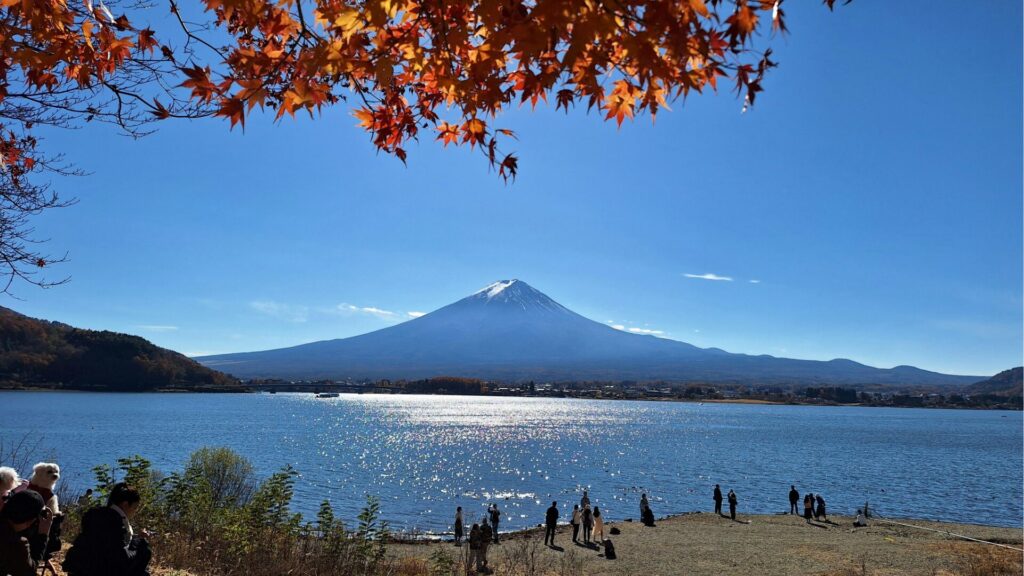
For summit attempts, the sweet spot is mid-July through early September, after the rainy season ends and before autumn typhoons intensify. Within this window, consider the following weather factors:
- Late July (post-tsuyu): Trails are open, crowds are building but manageable, and weather is relatively stable.
- Early August: Peak season with the warmest summit temperatures, but also the most crowded and highest chance of afternoon thunderstorms.
- Late August – early September: Crowds thin, temperatures begin to drop, and weather becomes slightly less predictable.
Regardless of when you climb, always prepare for rain, cold, and strong winds. Conditions can change drastically within an hour, and hypothermia is a real risk for underprepared hikers even in summer.
Checking Mt Fuji Weather Forecasts
Standard city-level forecasts for Fujiyoshida or Gotemba do not reflect summit conditions. Use these specialized resources for accurate Mt Fuji weather data:
- Japan Meteorological Agency (JMA): Official forecasts for the Fuji area, including mountain-specific warnings. Available in Japanese and English.
- Mountain-forecast.com: Provides altitude-specific forecasts for Mt Fuji at multiple elevations (base, mid-mountain, summit), including wind speed, temperature, and precipitation.
- Windy.com: Excellent for visualizing wind patterns and cloud cover at different altitudes around the mountain.
- Tenki.jp (Mountain Weather section): Japanese-language resource with detailed hourly summit forecasts during climbing season.
Check forecasts at least 48 hours before your planned visit and again on the morning of. For climbing, if summit winds are forecast above 20 m/s or visibility is expected to be near zero, consider postponing.
How Weather Affects the Mt Fuji Climbing Season in 2026
In recent years, the official climbing season has sometimes been delayed or trails temporarily closed due to unusual weather patterns. Heavy late-season snowfall can push trail openings from early July to mid-July. Additionally, since 2024, a reservation and fee system has been implemented on the Yoshida Trail, partly to manage climber safety during adverse weather windows.
For 2026, the Yoshida Trail is expected to open around July 1, with the Subashiri, Gotemba, and Fujinomiya trails opening slightly later. These dates are weather-dependent and confirmed by local authorities each year, typically in late June. Check the official Mt Fuji Climbing website for the latest opening status.
What to Wear Based on Mt Fuji Weather
Packing for Mt Fuji weather requires a layering strategy that accounts for the enormous temperature range you will experience between the 5th station trailhead and the summit.
- Base layer: Moisture-wicking synthetic or merino wool top and bottom.
- Mid layer: Fleece jacket or insulated synthetic layer for warmth above the 7th station.
- Outer layer: Waterproof and windproof shell jacket and pants — non-negotiable, even on clear days.
- Accessories: Warm hat, gloves, neck gaiter, and sunglasses for UV protection at altitude.
- Footwear: Sturdy, waterproof hiking boots with ankle support. The volcanic gravel trails are loose and unforgiving in rain.
For base area sightseeing in summer, light clothing is fine, but bring a light jacket for lakeside mornings. In winter, full cold-weather gear is essential even at Kawaguchiko elevation.
Weather-Related Hazards on Mt Fuji
Mt Fuji's weather creates several serious hazards that visitors should be aware of:
Lightning
Summer afternoon thunderstorms are common and extremely dangerous on the exposed upper slopes. There is virtually no shelter above the 8th station. If you see cumulonimbus clouds developing, descend immediately to the nearest mountain hut.
Hypothermia
The combination of cold temperatures, wind, and rain-soaked clothing can cause hypothermia even in July. This is the number one weather-related danger for Mt Fuji climbers. Cotton clothing is especially hazardous as it retains moisture and loses all insulating properties when wet.
Altitude Sickness
While not directly a weather phenomenon, low pressure systems and rapid altitude gain compound the effects of altitude sickness. Symptoms include headache, nausea, and dizziness. Acclimatize at the 5th station for at least an hour before beginning your ascent.
Typhoons
Late August through October is typhoon season in Japan. Typhoons bring torrential rain, flooding, and winds that make any outdoor activity around Mt Fuji extremely dangerous. Always monitor the JMA's typhoon tracking page and have contingency plans.
Planning Around Mt Fuji Weather: Practical Tips
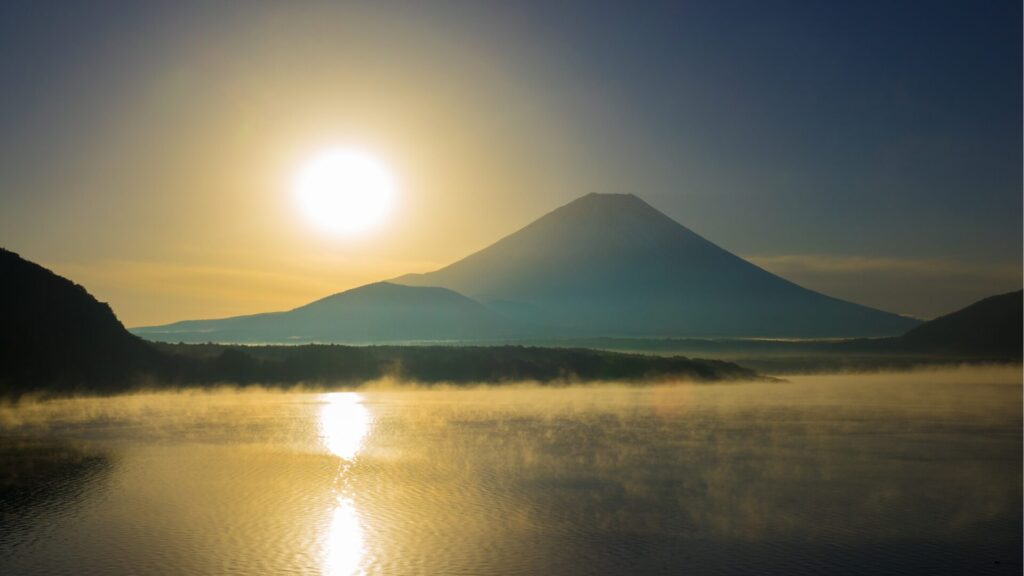
Given the unpredictability of Mt Fuji weather, flexibility is your greatest asset. Here are practical strategies for making the most of your visit:
- Build buffer days: If seeing Mt Fuji is a priority, stay in the area for at least two days. This significantly increases your chances of catching a clear view.
- Go early: Whether climbing or sightseeing, start before dawn. Morning hours consistently offer the clearest skies and calmest winds.
- Have a Plan B: The Fuji Five Lakes area offers excellent hot springs, museums, and lakeside activities for cloudy days when the mountain is hidden.
- Drive for flexibility: Having your own vehicle lets you chase clear skies — if Kawaguchiko is cloudy, the view from the south side (Fujinomiya) or east side (Gotemba) might be clear. Driving around the mountain to find the best angle is a strategy seasoned Fuji photographers swear by.
Mt Fuji weather will always carry an element of unpredictability — it is, after all, one of the most exposed peaks in the world. But with proper preparation, flexible scheduling, and reliable forecast data, you can dramatically improve your odds of experiencing this iconic mountain at its most magnificent.
Experience Japan’s Finest JDM Adventures
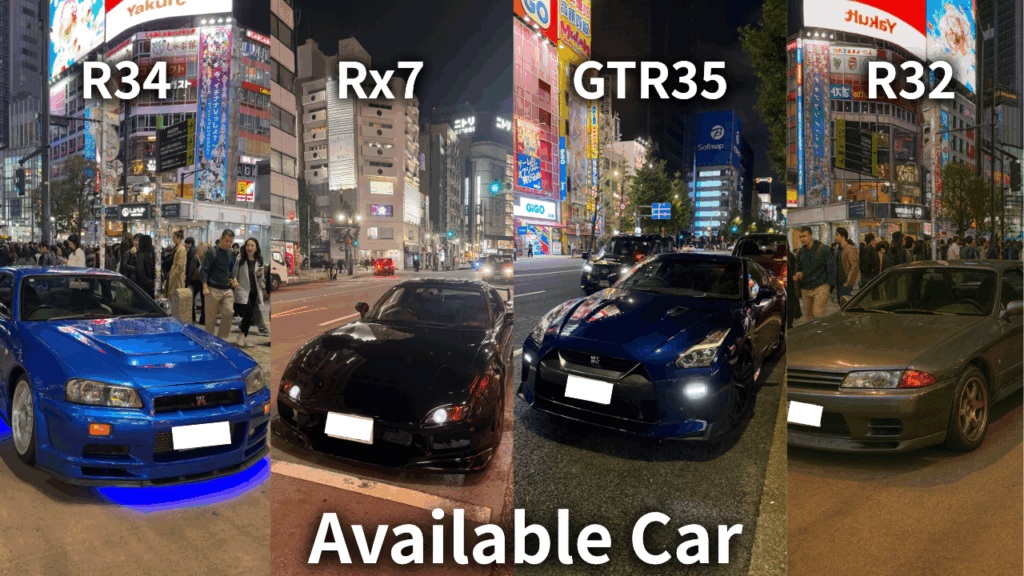
From Daikoku PA tours to JDM sports car rentals and drift experiences, we offer premium driving adventures for visitors who want more than ordinary sightseeing.
Get behind the wheel of iconic machines such as the GT-R, RX-7, and Supra, and experience Japan’s legendary car culture in the most unforgettable way. Whether you want a scenic Tokyo car experience or something more thrilling and immersive, we can guide you to the right plan.
Not sure which experience suits you best? No problem. Message us on WhatsApp and we’ll help you choose the ideal option based on your travel plans, interests, and driving experience.
Popular dates sell out quickly, so we recommend contacting us early.
Customer Reviews
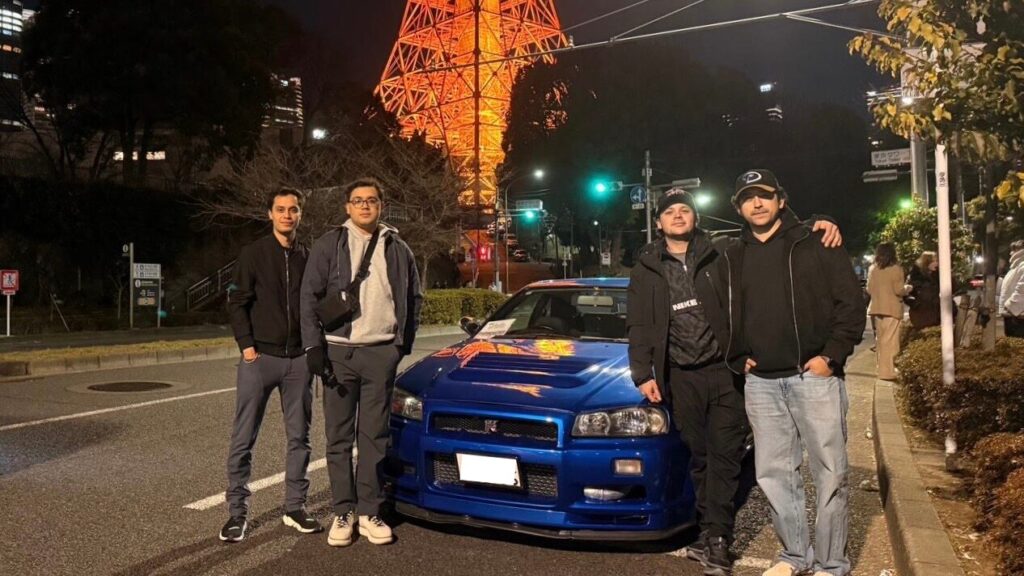
Important Information
- This is a drive tour where you drive your rental car, and our guide navigates from the seat.
- This is a self-drive tour where you drive your rental car, and our guide navigates from the passenger seat.
- The tour begins and ends at the same location (Shibuya).
- If the Daikoku Parking Area is closed, we will instead guide you to another car meet further away.
- The consultant is a cultural expert and navigator, not a taxi service.
