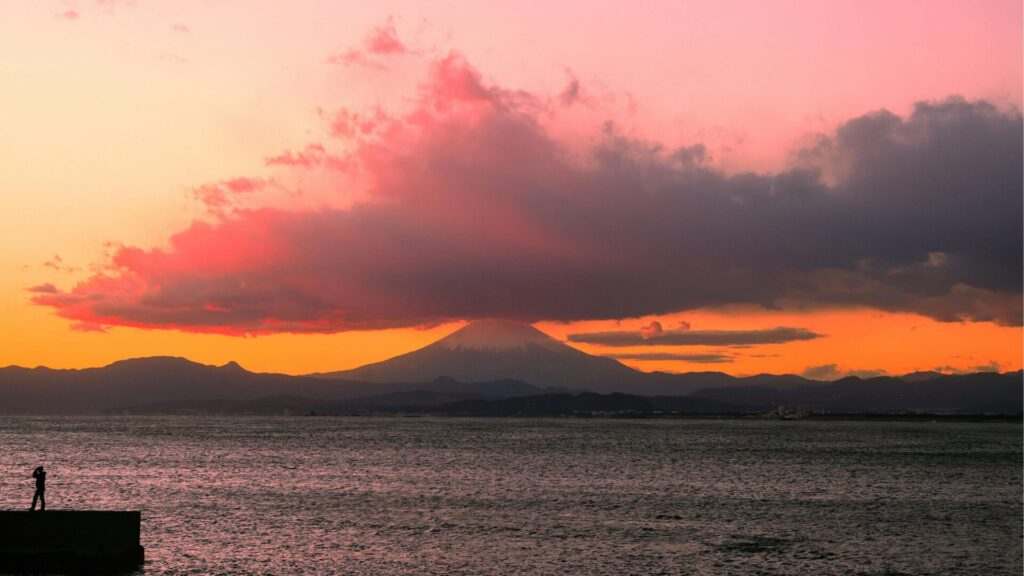
Why Check an Mt Fuji Webcam Before Your Trip?
Mt Fuji is one of the most photographed mountains on Earth, yet it has a frustrating habit of hiding behind clouds. On any given day, visibility can shift from crystal-clear panoramas to complete whiteout in a matter of minutes. Whether you are planning a climb, a scenic drive through the Fuji Five Lakes region, or simply hoping to catch the mountain from a bullet train window, checking a live Mt Fuji webcam before you set out is the smartest move you can make.
Live webcam feeds let you confirm real-time conditions — cloud cover, snow cap status, lighting, and atmospheric clarity — so you can time your departure for the best possible view. In this guide, we cover every reliable Mt Fuji webcam source available in 2026, explain what each camera angle shows, and share tips on when visibility peaks throughout the year.
-

-
Mt Fuji: The Ultimate 2026 Guide to Japan's Iconic Mountain
続きを見る
Best Free Mt Fuji Webcams Available in 2026
Fujigoko TV (Fuji Five Lakes Television)
Fujigoko TV operates the most comprehensive network of Mt Fuji webcams in Japan. Their cameras are positioned around Lake Kawaguchiko, Lake Yamanakako, and other vantage points within the Fuji Five Lakes area. The feeds refresh frequently and display timestamp data, making it easy to verify that you are viewing live conditions. The Fujigoko TV website is accessible in both Japanese and English, and no account or login is required.
Shizuoka Prefecture Official Webcams
The Shizuoka Prefectural Government maintains several official webcams focused on the southern face of Mt Fuji. These cameras capture the mountain from the Shizuoka side — a perspective that is especially stunning during winter when the snow cap extends further down the slopes. The feeds are typically embedded on the prefecture's tourism portal and update at intervals of a few seconds.
NHK Fuji Camera
Japan's national broadcaster, NHK, hosts a Mt Fuji live stream that is often available on their official website and YouTube channel. The NHK camera typically captures a wide-angle view of the mountain from a considerable distance, giving an excellent sense of overall weather and cloud patterns in the region. Because it is operated by a major broadcaster, the image quality and reliability are consistently high.
Weathernews Mt Fuji Cam
Weathernews, one of Japan's leading weather service providers, operates a live Mt Fuji camera that pairs the visual feed with real-time meteorological data. You can see temperature, humidity, wind speed, and atmospheric pressure alongside the live image. This makes it an invaluable tool if you are planning outdoor activities near the mountain and need to assess more than just visibility.
YouTube Live Streams
Several independent channels on YouTube broadcast 24/7 live streams of Mt Fuji. These vary in quality, but many are operated by hotels, ryokans, and local tourism organizations near Kawaguchiko. Simply searching "Mt Fuji live" on YouTube will surface multiple options. The advantage here is accessibility — you can watch on any device with a browser, anywhere in the world.
What Each Camera Angle Reveals
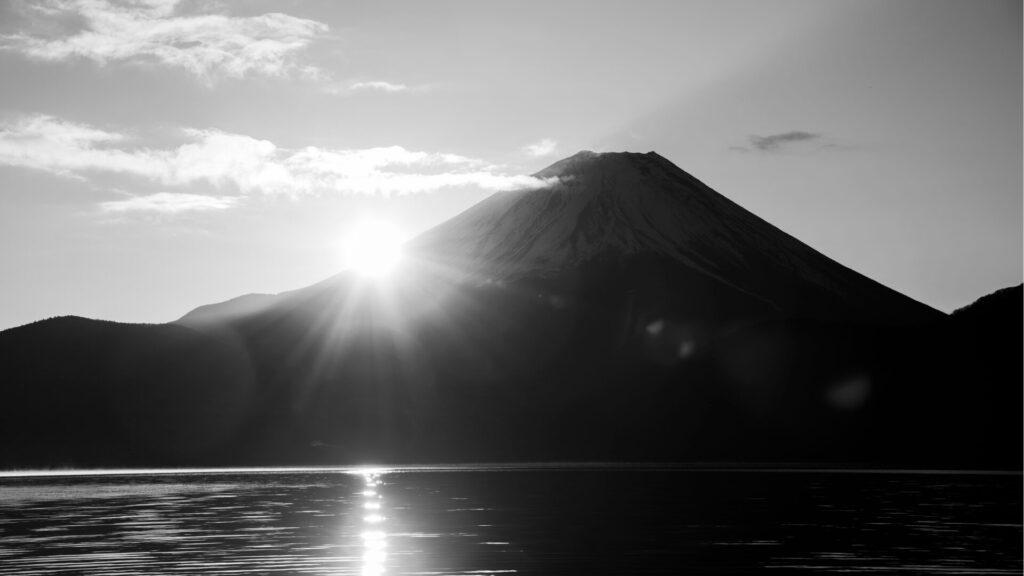
Not all Mt Fuji webcams show the same thing. Understanding the camera positions helps you choose the right feed for your needs.
- Lake Kawaguchiko cameras — Show the iconic northern face of Mt Fuji with the lake in the foreground. Best for checking the classic postcard view, especially during cherry blossom and autumn foliage seasons.
- Lake Yamanakako cameras — Capture the northeastern profile. This angle is excellent for sunrise viewers because the morning light illuminates the summit early.
- Shizuoka-side cameras — Display the broader southern slopes. Ideal for assessing snow coverage and weather systems approaching from the Pacific.
- Gotemba-area cameras — Offer a closer, more dramatic perspective of the southeastern ridge. Useful for climbers assessing conditions on the Gotemba Trail.
- Distant Tokyo-area cameras — Some feeds from western Tokyo or Yokohama capture Fuji on the horizon. These help you determine whether the mountain will be visible during long-distance sightseeing from the capital.
Best Times of Year for Clear Mt Fuji Visibility
Webcam feeds are most rewarding when the mountain is actually visible. Understanding seasonal visibility patterns can help you plan both webcam viewing and in-person visits.
Winter (December–February)
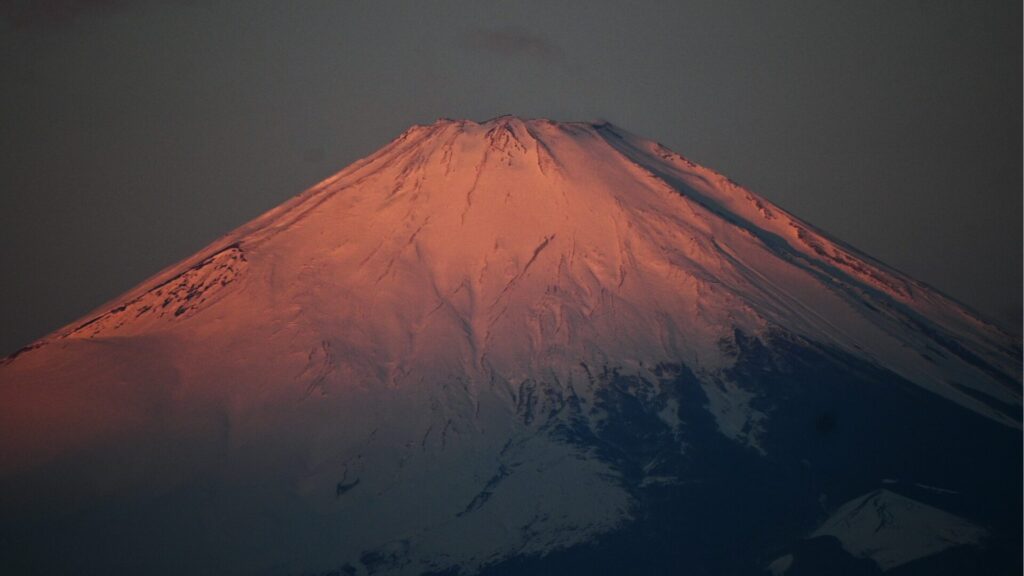
This is the peak season for Mt Fuji visibility. Cold, dry air from Siberia pushes away moisture, and the skies around the Kanto region are frequently cloudless. The mountain's snow cap is at its most dramatic, extending far down the slopes. Early morning feeds during winter months often reveal breathtaking alpenglow — the pink-orange tint that illuminates the summit just after sunrise.
Spring (March–May)
March and early April still offer good visibility, though increasing humidity starts to produce haze. Late April through May sees more cloud cover, especially in the afternoons. Mornings remain your best bet. Cherry blossom season (typically late March to mid-April) combines with Fuji views to create iconic scenery around Lake Kawaguchiko.
Summer (June–August)
Summer is the most challenging season for Mt Fuji webcam viewers. The rainy season (tsuyu) in June and early July blankets the region in thick cloud. Even after tsuyu ends, warm humid air produces persistent haze and cumulus clouds that frequently obscure the summit by late morning. Ironically, this is climbing season (early July to mid-September), so webcams near the trails are useful even when distant views are blocked.
Autumn (September–November)
Visibility improves steadily from October onward as humidity drops. By November, conditions approach winter-level clarity. Autumn foliage around the Five Lakes region adds stunning color to the foreground of webcam feeds, making this an excellent season for both live viewing and screenshot captures.
Best Time of Day to Check the Webcam
Regardless of season, the early morning hours (roughly 5:00 AM to 8:00 AM JST) consistently offer the clearest Mt Fuji views. Thermal convection during the day causes clouds to build around the summit, often obscuring it by noon. If you are watching from a different time zone, convert to Japan Standard Time (UTC+9) and aim for those pre-dawn and early morning windows.
Sunset can also produce dramatic results, particularly in winter when the air remains dry. The western-facing cameras occasionally capture a phenomenon known as "Red Fuji" (Aka Fuji), where the entire mountain glows crimson in the final minutes of daylight.
How to Use Mt Fuji Webcams for Trip Planning
Live webcam feeds are not just for passive viewing — they are a practical trip-planning tool. Here are several ways to make the most of them:
- Same-day decision making: Check the webcam first thing in the morning. If Fuji is clearly visible, it is worth making the trip to the Five Lakes area that day. If thick cloud is already present at dawn, it is unlikely to clear.
- Multi-day pattern tracking: Watch the feeds over several consecutive days before your planned visit. Weather in the Fuji region often follows multi-day patterns, and you can identify clear-sky windows more reliably than forecast apps alone.
- Photography planning: Photographers use the webcams to assess light conditions, snow levels, and cloud formations before committing to a specific shooting location.
- Climbing preparation: During climbing season, the Gotemba and 5th Station webcams can reveal wind conditions, cloud altitude, and whether the summit is visible — all critical data for safe ascent planning.
For those driving to the Kawaguchiko area from Tokyo, the trip takes roughly two hours by car, making it a perfect day-trip destination when the webcam confirms favorable conditions.
-
-
Drive from Tokyo to Kawaguchiko Onsen: The Ultimate Self-Drive Guide for Overseas Visitors
続きを見る
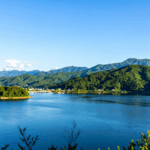
Understanding Cloud Patterns Around Mt Fuji on Webcam
With enough webcam watching, you begin to recognize recurring cloud formations around Mt Fuji. These patterns are not just visually interesting — they carry meaning.
- Lenticular clouds (kasagumo): These lens-shaped clouds form over the summit when moist air is forced upward by the mountain. They often signal approaching weather changes. A single lenticular cap is photogenic; stacked layers usually indicate incoming precipitation within 24 hours.
- Banner clouds: A trail of cloud streaming from the summit like a flag indicates strong winds at altitude. This is a warning sign for climbers.
- Valley fog: Low cloud filling the lakes and valleys while the summit rises above creates the famous "sea of clouds" (unkai) effect. Webcams at higher elevations can capture this stunning phenomenon, particularly in autumn mornings.
- Cumulus buildup: On warm days, you can watch cumulus clouds develop around the mountain in real time through webcam feeds. Once the cumulus begins forming, you typically have one to two hours before the summit disappears entirely.
Diamond Fuji and Other Special Webcam Events
Dedicated Mt Fuji webcam watchers keep an eye out for several rare and spectacular visual events:
Diamond Fuji
This occurs when the sun aligns perfectly with the summit of Mt Fuji, creating the appearance of a brilliant diamond perched on the peak. Depending on your viewing location, Diamond Fuji can be seen at either sunrise or sunset during specific weeks of the year. Webcams at Lake Yamanakako frequently capture the sunrise version in late January and mid-November.
Pearl Fuji
The lunar equivalent of Diamond Fuji, Pearl Fuji occurs when a full moon rises or sets directly over the summit. It is rarer and harder to predict, but webcam archives sometimes preserve these moments.
First Snow (Hatsuyuki)
Each autumn, the Japan Meteorological Agency officially announces the season's first snowfall on Mt Fuji. Webcam viewers often spot the snow before the official announcement, with the summit turning white overnight — typically in late September or October.
Mt Fuji Webcam Archives and Time-Lapse Resources
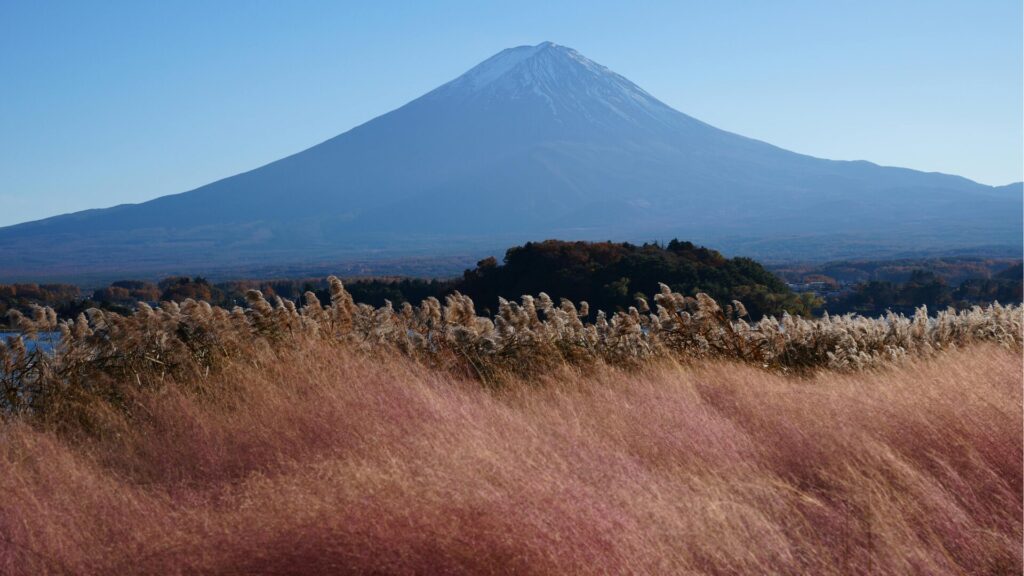
Several webcam operators maintain archives of past images, which are incredibly useful for research and planning. Fujigoko TV, for example, stores daily snapshots going back years. You can review images from the same date in previous years to estimate what conditions might look like during your planned visit.
Time-lapse videos compiled from webcam footage are also widely available on YouTube and social media. These condensed clips reveal how quickly weather changes around the mountain and showcase seasonal transformations — from snow-capped winter views to the bare rocky peak of late summer.
Mobile-Friendly Webcam Viewing Tips
Most Mt Fuji webcam feeds are accessible on smartphones, but a few tips improve the experience:
- Bookmark multiple feeds: No single webcam is reliable 100% of the time. Having three or four bookmarked ensures at least one is active.
- Use landscape orientation: Mt Fuji's wide profile is best appreciated in landscape mode on your phone screen.
- Check the timestamp: Some webcam pages display cached images rather than true live feeds. Always verify the timestamp to ensure you are seeing current conditions.
- Adjust brightness: Pre-dawn and post-sunset feeds can appear very dark. Increasing your screen brightness helps reveal subtle details in low-light conditions.
Planning Your Visit Based on What the Webcam Shows
A clear Mt Fuji webcam in the morning is your green light to head out. From Tokyo, the Fuji Five Lakes region is accessible by car, bus, or train within about two hours. The Kawaguchiko area offers the widest range of viewing spots, from the iconic Chureito Pagoda to lakeside parks and onsen towns with mountain-facing rooms.
If you are visiting during climbing season and the webcam shows clear conditions at the 5th Station, that is a strong indicator of a good summit day — though always cross-reference with detailed weather forecasts for wind and temperature at altitude. For general sightseeing and photography, a clear morning webcam feed is the most reliable predictor of a rewarding Mt Fuji experience.
-
-
Tokyo to Mt Fuji: Every Way to Get There in 2026 (Train, Bus, Car & Tours)
続きを見る
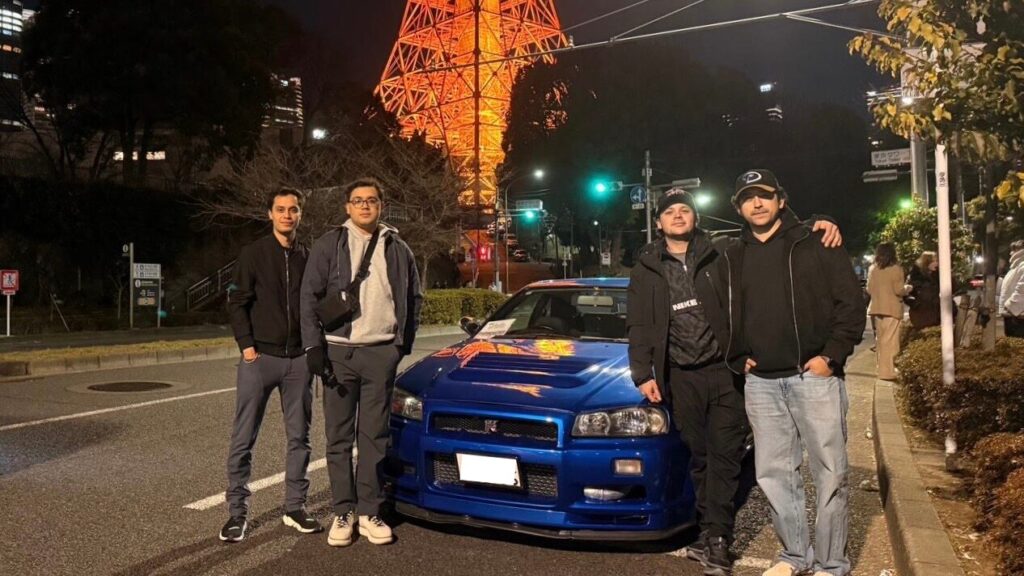
Experience Japan’s Finest JDM Adventures
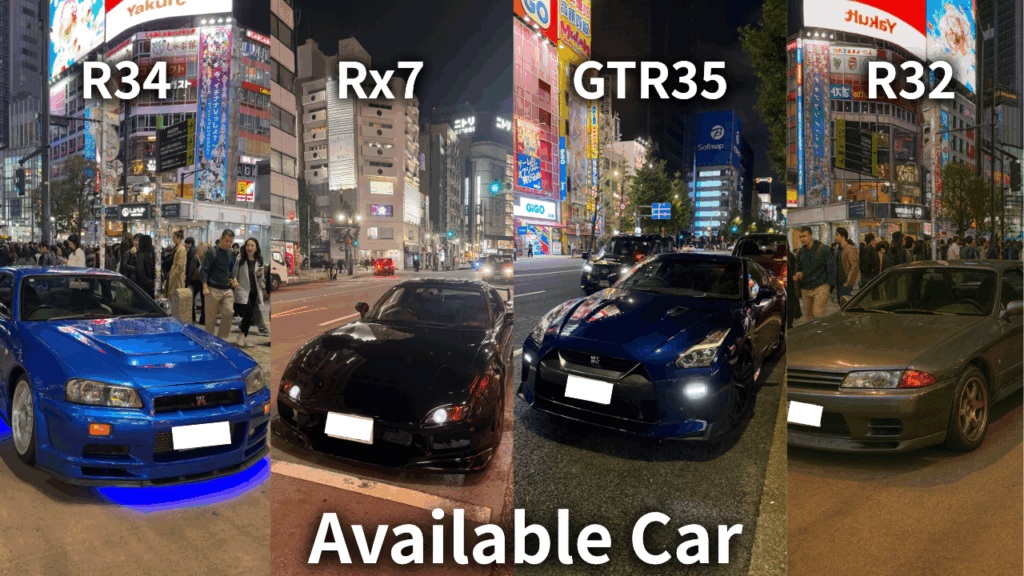
From Daikoku PA tours to JDM sports car rentals and drift experiences, we offer premium driving adventures for visitors who want more than ordinary sightseeing.
Get behind the wheel of iconic machines such as the GT-R, RX-7, and Supra, and experience Japan’s legendary car culture in the most unforgettable way. Whether you want a scenic Tokyo car experience or something more thrilling and immersive, we can guide you to the right plan.
Not sure which experience suits you best? No problem. Message us on WhatsApp and we’ll help you choose the ideal option based on your travel plans, interests, and driving experience.
Popular dates sell out quickly, so we recommend contacting us early.
Customer Reviews
Important Information
- This is a drive tour where you drive your rental car, and our guide navigates from the seat.
- This is a self-drive tour where you drive your rental car, and our guide navigates from the passenger seat.
- The tour begins and ends at the same location (Shibuya).
- If the Daikoku Parking Area is closed, we will instead guide you to another car meet further away.
- The consultant is a cultural expert and navigator, not a taxi service.
