What Is Shinrin-Yoku?
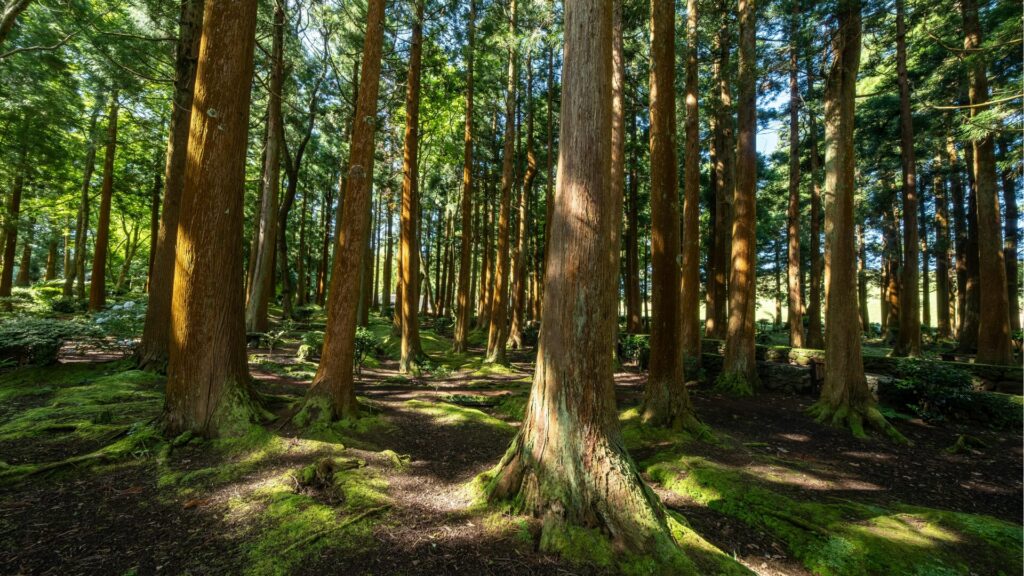
Shinrin-yoku (森林浴) literally translates to "forest bathing" in Japanese. The term was coined in 1982 by the Japanese Ministry of Agriculture, Forestry, and Fisheries as part of a national health program encouraging citizens to immerse themselves in forest environments. Unlike hiking or trail running, shinrin-yoku is not exercise. It is a slow, deliberate, sensory-rich practice of being present among trees — absorbing the sights, sounds, scents, and textures of the forest to promote physical and psychological well-being.
In the decades since its introduction, shinrin-yoku has grown from a Japanese public health initiative into a global wellness movement. Researchers across the world now study its effects, and certified forest therapy trails have been established in countries from South Korea to Finland. Yet Japan remains the spiritual and scientific home of this practice, and experiencing it on Japanese soil carries a depth of cultural authenticity that cannot be replicated elsewhere.
The Science Behind Forest Bathing
Shinrin-yoku is not merely a poetic concept — it is one of the most rigorously studied nature-based health interventions in the world. Japanese researchers, particularly Dr. Qing Li of Nippon Medical School, have spent decades quantifying the physiological effects of spending time in forests.
Phytoncides and the Immune System
Trees release organic compounds called phytoncides — volatile oils that serve as a natural defense mechanism against insects and disease. When humans inhale these compounds during forest bathing, studies have shown a significant increase in natural killer (NK) cell activity, a key component of the immune system that fights infections and even cancer cells. Research published by Dr. Li demonstrated that a three-day forest trip increased NK cell activity by over 50%, with effects lasting up to 30 days after the trip.
Stress Reduction and Cortisol
Multiple studies conducted at Japanese forest therapy bases have found that spending even 15 to 20 minutes among trees significantly lowers cortisol levels, reduces blood pressure, and slows heart rate. Compared to walking in urban environments, forest walking produces measurably lower levels of the stress hormone cortisol and decreases sympathetic nervous system activity — the body's fight-or-flight response.
Mental Health Benefits
Beyond the physical, shinrin-yoku has been linked to reduced symptoms of anxiety and depression, improved mood, enhanced creativity, and better sleep quality. The Japanese practice aligns with a broader body of evidence in environmental psychology showing that exposure to natural environments restores attention, reduces mental fatigue, and promotes feelings of awe and connectedness.
How to Practice Shinrin-Yoku
One of the most appealing aspects of shinrin-yoku is its simplicity. There is no special equipment, no fitness requirement, and no rigid protocol. However, there are guiding principles that distinguish authentic forest bathing from an ordinary walk in the woods.
Slow Down and Disconnect
Leave your phone on silent or, better yet, in your bag. Shinrin-yoku requires you to disengage from digital stimulation and allow the forest to become your primary sensory input. Walk slowly — far slower than your normal pace. The goal is not to cover distance but to deepen presence.
Engage All Five Senses
Forest bathing is a multisensory experience. Listen to birdsong, wind through leaves, the sound of a distant stream. Touch the bark of a tree, feel moss beneath your fingers. Breathe deeply and notice the complex scent profile of the forest — earth, decomposing leaves, resin, wildflowers. Look at the play of light through the canopy. If appropriate, taste wild spring water or foraged tea offered by a guide.
Sit and Be Still
Find a spot that calls to you and simply sit for 10 to 20 minutes. This is not meditation in the traditional sense, though it shares similarities. There is no mantra, no instruction beyond allowing yourself to be present. Many practitioners report that this stillness is where the deepest benefits of shinrin-yoku emerge.
Guided vs. Solo Practice
In Japan, certified forest therapy guides lead structured sessions that typically last two to four hours and incorporate gentle walking, breathing exercises, sensory invitations, and sometimes a forest tea ceremony. While solo practice is perfectly valid, working with a guide — especially on your first experience — can help you access deeper states of relaxation and awareness.
Best Shinrin-Yoku Destinations in Japan
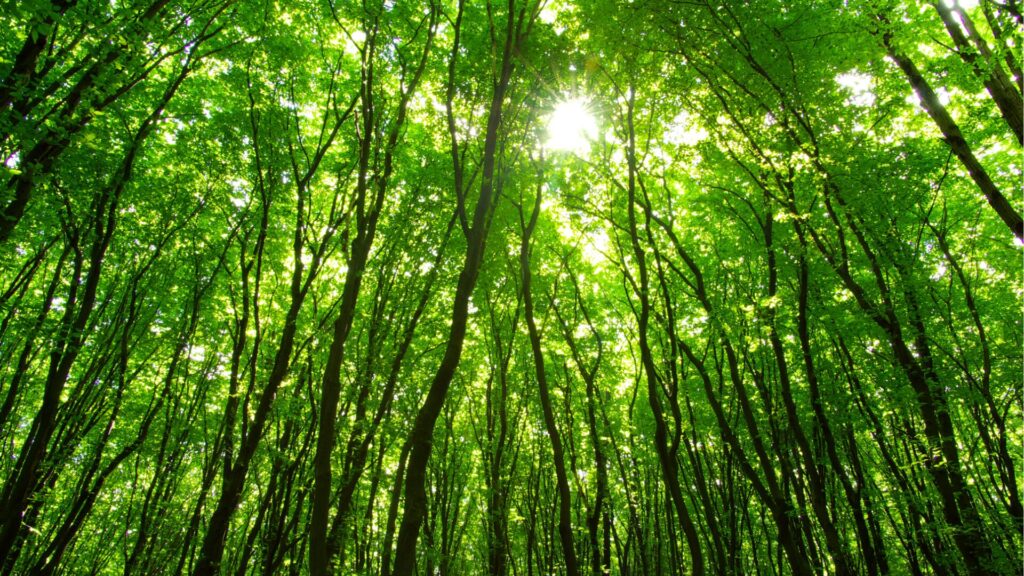
Japan has officially designated 62 forest therapy bases (森林セラピー基地) and forest therapy roads across the country. These are certified locations where the physiological benefits of forest bathing have been scientifically verified through on-site research. Below are some of the most rewarding destinations for shinrin-yoku in 2026.
Akasawa Natural Recreational Forest (Nagano Prefecture)
Often called the birthplace of shinrin-yoku, this ancient cypress forest in the Kiso Valley is where much of the early research took place. The towering hinoki (Japanese cypress) trees emit exceptionally high concentrations of phytoncides, and the well-maintained trails along the Akasawa River make for an idyllic sensory experience. The forest is accessible from Nagoya or Matsumoto.
Okutama (Tokyo)
For travelers based in Tokyo, Okutama offers a surprisingly wild and immersive forest experience just 90 minutes from Shinjuku. The area is a designated forest therapy base with trails winding through old-growth cedar and beech forests along the Tama River. It is proof that you do not need to travel far from Japan's capital to practice meaningful shinrin-yoku.
Yakushima (Kagoshima Prefecture)
This UNESCO World Heritage island is home to some of the oldest and most majestic forests in Japan. Ancient yakusugi (cedar trees over 1,000 years old) create a primeval atmosphere unlike anywhere else on Earth. The most famous tree, Jōmon Sugi, is estimated to be between 2,170 and 7,200 years old. While the full hike to Jōmon Sugi is strenuous, shorter forest bathing routes like the Yakusugi Land trails offer a more contemplative experience.
Towada-Hachimantai National Park (Aomori/Akita)
In northern Honshu, this national park features virgin beech forests that explode with color in autumn. The mossy trails around Oirase Gorge are particularly suited to shinrin-yoku, with a gentle stream providing a natural soundtrack. In 2026, the park remains one of Japan's less-visited gems, offering solitude that enhances the forest bathing experience.
Mount Takao (Tokyo)
Closer to central Tokyo than Okutama, Mount Takao is accessible in under an hour from Shinjuku. While its main trail can be crowded, the lesser-used Trail 6 follows a shaded valley stream through dense forest and offers genuine shinrin-yoku potential, especially on weekday mornings.
Nikko and Okunikko (Tochigi Prefecture)
The forests around Nikko, particularly in the Okunikko highland area around Lake Yunoko and Senjōgahara Marsh, provide exceptional forest bathing. The combination of ancient cryptomeria-lined avenues, highland marshes, and waterfalls creates a diverse natural environment ideal for extended immersion. Nikko is easily accessible by car from Tokyo, making it a popular day trip or weekend destination.
-

-
Tokyo to Nikko Onsen by Car: The Complete 2025 Driving Guide for Overseas Visitors
Nikko is one of Japan’s most rewarding road trips from Tokyo—mixing UNESCO World Heritage shrines, atmospheric onsen towns like Kinugawa and Chuzenji, and spectacular mountain drives through cedar-lined roads and highland passes. This guide explains the best routes, exact travel times and costs to expect, parking and toll tips, seasonal advice, and a ready-to-use 1–2 day itinerary designed for drivers. It’s written for first-time visitors renting a car in Japan who want a smooth, efficient, and deeply relaxing hot‑spring escape. Why Choose Nikko Onsen as a Self‑Drive from Tokyo World-class mix: Toshogu Shrine’s ornate architecture, Lake Chuzenji’s alpine scenery, and ...
続きを見る
Shinrin-Yoku and Onsen: The Perfect Pairing
In Japanese wellness culture, shinrin-yoku and onsen (hot spring bathing) are natural companions. Many of Japan's best forest therapy bases are located in regions with abundant hot springs, and combining a morning of forest bathing with an afternoon soak in a mineral-rich onsen is considered one of the most restorative experiences available in the country.
Regions like Gunma Prefecture — home to renowned onsen towns such as Kusatsu, Ikaho, and Minakami — are surrounded by dense forests that double as excellent shinrin-yoku locations. Similarly, the Hakone area near Tokyo pairs volcanic hot springs with lush forest trails. For those who want to combine these two pillars of Japanese wellness, driving between forest therapy sites and nearby onsen offers the flexibility to create a fully customized itinerary.
-

-
Rent a Car Tokyo to Hakone Onsen: Complete Driving Guide for Visitors
Why Drive from Tokyo to Hakone Onsen? Renting a car gives you door‑to‑door access to hot spring towns, ryokan with private baths, and scenic viewpoints that are difficult to reach by train or bus. A car also lets you time onsen visits to avoid crowds, bring luggage without transfers, and combine Hakone with outlets, wineries, or Mt. Fuji photo spots in a single loop. When Is the Best Time to Drive to Hakone? Hakone is a year‑round destination. Weekdays outside national holidays are best for smooth traffic. Peak congestion times include Saturday mornings outbound from Tokyo and Sunday evenings inbound. ...
続きを見る
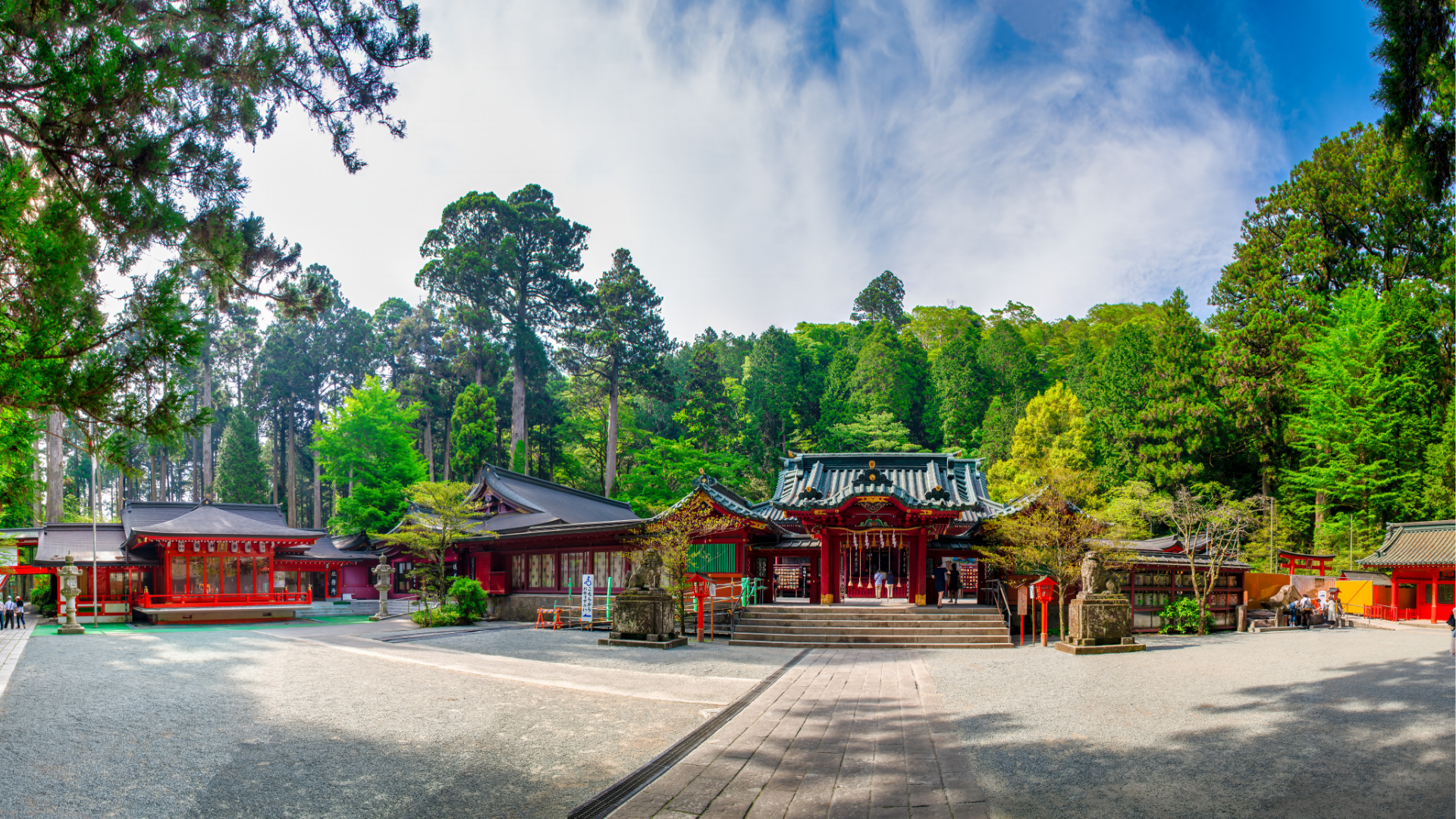
When Is the Best Season for Shinrin-Yoku in Japan?
Forest bathing in Japan can be practiced year-round, but each season offers a distinct character.
Spring (March–May)
Fresh green leaves emerge, wildflowers bloom, and the forest floor comes alive. Phytoncide concentrations begin to increase as temperatures rise. Spring is also when cherry blossoms frame the edges of many forest areas, adding visual beauty to the experience.
Summer (June–August)
Phytoncide levels peak during the warm, humid months, making summer scientifically the most beneficial season for forest bathing. The dense canopy provides natural cooling, and the sound of cicadas becomes a defining feature of the Japanese forest soundscape. Early morning sessions are recommended to avoid the midday heat and humidity.
Autumn (September–November)
The spectacular koyo (autumn foliage) transforms Japanese forests into tapestries of red, orange, and gold. Temperatures are comfortable, crowds thin after peak foliage, and the drier air makes for pleasant walking conditions. Many consider this the most aesthetically rewarding season for shinrin-yoku.
Winter (December–February)
Winter shinrin-yoku is a more contemplative, austere experience. Bare deciduous branches reveal new perspectives on the forest structure, snow muffles sound, and the cold air carries a unique clarity. Evergreen forests — particularly those dominated by cedar and cypress — maintain their atmosphere year-round and are excellent winter choices.
Shinrin-Yoku Certification and Guided Programs in 2026
Japan's Forest Therapy Society (established in 2004) continues to certify guides, bases, and roads across the country. In 2026, the number of certified forest therapy guides in Japan has grown substantially, and many offer English-language programs tailored to international visitors.
Typical guided programs range from half-day sessions (two to three hours) costing ¥3,000 to ¥8,000 per person, to full-day immersive experiences that may include a forest tea ceremony, yoga, or meditation components for ¥10,000 to ¥20,000. Some luxury ryokan (traditional inns) near forest therapy bases now offer shinrin-yoku as part of their guest experience, combining guided forest walks with onsen bathing and kaiseki cuisine.
For those who prefer self-guided practice, most certified forest therapy roads are free to access and feature well-marked trails with interpretive signage. Websites such as the Forest Therapy Society's official portal provide maps and seasonal information for each designated base.
Practical Tips for Forest Bathing in Japan
- Dress in layers: Forest microclimates can be significantly cooler than nearby towns. Bring a light jacket even in summer.
- Wear comfortable footwear: Trails vary from paved paths to natural earth. Sturdy walking shoes with good grip are sufficient for most forest therapy roads.
- Bring water and light snacks: While the pace is slow, staying hydrated enhances the experience. Many forest areas have limited facilities.
- Insect repellent: Japanese forests, particularly in summer, have mosquitoes and other biting insects. Natural repellents are preferred to maintain the sensory purity of the experience.
- Respect the forest: Stay on marked trails, do not pick plants or disturb wildlife, and carry out all trash. Japan's forests are maintained through a combination of conservation effort and cultural respect.
- Start early: Morning hours offer the quietest conditions, the freshest air, and the best light filtering through the canopy.
Reaching Japan's Forests: Transportation Options
While some forest therapy bases near Tokyo — such as Mount Takao and Okutama — are accessible by train, many of Japan's most rewarding shinrin-yoku destinations require a car. Forest roads in places like Nagano's Kiso Valley, Gunma's highlands, or the remote valleys of Tohoku are best explored with the freedom of personal transportation. Having a vehicle allows you to combine multiple forest sites in a single trip, stop at roadside onsen, and access trailheads that public transit simply does not serve.
The Cultural Roots of Shinrin-Yoku
While the term shinrin-yoku dates only to 1982, the Japanese reverence for forests runs far deeper. Shinto, Japan's indigenous spiritual tradition, holds that kami (divine spirits) reside in natural features — trees, rocks, waterfalls, and mountains. The shimenawa (sacred ropes) wrapped around ancient trees at shrines are physical expressions of this belief. Walking through a Japanese forest is, in a cultural sense, walking through a sacred space.
This spiritual dimension distinguishes Japanese forest bathing from its Western adaptations. When you practice shinrin-yoku in Japan, you are not simply performing a wellness activity — you are participating in a living cultural tradition that connects the natural world, spiritual practice, and human health in a way that Japan has cultivated for centuries.
The popularity of shinrin-yoku globally has also reinforced its importance within Japan. Municipalities with certified forest therapy bases increasingly view them as cultural assets and engines of sustainable tourism, investing in trail maintenance, guide training, and visitor infrastructure. In 2026, shinrin-yoku stands as one of Japan's most significant cultural exports — a gift from Japanese forests to the world.
Experience Japan’s Finest JDM Adventures

From Daikoku PA tours to JDM sports car rentals and drift experiences, we offer premium driving adventures for visitors who want more than ordinary sightseeing.
Get behind the wheel of iconic machines such as the GT-R, RX-7, and Supra, and experience Japan’s legendary car culture in the most unforgettable way. Whether you want a scenic Tokyo car experience or something more thrilling and immersive, we can guide you to the right plan.
Not sure which experience suits you best? No problem. Message us on WhatsApp and we’ll help you choose the ideal option based on your travel plans, interests, and driving experience.
Popular dates sell out quickly, so we recommend contacting us early.
Customer Reviews

Important Information
- This is a drive tour where you drive your rental car, and our guide navigates from the seat.
- This is a self-drive tour where you drive your rental car, and our guide navigates from the passenger seat.
- The tour begins and ends at the same location (Shibuya).
- If the Daikoku Parking Area is closed, we will instead guide you to another car meet further away.
- The consultant is a cultural expert and navigator, not a taxi service.
