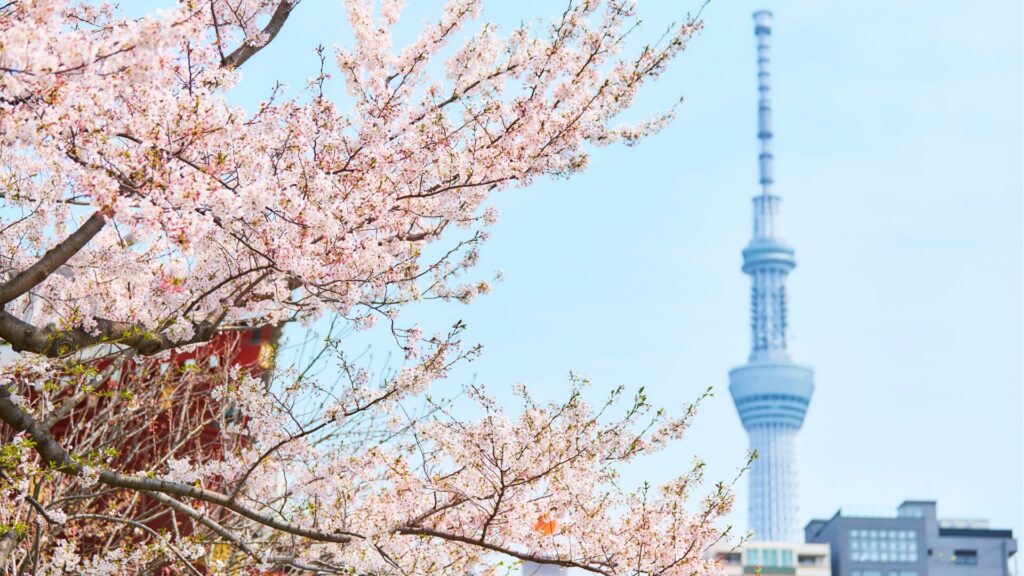
Tokyo’s sakura season is short, crowded, and absolutely worth planning around—especially in 2026, when peak bloom is expected to land in late March. This guide focuses on what travelers actually need: the latest forecast window, the best places to see cherry blossoms in Tokyo, how to avoid the worst crowds, and how to pair your hanami days with one of the most unforgettable Tokyo nights—an evening visit to Daikoku PA, the legendary JDM car meet.
-

-
Cherry Blossom Tokyo: The Best Sakura Spots, Night Views, and a Perfect Finish at Daikoku PA
Tokyo’s cherry blossom season (sakura) is one of the most iconic travel moments in the world—parks turning pastel pink, rivers lined with blossoms, and nighttime illuminations that feel unreal. If you’re planning cherry blossom Tokyo as the centerpiece of your trip, you can make it even more memorable by pairing classic hanami (flower viewing) with a side of Tokyo’s world-famous car culture. This guide covers the best places to see cherry blossoms in Tokyo, how to time your visit, where to enjoy yozakura (night blossoms), and how to plan a smooth itinerary that ends with an unforgettable night at Daikoku ...
続きを見る
2026 Tokyo Cherry Blossom Forecast: When Will Sakura Peak?
If you’re searching for “cherry blossom Tokyo 2026”, the timing question is the biggest one—because the best spots can go from “bud” to “peak” to “gone” in under two weeks.
Expected bloom window in Tokyo (as of late January 2026)
Forecasts are updated throughout winter, but current predictions cluster around:
- First flowering (kaika): around March 20–22, 2026
- Full bloom (mankai): around March 28–30, 2026
- Best viewing window for most travelers: March 24 – April 2, 2026 (a practical buffer for shifting forecasts)
Why the forecast changes (and how to plan anyway)
Cherry blossoms are temperature-sensitive. A warm spell can accelerate bloom; late cold snaps can slow it down. The best strategy isn’t betting everything on one date—it’s building flexibility:
- Book Tokyo accommodation with a reasonable cancellation policy.
- Plan two “must-see” hanami days and one flexible backup day.
- Include at least one spot with many trees (bloom is less “all-or-nothing”) and one spot with night viewing (you can pivot your schedule after checking the day’s bloom updates).
Best Places to See Cherry Blossoms in Tokyo in 2026
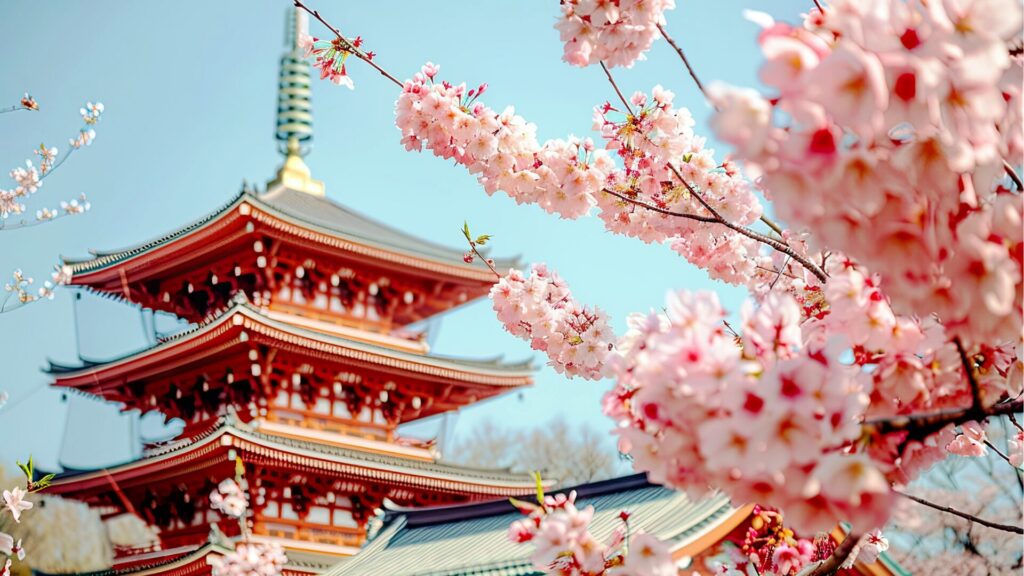
These locations are consistently among the top cherry blossom spots in Tokyo because they combine density of trees, accessibility, and atmosphere. Aim for early morning on weekdays if you want photos without shoulder-to-shoulder crowds.
Ueno Park (Ueno)
One of Tokyo’s most famous hanami venues, with a long central promenade lined with blossoms.
Best for: classic “festival” atmosphere, easy access, big-tree density
Tips:
- Go before 9:00 a.m. for calmer photography.
- Expect crowds in the afternoon and early evening.
Shinjuku Gyoen (Shinjuku)
A top choice for travelers who want variety: multiple cherry tree types can stretch the viewing window.
Best for: a calmer, more “garden” style hanami; multiple sakura varieties
Tips:
- Ideal for a mid-morning to early afternoon visit.
- Bring snacks and non-alcoholic drinks for a relaxed picnic.
Chidorigafuchi (near the Imperial Palace)
A scenic moat-side walk with iconic reflections. When it’s peaking, it’s one of Tokyo’s most photogenic sakura landscapes.
Best for: postcard views, romantic evening strolls
Tips:
- This area is especially strong for night viewing.
- Try visiting twice: once early morning, once after sunset.
Meguro River (Nakameguro)
A river corridor of cherry blossoms with cafes and shops nearby. It’s one of the most popular “Tokyo spring” visuals.
Best for: stylish neighborhoods, food-and-walk vibe, evening scenes
Tips:
- Weekdays are dramatically better.
- For photos, aim for late morning or blue hour.
Sumida Park (Asakusa / Tokyo Skytree area)
Cherry blossoms with big Tokyo landmarks nearby, making it easy to combine sightseeing with hanami.
Best for: sakura + cityscape shots, family-friendly walks
Tips:
- Pair with Asakusa in the morning, then stroll along the river.
Yoyogi Park (Harajuku)
A convenient, casual hanami stop, especially if you’re already exploring Harajuku and Omotesando.
Best for: flexible scheduling, relaxed picnic style
Tips:
- Not the most “iconic” sakura visuals, but great for a low-stress hanami break.
Yozakura in Tokyo 2026: Where to See Cherry Blossoms at Night
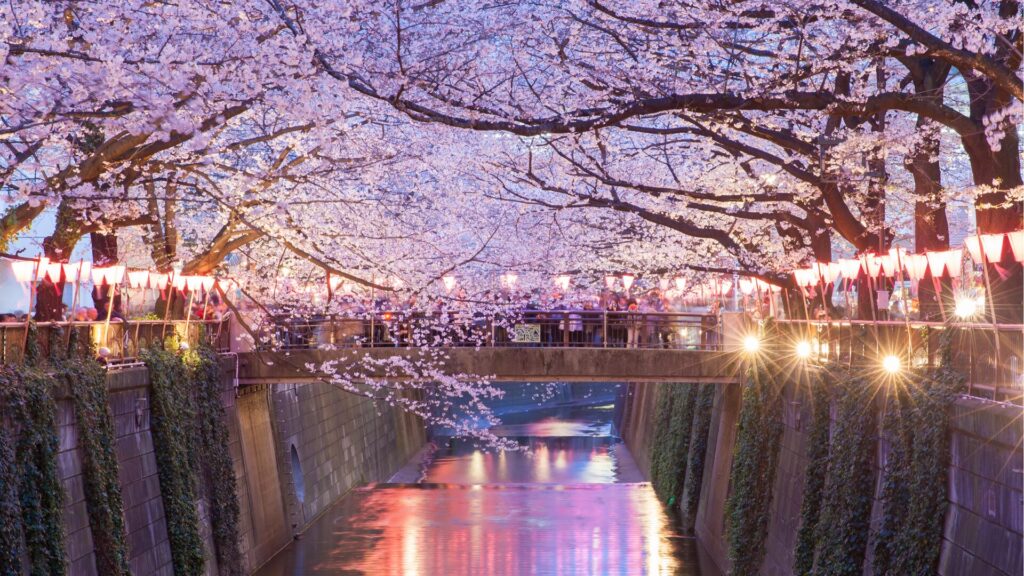
Night cherry blossoms (yozakura) are a completely different experience—so if you’re visiting Tokyo for sakura season, you should plan for at least one evening hanami.
Top areas that are frequently associated with evening viewing:
- Chidorigafuchi (moat-side nighttime strolling)
- Meguro River (lively, nightlife-adjacent atmosphere)
- Rikugien Garden (often runs seasonal evening viewing events—check official announcements)
- Tokyo Midtown / Roppongi area (often has spring light-up installations)
Planning note: night event details can change year to year. Check official venue pages and local tourism updates a few days before you go.
Cherry Blossom Photography Tips for Tokyo
Sakura season is beautiful—and tricky—because crowds and contrast can ruin shots if you don’t plan.
Timing for better photos
- Early morning: clean compositions, soft light, fewer people
- Late afternoon: warmer light on petals
- Blue hour (after sunset): best for illuminated scenes and city + blossoms
Composition ideas that work in Tokyo
- Use branches as frames to isolate blossoms against skyscrapers.
- Look for reflections (moats, rivers, ponds) to double the impact.
- Shoot petals backlit by the sun for a glowing effect.
Crowd-proof tricks
- Use longer focal lengths (or portrait mode) to blur background faces.
- Aim upward and use sky as negative space.
- Capture “movement” shots that feel intentional: slow shutters for lantern-lit rivers, handheld motion blur for night scenes.
Hanami Etiquette and Practical Tips for 2026
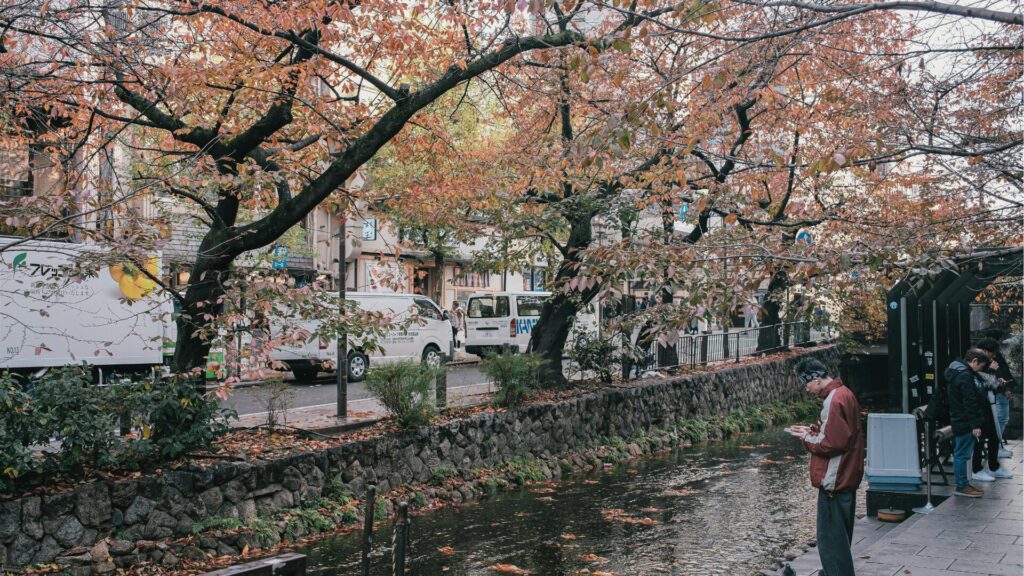
Tokyo’s cherry blossom season is peak travel time. A little preparation makes your days smoother and more respectful.
What to bring
- A compact picnic sheet (if you plan to sit)
- A small trash bag (many spots have limited bins)
- Layered clothing (even late March can feel cold after sunset)
- A light rain jacket (spring showers happen)
Hanami etiquette basics
- Keep pathways clear—especially at popular river walks and moat paths.
- Don’t shake branches or pick blossoms.
- Speak softly in residential areas at night.
- Follow posted rules about alcohol, seating areas, and event timing.
A 3-Day Tokyo Cherry Blossom 2026 Itinerary (With Daikoku PA at Night)
This itinerary assumes you’re in Tokyo during the likely peak window (late March). It balances iconic sakura sights with realistic crowd management—and adds an unforgettable evening for car culture fans.
Day 1: Classic Tokyo Hanami + City Landmarks
- Morning: Ueno Park (arrive early)
- Midday: Museums or Ameyoko market area for lunch
- Afternoon: Sumida Park + Tokyo Skytree area
- Evening: keep it flexible—rest, or do a light night stroll if you’re not tired
Day 2: Garden Hanami + Daikoku PA (JDM night)
- Morning to early afternoon: Shinjuku Gyoen (picnic + photos)
- Late afternoon: explore Shinjuku viewpoints / cafes
- Night: Daikoku PA car meet tour (the “Tokyo night” experience that most tourists never see)
Daikoku PA is not a normal attraction—it’s an expressway parking area where car enthusiasts gather, often with tuned JDM icons, supercars, and builds you’ll recognize from decades of Japanese car culture.
-

-
Daikoku Car Meet (Daikoku PA) Guide: How to Visit Japan’s Most Famous JDM Meet
Daikoku Parking Area (Daikoku PA) is the most iconic place in the Tokyo–Yokohama region to see Japanese performance cars, tuned builds, and rare classics gathering in one spot. If you’re searching for the Daikoku car meet, this guide explains what it is, what to expect, how to visit responsibly, and why a guided JDM tour is the most reliable way to experience it—especially if you don’t have your own car. What is Daikoku PA? Daikoku PA is a highway parking area on the Shuto Expressway network in Yokohama (Kanagawa), near Tokyo. Unlike a typical roadside rest area, Daikoku PA has ...
続きを見る
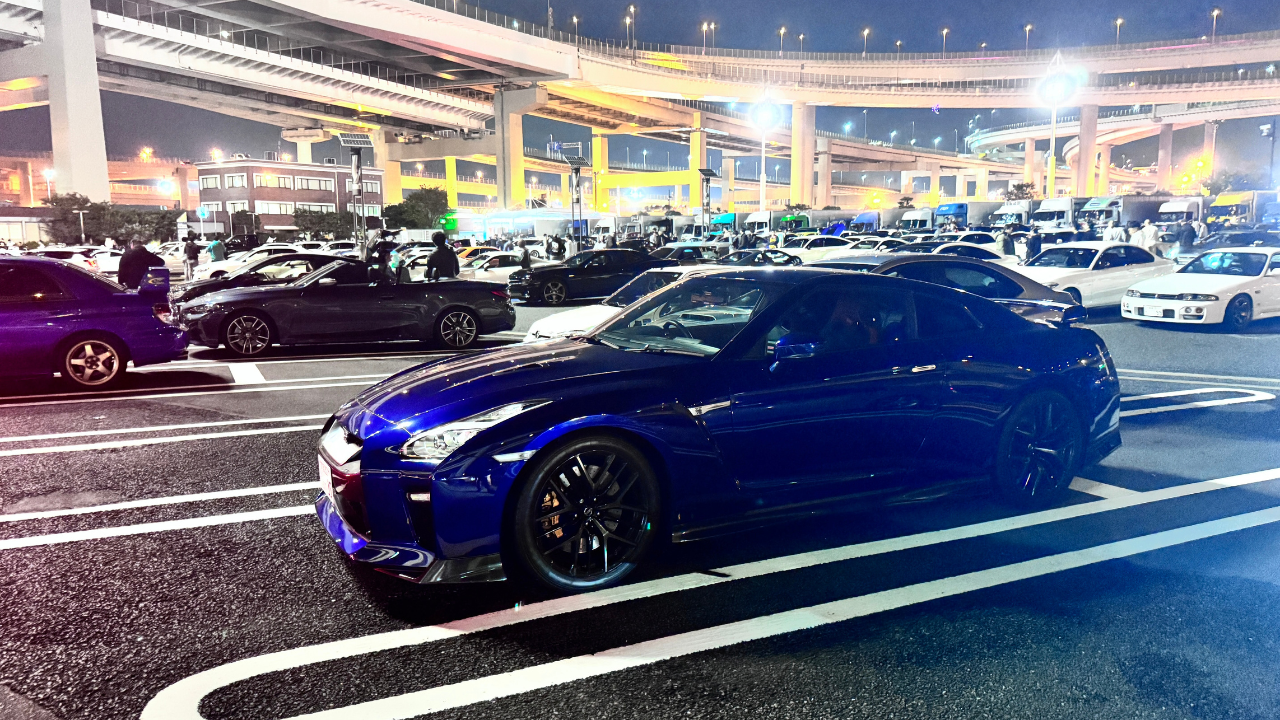
Day 3: Iconic Views + Night Sakura
- Morning: Chidorigafuchi (moat-side walking)
- Afternoon: shopping or neighborhood exploring (Nakameguro, Harajuku, Ginza—choose what fits your travel style)
- Evening: Meguro River (best vibe after sunset, especially if blossoms are still strong)
Why Pair Sakura Season With a Daikoku PA Visit?
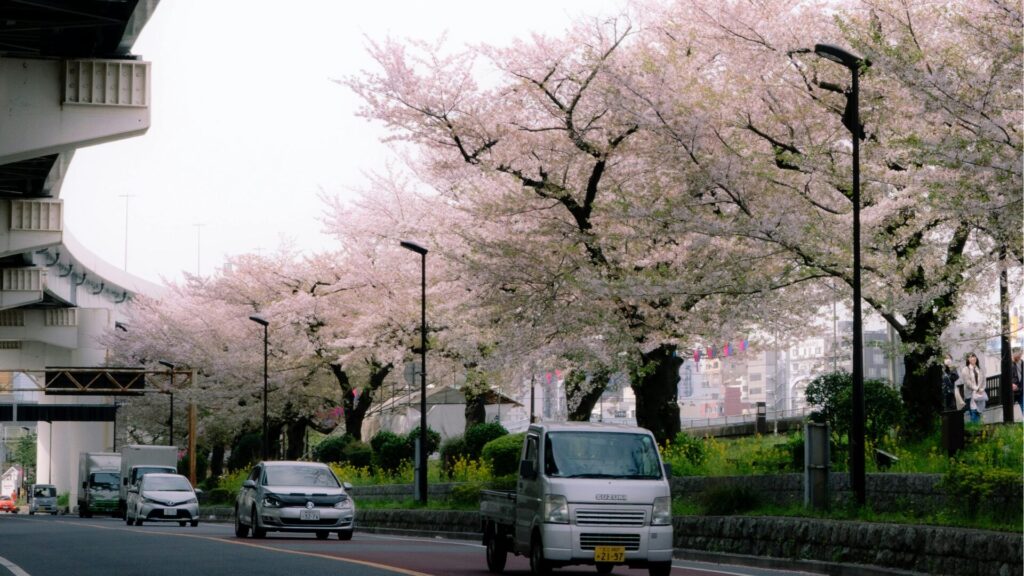
Cherry blossom season is about Tokyo at its most alive—full streets, seasonal food, night walks, and the city’s best energy. Daikoku PA fits perfectly into that rhythm because:
- It’s primarily an evening experience, so it doesn’t compete with daytime hanami.
- It gives you a “second Tokyo” beyond temples and shopping: local car culture.
- It’s weather-resilient—light rain may reduce crowds, but the experience can still be excellent.
Important reality: Daikoku PA is hard to do on your own
Daikoku PA is located on expressway infrastructure, and access is not designed for pedestrians. Even if you’re comfortable in Tokyo, “just going” can be complicated without the right transport plan and timing.
If you’re considering visiting independently, read these first:
-
-
How to Get to Daikoku PA from Tokyo (2026 Complete Access Guide)
Daikoku Parking Area (often called Daikoku PA or Daikokufuto) is the most iconic JDM car meet spot in Greater Tokyo. This guide explains every practical way to reach it from central Tokyo—legally, safely, and efficiently—plus pro tips to avoid closures and common mistakes. Planning a hassle-free visit with guaranteed transport? Our licensed JDM tour to Daikoku PA handles routing, tolls, parking, and police checks so you can focus on the scene. What is Daikoku PA? Daikoku PA is a large service/parking area on the Shuto (Metropolitan) Expressway network in Yokohama Bay. On many evenings—especially weekends—it becomes a magnet for JDM ...
続きを見る

-

-
Daikoku Parking Area Rules (Daikoku Futo PA): How to Visit Legally, Respectfully, and Avoid Closures (2026)
Visiting Daikoku Parking Area (大黒PA)—often searched as Daikoku PA, Daikoku Parking Area (PA), or Daikoku Futo Parking Area—is a bucket-list moment for JDM fans. But Daikoku is not a theme park or an “event venue.” It’s a working expressway rest area on the Shuto Expressway network, and the rules are enforced. This guide covers the practical rules that matter most: legal access, what behavior gets people removed, and how to reduce the risk of sudden entry restrictions—so visitors can enjoy the scene without becoming the reason it gets shut down. The Golden Rule: You Can’t Walk to Daikoku Parking Area ...
続きを見る
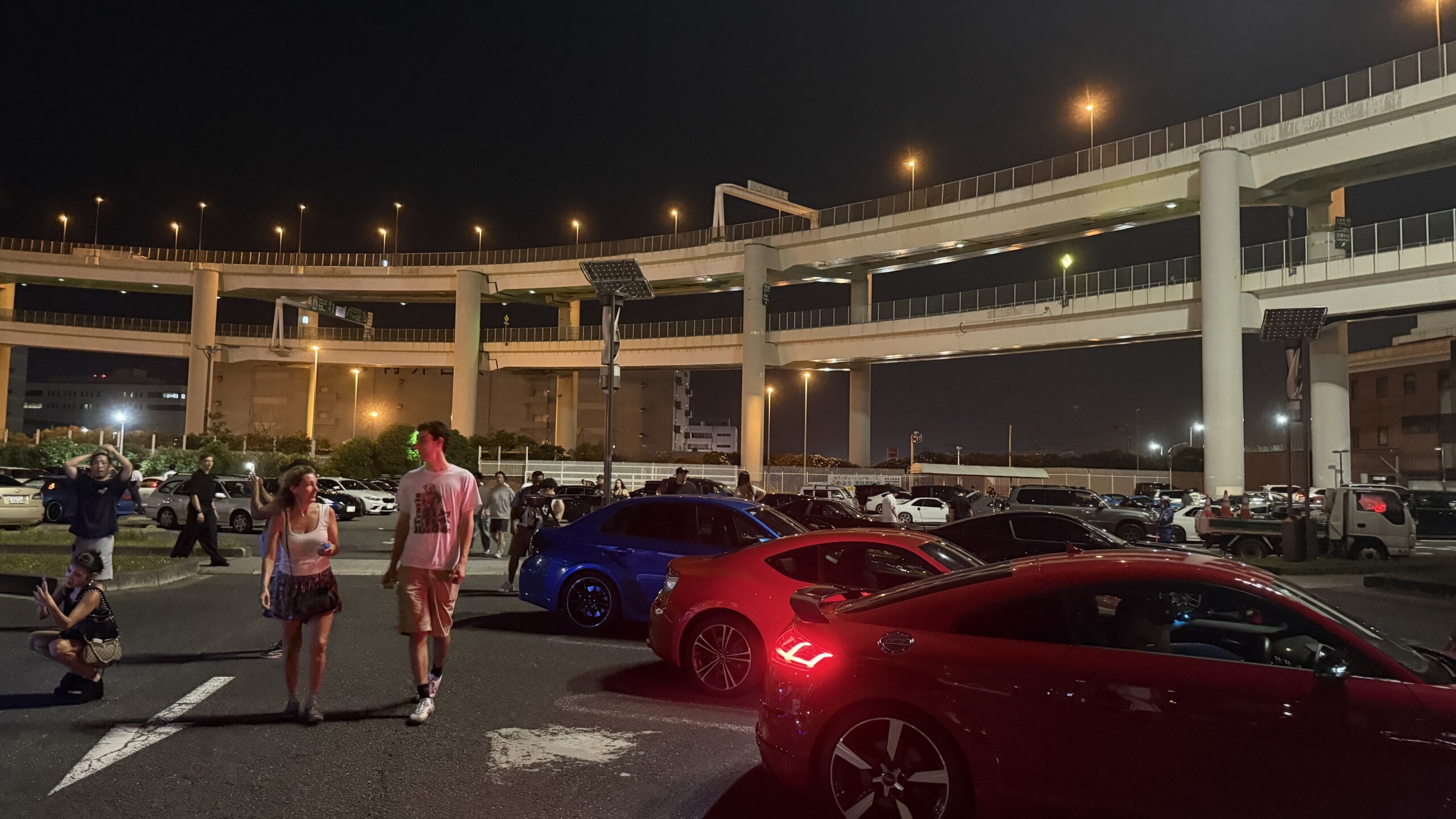
If you’re going to Daikoku PA, leave it to us

Experience an unforgettable JDM tour — ride in a legendary Japanese sports car and drive from Tokyo to Daikoku Parking Area, cruising Tokyo’s iconic roads along the way. Choose from favorites like the GT-R (R35 / R34 / R32), RX-7, Supra, and more.
We offer one of the highest-quality JDM driving experiences in the industry, at a fair and reasonable price.
Want to know more details or check availability?
Message us on WhatsApp for quick replies and easy booking.
Spots often sell out, so we recommend booking early.
Duration: about 3 hours
Meeting Point: Shibuya Station
Language: Beginner-level English & Japanese
Customer Reviews
Daikoku PA Video: What It’s Really Like
Important Information
- This is a drive tour where you drive your rental car, and our guide navigates from the seat.
- This is a self-drive tour where you drive your rental car, and our guide navigates from the passenger seat.
- The tour begins and ends at the same location (Shibuya).
- If the Daikoku Parking Area is closed, we will instead guide you to another car meet further away.
- The consultant is a cultural expert and navigator, not a taxi service.
