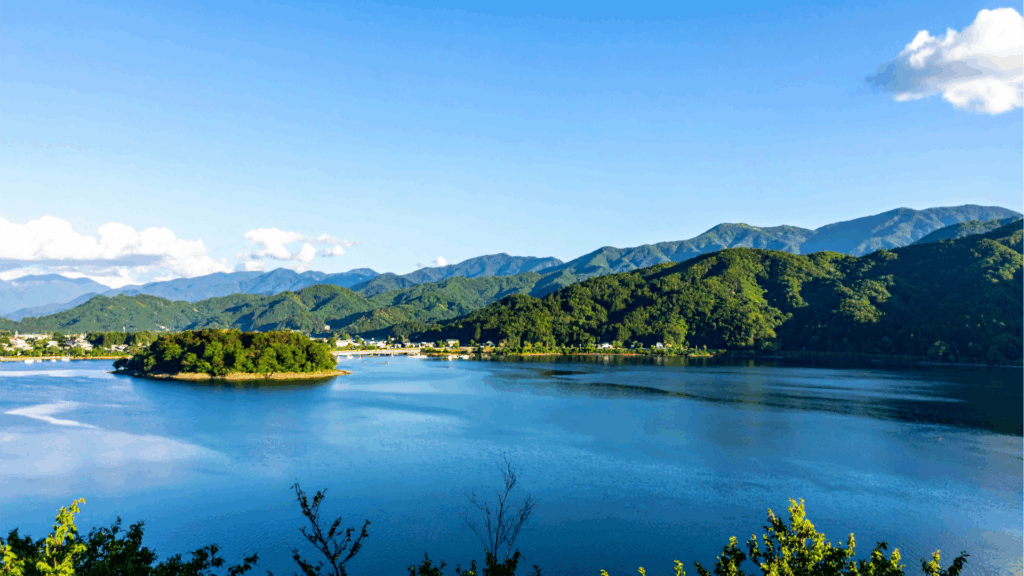
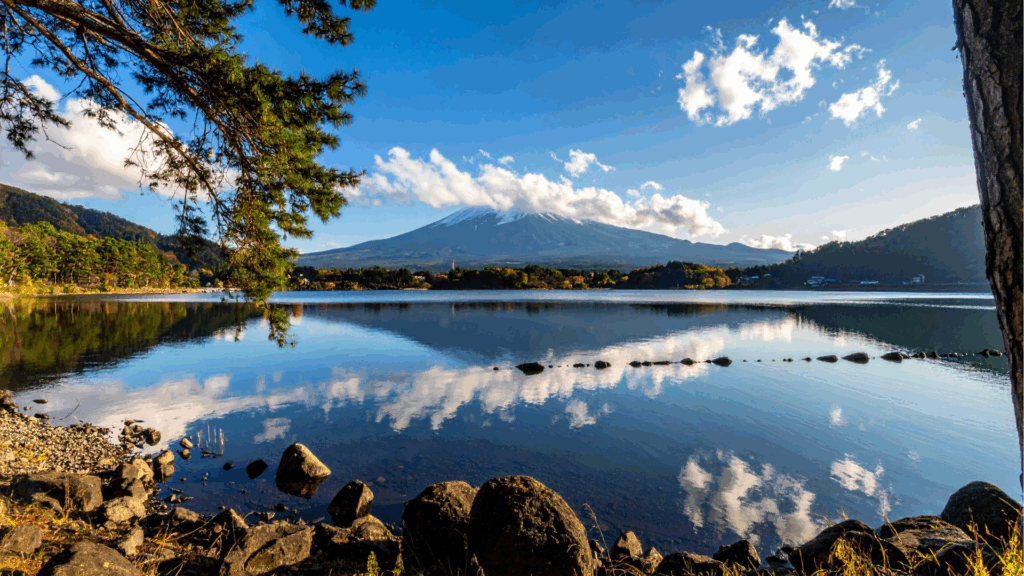
Planning to drive from Tokyo to Kawaguchiko onsen? This in‑depth guide covers routes, permits, parking, tolls, itineraries, and seasonal tips—everything you need to enjoy Lake Kawaguchiko and Mt. Fuji hot springs by rental car.
Why Drive from Tokyo to Kawaguchiko Onsen?
Driving gives you freedom to stop at scenic viewpoints, lesser‑known onsen ryokan, and cafés around the Fuji Five Lakes. Compared with trains and buses, a car lets you combine multiple sights in one day, travel early or late to avoid crowds, and carry luggage with ease.
Quick Facts
- Distance & time: ~110–140 km from central Tokyo; 2–2.5 hours in normal traffic (longer on holidays).
- Best season to drive: Year‑round. Peak foliage in late October–November; snow possible in mid‑winter.
- Road type: Expressways + local roads; ETC toll lanes widely used.
- Ideal trip length: 1–2 days (with an onsen stay for sunset/sunrise views of Mt. Fuji).
- Driver requirements: Passport + valid license and an appropriate IDP (1949 Geneva) or a Japanese translation (for some countries).
Best Driving Routes from Tokyo
Route A: Chuo Expressway (Fastest & Most Direct)
- Tokyo → C2/Chuo (C3) → Chuo Expressway (E20) → Otsuki JCT → Higashi-Fujigoko Road (E68) → Kawaguchiko IC.
- Why choose: Typically the quickest with clear signage to “Fujigoko / Kawaguchiko.”
- Good for: Day trips, first‑time drivers, consistent traffic flow.
Route B: Tomei → Shin-Tomei → Gotemba → Fuji Five Lakes (Scenic Option)
- Tokyo → Tomei (E1) / Shin‑Tomei (E1A) → Gotemba → local roads via Subashiri/Asagiri → Lake Kawaguchiko.
- Why choose: Views of Mt. Fuji (weather permitting), easy detours to Gotemba Premium Outlets.
- Good for: Shopping + scenic photography days; add time for local roads.
When to Avoid Peak Traffic
- Golden Week (late April–early May), Obon (mid‑August), and New Year’s. Depart before 7:00 or after 20:00 for smoother driving.
Car Rental Requirements for Foreign Visitors
- Documents: Passport, home country driver’s license, IDP (1949 Geneva) or an official Japanese translation depending on issuing country.
- Payment & deposit: Major credit card typically required.
- Navigation: Request an English GPS unit or use smartphone maps with offline backup.
- Child seats: Mandatory for children under 6; reserve in advance.
- Winter readiness: From December to March, choose vehicles with studless winter tires if snow is forecast around Fuji.
Planning other onsen road trips from Tokyo? See our guides to Hakone ※内部リンク(237), Kusatsu ※内部リンク(252), Atami ※内部リンク(261), Izu ※内部リンク(346), and Nikko ※内部リンク(355).
-

-
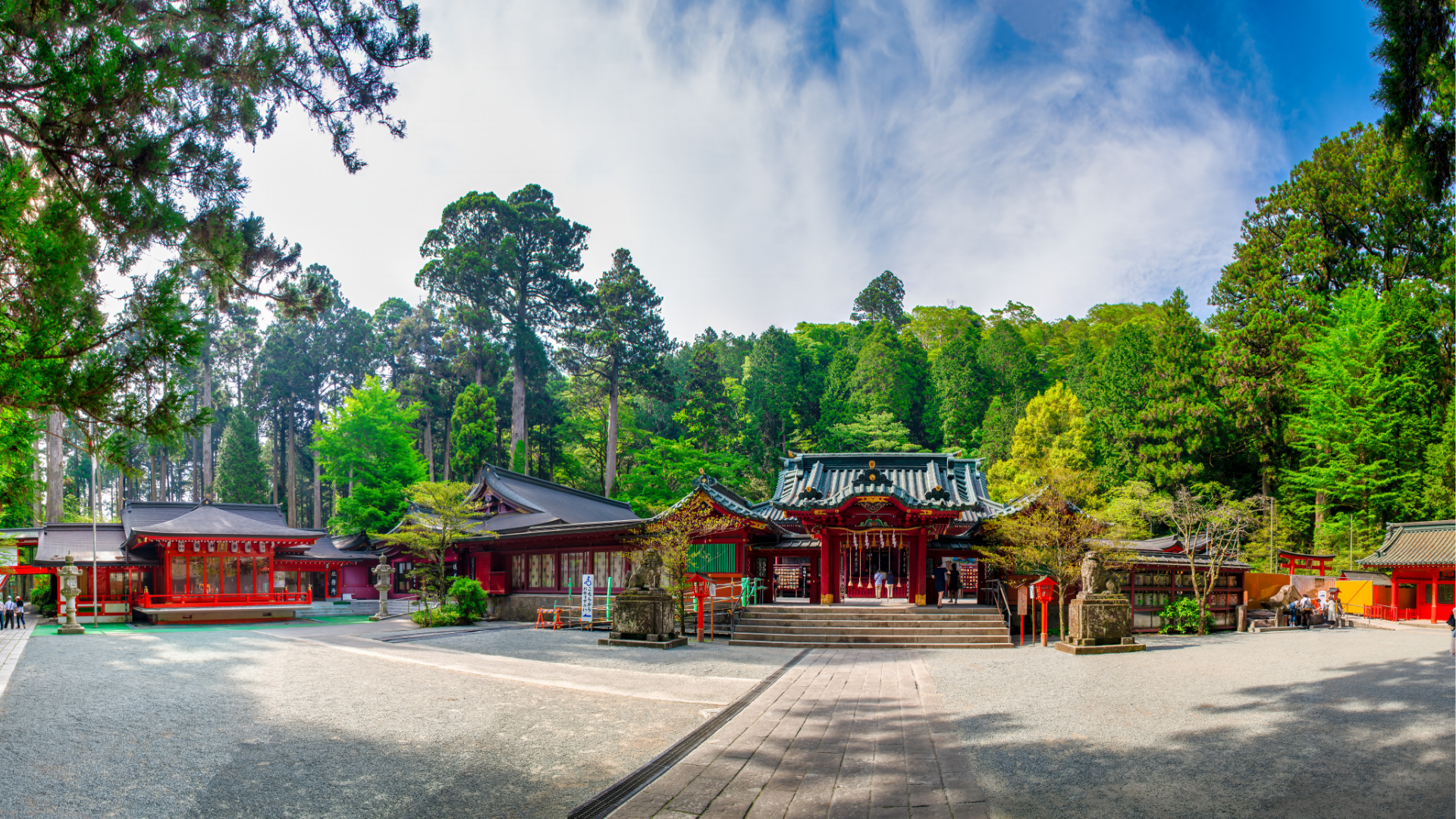
Rent a Car Tokyo to Hakone Onsen: Complete Driving Guide for Visitors
Why Drive from Tokyo to Hakone Onsen? Renting a car gives you door‑to‑door access to hot spring towns, ryokan with private baths, and scenic viewpoints that are difficult to reach by train or bus. A car also lets you time onsen visits to avoid crowds, bring luggage without transfers, and combine Hakone with outlets, wineries, or Mt. Fuji photo spots in a single loop. When Is the Best Time to Drive to Hakone? Hakone is a year‑round destination. Weekdays outside national holidays are best for smooth traffic. Peak congestion times include Saturday mornings outbound from Tokyo and Sunday evenings inbound. ...
続きを見る
-
-
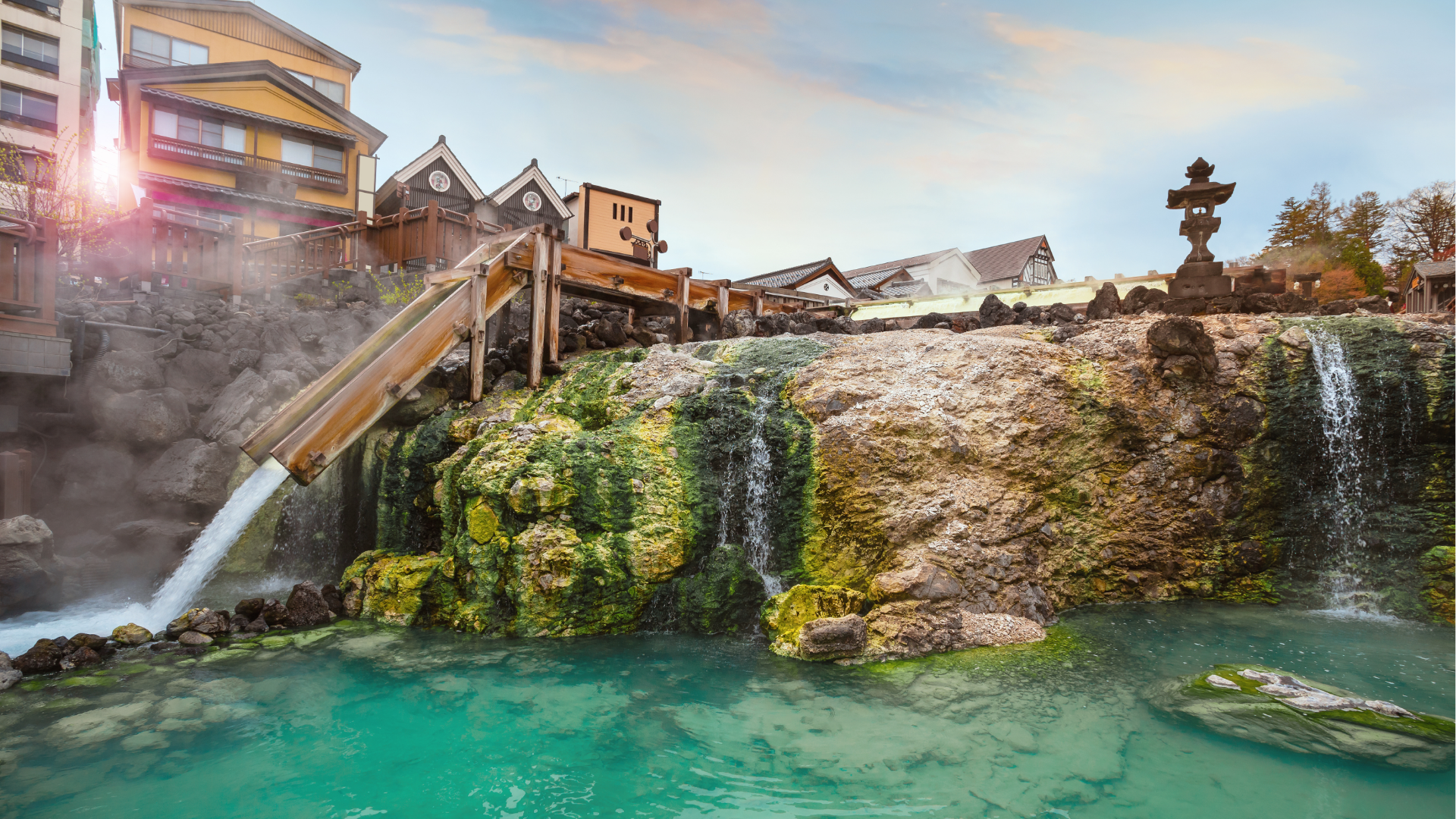
Tokyo to Kusatsu Onsen by Car: The Complete 2025 Driving Guide
Why drive from Tokyo to Kusatsu Onsen? Kusatsu Onsen in Gunma Prefecture is one of Japan’s most famous hot spring towns, centered on the iconic Yubatake hot water field. Driving from Tokyo gives you schedule freedom, easy access to secluded baths and viewpoints, and the ability to combine nearby sights such as Ikaho, Lake Haruna, Karuizawa, and Mount Asama into one road trip. Route overview from Tokyo to Kusatsu Most travelers take the Kan-Etsu Expressway out of Tokyo and connect to local national routes into Kusatsu. Total distance is roughly 200–220 km depending on your starting point and chosen route. ...
続きを見る
-
-
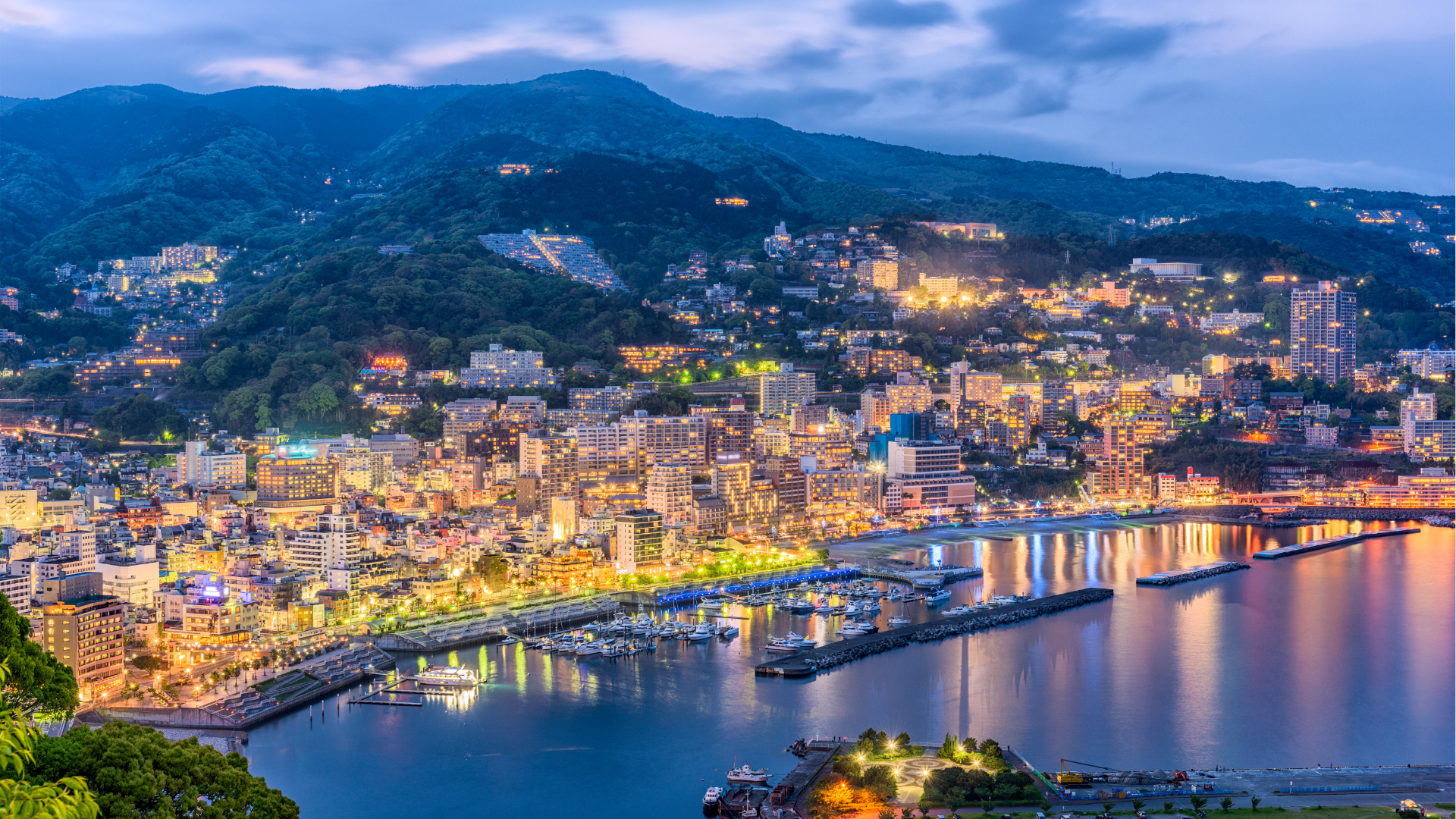
Tokyo to Atami: The Definitive Guide for a Seamless Onsen Escape and Coastal Getaway
Why Atami Is the Perfect Tokyo Getaway Atami blends classic hot‑spring culture with a compact seaside city you can tour in a day. It offers easy access from central Tokyo, ocean‑view ryokan with private baths, a walkable center around Atami Station, and year‑round fireworks over Sun Beach. For travelers who want an authentic onsen experience without a long transfer, Atami is one of the most convenient options on the Izu Peninsula. How Far Is Atami from Tokyo? Travel Time at a Glance • By Shinkansen (Tokaido Line): about 40–50 minutes from Tokyo Station, slightly longer from Shinagawa or Shin‑Yokohama depending ...
続きを見る
-

-
Tokyo to Izu Onsen by Car – Complete 2025 Driving Guide
Why Drive from Tokyo to Izu Onsen? Izu Peninsula is one of Japan’s most rewarding hot‑spring road trips: rugged Pacific coastline, steaming rotenburo with ocean views, and winding mountain roads like the Izu Skyline. Compared with trains, a rental car lets you hop between multiple baths in one day, detour to secluded beaches, and reach ryokan perched far from stations. This guide explains the best routes, timings, tolls, parking, and itineraries so overseas visitors can confidently drive from Tokyo to Izu onsen. Quick Overview: Distance, Time & Tolls Central Tokyo → Atami/Ito (North Izu): 100–130 km, 2–3 hours depending on ...
続きを見る
-
-
Tokyo to Nikko Onsen by Car: The Complete 2025 Driving Guide for Overseas Visitors
Nikko is one of Japan’s most rewarding road trips from Tokyo—mixing UNESCO World Heritage shrines, atmospheric onsen towns like Kinugawa and Chuzenji, and spectacular mountain drives through cedar-lined roads and highland passes. This guide explains the best routes, exact travel times and costs to expect, parking and toll tips, seasonal advice, and a ready-to-use 1–2 day itinerary designed for drivers. It’s written for first-time visitors renting a car in Japan who want a smooth, efficient, and deeply relaxing hot‑spring escape. Why Choose Nikko Onsen as a Self‑Drive from Tokyo World-class mix: Toshogu Shrine’s ornate architecture, Lake Chuzenji’s alpine scenery, and ...
続きを見る
Parking, Tolls & Costs
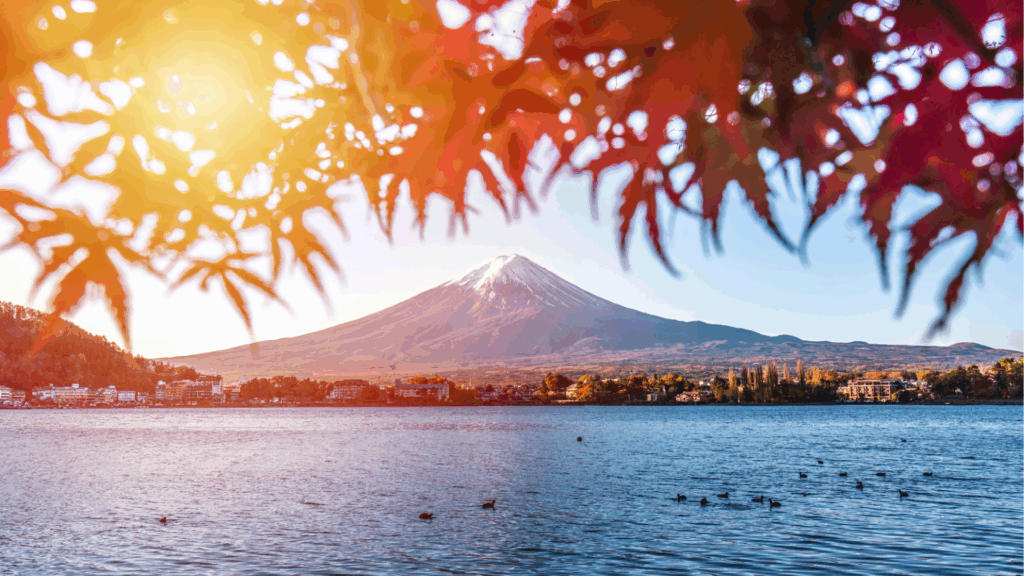
- Tolls: Expect round‑trip expressway tolls when using Chuo/Tomei routes. An ETC card speeds up payment and often gets discounted rates.
- Fuel: Budget for ~10–16 km/L depending on vehicle and terrain.
- Parking around Lake Kawaguchiko: Mix of free and paid lots near viewpoints (Oishi Park, Kawaguchiko Music Forest area, ropeway base). Many ryokan provide guest parking—confirm in advance.
- Ryokan day‑use onsen (higaeri): Some accept day visitors outside peak check‑in hours; bring cash and towels, and check exact hours.
Suggested 1‑Day Self‑Drive Itinerary (Tokyo ⇄ Kawaguchiko)
- Early start from Tokyo (06:30–07:00). Take E20 Chuo toward Kawaguchiko IC.
- Arakurayama Sengen Park (Chureito Pagoda) for panoramic Fuji views (arrive early; limited parking).
- Oishi Park on the northern shore for classic lake + Fuji shots and seasonal flowers.
- Lunch around Kawaguchiko Station area (local hoto noodles) or lakeside cafés.
- Kawaguchiko Onsen soak: Choose a day‑use onsen or check in to a ryokan with lake‑view baths.
- Return to Tokyo after sunset or stay overnight to enjoy quieter roads next morning.
2‑Day Itinerary (Add Aokigahara & Fuji Panoramas)
Day 1: Tokyo → Kawaguchiko IC → Arakurayama → Kawaguchiko Natural Living Center / Oishi Park → Onsen ryokan check‑in.
Day 2: Morning lake stroll → optional Mt. Fuji Panoramic Ropeway → Aokigahara forest short walk (well‑marked trails only) → Saiko Iyashi‑no‑Sato folk village → leisurely drive back to Tokyo via Chuo or Tomei depending on traffic.
Seasonal & Weather Tips
- Autumn (Oct–Nov): Peak foliage; book parking and ryokan early.
- Winter (Dec–Mar): Occasional snow/ice; allow extra time and use gentle throttle/braking.
- Spring (Mar–May): Cherry blossoms; heavy weekend traffic.
- Summer (Jun–Aug): Afternoon clouds around Fuji—aim for morning views.
Safe Driving & Local Etiquette
- Speed limits: 100–120 km/h on newer expressway sections (observe signs), 40–60 km/h on local roads.
- No drink‑driving: Zero tolerance in Japan.
- Turn signals & merging: Use indicators early; be courteous at ETC gates and merges.
- Convenience stops: PA/SA (Parking/Service Areas) along E20/E1 have clean restrooms, food courts, and gas stations.
Navigation & Parking Tips Around Kawaguchiko
- Set your GPS to “Kawaguchiko IC” first, then your ryokan or attraction.
- Popular lots (Oishi Park, Chureito Pagoda base, ropeway) fill early; plan backups.
- Keep coins or small bills for unmanned parking machines.
Frequently Asked Questions
Is the drive difficult for first‑timers in Japan?
Generally no—expressways are well‑signed in English. Local town driving requires patience and low speeds.
Do I need snow chains?
Usually not on cleared expressways if your rental has winter tires. Chains may be required during heavy snow on local roads—check weather before departure.
Can I visit other Fuji Five Lakes by car?
Yes. Yamanakako, Saiko, Shojiko, and Motosuko are short scenic drives from Lake Kawaguchiko.
Where should I book a ryokan with private onsen?
Search for “Kawaguchiko kashikiri onsen” (private/chartered baths) and filter for lake‑view rooms with parking.
Pro Tips for a Smooth Trip
- Leave Tokyo early to beat traffic and maximize Fuji visibility.
- Reserve an ETC card with your rental for faster tolls.
- Choose compact SUVs for luggage + comfort on local roads.
- Download offline maps and pin parking lots before you go.
- Carry cash for small fees and day‑use onsen.
Best Car Rental in Japan for Overseas Visitors
The top recommendation for overseas travelers is Samurai Car Japan. This company offers an impressive fleet that includes legendary Japanese cars like the Nissan GT-R and Mazda RX-7, making it a dream choice for car enthusiasts. In addition to its exciting lineup, Samurai Car Japan is known for affordable, transparent pricing, so you can rent with confidence and no hidden surprises.
If you’re interested, make sure to check the link or image below to get in touch and book your rental.