How Far Is Mt Fuji from Tokyo?
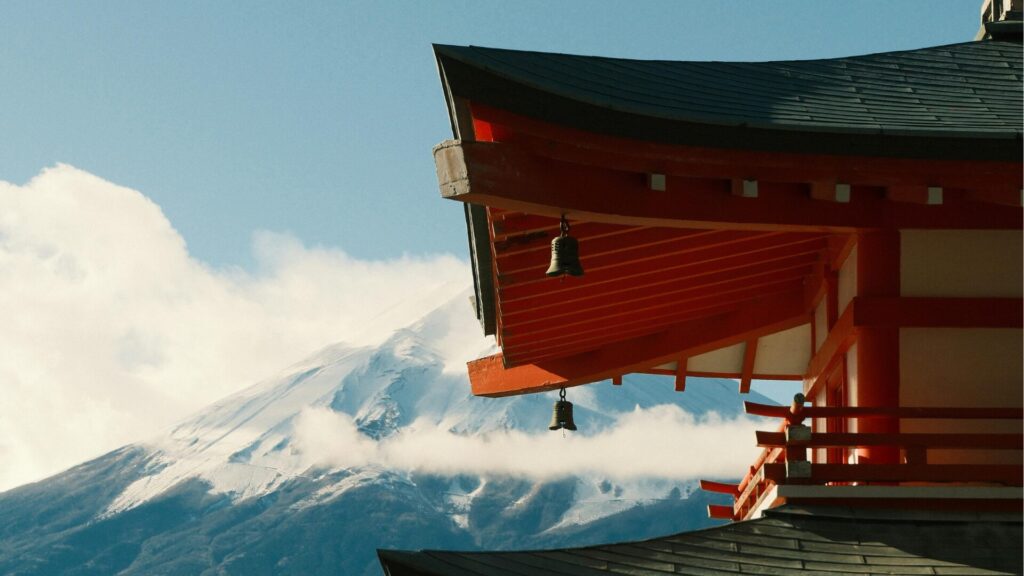
Mt Fuji sits roughly 100 km (62 miles) southwest of central Tokyo. Despite the modest distance on a map, actual travel time varies considerably depending on your transport mode, departure point, and destination on the Fuji side. Whether you are heading to the Fuji Five Lakes area (Kawaguchiko), the Subashiri 5th Station for climbing, or simply a scenic viewpoint, the journey from Tokyo to Mt Fuji typically takes between 1.5 and 3 hours one way.
Understanding the geography is helpful: the Chuo Expressway and Route 138 cut through the mountains west of Tokyo, while the Tomei Expressway skirts the coast before veering inland. Your ideal route depends on whether you prioritize speed, scenery, or access to specific trailheads and lakeside towns.
-

-
Mt Fuji: The Ultimate 2026 Guide to Japan's Iconic Mountain
続きを見る
Option 1: By Train (JR + Fuji Excursion / Bus Transfer)
JR Chuo Line + Fuji Excursion Limited Express
The most straightforward rail route from Tokyo to Mt Fuji's gateway town, Kawaguchiko, combines JR and the Fujikyu Railway. In 2026, the Fuji Excursion (Fuji Kaiyu) limited express runs directly from Shinjuku Station to Kawaguchiko Station without requiring a transfer. The ride takes approximately 1 hour and 50 minutes, and a reserved seat costs around ¥4,130 one way.
This train is covered partially by the Japan Rail Pass (the JR portion from Shinjuku to Otsuki), but you will need to pay separately for the Fujikyu Railway segment from Otsuki to Kawaguchiko (around ¥1,170 plus a limited express surcharge).
Shinkansen + Bus from Mishima or Shin-Fuji
If you hold a Japan Rail Pass or prefer bullet train speed, take the Tokaido Shinkansen from Tokyo Station to Shin-Fuji Station (about 65 minutes on a Kodama) or Mishima Station (about 50 minutes on a Hikari). From either station, local buses connect to Kawaguchiko or the Fuji 5th Station during climbing season. The bus transfer adds 1 to 2 hours depending on the destination, but this route gives you stunning views of Fuji's south face along the way.
Option 2: By Highway Bus (Most Budget-Friendly)
Highway buses are the most affordable way to travel from Tokyo to Mt Fuji. Multiple operators — including Fujikyu Bus and Keio Bus — run frequent services from Shinjuku Expressway Bus Terminal (Busta Shinjuku) directly to Kawaguchiko Station and nearby stops. The ride takes approximately 1 hour 45 minutes to 2 hours 30 minutes, depending on traffic conditions.
One-way fares in 2026 range from ¥2,200 to ¥2,500. Reservations can be made online through Japan Bus Online or Willer Express. During peak periods — Golden Week, Obon, and autumn foliage season — these buses fill up quickly, so booking at least a week in advance is strongly recommended.
Additional departure points include Tokyo Station (Yaesu South Exit) and Shibuya Mark City, offering similar pricing and travel times.
Option 3: Driving from Tokyo to Mt Fuji by Car
Recommended Driving Routes
Driving offers the most flexibility, especially if you plan to explore multiple viewpoints, lakeside onsens, or lesser-known spots around Fuji. There are two primary routes:
- Chuo Expressway Route: Take the Chuo Expressway from Shinjuku/Chofu IC west toward Otsuki, then exit onto Route 137 or Route 138 heading to Kawaguchiko. Total distance is approximately 110 km, and driving time is around 1.5 to 2 hours without traffic.
- Tomei Expressway Route: Head south on the Tomei Expressway toward Gotemba IC, then follow Route 138 north to Kawaguchiko or take the Fuji Subaru Line to the 5th Station. This route is about 130 km and takes roughly 2 hours. It offers excellent south-side views of Fuji on clear days.
Toll Costs and Parking
Expressway tolls from central Tokyo to the Kawaguchiko area typically range from ¥3,000 to ¥4,500 one way, depending on your entry point and whether you use an ETC card (which offers discounts). The Fuji Subaru Line — the toll road leading to the Yoshida 5th Station — charges an additional ¥2,100 for standard vehicles (round trip).
Parking is available at Kawaguchiko Station, along the lakeshores, and at the 5th Station during climbing season. However, during the official climbing season (early July to mid-September), private vehicles are often restricted on the Subaru Line, and a mandatory shuttle bus system operates from designated parking lots. Check the latest My Car Regulation schedule before your trip.
Why Driving Can Be the Best Choice
A car allows you to visit multiple locations in a single day — from the iconic Chureito Pagoda in Fujiyoshida to the tranquil shores of Lake Motosu, where the view of Fuji depicted on the ¥1,000 bill can be found. You can also combine a Fuji day trip with nearby onsen towns like Kawaguchiko Onsen or detour to Hakone on the return journey. For car enthusiasts, the winding mountain roads around Fuji offer an unforgettable driving experience.
-
-
Drive from Tokyo to Kawaguchiko Onsen: The Ultimate Self-Drive Guide for Overseas Visitors
続きを見る
Option 4: Guided Tours from Tokyo
For travelers who prefer a hassle-free experience, organized day tours from Tokyo to Mt Fuji are widely available. Most depart from Shinjuku or Tokyo Station early in the morning and return by evening. A typical itinerary includes stops at Kawaguchiko, the Fuji 5th Station (when accessible), Oshino Hakkai (a set of eight crystal-clear spring-fed ponds), and sometimes a nearby onsen or outlet mall.
Tour prices in 2026 range from ¥8,000 to ¥15,000 per person depending on inclusions. Companies like Klook, Viator, and local operators offer English-guided options. The advantage of a tour is the elimination of logistics — transportation, timing, and navigation are all handled for you. The disadvantage is limited flexibility in schedule and stops.
Best Time to Visit Mt Fuji from Tokyo
The ideal timing for a Tokyo-to-Fuji trip depends on your goals:
- Climbing Season (July–September): The only period when the summit trails are officially open. Weather can be unpredictable, and crowds are at their peak, especially on weekends.
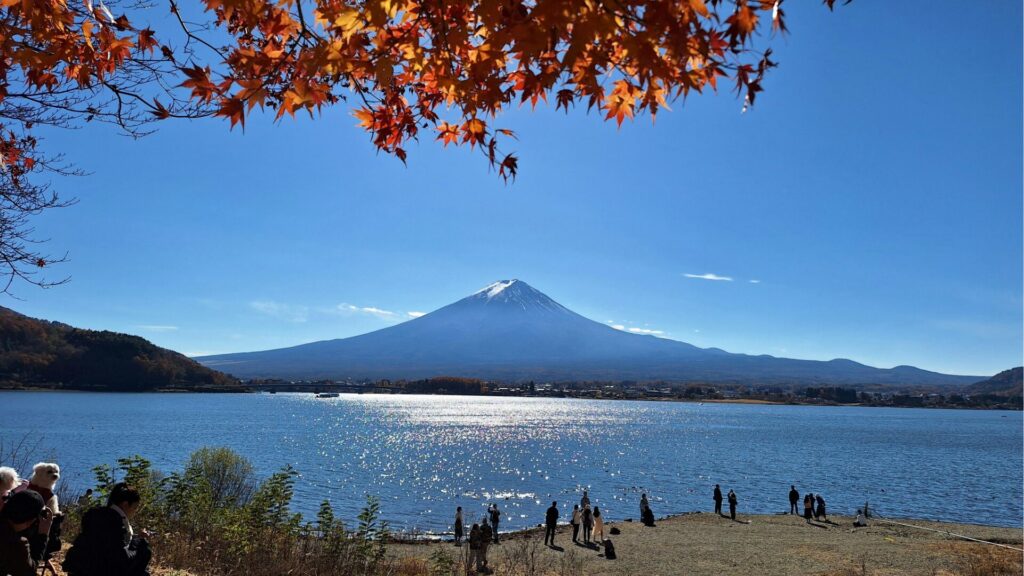
- Autumn (October–November): Stunning foliage around the Five Lakes region. Fewer crowds than summer. Clear skies offer the best photography conditions.
- Winter (December–February): Snow-capped Fuji is at its most photogenic. Roads remain open to the lakeside areas, though the Subaru Line closes. Excellent for hot spring visits.
- Spring (March–April): Cherry blossom season brings the legendary Chureito Pagoda view — Fuji framed by sakura. This is one of the most sought-after photos in all of Japan.
Early mornings consistently offer the clearest views. Fuji is famously shy, often obscured by clouds from late morning onward, particularly in summer. If visibility is your priority, arrive before 10:00 AM regardless of the season.
Key Destinations Around Mt Fuji
Kawaguchiko (Lake Kawaguchi)
The most popular and accessible of the Fuji Five Lakes, Kawaguchiko has an extensive network of hotels, restaurants, museums, and viewpoints. The northern shore offers unobstructed views of Fuji reflected in the lake. The Kawaguchiko Ropeway takes visitors up Mt Kachi Kachi for panoramic views, and the area is well connected by the Retro Bus loop.
Chureito Pagoda (Arakurayama Sengen Park)
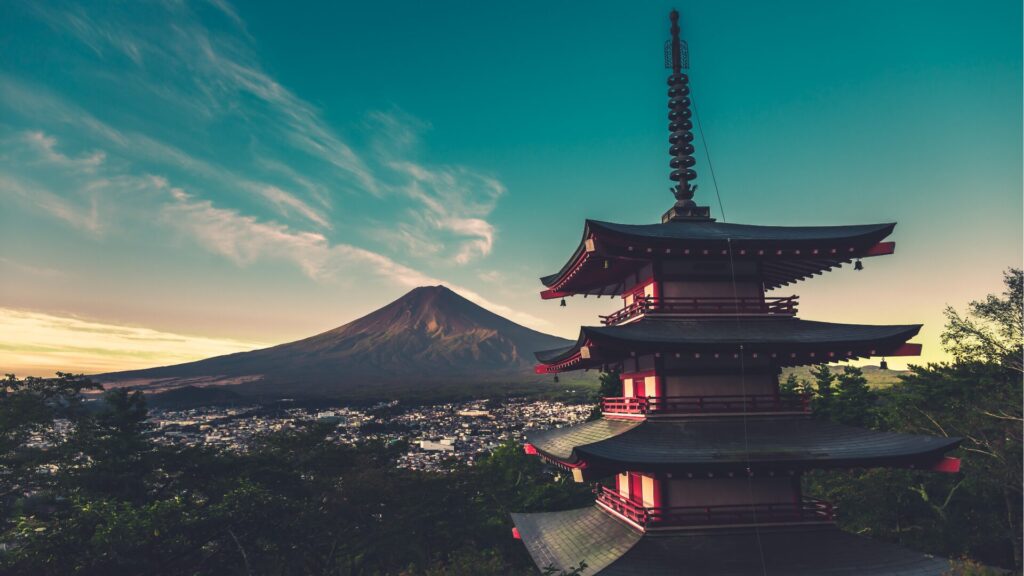
Located in Fujiyoshida, this five-story pagoda with Mt Fuji rising behind it is one of Japan's most iconic images. Reaching the pagoda requires climbing about 400 steps from Shimoyoshida Station. The spot is spectacular during cherry blossom and autumn foliage seasons but is crowded year-round.
Fuji 5th Station (Yoshida Trail)
At 2,300 meters, the Yoshida 5th Station is the most popular starting point for summit climbers and also serves as a destination for non-climbers who want to experience the mountain's alpine environment. Gift shops, restaurants, and a small shrine are located here. Access is via the Fuji Subaru Line by car or shuttle bus.
Lake Motosu and Lake Shoji
These quieter lakes on the western side of the Fuji Five Lakes area offer more solitude. Lake Motosu provides the famous view of Fuji seen on the Japanese ¥1,000 banknote. Lake Shoji, the smallest of the five, is a hidden gem for camping and kayaking.
Oshino Hakkai
A small village between Lake Kawaguchiko and Lake Yamanakako featuring eight ponds fed by snowmelt from Mt Fuji, filtered through layers of lava over 80 years. The village has a charming, traditional atmosphere with thatched-roof houses and local snack stalls.
Tokyo to Mt Fuji: Quick Comparison Table
Below is a summary of each transport option for getting from Tokyo to the Mt Fuji area in 2026:
- Fuji Excursion Train: ~1 hr 50 min | ~¥4,130 | Departs Shinjuku | Best for convenience and comfort
- Highway Bus: ~2 hrs | ~¥2,200–¥2,500 | Departs Shinjuku/Shibuya/Tokyo Stn | Best for budget travelers
- Shinkansen + Local Bus: ~2–3 hrs total | ~¥4,000–¥6,000 | Departs Tokyo Stn | Best for JR Pass holders
- Car (Rental/Own): ~1.5–2.5 hrs | Tolls ¥3,000–¥4,500 + fuel | Flexible departure | Best for multi-stop itineraries and scenic freedom
- Guided Tour: Full day | ~¥8,000–¥15,000 | Departs Shinjuku/Tokyo Stn | Best for stress-free travel
Tips for a Smooth Trip from Tokyo to Mt Fuji
- Check visibility forecasts: Websites and apps like Windy or the Fuji Visibility Camera can help you decide whether the trip is worth it on a given day.
- Depart early: Whether driving, taking a bus, or joining a tour, leaving Tokyo before 7:00 AM maximizes your chances of clear views and minimizes traffic.
- Bring layers: The Fuji 5th Station and lakeside areas are significantly cooler than Tokyo — often 10–15°C lower. Even in summer, a jacket is advisable.
- Book return transport in advance: Buses and trains from Kawaguchiko back to Tokyo fill up quickly in the afternoon, especially on weekends. Secure your return ticket or reservation before heading out.
- Consider an overnight stay: While a day trip is feasible, spending a night near Kawaguchiko allows you to catch the early morning "red Fuji" (akafuji) glow and enjoy onsen facilities at your accommodation.
- IC cards work here: Your Suica or Pasmo card is accepted on the Fujikyu Railway line and retro buses around the lake area, making cashless travel easy.
-

-
Rent a Car Tokyo to Hakone Onsen: Complete Driving Guide for Visitors
続きを見る
Combining Mt Fuji with Other Day Trip Destinations
If you are driving or have extra time, the Mt Fuji area connects well with several other popular destinations around Tokyo. From Kawaguchiko, it is only about 45 minutes by car to Hakone, where you can enjoy volcanic hot springs, the Hakone Open-Air Museum, and views across Lake Ashi. Gotemba Premium Outlets, located at the southern base of Fuji, is another popular stop for those with a car.
For travelers interested in extending their road trip, the Izu Peninsula is reachable within 2 hours from the Fuji area via the Tomei Expressway, offering coastal scenery, fresh seafood, and secluded onsen towns. Combining Fuji with one or more of these destinations makes for a rich multi-day itinerary out of Tokyo.
-
-
Tokyo to Izu Onsen by Car – Complete 2025 Driving Guide
続きを見る
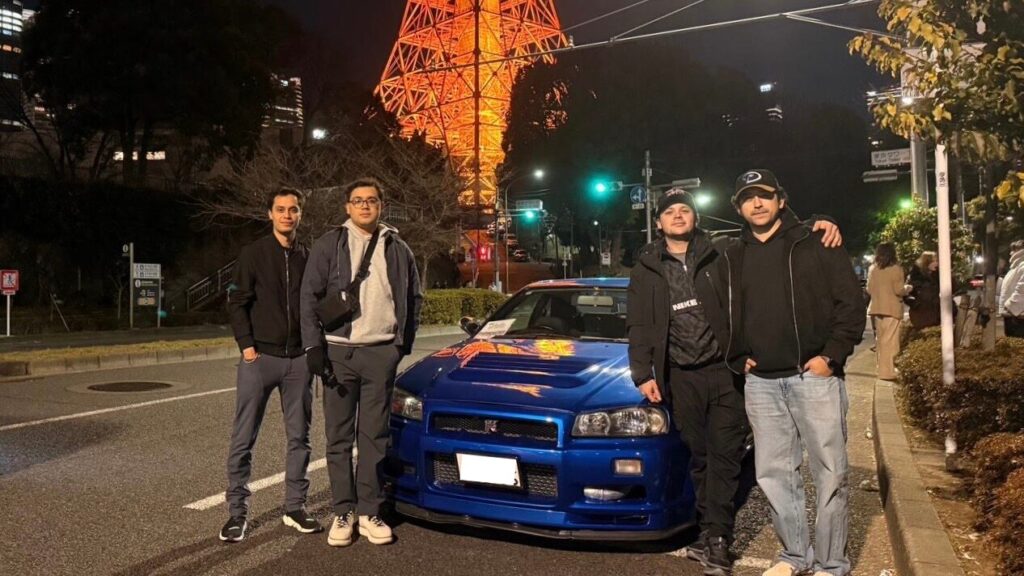
Experience Japan’s Finest JDM Adventures
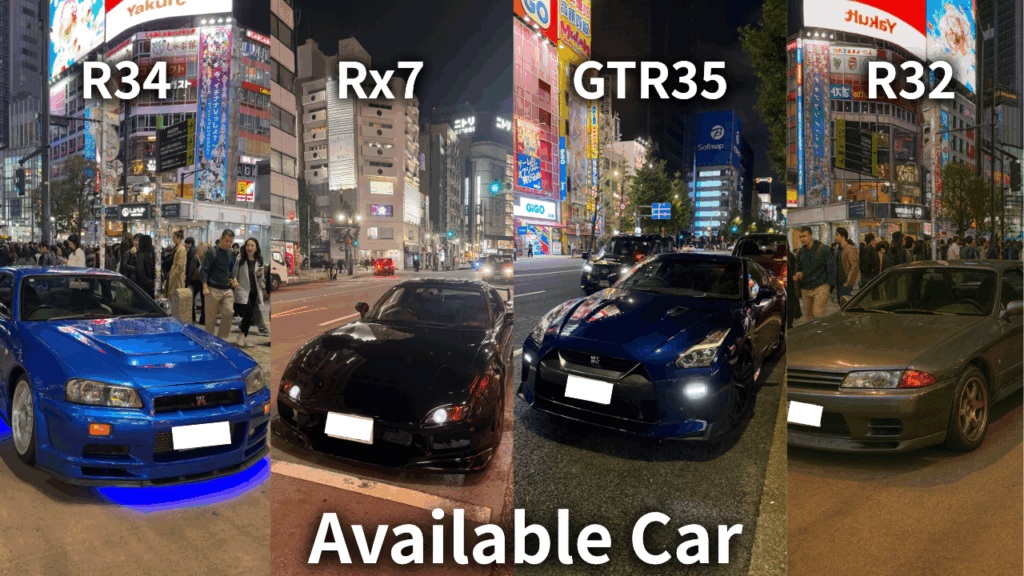
From Daikoku PA tours to JDM sports car rentals and drift experiences, we offer premium driving adventures for visitors who want more than ordinary sightseeing.
Get behind the wheel of iconic machines such as the GT-R, RX-7, and Supra, and experience Japan’s legendary car culture in the most unforgettable way. Whether you want a scenic Tokyo car experience or something more thrilling and immersive, we can guide you to the right plan.
Not sure which experience suits you best? No problem. Message us on WhatsApp and we’ll help you choose the ideal option based on your travel plans, interests, and driving experience.
Popular dates sell out quickly, so we recommend contacting us early.
Customer Reviews
Important Information
- This is a drive tour where you drive your rental car, and our guide navigates from the seat.
- This is a self-drive tour where you drive your rental car, and our guide navigates from the passenger seat.
- The tour begins and ends at the same location (Shibuya).
- If the Daikoku Parking Area is closed, we will instead guide you to another car meet further away.
- The consultant is a cultural expert and navigator, not a taxi service.
