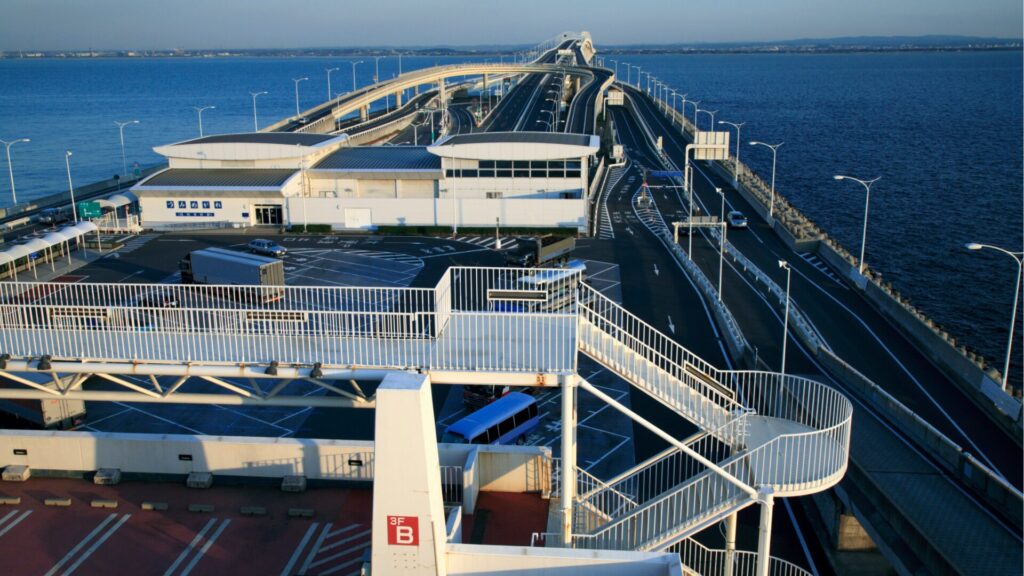
Umihotaru Parking Area—often written as Umi Hotaru PA or Umi-hotaru—is one of the most unusual “highway rest stops” in the world: a multi‑story facility built on an artificial island in the middle of Tokyo Bay. Even if you’re not driving to Chiba, many visitors plan a dedicated trip just to experience the ocean views, grab a meal, and take photos with the Aqua-Line bridge and skyline.
This guide covers everything you need to know about Umihotaru Parking Area: what it is, how to get there, costs and tolls, what to do once you arrive, and practical travel tips (including the easiest way to combine Umihotaru with a JDM car culture night at Daikoku PA—the destination most international enthusiasts are really chasing).
What is Umihotaru Parking Area?
Umihotaru Parking Area is a highway parking area and sightseeing spot located on the Tokyo Wan Aqua-Line Expressway, a major route that connects Kawasaki (Kanagawa) and Kisarazu (Chiba). Unlike typical service areas that sit beside the road, Umihotaru is essentially a five‑level building on the sea, with:
- Observation decks for panoramic Tokyo Bay views
- Restaurants, food court options, cafés, and snacks
- Souvenir shopping (Chiba + Kanagawa specialties)
- Convenience store access for late-night essentials
- Restrooms and traveler services designed for heavy traffic days
The facility itself is open 24 hours, while individual shops and restaurants operate on their own schedules (often from morning to late evening).
Why it’s famous: Umihotaru feels like a mini attraction rather than a stopover. It’s photogenic, surprisingly spacious, and it’s one of the few places where “going to a parking area” is a legitimate Tokyo‑area travel plan.
-

-
Umihotaru Car Meet Tour Guide: Routes, Timing, and the Smarter Daikoku PA Alternative
What is Umihotaru PA? Umihotaru PA is a floating service area perched on the Tokyo Bay Aqua-Line, roughly midway between Kawasaki and Kisarazu. It’s famous for its 360° ocean views, wind-swept decks, and nightscape photo spots. Because it’s a convenient midway stop with large parking areas, enthusiasts occasionally pause here on their way to or from other hot spots. Why enthusiasts search for an “Umihotaru car meet tour” Travelers often hope to catch a pop-up car meet at Umihotaru. While it does happen, Umihotaru is primarily a rest stop, not a dedicated meet hub—so appearances are inconsistent and short-lived. If ...
続きを見る
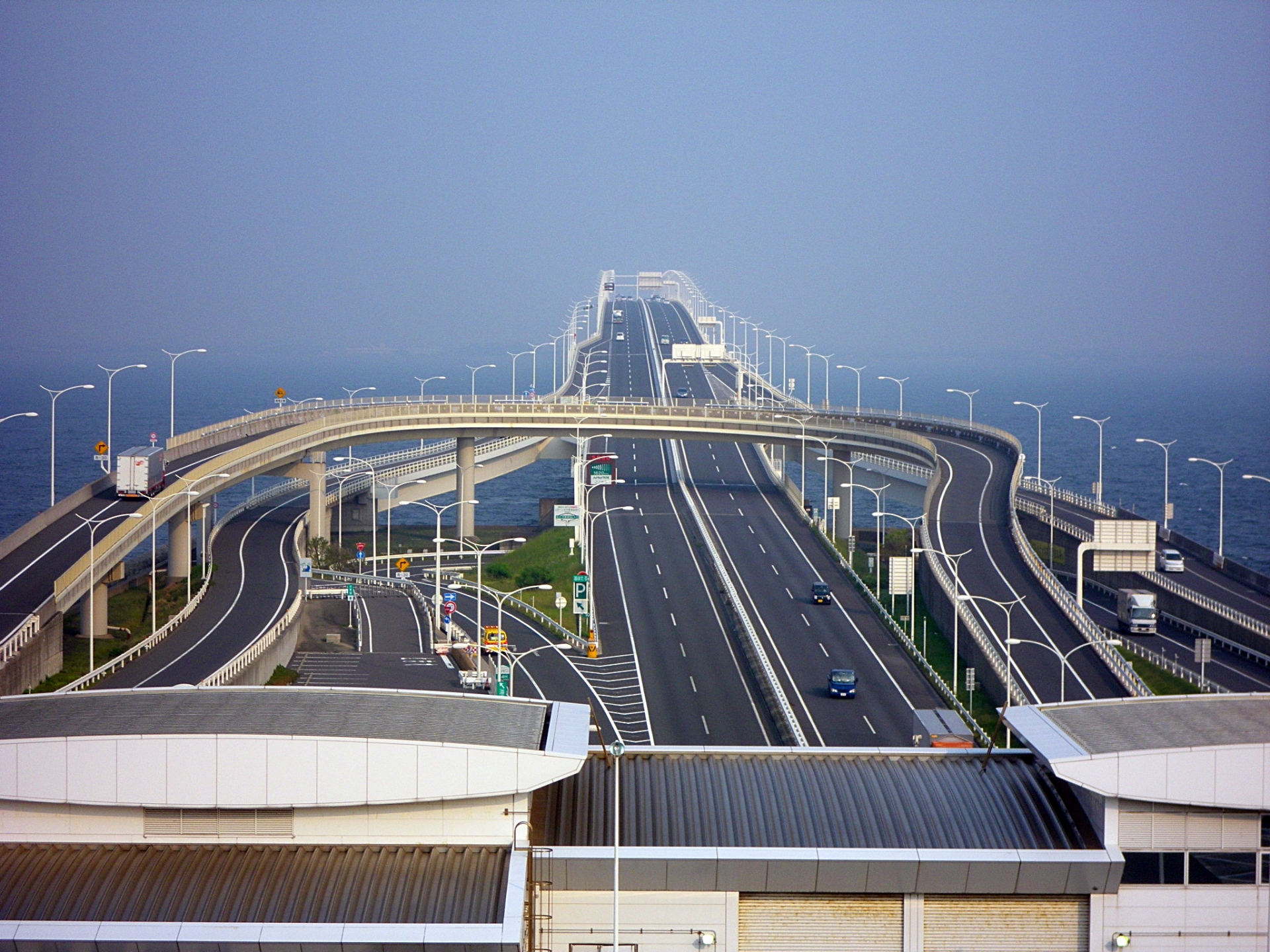
Where is Umihotaru and how the Tokyo Bay Aqua-Line works
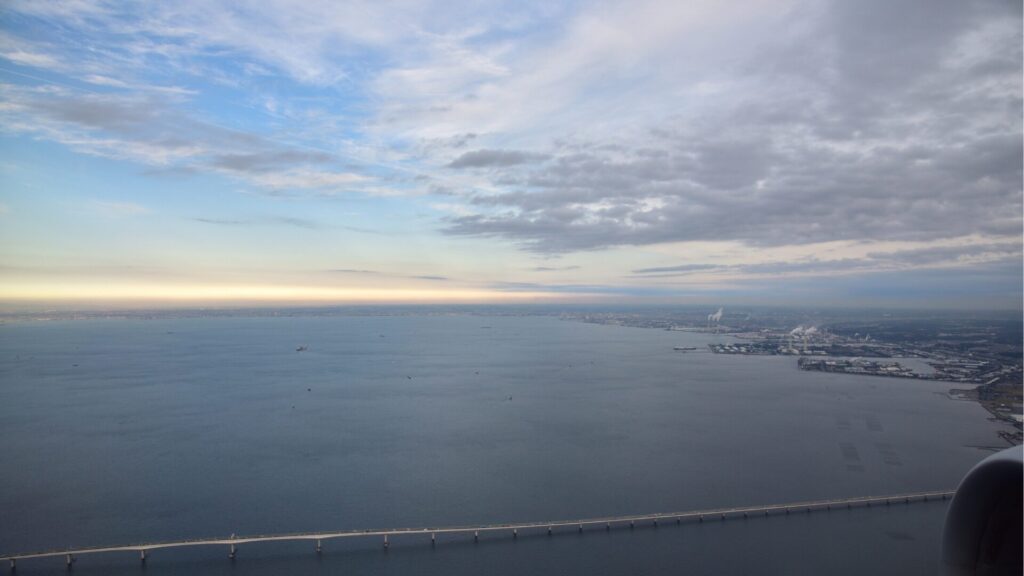
Umihotaru sits roughly midway across Tokyo Bay on the Aqua-Line. The Aqua-Line is not just a bridge—it’s a combined bridge + undersea tunnel project built to shorten travel time between Kanagawa and Chiba.
Key geography in plain English
- From the Kawasaki / Yokohama side: you approach via the expressway network in Tokyo and Kanagawa and enter the Aqua-Line toward the bay.
- From the Chiba / Kisarazu side: you approach from Chiba’s expressways and join the Aqua-Line toward the bay.
- Umihotaru is in the middle: you can visit from either direction, stop, and continue—or turn back.
Because it’s part of an expressway, Umihotaru is primarily designed for cars and buses—not pedestrians.
How to get to Umihotaru Parking Area
There are two realistic ways to reach Umihotaru Parking Area: by car or by highway bus.
Getting to Umihotaru by car (recommended)
Driving is the easiest and most flexible option.
From Tokyo / Yokohama / Kawasaki:
- Connect to the Aqua-Line via major routes (commonly via the Bayshore/Wangan area of the expressway network), then follow signs for the Tokyo Wan Aqua-Line and Umihotaru.
From Chiba / Kisarazu:
- Use the expressways connecting toward Kisarazu and the Aqua-Line, then follow signs for Umihotaru.
Navigation tip: Enter the Japanese address (often required by some car navigation systems):
- 千葉県木更津市中島地先 (Kisarazu, Chiba; Nakajima area)
Can you “turn back” at Umihotaru?
Yes. Umihotaru is set up so you can arrive from one side, park, and then turn back to the same side you came from. This is perfect if you just want the views without continuing to Chiba.
Important: toll handling differs depending on direction and whether you use ETC or cash lanes. The short version is that turn‑back visitors are generally charged a one‑way toll.
Getting to Umihotaru by bus (no car)
If you don’t want to drive, you can take a highway bus that stops at Umihotaru.
Typical route pattern:
- Take a train to Kawasaki Station or Kisarazu Station.
- Transfer to a highway bus with an Umihotaru stop.
Practical warnings:
- Bus frequency varies by day and route.
- Some buses do not stop at Umihotaru on certain schedules.
- The last bus can be surprisingly early on some routes—always confirm your return option before you go.
If you want a stress‑free plan (especially if you want to continue to Daikoku PA afterward), going with a private driver/guide is significantly easier than trying to “solve” multiple bus legs at night.
-

-
How to Get to Daikoku PA Without a Car (Legal Options, Taxi Costs, and Tours)
Daikoku Parking Area (Daikoku PA) is Japan’s most famous informal car meet—but it’s also one of the hardest spots for travelers to reach without a vehicle. The reason is simple: Daikoku PA sits on the Shuto Expressway and is designed for cars only. There’s no train station, no public bus stop inside the PA, and pedestrians are not allowed. This guide explains exactly how to get to Daikoku PA without driving yourself, the legal options that actually work, typical taxi pricing and pitfalls, what to do when the police close the lot, and the best “Plan B” places for JDM ...
続きを見る

Parking, tolls, and costs: what to expect
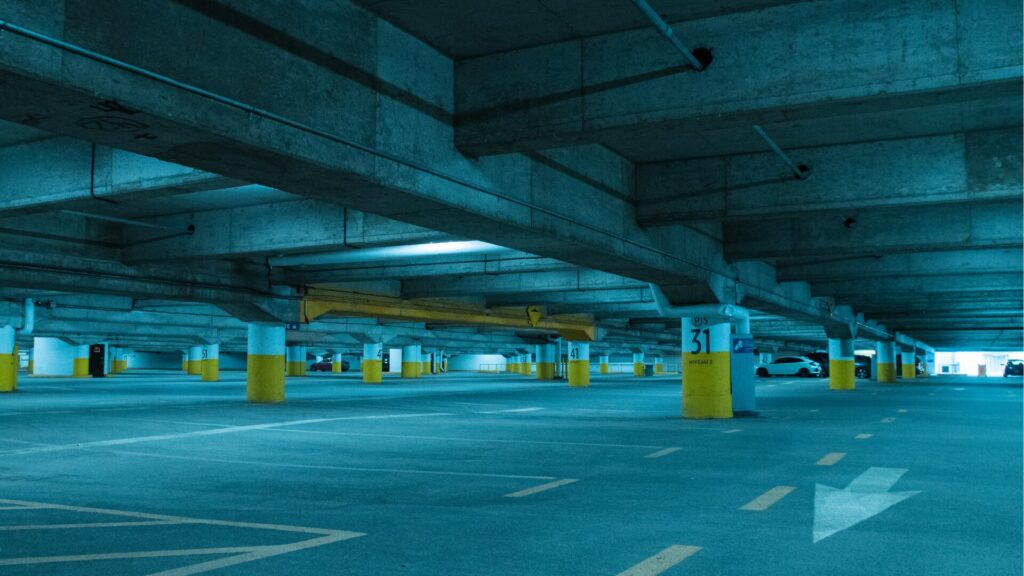
Umihotaru is famous for being “free to enter,” but there are still costs because it sits on an expressway.
Is parking free at Umihotaru?
Parking at Umihotaru is generally free. Your main cost is the Aqua-Line toll.
How much is the Aqua-Line toll?
Tolls can feel confusing because they depend on:
- Vehicle type
- Whether you pay cash or use ETC (Electronic Toll Collection)
- Discount programs and time‑specific experiments (especially on weekends/holidays)
As a rough travel-planning reference for a standard car:
- Cash tolls can be around the ¥3,000 range one-way.
- ETC discounts can significantly reduce this, sometimes dramatically depending on time and direction.
Because toll rules and discounts can change, treat any number you see online as a planning estimate and verify before you go—especially if you’re traveling on a weekend, holiday, or peak afternoon period.
The simplest way to avoid toll surprises
- If you’re renting a car, ask specifically about an ETC card.
- Avoid peak congestion windows when possible.
- If you’re turning back at Umihotaru (not crossing to the other side), confirm how you’ll be charged on your route.
Best time to visit Umihotaru Parking Area
Umihotaru is open all day, but the experience changes drastically depending on time.
Sunset (the #1 recommendation)
If you can time it, sunset is the most photogenic window:
- Warm light over the bay
- Better visibility on clear days
- A natural transition into evening city lights
Night views
At night, Umihotaru becomes a calm, futuristic stopover with reflected lights over the water. It’s also a good pre‑ or post‑dinner stop if you’re doing a driving night out.
Weekends and holidays: expect crowds
Umihotaru can get extremely busy on weekends and holidays, especially:
- Late morning through afternoon
- Seasonal travel peaks
- Days with good weather
If you want a relaxed experience:
- Visit on a weekday
- Or visit later in the evening after peak traffic
Things to do at Umihotaru: views, food, shopping, and photo spots

Even if you’re only stopping for an hour, you can enjoy Umihotaru without rushing.
1) Walk the observation decks
The biggest reason to go is simple: Tokyo Bay views in every direction. Expect open-air decks designed for sightseeing and photography.
Photo mindset:
- Bring a lens cloth (ocean wind = mist)
- Hold your phone/camera securely (gusts happen)
- Take both wide shots and close-up “details” (bridge lines, lights, signage)
2) Eat like it’s a destination
Umihotaru has full meal options—not just vending machines.
You’ll typically find:
- Food-court style Japanese comfort dishes
- Seafood-forward options (Chiba influence)
- Coffee and desserts for a quick break
Travel tip: If you’re aiming for a “car enthusiast night,” grab a solid meal here before heading anywhere else—your schedule will be smoother later.
3) Shop for regional souvenirs
Umihotaru is a convenient place to pick up:
- Chiba specialties
- Packaged snacks and gifts
- Travel items you forgot to buy earlier
4) Facilities that matter when you’re traveling
Depending on your timing, you may appreciate:
- A convenience store for late-night snacks/drinks
- Traveler services and information desk hours
- Clean restrooms and family-friendly facilities
Driving tips and rules for a safe, stress-free visit
Umihotaru is fun, but it’s still part of an expressway system. A few practical points make the visit smoother.
Plan for wind and weather
Because Umihotaru sits on open water:
- Wind can be stronger than you expect
- Visibility can change quickly
- Some conditions may affect comfort on outdoor decks
Expect congestion and be patient
The Aqua-Line is famous for congestion at peak times. Give yourself buffer time—especially if you have dinner reservations or a fixed meetup later.
Drive respectfully (and keep it low-key)
If you’re visiting as a car enthusiast:
- Avoid loud revving or disruptive behavior
- Use designated spaces and follow staff instructions
- Treat the area as a public travel facility, not an event venue
This approach matters even more if you plan to continue to Daikoku PA, where enforcement, closures, and traffic control can change without notice.
-

-
Daikoku Parking Area Rules (Daikoku Futo PA): How to Visit Legally, Respectfully, and Avoid Closures (2026)
Visiting Daikoku Parking Area (大黒PA)—often searched as Daikoku PA, Daikoku Parking Area (PA), or Daikoku Futo Parking Area—is a bucket-list moment for JDM fans. But Daikoku is not a theme park or an “event venue.” It’s a working expressway rest area on the Shuto Expressway network, and the rules are enforced. This guide covers the practical rules that matter most: legal access, what behavior gets people removed, and how to reduce the risk of sudden entry restrictions—so visitors can enjoy the scene without becoming the reason it gets shut down. The Golden Rule: You Can’t Walk to Daikoku Parking Area ...
続きを見る
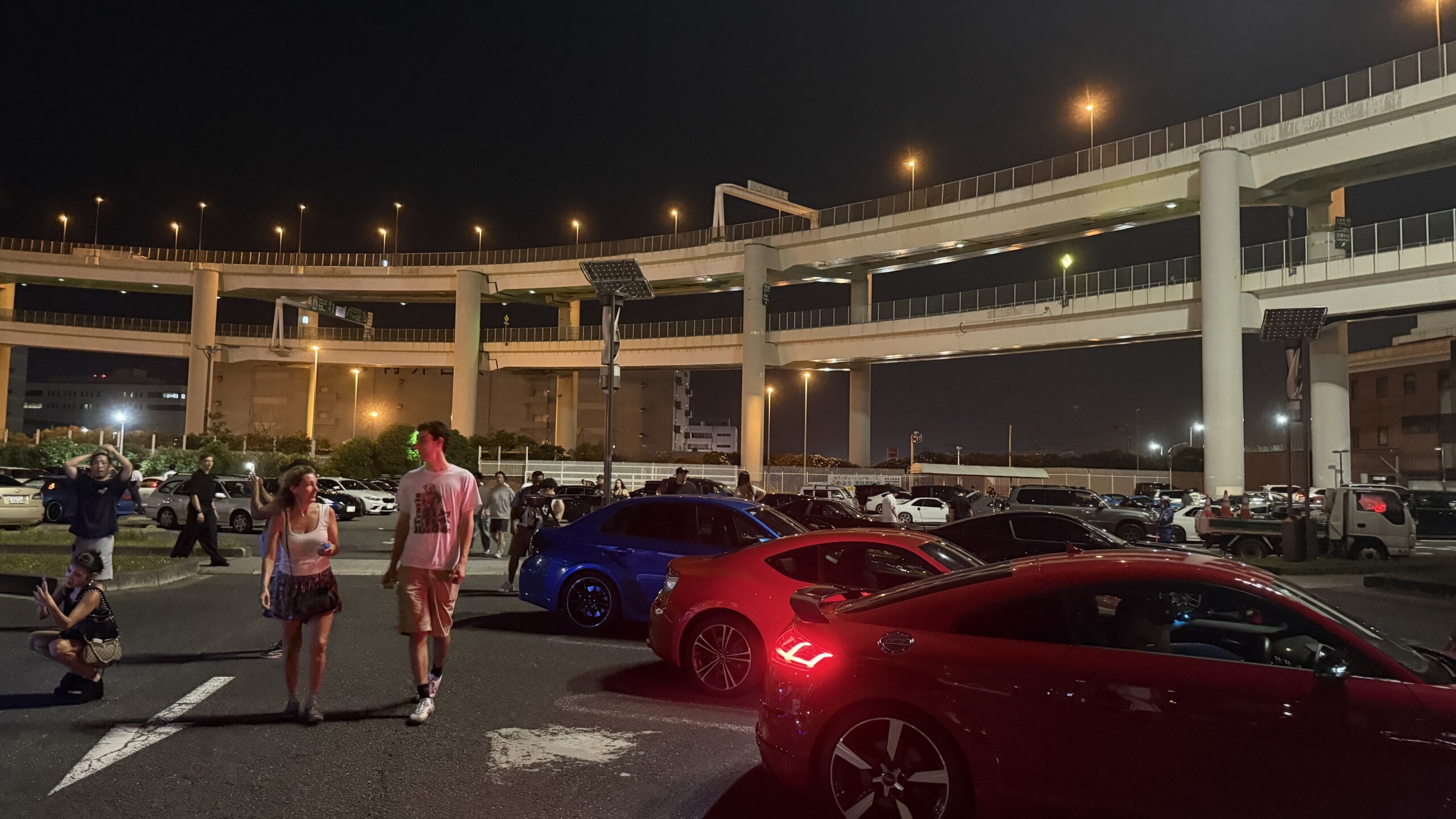
Umihotaru vs Daikoku PA: which one is better for car fans?

Many visitors discover Umihotaru first because it’s easy to understand: it’s famous, scenic, and clearly designed for visitors.
Daikoku Parking Area, on the other hand, is famous for a different reason: it’s the most iconic gathering point connected to modern Tokyo car culture.
Umihotaru: best for sightseeing + a relaxed stop
Choose Umihotaru if you want:
- A guaranteed “destination-style” rest area
- Ocean views and photo opportunities
- Food and shopping without needing a car-culture schedule
Daikoku PA: best for JDM culture (but harder to do correctly)
Daikoku can be incredible when conditions align, but it’s not a simple tourist spot:
- Access is not straightforward for visitors
- Conditions can change due to traffic control
- Timing and route planning matter
If your main goal is JDM sightings and the Tokyo car meet atmosphere, Daikoku is usually the real target.
-

-
Daikoku Car Meet (Daikoku PA) Guide: How to Visit Japan’s Most Famous JDM Meet
Daikoku Parking Area (Daikoku PA) is the most iconic place in the Tokyo–Yokohama region to see Japanese performance cars, tuned builds, and rare classics gathering in one spot. If you’re searching for the Daikoku car meet, this guide explains what it is, what to expect, how to visit responsibly, and why a guided JDM tour is the most reliable way to experience it—especially if you don’t have your own car. What is Daikoku PA? Daikoku PA is a highway parking area on the Shuto Expressway network in Yokohama (Kanagawa), near Tokyo. Unlike a typical roadside rest area, Daikoku PA has ...
続きを見る
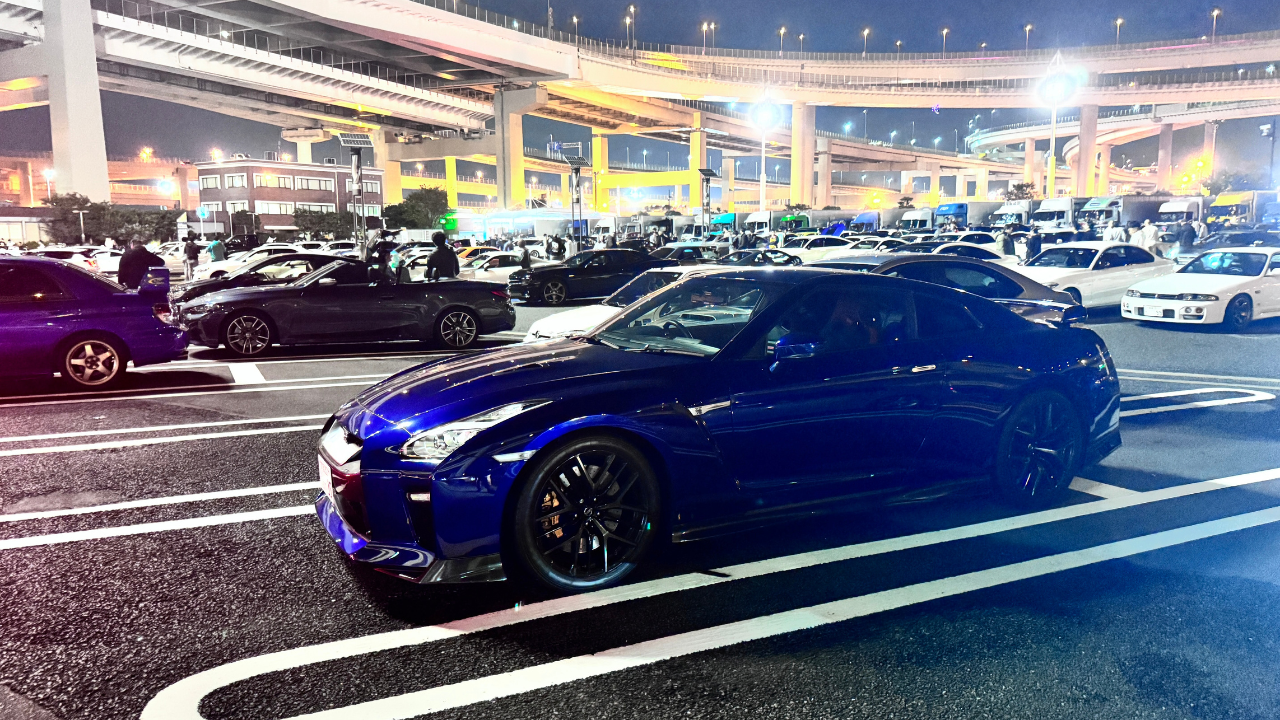
The best way to combine Umihotaru Parking Area with a Daikoku JDM night tour
If you’re building a memorable Tokyo night for car culture and scenery, Umihotaru works beautifully as a “setup” stop before Daikoku.
Why pairing them works
- Umihotaru gives you a reliable scenic stop that doesn’t depend on meet schedules.
- It helps you time your evening—sunset and blue hour are a natural transition.
- You can eat and reset before going into a later, more dynamic stop.
Sample itinerary (easy version)
- Late afternoon: Depart Tokyo (avoid the worst peak congestion if possible)
- Sunset: Arrive at Umihotaru, enjoy decks + photos + dinner
- Evening: Continue toward the Tokyo expressway network
- Night: Visit Daikoku PA at an appropriate time window
- Return: Hotel drop-off without navigating unfamiliar expressway exits late at night
If you’re visiting Japan for the first time, the biggest win is removing uncertainty: instead of guessing routes and toll gates, you focus on the experience.
-

-
How to Get to Daikoku PA from Tokyo (2026 Complete Access Guide)
Daikoku Parking Area (often called Daikoku PA or Daikokufuto) is the most iconic JDM car meet spot in Greater Tokyo. This guide explains every practical way to reach it from central Tokyo—legally, safely, and efficiently—plus pro tips to avoid closures and common mistakes. Planning a hassle-free visit with guaranteed transport? Our licensed JDM tour to Daikoku PA handles routing, tolls, parking, and police checks so you can focus on the scene. What is Daikoku PA? Daikoku PA is a large service/parking area on the Shuto (Metropolitan) Expressway network in Yokohama Bay. On many evenings—especially weekends—it becomes a magnet for JDM ...
続きを見る
FAQ: Umihotaru Parking Area essentials
Is Umihotaru open 24 hours?
The facility itself is generally open 24 hours, but individual shops and restaurants have their own hours.
Can I go to Umihotaru without a car?
Yes—by highway bus—but schedules vary and return options can be limited late in the day. Confirm your outbound and return routes before you go.
How long should I stay at Umihotaru?
Most visitors spend 60–120 minutes. If you want a full meal plus relaxed photos, plan for 2–3 hours.
Is Umihotaru worth it if I’m only in Tokyo for a few days?
If you enjoy night views, engineering landmarks, or a unique “only in Japan” stop, Umihotaru is worth it. If your priority is JDM culture, treat Umihotaru as a scenic add-on and prioritize Daikoku.
Is Umihotaru a car meet spot?
People do visit in enthusiast cars, but Umihotaru is primarily a sightseeing parking area. Dedicated car-meet atmosphere is more strongly associated with locations like Daikoku PA.
-
-
Tokyo Car Meet Locations: The Definitive 2026 Guide to Daikoku PA, Tatsumi, and More
Meta description: Planning a Tokyo car meet night? This definitive guide compares the most reliable Tokyo-area car meet locations—led by Daikoku Parking Area (Daikoku PA)—with clear access tips, etiquette, and pro itineraries. Book our JDM tour to see it all without stress. What Counts as a “Tokyo Car Meet” Today? While many gatherings happen within Tokyo’s 23 wards, the crown jewel is Daikoku Parking Area (Daikoku PA) in Yokohama—close enough to be a core stop on any Tokyo car culture trip. Around Tokyo Bay you’ll also find Tatsumi PA, Umihotaru PA on the Aqua-Line, and smaller spots like Shibaura PA. ...
続きを見る

If you’re going to Daikoku PA, leave it to us
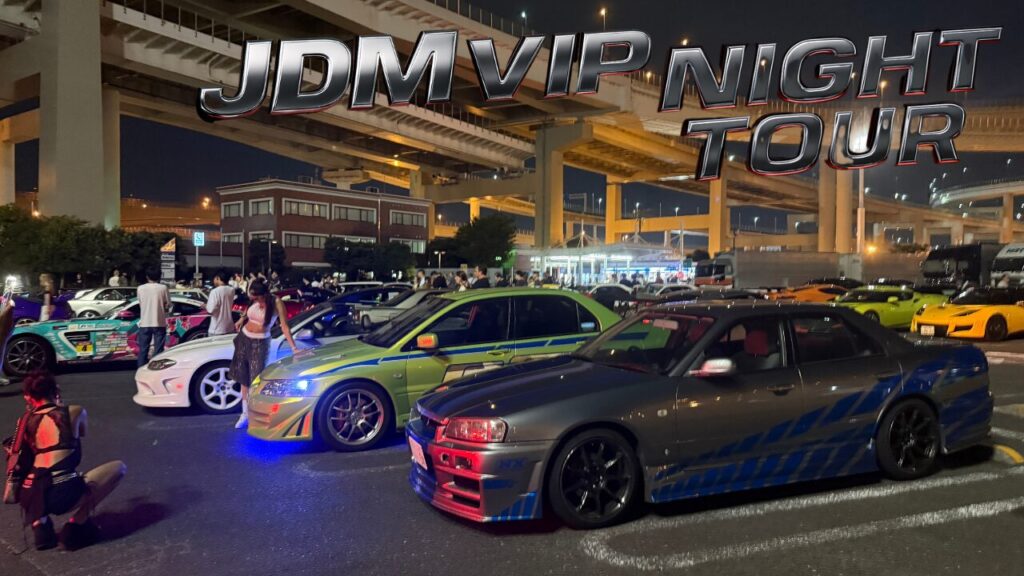
Experience an unforgettable JDM tour — ride in a legendary Japanese sports car and drive from Tokyo to Daikoku Parking Area, cruising Tokyo’s iconic roads along the way. Choose from favorites like the GT-R (R35 / R34 / R32), RX-7, Supra, and more.
We offer one of the highest-quality JDM driving experiences in the industry, at a fair and reasonable price.
Want to know more details or check availability?
Message us on WhatsApp for quick replies and easy booking.
Spots often sell out, so we recommend booking early.
Duration: about 3 hours
Meeting Point: Shibuya Station
Language: Beginner-level English & Japanese
Customer Reviews
Daikoku PA Video: What It’s Really Like
Important Information
- This is a drive tour where you drive your rental car, and our guide navigates from the seat.
- This is a self-drive tour where you drive your rental car, and our guide navigates from the passenger seat.
- The tour begins and ends at the same location (Shibuya).
- If the Daikoku Parking Area is closed, we will instead guide you to another car meet further away.
- The consultant is a cultural expert and navigator, not a taxi service.
