
What Is the Umihotaru Symbol Tower?
The Umihotaru Symbol Tower is the most recognizable structure at Umihotaru Parking Area, the man-made island rest stop located in the middle of Tokyo Bay along the Tokyo Bay Aqua-Line. Rising prominently from the rooftop observation deck of the facility, this tower serves as both a navigational landmark and a beloved photo spot for millions of visitors each year. Its sleek, modern design symbolizes the engineering marvel of the Aqua-Line itself — a 15.1-kilometer highway that connects Kawasaki in Kanagawa Prefecture with Kisarazu in Chiba Prefecture.
For JDM car enthusiasts visiting Japan, the Umihotaru Symbol Tower is more than just a monument. It is the visual anchor of one of the most unique driving destinations in the country. Whether you are passing through on a late-night Tokyo Bay cruise in a modified Skyline or stopping to admire the panoramic ocean views, the tower marks the spot where infrastructure, culture, and automotive passion converge.
-

-
Umihotaru Parking Area (Umi Hotaru PA): The Complete 2026 Guide to Tokyo Bay’s Floating Rest Stop
Umihotaru Parking Area—often written as Umi Hotaru PA or Umi-hotaru—is one of the most unusual “highway rest stops” in the world: a multi‑story facility built on an artificial island in the middle of Tokyo Bay. Even if you’re not driving to Chiba, many visitors plan a dedicated trip just to experience the ocean views, grab a meal, and take photos with the Aqua-Line bridge and skyline. This guide covers everything you need to know about Umihotaru Parking Area: what it is, how to get there, costs and tolls, what to do once you arrive, and practical travel tips (including the ...
続きを見る
Design and Architecture of the Symbol Tower
The Umihotaru Symbol Tower stands on the 5th floor (rooftop level) of the Umihotaru Parking Area building. It features a cylindrical metallic design that catches sunlight during the day and is illuminated at night, making it visible from a considerable distance across Tokyo Bay. The tower incorporates a clock face and a distinctive sculptural form that evokes the image of a lighthouse — a fitting metaphor given its location in the middle of the sea.
Why the Tower Was Built
When the Tokyo Bay Aqua-Line opened in 1997, Umihotaru was designed not merely as a highway rest stop but as a destination in its own right. The Symbol Tower was included in the architectural plan to give the island a visual identity. It serves as the focal point of the open-air observation deck, where visitors gather to watch sunsets over Tokyo Bay, photograph the Yokohama skyline, and enjoy unobstructed 360-degree ocean views.
Materials and Illumination
Constructed primarily from stainless steel and reinforced concrete, the Symbol Tower is built to withstand the harsh marine environment of Tokyo Bay, including salt spray, typhoon-force winds, and seismic activity. At night, the tower is softly illuminated with LED lighting that changes color during special events and seasonal celebrations, making it a particularly striking sight during evening and late-night visits.
Where Exactly Is the Symbol Tower Located?
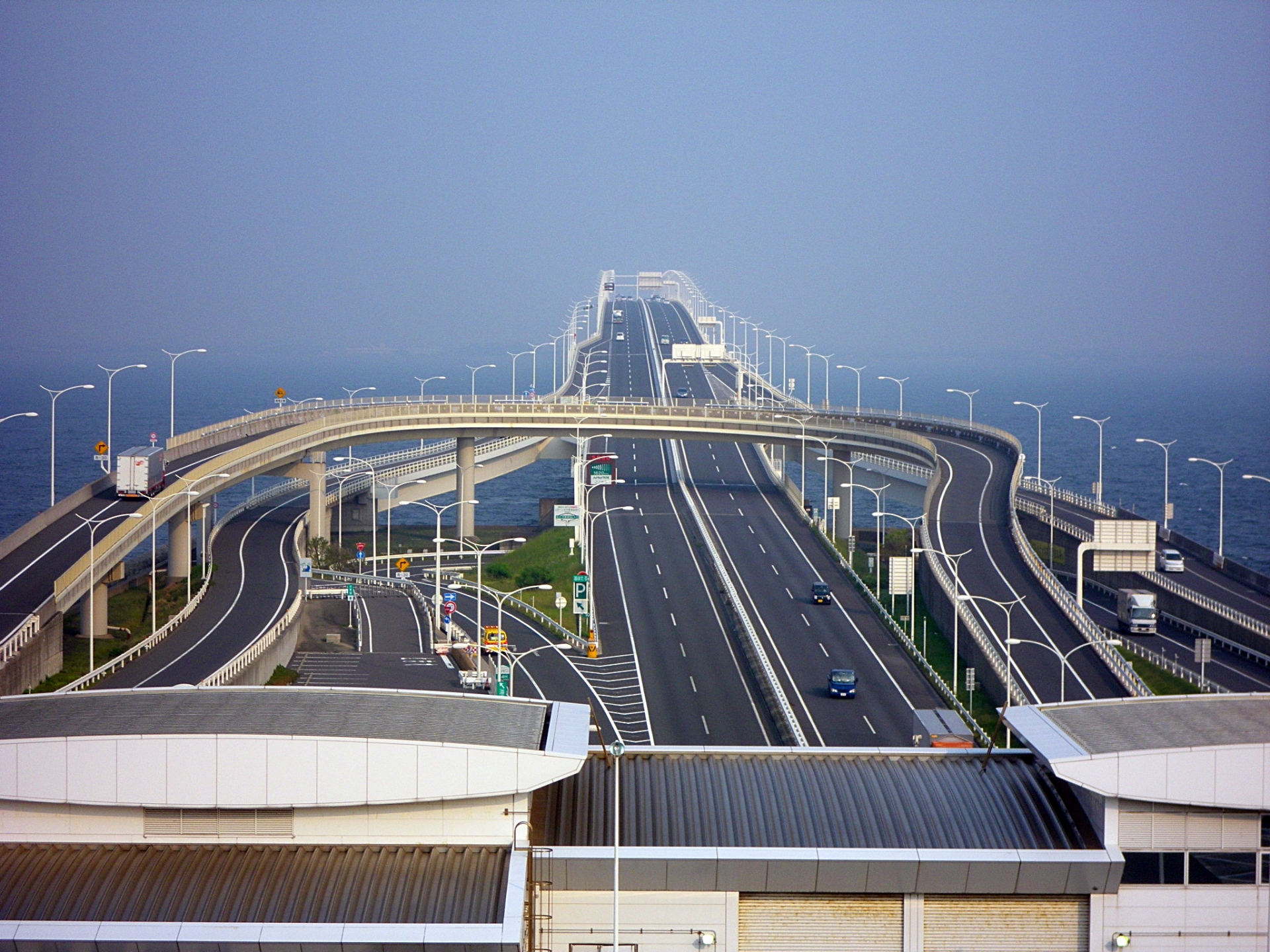
The Umihotaru Symbol Tower is situated on the uppermost outdoor level of Umihotaru Parking Area, which itself sits on an artificial island approximately 5 kilometers off the Kawasaki coast. The island is accessible only via the Tokyo Bay Aqua-Line — there is no train station or ferry service. If you are driving from Tokyo, you will enter the Aqua-Line from the Kawasaki side, travel through the 9.6-kilometer undersea tunnel, and emerge onto the island where the parking area and Symbol Tower await.
GPS coordinates for navigation systems: approximately 35.4537° N, 139.8747° E. Most Japanese car navigation systems recognize "Umihotaru" (海ほたる) as a preset destination, making it easy to find even for first-time visitors to Japan.
Best Times to Visit the Umihotaru Symbol Tower

The Symbol Tower and its surrounding observation deck are accessible 24 hours a day, which makes it especially appealing to the JDM car community. Here are the best times to experience it:
- Sunset (approximately 4:30–6:30 PM depending on season): The western-facing observation deck offers spectacular views of the sun setting behind the Yokohama skyline and Mount Fuji on clear days. The Symbol Tower is silhouetted beautifully against the orange and pink sky.
- Late Night (10:00 PM – 2:00 AM): This is when car enthusiasts gather. The illuminated Symbol Tower creates an atmospheric backdrop for photography alongside modified JDM vehicles. Weekend nights, especially Saturdays, see the highest concentration of car culture activity.
- Early Morning (5:00–7:00 AM): Sunrise from the eastern side of Umihotaru is equally stunning. The Symbol Tower catches the first golden light, and the parking area is typically uncrowded, offering a peaceful experience.
-

-
Umihotaru Car Meet Tour Guide: Routes, Timing, and the Smarter Daikoku PA Alternative
What is Umihotaru PA? Umihotaru PA is a floating service area perched on the Tokyo Bay Aqua-Line, roughly midway between Kawasaki and Kisarazu. It’s famous for its 360° ocean views, wind-swept decks, and nightscape photo spots. Because it’s a convenient midway stop with large parking areas, enthusiasts occasionally pause here on their way to or from other hot spots. Why enthusiasts search for an “Umihotaru car meet tour” Travelers often hope to catch a pop-up car meet at Umihotaru. While it does happen, Umihotaru is primarily a rest stop, not a dedicated meet hub—so appearances are inconsistent and short-lived. If ...
続きを見る
Photography Tips for the Umihotaru Symbol Tower
The Symbol Tower is one of the most photographed structures along the entire Aqua-Line route. Whether you are shooting with a professional DSLR or a smartphone, here are some tips to capture it at its best:
- Wide-angle lens: Use a wide-angle lens to capture both the tower and the sweeping ocean backdrop in a single frame. The rooftop deck provides enough distance for dramatic compositions.
- Night photography: Bring a tripod for long-exposure shots. The illuminated tower against the dark Tokyo Bay sky, with the distant lights of Yokohama and Kisarazu twinkling in the background, creates a cinematic image.
- Car + Tower composition: Many JDM enthusiasts park their vehicles on the upper parking level and use the Symbol Tower as a background element. The combination of a tuned GT-R or RX-7 with the futuristic tower creates images that perfectly represent Japanese car culture.
- Golden hour: The soft, warm light approximately 30 minutes before sunset is ideal for capturing the tower's metallic surface with a warm glow.
Surrounding Attractions on the Observation Deck
The Symbol Tower is the centerpiece of the Umihotaru rooftop observation deck, but there are several other points of interest in the immediate vicinity:
The "Kaze no Tou" (Wind Tower) View
From the observation deck near the Symbol Tower, you can see the Kaze no Tou (Wind Tower) — a separate ventilation tower for the undersea tunnel that stands in Tokyo Bay like a lone sentinel. Designed by renowned architect Tadao Ando, this structure is an architectural landmark in its own right and makes for an excellent subject to photograph alongside the Symbol Tower.
Memorial Plaques and Time Capsule
Near the base of the Symbol Tower, you will find memorial plaques commemorating the construction of the Tokyo Bay Aqua-Line, including information about the engineering challenges overcome during the project. A time capsule was also placed here during the opening ceremony, scheduled to be opened in a future year.
Ocean Foot Bath (Seasonal)
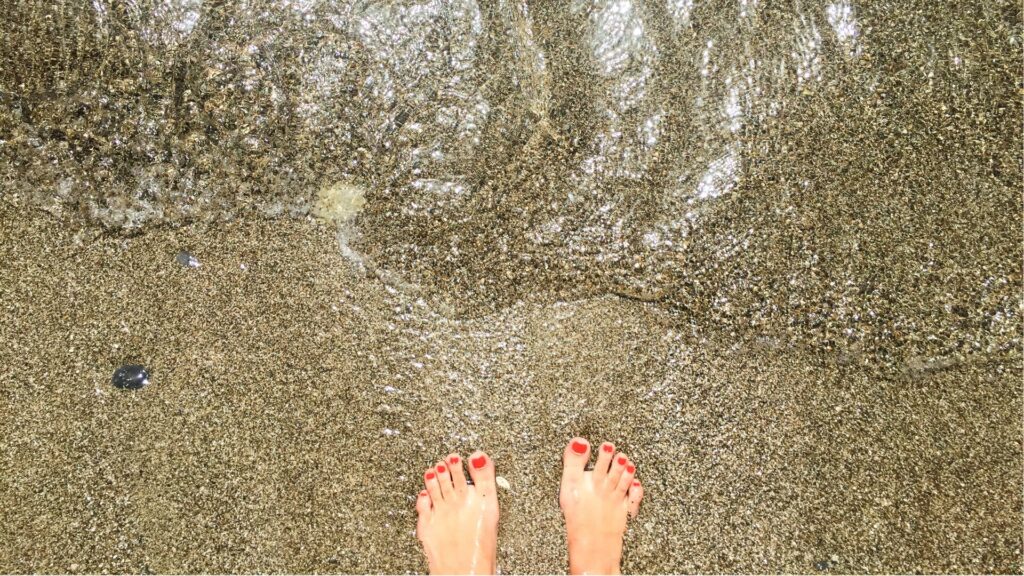
During warmer months, a free foot bath facility operates on the observation deck level. Visitors can soak their feet in warm water while gazing out at Tokyo Bay with the Symbol Tower towering above — a uniquely Japanese experience that combines relaxation with sightseeing.
The Umihotaru Symbol Tower and JDM Car Culture
For international JDM fans, the Umihotaru Symbol Tower has become an iconic backdrop that appears frequently in car photography, YouTube videos, and social media posts. The tower represents the intersection of Japanese engineering excellence — both in automotive and infrastructure domains. When car enthusiasts gather at Umihotaru for informal meets, the Symbol Tower invariably appears in the background, serving as an instantly recognizable location marker that says "this is Japan."
Unlike Daikoku Parking Area, which is primarily a car meet destination, Umihotaru offers a different atmosphere. The ocean setting, the architectural landmarks, and the sense of being suspended in the middle of Tokyo Bay create a more contemplative experience. Many JDM tour participants describe the drive through the Aqua-Line tunnel and the emergence at the Symbol Tower as one of the highlights of their Japan trip.
-
-
Daikoku Parking Area (Daikoku PA): The Ultimate Visitor Guide to Japan’s Legendary JDM Meet
Daikoku Parking Area—often written as Daikoku PA or Daikokufutō—is the most famous place in Japan to spot tuned cars gathering organically. It’s a real expressway parking/service area in Yokohama, not a ticketed tourist attraction and not an officially organized event. That “unofficial” nature is exactly why Daikoku feels special: the lineup is never the same twice, and the culture is authentic. At the same time, Daikoku is one of the easiest places for first-time visitors to misunderstand. It’s located inside the Shuto Expressway network and cannot be accessed from ordinary roads or on foot, which is why so many travelers ...
続きを見る
How to Get to the Umihotaru Symbol Tower
Since Umihotaru Parking Area is located on a man-made island in the middle of Tokyo Bay, the only way to reach it is by car via the Tokyo Bay Aqua-Line expressway. There is no public transit access to the island itself.
Driving from Tokyo
From central Tokyo, take the Bayshore Route (Wangan-sen) or the Metropolitan Expressway toward Kawasaki. Merge onto the Tokyo Bay Aqua-Line at the Kawasaki-Ukishima Junction. The undersea tunnel portion takes approximately 10–15 minutes, after which you will surface at Umihotaru. Total driving time from central Tokyo is approximately 40–60 minutes depending on traffic conditions.
Driving from Chiba
If approaching from the Chiba side, take the Tateyama Expressway toward Kisarazu and enter the Aqua-Line from the Kisarazu-Kaneda IC. You will cross the bridge portion of the Aqua-Line and arrive at Umihotaru in approximately 10 minutes.
Toll Costs
The Aqua-Line toll for standard vehicles is ¥800 with ETC (electronic toll collection) or ¥3,140 without ETC. It is strongly recommended to use an ETC-equipped vehicle to take advantage of the significantly reduced rate.
Visiting the Symbol Tower as Part of a JDM Tour
For international visitors who do not have access to a car in Japan, joining a guided JDM tour is the most practical and enjoyable way to experience the Umihotaru Symbol Tower and the surrounding car culture scene. Our tours depart from central Tokyo and include a scenic drive through the Aqua-Line tunnel, a stop at Umihotaru with ample time to explore the observation deck and photograph the Symbol Tower, and visits to legendary car meet spots like Daikoku Parking Area.
A guided tour eliminates the challenges of renting a car, navigating Japanese toll roads, and figuring out ETC systems on your own. You will ride in a JDM vehicle, experience Tokyo Bay from the middle of the ocean, and have a knowledgeable guide who can explain the history and significance of landmarks like the Symbol Tower.
-

-
Tokyo Car Meet Tour (2025): The Ultimate Guide to Daikoku PA, Tatsumi & Umihotaru
Planning a Tokyo car meet tour? This 2025 guide gives you a clear, no‑nonsense path to the city’s late‑night JDM culture—Daikoku PA, Tatsumi PA, and Umihotaru—without stress or guesswork. You’ll learn the best nights to go, how tours actually work (private vs. group), what’s included (and what isn’t), and the etiquette that keeps the scene welcomed by locals and police. We’ve packed in a realistic Shutoko night itinerary, pricing benchmarks, safety and legality basics, plus photography tips for low‑light shooting. Prefer to drive yourself? We outline DIY options and essential rules so you can visit legally and smoothly. Whether you ...
続きを見る

Frequently Asked Questions About the Umihotaru Symbol Tower

Is there an admission fee to see the Symbol Tower?
No. The Umihotaru Parking Area, including the rooftop observation deck where the Symbol Tower stands, is free to access. The only cost is the Aqua-Line toll to reach the island.
Can I visit the Symbol Tower at night?
Yes. The observation deck is open 24 hours a day, 365 days a year. The Symbol Tower is illuminated after dark, making nighttime visits particularly atmospheric.
Is the Symbol Tower climbable or open to the public inside?
No. The Symbol Tower is a decorative and commemorative structure, not a climbable observation tower. You view and photograph it from the surrounding observation deck.
Can I see Mount Fuji from the Symbol Tower area?
On clear days — particularly during autumn and winter when air visibility is highest — Mount Fuji is visible from the western side of the Umihotaru observation deck near the Symbol Tower. Early morning and late afternoon offer the best chances for a clear view.
How long should I spend at Umihotaru?
Most visitors spend between 30 minutes and 1.5 hours at Umihotaru. This allows enough time to explore the observation deck, photograph the Symbol Tower, browse the shops, and enjoy a meal at one of the restaurants. JDM enthusiasts attending a late-night car gathering may stay considerably longer.
If you're going to Daikoku PA, leave it to us
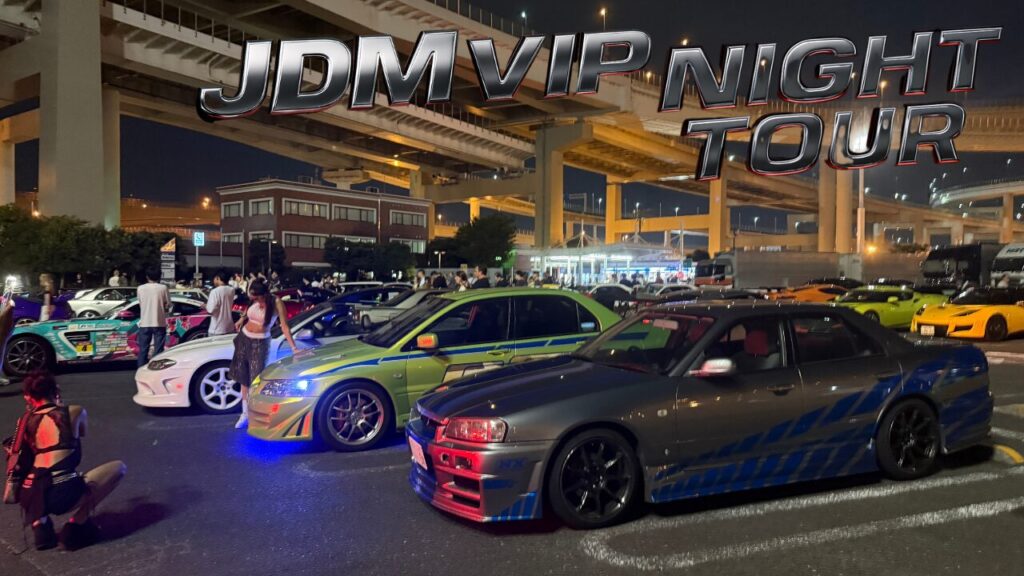
Experience an unforgettable JDM tour — ride in a legendary Japanese sports car and drive from Tokyo to Daikoku Parking Area, cruising Tokyo’s iconic roads along the way. Choose from favorites like the GT-R (R35 / R34 / R32), RX-7, Supra, and more.
We offer one of the highest-quality JDM driving experiences in the industry, at a fair and reasonable price.
Want to know more details or check availability?
Message us on WhatsApp for quick replies and easy booking.
Spots often sell out, so we recommend booking early.
Duration: about 3 hours
Meeting Point: Shibuya Station
Language: Beginner-level English & Japanese
Customer Reviews
Daikoku PA Video: What It’s Really Like
Important Information
- This is a drive tour where you drive your rental car, and our guide navigates from the seat.
- This is a self-drive tour where you drive your rental car, and our guide navigates from the passenger seat.
- The tour begins and ends at the same location (Shibuya).
- If the Daikoku Parking Area is closed, we will instead guide you to another car meet further away.
- The consultant is a cultural expert and navigator, not a taxi service.
