
What Is the Umihotaru Tunnel?
The Umihotaru tunnel is the underwater section of the Tokyo Bay Aqua-Line, a 15.1-kilometer expressway that connects Kawasaki in Kanagawa Prefecture to Kisarazu in Chiba Prefecture by crossing directly beneath Tokyo Bay. Officially known as the Aqua-Tunnel, this 9.6-kilometer passage runs entirely under the seabed, making it one of the longest underwater road tunnels in the world. The tunnel terminates at Umihotaru Parking Area, a man-made island that sits roughly in the middle of Tokyo Bay, where drivers can stop, rest, and enjoy panoramic ocean views before continuing across the Aqua-Bridge to the Chiba side.
For JDM car enthusiasts visiting Japan, the Umihotaru tunnel is far more than just a piece of infrastructure. It is an iconic driving route, a meeting point for Tokyo Bay car culture, and one of the most memorable expressway experiences available anywhere in the country.
-

-
Umihotaru Parking Area (Umi Hotaru PA): The Complete 2026 Guide to Tokyo Bay’s Floating Rest Stop
続きを見る
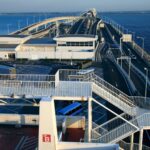
Engineering and Construction of the Aqua-Tunnel
The Tokyo Bay Aqua-Line opened in December 1997 after roughly 30 years of planning and construction. The Umihotaru tunnel section alone was one of the most ambitious civil engineering undertakings in modern Japanese history. Built using shield tunneling technology, the twin-bore tunnel was excavated through soft sedimentary layers beneath the bay floor at depths reaching approximately 60 meters below sea level at its lowest point.
Key Structural Facts
- Total tunnel length: 9.6 kilometers (approximately 5.96 miles)
- Number of bores: Two separate tubes — one for each direction of travel
- Lanes per bore: Two lanes in each direction
- Ventilation: Advanced longitudinal ventilation systems with emergency extraction capabilities
- Emergency facilities: Evacuation passages connecting the two bores at regular intervals, fire suppression systems, and emergency telephones
The tunnel was constructed using massive shield machines, each over 14 meters in diameter, boring through clay and sand beneath the seabed. Precast concrete segments were assembled behind the machines to form the tunnel lining. The project required extensive waterproofing technology to prevent seawater intrusion — a critical challenge given the immense hydrostatic pressure at depth.
Driving Through the Umihotaru Tunnel: What to Expect
Driving through the Umihotaru tunnel is a unique sensory experience. From the Kawasaki (Tokyo-side) entrance, you descend gradually into the earth, leaving the city behind as the road slopes downward into the twin-bore passage. The interior is well-lit with orange-toned sodium lighting that gives way to brighter white sections at periodic intervals — a deliberate design choice to prevent driver fatigue and maintain alertness during the nearly 10-kilometer underground drive.
The road surface is smooth and well-maintained, with a speed limit of 70 km/h enforced throughout the tunnel. Cameras and speed monitoring systems are present, so drivers should observe limits carefully. Lane changes are restricted in certain sections, and overtaking is generally discouraged.
Tips for First-Time Drivers
- Maintain a steady speed: The tunnel's length can cause some drivers to unconsciously accelerate or decelerate. Use cruise control if your vehicle has it.
- Keep headlights on: Although the tunnel is illuminated, headlights are mandatory.
- Follow lane discipline: Stick to the left lane unless overtaking. The tunnel sections have limited room for error.
- Prepare for the transition: When you emerge from the tunnel onto Umihotaru island, the sudden natural light and ocean panorama can be briefly disorienting — especially on bright days.
- Radio frequencies: AM/FM radio reception is available inside the tunnel through a dedicated rebroadcast system.
Why JDM Fans Love the Umihotaru Tunnel Drive

For car enthusiasts who travel to Japan specifically to experience JDM culture firsthand, the Umihotaru tunnel represents one of the most cinematic drives in the greater Tokyo area. The combination of descending underground, cruising through kilometers of illuminated tunnel, and then emerging onto a floating island in the middle of Tokyo Bay creates an almost movie-like sequence that few other routes can match.
The tunnel is also the primary access route to Umihotaru Parking Area, which has become a significant gathering point for modified cars, especially on weekend nights. While Daikoku Parking Area in Yokohama remains the most famous spontaneous car meet location in the Tokyo region, Umihotaru offers a completely different atmosphere — quieter, more scenic, and surrounded by open water rather than industrial highways.
-
-
Daikoku Parking Area (Daikoku PA): The Ultimate Visitor Guide to Japan’s Legendary JDM Meet
続きを見る
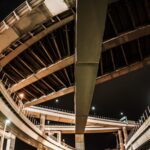
Tolls and Access: Getting to the Umihotaru Tunnel
The Tokyo Bay Aqua-Line is a toll road. As of 2025, the standard toll for a regular passenger car crossing the full Aqua-Line (from Kawasaki to Kisarazu or vice versa) is approximately 800 yen when using an ETC (Electronic Toll Collection) card. Without ETC, the standard toll is significantly higher at around 3,140 yen. An ETC card is essentially mandatory for any driver in Japan looking to use expressways efficiently, and the Aqua-Line discount makes it particularly worthwhile.
Access Points
- From Tokyo/Kawasaki: Enter the Aqua-Line at the Ukishima Junction, connecting from the Bayshore Route (Wangan) or the Daishi Junction area. You will immediately enter the tunnel section heading toward Umihotaru.
- From Chiba/Kisarazu: Enter at the Kisarazu-Kaneda IC. You will cross the Aqua-Bridge first and arrive at Umihotaru before entering the tunnel toward Kawasaki.
Important note: Umihotaru Parking Area can only be accessed from the expressway. There is no pedestrian or public transit access to the island itself, meaning you must be in a vehicle to visit.
Umihotaru Tunnel vs. Aqua-Bridge: Understanding the Full Route
Many visitors confuse the tunnel with the bridge, or assume the entire Aqua-Line is a tunnel. In reality, the route is divided into two distinct sections with Umihotaru island as the midpoint:
- Aqua-Tunnel (Kawasaki side): The 9.6 km underwater tunnel that runs from Kawasaki to Umihotaru island.
- Aqua-Bridge (Chiba side): A 4.4 km bridge that connects Umihotaru island to the Kisarazu coastline in Chiba.
The engineering reason for this split is practical. The Kawasaki side of Tokyo Bay has heavy shipping traffic and deeper waters near the ports, making a bridge impractical — hence the tunnel. The Chiba side has shallower waters and fewer navigation concerns, allowing for a more cost-effective bridge structure.
Driving from Kawasaki, you experience the dramatic underground tunnel first and then emerge onto the island. Driving from Chiba, you cross the scenic bridge with views of Mount Fuji on clear days before stopping at Umihotaru. Both directions offer distinct and memorable experiences.
Safety Features Inside the Tunnel
Given its length and underwater location, the Umihotaru tunnel incorporates extensive safety systems that meet and exceed Japanese expressway standards:
- Emergency evacuation corridors: Cross-passages between the two tunnel bores allow evacuation from one tube to the other in case of fire or accident.
- Fire detection and suppression: Automated heat sensors and water mist systems are installed throughout the tunnel.
- CCTV monitoring: The entire tunnel is under 24/7 camera surveillance, managed from a central control room.
- Emergency stopping bays: Widened sections at regular intervals allow vehicles with mechanical problems to pull over safely.
- Ventilation shafts: Powerful fans manage air quality and can extract smoke rapidly in the event of a fire.
Breakdowns inside the tunnel should be handled by pulling into an emergency bay if possible and immediately calling for assistance using the tunnel's emergency phone system or by dialing #9910 (the road emergency number in Japan).
Combining the Tunnel Drive with a JDM Car Meet Tour
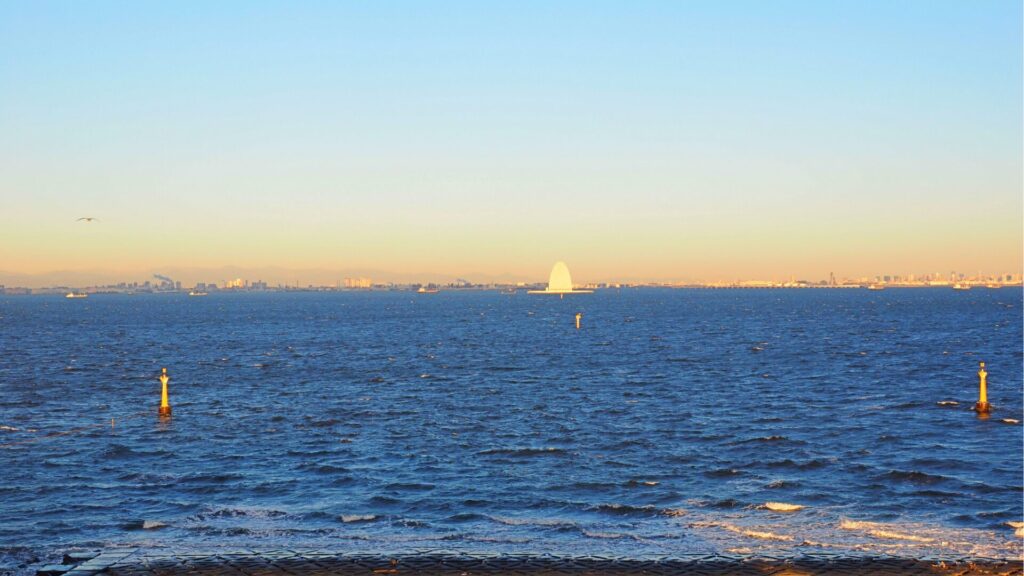
One of the best ways to experience the Umihotaru tunnel is as part of a guided JDM car meet tour. Our tours depart from central Tokyo and can include a drive through the Aqua-Line tunnel to Umihotaru Parking Area, where you can explore the island, photograph modified cars, and take in the ocean scenery before heading to other iconic spots like Daikoku Parking Area.
For international visitors who do not have a car or an international driving permit, joining a guided tour is the only practical way to experience the tunnel drive and visit Umihotaru. The island has no train station and no bus service — it is exclusively accessible by road. Our hotel pickup tours eliminate all logistics, allowing you to focus entirely on the experience.
-

-
Umihotaru Car Meet Tour Guide: Routes, Timing, and the Smarter Daikoku PA Alternative
続きを見る
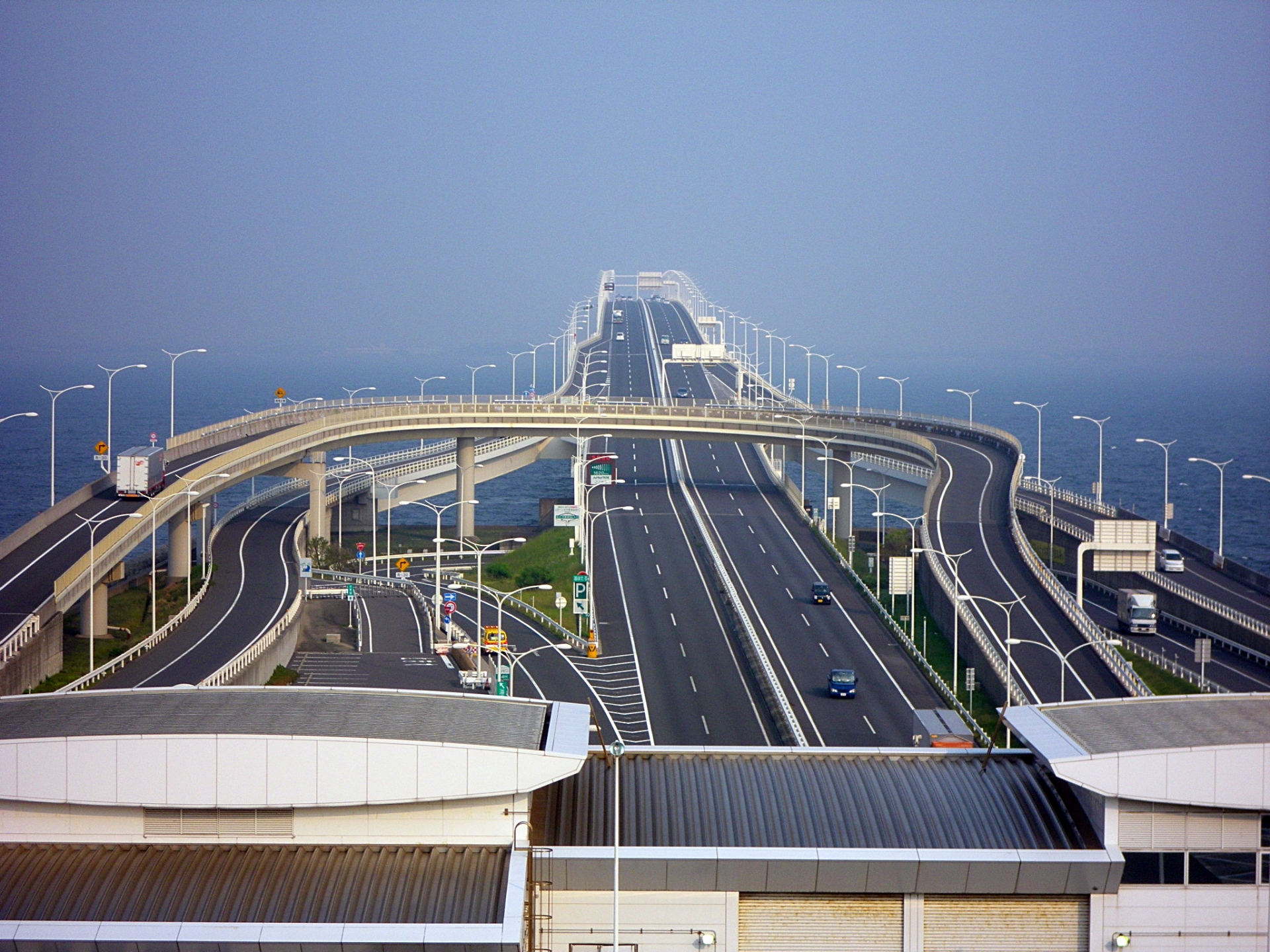
Best Time to Drive Through the Umihotaru Tunnel
The tunnel itself is the same experience regardless of time of day — it is underground, after all. However, the timing of your drive significantly affects what awaits you at Umihotaru Parking Area on the other side:
- Early morning (5:00–7:00 AM): Arrive for sunrise views from the observation deck. Light traffic in the tunnel. Very few other visitors.
- Daytime weekdays: Moderate traffic. Good for a relaxed visit with full access to restaurants and shops inside Umihotaru.
- Weekend evenings (8:00 PM–midnight): The most likely time to encounter modified JDM cars gathering at the parking area. The tunnel drive at night, with fewer cars and atmospheric lighting, is particularly striking.
- Late night (midnight–3:00 AM): Minimal traffic. Occasionally, impromptu car meets form. The tunnel feels almost otherworldly when nearly empty.
Nearby Car Culture Destinations After the Tunnel
The Umihotaru tunnel sits at the heart of the Tokyo Bay expressway network, making it an excellent starting or midpoint for a broader car culture road trip. After driving through the tunnel and visiting Umihotaru, consider these nearby JDM destinations:
- Daikoku Parking Area: Located approximately 30 minutes from the tunnel entrance on the Kawasaki side, Daikoku PA is the most famous car meet spot in Japan. Weekend nights see hundreds of modified cars gathering spontaneously.
- Tatsumi Parking Area: A smaller, more underground car meet location on the Bayshore Route, popular with drift car owners and older JDM models.
- Kisarazu Outlet Mall: On the Chiba side, just minutes from the Aqua-Line exit, for those traveling with family or non-car-enthusiast companions.
-
-
Tokyo Car Meet Locations: The Definitive 2026 Guide to Daikoku PA, Tatsumi, and More
続きを見る
Frequently Asked Questions About the Umihotaru Tunnel

How long does it take to drive through the Umihotaru tunnel?
At the posted speed limit of 70 km/h, the 9.6-kilometer tunnel takes approximately 8 to 10 minutes to traverse. During heavy traffic periods — particularly holiday weekends and Golden Week — this can extend to 20 minutes or more.
Can motorcycles use the Umihotaru tunnel?
Yes. Motorcycles are permitted on the Tokyo Bay Aqua-Line, including the tunnel section. Standard expressway motorcycle tolls apply, which are lower than passenger car rates.
Is the tunnel safe during earthquakes?
The Umihotaru tunnel was designed to withstand significant seismic activity, using flexible joint segments that can absorb ground movement. Japan's tunnel engineering standards account for the country's frequent seismic events, and the Aqua-Line has performed well through multiple earthquakes since its 1997 opening.
Can pedestrians or cyclists use the tunnel?
No. The Umihotaru tunnel is restricted to motor vehicles only. There is no pedestrian walkway or cycling lane. The only way to reach Umihotaru island is by car, motorcycle, or bus (limited highway bus services do cross the Aqua-Line).
What happens if my car breaks down in the tunnel?
Pull into the nearest emergency bay, turn on your hazard lights, and use the emergency telephone or call #9910. Do not attempt to exit your vehicle on the main carriageway. Road patrol vehicles regularly monitor the tunnel and can respond quickly.
If you're going to Daikoku PA, leave it to us
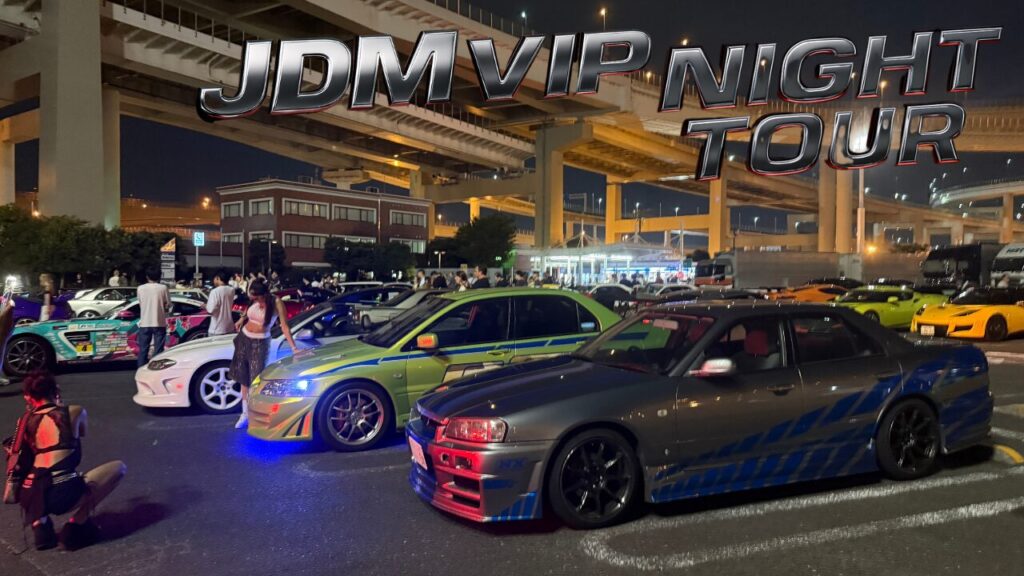
Experience an unforgettable JDM tour — ride in a legendary Japanese sports car and drive from Tokyo to Daikoku Parking Area, cruising Tokyo’s iconic roads along the way. Choose from favorites like the GT-R (R35 / R34 / R32), RX-7, Supra, and more.
We offer one of the highest-quality JDM driving experiences in the industry, at a fair and reasonable price.
Want to know more details or check availability?
Message us on WhatsApp for quick replies and easy booking.
Spots often sell out, so we recommend booking early.
Duration: about 3 hours
Meeting Point: Shibuya Station
Language: Beginner-level English & Japanese
Customer Reviews
Daikoku PA Video: What It’s Really Like
Important Information
- This is a drive tour where you drive your rental car, and our guide navigates from the seat.
- This is a self-drive tour where you drive your rental car, and our guide navigates from the passenger seat.
- The tour begins and ends at the same location (Shibuya).
- If the Daikoku Parking Area is closed, we will instead guide you to another car meet further away.
- The consultant is a cultural expert and navigator, not a taxi service.
