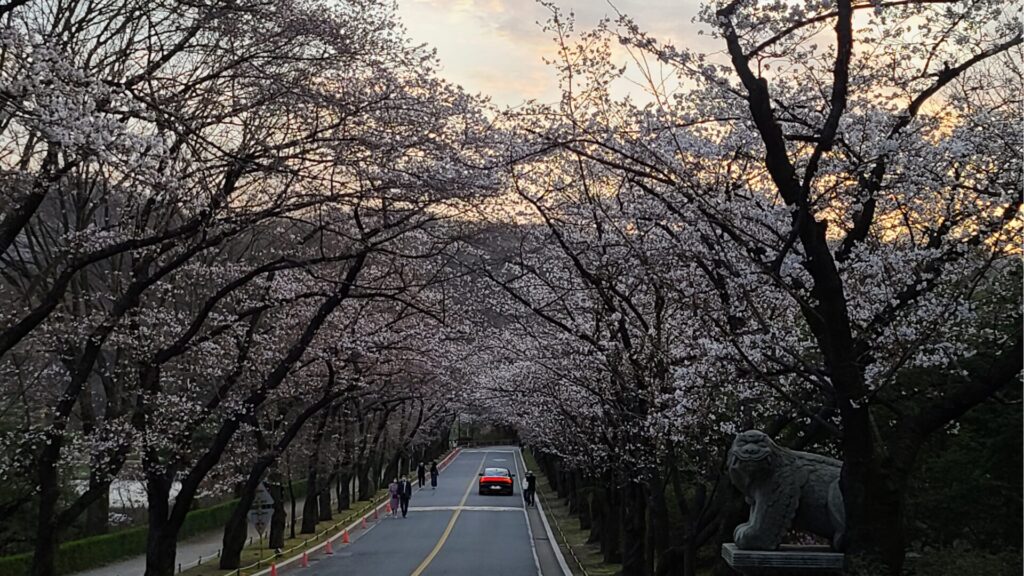
Where Is Mount Akina in Real Life?
If you have ever watched Initial D and wondered "where is Mount Akina?" — you are not alone. Mount Akina is the fictional name used in the manga and anime series Initial D, created by Shuichi Shigeno. In reality, Mount Akina is based on Mount Haruna (榛名山, Haruna-san), a real volcanic mountain located in Gunma Prefecture, Japan. The mountain sits in the central-western part of Gunma, roughly 130 kilometers northwest of Tokyo, and is one of the three famous mountains of Jōmō (the historical name for the Gunma region), alongside Mount Akagi and Mount Myōgi.
The touge (mountain pass) roads of Mount Haruna became the blueprint for every iconic downhill battle that Takumi Fujiwara fought in his legendary AE86 Toyota Sprinter Trueno. Understanding where Mount Akina actually is — and how to get there — is essential for any JDM fan planning a pilgrimage to Japan.
-

-
Mount Akina: The Real Initial D Mountain Pass in Gunma, Japan
What Is Mount Akina? The Fictional Name Behind a Real Japanese Mountain Mount Akina is one of the most iconic locations in anime and automotive history, serving as the home mountain of Takumi Fujiwara in the legendary manga and anime series Initial D. However, Mount Akina does not exist on any official map of Japan. It is a fictional name created by manga artist Shuichi Shigeno to represent a very real place: Mount Haruna (榛名山), located in Gunma Prefecture, approximately 150 kilometers northwest of Tokyo. For fans of JDM culture, touge driving, and the iconic AE86 Sprinter Trueno, Mount Akina ...
続きを見る
Mount Haruna: The Exact Location of Mount Akina
Geographic Coordinates and Address
Mount Haruna is located at approximately 36.4769° N, 138.8631° E, within the municipalities of Takasaki City and Shibukawa City in Gunma Prefecture. The peak reaches an elevation of 1,449 meters above sea level at Sōma-san, the highest point of the Haruna volcanic complex. The mountain features a caldera lake called Lake Haruna (Haruna-ko), which sits at around 1,084 meters elevation and serves as a scenic focal point for visitors year-round.
Why Shuichi Shigeno Chose This Mountain
Gunma Prefecture has long been known as a hotbed of touge culture in Japan. The winding mountain roads around Haruna, Akagi, and Myōgi attracted street racers and driving enthusiasts throughout the 1980s and 1990s. Shigeno grew up in Gunma and drew directly from the local car culture, geography, and road layouts. Mount Haruna's distinctive hairpin turns, elevation changes, and five consecutive hairpins (known as the "five consecutive hairpins of death" in Initial D) are real features of Prefectural Route 33, the road that ascends the mountain from the southeast side.
How to Get to Mount Akina (Mount Haruna) from Tokyo
Driving from Tokyo
The most authentic way to reach Mount Haruna is by car — after all, this is a pilgrimage for car enthusiasts. From central Tokyo, the drive takes approximately 2 to 2.5 hours depending on traffic conditions:
- Take the Kan-Etsu Expressway (関越自動車道) northbound from Nerima IC in Tokyo.
- Exit at Takasaki IC or Shibukawa-Ikaho IC, depending on which side of the mountain you wish to approach.
- From Shibukawa-Ikaho IC, follow Prefectural Route 33 westward — this is the road that closely matches the Mount Akina downhill course depicted in Initial D.
- The expressway toll from Tokyo to Shibukawa-Ikaho IC costs approximately ¥3,500–¥4,500 one way (standard car with ETC discount).
If you do not have your own vehicle, renting a JDM car in Tokyo and driving up to Gunma is an unforgettable way to experience the route. Imagine ascending the same hairpins that Takumi conquered — in a real Japanese domestic market vehicle.
-
-
JDM Car Rental in Japan: The Complete Guide for Overseas Enthusiasts
Japan is the spiritual home of JDM—where iconic nameplates like Skyline, Supra, RX‑7, and Silvia were born and bred. If you’re visiting and want to experience authentic Japanese roads behind the wheel of a well‑maintained, street‑legal performance car, renting locally is the most practical and legal way to do it. This guide explains how to rent a JDM car in Japan, what to expect on the road, and the best routes and meet‑ups to plan around your trip. Why Rent a JDM Car in Japan? Renting in Japan gives you access to cars in their natural environment—tight city streets, spotless ...
続きを見る
By Train and Bus
For those without access to a car, you can reach the Mount Haruna area via public transportation:
- Take the JR Joetsu Shinkansen from Tokyo Station to Takasaki Station (approximately 50 minutes).
- Transfer to the JR Agatsuma Line or JR Joetsu Line to Shibukawa Station (approximately 25 minutes).
- From Shibukawa Station, take a Gunma Bus bound for Lake Haruna (approximately 45–60 minutes).
Note that bus services are limited, especially during winter months. Driving remains the strongly recommended option for flexibility and the full experience.
The Famous Touge Route: Prefectural Route 33
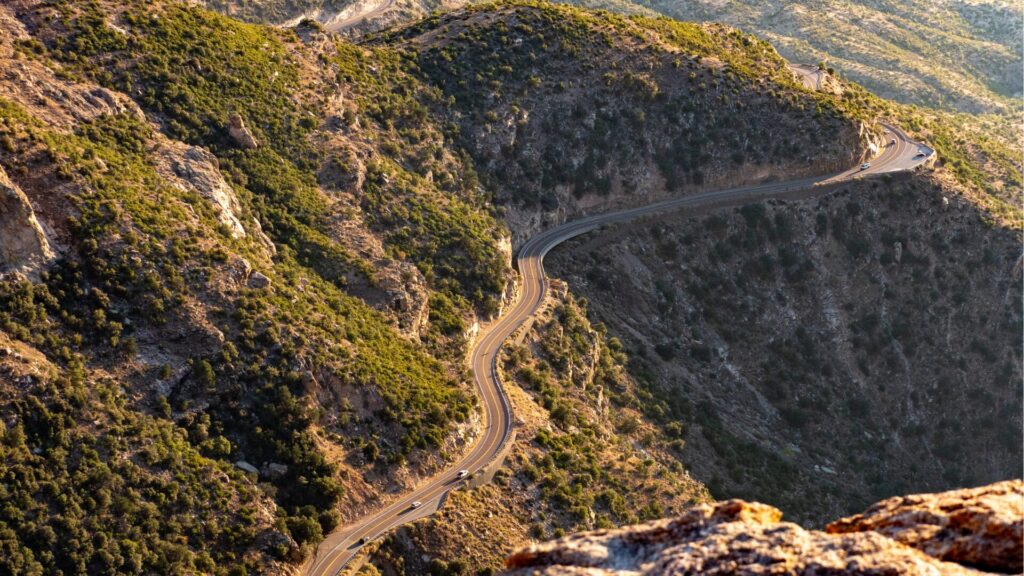
The road that made Mount Akina legendary in Initial D is Gunma Prefectural Route 33 (Shibukawa-Matsui-Tagawa Line). This road climbs from the town of Ikaho on the eastern foothills up to Lake Haruna near the summit. Key features include:
- Total distance: Approximately 12 kilometers of mountain road
- Elevation gain: Roughly 700 meters from base to lake
- Number of hairpin turns: Numerous switchbacks, including the famous five consecutive hairpins
- Road surface: Well-maintained asphalt with guardrails — this is a public prefectural road
- Speed limit: 30–40 km/h on most sections
It is important to emphasize that street racing on public roads in Japan is illegal. The roads of Mount Haruna are open to normal traffic, and local police actively enforce speed limits. Visitors should enjoy the scenic drive responsibly and respect other road users and residents.
Recognizable Landmarks from Initial D
Fans of Initial D will notice several real-world locations that were faithfully reproduced in the anime and manga:
- The five consecutive hairpins: Located in the upper section of Route 33, these tight switchbacks are where Takumi demonstrated his gutter-drop technique.
- The straight section before the hairpins: A relatively fast stretch where opponents would try to build a gap.
- The view of Ikaho town: The town lights visible from the mountain road at night match the anime's atmospheric backdrop.
- Lake Haruna: Visible at the top of the route, this lake area serves as a natural "finish line" zone.
What to See and Do Near Mount Haruna

Lake Haruna
Lake Haruna is a scenic caldera lake at the summit offering boat rides in summer and ice fishing in winter. The area around the lake features restaurants, souvenir shops, and hiking trailheads. For JDM fans, parking near the lake and looking back down the road you just drove provides a deeply satisfying sense of accomplishment.
Ikaho Onsen
Located on the eastern slope of Mount Haruna, Ikaho Onsen is one of Gunma Prefecture's most beloved hot spring towns. The town is famous for its stone staircase (Ishidan-gai) lined with shops, ryokan inns, and two types of natural hot spring water — "kogane no yu" (golden water rich in iron) and "shirasu no yu" (clear, colorless water). After driving the touge, soaking in an onsen is the perfect way to unwind.
-
-
Tokyo to Ikaho Onsen by Car — Complete Self‑Drive Guide (2025)
Ikaho Onsen in Gunma Prefecture is one of the easiest hot spring towns to reach from Tokyo by car. This guide covers the fastest route, realistic drive times, parking, seasonal tips, and a 1–2 day itinerary—everything overseas visitors need for a smooth, scenic self‑drive. Why Drive from Tokyo to Ikaho Onsen? Driving lets you stop at viewpoints around Mt. Haruna and Lake Haruna, bring luggage comfortably, and combine Ikaho with other onsen towns in northern Kanto (e.g., Kusatsu or Kinugawa) without juggling train/bus schedules. It’s a straightforward expressway run with plentiful Service Areas (SA) for breaks. Fastest Route Overview (Kan‑Etsu ...
続きを見る
Nearby Touge Mountains
Gunma Prefecture is home to multiple famous touge mountains that also appear in Initial D. If you are already visiting Mount Haruna, consider extending your road trip to include:
- Mount Akagi (Mount Akagi in Initial D): Home of the RedSuns team, located approximately 30 kilometers east of Mount Haruna. Its touge roads are equally thrilling and scenic.
- Mount Myōgi: Known for its dramatic rocky peaks and challenging mountain roads, located southwest of Mount Haruna.
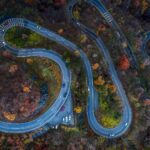
- Irohazaka: The famous winding road in Nikko, Tochigi Prefecture, offering 48 hairpin turns across two one-way routes.
-
-
Mount Akagi (Mt. Akagi) Travel Guide: Best Views, Access, and Things to Do
Mount Akagi — The Sacred Mountain of JDM Culture and Initial D Mount Akagi (赤城山, Akagi-yama) is one of the most iconic landmarks in Japanese car culture. Rising to 1,828 meters in Gunma Prefecture, this dormant volcano is far more than a scenic hiking destination — it is a place of pilgrimage for JDM enthusiasts, drift fans, and anyone who grew up watching or reading Initial D. The winding touge (mountain pass) roads of Mount Akagi served as the home course of protagonist Takumi Fujiwara, making it arguably the most famous driving road in all of anime and manga history. ...
続きを見る
-
-
Irohazaka: Japan's Most Iconic Touge Road in Nikko — Driving Guide for JDM Enthusiasts
What Is Irohazaka? Japan's Legendary Hairpin Road in Nikko Irohazaka is one of Japan's most celebrated mountain roads, located in the Nikko area of Tochigi Prefecture, approximately 150 kilometers north of Tokyo. Consisting of two separate one-way routes — the First Irohazaka (下り/downhill) and the Second Irohazaka (上り/uphill) — this winding mountain pass features a combined total of 48 hairpin turns, each famously named after a character in the classical Japanese iroha poem. The road connects the city of Nikko at the base with the elevated plateau of Oku-Nikko, home to Lake Chuzenji and Kegon Falls. For JDM car enthusiasts ...
続きを見る
Best Time to Visit Mount Haruna (Mount Akina)
The best time to visit Mount Haruna depends on what experience you are looking for:
- Spring (April–May): Cherry blossoms bloom around Lake Haruna and Ikaho Onsen. Roads are clear of snow, and the weather is mild.
- Summer (June–August): Lush green scenery, comfortable temperatures at elevation (much cooler than Tokyo), and the best conditions for driving the mountain roads.
- Autumn (October–November): Spectacular fall foliage transforms the mountain into a canvas of red, orange, and gold. This is arguably the most photogenic season and a favorite among car photographers.
- Winter (December–March): Snow and ice cover the mountain roads. While the scenery is beautiful, driving conditions can be hazardous. Winter tires or chains are mandatory, and some road sections may be closed.
For the quintessential Initial D experience — driving the touge on a warm evening with the windows down — late spring through early autumn is ideal.
Combining Mount Akina with a Tokyo JDM Tour
Many international visitors to Japan combine a Mount Haruna road trip with JDM car culture experiences in and around Tokyo. A well-planned itinerary might include:
- Day 1: Arrive in Tokyo, attend a nighttime car meet at Daikoku Parking Area to see hundreds of modified JDM cars in one place.
- Day 2: Rent a JDM car and drive up to Mount Haruna via the Kan-Etsu Expressway. Drive the famous touge route, visit Lake Haruna, and soak in Ikaho Onsen.
- Day 3: Continue to Mount Akagi for another touge experience, then return to Tokyo via a different scenic route.
Our guided JDM tours from Tokyo can help you experience the best of Japanese car culture — from the neon-lit car meets of Daikoku PA to the mountain passes of Gunma Prefecture. Whether you want to ride along the exact roads from Initial D or witness Japan's legendary car scene firsthand, a guided tour eliminates the stress of navigation, tolls, and language barriers.
-
-
Daikoku Parking Area (Daikoku PA): The Ultimate Visitor Guide to Japan’s Legendary JDM Meet
Daikoku Parking Area—often written as Daikoku PA or Daikokufutō—is the most famous place in Japan to spot tuned cars gathering organically. It’s a real expressway parking/service area in Yokohama, not a ticketed tourist attraction and not an officially organized event. That “unofficial” nature is exactly why Daikoku feels special: the lineup is never the same twice, and the culture is authentic. At the same time, Daikoku is one of the easiest places for first-time visitors to misunderstand. It’s located inside the Shuto Expressway network and cannot be accessed from ordinary roads or on foot, which is why so many travelers ...
続きを見る
Frequently Asked Questions About Mount Akina's Location
Is Mount Akina a real place?
Mount Akina is a fictional name from the anime and manga series Initial D. The real mountain it is based on is Mount Haruna in Gunma Prefecture, Japan. The roads, geography, and surrounding area closely match what is depicted in the series.
How far is Mount Akina from Tokyo?
Mount Haruna (the real Mount Akina) is approximately 130 kilometers northwest of central Tokyo. By car via the Kan-Etsu Expressway, the journey takes around 2 to 2.5 hours. By train and bus, the total travel time is approximately 2.5 to 3 hours.
Can you drive the Mount Akina touge?
Yes, Prefectural Route 33 is a public road open to all vehicles. However, you must obey all traffic laws, including posted speed limits. Street racing is illegal in Japan and strictly enforced. Drive safely and enjoy the scenery at a responsible pace.
Is Mount Akina near Mount Akagi?
Yes. Mount Haruna (Akina) and Mount Akagi are both located in Gunma Prefecture, separated by approximately 30 kilometers. You can easily visit both mountains in a single day trip from Tokyo, making it a perfect Initial D double-header for fans.
What is the closest major city to Mount Akina?
The closest major city is Takasaki, which is the largest city in Gunma Prefecture and a major Shinkansen stop. From Takasaki, Mount Haruna is approximately 30 minutes by car. The hot spring town of Shibukawa is even closer, sitting at the base of the mountain.
If you're going to Daikoku PA, leave it to us

Experience an unforgettable JDM tour — ride in a legendary Japanese sports car and drive from Tokyo to Daikoku Parking Area, cruising Tokyo’s iconic roads along the way. Choose from favorites like the GT-R (R35 / R34 / R32), RX-7, Supra, and more.
We offer one of the highest-quality JDM driving experiences in the industry, at a fair and reasonable price.
Want to know more details or check availability?
Message us on WhatsApp for quick replies and easy booking.
Spots often sell out, so we recommend booking early.
Duration: about 3 hours
Meeting Point: Shibuya Station
Language: Beginner-level English & Japanese
Customer Reviews
Daikoku PA Video: What It’s Really Like
Important Information
- This is a drive tour where you drive your rental car, and our guide navigates from the seat.
- This is a self-drive tour where you drive your rental car, and our guide navigates from the passenger seat.
- The tour begins and ends at the same location (Shibuya).
- If the Daikoku Parking Area is closed, we will instead guide you to another car meet further away.
- The consultant is a cultural expert and navigator, not a taxi service.
