
Why Fuji Speedway Is Iconic in Gran Turismo 7
Fuji Speedway has been a staple of the Gran Turismo franchise for decades, and its inclusion in Gran Turismo 7 (GT7) continues that legacy with stunning fidelity. For sim-racing enthusiasts and JDM fans alike, the Fuji Speedway GT7 experience is often the first encounter with this legendary Japanese circuit — and for many, it becomes the catalyst for wanting to visit the real track in person. The combination of a 1.475-kilometer main straight, sweeping elevation changes, and a backdrop featuring Mount Fuji makes Fuji Speedway one of the most visually and technically rewarding circuits in the game.
Fuji Speedway GT7 Track Layout and Key Features
In Gran Turismo 7, Fuji Speedway is laser-scanned and recreated with meticulous accuracy. The 4.563-kilometer grand prix layout features 16 turns, and every detail — from the rumble strips to the pit lane entry — mirrors the real-world facility in Oyama, Shizuoka Prefecture. The virtual version captures the defining characteristics that make Fuji Speedway such a compelling racing venue.
The 1.475 km Main Straight
The main straight at Fuji Speedway is one of the longest in all of motorsport, and in GT7 it rewards cars with high top-speed potential. Slipstreaming opportunities here are enormous, making online races particularly exciting. In the game, players regularly reach speeds exceeding 300 km/h before braking hard for Turn 1 — a tight right-hander that demands precision.
The Technical Sector (Turns 3–7)
After the high-speed first sector, GT7's Fuji Speedway transitions into a technical mid-section. Turns 3 through 7 feature a mix of medium-speed sweepers and tighter corners that test car setup balance. The elevation changes through this section are faithfully reproduced, and getting the racing line right here is often the difference between a podium finish and mid-pack frustration.
The Dunlop Chicane and Final Sector
The Dunlop chicane (Turns 13–14) is one of the most notorious overtaking spots in both real life and the game. In GT7, late braking into this chicane is a high-risk, high-reward maneuver. The final corners leading back onto the main straight reward smooth throttle application and a clean exit.
Best Cars for Fuji Speedway in GT7
Choosing the right car for Fuji Speedway in Gran Turismo 7 depends heavily on the race category. The circuit's long straight and technical corners mean you need a balance between raw power and handling agility. Here are some top choices across different categories:
- Gr.3 (GT3-class): The Nissan GT-R Nismo GT3 and Toyota GR Supra Racing Concept both excel here, offering strong straight-line speed and stable cornering.
- Gr.4 (GT4-class): The Mazda RX-7 Spirit R and Toyota GR86 are competitive picks that reward skilled drivers through the technical sections.
- Road Cars: For time trial challenges, a tuned R35 GT-R or Lexus LFA can deliver blistering lap times thanks to their high power-to-weight ratios.
- Gr.1 (Prototype): The Toyota TS050 Hybrid is practically built for circuits like Fuji, with enormous downforce and hybrid power delivery.
Many of these JDM machines — the GT-R, Supra, and RX-7 — are iconic not just in the virtual world but on the real streets and circuits of Japan as well.
Fuji Speedway GT7 Setup Tips and Driving Strategy
Mastering Fuji Speedway in GT7 requires a specific approach to car setup and driving technique. The circuit punishes mistakes on the long straight (where a poor exit from the final corner costs valuable seconds) and rewards consistency through the technical middle sector.
Suspension and Aero Setup
Given the high-speed nature of the main straight, running lower downforce settings can improve top speed. However, reducing downforce too much will compromise grip through the mid-section corners. A moderate aero balance — slightly rear-biased — tends to work well. For suspension, a slightly stiffer front setup helps with turn-in response at the tight first-corner complex.
Transmission Tuning
Lengthening the final drive ratio ensures you can fully exploit the 1.475 km straight without hitting the rev limiter prematurely. In Gr.3 and Gr.4 classes, adjusting the top three gears to be slightly taller can yield significant lap time improvements.
Tire Strategy for Endurance Races
Fuji Speedway features prominently in GT7's endurance events. The long straight generates less tire wear than a twisty circuit would, but the heavy braking zones and tight corners still stress the front tires. Starting on medium-compound tires and switching to softs for a final stint is a common and effective strategy.
Braking Points to Memorize
The 100-meter board before Turn 1 is your primary reference point. For Gr.3 cars, braking around the 150-meter mark and trail-braking into the apex is optimal. At the Dunlop chicane, the 50-meter board serves as a reliable braking reference, though this varies significantly depending on car weight and speed.
GT7 vs. Real Life: How Accurate Is the Virtual Fuji Speedway?
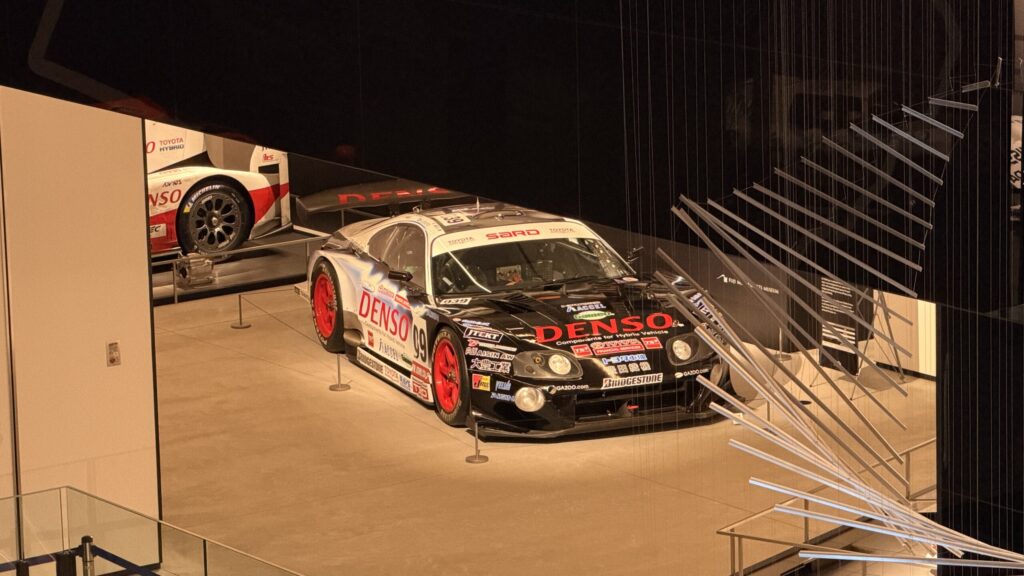
Polyphony Digital, the developers of Gran Turismo 7, used laser-scanning technology to capture the real Fuji Speedway with millimeter-level precision. The result is a virtual track that closely replicates the actual circuit's surface, elevation, and surroundings. Real-world racing drivers have praised the GT series for its accuracy at Fuji, noting that the braking points, racing lines, and even the visual landmarks translate directly from screen to tarmac.
That said, there are inherent differences. The real Fuji Speedway presents variable weather conditions, wind effects from Mount Fuji, and the physical sensation of g-forces that no game can fully replicate. The grandstands, pit facilities, and the iconic view of Mount Fuji looming behind the main straight are recreated in GT7, but experiencing them in person remains an entirely different level of immersion.
-

-
Fuji Speedway: The Complete 2026 Guide to Japan's Legendary Racing Circuit
続きを見る

Fuji Speedway GT7 Events and Challenges
Gran Turismo 7 features Fuji Speedway across multiple game modes, giving players numerous opportunities to race on this circuit:
- World Circuit Mode: Several championship events include Fuji Speedway races, ranging from Japanese car-only events to international GT competitions.
- Sport Mode (Online): Fuji regularly appears in the FIA-sanctioned online racing schedule. Its overtaking-friendly layout makes it a fan favorite for competitive multiplayer.
- Custom Races: Players can set up custom endurance races at Fuji with varying weather conditions, time of day, and tire wear multipliers.
- License Tests and Missions: Specific driving challenges at Fuji test braking precision, cornering speed, and race craft.
- Scapes Photography: The Fuji Speedway Scapes location lets players photograph their virtual car collection against the real-world backdrop of the circuit.
From Virtual Laps to Real Visits: Experiencing Fuji Speedway in Person
For many GT7 players, racing Fuji Speedway on screen sparks a genuine desire to visit the real circuit. Located in Oyama, Shizuoka Prefecture, Fuji Speedway is approximately 90 minutes by car from central Tokyo, making it a feasible day trip. The real facility hosts SUPER GT, Super Formula, and various grassroots events throughout the year, and visitors can also access the track museum, gift shop, and on-site dining.
-
-
Fuji Speedway Driving Experience: How to Drive on Japan's Legendary Circuit in 2026
続きを見る

Fuji Speedway also offers driving experiences where visitors can take laps on the actual circuit — an opportunity that resonates powerfully with anyone who has spent hours perfecting their GT7 lap times. The sensation of braking for the real Turn 1 after blasting down the 1.475 km straight is something that no simulation can fully prepare you for, yet the knowledge gained from GT7 translates surprisingly well.
Fuji Speedway in Other Racing Games vs. GT7
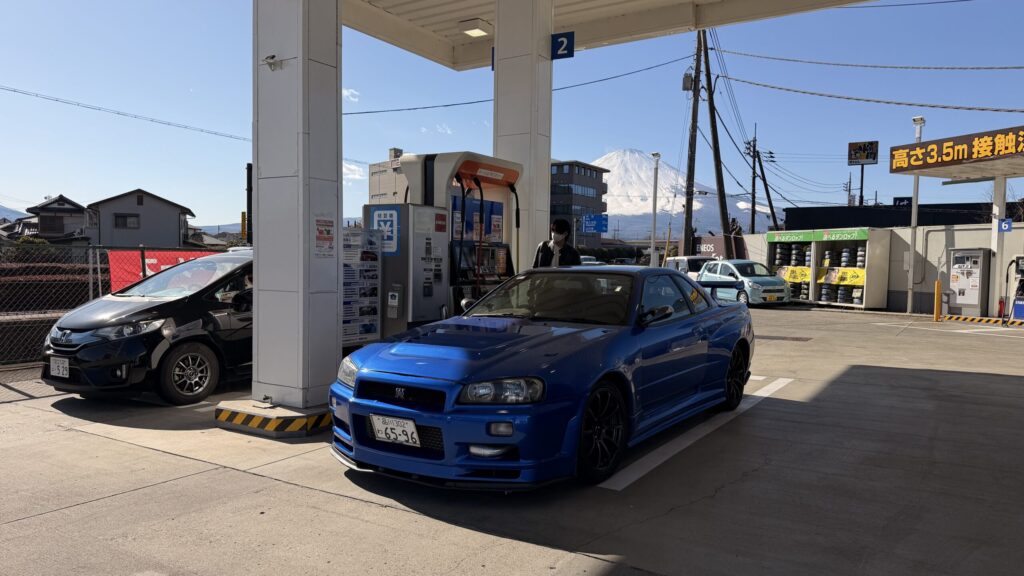
Fuji Speedway appears in several other racing titles, including Assetto Corsa, iRacing, and Forza Motorsport. Each platform offers a different interpretation of the circuit, but GT7's version stands out for several reasons:
- Visual Fidelity: GT7's ray-traced lighting and weather effects make the Fuji Speedway environment remarkably photorealistic, especially during sunrise and sunset races.
- Car Selection: GT7's roster of over 400 cars — with an emphasis on Japanese manufacturers — means you can race Fuji in everything from a stock Nissan Skyline to a full prototype racer.
- Physics Model: While sim purists may debate the nuances, GT7 strikes an accessible balance between simulation depth and approachability, making Fuji Speedway enjoyable for both casual and competitive players.
- Cultural Context: Gran Turismo is a Japanese franchise, and its treatment of Japanese circuits like Fuji carries an authenticity and reverence that feels distinctly appropriate.
-
-
Fuji Speedway in Assetto Corsa: Track Mods, Layouts & How the Sim Compares to the Real Circuit
続きを見る

Planning Your Fuji Speedway Pilgrimage After GT7
If GT7 has convinced you that Fuji Speedway deserves a spot on your Japan travel itinerary, you are in good company. Thousands of motorsport fans visit the circuit each year, and many of them cite racing games as their initial introduction to the venue. Combining a Fuji Speedway visit with other attractions in the area — such as the Fuji Five Lakes region, nearby onsen resorts, or scenic drives through Hakone — creates a well-rounded road trip experience from Tokyo.
-
-
How to Get to Fuji Speedway From Tokyo: Every Transport Option Explained (2026)
続きを見る
For JDM enthusiasts, driving a real Japanese sports car on the roads surrounding Fuji Speedway adds another layer of immersion that bridges the gap between the virtual and physical worlds. The mountain roads of Shizuoka Prefecture offer the kind of winding, scenic driving that feels like a real-life extension of a Gran Turismo session.
Lap Time Benchmarks: Fuji Speedway GT7 Reference Times
To help gauge your progress, here are approximate competitive lap times for popular car categories at Fuji Speedway in GT7 (Grand Prix layout, dry conditions):
- Gr.1 Prototypes: 1:24 – 1:27
- Gr.3 (GT3): 1:36 – 1:40
- Gr.4 (GT4): 1:44 – 1:48
- Tuned Road Cars (600+ PP): 1:42 – 1:50
- Stock JDM Sports Cars (400–500 PP): 1:55 – 2:10
These times can vary based on assists, tire compound, and tuning. Consistently hitting these benchmarks indicates a solid understanding of the circuit's demands, and pushing below them puts you in competitive territory for online Sport Mode events.
Why Fuji Speedway Remains a GT7 Fan Favorite
Fuji Speedway endures as one of Gran Turismo 7's most popular circuits because it offers something for every type of racer. The long straight delivers adrenaline-pumping top speeds, the technical sections reward finesse, and the Mount Fuji backdrop provides one of the most beautiful settings in all of motorsport gaming. Whether you are chasing tenths of a second in time trial mode, battling through an online championship, or simply enjoying a relaxed cruise in photo mode, Fuji Speedway in GT7 captures the essence of what makes Japanese motorsport culture so compelling — and why the real circuit remains a must-visit destination for anyone traveling to Japan.
Experience Japan’s Finest JDM Adventures
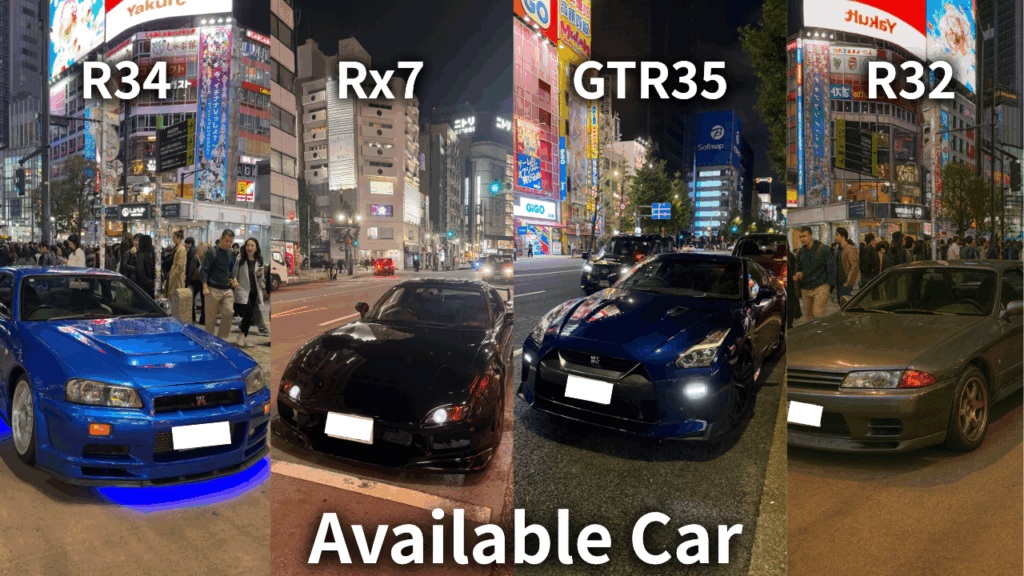
From Daikoku PA tours to JDM sports car rentals and drift experiences, we offer premium driving adventures for visitors who want more than ordinary sightseeing.
Get behind the wheel of iconic machines such as the GT-R, RX-7, and Supra, and experience Japan’s legendary car culture in the most unforgettable way. Whether you want a scenic Tokyo car experience or something more thrilling and immersive, we can guide you to the right plan.
Not sure which experience suits you best? No problem. Message us on WhatsApp and we’ll help you choose the ideal option based on your travel plans, interests, and driving experience.
Popular dates sell out quickly, so we recommend contacting us early.
Customer Reviews
Important Information
- This is a drive tour where you drive your rental car, and our guide navigates from the seat.
- This is a self-drive tour where you drive your rental car, and our guide navigates from the passenger seat.
- The tour begins and ends at the same location (Shibuya).
- If the Daikoku Parking Area is closed, we will instead guide you to another car meet further away.
- The consultant is a cultural expert and navigator, not a taxi service.
