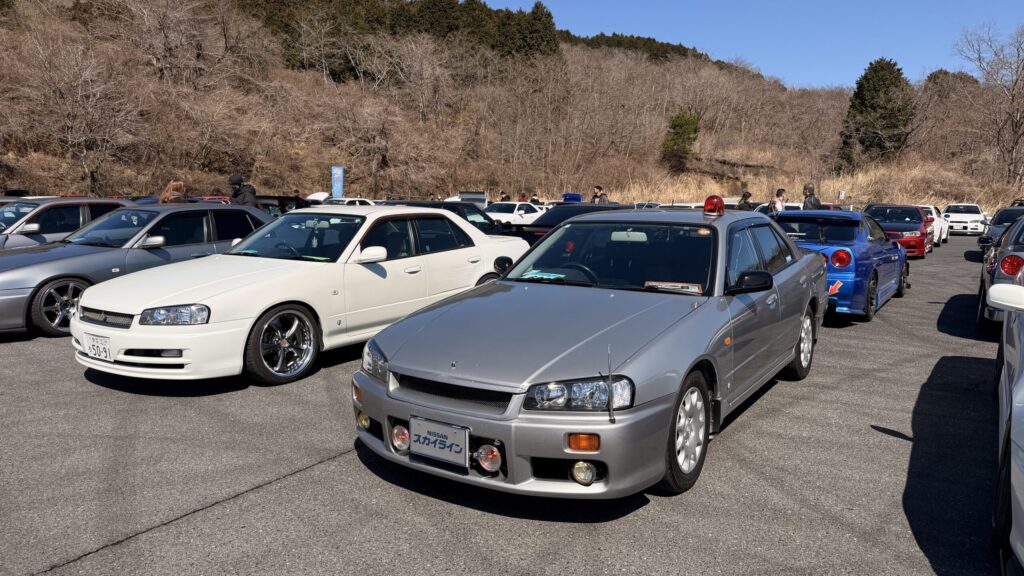
What Is the Fuji Speedway Museum?
The Fuji Motorsports Museum, officially known as the Fuji Motorsports Forest, is a world-class automotive museum located within the Fuji Speedway complex in Oyama, Shizuoka Prefecture. Operated by Toyota Motor Corporation, the museum showcases an extraordinary collection of historic race cars, production vehicles, and motorsport memorabilia spanning over a century of automotive history. For anyone visiting Fuji Speedway — whether for a race event, a driving experience, or a casual day trip — the museum is an unmissable highlight.
The facility opened in 2022 as part of Toyota's broader vision to transform the Fuji Speedway grounds into a comprehensive motorsport destination that goes beyond just the racetrack. It sits alongside the Fuji Speedway Hotel and other resort-style amenities, making it easy to combine a museum visit with other activities at the circuit.
-

-
Fuji Speedway: The Complete 2026 Guide to Japan's Legendary Racing Circuit
続きを見る

Fuji Speedway Museum Ticket Prices in 2026
Understanding the ticket pricing structure before you visit helps you budget accordingly. Below is a breakdown of standard admission fees for the Fuji Motorsports Museum as of 2026:
- Adults (18+): ¥1,800
- High school students: ¥1,000
- Elementary and junior high school students: ¥500
- Children under elementary school age: Free
These prices are for the standard museum admission. Special exhibitions or temporary events may carry additional surcharges. It is always advisable to check the official Fuji Speedway website before your visit to confirm current pricing, as rates can change slightly between seasons or during major motorsport events.
Discounts and Combo Tickets
Group discounts are often available for parties of 15 or more, typically offering a reduction of around 10–20% off the standard admission price. Additionally, guests staying at the Fuji Speedway Hotel sometimes receive complimentary or discounted museum access as part of their accommodation package. If you plan to combine a hotel stay with a museum visit, it is worth inquiring about bundled deals at the time of booking.
There are also occasional promotions tied to specific motorsport events held at Fuji Speedway. During major race weekends such as SUPER GT or WEC rounds, event ticket holders may receive reduced museum admission or even free entry during certain hours.
How to Buy Fuji Speedway Museum Tickets
There are two primary methods for purchasing museum tickets:
- On-site purchase: Tickets can be bought directly at the museum entrance. This is the most straightforward option, and wait times are generally manageable outside of peak race weekends.
- Online reservation: The official Fuji Speedway website allows advance ticket purchases, which can save time and guarantee entry during busy periods. Online booking is especially recommended during Golden Week, Obon, and major event days.
Payment methods at the on-site counter typically include cash, major credit cards (Visa, Mastercard, JCB), and various Japanese electronic payment options such as Suica and PayPay. International visitors should note that while credit cards are widely accepted, having some Japanese yen on hand is always a practical backup.
Museum Opening Hours
The Fuji Motorsports Museum generally operates on the following schedule:
- Open: 10:00 AM – 5:00 PM (last admission at 4:30 PM)
- Closed: Select Tuesdays and during year-end/New Year holidays
Operating hours may vary on race days and during special events. On some major event weekends, the museum extends its hours to accommodate the influx of visitors. Conversely, during track maintenance periods or private events, the museum may close without prior public notice. Always verify the schedule on the official website before making the trip, especially if you are traveling from Tokyo.
What You Will See Inside the Museum
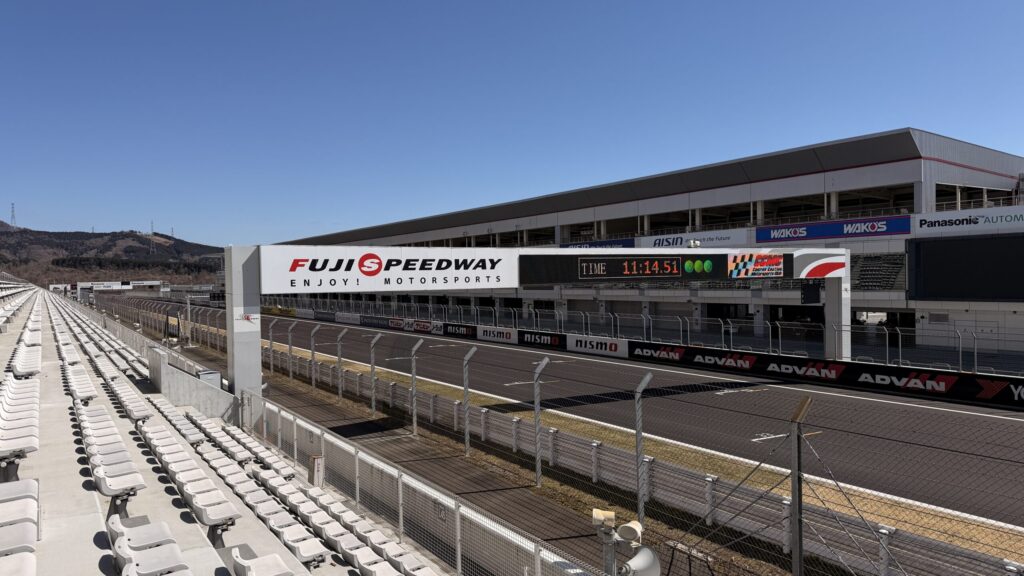
The Fuji Motorsports Museum is spread across multiple floors and themed zones, each offering a different perspective on the evolution of motorsport and automotive engineering.
Historic Race Cars
The ground floor features an impressive lineup of race cars that have competed in legendary events around the world. You will find iconic machines from Formula 1, Le Mans 24 Hours, World Rally Championship, and Japanese touring car series. Notable highlights include vintage Toyota race cars, historic Group C prototypes, and modern-era LMP1 hybrids. The collection rotates periodically, so repeat visitors may discover new exhibits on subsequent trips.
Production Car Heritage
An entire section is dedicated to the evolution of Japanese production cars, tracing the journey from early post-war vehicles to the high-performance machines that define JDM culture today. Enthusiasts will appreciate seeing classic models like the Toyota 2000GT, AE86 Sprinter Trueno, and Supra lineage displayed in pristine condition. This area provides excellent context for understanding how Japan's automotive industry rose to global prominence.
-
-
Car Museums in Japan: The Ultimate Road‑Trip Guide (2025)
続きを見る

Interactive and Multimedia Exhibits
The museum incorporates interactive displays and multimedia presentations that explain the science behind motorsport technology. Visitors can learn about aerodynamics, engine design, tire development, and race strategy through touchscreen panels and short documentary films. These exhibits are engaging for both hardcore enthusiasts and casual visitors, including families with children.
Gift Shop
Before exiting, you will pass through a well-stocked gift shop offering exclusive Fuji Speedway merchandise, die-cast model cars, apparel, and motorsport-themed souvenirs. Many of the items are only available at this location, making them popular purchases for collectors and fans.
Planning Your Visit: Tips for International Visitors
If you are traveling from overseas, a few practical considerations will help ensure a smooth museum experience.
Language Support
Most exhibit signage is presented in both Japanese and English, making the museum accessible to international visitors. Some interactive displays offer additional language options. Staff at the entrance and gift shop generally speak limited English but are helpful and accommodating.
Getting to the Museum
The museum is located within the Fuji Speedway grounds, which are accessible by car or public transportation. From Tokyo, driving is the most convenient option, taking approximately 90 minutes via the Tomei Expressway to the Oyama Smart IC exit. For those relying on public transport, JR Gotemba Station is the nearest major station, from where taxi or shuttle bus services can reach the circuit.
-
-
How to Get to Fuji Speedway From Tokyo: Every Transport Option Explained (2026)
続きを見る
How Long to Spend
Most visitors spend between 1.5 and 2.5 hours exploring the museum thoroughly. If you are a dedicated motorsport fan who wants to read every exhibit panel and photograph every car, budget closer to 3 hours. The museum works exceptionally well as part of a broader Fuji Speedway day trip that might also include watching track activity, dining at the circuit's restaurants, or exploring the surrounding area near Mount Fuji.
Combining with Other Fuji Speedway Activities
The museum is just one component of the larger Fuji Speedway experience. Depending on your schedule and the events calendar, you can pair your museum visit with a track-side experience, a driving program, or simply enjoy the scenic surroundings of the Fuji foothills. The area around the circuit also offers excellent views of Mount Fuji on clear days, particularly during autumn and winter months.
-
-
Fuji Speedway Driving Experience: How to Drive on Japan's Legendary Circuit in 2026
続きを見る

Best Time to Visit the Museum
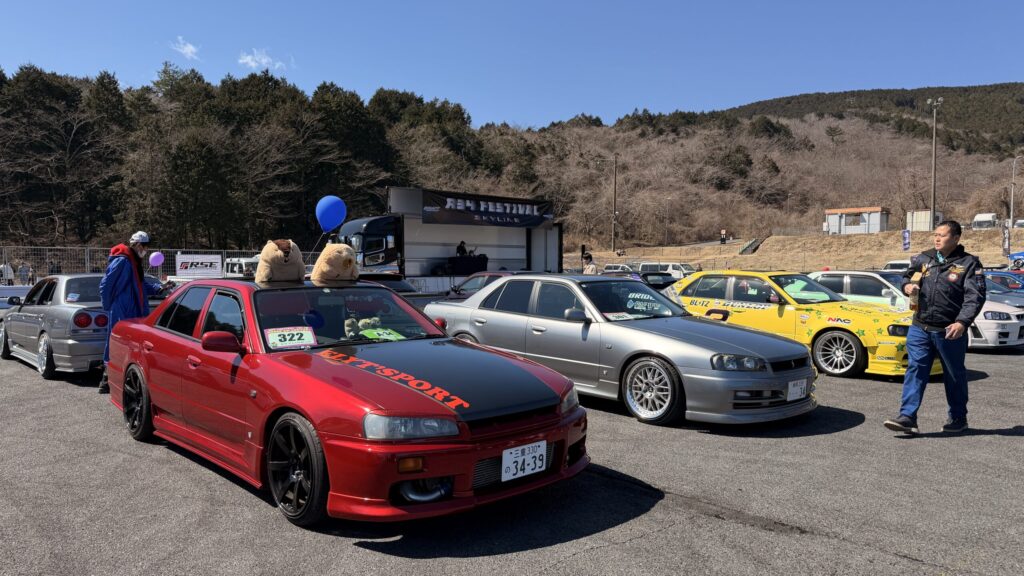
The museum is enjoyable year-round, but certain periods offer distinct advantages:
- Weekdays (non-event days): The quietest times to visit, with minimal crowds and ample space to enjoy each exhibit at your own pace.
- Major race weekends: While the atmosphere is electric during SUPER GT or WEC events, the museum tends to be busier. Arrive early in the morning for the best experience.
- Autumn (October–November): Stunning fall foliage surrounds the circuit, and clear skies often provide spectacular Mount Fuji backdrops for your visit.
- Winter (December–February): Fewer tourists overall, and the crisp winter air offers some of the best visibility of Mount Fuji from the Fuji Speedway grounds.
Avoiding Japanese national holidays such as Golden Week (late April to early May) and Obon (mid-August) is advisable if you prefer a relaxed, uncrowded visit. During these peak periods, both the museum and surrounding roads can become significantly congested.
Is the Fuji Speedway Museum Worth It?
For anyone with even a passing interest in cars or motorsport, the Fuji Motorsports Museum offers outstanding value. At ¥1,800 for adult admission, the breadth and quality of the collection rivals — and in some respects surpasses — many other automotive museums in Japan. The setting within the Fuji Speedway complex adds an extra layer of immersion that standalone museums simply cannot replicate. Hearing the distant rumble of engines on the track while standing beside a historic Le Mans prototype creates a uniquely visceral connection to the sport.
Whether you are a lifelong motorsport enthusiast, a JDM culture fan on a pilgrimage through Japan's automotive landmarks, or a family looking for a memorable day out near Mount Fuji, the Fuji Speedway Museum delivers an experience that comfortably justifies the ticket price and the journey from Tokyo.
Experience Japan’s Finest JDM Adventures
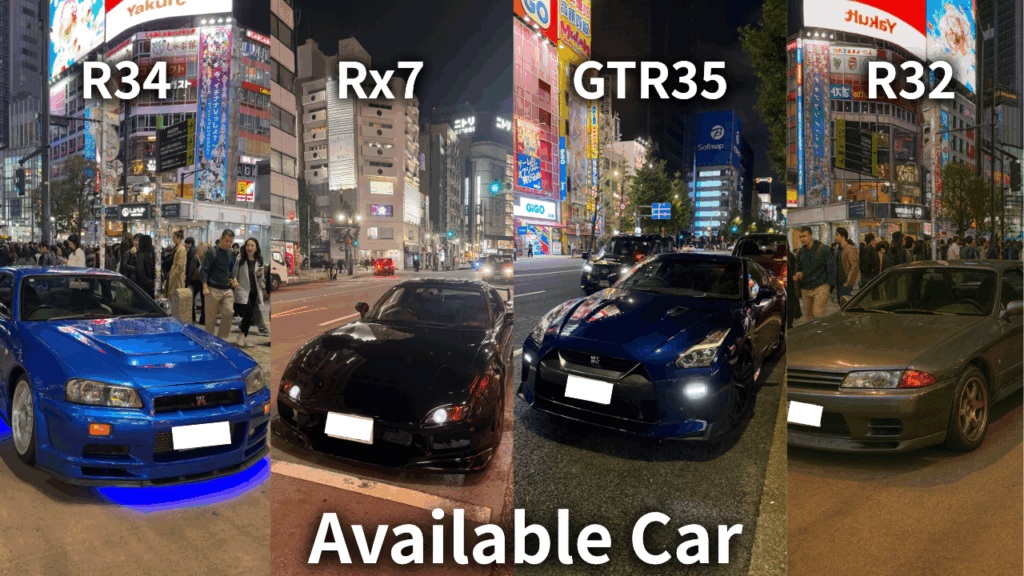
From Daikoku PA tours to JDM sports car rentals and drift experiences, we offer premium driving adventures for visitors who want more than ordinary sightseeing.
Get behind the wheel of iconic machines such as the GT-R, RX-7, and Supra, and experience Japan’s legendary car culture in the most unforgettable way. Whether you want a scenic Tokyo car experience or something more thrilling and immersive, we can guide you to the right plan.
Not sure which experience suits you best? No problem. Message us on WhatsApp and we’ll help you choose the ideal option based on your travel plans, interests, and driving experience.
Popular dates sell out quickly, so we recommend contacting us early.
Customer Reviews
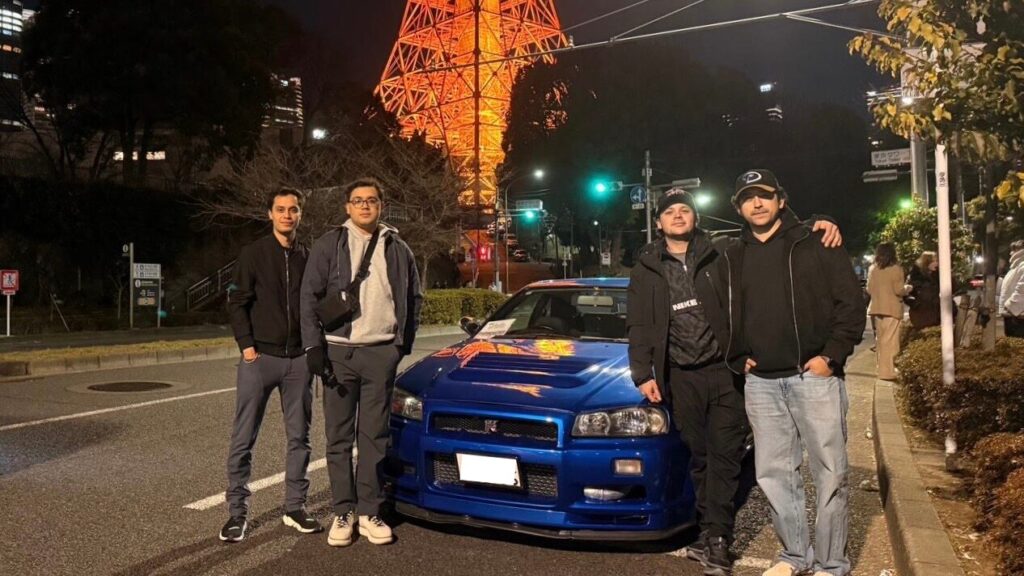
Important Information
- This is a drive tour where you drive your rental car, and our guide navigates from the seat.
- This is a self-drive tour where you drive your rental car, and our guide navigates from the passenger seat.
- The tour begins and ends at the same location (Shibuya).
- If the Daikoku Parking Area is closed, we will instead guide you to another car meet further away.
- The consultant is a cultural expert and navigator, not a taxi service.
