Why Fuji Speedway Weather Matters for Your Visit
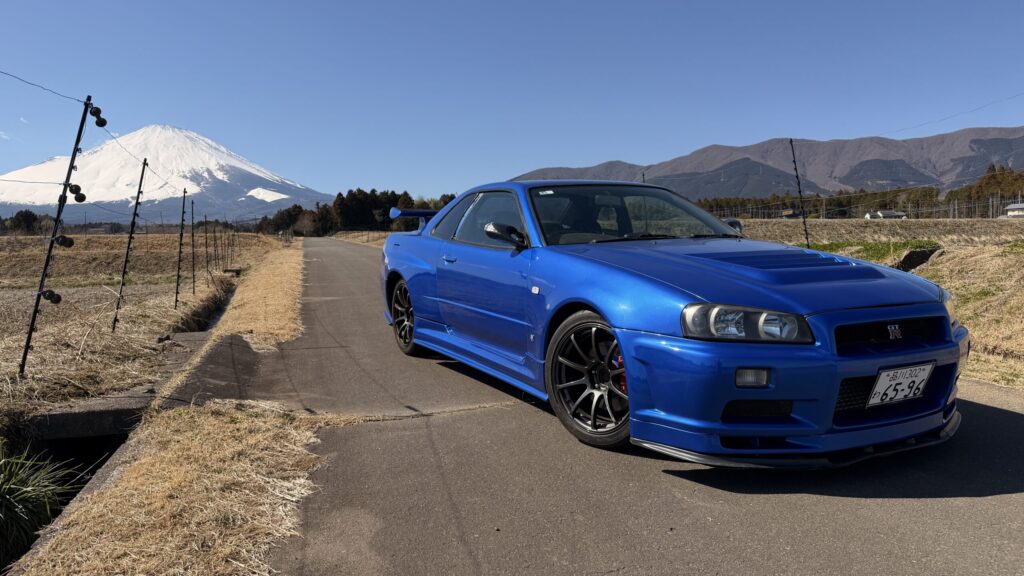
Fuji Speedway sits at approximately 550–600 meters above sea level on the southeastern slopes of Mount Fuji in Oyama, Shizuoka Prefecture. This elevated location means that weather conditions at the circuit can differ dramatically from what you experience in central Tokyo, just 90 kilometers to the northeast. Fog, sudden rain, and temperature swings are all common at the track, and they directly affect race schedules, visibility from grandstands, and your overall comfort as a spectator or track-day participant.
Understanding Fuji Speedway weather patterns before you go is essential — whether you are attending a Super GT round, a SUPER FORMULA event, or simply visiting the Fuji Speedway Museum and hotel complex. This guide breaks down average conditions month by month and provides practical tips for preparing for every season.
-

-
Fuji Speedway: The Complete 2026 Guide to Japan's Legendary Racing Circuit
What Is Fuji Speedway? Fuji Speedway is one of Japan’s most iconic motorsport circuits, located at t …
続きを見る

Fuji Speedway’s Unique Microclimate
Fuji Speedway’s proximity to Mount Fuji creates a microclimate that is cooler, wetter, and more fog-prone than the surrounding lowlands. Several geographic factors drive this:
- Elevation: At roughly 550 m, temperatures are typically 3–4 °C cooler than sea-level Tokyo.
- Orographic rainfall: Moist air rising along Mt. Fuji’s slopes condenses and falls as precipitation, giving the area higher annual rainfall than most of Kanto.
- Fog and low clouds: Morning fog is frequent, especially in spring and autumn. It can reduce visibility around the circuit and delay practice sessions.
- Wind: The long main straight runs roughly northwest-to-southeast, and prevailing winds can create crosswind gusts, particularly in winter and early spring.
Race organizers and teams are well aware of these conditions. Historic events like the F1 Japanese Grand Prix (held at Fuji in 2007 and 2008) were famously affected by torrential rain and fog, underscoring how unpredictable the weather can be.
Month-by-Month Weather Breakdown for Fuji Speedway
January & February — Cold and Dry
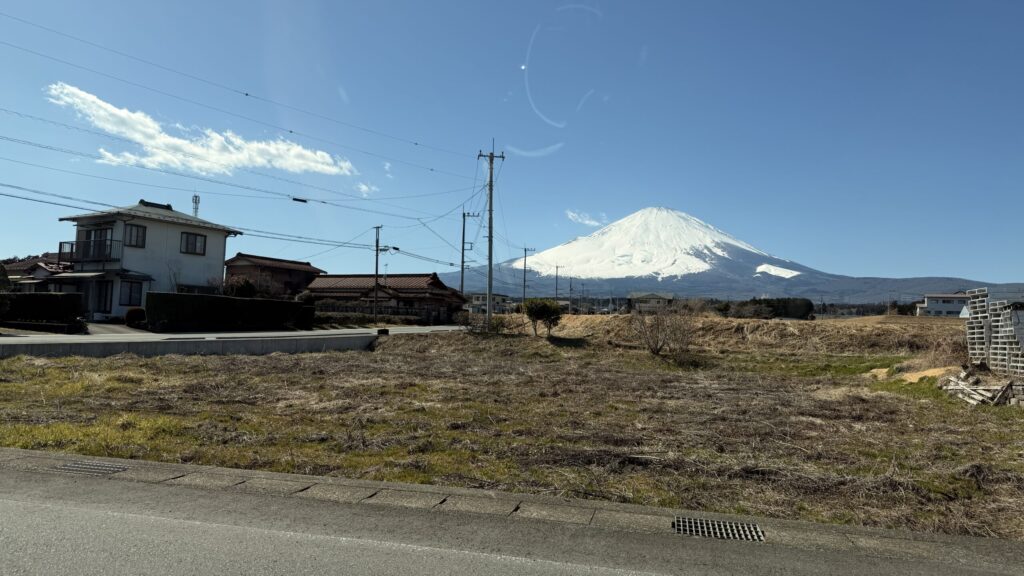
Winter at Fuji Speedway is cold. Average daytime highs hover around 5–8 °C, and overnight lows can drop below freezing. Snowfall is possible though usually light at the circuit’s elevation; the mountain above receives far more. Precipitation is at its annual low, and clear days offer stunning views of snow-capped Mt. Fuji from the grandstands. Few major races are scheduled in these months, but the museum and hotel remain open.
- Average high: 5–8 °C
- Average low: -2–2 °C
- Rainfall: 40–60 mm/month
- What to wear: Heavy winter coat, thermal layers, gloves, warm hat
March & April — Spring Transition
Temperatures begin climbing, reaching 10–16 °C during the day by mid-April. Morning fog becomes more common as warmer air meets the still-cold mountain terrain. Cherry blossoms appear in the area around late March to early April, slightly later than Tokyo. The Super GT season typically opens in April, making this a popular time to visit. Rain showers increase toward the end of April.
- Average high: 10–16 °C
- Average low: 1–7 °C
- Rainfall: 100–150 mm/month
- What to wear: Layered clothing, waterproof jacket, comfortable walking shoes
May — Pre-Rainy Season Sweet Spot
May is arguably one of the best months to visit Fuji Speedway in terms of weather. Daytime temperatures are pleasant at 18–22 °C, humidity is still manageable, and while rain occurs, it is less persistent than in June. Visibility is generally good, making it an ideal month for photography from the spectator areas.
- Average high: 18–22 °C
- Average low: 10–13 °C
- Rainfall: 130–170 mm/month
- What to wear: Light layers, sunscreen, hat, rain poncho as backup
June & July — The Rainy Season (Tsuyu)
Japan’s rainy season (tsuyu) typically runs from early June to mid-July in the Kanto region, and Fuji Speedway is heavily affected. Expect persistent overcast skies, frequent downpours, and high humidity. Monthly rainfall can exceed 250 mm, and fog often rolls in during the mornings and evenings. If you are attending a race during this period, waterproof gear is non-negotiable. On the positive side, the lush green landscape around the circuit is beautiful.
- Average high: 21–27 °C
- Average low: 15–20 °C
- Rainfall: 200–300 mm/month
- What to wear: Full rain gear, waterproof shoes, moisture-wicking base layers
August — Hot and Humid
After tsuyu breaks, August brings the hottest weather of the year. However, thanks to the altitude, Fuji Speedway stays a few degrees cooler than Tokyo, with highs around 28–30 °C compared to Tokyo’s 33–35 °C. Afternoon thunderstorms are common and can be intense but usually short-lived. Hydration and sun protection are essential if you are spending a full day trackside.
- Average high: 28–30 °C
- Average low: 19–22 °C
- Rainfall: 180–250 mm/month
- What to wear: Lightweight, breathable clothing, sunscreen, hat, portable fan
September & October — Typhoon Season Transitions to Autumn
September is still warm (22–26 °C highs) but carries the risk of typhoons, which can cause extreme rainfall and event cancellations. By October, the weather stabilizes significantly. Temperatures drop to a comfortable 16–20 °C, and autumn foliage begins to appear around the circuit and on the lower slopes of Mt. Fuji. October is one of the most popular months for motorsport events at Fuji, including WEC (World Endurance Championship) rounds.
- Average high: 16–26 °C (varies across these two months)
- Average low: 10–18 °C
- Rainfall: 150–250 mm/month (higher in September)
- What to wear: Layers for fluctuating temperatures, rain gear in September, light jacket in October
November & December — Late Autumn to Early Winter
November offers crisp, clear conditions with daytime highs around 12–15 °C and lower humidity. It is an excellent time for track days and casual visits, with autumn colors at their peak in early November. December sees temperatures drop sharply, and by late December the circuit can feel bitterly cold, especially in the open grandstands. The racing calendar winds down, though special events and experience programs may still be available.
- Average high: 8–15 °C
- Average low: 0–7 °C
- Rainfall: 50–80 mm/month
- What to wear: Warm coat, scarf, thermal underlayers for December
Best Months to Visit Fuji Speedway Based on Weather
If weather comfort is your top priority, these are the optimal windows:
- Best overall: May and October — pleasant temperatures, moderate rainfall, good visibility, and active event schedules.
- Best for Mt. Fuji views: November through February — lower humidity and clearer skies give the best odds of seeing the iconic mountain from the circuit.
- Months to avoid (weather-wise): Mid-June through mid-July (tsuyu) and September (typhoon risk).
Of course, major races are held rain or shine, and many fans consider watching a wet race at Fuji Speedway to be a uniquely thrilling experience. If you are attending a specific event, focus on packing the right gear rather than trying to time the weather.
How Weather Affects the Track and Racing
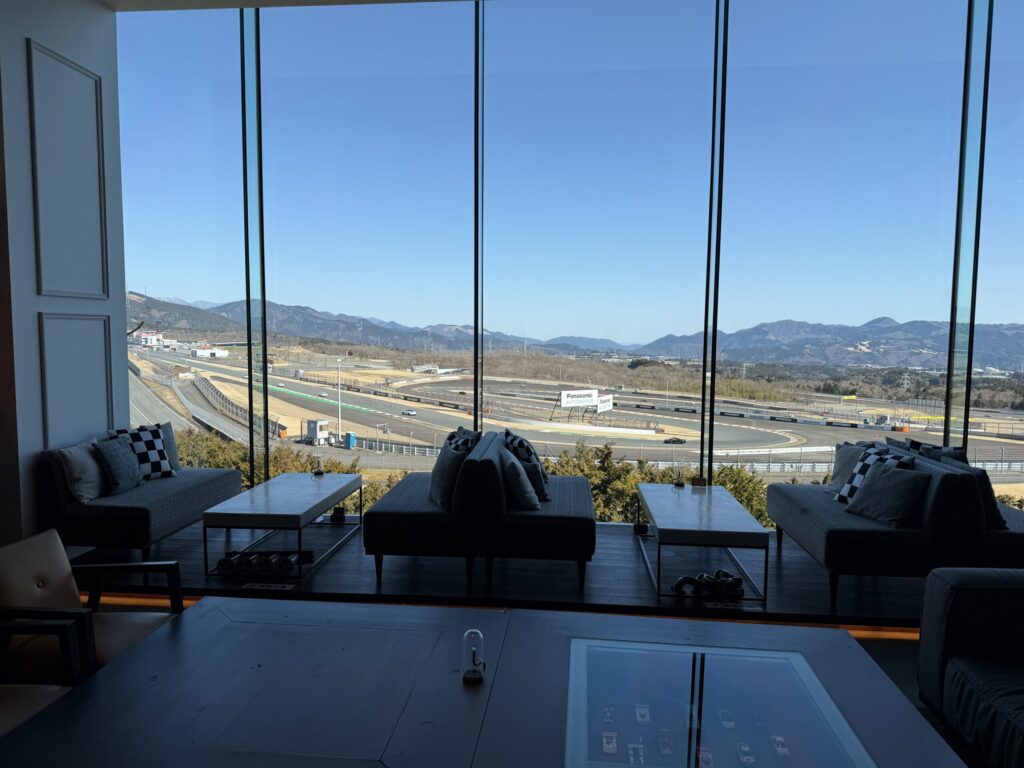
Weather at Fuji Speedway does not just impact spectator comfort — it fundamentally changes the racing itself. The 1.475 km main straight, one of the longest in motorsport, becomes a high-speed aquaplaning risk in heavy rain. Teams must switch to wet or intermediate tires, and strategy changes dramatically. Fog can delay sessions or bring out safety cars if visibility drops below safe limits.
For track-day participants and those booked on driving experiences, event organizers monitor conditions closely. Sessions may be shortened, rescheduled, or run under restricted speed conditions during heavy rain or fog. Always check the official Fuji Speedway website and social media channels the morning of your visit for any weather-related schedule changes.
-
-
Fuji Speedway Driving Experience: How to Drive on Japan's Legendary Circuit in 2026
What Is the Fuji Speedway Driving Experience? For car enthusiasts visiting Japan, few things rival t …
続きを見る

Practical Tips for Dealing with Fuji Speedway Weather
Check Forecasts Specific to Oyama, Shizuoka
Do not rely on the Tokyo weather forecast. Instead, check forecasts for Oyama-cho (小山町) or Gotemba (御殿場市), which are the nearest municipalities. The Japan Meteorological Agency (JMA) website and apps like Windy or Weather Underground provide location-specific data that is far more accurate for the circuit’s elevated terrain.
Dress in Layers
Because temperatures at Fuji Speedway fluctuate throughout the day — especially in spring and autumn — a layering strategy is more effective than a single heavy garment. Start with a moisture-wicking base, add a fleece or light insulation mid-layer, and top with a waterproof shell. You can peel or add layers as conditions change.
Essential Weather Gear Checklist
- Packable rain poncho or waterproof jacket
- Waterproof shoe covers or dedicated rain boots (grandstand areas have paved and gravel surfaces)
- Compact umbrella (useful for light drizzle; note that large umbrellas may be restricted in packed grandstands)
- Zip-lock bags for electronics and tickets
- Hand warmers for winter visits
- Sunscreen and hat for summer visits
Arrive Early When Fog Is Forecast
Morning fog at Fuji Speedway tends to burn off by mid-morning as the sun strengthens, but it can delay gate operations and warm-up sessions. Arriving early gives you time to park (the lots can get muddy in wet conditions), settle into your seat, and explore the paddock area before the main action begins.
Getting to Fuji Speedway and Weather Considerations for the Drive
Most visitors access Fuji Speedway by car via the Tomei Expressway, exiting at Gotemba IC or Oyama-Susono IC. The drive from central Tokyo takes roughly 90 minutes under normal conditions. However, weather can affect road conditions significantly:
- Rain: The Tomei Expressway section near Gotemba is prone to heavy rain and reduced visibility. Reduce speed and allow extra travel time.
- Winter: Snow or ice is possible on local roads around the circuit from December through February. Studless winter tires or tire chains may be required.
- Fog: Dense fog can slow traffic on the expressway and local approaches. Use fog lights and maintain safe following distance.
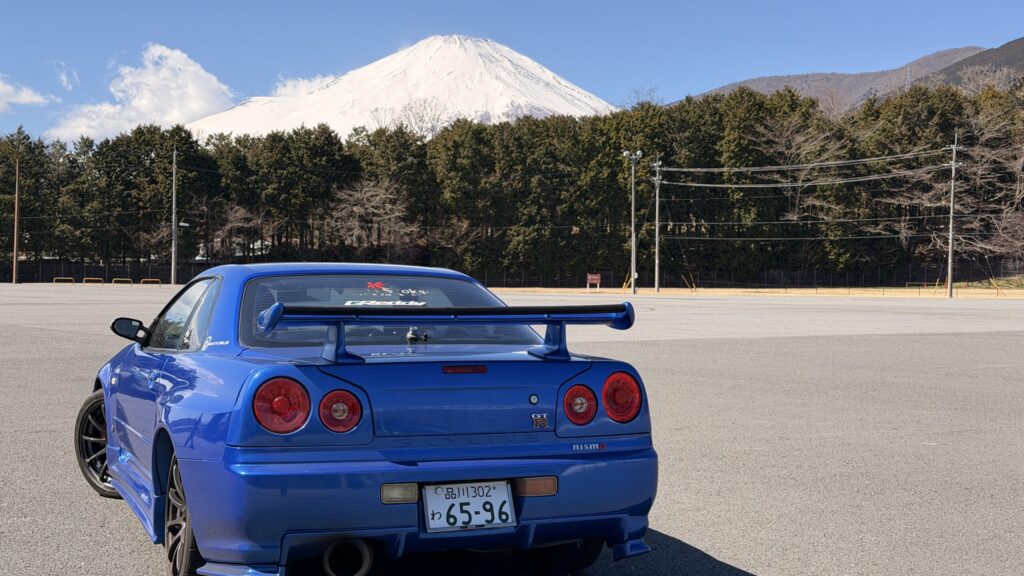
Driving to the circuit in a JDM sports car through the scenic mountain roads around Gotemba is one of the most memorable ways to experience the area, provided you are prepared for the conditions.
-
-
Fuji Speedway Location: Where It Is, How to Get There & What to Expect in 2026
Where Exactly Is Fuji Speedway Located? Fuji Speedway is located in the town of Oyama, Sunto Distric …
続きを見る

Weather Resources and Real-Time Information
Staying informed about current conditions will significantly improve your Fuji Speedway experience. Here are the most reliable resources:
- Japan Meteorological Agency (JMA): Official forecasts and radar maps at jma.go.jp. Search for Shizuoka Prefecture or Gotemba for local data.
- Windy.com: Excellent for visualizing wind, precipitation, and fog forecasts overlaid on a map. You can zoom directly onto the circuit.
- Fuji Speedway Official Website & Social Media: Real-time updates on event schedule changes due to weather.
- Mt. Fuji area webcams: Several webcams around the Gotemba and Lake Yamanaka areas provide a live view of cloud cover and visibility conditions near the circuit.
-
-
Mt Fuji Weather: Monthly Conditions, Forecasts & Best Time to Visit in 2026
Understanding Mt Fuji Weather Before You Go Mt Fuji weather is notoriously unpredictable and dramati …
続きを見る
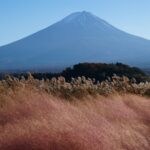
Fuji Speedway Weather vs. Tokyo Weather: Key Differences
Visitors coming from Tokyo are often surprised by how different conditions can be at the circuit. Here is a quick comparison to set expectations:
- Temperature: Typically 3–5 °C cooler at Fuji Speedway than central Tokyo.
- Rainfall: Annual precipitation at the circuit area is roughly 2,000–2,500 mm, compared to approximately 1,500 mm in central Tokyo.
- Humidity: Similar to Tokyo in summer, but less oppressive due to altitude and breeze.
- Fog frequency: Significantly higher at Fuji Speedway, particularly in spring and autumn mornings.
- Winter snow: Occasional light snow at the circuit versus rare snow in central Tokyo.
The bottom line: always pack warmer and wetter-weather gear than you think you need when heading to Fuji Speedway from Tokyo. It is far better to have a rain jacket you do not use than to spend a six-hour endurance race soaked to the skin.
Experience Japan’s Finest JDM Adventures
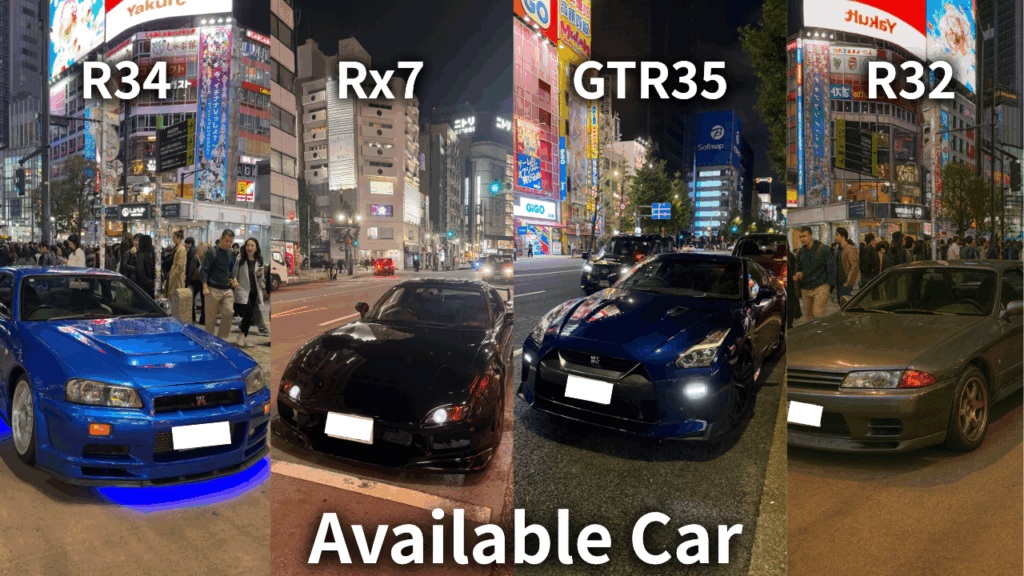
From Daikoku PA tours to JDM sports car rentals and drift experiences, we offer premium driving adventures for visitors who want more than ordinary sightseeing.
Get behind the wheel of iconic machines such as the GT-R, RX-7, and Supra, and experience Japan’s legendary car culture in the most unforgettable way. Whether you want a scenic Tokyo car experience or something more thrilling and immersive, we can guide you to the right plan.
Not sure which experience suits you best? No problem. Message us on WhatsApp and we’ll help you choose the ideal option based on your travel plans, interests, and driving experience.
Popular dates sell out quickly, so we recommend contacting us early.
Customer Reviews
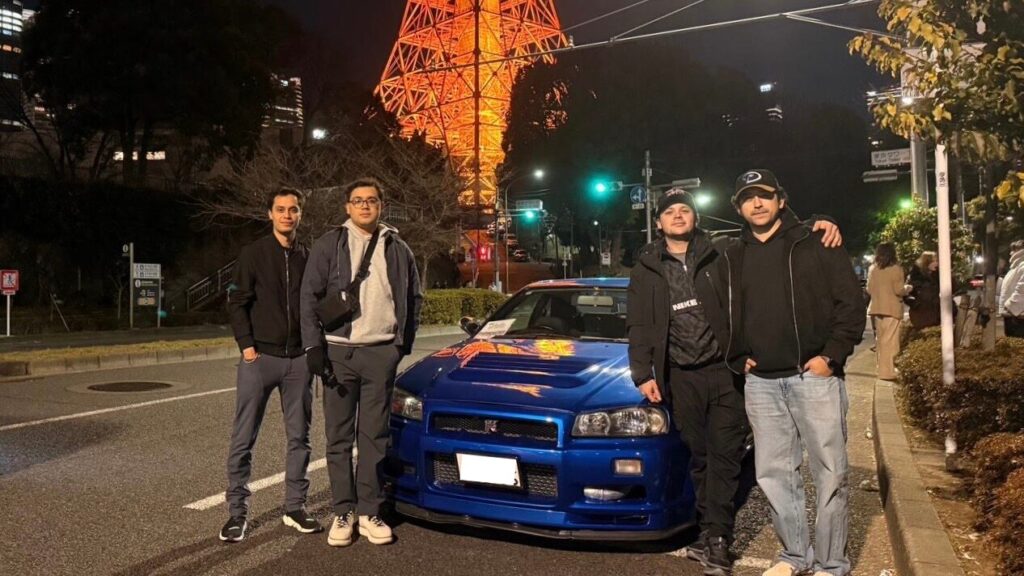
Important Information
- This is a drive tour where you drive your rental car, and our guide navigates from the seat.
- This is a self-drive tour where you drive your rental car, and our guide navigates from the passenger seat.
- The tour begins and ends at the same location (Shibuya).
- If the Daikoku Parking Area is closed, we will instead guide you to another car meet further away.
- The consultant is a cultural expert and navigator, not a taxi service.