What Is the WEC Race at Fuji Speedway?
The FIA World Endurance Championship (WEC) visits Fuji Speedway each year for one of the most prestigious rounds on the global calendar — the 6 Hours of Fuji. As the only WEC race held in Japan, this event draws tens of thousands of motorsport fans from across Asia and beyond, transforming the circuit nestled at the base of Mount Fuji into a world-class spectacle of speed and engineering.
First held in 2012 as part of the revived WEC series, the 6 Hours of Fuji has become a cornerstone of the championship. It features the fastest closed-cockpit racing cars on the planet — from Le Mans Hypercars (LMH) and Le Mans Daytona hybrid prototypes (LMDh) to GT3-class machines — all competing on one of the most technically demanding circuits in Asia. For fans of endurance racing, attending the Fuji Speedway WEC round is a bucket-list experience.
-

-
Fuji Speedway: The Complete 2026 Guide to Japan's Legendary Racing Circuit
What Is Fuji Speedway? Fuji Speedway is one of Japan’s most iconic motorsport circuits, located at t …
続きを見る

2026 WEC at Fuji Speedway: Expected Date and Schedule
The 6 Hours of Fuji is typically scheduled for mid-September, though the exact date can shift depending on the overall WEC calendar. For 2026, fans should monitor the official FIA WEC website for the confirmed race date, which is usually announced in late 2025 or early 2026. The event generally spans an entire weekend:
- Friday: Free practice sessions (FP1 and FP2), pit walk opportunities, and merchandise stall openings.
- Saturday: Additional free practice (FP3) followed by qualifying and Hyperpole sessions that determine the grid.
- Sunday: The main 6-hour race, typically starting late morning and finishing in the afternoon with dramatic late-race strategy battles.
Arriving on Friday is highly recommended. The practice sessions offer a more relaxed atmosphere to explore the circuit, photograph the cars at close range during pit walks, and secure the best vantage points before the weekend crowds arrive.
Classes and Teams to Watch in 2026
The WEC field is divided into multiple classes, each offering its own compelling narrative:
Hypercar Class
This is the headline category. Factory entries from Toyota Gazoo Racing, Ferrari, Porsche, Peugeot, BMW, Cadillac, Lamborghini, and Alpine battle for overall victory. Toyota, as a Japanese manufacturer racing on home soil, consistently brings enormous fan support. The Fuji round is essentially Toyota’s home race, and the atmosphere when a GR010 Hybrid crosses the line first is electric.
LMGT3 Class
The GT3 class features production-based supercars from manufacturers like Porsche, Ferrari, BMW, Corvette, McLaren, Aston Martin, and Lamborghini. While they race at lower speeds than the prototypes, the close competition and driver skill on display make this class a fan favorite, especially during intense multi-car battles through Fuji’s sweeping corners.
Japanese driver entries are always a highlight at Fuji. Keep an eye on any local drivers competing across the classes — their presence amplifies the already passionate atmosphere significantly.
How to Buy Tickets for the 6 Hours of Fuji
Tickets for the WEC round at Fuji Speedway typically go on sale several months before the event. There are multiple ticket tiers to consider:
- General Admission: The most affordable option, granting access to open grandstands and free-roaming spectator areas around the circuit. Prices generally range from ¥5,000 to ¥8,000 for a race-day ticket.
- Reserved Grandstand Seats: Available for key locations such as the Main Grandstand (overlooking the start/finish straight), the Dunlop Corner grandstand, and other premium spots. These typically cost ¥10,000 to ¥20,000 depending on the position.
- Paddock Passes: For the ultimate behind-the-scenes experience, paddock access lets you see the teams working on the cars, spot drivers up close, and soak in the atmosphere of professional motorsport. These are limited and sell out quickly.
- Weekend Passes: If you plan to attend from Friday through Sunday, a multi-day pass offers better value than purchasing individual day tickets.
Tickets can be purchased through the official Fuji Speedway website, Lawson Ticket (Loppi terminals at convenience stores), or other Japanese ticketing platforms. International visitors should be aware that some platforms require a Japanese phone number, so purchasing through the official Fuji Speedway English-language portal or through authorized resellers is advisable.
-
-
How to Buy Fuji Speedway Tickets in 2026: Prices, Types & Booking Tips
Fuji Speedway Tickets: Everything You Need to Know in 2026 Fuji Speedway is one of Japan’s most icon …
続きを見る

Best Spectator Spots for WEC at Fuji Speedway
Fuji Speedway’s 4.563-kilometer layout provides numerous excellent vantage points for watching endurance racing. Each offers a different perspective on the action:
Main Straight and Grandstand
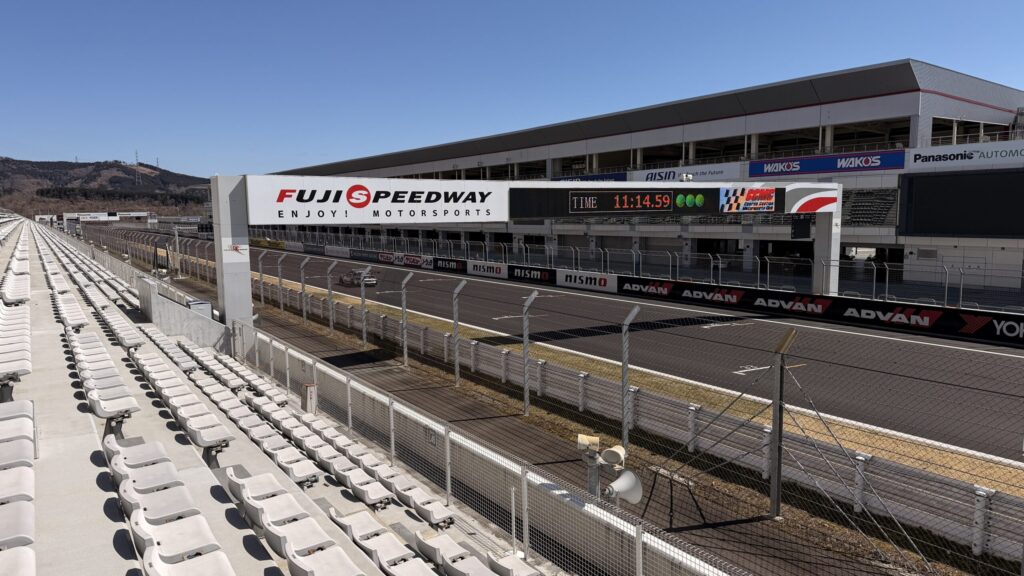
The 1.475-kilometer main straight — one of the longest in world motorsport — is where Hypercars reach their peak speeds, often exceeding 300 km/h. The main grandstand offers a commanding view of pit stops and the start/finish line, which are crucial in endurance racing where strategy can make or break a race.
TGR Corner (Turn 1)
This is arguably the most dramatic braking zone on the circuit. Cars decelerate from top speed into a tight right-hander, making it a prime overtaking spot and a photographer’s dream. The elevation change as cars plunge into the corner adds visual drama.
Coca-Cola Corner
A sweeping, high-speed right-hander that tests car balance and driver bravery. The natural banking of the surrounding hillside provides a natural amphitheater for spectators.
Dunlop Corner and the Infield
The technical infield section features a series of tight corners where prototype and GT machinery navigate in close proximity, especially during lapping sequences. The speed differential between classes is most visible here.
For photography, arriving early and moving between spots throughout the six-hour race is the best approach. The changing light conditions — especially if the race extends into the late afternoon — create stunning opportunities with Mount Fuji as a backdrop on clear days.
-
-
Fuji Speedway Track Map: Every Corner, Straight, and Section Explained
Understanding the Fuji Speedway Track Map Fuji Speedway is one of the most iconic motorsport circuit …
続きを見る

How to Get to Fuji Speedway for the WEC Race
Getting to Fuji Speedway from Tokyo requires some planning, especially on race weekend when traffic congestion is a real concern.
By Car
The circuit is approximately 100 kilometers southwest of central Tokyo. Via the Tomei Expressway, take the Gotemba IC exit and follow the signs to Fuji Speedway. The drive takes around 90 minutes under normal traffic conditions but can extend to 2–3 hours on race morning. Arriving before 7:00 AM is strongly recommended to avoid the worst congestion. On-site parking is available but fills up quickly; advance parking passes are sometimes offered as part of ticket packages.
Driving yourself to the circuit offers the advantage of flexibility — you can explore the surrounding Hakone and Gotemba areas before or after the race. For those visiting from overseas, renting a JDM car and making the drive to Fuji Speedway through the scenic Shizuoka countryside adds an extra layer of automotive immersion to the experience.
By Public Transport
Take the JR Tokaido Shinkansen from Tokyo Station to Mishima Station (approximately 55 minutes), then transfer to the JR Gotemba Line to Gotemba Station (about 40 minutes). From Gotemba Station, shuttle buses are operated on WEC race weekends directly to the circuit. Alternatively, express buses run from Shinjuku Station to Gotemba, which can be more affordable albeit slower.
On race weekend, the shuttle bus schedule is aligned with the event timetable, but return services can be crowded immediately after the race finishes. Allow extra time or consider lingering at the circuit for post-race ceremonies and the crowds to thin out.
-
-
How to Get to Fuji Speedway From Tokyo: Every Transport Option Explained (2026)
Overview: Tokyo to Fuji Speedway Distance and Travel Time Fuji Speedway is located in Oyama, Shizuok …
続きを見る
What to Expect on WEC Race Day at Fuji
The atmosphere during the 6 Hours of Fuji is unlike any other motorsport event in Japan. Here is what to expect and how to prepare:
Weather and What to Bring
Mid-September in Shizuoka Prefecture can be warm and humid, but weather at Fuji Speedway is notoriously unpredictable due to its elevation (approximately 550 meters above sea level) and proximity to Mount Fuji. Rain is common, and conditions can change rapidly. Pack layers, a waterproof jacket, sunscreen, and comfortable walking shoes. A portable seat cushion is useful for grandstand seating, and binoculars enhance the viewing experience across the circuit’s expansive layout.
Food and Merchandise
The circuit features numerous food stalls during WEC weekend, offering a mix of Japanese festival food (yakisoba, takoyaki, grilled meats) and international options. Official WEC and team merchandise is available in dedicated areas, with exclusive Fuji round items that are collector’s favorites. Toyota’s merchandise stand is particularly popular and tends to have long queues, so visit early.
Fan Zones and Activities
WEC events typically feature interactive fan zones where you can view show cars, participate in pit stop challenges, meet drivers during scheduled autograph sessions, and explore manufacturer displays. The grid walk before the race (if included in your ticket package) is a highlight, placing you meters away from the Hypercars and their crews in the tense moments before the start.
Where to Stay Near Fuji Speedway During WEC Weekend
Accommodation near Fuji Speedway books up quickly once the WEC date is confirmed. Here are the main options:
- Fuji Speedway Hotel (Unbound Collection by Hyatt): Located on the circuit grounds, this is the most premium option. It offers direct views of the track from certain rooms and is within walking distance of all facilities. Expect to book months in advance.
- Gotemba City Hotels: The nearby city of Gotemba has a range of business hotels and ryokan that offer a more affordable base. The commute to the circuit is around 20 minutes by car.
- Hakone and Mishima Area: Slightly farther away but offering hot spring resorts and scenic accommodation. This is a great option if you want to combine the WEC race with a broader Hakone sightseeing trip.
- Camping: Some fans opt to camp near the circuit, though official on-site camping availability varies by year. Check the event details for any designated camping zones.
-
-
Best Hotels Near Fuji Speedway: Where to Stay for Race Weekends in 2026
Why Choosing the Right Hotel Near Fuji Speedway Matters Whether you are attending a Super GT round, …
続きを見る

Why the 6 Hours of Fuji Is Special in the WEC Calendar
Several factors make the Fuji round uniquely compelling among the WEC’s global calendar of races:
- Toyota’s Home Race: The passion of Japanese fans for Toyota Gazoo Racing creates an intensity unmatched at other WEC venues. The roar when a Toyota takes the lead reverberates through the grandstands.
- The Mount Fuji Backdrop: On clear days, the iconic silhouette of Japan’s highest peak looms behind the circuit, creating one of the most photogenic settings in all of motorsport.
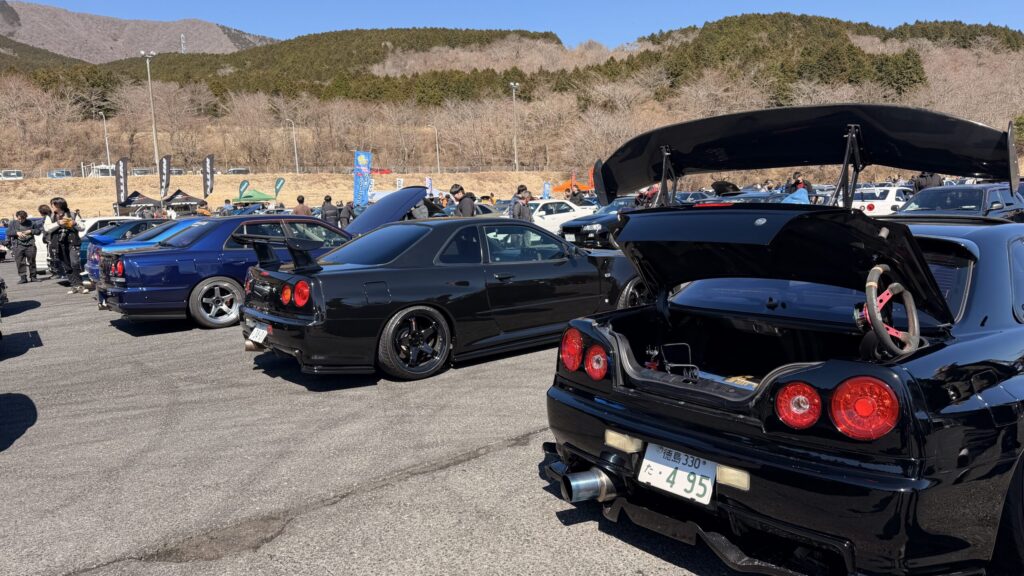
- Japanese Automotive Culture: Attending WEC at Fuji Speedway places you at the intersection of global motorsport and Japan’s deep-rooted car culture. The parking areas often feature an unofficial car meet of impressive JDM machines driven by fans.
- Strategic Importance: Coming in the latter half of the WEC season, the Fuji round often has significant championship implications. Teams race with heightened urgency, producing unpredictable and thrilling on-track action.
- Proximity to Le Mans Legacy: Many of the same cars that race at the 24 Hours of Le Mans compete at Fuji. For fans who cannot travel to France, the 6 Hours of Fuji offers the closest equivalent experience in Asia.
Combining the WEC with a Broader Fuji Speedway Trip
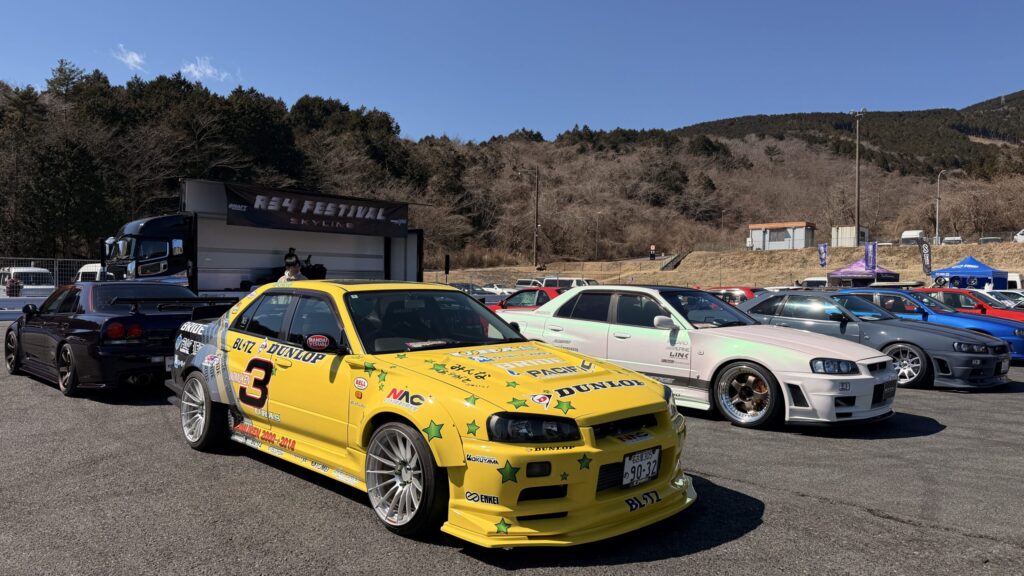
The WEC race weekend is an excellent anchor for a longer trip to the Fuji and Hakone region. Fuji Speedway itself hosts a museum and offers track experiences on non-race days, while the surrounding area is rich with attractions. Gotemba Premium Outlets — one of Japan’s largest outlet malls — is just minutes from the circuit. The Hakone area offers world-class onsen resorts, the Hakone Open-Air Museum, Lake Ashi cruises, and stunning views of Mount Fuji from various vantage points.
For motorsport enthusiasts looking to extend the experience, Fuji Speedway frequently hosts domestic racing series (Super GT, Super Formula) and driving experiences throughout the year, making it a venue worth revisiting beyond the WEC weekend alone.
Experience Japan’s Finest JDM Adventures
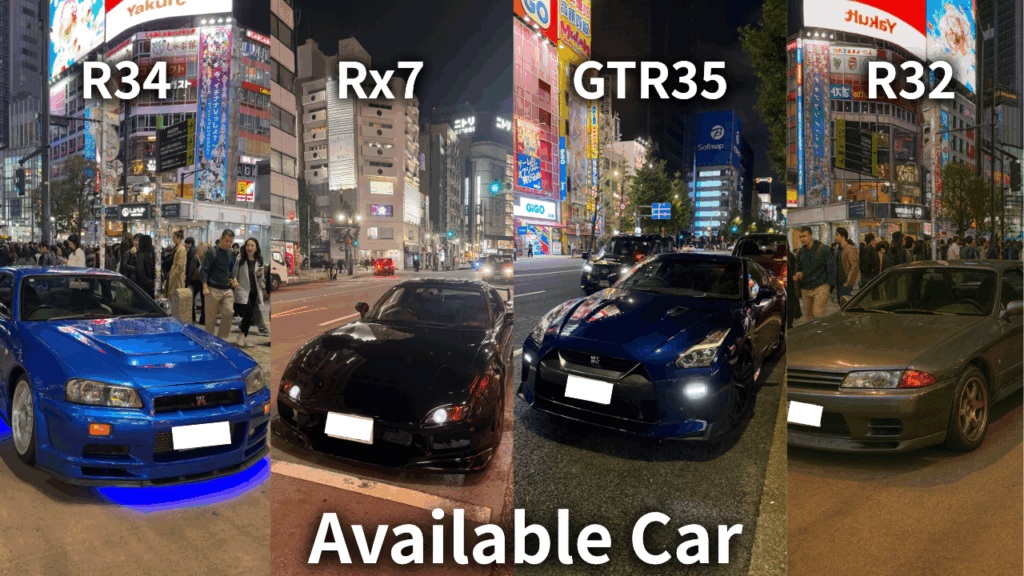
From Daikoku PA tours to JDM sports car rentals and drift experiences, we offer premium driving adventures for visitors who want more than ordinary sightseeing.
Get behind the wheel of iconic machines such as the GT-R, RX-7, and Supra, and experience Japan’s legendary car culture in the most unforgettable way. Whether you want a scenic Tokyo car experience or something more thrilling and immersive, we can guide you to the right plan.
Not sure which experience suits you best? No problem. Message us on WhatsApp and we’ll help you choose the ideal option based on your travel plans, interests, and driving experience.
Popular dates sell out quickly, so we recommend contacting us early.
Customer Reviews
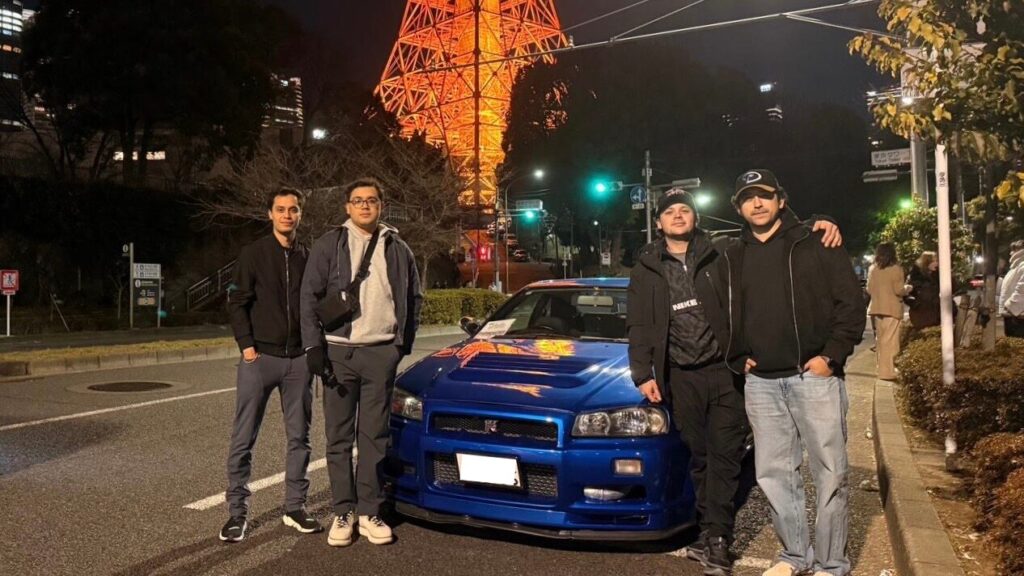
Important Information
- This is a drive tour where you drive your rental car, and our guide navigates from the seat.
- This is a self-drive tour where you drive your rental car, and our guide navigates from the passenger seat.
- The tour begins and ends at the same location (Shibuya).
- If the Daikoku Parking Area is closed, we will instead guide you to another car meet further away.
- The consultant is a cultural expert and navigator, not a taxi service.