Why Hakone Should Be on Every Japan Traveler's List
Hakone is one of the most beloved destinations near Tokyo, offering a rare combination of volcanic hot springs, world-class art museums, ancient shrines, and breathtaking views of Mt. Fuji. Located in the mountainous southwestern corner of Kanagawa Prefecture, this resort town has drawn travelers for centuries — from feudal lords traversing the old Tokaido highway to modern-day tourists seeking a rejuvenating escape from the Tokyo metropolis.
Whether you are planning a day trip or a multi-night stay, Hakone rewards visitors with experiences that shift dramatically from season to season. In spring, cherry blossoms frame Lake Ashi. In autumn, the mountains blaze with crimson and gold foliage. Even in winter, the region's steaming onsen towns and crisp views of snow-capped Fuji make it a compelling destination year-round.
Where Exactly Is Hakone?
Hakone sits within the larger Fuji-Hakone-Izu National Park, approximately 80 kilometers southwest of central Tokyo. The town occupies the caldera of an ancient volcano, and its geography is defined by steep forested ridges, sulfurous valleys, and the serene waters of Lake Ashi (Ashinoko). The elevation varies from roughly 100 meters at the base near Hakone-Yumoto to over 1,400 meters at the summit of Kamiyama, the highest peak in the caldera.
Because of this dramatic topography, Hakone is not a single compact town but rather a collection of distinct areas — Hakone-Yumoto at the entrance, Miyanoshita and Gora in the mid-slopes, Owakudani on the volcanic plateau, and the lakeside districts of Togendai, Moto-Hakone, and Hakone-machi.
How to Get to Hakone from Tokyo
By Train (Romancecar)
The most popular method is the Odakyu Romancecar, a limited express train that runs directly from Shinjuku Station to Hakone-Yumoto in about 85 minutes. Reserved seats offer large windows and comfortable legroom, and the journey itself is scenic as it passes through the foothills of western Kanagawa. A one-way ticket costs around ¥2,330 (2026 pricing).
By Shinkansen
Travelers with a Japan Rail Pass can take the Tokaido Shinkansen from Tokyo Station to Odawara (about 35 minutes on the Kodama or Hikari), then transfer to the Hakone Tozan Railway for the final 15-minute leg to Hakone-Yumoto. This route is faster but typically more expensive without a rail pass.
By Car
Driving from Tokyo to Hakone takes roughly 90 minutes via the Tomei Expressway and the Odawara-Atsugi Road, though travel times vary with traffic. The route passes through rolling countryside before climbing into the mountains. Driving offers the most flexibility, allowing you to explore remote corners of the caldera, stop at scenic overlooks, and combine Hakone with side trips to nearby destinations like Atami or the Izu Peninsula.
-

-
Rent a Car Tokyo to Hakone Onsen: Complete Driving Guide for Visitors
Why Drive from Tokyo to Hakone Onsen? Renting a car gives you door‑to‑door access to hot spring town ...
続きを見る
箱根のおすすめ観光スポット
1. Soak in an Onsen (Hot Spring)
Hakone's identity is inseparable from its hot springs. The area contains seventeen distinct onsen sources, each with different mineral properties. Hakone-Yumoto alone has dozens of ryokan and public bathhouses, some offering day-use baths for visitors not staying overnight. Popular choices include Tenzan Tohji-kyo and Hakone Yuryo, both of which feature outdoor baths set among forested hillsides. For a luxury experience, the Gora Kadan and Hakone Ginyu ryokan are among the most celebrated in all of Japan.
2. Cruise Lake Ashi
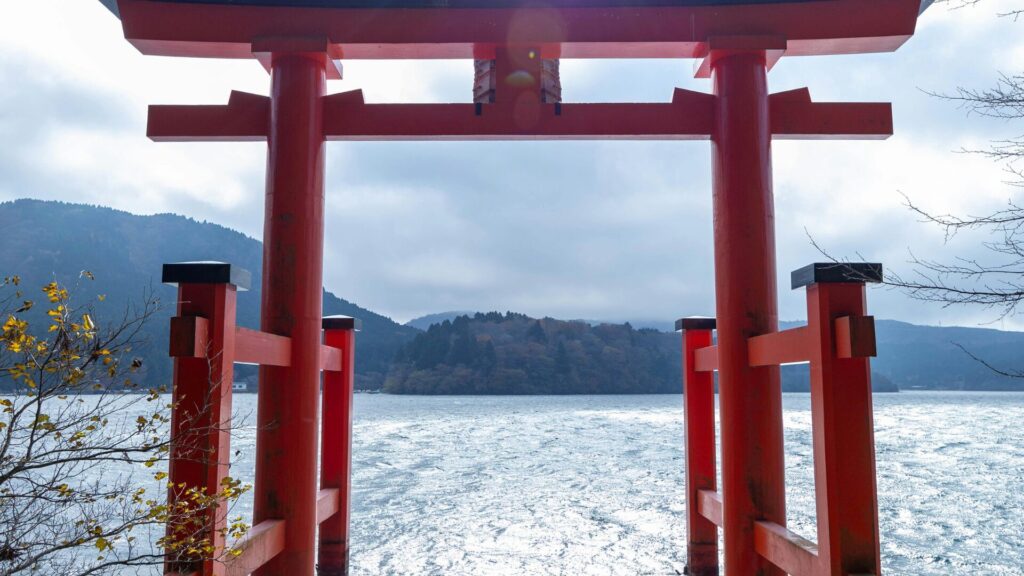
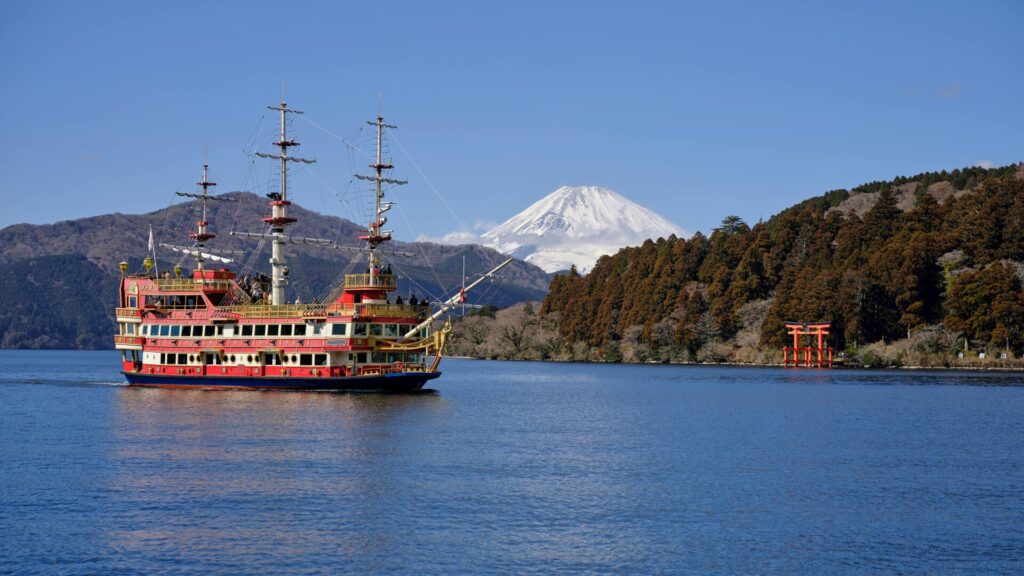
Lake Ashi is a crater lake formed roughly 3,000 years ago by a volcanic eruption. The Hakone Sightseeing Cruise operates replica pirate ships across the lake, connecting Togendai, Hakone-machi, and Moto-Hakone. On clear days, the view of Mt. Fuji rising behind the lake's torii gate (the famous "floating" gate of Hakone Shrine) is one of the most iconic images in Japan.
3. Visit Owakudani Volcanic Valley
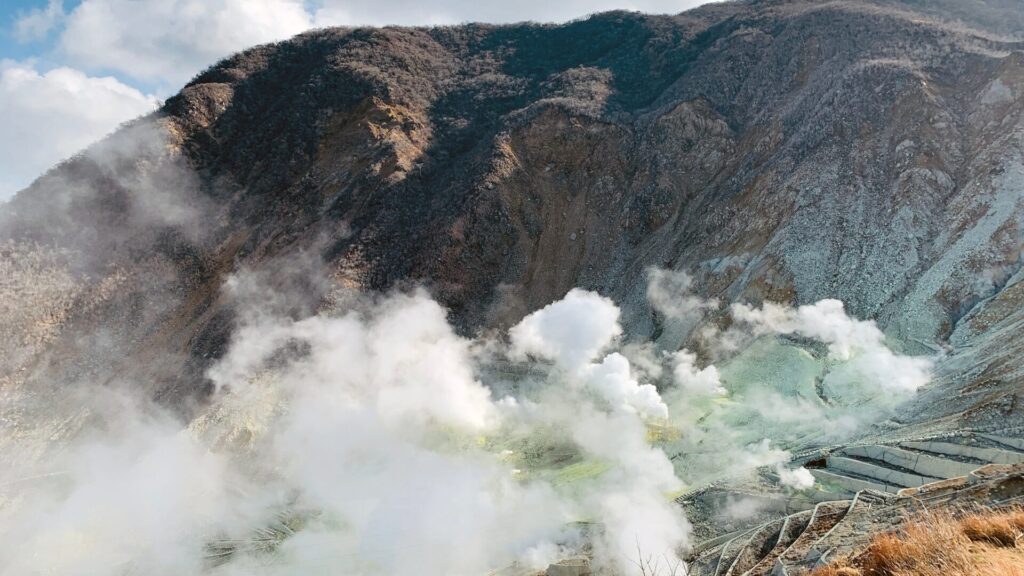
Owakudani, meaning "Great Boiling Valley," is an active volcanic zone where sulfurous steam vents and bubbling pools create an otherworldly landscape. Visitors reach Owakudani by the Hakone Ropeway, a gondola ride that offers panoramic views across the caldera. At the top, the must-try local specialty is kuro-tamago (black eggs), boiled in the sulfuric hot springs. Legend claims that eating one adds seven years to your life.
4. Explore the Hakone Open-Air Museum
Opened in 1969, the Hakone Open-Air Museum (Chokoku no Mori) was Japan's first outdoor art museum. Set across a hillside garden with mountain views, it displays over 100 sculptures by artists including Henry Moore, Auguste Rodin, and Isamu Noguchi. The museum also houses a dedicated Picasso Collection pavilion containing more than 300 works. It is easily one of the best art experiences in the Kanto region.
5. Walk Through the Cedar Avenue of the Old Tokaido
During the Edo period (1603–1868), the Tokaido road connected Edo (Tokyo) with Kyoto. A preserved section of the original road near Moto-Hakone is lined with centuries-old cryptomeria cedar trees, some over 350 years old. Walking this atmospheric path offers a tangible connection to Japan's feudal past.
6. Hakone Shrine
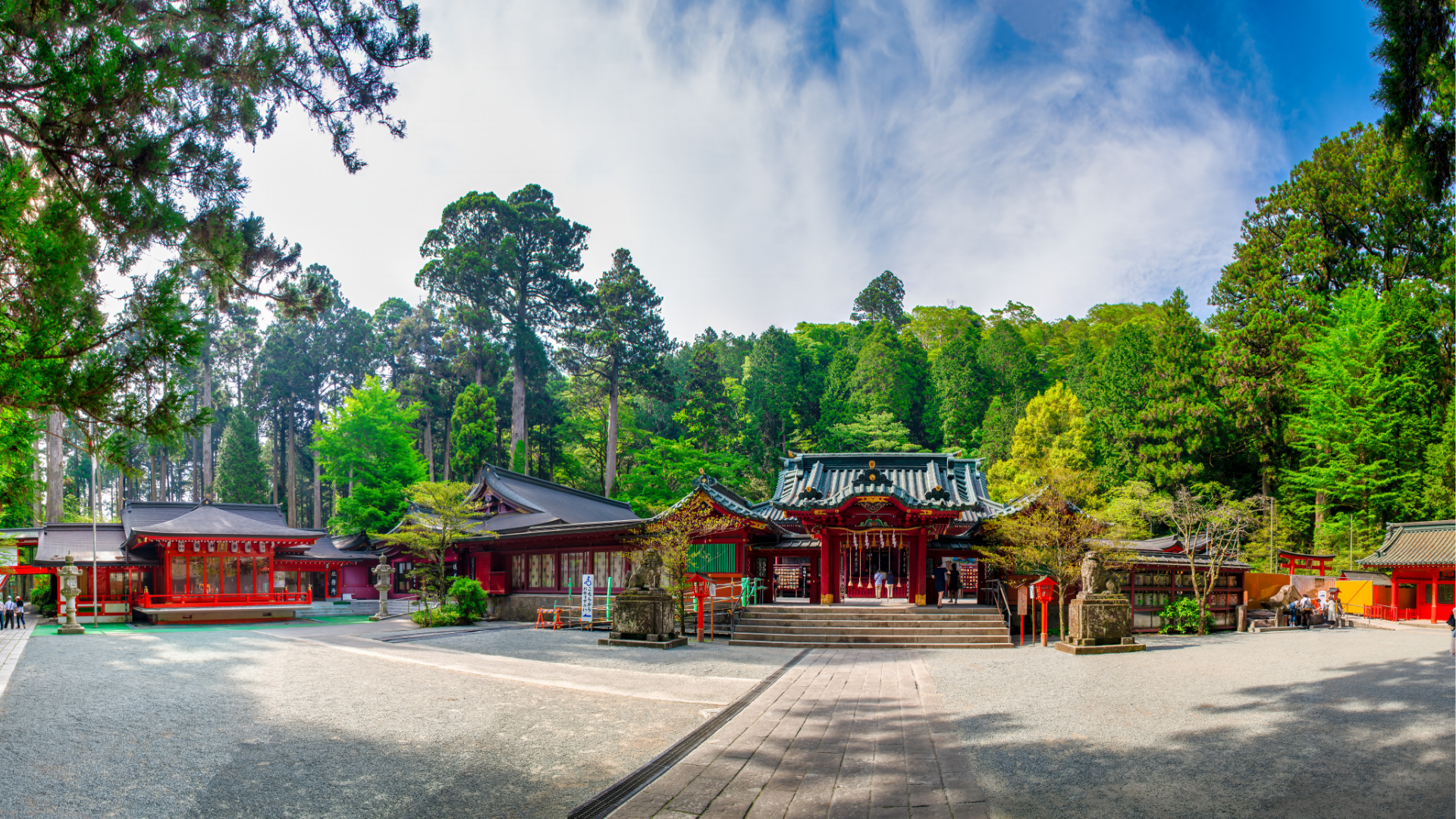
Hakone Shrine (Hakone Jinja) is one of the most photographed shrines in Japan, thanks to its vermilion torii gate standing at the edge of Lake Ashi. Founded in 757 AD, the shrine is nestled within a dense forest of ancient cedars and is dedicated to the deity of the mountains. Early morning visits offer the best chance for calm, uncrowded photos at the lakeside gate.
7. Ride the Hakone Tozan Railway and Switchback Train
The Hakone Tozan Railway is Japan's oldest mountain railway, climbing steeply from Hakone-Yumoto to Gora through a series of switchbacks and bridges. During the hydrangea season (mid-June to mid-July), the tracks are flanked by thousands of blooming flowers, and the train slows to let passengers enjoy the views — earning it the nickname "Hydrangea Train."
Hakone Free Pass: Is It Worth It?
The Hakone Free Pass, issued by Odakyu, is one of the best-value transportation passes for any destination near Tokyo. For ¥6,100 (two-day pass from Shinjuku, 2026 pricing), it covers the round-trip Odakyu train to Hakone-Yumoto plus unlimited rides on the Hakone Tozan Railway, cable car, ropeway, sightseeing cruise, and Hakone Tozan Bus. It also includes discounts at many museums and attractions.
For most visitors spending one or two days in Hakone, the pass pays for itself quickly. The key loop route — train from Hakone-Yumoto to Gora, cable car to Sounzan, ropeway to Togendai, boat across Lake Ashi, then bus back to Hakone-Yumoto — would cost considerably more if purchased separately.
Best Time to Visit Hakone
- Spring (March–May): Cherry blossoms typically peak in early to mid-April in Hakone, slightly later than Tokyo due to the higher elevation. The weather is mild and ideal for outdoor exploration.
- Summer (June–August): June brings the rainy season and hydrangea blooms along the Tozan Railway. July and August are warm and humid, but the mountain air remains cooler than Tokyo.
- Autumn (October–November): Widely considered the best season to visit. Fall foliage in Hakone is spectacular, with peak colors usually arriving in mid to late November. Sengokuhara Susuki Grasslands also display golden pampas grass in October.
- Winter (December–February): Visitor numbers drop, making it a peaceful time to enjoy onsen and snow-dusted views of Mt. Fuji. Some attractions may have reduced hours.
Where to Stay in Hakone
Hakone-Yumoto
The main gateway to Hakone, Hakone-Yumoto is the most accessible area with the highest concentration of ryokan and hotels. It is ideal for travelers arriving by train who want easy access to onsen without venturing deep into the mountains.
Gora
Gora sits at a higher elevation and serves as the hub for the cable car and ropeway. It has a refined atmosphere with boutique ryokan, the Hakone Art Museum, and the Gora Park botanical garden.
Lake Ashi Area (Moto-Hakone & Hakone-machi)
Staying near the lake puts you close to Hakone Shrine and the sightseeing cruise. Accommodation here tends to be quieter and offers lakeside or forest views.
Sengokuhara
A slightly off-the-beaten-path area known for the Pola Museum of Art, Lalique Museum, and the vast susuki pampas grass fields. Sengokuhara has excellent mid-range and luxury ryokan with a more secluded feel.
Hakone for Mt. Fuji Views
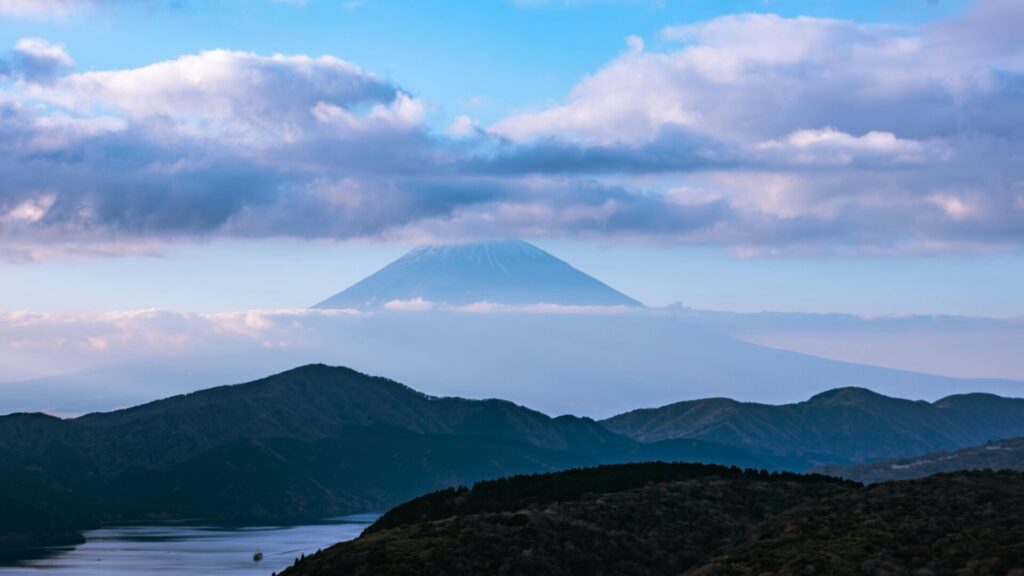
One of the primary reasons people visit Hakone is to see Mt. Fuji. The best vantage points include the Hakone Ropeway (especially the stretch between Owakudani and Togendai), the deck of the Lake Ashi sightseeing cruise, and the Hakone Turnpike viewpoint accessible by car. Clear visibility is most common in the early morning and during the cooler months from November through February. Summer haze often obscures the mountain, so managing expectations is important.
-

-
Mt Fuji: The Ultimate 2026 Guide to Japan's Iconic Mountain
Why Mt Fuji Captivates Millions of Visitors Every Year Mt Fuji — or Fujisan (富士山) as it is known in ...
続きを見る
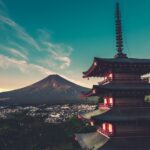
Driving in Hakone: Scenic Routes and Touge Roads
For car enthusiasts and road-trip lovers, Hakone is one of the most rewarding driving destinations near Tokyo. The Hakone Turnpike (now officially called the Anest Iwata Turnpike Hakone) is a toll road that climbs from Odawara to the ridgeline of the outer caldera, offering sweeping views of Sagami Bay and Mt. Fuji. The road is well-maintained with wide, flowing curves — a favorite among driving enthusiasts.
Route 1 (the old Tokaido route) winds through Hakone-Yumoto and up through Miyanoshita and Gora, providing a more traditional mountain-road experience. Meanwhile, the Izu Skyline and Ashinoko Skyline toll roads offer exhilarating ridgeline drives along the caldera rim, particularly stunning during autumn foliage season.
For those who appreciate Japan's touge (mountain pass) driving culture, Hakone's roads have a storied reputation. The combination of elevation changes, tight switchbacks, and dramatic scenery makes the area a natural pilgrimage site for fans of Japanese car culture.
-
-
Tokyo to Atami: The Definitive Guide for a Seamless Onsen Escape and Coastal Getaway
Why Atami Is the Perfect Tokyo Getaway Atami blends classic hot‑spring culture with a compact seasid ...
続きを見る
Hakone Day Trip vs. Overnight Stay
A day trip from Tokyo is entirely feasible and allows you to complete the classic Hakone loop (train, cable car, ropeway, cruise, bus). However, an overnight stay is highly recommended for several reasons:
- Onsen experience: Staying at a ryokan with a private onsen bath is one of the defining Japanese travel experiences, and rushing it into a day trip diminishes the enjoyment.
- Kaiseki dinner: Many ryokan serve elaborate multi-course kaiseki meals using local and seasonal ingredients — an experience you cannot replicate on a day trip.
- Morning clarity: Mt. Fuji is most visible in the early morning. Overnight guests have the best chance of witnessing the mountain at sunrise.
- Avoiding crowds: By staying overnight, you can visit popular spots like Hakone Shrine and Owakudani before the day-trip crowds arrive.
Combining Hakone with Nearby Destinations
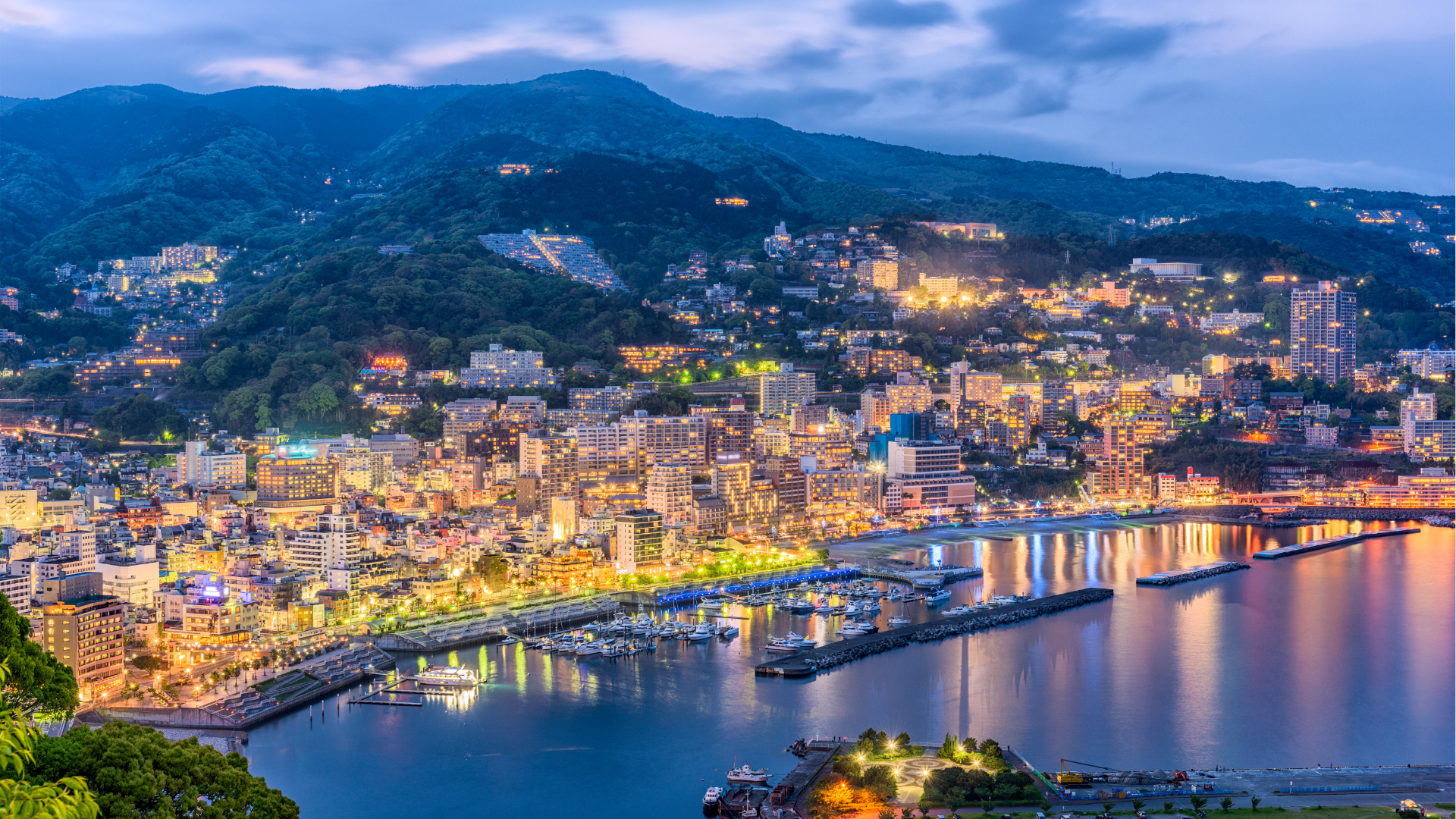
Hakone's location makes it an excellent base or waypoint for exploring the wider region. Atami, a classic seaside onsen town, is only 30 minutes away by car. The Izu Peninsula's rugged coastline and secluded hot spring villages are within easy reach to the south. Gotemba Premium Outlets, one of Japan's largest outlet malls with a dramatic Mt. Fuji backdrop, sits just 30 minutes northeast of Hakone by car. And for motorsport fans, Fuji Speedway is located less than 40 minutes from the Hakone area.
-
-
Fuji Speedway: The Complete 2026 Guide to Japan's Legendary Racing Circuit
What Is Fuji Speedway? Fuji Speedway is one of Japan's most iconic motorsport circuits, located at t ...
続きを見る

Practical Tips for Visiting Hakone in 2026
- Purchase the Hakone Free Pass: As discussed above, it simplifies logistics and saves money for most visitors.
- Check Owakudani status: Volcanic activity occasionally leads to temporary closures of the ropeway and Owakudani walking trail. Always check the official Hakone Navi website before visiting.
- Book ryokan early: Popular onsen ryokan fill up weeks in advance, especially during autumn foliage season and holiday weekends.
- Bring layers: Hakone's mountain elevation means temperatures can be 5–10°C cooler than Tokyo. Even in summer, evenings can feel chilly.
- Cash is still important: While many larger establishments accept credit cards, smaller shops, cafes, and some bus routes in Hakone may still be cash-only.
- Weekday visits are best: Hakone is extremely popular with domestic tourists. Weekday visits offer noticeably smaller crowds and better availability at restaurants and attractions.
Hakone's Place in Japanese Culture and History
Hakone's significance extends far beyond tourism. During the Edo period, the Hakone Barrier (Hakone Sekisho) served as a critical checkpoint on the Tokaido highway, controlling the movement of people and weapons between Edo and the western provinces. A faithful reconstruction of the checkpoint, complete with a small museum, stands near Hakone-machi today.
Every January, Hakone is the dramatic finale of the Hakone Ekiden, one of Japan's most-watched sporting events. University relay teams race a grueling two-day, 217-kilometer course between Tokyo and Hakone, with the mountain section through Hakone providing the most punishing and visually spectacular leg. For the Japanese public, Hakone Ekiden is as culturally significant as the Super Bowl is in the United States.
The region has also been a muse for artists, writers, and filmmakers for generations. Its misty volcanic landscapes, ancient forests, and reflective lake have appeared in countless works of Japanese art and literature, and continue to inspire visitors from around the world today.
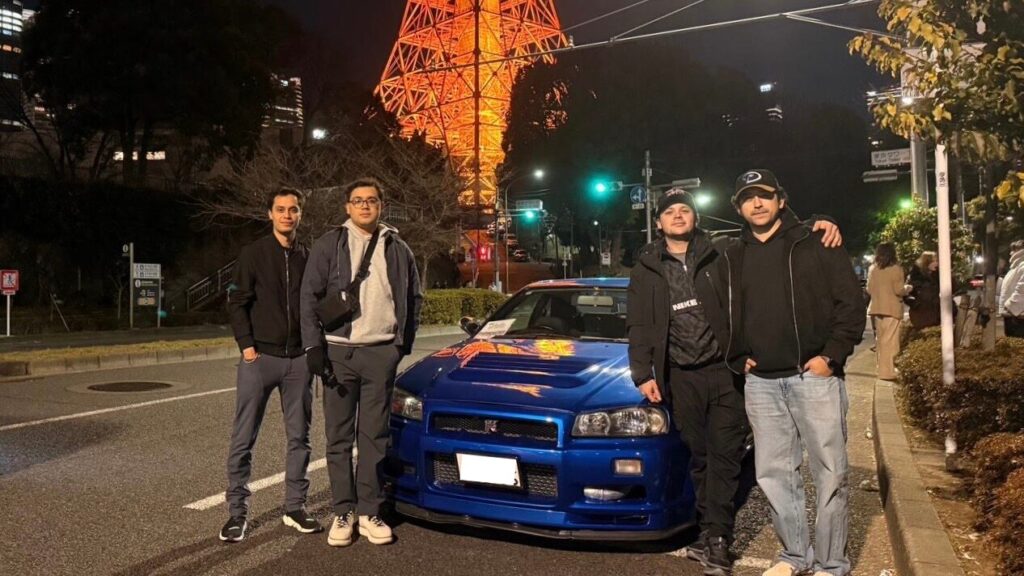
Experience Japan’s Finest JDM Adventures
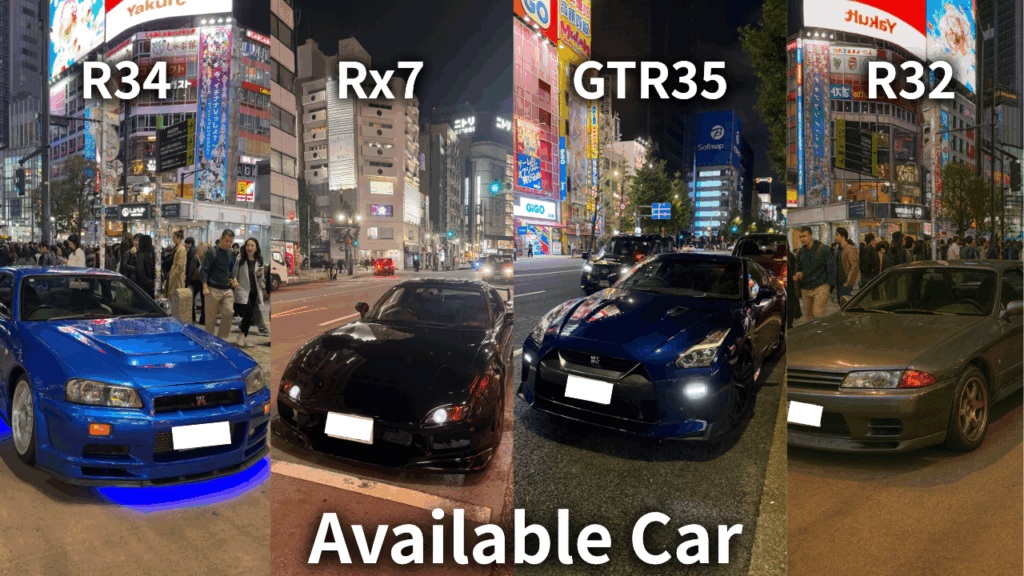
From Daikoku PA tours to JDM sports car rentals and drift experiences, we offer premium driving adventures for visitors who want more than ordinary sightseeing.
Get behind the wheel of iconic machines such as the GT-R, RX-7, and Supra, and experience Japan’s legendary car culture in the most unforgettable way. Whether you want a scenic Tokyo car experience or something more thrilling and immersive, we can guide you to the right plan.
Not sure which experience suits you best? No problem. Message us on WhatsApp and we’ll help you choose the ideal option based on your travel plans, interests, and driving experience.
Popular dates sell out quickly, so we recommend contacting us early.
Customer Reviews
Important Information
- This is a drive tour where you drive your rental car, and our guide navigates from the seat.
- This is a self-drive tour where you drive your rental car, and our guide navigates from the passenger seat.
- The tour begins and ends at the same location (Shibuya).
- If the Daikoku Parking Area is closed, we will instead guide you to another car meet further away.
- The consultant is a cultural expert and navigator, not a taxi service.
