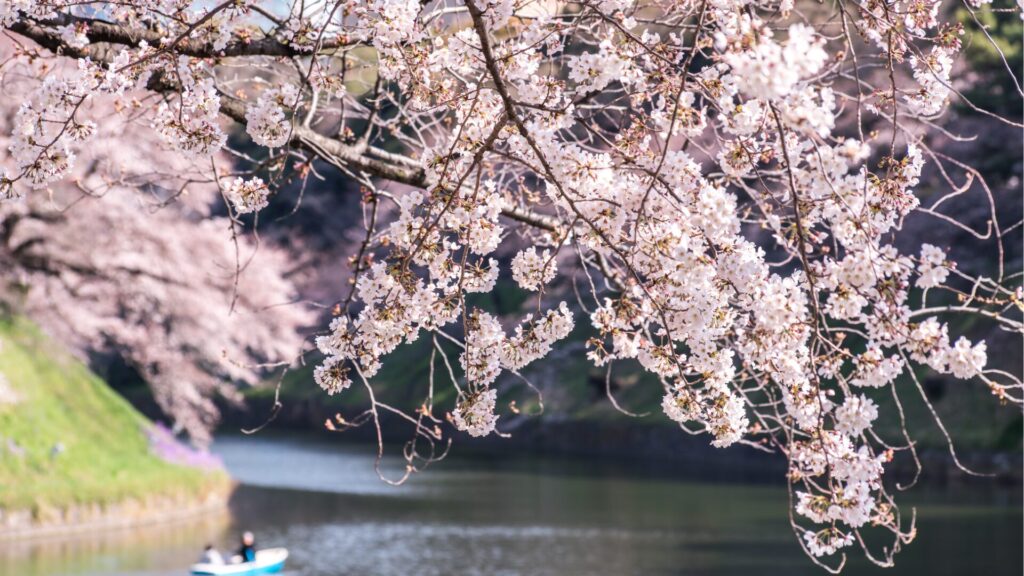
The Imperial Palace area is one of the most photogenic places to enjoy cherry blossoms in central Tokyo—wide moats lined with sakura, elegant stone walls from Edo Castle, and a skyline backdrop that feels uniquely “Tokyo.” If your trip is short and you want a high-impact hanami experience without leaving the city center, the Imperial Palace and its surrounding parks are a smart choice.
This guide focuses on the best cherry blossom viewing around the Imperial Palace (especially Chidorigafuchi), how to time your visit, and how to build an itinerary that transitions smoothly into an unforgettable night experience.
-

-
Cherry Blossom Tokyo: The Best Sakura Spots, Night Views, and a Perfect Finish at Daikoku PA
Tokyo’s cherry blossom season (sakura) is one of the most iconic travel moments in the world—parks t ...
続きを見る
Why the Imperial Palace area is a top cherry blossom spot in Tokyo
Most famous Tokyo cherry blossom locations are either big parks (with heavy crowds) or riverside walks (where the best views can be short-lived if timing is off). The Imperial Palace area is different:
- Moat-side sakura views are consistently beautiful: The water, stonework, and gentle curves of the moat create “framed” scenes that look good even with crowds.
- It’s extremely central: You can reach the area quickly from major hubs like Tokyo Station, Shinjuku, Shibuya, and Ginza.
- You can combine multiple spots on foot: Chidorigafuchi, Kitanomaru Park, the Outer Gardens, and the East Gardens can be connected into one walkable route.
- It works for both day hanami and night blossoms (yozakura): Seasonal illuminations and city lighting make this one of Tokyo’s strongest evening cherry blossom areas.
Best places to see cherry blossoms around the Imperial Palace
When people say “Imperial Palace cherry blossoms,” they are usually referring to a set of nearby locations rather than a single spot. Here are the highest-value areas to prioritize.
Chidorigafuchi Green Way
Best for: iconic moat-side views, classic photos, evening strolls
Chidorigafuchi Green Way is the signature Imperial Palace cherry blossom walk. The path runs along the moat with rows of sakura overhead, creating a soft “tunnel” feeling at peak bloom. It’s one of the most photographed hanami scenes in Tokyo because the setting is naturally cinematic: petals over water, boats drifting below, and the city in the distance.
Tips for a better experience
- Go early on weekdays if you want clean photos and more space.
- Walk the full stretch rather than stopping at the first crowded viewpoint—some of the best angles are a few minutes farther.
- Plan for slow movement at peak bloom; it’s normal for the path to feel “festival-like” during prime hours.
Chidorigafuchi Boat Pier
Best for: moat-level blossom views, unique photos, “only in Tokyo” experience
If you want a signature Imperial Palace cherry blossom moment, renting a rowboat is hard to beat. Being on the water changes the perspective completely: you’re looking up into the blossoms, and petals often drift onto the surface of the moat.
What to know before you go
- Expect lines during peak bloom.
- Hours and ticketing can change year to year during festival periods; check the official event site for the latest information.
- If you have limited time, treat boating as a “bonus” rather than a must—Chidorigafuchi is still spectacular on foot.
Imperial Palace East Gardens (Edo Castle ruins)
Best for: a calmer walk, history + seasonal nature, structured sightseeing
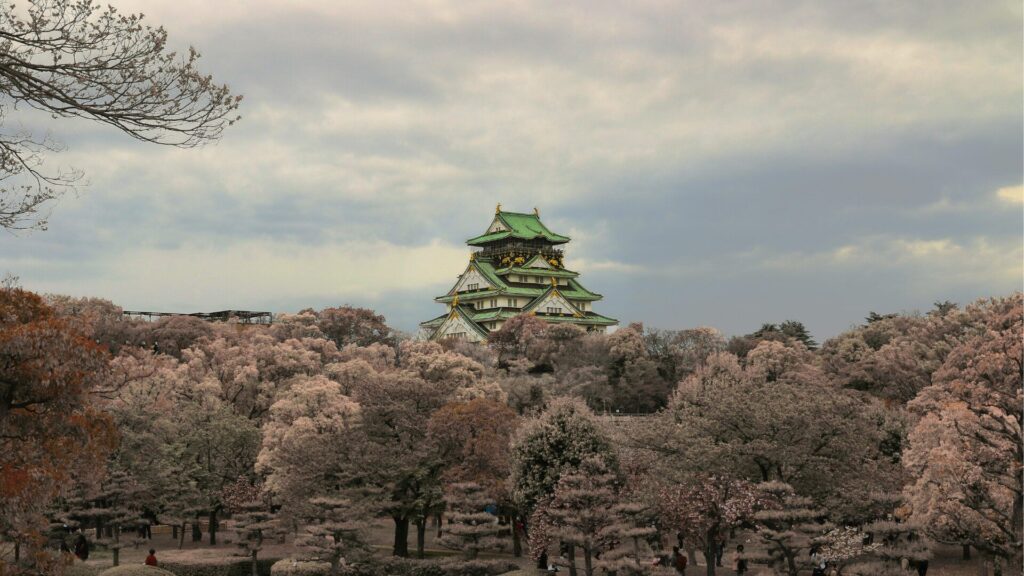
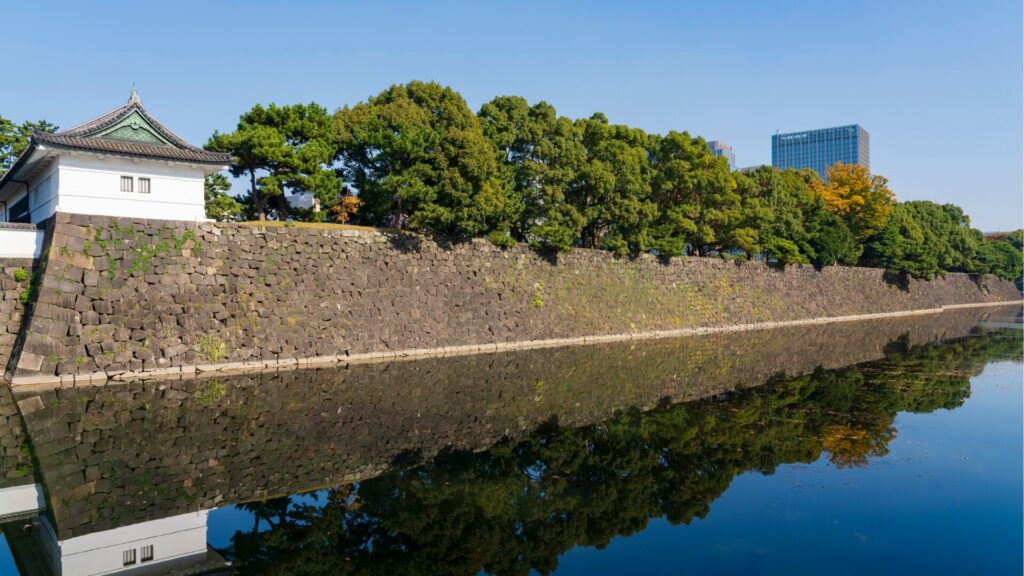
The Imperial Palace East Gardens are built on the former Edo Castle grounds and offer a different type of cherry blossom experience: less “festival energy,” more “historic garden walk.” You’ll see stone walls, gates, moats, and seasonal flowers, with cherry trees appearing in pockets across the garden.
Important access notes
- The East Gardens are free to enter, but they have set opening hours and are closed on specific days (commonly Mondays and Fridays, plus certain dates and special occasions).
- Entry typically stops before closing time (last admission is not at the exact closing time).
If your visit is tightly scheduled, check the official operating calendar before building your route.
Kokyo Gaien (Imperial Palace Outer Gardens)
Best for: wide-open scenery, iconic “Tokyo” atmosphere, quick stops near Tokyo Station
The Outer Gardens area is ideal if you want a short, high-efficiency walk close to Tokyo Station and Marunouchi. While it’s not the most blossom-dense location compared to Chidorigafuchi, it’s valuable for:
- A grand sense of space in the center of the city
- Photogenic angles that blend nature, stonework, and skyline
- Easy pairing with Tokyo Station photos, cafés, and shopping
Kitanomaru Park
Best for: quieter cherry blossoms, a relaxed extension of the Chidorigafuchi walk
Kitanomaru Park sits just north of the Imperial Palace and connects naturally from the Chidorigafuchi area. If Chidorigafuchi feels too crowded, this is often where the experience becomes calmer—more room to breathe, fewer bottlenecks, and still plenty of seasonal atmosphere.
Best time to see Imperial Palace cherry blossoms in 2026
Tokyo’s cherry blossoms typically peak from late March to early April, but exact timing shifts every year depending on weather patterns. For 2026 planning, you should treat the Imperial Palace area like a “high-demand window” destination:
- Best odds window: late March through the first week of April
- Best day-of-week strategy: weekdays for photos and comfort, weekends for atmosphere
- Best time of day: early morning for clean images; late afternoon into evening for softer light and city mood
For forecast-based planning and date guidance, see the dedicated Tokyo cherry blossom timing page.
-
-
Tokyo Cherry Blossoms 2026: Forecast Dates, Best Hanami Spots, and a Perfect Night at Daikoku PA
Tokyo’s sakura season is short, crowded, and absolutely worth planning around—especially in 2026, wh ...
続きを見る
How to access the Imperial Palace cherry blossom spots
The Imperial Palace area is extremely accessible by Tokyo standards. The key is choosing the right station for the exact spot you want.
Best stations for Chidorigafuchi
- Kudanshita Station: one of the most convenient starts for the Chidorigafuchi Green Way
- Hanzomon Station: another strong option, often useful depending on your route direction
From either station, the walk is straightforward and well-signposted during peak season.
Best stations for the East Gardens and Outer Gardens
- Tokyo Station: ideal for pairing blossoms with Marunouchi, Ginza-adjacent dining, and a very efficient central itinerary
- Otemachi Station: a convenient alternative depending on your hotel and subway lines
Walkable “best-of” route (simple and effective)
If you want a clean route without backtracking:
- Start at Kudanshita Station
- Walk Chidorigafuchi Green Way
- Optionally rowboat at Chidorigafuchi Boat Pier (time permitting)
- Continue into Kitanomaru Park
- Finish near Tokyo Station / Otemachi for food and an easy next move
This route works because it naturally transitions from the most iconic views to calmer walking areas and ends near a major transit hub.
Night cherry blossoms near the Imperial Palace
If you want “Tokyo cinematic spring,” this is where the Imperial Palace area shines. Chidorigafuchi is widely known for its evening atmosphere in cherry blossom season, and the combination of city lighting and blossoms creates photos that look distinctly different from daytime hanami.
Practical tips for night viewing
- Bring a light jacket—spring evenings can feel colder than expected.
- Expect higher crowd density around peak illumination hours.
- For photos, use night mode or a stable grip/tripod; low light will blur handheld shots.
If you are planning to time your trip around festivals and seasonal events, use the festival overview for the latest event framing and what to expect.
-
-
Tokyo Japan Cherry Blossom Festival: 2026 Dates, Best Events, and a Daikoku PA JDM Night
If you searched for a Tokyo Japan cherry blossom festival, you’re probably trying to do two things a ...
続きを見る
Hanami etiquette and what to bring
The Imperial Palace area is not a “picnic lawn” type of hanami destination like some parks. It’s more of a walking and viewing experience, so your prep should match.
What to bring
- Comfortable walking shoes (you will stand and walk more than you expect)
- Portable charger (photos and maps drain batteries fast)
- Small trash bag (Tokyo etiquette assumes you carry your waste until you find proper disposal)
- Water and a light snack (queues and slow movement can make quick stops valuable)
Etiquette that matters here
- Keep moving in bottleneck areas—do not block narrow paths for long photoshoots.
- Don’t shake branches for petals.
- Be mindful of other visitors when using tripods or selfie sticks.
A realistic half-day itinerary for Imperial Palace cherry blossoms
If you have limited time (or you want to leave room for an evening experience), this half-day plan is efficient and high-impact.
Morning: “clean photos” route
- Arrive at Kudanshita early
- Walk Chidorigafuchi Green Way in soft morning light
- If boating is a priority, line up early and treat it as your centerpiece
Midday: reset and refuel
- Move toward Tokyo Station / Marunouchi
- Have lunch and a café break
- Return to your hotel (or a quiet base) to reset for the evening
Late afternoon: optional second blossom stop
If you want a calmer second location without committing to a full cross-city transfer, Kitanomaru Park is the easiest add-on.
Evening: transition to a Tokyo-only night
Cherry blossom season is peak Tokyo. If you want your trip to feel “more than just sightseeing,” the evening is your opportunity to add something completely different.
-

-
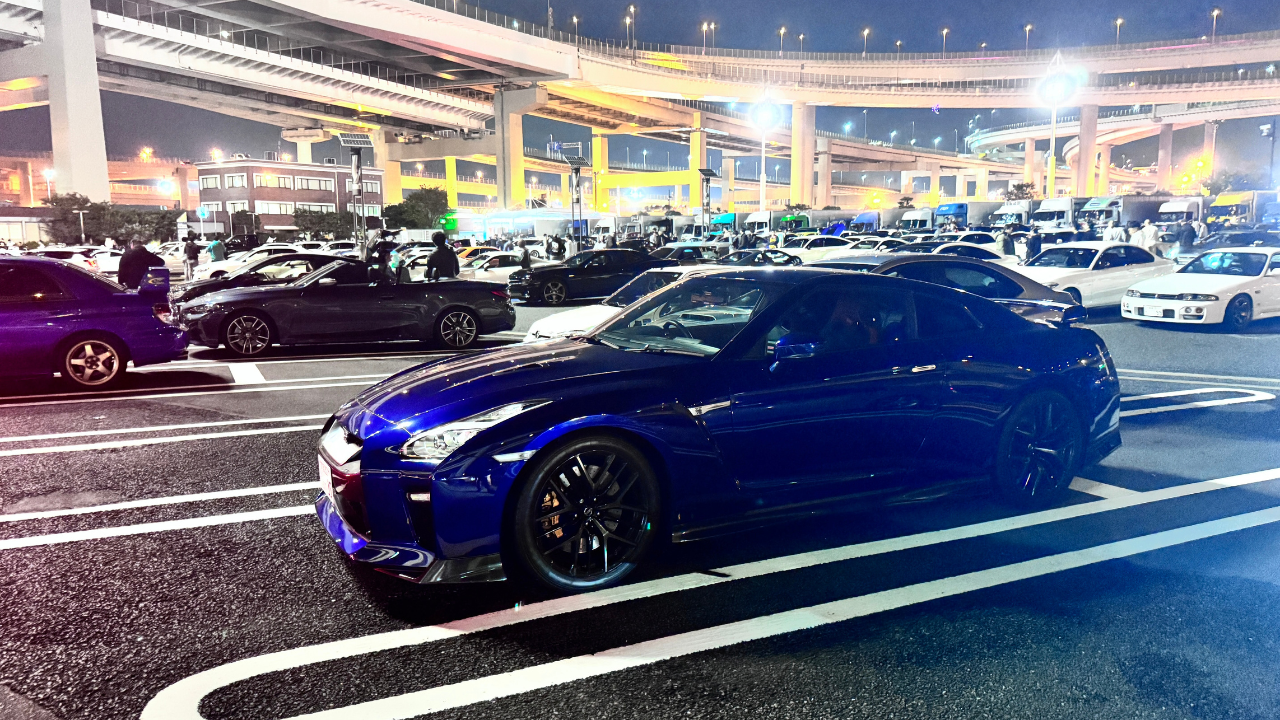
Daikoku Car Meet (Daikoku PA) Guide: How to Visit Japan’s Most Famous JDM Meet
Daikoku Parking Area (Daikoku PA) is the most iconic place in the Tokyo–Yokohama region to see Japan ...
続きを見る
Frequently asked questions
Are there cherry blossoms inside the Imperial Palace?
The inner Imperial Palace grounds are generally not open for casual entry. However, there are public-access areas around the palace—especially Chidorigafuchi and nearby parks—that deliver the most famous “Imperial Palace cherry blossoms” views.
Is the Imperial Palace East Gardens worth it during cherry blossom season?
Yes, especially if you want a calmer, more structured experience that blends history (Edo Castle ruins) with seasonal nature. Just confirm opening days and hours before you go.
What is the single best photo spot for Imperial Palace cherry blossoms?
For most travelers, it’s Chidorigafuchi Green Way—especially viewpoints where the moat curves and the blossoms hang over the water.
Can I do Imperial Palace cherry blossoms and another major experience in one day?
Yes. The Imperial Palace area is central and time-efficient, which makes it one of the easiest cherry blossom plans to pair with a second “Tokyo-only” evening activity.
If you’re going to Daikoku PA, leave it to us

Experience an unforgettable JDM tour — ride in a legendary Japanese sports car and drive from Tokyo to Daikoku Parking Area, cruising Tokyo’s iconic roads along the way. Choose from favorites like the GT-R (R35 / R34 / R32), RX-7, Supra, and more.
We offer one of the highest-quality JDM driving experiences in the industry, at a fair and reasonable price.
Want to know more details or check availability?
Message us on WhatsApp for quick replies and easy booking.
Spots often sell out, so we recommend booking early.
Duration: about 3 hours
Meeting Point: Shibuya Station
Language: Beginner-level English & Japanese
Customer Reviews
Daikoku PA Video: What It’s Really Like
Important Information
- This is a drive tour where you drive your rental car, and our guide navigates from the seat.
- This is a self-drive tour where you drive your rental car, and our guide navigates from the passenger seat.
- The tour begins and ends at the same location (Shibuya).
- If the Daikoku Parking Area is closed, we will instead guide you to another car meet further away.
- The consultant is a cultural expert and navigator, not a taxi service.
