Why Irohazaka Is One of Initial D's Most Iconic Courses
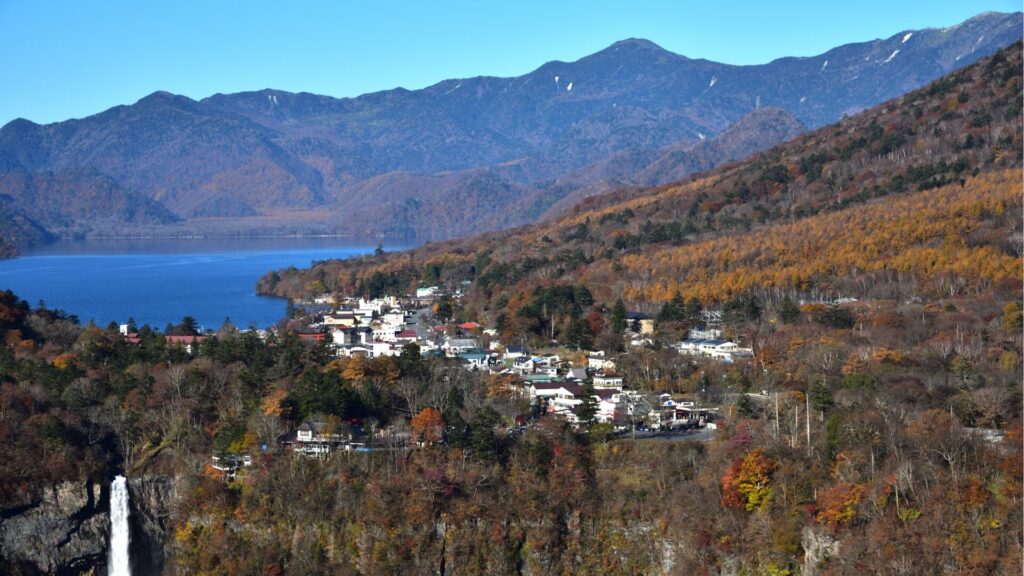
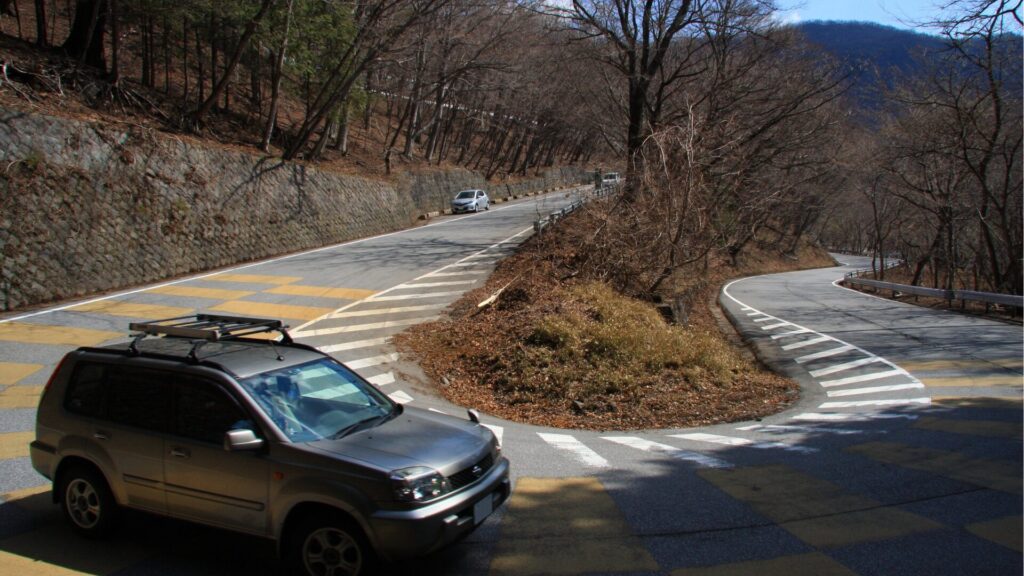
For fans of Initial D, Irohazaka needs no introduction. This legendary winding road in Tochigi Prefecture serves as the home course of one of the anime's most formidable teams and features some of the most dramatic racing scenes in the entire series. Unlike the tight mountain passes of Akina (Mount Haruna) or the high-speed sweepers of Akagi, Irohazaka presents a completely unique challenge — a one-way road system packed with an almost absurd number of hairpin turns stacked on top of each other in rapid succession.
What makes Irohazaka so compelling within the Initial D universe is how faithfully it mirrors the real location. The actual Irohazaka comprises two separate roads — the First Irohazaka (downhill only) and the Second Irohazaka (uphill only) — and the anime captures the essence of this layout with remarkable accuracy. For JDM enthusiasts and anime pilgrims alike, visiting the real Irohazaka is a bucket-list experience that bridges the gap between fiction and reality.
-

-
Irohazaka Winding Road: Japan's Most Legendary Touge Drive in Nikko
What Is the Irohazaka Winding Road? The Irohazaka winding road is one of the most iconic mountain passes in all of Japan, located in the Nikko National Park area of Tochigi Prefecture. Consisting of two separate one-way roads — the first Irohazaka (downhill) and the second Irohazaka (uphill) — this legendary route features a combined total of 48 hairpin turns, each named after a character from the classical Japanese Iroha poem. The pass connects the town of Nikko at roughly 600 meters elevation to the shores of Lake Chuzenji at approximately 1,270 meters, climbing over 600 meters in a dramatic ...
続きを見る
Irohazaka's Role in Initial D: The Purple Shadow Arc
Irohazaka appears in the later stages of the Initial D series, specifically during Project D's expedition through the Tochigi area. The course is the home turf of "Purple Shadow," a two-man team consisting of Gō Hōjō and Rin Hōjō. These characters are portrayed as exceptionally skilled drivers who have mastered the unique characteristics of Irohazaka's hairpin-heavy layout.
The Battle Setup
The Irohazaka battles are significant because they represent some of the most technically demanding races in the entire series. Project D must split its efforts — Keisuke Takahashi in his FD3S RX-7 tackles one course while Takumi Fujiwara in his AE86 handles the other. The one-way nature of the real Irohazaka roads is woven into the plot, with separate downhill and uphill battles taking place on different sections of the mountain.
Why the Course Is So Feared in the Anime
In the Initial D storyline, Irohazaka is described as a course that rewards precision and memorization above all else. The consecutive hairpin turns — 48 in total across both roads in reality — leave almost no room for error. Drivers must have every turn committed to muscle memory because the relentless switchbacks offer no recovery zone. The anime portrays this perfectly, showing drivers pushing their JDM machines to the absolute limit through corner after corner with barely a straight section to catch their breath.
How the Real Irohazaka Compares to the Anime
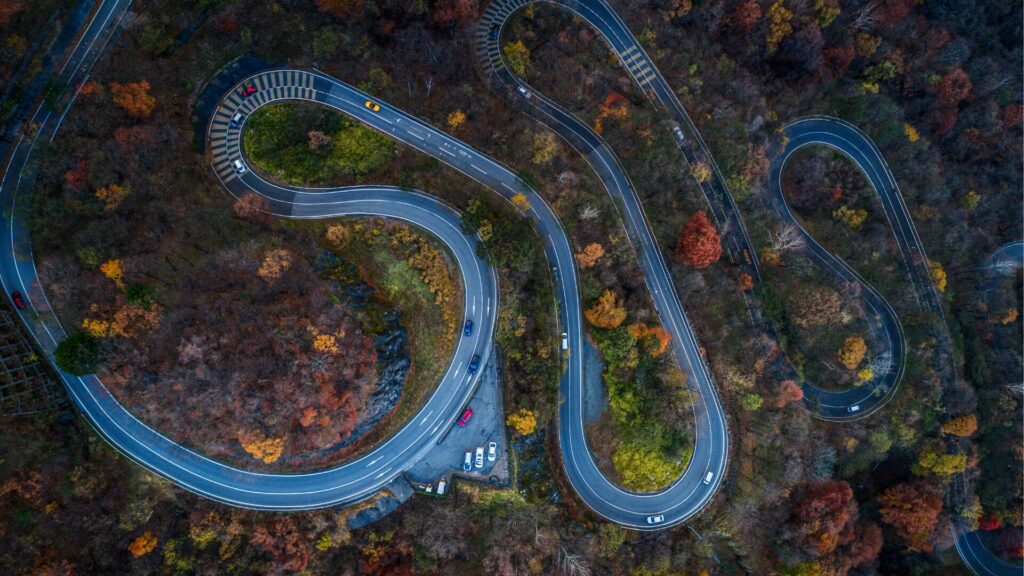
One of the most rewarding aspects of visiting Irohazaka as an Initial D fan is discovering just how accurately the anime represents the real road. The animators clearly studied the actual course in detail, and many of the corners, guardrails, and scenic vistas depicted in the show are instantly recognizable when you drive the real route.
The 48 Hairpin Turns
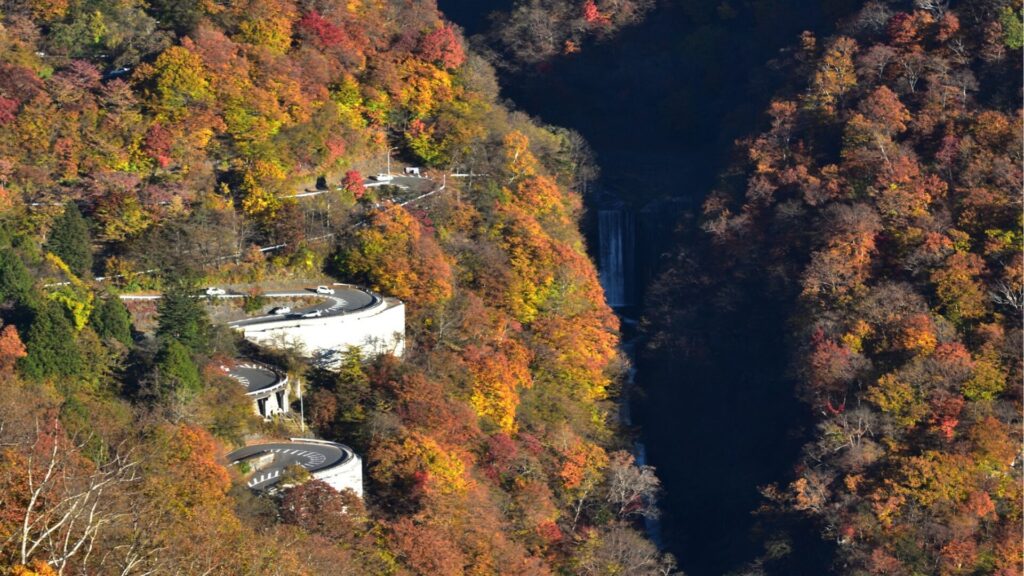
The name "Irohazaka" itself is derived from the 48 characters of the classical Japanese iroha poem, and each hairpin turn on the original road was named after one of these characters. The First Irohazaka (built in 1954) has 28 turns, while the Second Irohazaka (completed in 1965) has 20 turns. In Initial D, the sheer density of these hairpins is a central plot element — and driving them in person confirms that the anime did not exaggerate.
Elevation and Scenery
The real Irohazaka climbs approximately 440 meters in elevation, connecting the town of Nikkō at the base with Lake Chūzenji at the summit. The Second Irohazaka features a dramatic lookout point called the Akechidaira Plateau, which offers panoramic views of the Kegon Falls and the surrounding mountains. In the anime, these scenic backdrops appear during establishing shots before and after the races, adding atmosphere to the Purple Shadow battles.
Road Surface and Width
Unlike some of Japan's narrower touge passes, Irohazaka is a well-maintained national route with proper lane markings and guardrails. The road surface is generally smooth asphalt, though conditions can deteriorate in winter. The anime reflects this — the battles take place on a road that looks professional and maintained, quite different from the rougher, narrower mountain roads seen in earlier Initial D arcs.
-
-
Irohazaka: Japan's Most Iconic Touge Road in Nikko — Driving Guide for JDM Enthusiasts
What Is Irohazaka? Japan's Legendary Hairpin Road in Nikko Irohazaka is one of Japan's most celebrated mountain roads, located in the Nikko area of Tochigi Prefecture, approximately 150 kilometers north of Tokyo. Consisting of two separate one-way routes — the First Irohazaka (下り/downhill) and the Second Irohazaka (上り/uphill) — this winding mountain pass features a combined total of 48 hairpin turns, each famously named after a character in the classical Japanese iroha poem. The road connects the city of Nikko at the base with the elevated plateau of Oku-Nikko, home to Lake Chuzenji and Kegon Falls. For JDM car enthusiasts ...
続きを見る
The JDM Cars of the Irohazaka Battles
The Irohazaka arc in Initial D showcases some of the most beloved JDM cars in the series, and for car enthusiasts, these machines are just as much a draw as the course itself.
Gō Hōjō's Nissan Skyline GT-R (BNR34)
Gō Hōjō pilots the R34 Skyline GT-R, the final evolution of Nissan's legendary GT-R lineage before the R35 era. In the anime, his BNR34 is depicted as a formidable all-wheel-drive weapon perfectly suited to the technical demands of Irohazaka's hairpins. The car's ATTESA E-TS Pro system gives it phenomenal traction through the tight switchbacks — a tactical advantage that the anime explores in considerable depth during the race sequences.
Rin Hōjō's Nissan Skyline GT-R (BCNR33)
Rin Hōjō drives the R33 GT-R, often considered the underappreciated middle child of the Skyline GT-R family. Initial D uses this car to demonstrate that raw knowledge of a course can offset any perceived disadvantage in machinery. The R33's slightly larger dimensions compared to its siblings become a talking point in the anime as it navigates Irohazaka's tighter sections.
Takumi's AE86 and Keisuke's FD3S
Of course, the protagonists bring their iconic machines to the mountain. Takumi's Toyota AE86 Sprinter Trueno and Keisuke's Mazda RX-7 FD3S are pushed to new extremes on Irohazaka's relentless hairpins. The anime uses these battles to showcase how different driving philosophies — lightweight agility versus turbocharged power — perform on a course that punishes any lapse in concentration.
-
-
JDM Drift: The Definitive Guide for Visitors (Daikoku PA Edition)
JDM drift is more than smoking tires and counter‑steer angles—it’s a living subculture that blends engineering, aesthetics, and community. If you’re planning a car‑centric trip to Tokyo or Yokohama and want to experience Japan’s drift scene correctly (and legally), use this guide to plan a night that delivers authentic cars, epic photos, and zero hassles—centered around Daikoku Parking Area (Daikoku PA), the capital’s most famous highway car‑meet hub. What Is JDM Drift? JDM (Japan Domestic Market) drift is the Japanese-born driving style that emphasizes controlled oversteer, precision throttle modulation, and smooth transitions through a corner. It grew from mountain‑pass (touge) ...
続きを見る

Driving Irohazaka Today: What Initial D Fans Need to Know
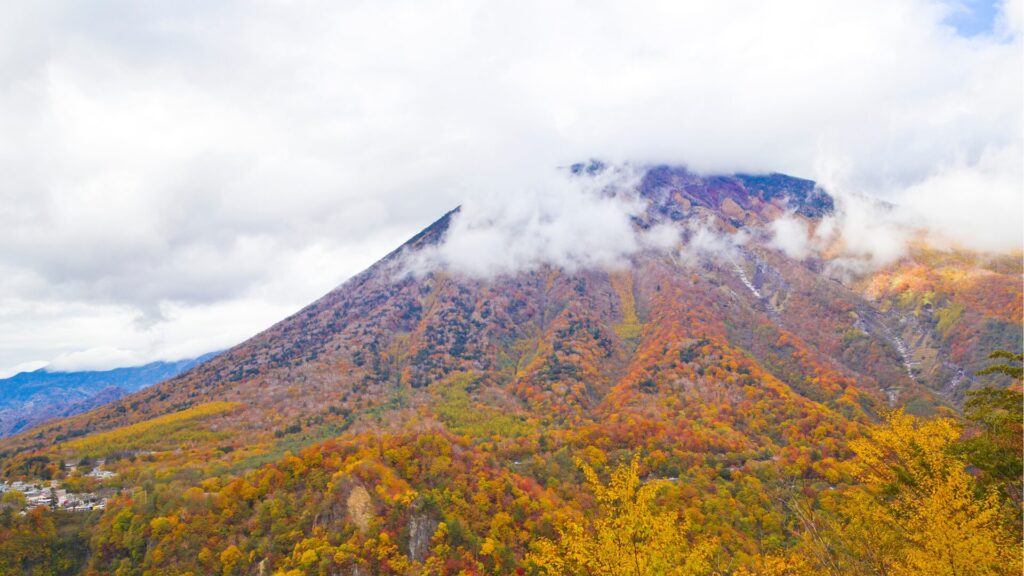
If you are planning a pilgrimage to Irohazaka inspired by Initial D, there are several practical details you should be aware of before setting out.
The One-Way System
Unlike the anime, where battles take place in both directions, the real Irohazaka operates as a strictly one-way system. The Second Irohazaka (newer road) is uphill only, heading from Nikkō toward Lake Chūzenji. The First Irohazaka (older road) is downhill only, heading from the lake back down to Nikkō. This means you cannot simply turn around and drive the same road in reverse — you must complete the full loop.
Speed Limits and Safety
Irohazaka is a public road with enforced speed limits, typically 30–40 km/h through the hairpin sections. While the temptation to channel your inner Takumi may be strong, reckless driving on these roads is both illegal and extremely dangerous. The hairpins are sharp, visibility is limited on many turns, and other vehicles — including tour buses — share the road. Enjoy the drive at a safe, legal pace and appreciate the engineering of the road itself.
Seasonal Access
Irohazaka is generally open from April through November. During winter months, the road can be closed due to snow and ice. The autumn foliage season (mid-October to early November) is the most popular time to visit, when the mountainside transforms into a stunning canvas of red, orange, and gold. However, this also means significantly more traffic, so plan accordingly.
Getting There from Tokyo
Irohazaka is located in the Nikkō area of Tochigi Prefecture, approximately 150 kilometers north of Tokyo. By car, the drive takes around 2.5 to 3 hours via the Tohoku Expressway and Nikkō-Utsunomiya Road. Having your own vehicle — or joining a guided tour — is the best way to experience the road, as public transportation options are limited and do not allow you to control your own pace through the hairpins.
-
-
Tokyo to Nikko Onsen by Car: The Complete 2025 Driving Guide for Overseas Visitors
Nikko is one of Japan’s most rewarding road trips from Tokyo—mixing UNESCO World Heritage shrines, atmospheric onsen towns like Kinugawa and Chuzenji, and spectacular mountain drives through cedar-lined roads and highland passes. This guide explains the best routes, exact travel times and costs to expect, parking and toll tips, seasonal advice, and a ready-to-use 1–2 day itinerary designed for drivers. It’s written for first-time visitors renting a car in Japan who want a smooth, efficient, and deeply relaxing hot‑spring escape. Why Choose Nikko Onsen as a Self‑Drive from Tokyo World-class mix: Toshogu Shrine’s ornate architecture, Lake Chuzenji’s alpine scenery, and ...
続きを見る
Irohazaka vs. Other Initial D Locations: How It Stacks Up
Initial D features numerous real-world touge locations throughout Japan, and each one has a distinct character. Here is how Irohazaka compares to some of the other famous courses from the series.
Irohazaka vs. Mount Akagi
Mount Akagi (the real-life basis for "Akagi" in the anime) is located in Gunma Prefecture and features faster, more flowing corners compared to Irohazaka's relentless hairpins. While Akagi tests a driver's ability to carry speed through medium-radius turns, Irohazaka is almost entirely about slow-speed precision and braking points. Both mountains are within reasonable driving distance of each other, making it possible to visit both in a single road trip from Tokyo.
-
-
Mount Akagi in Initial D: The Real-Life Akagi Touge Explained
Mount Akagi and Initial D: Why This Mountain Became a Global Icon Mount Akagi — known as Akagi-yama (赤城山) in Japanese — is one of the most famous mountains in the world of JDM car culture. Thanks to the legendary manga and anime series Initial D, created by Shuichi Shigeno, Mount Akagi became synonymous with touge racing, drifting, and the raw thrill of downhill battles. For tens of millions of fans worldwide, Mount Akagi is not merely a geographic landmark in Gunma Prefecture; it is hallowed ground where the art of the touge was immortalized. In Initial D, Mount Akagi ...
続きを見る
Irohazaka vs. Mount Haruna (Akina)
Mount Haruna — depicted as "Mount Akina" in Initial D and home to Takumi Fujiwara — offers a more varied mix of corners and straights. It feels like a complete mountain road with rhythm changes, whereas Irohazaka is almost monomaniacally focused on consecutive hairpins. For fans who want to understand why different driving techniques are needed for different courses in the anime, visiting both locations is incredibly illuminating.
Why Irohazaka Stands Out
What truly sets Irohazaka apart from every other Initial D location is its sheer visual drama. The stacked switchbacks are visible from aerial viewpoints, creating one of the most photogenic road layouts in all of Japan. The combination of dense hairpins, dramatic elevation change, and the stunning backdrop of Nikkō's mountains and waterfalls makes Irohazaka arguably the most cinematic Initial D location you can visit.
Planning the Ultimate Initial D Pilgrimage from Tokyo
For JDM fans visiting Japan, an Initial D-themed road trip starting from Tokyo is one of the most rewarding experiences you can have. Irohazaka should be a centerpiece of any such itinerary, but you can combine it with other nearby attractions for a truly unforgettable trip.
Suggested Itinerary
- Day 1: Depart Tokyo, drive to Nikkō, visit the Tōshōgū Shrine, then tackle the Second Irohazaka (uphill) to reach Lake Chūzenji. Explore Kegon Falls and stay overnight at an onsen near the lake.
- Day 2: Descend via the First Irohazaka (downhill), then head west toward Gunma Prefecture. Drive Mount Akagi and Mount Haruna to complete the Initial D trifecta. Return to Tokyo in the evening.
This route covers three of the most significant Initial D locations in a single weekend trip, and every kilometer of driving offers something memorable for car enthusiasts.
Combine with Daikoku PA
Before or after your Initial D road trip, consider visiting Daikoku Parking Area — Japan's most famous JDM car meet spot — located on the Daikoku Junction of the Bayshore Route in Yokohama. It is the perfect complement to a touge pilgrimage, allowing you to see hundreds of modified JDM cars in one place and connect with the living, breathing car culture that inspired series like Initial D in the first place.
-
-
Daikoku Parking Area (Daikoku PA): The Ultimate Visitor Guide to Japan’s Legendary JDM Meet
Daikoku Parking Area—often written as Daikoku PA or Daikokufutō—is the most famous place in Japan to spot tuned cars gathering organically. It’s a real expressway parking/service area in Yokohama, not a ticketed tourist attraction and not an officially organized event. That “unofficial” nature is exactly why Daikoku feels special: the lineup is never the same twice, and the culture is authentic. At the same time, Daikoku is one of the easiest places for first-time visitors to misunderstand. It’s located inside the Shuto Expressway network and cannot be accessed from ordinary roads or on foot, which is why so many travelers ...
続きを見る
Initial D's Lasting Impact on Irohazaka's Fame
Before Initial D, Irohazaka was already well known in Japan as a scenic drive and a challenging mountain road. However, the anime elevated it to international fame among car enthusiasts. Today, JDM fans from around the world travel to Irohazaka specifically because of its appearance in the series, making it one of the most successful examples of "anime tourism" in Japan.
Local businesses in the Nikkō area have noticed this trend. While there is no official Initial D museum at Irohazaka (unlike some other locations in Gunma Prefecture), the road itself is the attraction. Walking the hairpin turns, photographing the switchbacks from above, and driving the route at your own pace creates a direct, tangible connection to the anime that no museum exhibit can replicate.
The global popularity of Initial D has also contributed to a broader appreciation of Japan's touge culture. Many visitors who come for the anime end up developing a genuine interest in Japanese automotive engineering, mountain driving techniques, and the unique car meet culture that thrives at locations like Daikoku PA. In this way, Irohazaka serves as a gateway — drawing people in with fiction and converting them into lifelong fans of Japan's real-world JDM scene.
If you're going to Daikoku PA, leave it to us

Experience an unforgettable JDM tour — ride in a legendary Japanese sports car and drive from Tokyo to Daikoku Parking Area, cruising Tokyo’s iconic roads along the way. Choose from favorites like the GT-R (R35 / R34 / R32), RX-7, Supra, and more.
We offer one of the highest-quality JDM driving experiences in the industry, at a fair and reasonable price.
Want to know more details or check availability?
Message us on WhatsApp for quick replies and easy booking.
Spots often sell out, so we recommend booking early.
Duration: about 3 hours
Meeting Point: Shibuya Station
Language: Beginner-level English & Japanese
Customer Reviews
Daikoku PA Video: What It’s Really Like
Important Information
- This is a drive tour where you drive your rental car, and our guide navigates from the seat.
- This is a self-drive tour where you drive your rental car, and our guide navigates from the passenger seat.
- The tour begins and ends at the same location (Shibuya).
- If the Daikoku Parking Area is closed, we will instead guide you to another car meet further away.
- The consultant is a cultural expert and navigator, not a taxi service.
