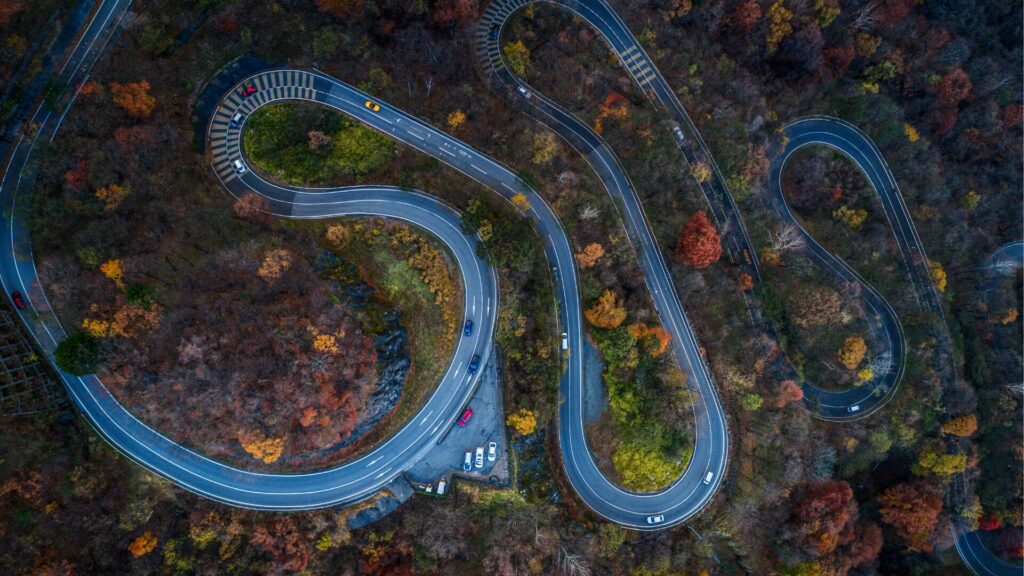
What Is Irohazaka? Japan's Legendary Hairpin Road in Nikko
Irohazaka is one of Japan's most celebrated mountain roads, located in the Nikko area of Tochigi Prefecture, approximately 150 kilometers north of Tokyo. Consisting of two separate one-way routes — the First Irohazaka (下り/downhill) and the Second Irohazaka (上り/uphill) — this winding mountain pass features a combined total of 48 hairpin turns, each famously named after a character in the classical Japanese iroha poem. The road connects the city of Nikko at the base with the elevated plateau of Oku-Nikko, home to Lake Chuzenji and Kegon Falls.
For JDM car enthusiasts and touge fans worldwide, Irohazaka is far more than a scenic highway. It is an icon of Japanese mountain driving culture, immortalized in anime, video games, and drift culture. The road's tight switchbacks, dramatic elevation changes, and breathtaking natural scenery make it a bucket-list destination for anyone passionate about driving in Japan.
The History and Design of Irohazaka's 48 Hairpin Turns
The original Irohazaka road dates back centuries as a pilgrimage route to the sacred mountains of Nikko. However, the modern paved versions were constructed in the mid-20th century to accommodate vehicle traffic. The First Irohazaka, used exclusively for downhill traffic, was completed in 1954. The Second Irohazaka, reserved for uphill traffic only, opened in 1965. This one-way separation was introduced to manage the narrow, steep terrain and improve safety for all road users.
Each of the 48 hairpin curves is marked with a signpost bearing a single character from the iroha poem, an ancient Japanese pangram that uses every character of the classical hiragana syllabary exactly once. Starting from "i" (い) at the bottom and ending at "su" (す) near the top, the characters serve as both cultural markers and practical navigation aids. This unique naming convention is one of the reasons Irohazaka has become so deeply embedded in Japanese cultural identity.
Elevation and Technical Profile
The Irohazaka roads climb from approximately 600 meters above sea level at the base in Nikko to around 1,270 meters at the Chuzenji plateau. The Second Irohazaka (uphill) stretches roughly 9.5 kilometers with steeper, tighter switchbacks, while the First Irohazaka (downhill) is about 6.5 kilometers with slightly more gradual curves. The gradient averages around 6-7%, with certain sections exceeding 9%. For drivers, this means constant gear changes, precise braking, and full engagement with the road — exactly what touge driving is all about.
Irohazaka in JDM and Touge Culture
Irohazaka holds a special place in JDM touge culture. While Mount Akina (Haruna) and Mount Akagi dominate Initial D lore, Irohazaka is revered among real-world driving enthusiasts as one of the most technical and rewarding touge roads in all of Japan. Its 48 hairpins are not the high-speed sweepers found on some mountain passes — they are tight, demanding, and require precise vehicle control.
-

-
Mt. Akagi Touge Guide: Best Time to Drive, Etiquette, and Route Overview
続きを見る

The road has appeared in numerous racing games and driving simulators, further cementing its status among international car enthusiasts. Many visitors to Japan specifically plan road trips to experience Irohazaka behind the wheel of a JDM car — an AE86, an RX-7, a Silvia, or a Nissan GT-R. The combination of the road's technical challenge and its stunning natural setting creates an experience unlike any other driving destination in the country.
Irohazaka vs. Other Famous Touge Roads
Compared to other legendary touge roads in Japan, Irohazaka stands out for several reasons:
- Number of hairpins: With 48 named turns across two routes, it far exceeds most touge roads in sheer corner density.
- One-way traffic: The separation into uphill-only and downhill-only routes means you never encounter oncoming traffic on the switchbacks, making the driving experience smoother and arguably safer.
- Scenic reward: Unlike many touge roads that simply traverse a mountain, Irohazaka leads to the spectacular Oku-Nikko plateau with Lake Chuzenji, Kegon Falls, and expansive highland scenery.
- Accessibility: Located just 2-2.5 hours from Tokyo by car, it is one of the most accessible world-class mountain roads for visitors based in the capital.
-
-
Mount Akagi (Mt. Akagi) Travel Guide: Best Views, Access, and Things to Do
続きを見る
How to Drive Irohazaka From Tokyo
Reaching Irohazaka by car from central Tokyo is straightforward. The most common route follows the Tohoku Expressway (東北自動車道) northward to the Utsunomiya IC, then transitions to the Nikko-Utsunomiya Road (日光宇都宮道路) toward Nikko. From the Nikko IC exit, you follow National Route 120 through Nikko city and upward to the base of the Second Irohazaka.
Estimated Drive Times and Tolls
- Distance from Tokyo: Approximately 140-160 km depending on your starting point.
- Drive time: Around 2 to 2.5 hours under normal traffic conditions. Weekend mornings and autumn foliage season can add significant delays.
- Expressway tolls: Expect to pay roughly ¥3,500-¥4,500 in tolls each way using the Tohoku Expressway and Nikko-Utsunomiya Road. An ETC card will reduce costs slightly.
- Irohazaka toll: The Irohazaka roads themselves are toll-free. There is no charge to drive either the First or Second Irohazaka.
Recommended Departure Time
To avoid traffic congestion — especially during the peak autumn foliage season (mid-October to early November) — departing Tokyo by 6:00 AM is strongly recommended. The Second Irohazaka can develop significant traffic queues by mid-morning on weekends and holidays, with wait times sometimes exceeding two hours during peak leaf-viewing season.
-
-
Tokyo to Nikko Onsen by Car: The Complete 2025 Driving Guide for Overseas Visitors
続きを見る
Best Seasons to Visit Irohazaka
Irohazaka is stunning year-round, but each season offers a distinctly different driving and sightseeing experience.
Autumn (October–November): The Crown Jewel Season
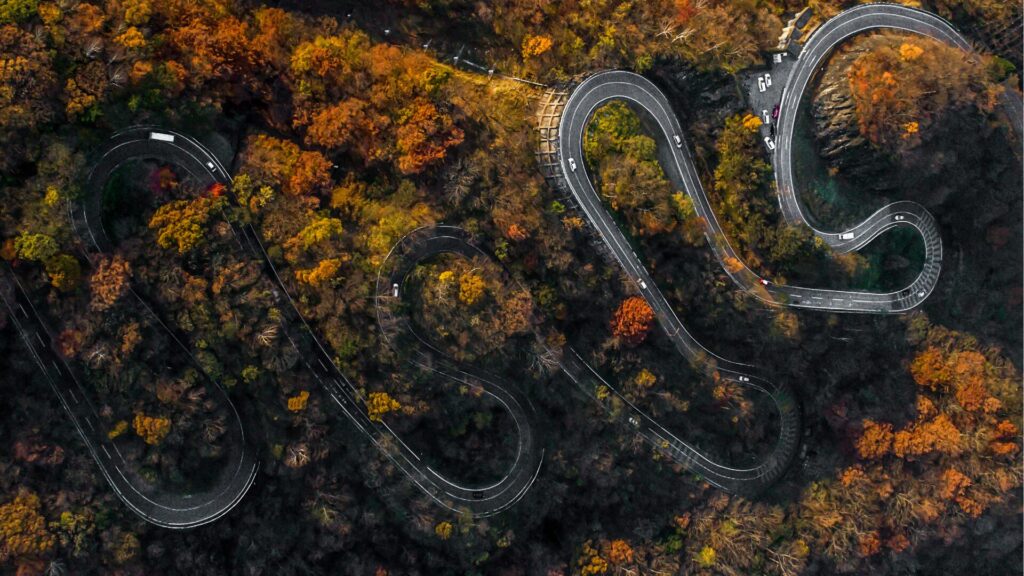
Irohazaka is arguably Japan's most famous autumn foliage driving road. As you ascend the Second Irohazaka in mid-to-late October, the mountainside erupts in brilliant shades of red, orange, and gold. The elevation change means you can experience different stages of foliage progression on a single drive. The Akechidaira Ropeway, accessible from a parking area along the uphill route, provides panoramic views of the switchbacks below draped in autumn color. This is the most popular time to visit, so expect heavy traffic and plan accordingly.
Spring and Early Summer (April–June)
Spring brings fresh greenery and a quieter atmosphere. The road typically reopens fully after winter restrictions by late April. Cherry blossoms bloom later at higher elevations, and the azaleas around Chuzenji lake are spectacular in June. Traffic is far lighter than autumn, making it an excellent season for those who want to enjoy the driving experience without congestion.
Summer (July–September)
The Oku-Nikko plateau is noticeably cooler than Tokyo in summer, making it a popular escape from the city heat. The lush green canopy over the road creates a tunnel-like driving experience. Summer weekends can be busy but rarely approach the extreme congestion of autumn.
Winter (December–March)
Irohazaka is subject to winter closures due to snow and ice. The road is typically closed from late December through mid-April, though exact dates vary by year. Winter driving is not recommended, and the road may be physically gated shut during this period. Always check road conditions with the Tochigi Prefectural road information service before planning a winter visit.
What to See and Do Around Irohazaka
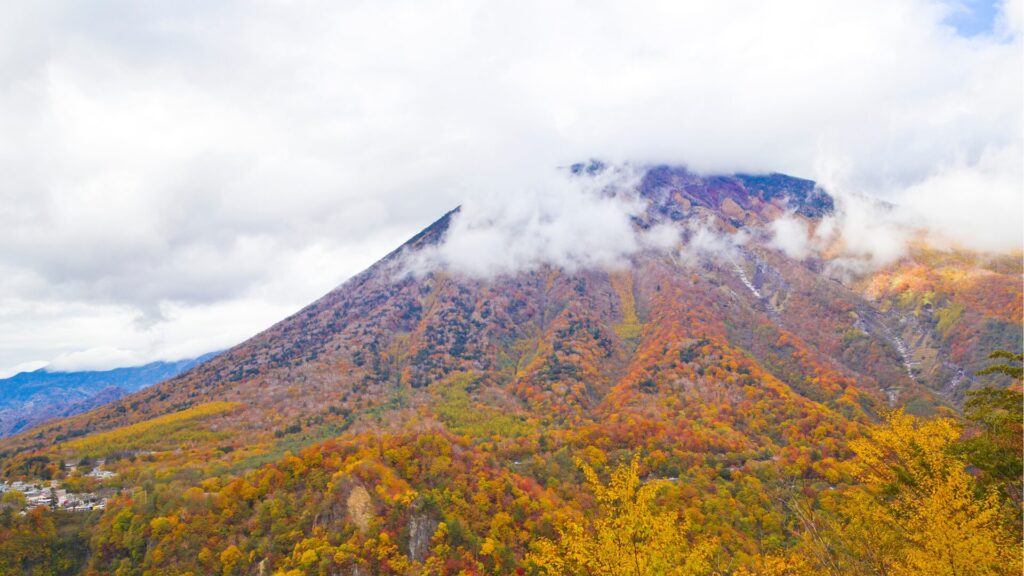
Driving Irohazaka is only part of the experience. The surrounding Nikko and Oku-Nikko areas offer a wealth of attractions that make this an ideal day trip or overnight road trip from Tokyo.
Akechidaira Plateau and Ropeway
Located partway up the Second Irohazaka, the Akechidaira parking area provides access to a ropeway that carries visitors to an observation deck. From the top, you can see the hairpin turns of Irohazaka below, Lake Chuzenji in the distance, and — on clear days — Kegon Falls. This is the single best viewpoint for photographing the road itself.
Lake Chuzenji
At the top of Irohazaka, Lake Chuzenji stretches out at 1,269 meters above sea level. Formed by an ancient eruption of Mount Nantai, the lake offers boat cruises, lakeside walks, and excellent trout fishing. The onsen town of Chuzenji Onsen sits on its eastern shore, providing hot spring relaxation after a spirited drive.
Kegon Falls
One of Japan's three most famous waterfalls, Kegon Falls drops 97 meters from the outlet of Lake Chuzenji. An elevator descends to an observation platform at the base of the falls, offering a dramatic close-up view. In winter, the frozen waterfall creates an entirely different spectacle.
Nikko Toshogu Shrine
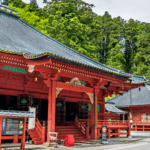
Before ascending Irohazaka, the town of Nikko is home to the UNESCO World Heritage-listed Toshogu Shrine, the ornate mausoleum of Tokugawa Ieyasu. The shrine's elaborate carvings, including the famous "see no evil, hear no evil, speak no evil" monkeys, make it one of Japan's most visited cultural sites.
Senjogahara Marshland
Beyond Lake Chuzenji, the Senjogahara plateau offers hiking trails through expansive highland marshland. The flat, well-maintained boardwalk trails are perfect for those who want to stretch their legs after a drive and experience the unique high-altitude ecosystem of Oku-Nikko.
Driving Tips for Irohazaka
Whether you are a seasoned touge enthusiast or a first-time visitor to Japan's mountain roads, the following practical tips will help you make the most of your Irohazaka experience.
- Respect the one-way system: The Second Irohazaka is uphill only; the First Irohazaka is downhill only. You cannot reverse direction once committed.
- Use engine braking on descent: The First Irohazaka's continuous downhill switchbacks will overheat your brakes if you rely on them exclusively. Downshift and use engine braking throughout the descent.
- Watch for cyclists and motorcycles: Irohazaka is popular with cyclists and touring motorcyclists, especially on weekends. Be prepared for slower-moving two-wheeled traffic on the switchbacks.
- Mind the speed: The posted speed limit is generally 30-40 km/h on the switchbacks. These are public roads with frequent tourist traffic, not a race circuit. Enjoy the driving engagement within legal limits.
- Fill up beforehand: Gas stations are available in Nikko town, but there are none on Irohazaka itself or in the immediate Oku-Nikko area. Top off before you begin the ascent.
- Carry cash: Some parking areas and toll facilities along the route may not accept credit cards. Having ¥2,000-¥3,000 in cash is advisable.
Renting a JDM Car to Drive Irohazaka
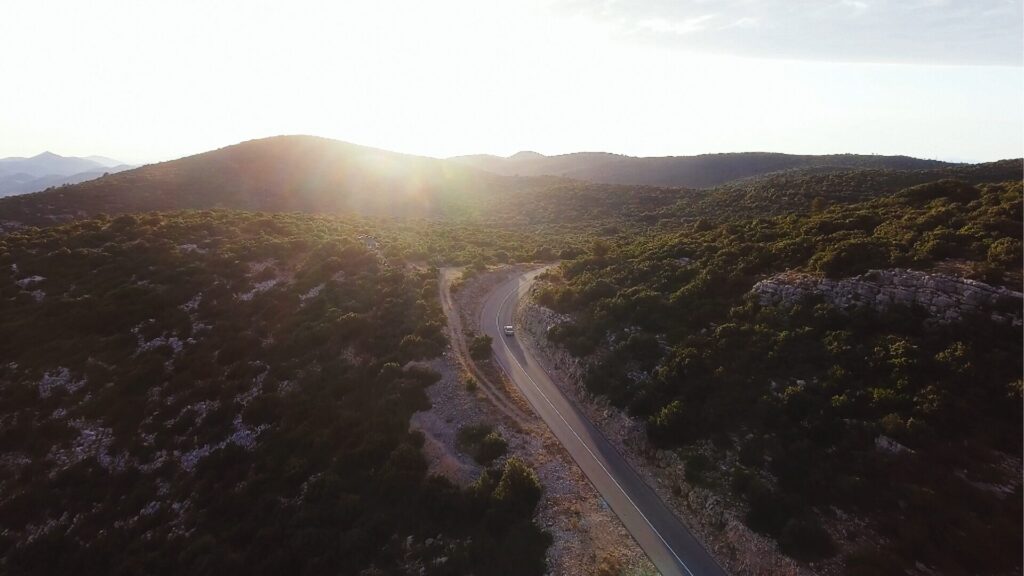
For international visitors who want the full experience, renting a JDM car in Tokyo and driving to Irohazaka is the ultimate way to enjoy this road. Imagine ascending those 48 hairpins in an RX-7, GT-R, or even a kei truck — each offers a completely different but equally memorable experience. Several rental agencies in Tokyo specialize in JDM vehicles, offering everything from classic sports cars to modern performance machines.
-
-
JDM Car Rental in Japan: The Complete Guide for Overseas Enthusiasts
続きを見る
When renting for a mountain drive like Irohazaka, consider the following:
- Transmission: A manual transmission enhances the touge experience dramatically, but automatic options are available for those without a manual license valid in Japan.
- Insurance: Ensure your rental includes comprehensive insurance. Mountain roads carry higher risk than urban driving.
- International Driving Permit: Required for most foreign nationals driving in Japan. Obtain one in your home country before departure.
- Navigation: Google Maps works well for routing to Irohazaka, but a dedicated GPS unit (usually available from rental agencies) can be helpful in areas with spotty cell reception.
Combining Irohazaka With Daikoku PA and Other JDM Spots
Many JDM enthusiasts visiting Japan want to experience both the car meet culture and the legendary driving roads. A well-planned itinerary can combine Irohazaka with other iconic spots. For example, you could spend an evening at Daikoku Parking Area in Yokohama to experience Japan's most famous car meet scene, then head north the following day for a full day on Irohazaka and in the Nikko area.
-
-
Daikoku Parking Area (Daikoku PA): The Ultimate Visitor Guide to Japan’s Legendary JDM Meet
続きを見る
Other JDM-relevant destinations that pair well with an Irohazaka road trip include Mount Akagi (another famous Initial D location, just 1.5 hours south of Nikko), Kinugawa Onsen (for a relaxing overnight stay near Nikko), and the various car museums scattered across the Kanto region. With proper planning, a 2-3 day road trip from Tokyo can cover an incredible range of JDM culture and Japanese mountain driving.
Suggested 2-Day Itinerary: Tokyo → Daikoku PA → Irohazaka
- Day 1 Evening: Depart Tokyo for Daikoku PA to experience the car meet atmosphere. Return to Tokyo or stay near Yokohama overnight.
- Day 2 Morning: Depart Tokyo early (6:00 AM) for Nikko via the Tohoku Expressway.
- Day 2 Mid-Morning: Visit Nikko Toshogu Shrine, then proceed to the base of Irohazaka.
- Day 2 Afternoon: Drive the Second Irohazaka uphill to Oku-Nikko. Visit Akechidaira Ropeway, Lake Chuzenji, and Kegon Falls.
- Day 2 Late Afternoon: Descend via the First Irohazaka. Optional stop at Kinugawa Onsen or return directly to Tokyo.
Irohazaka in Initial D, Games, and Media
While Irohazaka does not feature as a primary stage in the Initial D manga or anime series (those honors go to Mount Akina, Mount Akagi, and others), it is well-known in the broader Japanese street racing and touge subculture. The road has appeared in various racing simulation games, including entries in the Assetto Corsa modding community, where faithful recreations of its 48 hairpins allow virtual drivers to experience the road from anywhere in the world.
YouTube and social media have further amplified Irohazaka's international fame. Driving videos filmed on the road regularly attract hundreds of thousands of views, with creators highlighting both the technical challenge and the stunning scenery. For many foreign JDM fans, these videos are the first introduction to Irohazaka and a powerful motivation to visit Japan and drive the road in person.
Practical Information: Irohazaka Quick Reference

- Location: Nikko, Tochigi Prefecture, Japan
- Total hairpin turns: 48 (across both routes)
- Second Irohazaka (uphill only): ~9.5 km, 20 named hairpins
- First Irohazaka (downhill only): ~6.5 km, 28 named hairpins
- Elevation gain: ~600 m to ~1,270 m above sea level
- Toll: Free
- Winter closure: Typically late December to mid-April (check annually)
- Nearest expressway IC: Nikko IC (Nikko-Utsunomiya Road)
- Distance from Tokyo: ~150 km
- Drive time from Tokyo: 2–2.5 hours (non-peak)
If you're going to Daikoku PA, leave it to us

Experience an unforgettable JDM tour — ride in a legendary Japanese sports car and drive from Tokyo to Daikoku Parking Area, cruising Tokyo’s iconic roads along the way. Choose from favorites like the GT-R (R35 / R34 / R32), RX-7, Supra, and more.
We offer one of the highest-quality JDM driving experiences in the industry, at a fair and reasonable price.
Want to know more details or check availability?
Message us on WhatsApp for quick replies and easy booking.
Spots often sell out, so we recommend booking early.
Duration: about 3 hours
Meeting Point: Shibuya Station
Language: Beginner-level English & Japanese
Customer Reviews
Daikoku PA Video: What It’s Really Like
Important Information
- This is a drive tour where you drive your rental car, and our guide navigates from the seat.
- This is a self-drive tour where you drive your rental car, and our guide navigates from the passenger seat.
- The tour begins and ends at the same location (Shibuya).
- If the Daikoku Parking Area is closed, we will instead guide you to another car meet further away.
- The consultant is a cultural expert and navigator, not a taxi service.
