
What Is the Japan Car Meet Underground Scene?
The underground car meet scene in Japan refers to the informal, self-organized gatherings of automotive enthusiasts that operate outside any official structure or public promotion. These events are not listed on event calendars, have no paid entry, and are rarely announced through mainstream channels. They exist as an organic extension of Japanese car culture — a culture that has developed steadily since the 1970s and continues to thrive in 2026.
Unlike sanctioned motorsport events or commercial car shows, Japan's underground car meets are driven by community. Participants show up because of word-of-mouth, encrypted group chats, private Instagram accounts, and trusted contacts within local car clubs. The term "underground" does not imply illegal activity in most cases — rather, it describes the deliberately low-profile, community-internal nature of these gatherings.
Why Does an Underground Car Meet Culture Exist in Japan?
Japanese car culture developed its underground identity largely as a response to stricter road regulations introduced in the 1990s and 2000s. Street racing laws, increased police presence on major highways, and public complaints about noise and congestion pushed enthusiasts to operate more discreetly. What emerged was not a diminished scene — but a more tightly knit, self-regulating one.
Several factors sustain the underground character of these meets in 2026:
- Noise regulations: Late-night gatherings must remain low-key to avoid complaints from nearby residents or highway authorities.
- Police enforcement: Any perception of illegal racing, reckless driving, or obstruction can lead to a location being shut down entirely.
- Community gatekeeping: Regulars protect their spaces by keeping information within trusted circles.
- Media sensitivity: Public exposure — especially via international social media — has historically resulted in crackdowns on specific venues.
Key Locations in Japan's Underground Car Meet Scene
Daikoku Parking Area, Yokohama
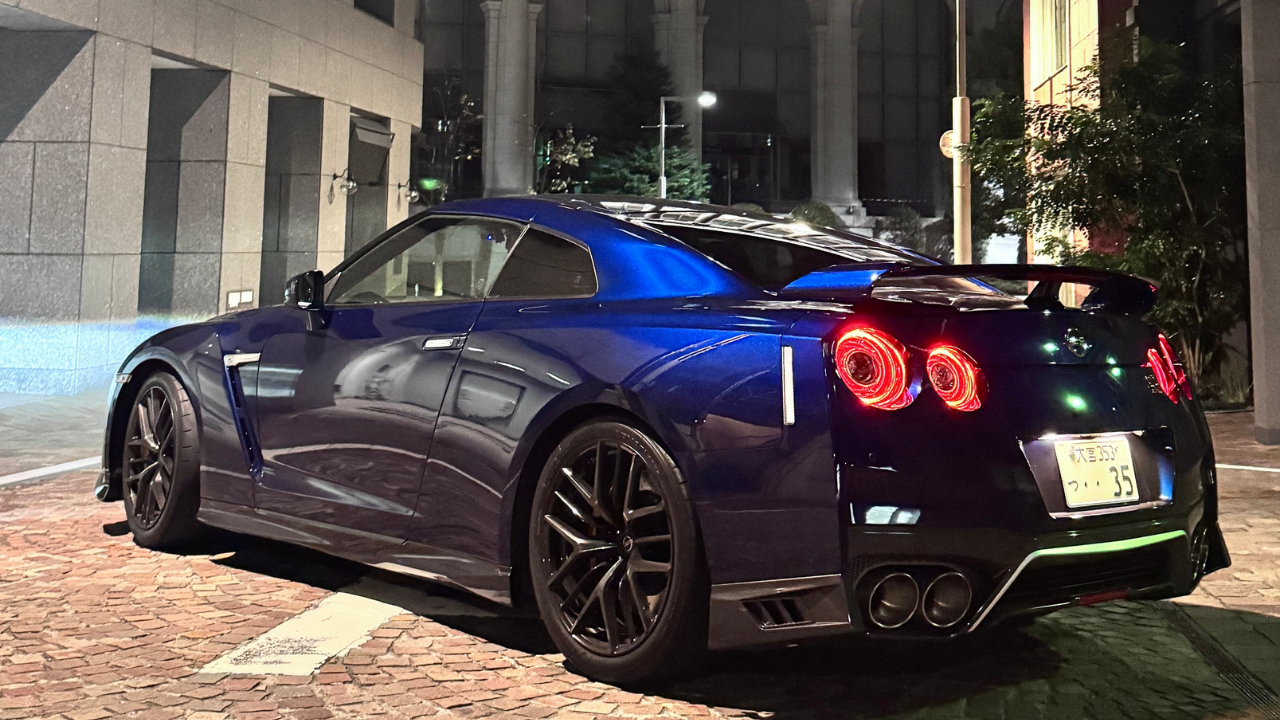
Daikoku PA on the Bayshore Route of the Metropolitan Expressway is the most iconic JDM car meet location in Japan. While it is a functioning highway rest area, weekend nights — particularly Friday and Saturday — transform it into one of the most concentrated JDM gatherings in the world. The underground dimension here lies in the absence of any official schedule: no organizer, no announcement, no ticket. Participants simply know when to show up. Hundreds of modified sports cars, classic JDM models, supercars, and kei vehicles converge in an atmosphere defined by mutual respect and a shared passion for automobiles.
-

-
Daikoku Car Meet Time Table: Best Times, Schedule & Access
続きを見る
Tatsumi Parking Area, Tokyo
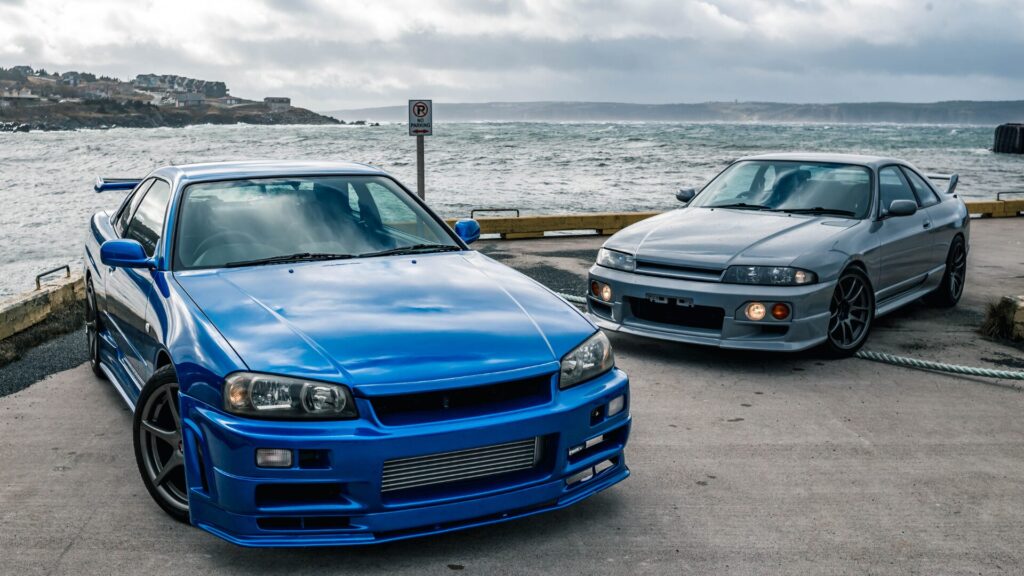
Tatsumi PA on the Tokyo Metropolitan Expressway Bayshore Route is a smaller but equally significant underground meet spot. Known for its proximity to Tokyo Bay and its lower profile compared to Daikoku, Tatsumi attracts enthusiasts seeking a more intimate gathering. The crowd here tends to skew toward local club members and regulars who prefer a quieter environment. It is not uncommon to encounter rare builds and regional club representatives who rarely attend the larger venues.
-
-
Tatsumi Parking Area Car Meet Guide (2025): The Insider Playbook for Tokyo’s Wangan Nights
続きを見る
Under-Bridge and Industrial Zone Gatherings
Beyond the well-known highway rest areas, Tokyo and Yokohama host a network of informal gathering points beneath elevated expressways and within industrial zones near the waterfront. These locations provide shelter from weather, visual concealment from passing traffic, and a photographic backdrop that defines a specific aesthetic in Japanese car culture imagery. These spots are almost entirely word-of-mouth and change frequently in response to enforcement activity.
-

-
Japan Car Meet Under Bridge: Tokyo's Hidden JDM Gathering Spots
続きを見る

Umihotaru Parking Area
Located on an artificial island in Tokyo Bay along the Aqua-Line, Umihotaru PA serves as an occasional underground meet point, particularly for groups making the drive from the Chiba side of greater Tokyo. The dramatic setting — surrounded by water at night — makes it a unique backdrop. However, its car meet activity is inconsistent compared to Daikoku PA, and the site's tourist-heavy daytime atmosphere means gatherings here tend to occur later at night and with less frequency.
How Japan's Underground Car Meet Scene Is Organized
Understanding how underground car meets are coordinated helps explain why finding reliable information through conventional means is so difficult. In 2026, the primary channels used by Japan's underground car community include:
- Private Instagram accounts: Many organizers and club members post story-format content visible only to approved followers. These posts may appear only hours before a meet.
- Discord servers: Invite-only Discord communities are increasingly the primary coordination space for regional car clubs in the Tokyo-Yokohama area.
- Line groups: Japan's dominant messaging application, Line, is used extensively for local club coordination. Access to a group chat is typically by personal invitation only.
- Twitter / X: Despite its public nature, coded language and regional hashtags are used to signal meet times and locations without drawing unwanted attention.
Foreign visitors should note that these channels are overwhelmingly Japanese-language-first environments. Machine translation tools can assist with comprehension, but cultural familiarity with JDM club etiquette is equally important for being accepted in these spaces.
What Types of Cars Appear at Underground Meets in Japan?
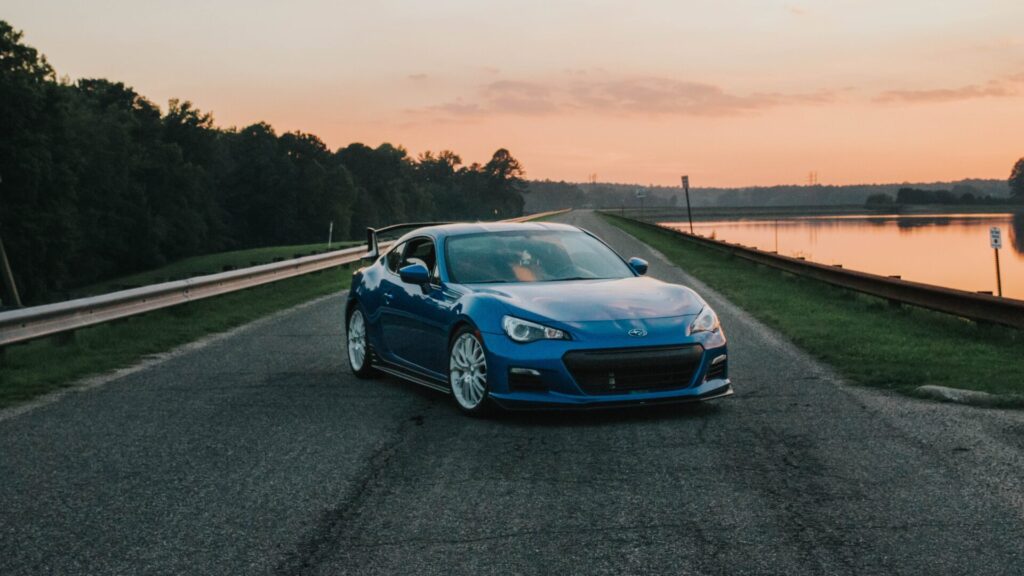
Japan's underground car meet scene is defined by its diversity. Unlike curated car shows that may feature only a single era or marque, underground meets reflect the full spectrum of Japanese automotive culture. In 2026, common builds at underground meets include:
- Classic JDM sports cars: Nissan Skyline GT-R (R32, R33, R34), Toyota Supra (A80), Honda NSX, Mazda RX-7 (FD3S), and Mitsubishi Lancer Evolution.
- Modified daily drivers: Heavily tuned Civics, Supras, and 86s modified with aftermarket suspension, exhaust, and aero.
- Kei cars: Turbocharged kei sports cars such as the Honda Beat, Suzuki Alto Works, and Daihatsu Copen.
- Wide-body builds: Liberty Walk and Rocket Bunny-style wide-body conversions on GT-Rs and Lamborghinis.
- Stance builds: Ultra-low, wide-track builds focused on aesthetics over performance.
- Import exotics: European and American sports cars brought by collectors who are deeply embedded in Japan's car culture.
Etiquette and Rules at Underground Car Meets
Japan's underground car meet culture is self-regulating to a remarkable degree. The same community values that drive gatekeeping also enforce behavioral standards that protect the scene from external disruption. Visitors — whether domestic or international — are expected to understand and respect these norms:
- No revving or burnouts: Noise that attracts police attention is universally unwelcome and will result in immediate social exclusion from the community.
- Ask before photographing: Point a camera at someone's car without asking and you risk being asked to leave. Eye contact and a nod — or a simple request in Japanese — goes a long way.
- Do not touch vehicles: This rule applies globally in car culture but is especially strict in Japan.
- Maintain cleanliness: Participants take their trash when they leave. Leaving litter at a meet location contributes to its closure.
- Respect the space: These locations — particularly highway parking areas — remain functional infrastructure. Blocking lanes, obstructing access, or behaving aggressively toward other road users is a serious violation of community standards.
The Role of Police Enforcement in Japan's Underground Scene
Policing of car meets in Japan varies significantly by location, time, and the level of public disruption involved. Daikoku PA, as a Metropolitan Expressway facility, operates within a jurisdiction that includes regular police patrols. In most cases, law enforcement at Daikoku and similar locations tolerates the gatherings as long as participants remain orderly and no illegal activity — such as street racing on the expressway — is associated with the event.
Sudden closures do occur. Daikoku PA, for instance, has been closed on specific nights following incidents or in response to elevated police activity during major holiday periods. When this happens, participants typically disperse to backup locations such as Tatsumi PA or other informal spots within the expressway network. This adaptability is a defining characteristic of Japan's underground car meet culture: it is fluid, responsive, and fundamentally resistant to disruption through any single enforcement action.
Underground Car Meets Beyond Tokyo

While Tokyo and Yokohama host the most globally recognized underground car meet locations, the scene extends throughout Japan. In 2026, notable underground meet cultures exist in:
- Osaka: The Kinki region has its own underground car culture centered around industrial waterfront areas and specific highway service areas in the greater Osaka metro area.
- Nagoya: Home to Liberty Walk's headquarters, Nagoya has a strong tuning culture with regular informal gatherings at industrial district parking areas.
- Fukuoka: Kyushu's car scene is less internationally known but deeply active, with significant club activity and informal meets near the port areas.
- Sapporo: Hokkaido's car culture peaks during summer months when roads clear of snow, producing intense late-season underground gather activity.
How to Access Japan's Underground Car Meet Scene as a Visitor
For international visitors, accessing Japan's underground car meet scene requires more than simply showing up at a known location. While locations like Daikoku PA are accessible to anyone on the Metropolitan Expressway, building genuine access to the broader underground scene takes engagement with the community over time. Practical steps include:
- Following respected JDM photographers and builders on Instagram and identifying the accounts they interact with.
- Joining public JDM Discord communities and gradually building credibility through respectful participation.
- Attending accessible public-facing meets such as Daikoku PA on weekend nights as a starting point.
- Demonstrating knowledge of and respect for JDM culture — enthusiasm for specific models, modifications, and history communicates credibility.
- Learning basic Japanese phrases relevant to car culture. Even minimal Japanese makes a significant positive impression at meets.
Note that accessing Daikoku PA and similar highway rest areas requires arriving via the Metropolitan Expressway. There is no public transportation access. Visitors without a vehicle must arrange access through a guided tour, chartered driver, or by traveling with someone who owns a compatible car.
The Future of Japan's Underground Car Meet Scene in 2026
Japan's underground car meet culture shows no signs of decline in 2026. If anything, international interest — amplified by social media, video platforms, and the global popularity of JDM content — has introduced new audiences while the core community continues to evolve. The primary challenges facing the scene are the same as they have been for decades: noise enforcement, venue closures, and the tension between public visibility and community privacy.
The scene's resilience lies in its informality. Because underground meets are not organized by any single entity, they cannot be shut down by targeting an organizer. When one location becomes too prominent, activity shifts elsewhere. This pattern has defined Japan's underground car culture for over four decades and continues to define it today.
Experience Japan’s Finest JDM Adventures
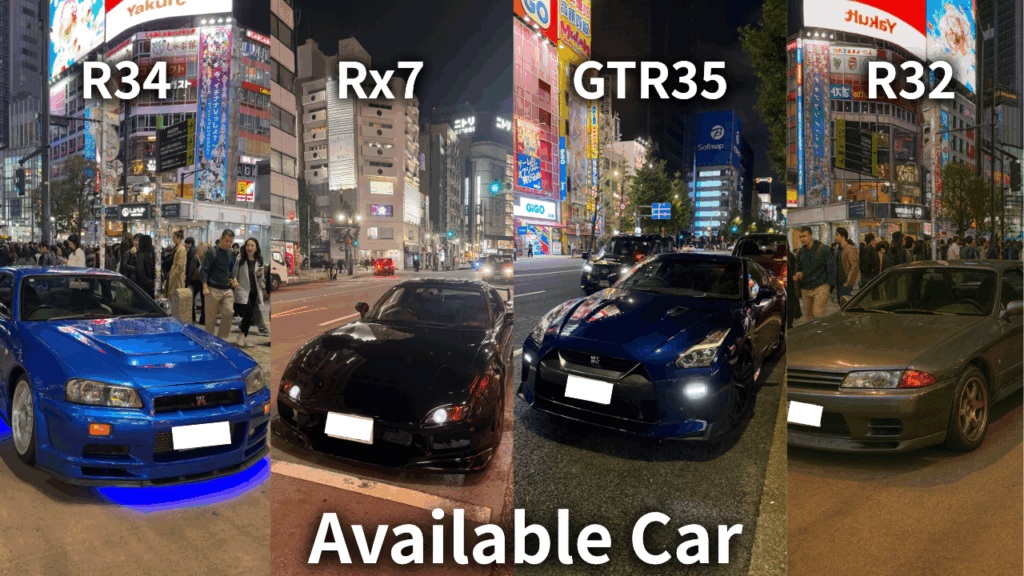
From Daikoku PA tours to JDM sports car rentals and drift experiences, we offer premium driving adventures for visitors who want more than ordinary sightseeing.
Get behind the wheel of iconic machines such as the GT-R, RX-7, and Supra, and experience Japan’s legendary car culture in the most unforgettable way. Whether you want a scenic Tokyo car experience or something more thrilling and immersive, we can guide you to the right plan.
Not sure which experience suits you best? No problem. Message us on WhatsApp and we’ll help you choose the ideal option based on your travel plans, interests, and driving experience.
Popular dates sell out quickly, so we recommend contacting us early.
Customer Reviews
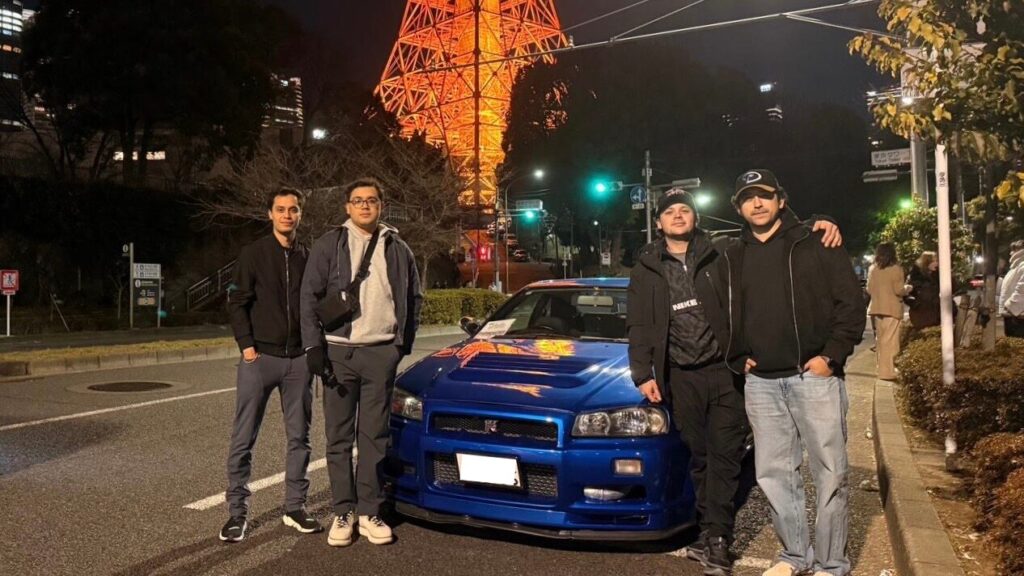
Important Information
- This is a drive tour where you drive your rental car, and our guide navigates from the seat.
- This is a self-drive tour where you drive your rental car, and our guide navigates from the passenger seat.
- The tour begins and ends at the same location (Shibuya).
- If the Daikoku Parking Area is closed, we will instead guide you to another car meet further away.
- The consultant is a cultural expert and navigator, not a taxi service.
