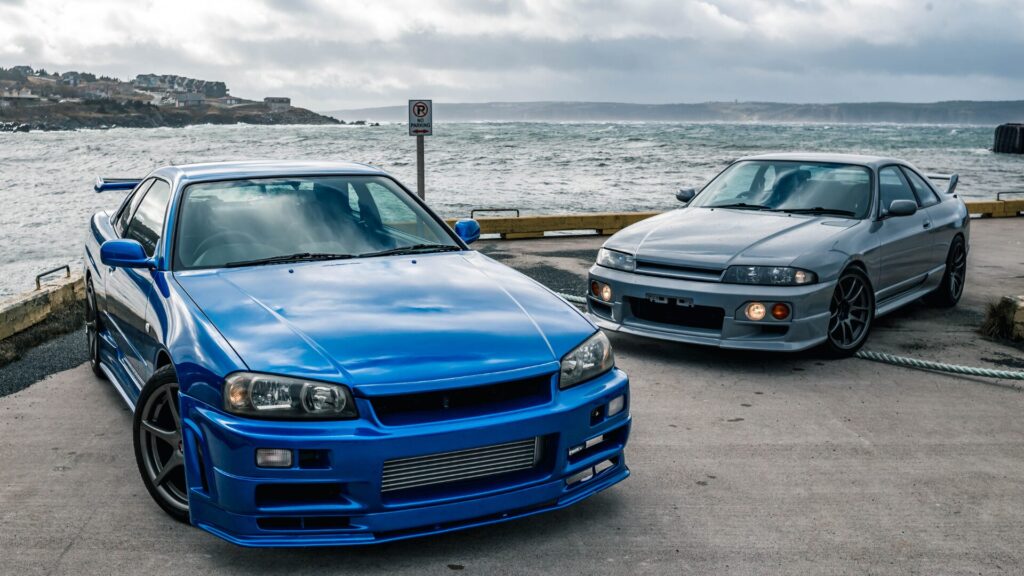
What Is Japan's Underground Car Meet Scene?
Japan's underground car meet culture is one of the most unique automotive phenomena in the world. Unlike organized motorsport events with tickets and grandstands, these gatherings are informal, self-organized, and largely undocumented in any official calendar. They take place at highway service areas, under elevated expressways, and in industrial port districts — most commonly late at night, when the city quiets down and the streets belong to enthusiasts.
The term "underground" in this context does not mean illegal. Japan's underground car meets are overwhelmingly law-abiding gatherings. What makes them "underground" is their organic, word-of-mouth nature: no press releases, no entry fees, no official sponsors. Information spreads through private social media accounts, Discord servers, and close-knit community networks. For foreign visitors, this opacity makes them almost impossible to find without local knowledge or a guided approach.
-

-
Tokyo Car Meet Tour (2025): The Ultimate Guide to Daikoku PA, Tatsumi & Umihotaru
Planning a Tokyo car meet tour? This 2025 guide gives you a clear, no‑nonsense path to the city’s la ...
続きを見る

The Key Venues: Where Underground Meets Happen in Japan
Understanding where these meets occur is the first step to experiencing them. Japan's underground car culture is concentrated in the greater Tokyo–Yokohama corridor, where the expressway network and industrial waterfront create natural gathering points.
Daikoku Parking Area (大黒PA), Yokohama
Daikoku PA on the Metropolitan Expressway Bay Shore Route is the undisputed epicenter of Japan's underground car meet world. Situated on an elevated stretch of highway near Yokohama's industrial waterfront, this highway rest stop transforms on weekend nights into an open-air automotive exhibition. GT-Rs, Supras, RX-7s, S-chassis builds, wide-body Lamborghinis, and everything in between fill its massive circular parking lot. The atmosphere is reverential — engines are kept quiet, crowds gather to observe, and photography is generally welcome.
What makes Daikoku PA the flagship underground venue is its consistency. While exact timing fluctuates based on weather, police enforcement, and community mood, Saturday nights between 10 PM and 3 AM reliably produce some of the densest concentrations of JDM machinery anywhere on the planet.
-

-
Daikoku Car Meet Time Table: Best Times, Schedule & Access
Searching for “car meet up Tokyo time table”, “Daikoku PA car meet schedule”, or “Daikoku car meet h ...
続きを見る
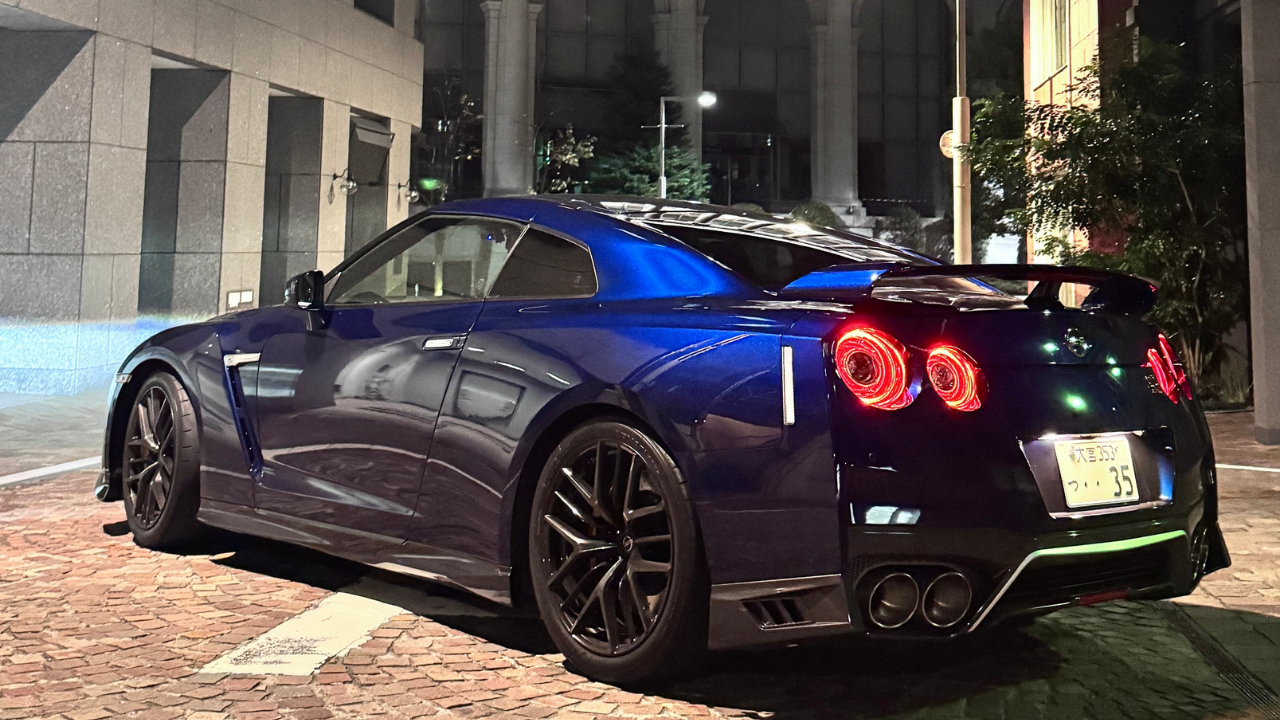
Tatsumi Parking Area (辰巳PA), Tokyo
Located on the Metropolitan Expressway in Tokyo's Koto Ward, Tatsumi PA is Daikoku's urban counterpart. Closer to central Tokyo and surrounded by the bay area's industrial landscape, Tatsumi attracts a slightly different crowd — often leaning toward heavily modified domestic sports cars and tuner builds. It is smaller than Daikoku and tends to be more volatile in terms of crowd size, but on a good Friday or Saturday night it can rival the Yokohama spot in atmosphere and car quality.
-
-
Tatsumi Parking Area Car Meet Guide (2025): The Insider Playbook for Tokyo’s Wangan Nights
What Is Tatsumi Parking Area (Tatsumi PA)? Tatsumi PA is a compact expressway rest stop inside Tatsu ...
続きを見る
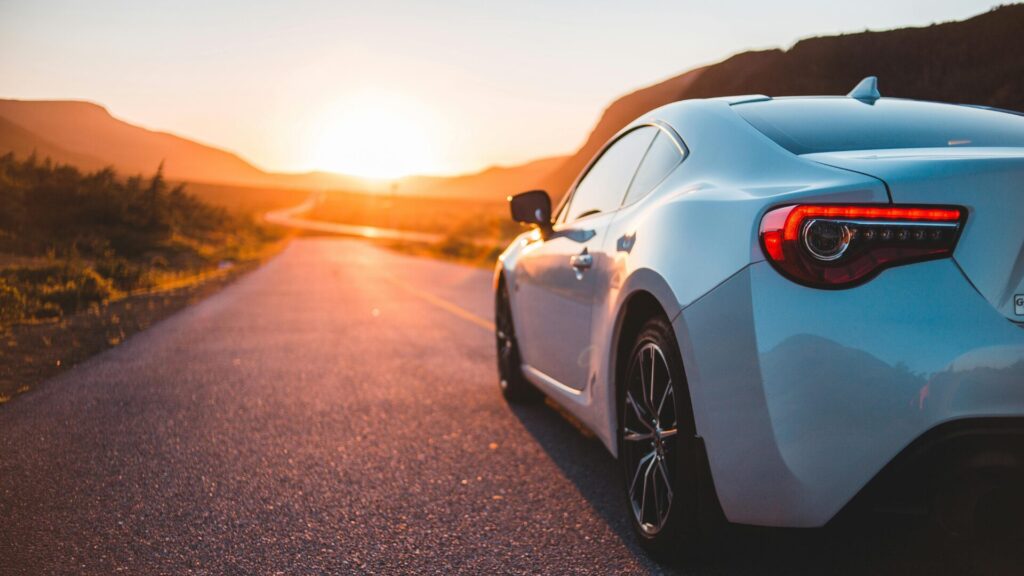
Umihotaru Parking Area (海ほたるPA), Tokyo Bay Aqua-Line
Umihotaru PA sits on an artificial island in the middle of Tokyo Bay, accessible only via the Aqua-Line expressway. While not as consistently active as Daikoku or Tatsumi, it draws a dedicated subset of the car culture community who appreciate its dramatic setting and the ritual of driving across the bay tunnel to reach it. The sheer visual spectacle of the location — surrounded by water with views toward both Chiba and Kanagawa — makes any car meet here feel cinematic.
Under-Bridge and Industrial Port Spots
Beyond the well-known parking areas, Tokyo and Yokohama have a loose network of less-publicized gathering points. Areas beneath elevated Metropolitan Expressway sections, industrial port access roads, and waterfront districts occasionally host impromptu meets. These locations are harder to find, change frequently, and are almost exclusively attended by locals. For overseas visitors, these spots are effectively inaccessible without direct community connections.
How Japan's Underground Car Meets Actually Work
There is no organizing committee, no announcement email, and no dress code. Japan's underground meets are the product of decades of informal automotive culture self-organizing around specific locations and times. The key mechanisms are:
- Social media monitoring: Japanese Instagram accounts and Twitter/X feeds associated with specific car clubs or individual builds will occasionally post real-time location signals. Reading these requires understanding the Japanese automotive community's communication style.
- Community reputation systems: Certain parking areas have established reputations for specific nights. Daikoku on Saturday, Tatsumi on Friday — these rhythms are well-known within the community and rarely need explicit announcement.
- Weather dependency: Rain dramatically reduces turnout. Clear, dry nights in spring and autumn produce the largest gatherings.
- Police sensitivity: Meets can disperse instantly if police presence increases. This is not a sign of illegal activity — it is simply the culture's preference for low-profile operation. Enforcement crackdowns periodically shift which venues are most active.
What to Expect at a Japan Underground Car Meet
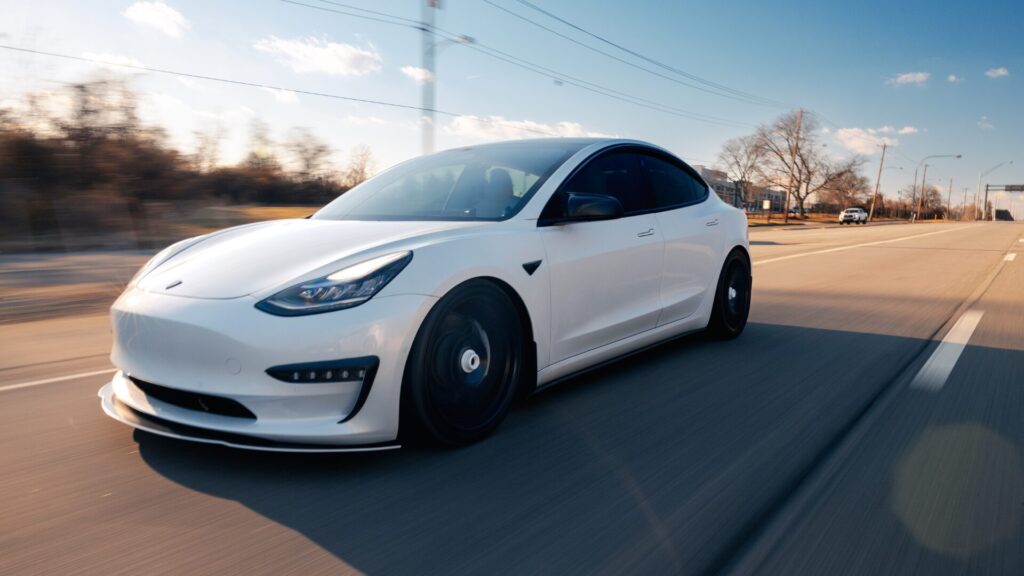
First-time attendees are often surprised by the atmosphere. These are not rowdy events. Japan's underground car meets are characterized by a respectful, almost ceremonial appreciation of automobiles. Engines are not revved aggressively. Tire smoke is not tolerated. Conversations are conducted at normal volume. The dominant activities are walking between parked cars, examining details, and photographing. It is closer to an open-air gallery than a street race.
The cars themselves represent every tier of Japan's automotive culture. You will see near-stock examples of rare JDM models parked next to heavily modified builds running six-figure engine conversions. Wide-body kits, air suspension setups, and custom paint are common, but so is the perfectly maintained factory-original sports car in a color never exported overseas. The diversity is one of the most compelling aspects of these events.
Etiquette is important. Do not touch cars without permission. Do not use flash photography without checking with the owner. Do not obstruct the flow of vehicles entering or exiting. Speak respectfully even if you do not share a language — non-verbal communication and genuine enthusiasm transcend the language barrier in most cases.
Joining a Japan Underground Car Meet Tour in 2026
For international visitors, the most practical and culturally responsible way to experience Japan's underground car meet scene is through a guided tour. The logistics alone present significant barriers: Daikoku PA and Tatsumi PA are accessible only via the Metropolitan Expressway, which requires a vehicle and some familiarity with Japan's expressway payment systems. Without a guide who understands the current status of each venue — which is active, which has recently had enforcement pressure, which has the best cars on a given night — visitors risk spending hours at empty parking areas.
A well-structured guided tour typically departs from central Tokyo (often Shibuya or nearby), takes participants along the city's expressway network in a JDM vehicle, and navigates to the venue most likely to be active that night. An experienced guide handles the expressway navigation, real-time venue assessment, and cultural context, allowing guests to focus entirely on the experience itself.
When evaluating tour options, consider the following criteria:
- Departure time: Tours departing before 10 PM will often arrive before the meet reaches peak activity. The best action typically occurs between 11 PM and 2 AM.
- Vehicle type: A tour that takes you in an actual JDM sports car — rather than a van or regular taxi — places you as a participant in the culture rather than a spectator outside it.
- Guide knowledge: The guide should be able to identify specific cars, explain their significance, and introduce guests to the community context, not just provide transportation.
- Flexibility: The best guides have contingency venues. If Daikoku is quiet, knowing to head to Tatsumi or another active spot is essential.
-
-
Daikoku Car Meet Tour Price (2026): What You’ll Pay, Why It Varies, and How to Book Smart
Planning to visit the Daikoku Parking Area (Daikoku PA) car meet from Tokyo? Here’s the pricing real ...
続きを見る
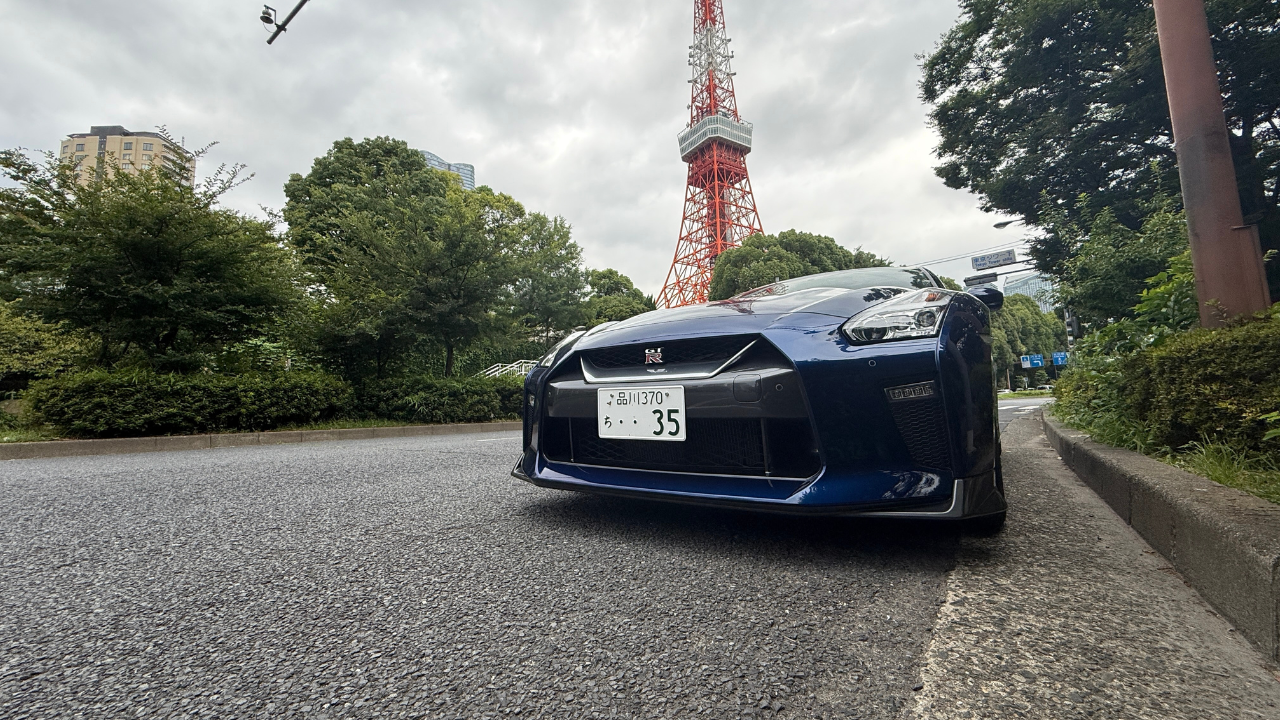
The Cars You Will See
Japan's underground meets in the Tokyo–Yokohama corridor consistently feature some of the rarest and most significant JDM machinery in existence. The following categories appear with regularity:
- Nissan GT-R (R32, R33, R34, R35): All generations, from the iconic Godzilla R32 to current R35 builds with significant power modifications.
- Toyota Supra (JZA80): The fourth-generation Supra remains a staple, often in heavily modified form with 2JZ-GTE swaps running 600–1,000+ horsepower.
- Mazda RX-7 (FD3S): Rotary-powered FDs in street-tuned and time-attack configurations appear regularly at Daikoku.
- Honda NSX: Both original NA1/NA2 models and the NC1 second generation are well-represented.
- Liberty Walk and other wide-body builds: Heavily customized Ferrari, Lamborghini, and Nissan GT-R builds wearing LB-WORKS or similar wide-body conversions are a signature element of Daikoku's aesthetic.
- S-chassis (S13, S14, S15 Silvia/180SX): Drift builds and street machines in varying states of modification.
- Domestic kei sports cars: Honda Beat, Suzuki Cappuccino, Autozam AZ-1 — occasionally appearing alongside the more internationally recognized names.
Practical Information for 2026
Best Months to Visit
Spring (late March to May) and autumn (September to November) are consistently the most productive periods. Mild temperatures encourage large turnout, and the absence of summer humidity or winter cold keeps both cars and attendees comfortable for extended sessions. Summer meets still occur but can be disrupted by typhoon season. Winter meets at Daikoku can be spectacular — cold air produces clean exhaust wisps against the night sky — but turnout is smaller.
What to Bring
- A camera with reasonable low-light capability — most meets happen under artificial lighting at night.
- Comfortable footwear for standing and walking on concrete for several hours.
- A light jacket regardless of season — waterfront locations like Daikoku and Umihotaru can be significantly cooler than central Tokyo.
- IC card (Suica or Pasmo) if traveling by taxi or using public transport for part of the journey.
- Cash — while Japan's cashless adoption is growing, some peripheral expenses at highway rest areas still favor cash.
Language Considerations
Japanese is the dominant language at these meets, but enthusiasm for cars is a universal language that crosses barriers effectively. Many younger Japanese automotive enthusiasts have some English ability, particularly those with international social media presence. Carrying a translation app helps but is rarely essential for the core experience of observing and photographing cars.
Understanding the Culture Before You Go
Japan's underground car meet scene is not a tourist attraction that was designed to be visited. It is a living subculture with its own rules, hierarchies, and history stretching back to the 1970s. The most important thing an international visitor can bring is genuine respect — for the cars, for the people who built and maintain them, and for the unwritten codes that keep these gatherings functional and peaceful.
The cars at Daikoku PA on a Saturday night represent years of mechanical work, financial investment, and passionate dedication. Approaching that context with authentic curiosity rather than casual tourism creates a fundamentally different experience, and one that the community responds to positively. Japan's car meet culture has welcomed international visitors for decades precisely because that spirit of mutual respect has been consistently maintained.
Experience Japan’s Finest JDM Adventures
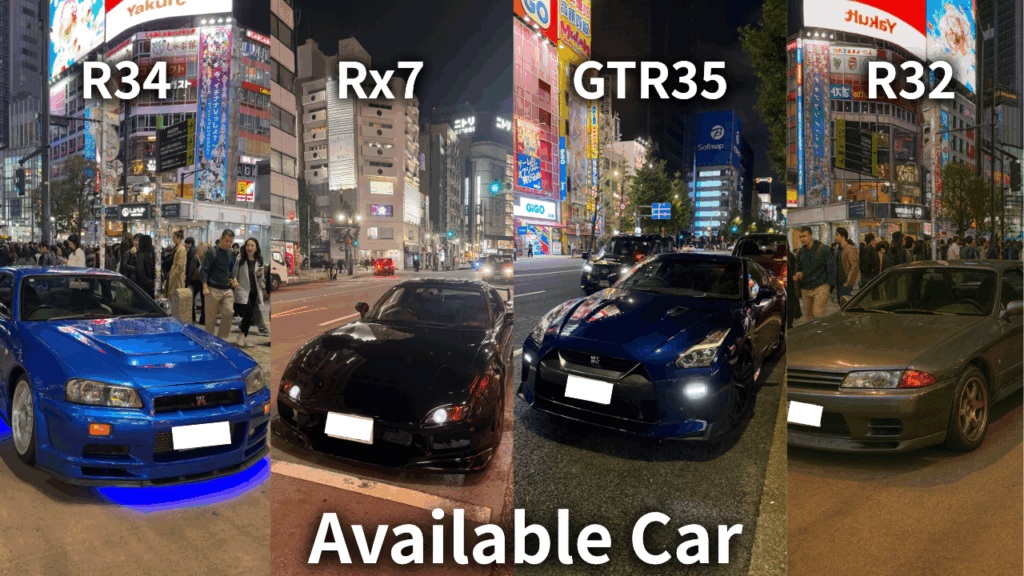
From Daikoku PA tours to JDM sports car rentals and drift experiences, we offer premium driving adventures for visitors who want more than ordinary sightseeing.
Get behind the wheel of iconic machines such as the GT-R, RX-7, and Supra, and experience Japan’s legendary car culture in the most unforgettable way. Whether you want a scenic Tokyo car experience or something more thrilling and immersive, we can guide you to the right plan.
Not sure which experience suits you best? No problem. Message us on WhatsApp and we’ll help you choose the ideal option based on your travel plans, interests, and driving experience.
Popular dates sell out quickly, so we recommend contacting us early.
Customer Reviews
Important Information
- This is a drive tour where you drive your rental car, and our guide navigates from the seat.
- This is a self-drive tour where you drive your rental car, and our guide navigates from the passenger seat.
- The tour begins and ends at the same location (Shibuya).
- If the Daikoku Parking Area is closed, we will instead guide you to another car meet further away.
- The consultant is a cultural expert and navigator, not a taxi service.
