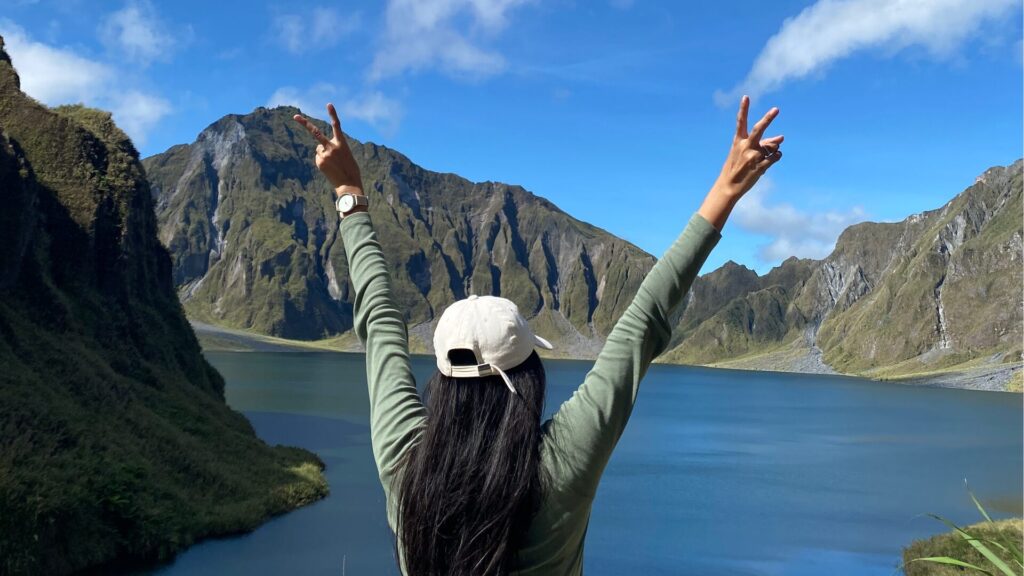
What Is Mount Haruna Lake?
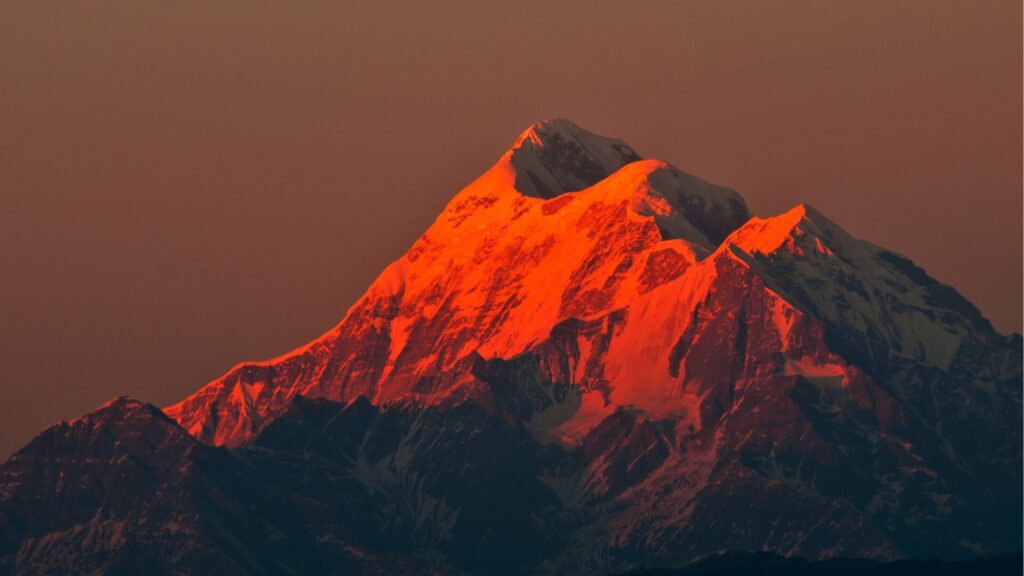
Mount Haruna Lake — known locally as Haruna-ko (榛名湖) — is a stunning caldera lake nestled at the summit of Mount Haruna in Gunma Prefecture, Japan. Sitting at an elevation of approximately 1,084 meters above sea level, this volcanic crater lake is one of the highest-altitude lakes in the Kanto region. Surrounded by the rugged peaks of the Haruna mountain range, the lake offers breathtaking panoramic scenery in every season, from lush green summers to golden autumn foliage and frozen winter landscapes.
For many international visitors, Mount Haruna is already familiar as the real-world inspiration for “Mount Akina” in the legendary anime and manga series Initial D. While JDM fans flock here to drive the famous touge roads, the lake itself is a destination that deserves far more attention. It is a place where volcanic geology, Japanese onsen culture, outdoor adventure, and automotive heritage converge in one spectacular location.
-

-
Mount Haruna Japan: The Real Initial D Mountain and Ultimate Touge Driving Guide
What Is Mount Haruna in Japan? Mount Haruna (榛名山, Haruna-san) is a dormant stratovolcano located in …
続きを見る
How Lake Haruna Was Formed: Volcanic Origins
Lake Haruna occupies the caldera of an ancient stratovolcano that last erupted roughly 1,500 years ago during the 6th century. The eruption created a broad depression at the summit, which gradually filled with rainwater and snowmelt to form the lake we see today. The lake has a circumference of approximately 4.8 kilometers, a maximum depth of around 12 meters, and covers a surface area of about 1.2 square kilometers.
The most iconic feature of the lakeside landscape is Mount Haruna-Fuji (Haruna Fuji-san), a symmetrical volcanic cone that rises directly beside the lake. Its resemblance to the famous Mount Fuji has earned it the affectionate nickname, and it serves as the defining visual landmark for anyone visiting Lake Haruna. A ropeway (cable car) runs from the lakeside to the summit of Haruna-Fuji, offering 360-degree views of the caldera, the lake, and the surrounding Gunma mountains.
Best Time to Visit Lake Haruna
Spring (April–May)
Spring arrives later at Lake Haruna than in Tokyo due to the high altitude. Cherry blossoms and fresh green foliage begin to appear in late April and May, creating a refreshing contrast against the volcanic peaks. The air is crisp and cool, making it an ideal time for hiking and sightseeing without the summer crowds.
Summer (June–August)
Summer is the peak tourist season at Lake Haruna. Daytime temperatures hover around 20–25°C — dramatically cooler than the sweltering heat of Tokyo — making it a popular highland retreat. Visitors enjoy boating on the lake, fishing for wakasagi (pond smelt) and trout, horseback riding along the shore, and cycling the lakeside path. The annual Haruna Lake Fireworks Festival in August is a highlight, with fireworks reflecting off the calm water surface.
Autumn (September–November)
Autumn is arguably the most visually spectacular season at Lake Haruna. The surrounding mountains burst into shades of red, orange, and gold from mid-October to early November. The reflection of autumn foliage on the still lake surface creates picture-perfect scenes that rival any koyo (autumn leaf) destination in Japan. This is also an excellent time for driving the touge roads, as the cooler temperatures and colorful scenery make for an unforgettable road trip.
Winter (December–March)
In winter, Lake Haruna freezes over completely. The frozen lake becomes a unique attraction in itself — visitors can enjoy wakasagi ice fishing through holes drilled in the ice, a traditional winter activity that draws thousands of visitors each year. Snow blankets the surrounding peaks, and the nearby Ikaho Onsen provides the perfect warm retreat after a cold day on the ice.
Things to Do at Mount Haruna Lake
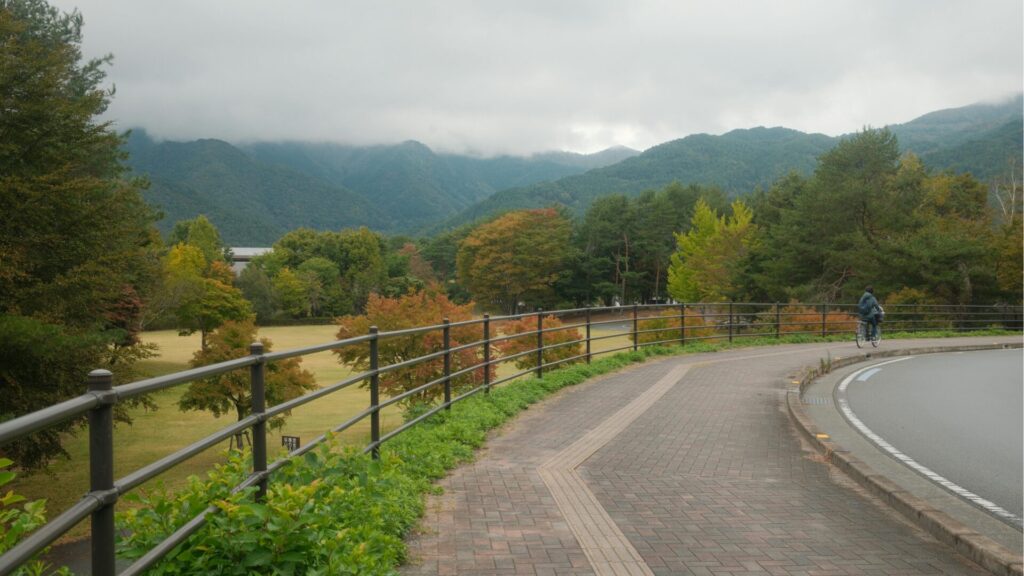
Ride the Haruna-Fuji Ropeway
The Haruna-Fuji Ropeway ascends from the eastern shore of the lake to the summit of Haruna-Fuji (1,391 meters) in about three minutes. From the top, you can see Lake Haruna spread out below, with views extending to the Tanigawa mountain range and even Mount Fuji on clear days. The round-trip fare is approximately 950 yen for adults.
Boating and Pedal Boats
During the warmer months (April–November), rental boats are available on the lake. Options include rowboats, pedal boats shaped like swans, and small motorboats. A peaceful hour on the water, surrounded by volcanic peaks, is one of the most relaxing experiences the area offers.
Horseback Riding
Several stables near the lake offer horseback riding experiences for beginners and families. You can ride along the lakeshore or through nearby meadows, enjoying the highland scenery at a leisurely pace.
Hiking Around Lake Haruna
A well-maintained walking path circles the entire lake, covering approximately 4.8 kilometers. The flat, scenic trail takes about 60–90 minutes to complete and is suitable for all fitness levels. For more challenging hikes, trails lead up to the summits of Haruna-Fuji, Mount Eboshi, and other surrounding peaks.
Wakasagi Ice Fishing (Winter Only)
From late January through mid-March (conditions permitting), the frozen surface of Lake Haruna becomes a vast ice fishing ground. Local operators set up tents on the ice and provide all the equipment you need — a small hole, a fishing rod, and bait. Freshly caught wakasagi can be deep-fried and eaten on the spot. It is a quintessentially Japanese winter experience.
Lake Haruna and the Initial D Connection
For JDM enthusiasts and anime fans, Lake Haruna holds special significance. Mount Haruna is the real-world mountain that inspired “Mount Akina” in Shuichi Shigeno’s Initial D series. The protagonist Takumi Fujiwara famously delivered tofu from his father’s shop along the mountain’s winding touge roads in his Toyota AE86 Sprinter Trueno.
While most Initial D fans focus on the downhill roads, Lake Haruna sits at the very top of those legendary routes. In the story, the summit area near the lake serves as the starting point for the downhill battles. Visiting the lake gives you the chance to stand where the fictional touge races began and then drive the same roads that made Mount Akina famous worldwide.
If you want to learn more about how Mount Haruna connects to the world of Initial D, touge driving, and JDM culture, be sure to read our comprehensive pillar guide linked above. For those interested in similar touge routes, Mount Akagi — another Initial D-famous mountain — is located nearby in Gunma Prefecture.
-
-
Mount Akagi (Mt. Akagi) Travel Guide: Best Views, Access, and Things to Do
Mount Akagi — The Sacred Mountain of JDM Culture and Initial D Mount Akagi (赤城山, Akagi-yama) is one …
続きを見る
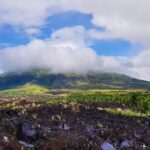
How to Get to Mount Haruna Lake from Tokyo by Car
Lake Haruna is best accessed by car, especially if you want to experience the famous touge roads along the way. The drive from central Tokyo takes approximately 2.5 to 3 hours via the Kan-Etsu Expressway.
- Route: Take the Kan-Etsu Expressway from Tokyo northward. Exit at the Shibukawa-Ikaho IC interchange.
- From the IC to the lake: Follow Route 33 (Haruna Lake Road) uphill for approximately 30 minutes. This is the scenic mountain road that winds through forests and hairpin turns — the very road immortalized in Initial D.
- Distance: Approximately 150 kilometers from central Tokyo.
- Tolls: Expect to pay around 3,500–4,500 yen in expressway tolls each way.
- Parking: Free public parking lots are available around the lake, including a large lot near the ropeway station.
Driving is highly recommended for this destination. Public transportation options exist (bus from Takasaki Station), but they are infrequent and limit your ability to explore the mountain roads and surrounding areas at your own pace.
-
-
Mount Haruna Car Rental: How to Drive the Initial D Touge Roads Yourself
Why Rent a Car to Drive Mount Haruna? Mount Haruna — known worldwide as the real-life inspiration fo …
続きを見る
Combining Lake Haruna with Ikaho Onsen
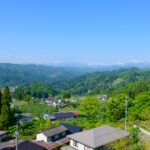
One of the best ways to enhance a trip to Lake Haruna is to combine it with a visit to Ikaho Onsen, one of Gunma Prefecture’s most famous hot spring towns. Ikaho sits on the eastern slopes of Mount Haruna, just 20 minutes by car from the lake, making it an ideal stopover either before or after your lakeside visit.
Ikaho Onsen is renowned for its two types of hot spring water: “kogane no yu” (golden water), which is iron-rich and turns a distinctive amber color, and “shirogan no yu” (silver water), which is clear and gentle on the skin. The town’s iconic 365-step stone staircase, lined with ryokan (traditional inns), souvenir shops, and steaming foot baths, is a must-walk experience.
For travelers driving from Tokyo, a perfect day trip or overnight itinerary looks like this: drive up the Haruna touge in the morning, explore Lake Haruna and ride the ropeway, then descend to Ikaho Onsen for a relaxing soak and a traditional kaiseki dinner. This combination of mountain scenery, JDM road culture, and authentic onsen relaxation is difficult to find anywhere else in Japan.
-
-
Tokyo to Ikaho Onsen by Car — Complete Self‑Drive Guide (2025)
Ikaho Onsen in Gunma Prefecture is one of the easiest hot spring towns to reach from Tokyo by car. T …
続きを見る
Nearby Attractions Worth Visiting
Mizusawa Kannon Temple
Located between Ikaho Onsen and the base of Mount Haruna, Mizusawa Kannon (Mizusawa-dera) is one of the most important Buddhist temples in the Kanto region. It is also famous for the surrounding cluster of udon restaurants serving Mizusawa Udon — one of Japan’s three great udon varieties, known for its smooth, translucent noodles.
Mount Akagi
Just 30 kilometers east of Mount Haruna, Mount Akagi is another volcano with its own caldera lake (Lake Onuma) and another legendary Initial D touge route. Visiting both mountains in a single trip gives you the complete Gunma touge experience.
-
-
Mount Akagi in Initial D: The Real-Life Akagi Touge Explained
Mount Akagi and Initial D: Why This Mountain Became a Global Icon Mount Akagi — known as Akagi-yama …
続きを見る
Kusatsu Onsen
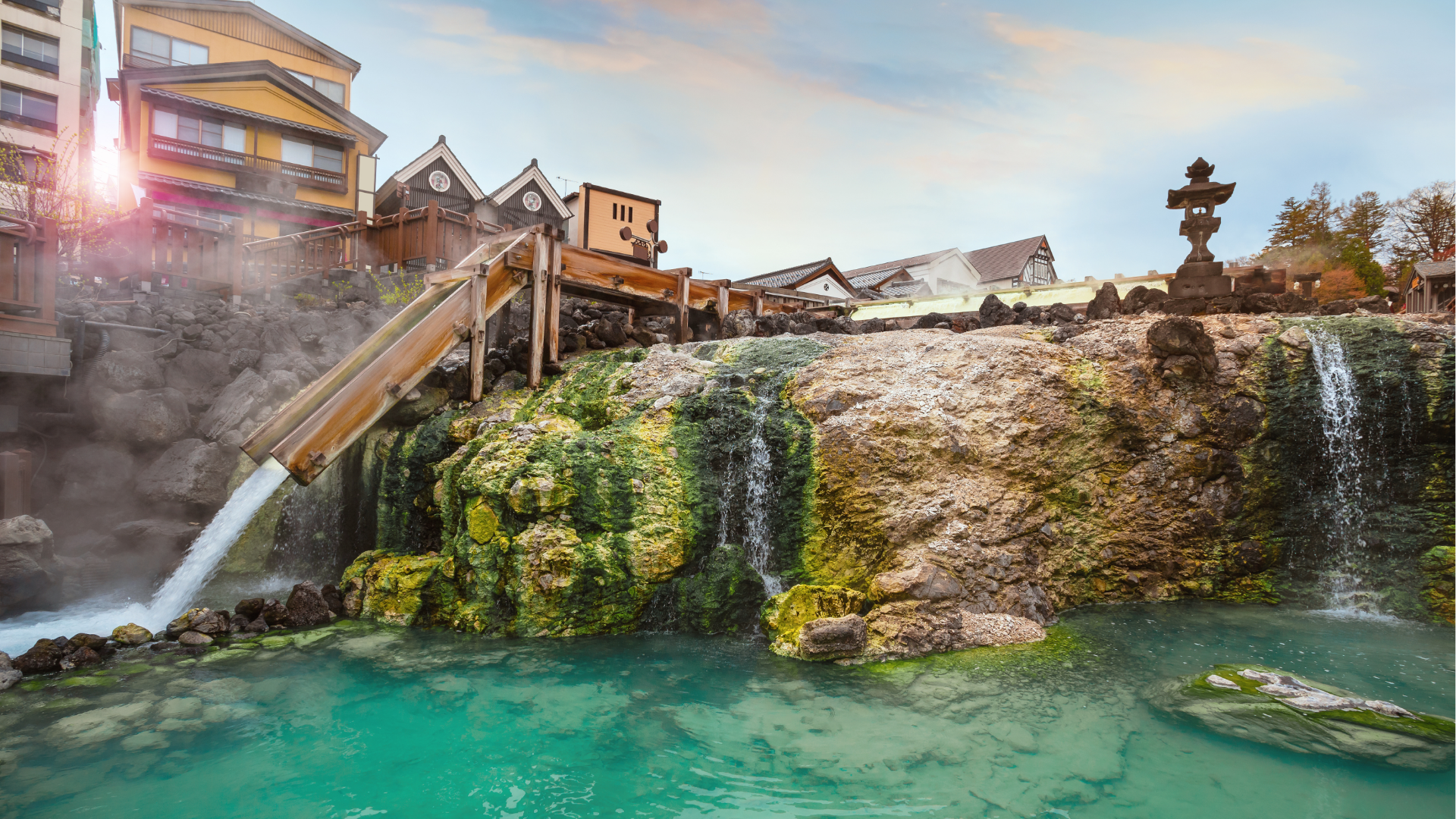
If you have extra time and want to explore further into Gunma’s onsen territory, Kusatsu Onsen — one of Japan’s top three hot spring resorts — is about 90 minutes by car from Lake Haruna. It is an excellent addition to a multi-day road trip through Gunma Prefecture.
-

-
Tokyo to Kusatsu Onsen by Car: The Complete 2025 Driving Guide
Why drive from Tokyo to Kusatsu Onsen? Kusatsu Onsen in Gunma Prefecture is one of Japan’s most famo …
続きを見る
Practical Tips for Visiting Lake Haruna

- Altitude and weather: At over 1,000 meters elevation, temperatures at Lake Haruna can be 5–10°C cooler than Tokyo. Bring layers even in summer. In winter, snow and ice are common on the mountain roads — winter tires or chains are essential.
- Driving conditions: The mountain roads are narrow with tight hairpin turns. Drive cautiously, especially in wet or foggy conditions. The roads are well-paved but require confidence in mountain driving.
- Food and supplies: There are a few restaurants and souvenir shops near the lake, but options are limited. Consider bringing snacks and drinks, especially if visiting during off-peak hours.
- Cell coverage: Mobile phone signal can be weak or spotty around the lake and on the mountain roads. Download offline maps before your trip.
- Ropeway hours: The Haruna-Fuji Ropeway generally operates from 9:00 AM to 5:00 PM (varies by season). Check the schedule before visiting, as it may close in severe weather.
Why Lake Haruna Deserves a Spot on Your Japan Road Trip
Lake Haruna is one of those rare destinations that appeals equally to nature lovers, onsen seekers, and JDM car enthusiasts. The caldera lake itself is a geological marvel — serene, scenic, and surrounded by volcanic peaks that change character with every season. The drive up through the famous touge roads is an experience that no car enthusiast should miss, whether you are an Initial D fan making a pilgrimage or simply someone who loves a great mountain drive.
Combined with nearby Ikaho Onsen, Mizusawa Udon, and the option to extend your trip to Mount Akagi or Kusatsu Onsen, Lake Haruna anchors one of the best road trip itineraries you can plan from Tokyo. Whether you rent a JDM car for the journey or join a guided tour, this is a destination that delivers on every front — and one that most international visitors have yet to discover.
Experience Japan’s Finest JDM Adventures
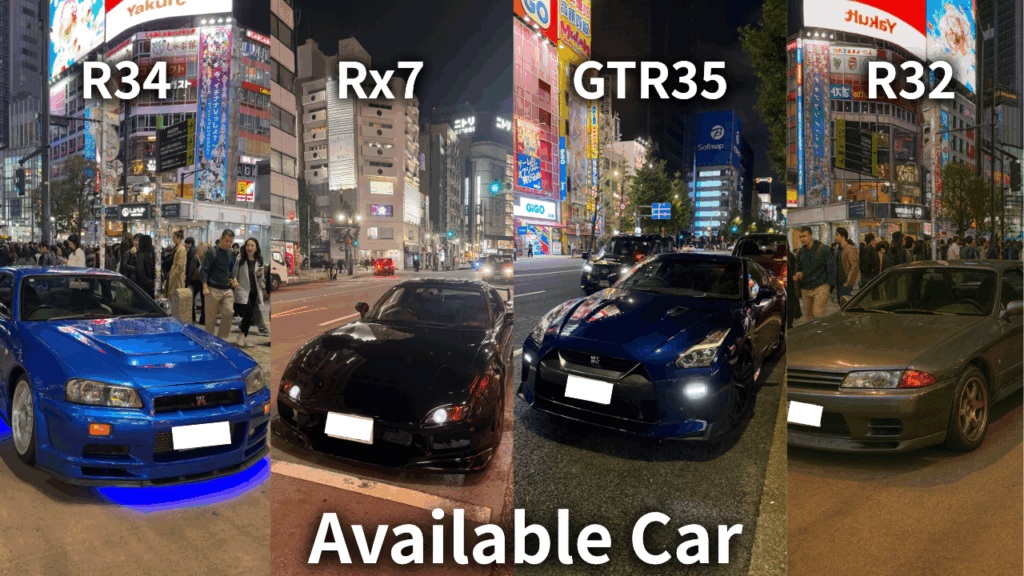
From Daikoku PA tours to JDM sports car rentals and drift experiences, we offer premium driving adventures for visitors who want more than ordinary sightseeing.
Get behind the wheel of iconic machines such as the GT-R, RX-7, and Supra, and experience Japan’s legendary car culture in the most unforgettable way. Whether you want a scenic Tokyo car experience or something more thrilling and immersive, we can guide you to the right plan.
Not sure which experience suits you best? No problem. Message us on WhatsApp and we’ll help you choose the ideal option based on your travel plans, interests, and driving experience.
Popular dates sell out quickly, so we recommend contacting us early.
Customer Reviews
Important Information
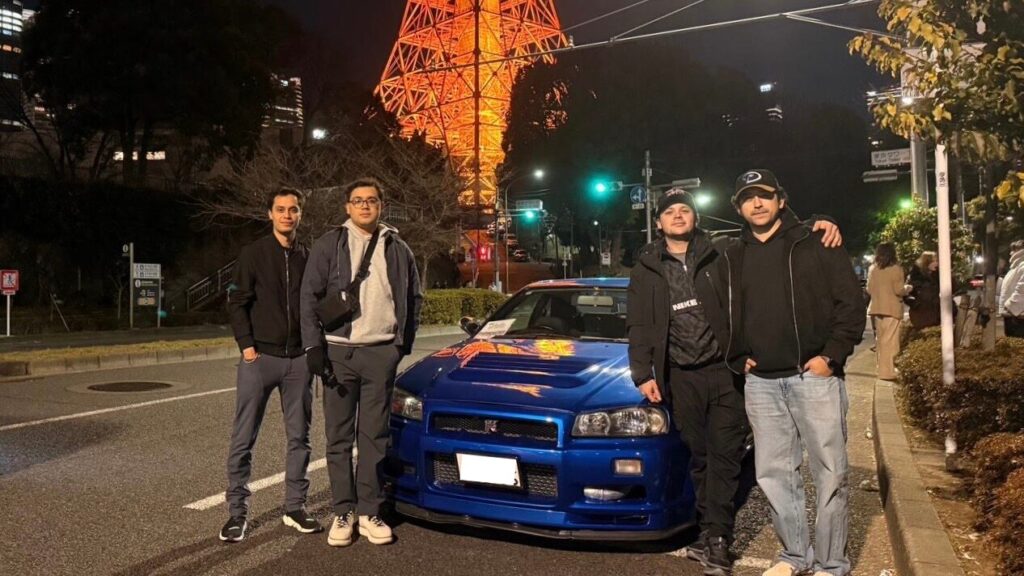
- This is a drive tour where you drive your rental car, and our guide navigates from the seat.
- This is a self-drive tour where you drive your rental car, and our guide navigates from the passenger seat.
- The tour begins and ends at the same location (Shibuya).
- If the Daikoku Parking Area is closed, we will instead guide you to another car meet further away.
- The consultant is a cultural expert and navigator, not a taxi service.