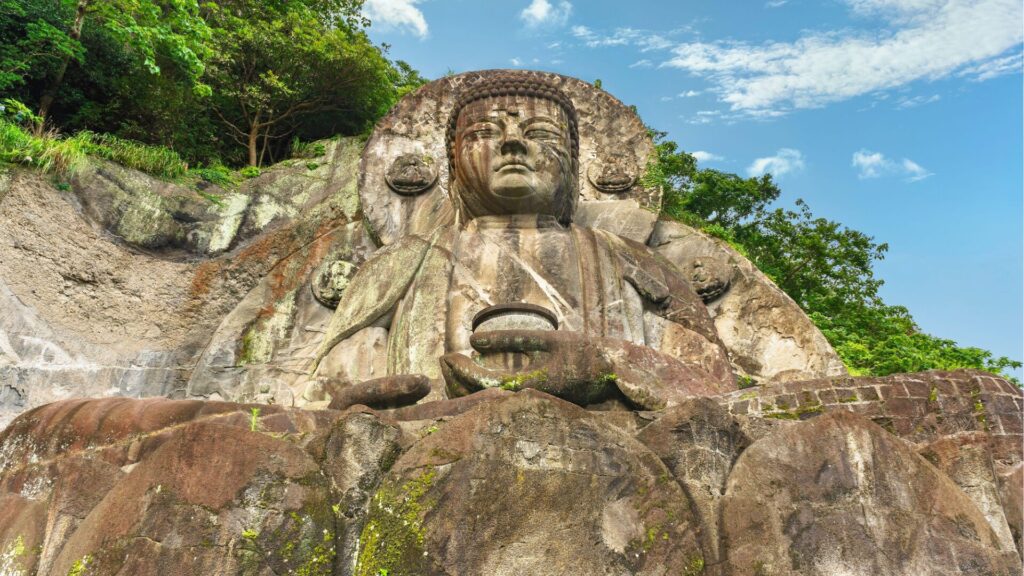
Introduction to the Mount Nokogiri Buddha
Hidden within the ancient quarry walls of Mount Nokogiri in Chiba Prefecture stands one of Japan's most impressive yet surprisingly undervisited religious monuments: the Nihon-ji Daibutsu. Carved directly into the mountainside over 1,500 years ago and later restored to its current form in 1783, this colossal stone Buddha is the largest pre-modern stone-carved seated Buddha in Japan, standing at an awe-inspiring 31.05 meters (approximately 102 feet) tall. For context, that makes the Mount Nokogiri Buddha significantly larger than the famous Great Buddha of Kamakura, which measures 13.35 meters.
The statue sits within the grounds of Nihon-ji Temple, a sacred site established in 725 AD by the monk Gyoki under the decree of Emperor Shomu. While Mount Nokogiri itself is known for dramatic cliff faces, the Jigoku Nozoki (Hell Peek) viewpoint, and extensive hiking trails, the giant Buddha is the spiritual and visual centerpiece that draws visitors from across Japan and around the world.
-

-
Mount Nokogiri: Complete Visitor Guide to Chiba's Stunning Sawtooth Mountain in 2026
What Is Mount Nokogiri? Mount Nokogiri (鋸山, Nokogiriyama) is a 329-meter peak located on the souther ...
続きを見る

History of the Nihon-ji Daibutsu
Origins in the Edo Period
The Mount Nokogiri Buddha as it appears today was carved between 1783 and 1798 — a monumental 15-year project completed during the Edo period. The statue depicts Yakushi Nyorai (the Medicine Buddha), a figure in Mahayana Buddhism associated with healing and the alleviation of suffering. This choice of deity was intentional: the statue was commissioned as a prayer for the health and well-being of the nation during a period of frequent natural disasters and famine.
The carving was led by the master stonemason Ono Jiroemon and his team, who chiseled the enormous figure from the soft volcanic tuff stone that characterizes Mount Nokogiri's geology. The same stone had been quarried from the mountain for centuries as a building material, and the workers' intimate knowledge of the rock made such an ambitious sculpture possible.
Deterioration and Restoration
Over the following two centuries, the Buddha suffered significant erosion and damage. By the early Showa period, the statue had lost much of its original detail, and the head had partially collapsed. A comprehensive restoration project was undertaken and completed in 1969, returning the Daibutsu to its former grandeur. Today, the statue is well-maintained and remains a designated cultural property of Chiba Prefecture, drawing visitors who are often stunned by its sheer scale upon first seeing it.
What Makes the Mount Nokogiri Buddha Unique

Size Comparison with Other Japanese Daibutsu
Japan is home to several famous Great Buddhas, but the Nihon-ji Daibutsu holds a unique position among them:
- Nihon-ji Daibutsu (Mount Nokogiri): 31.05 meters — largest pre-modern stone-carved seated Buddha in Japan
- Great Buddha of Nara (Todai-ji): 14.98 meters — housed in the world's largest wooden building
- Great Buddha of Kamakura (Kotoku-in): 13.35 meters — the most internationally famous Japanese Daibutsu
- Ushiku Daibutsu (Ibaraki): 120 meters — modern bronze construction completed in 1993
While modern constructions like the Ushiku Daibutsu are taller, the Mount Nokogiri Buddha is remarkable because it was hand-carved from natural rock over two centuries ago. Unlike the bronze statues in Kamakura and Nara, this Buddha is integrated into the mountain itself, giving it an organic, ancient quality that photographs rarely capture fully.
The Setting Within Nihon-ji Temple
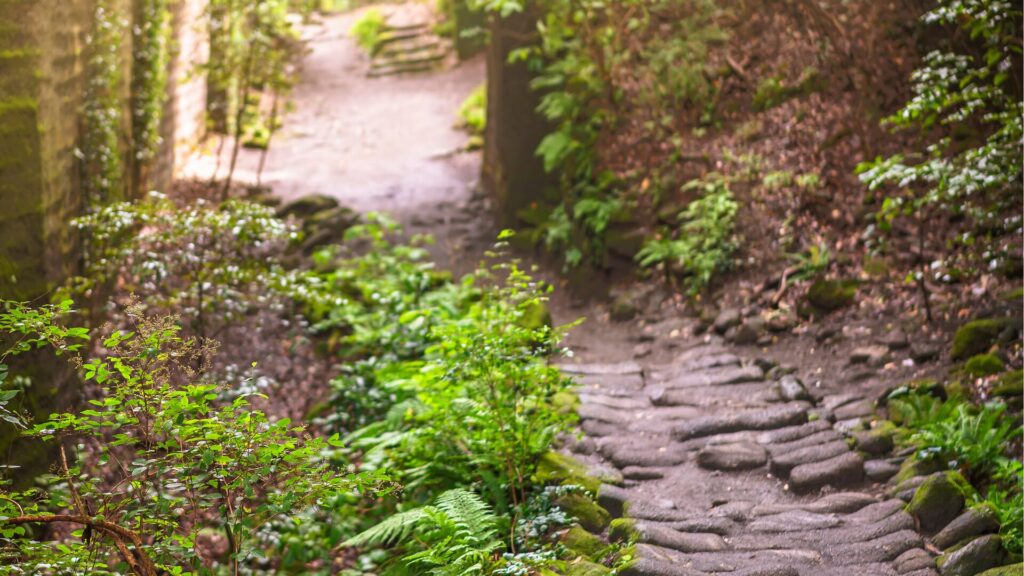
The Buddha does not sit in isolation. It is part of the broader Nihon-ji Temple complex, which sprawls across the entire southern face of Mount Nokogiri. The temple grounds include over 1,500 stone Arhat statues (representations of Buddhist disciples) scattered along forested paths, many of them weathered and moss-covered, lending an atmosphere that feels lost in time. Walking through these trails before arriving at the Daibutsu creates a deeply contemplative experience that stands apart from visiting a Buddha statue in an urban temple setting.
How to See the Mount Nokogiri Buddha
Reaching the Daibutsu on Foot
The giant Buddha is located in the lower section of the Nihon-ji Temple grounds. There are two primary approaches:
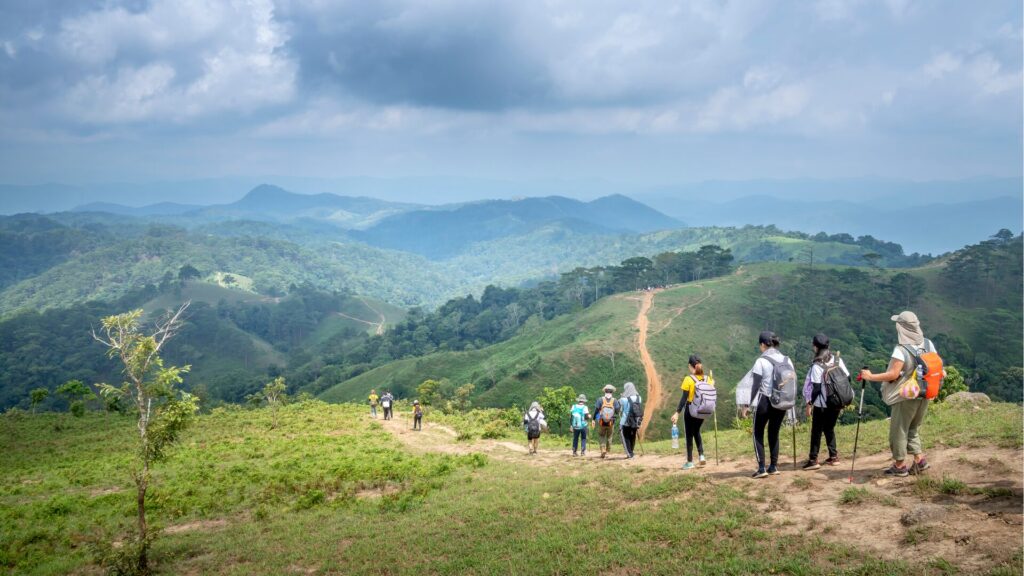
- From the Ropeway Station (top approach): If you take the Mount Nokogiri Ropeway from Hamakanaya Station, you will enter the temple grounds from the summit area near Jigoku Nozoki. From there, it is a roughly 30-minute descent along stone steps to reach the Daibutsu plaza. This route lets you see the cliff viewpoints first and finish at the Buddha.
- From the trailhead (bottom approach): Hikers who ascend from the base via the Kannon-do or Hyaku-shaku Kannon trailheads will encounter the Buddha earlier in their visit. This approach is more physically demanding but offers a rewarding sense of discovery as the statue comes into view through the trees.
-
-
Mount Nokogiri Trailhead Guide: Access Points, Parking, and Starting Your Hike in 2026
Understanding the Mount Nokogiri Trailhead Options Mount Nokogiri (Nokogiriyama) in Chiba Prefecture ...
続きを見る

Admission and Practical Details for 2026
Visiting the Mount Nokogiri Buddha requires admission to Nihon-ji Temple, as the statue is within the temple grounds. Key details for planning your visit in 2026:
- Nihon-ji Temple admission: 700 yen for adults (as of 2026; confirm before visiting as prices may adjust)
- Ropeway fare: Approximately 950 yen one-way or 1,500 yen round-trip
- Temple hours: Generally 8:00 AM to 5:00 PM (last entry may be earlier in winter months)
- Time needed: Allow at least 1.5 to 2 hours to explore the temple grounds, see the Buddha, and visit other highlights like Jigoku Nozoki
The area around the Daibutsu features a flat stone plaza with benches, making it a comfortable place to rest and take in the monument. There are no food stalls at the Buddha itself, so bring water and snacks, especially if hiking the full temple circuit.
The 1,500 Arhat Statues Along the Path
One of the most atmospheric elements of visiting the Mount Nokogiri Buddha is the journey through the Arhat (Rakan) trails that lead to and from the statue. Originally, there were 1,553 stone Arhat figures carved during the late Edo period. Many were damaged or destroyed during the Meiji-era anti-Buddhist movements (Haibutsu Kishaku), and some have been restored since then.
Each Arhat statue has a unique expression — some smiling, some solemn, some seemingly in mid-conversation. They line the moss-covered stone paths in clusters, creating scenes that feel like a frozen gathering of monks. For photography enthusiasts, the interplay of light filtering through the canopy onto these weathered figures provides countless compelling shots, particularly in the early morning or late afternoon.
The Hyaku-shaku Kannon: The Other Giant Carving
While the Daibutsu is the most famous sculpture on Mount Nokogiri, it is not the only monumental carving. The Hyaku-shaku Kannon is a 30.3-meter relief carving of the Bodhisattva Kannon (Goddess of Mercy) etched into a sheer cliff face on the mountain. Completed in 1966 as a memorial for those who lost their lives in World War II and for the safety of transportation, this towering relief is carved into the exposed quarry wall and is visible from the hiking trail.
Together, the Daibutsu and the Hyaku-shaku Kannon make Mount Nokogiri home to two of Japan's largest stone Buddhist carvings in a single location — a fact that surprises many visitors who arrive expecting only one major attraction.
Best Time to Visit the Mount Nokogiri Buddha
The giant Buddha can be visited year-round, but certain seasons enhance the experience:
- Autumn (late November to early December): The surrounding trees display vivid red and gold foliage, creating a striking contrast against the grey stone of the Daibutsu. This is arguably the most photogenic time to visit.
- Spring (March to May): Mild weather and fresh greenery make for comfortable hiking conditions. Cherry blossoms occasionally appear in the lower temple areas.
- Summer (June to August): The dense canopy provides shade, but humidity is high and the stone steps can be slippery. Start early to beat the heat.
- Winter (December to February): Fewer crowds and crisp, clear skies. The trails are generally still accessible, though temperatures drop noticeably on the mountain.
Weekday mornings in any season are ideal for a peaceful visit, as the temple grounds can become moderately crowded on weekends and holidays, particularly in autumn.
Getting to Mount Nokogiri From Tokyo
Mount Nokogiri is located in the southern part of Chiba Prefecture, on the western coast of the Boso Peninsula overlooking Tokyo Bay. Despite feeling remarkably remote and rural, it is accessible from central Tokyo in under two hours.
- By train: Take the JR Uchibo Line from Tokyo or Chiba Station to Hamakanaya Station. The ropeway station is a short walk from the train station.
- By car: Drive via the Tokyo Bay Aqua-Line expressway, which crosses Tokyo Bay to the Boso Peninsula. The route passes through Umihotaru, the famous mid-bay parking area, before continuing south along the coast to Mount Nokogiri. Free parking is available near the ropeway base station. Driving offers the most flexibility, especially if combining Mount Nokogiri with other Chiba coast destinations.
- By ferry: The Tokyo Bay Ferry operates between Kurihama (Kanagawa Prefecture) and Kanaya Port, which is adjacent to the ropeway station. This scenic 40-minute crossing is a unique way to approach the mountain.
-
-
Umihotaru Parking Area (Umi Hotaru PA): The Complete 2026 Guide to Tokyo Bay’s Floating Rest Stop
Umihotaru Parking Area—often written as Umi Hotaru PA or Umi-hotaru—is one of the most unusual “high ...
続きを見る
Tips for Photographing the Daibutsu
The Mount Nokogiri Buddha presents some unique photographic challenges and opportunities due to its setting in a deep, partially shaded valley within the temple grounds:
- Best light: Late morning (10:00 AM to noon) typically provides the most even illumination on the statue's face, as direct sunlight penetrates the surrounding tree cover.
- Wide-angle lens recommended: The viewing plaza is relatively close to the statue, so a wide-angle lens (16–35mm equivalent) is essential to capture the full figure in frame.
- Include people for scale: The Buddha's size is difficult to convey in photos without a human figure for reference. Position a companion near the base of the statue to communicate its true enormity.
- Explore side angles: While most visitors photograph the Daibutsu head-on from the central plaza, walking to the sides reveals profile views and interesting compositions with the surrounding rock and foliage.
Combining the Buddha Visit With Other Mount Nokogiri Highlights
A visit to the Daibutsu naturally fits into a broader exploration of Mount Nokogiri. Most visitors combine the Buddha with the following experiences on the same trip:
- Jigoku Nozoki (Hell Peek): The dramatic cliff-edge viewpoint at the summit offers panoramic views of Tokyo Bay and, on clear days, Mount Fuji. This is the single most photographed spot on the mountain.
- Stone quarry ruins: The exposed quarry walls, with their geometric cut marks, create an almost otherworldly landscape that contrasts with the lush temple trails.
- Ropeway ride: The aerial tramway provides sweeping views of the bay and coastline during the short ascent or descent.
- Kanaya port area: Fresh seafood restaurants near the ferry port make an excellent lunch stop after descending the mountain.
A well-planned day trip from Tokyo can comfortably include all of these highlights alongside the Buddha, making Mount Nokogiri one of the most rewarding single-day excursions in the greater Tokyo region.
Experience Japan’s Finest JDM Adventures
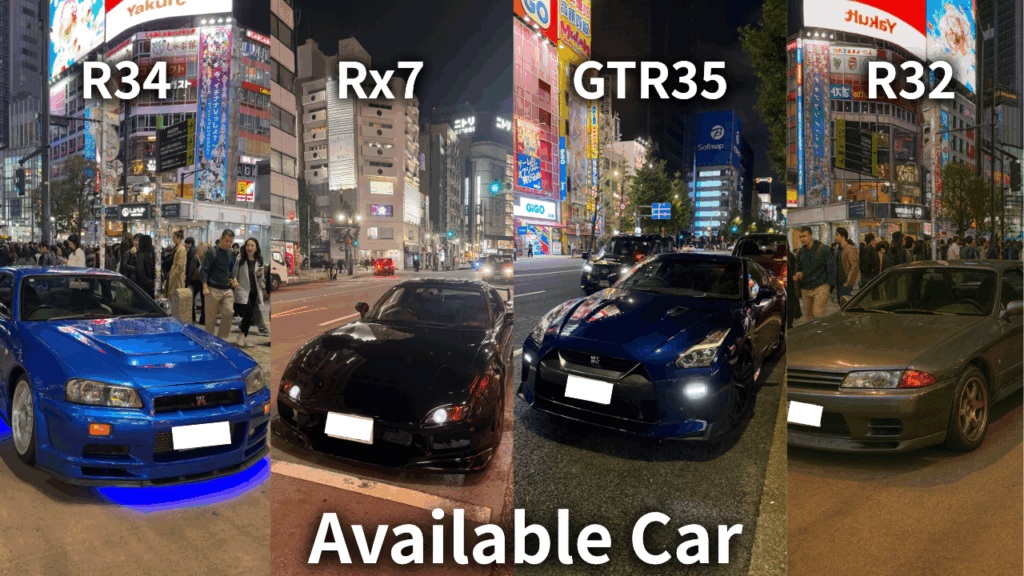
From Daikoku PA tours to JDM sports car rentals and drift experiences, we offer premium driving adventures for visitors who want more than ordinary sightseeing.
Get behind the wheel of iconic machines such as the GT-R, RX-7, and Supra, and experience Japan’s legendary car culture in the most unforgettable way. Whether you want a scenic Tokyo car experience or something more thrilling and immersive, we can guide you to the right plan.
Not sure which experience suits you best? No problem. Message us on WhatsApp and we’ll help you choose the ideal option based on your travel plans, interests, and driving experience.
Popular dates sell out quickly, so we recommend contacting us early.
Customer Reviews
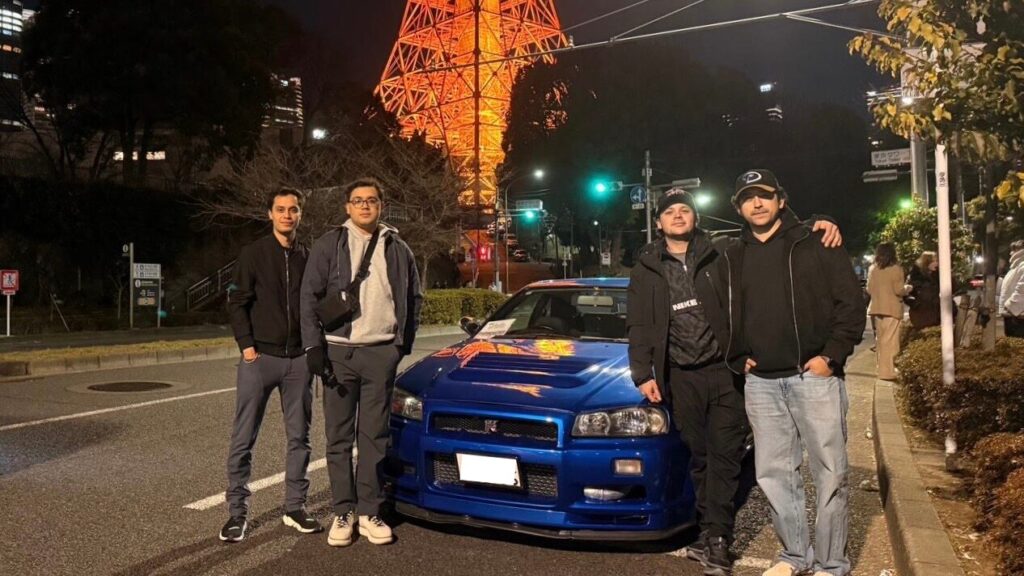
Important Information
- This is a drive tour where you drive your rental car, and our guide navigates from the seat.
- This is a self-drive tour where you drive your rental car, and our guide navigates from the passenger seat.
- The tour begins and ends at the same location (Shibuya).
- If the Daikoku Parking Area is closed, we will instead guide you to another car meet further away.
- The consultant is a cultural expert and navigator, not a taxi service.
