
What Is Mount Nokogiri?
Mount Nokogiri (鋸山, Nokogiriyama) is a 329-meter peak located on the southern tip of the Boso Peninsula in Chiba Prefecture, Japan. The name literally translates to "sawtooth mountain," a reference to the jagged ridgeline carved out by centuries of stone quarrying. Despite its modest elevation, Mount Nokogiri delivers dramatic cliff faces, panoramic views of Tokyo Bay, and one of the most photogenic Buddhist carvings in the country. It stands as one of the most rewarding day trips accessible from Tokyo, combining hiking, history, and spiritual heritage in a single destination.
Why Mount Nokogiri Is Worth Visiting
While many travelers gravitate toward Kamakura or Hakone for day trips outside Tokyo, Mount Nokogiri offers a less crowded alternative with equally compelling attractions. The mountain is home to Nihon-ji Temple, one of the oldest temples in the Kanto region, founded in 725 AD. Within the temple grounds you will find the Great Buddha of Nihon-ji (Nihon-ji Daibutsu), a 31-meter-tall stone Buddha carved directly into the mountainside — taller than the famous Great Buddha of Kamakura.
The mountain's most iconic viewpoint is Jigoku Nozoki (地獄のぞき), or "Hell's Peep," a vertigo-inducing rock outcrop that juts over a sheer cliff face. Standing on this ledge, visitors gaze straight down the quarried rock wall with the Pacific Ocean and Tokyo Bay stretching out below. On clear days, you can see Mount Fuji across the water.
How to Get to Mount Nokogiri from Tokyo
By Train and Ferry
The most scenic route combines a train ride with a short ferry crossing. Take the JR Sobu Line or Keikyu Line to Kurihama Station on the Miura Peninsula. From Kurihama Port, the Tokyo Bay Ferry departs for Kanaya Port on the Chiba side — a 40-minute crossing with beautiful views of Tokyo Bay. From Kanaya, the Mount Nokogiri Ropeway station is a short walk away. The total journey from central Tokyo takes approximately 2 to 2.5 hours.
By Train via the Boso Peninsula
An alternative is the JR Uchibo Line running along Chiba's western coast. Take a train from Tokyo Station to Hamakanaya Station, which sits at the base of Mount Nokogiri. This route takes around 2 hours but avoids the ferry crossing entirely.
By Car
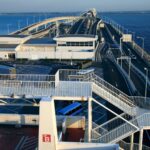
Driving to Mount Nokogiri from central Tokyo takes approximately 1.5 to 2 hours via the Tokyo Bay Aqua-Line, which crosses Tokyo Bay through the impressive Umihotaru tunnel and bridge system. This is one of the most enjoyable drives near Tokyo, as you can stop at Umihotaru Parking Area along the way for food and ocean views before continuing south through the Boso Peninsula. There is paid parking available near the ropeway station and Nihon-ji Temple entrance.
-

-
Umihotaru Parking Area (Umi Hotaru PA): The Complete 2026 Guide to Tokyo Bay’s Floating Rest Stop
Umihotaru Parking Area—often written as Umi Hotaru PA or Umi-hotaru—is one of the most unusual “high ...
続きを見る
Mount Nokogiri Ropeway

The Mount Nokogiri Ropeway is the easiest way to reach the summit area. The ride takes about 4 minutes and ascends from Kanaya Station (near the coast) to the mountaintop station at an elevation of approximately 329 meters. As of 2026, a round-trip ticket costs around ¥1,200 for adults and ¥600 for children. The ropeway operates year-round, though schedules may be adjusted during severe weather. The aerial gondola provides sweeping views of Tokyo Bay during the ascent, making it an attraction in its own right.
Hiking Trails on Mount Nokogiri
For those who prefer to earn the view on foot, several hiking routes lead to the summit and temple grounds. The trails range from beginner-friendly to moderately challenging, making Mount Nokogiri accessible to a wide range of fitness levels.
The Kanaya Route (North Side)
Starting near the ropeway base station, the Kanaya Route ascends through forested paths and old quarry areas. The hike takes approximately 40 to 60 minutes to reach the summit area. Along the way, you pass exposed quarry walls that reveal the mountain's industrial past — stone from Nokogiri was used in many Edo-period construction projects, including foundations for Yokohama Port.
The Hamakanaya Station Route
From JR Hamakanaya Station, a trail leads directly to the Nihon-ji Temple entrance on the south side. This route takes around 30 to 45 minutes and provides access to the Great Buddha before reaching the upper viewpoints. It is a popular choice for visitors arriving by train.
Trail Conditions and Tips
While the trails are not technically demanding, some sections feature uneven stone steps that can be slippery after rain. Sturdy walking shoes are recommended. Carry water, especially in summer when the exposed quarry areas can be hot. The temple grounds themselves involve a significant amount of stair climbing — the path between the Great Buddha and Jigoku Nozoki includes over 1,500 stone steps in total.
Top Attractions Within Nihon-ji Temple

Jigoku Nozoki (Hell's Peep)
This protruding rock ledge is the single most photographed spot on Mount Nokogiri. Standing on the narrow outcrop, you look straight down a near-vertical quarry cliff face that drops over 100 meters. The sensation of standing on the edge — with the ocean stretching to the horizon — is genuinely thrilling. Arrive early in the morning to avoid queues, as this spot draws crowds on weekends and holidays.
The Great Buddha (Nihon-ji Daibutsu)
Carved into the rock face in 1783, the seated Yakushi Nyorai (Medicine Buddha) stands 31.05 meters tall, making it the largest pre-modern stone-carved Buddha in Japan. The statue was restored in 1969 after earthquake damage. The serene expression and sheer scale of the carving are particularly impressive up close.
Hyaku-shaku Kannon (Hundred-Foot Kannon)
This 30-meter relief carving of the Goddess of Mercy (Kannon) was completed in 1966 as a memorial for Japanese war dead and a prayer for world peace. The carving is set into a sheer quarry wall and is visible from the trail connecting the upper and lower temple areas.
1,553 Stone Arhat Statues
Scattered throughout the temple grounds are over 1,500 stone statues depicting the disciples of Buddha. Originally carved between 1779 and 1798 by master stonemason Jingoro Ono and his apprentices, many statues show weathering and moss, lending them an atmospheric quality that enhances the spiritual feel of the mountain.
Best Time to Visit Mount Nokogiri
Mount Nokogiri is accessible year-round, but each season offers a different character:
- Spring (March–May): Mild temperatures and cherry blossoms at lower elevations make this an ideal time for hiking. Visibility across Tokyo Bay is often excellent.
- Summer (June–August): Warm and humid, with lush greenery blanketing the mountain. Early morning visits are recommended to avoid both heat and crowds. The rainy season (tsuyu) in June can make trails slippery.
- Autumn (September–November): Arguably the best season, with autumn foliage painting the quarry walls in reds and oranges. Late November is peak koyo season here. The cooler air and clear skies make this the prime time for photography.
- Winter (December–February): Cool but manageable temperatures, with the fewest visitors. Winter air provides the clearest views of Mount Fuji across Tokyo Bay. The ropeway operates normally, and trails remain open.
Practical Information for 2026
Nihon-ji Temple Admission
As of 2026, the admission fee to enter the Nihon-ji Temple grounds (which covers all the major attractions including Jigoku Nozoki and the Great Buddha) is ¥700 for adults and ¥400 for children (ages 4–12). The temple grounds are open from approximately 8:00 AM to 5:00 PM, with last entry at 4:30 PM. Hours may be shortened during winter months.
What to Bring
- Sturdy walking shoes with good grip
- Water and snacks (limited vending machines on the mountain)
- Sun protection in summer
- A camera — the photo opportunities are extraordinary
- Cash for admission and the ropeway (card payment may not be available everywhere)
Estimated Time Needed
Plan at least 2 to 3 hours to explore the temple grounds and viewpoints thoroughly. If you are hiking up from the base rather than taking the ropeway, add an additional hour. A full day trip from Tokyo, including travel time, typically takes 6 to 8 hours.
Combining Mount Nokogiri with Other Boso Peninsula Attractions
The Boso Peninsula is full of worthwhile stops that pair well with a Mount Nokogiri visit. Driving south from the mountain, you can reach the coastal town of Tateyama, known for its subtropical flowers and the Tateyama Castle ruins. Further along the coast, Kamogawa Sea World and the fishing villages of the Sotobo coastline offer additional diversions. For visitors crossing Tokyo Bay by car via the Aqua-Line, the route naturally links up with Umihotaru and the highway system connecting back to Tokyo, Yokohama, or Kawasaki.
The Quarry History of Mount Nokogiri
Mount Nokogiri's dramatic landscape is not entirely natural. For centuries, the mountain served as a major quarrying site, producing a type of tuff stone called Boshu-ishi. This stone was prized for its workability and was used extensively during the Edo period for construction in the greater Tokyo area. The quarrying continued until 1985, leaving behind the striking vertical cliff faces and terraced rock walls that define the mountain today. Walking through the old quarry zones feels almost otherworldly — the geometric precision of the cut stone walls, now softened by moss and vegetation, creates an atmosphere somewhere between an ancient ruin and a natural wonder.
Photography Tips for Mount Nokogiri

Mount Nokogiri is a paradise for photographers. Here are key tips to capture the best shots:
- Jigoku Nozoki: The most dramatic angle is from the adjacent viewing platform, shooting toward the person standing on the ledge with the ocean behind them. Arrive before 9:00 AM on weekends for crowd-free shots.
- Great Buddha: The statue faces southeast, so morning light illuminates the carving most evenly. A wide-angle lens helps capture the full scale.
- Quarry walls: Late afternoon light raking across the cut stone surfaces emphasizes their texture. In autumn, the contrast between red foliage and grey stone is stunning.
- Mount Fuji views: Winter mornings offer the highest probability of a clear Fuji view from the summit. A telephoto lens or 70–200mm equivalent helps bring the distant peak into frame.
Is Mount Nokogiri Suitable for Families and Beginners?
Yes, though with some caveats. The ropeway eliminates the need for a strenuous hike, making the summit accessible to visitors of most ages and fitness levels. However, navigating the temple grounds still involves a significant amount of stair climbing on uneven stone steps. The path between Jigoku Nozoki and the Great Buddha is long and steep in places. For families with small children or visitors with mobility concerns, focusing on either the upper area (Jigoku Nozoki and the quarry viewpoints) or the lower area (Great Buddha) rather than trying to cover everything is a practical approach. Baby strollers are not practical on the temple trails.
Mount Nokogiri vs. Other Day Trips from Tokyo
Compared to more well-known day trip destinations, Mount Nokogiri offers a unique combination of advantages. It is significantly less crowded than Kamakura or Nikko, yet delivers equally memorable sights. The quarry landscape is unlike anything else in the Kanto region, and the coastal setting adds a dimension that inland mountain destinations lack. For travelers who have already visited the marquee attractions around Tokyo and are looking for something genuinely different, Mount Nokogiri is one of the strongest options available.
Experience Japan’s Finest JDM Adventures
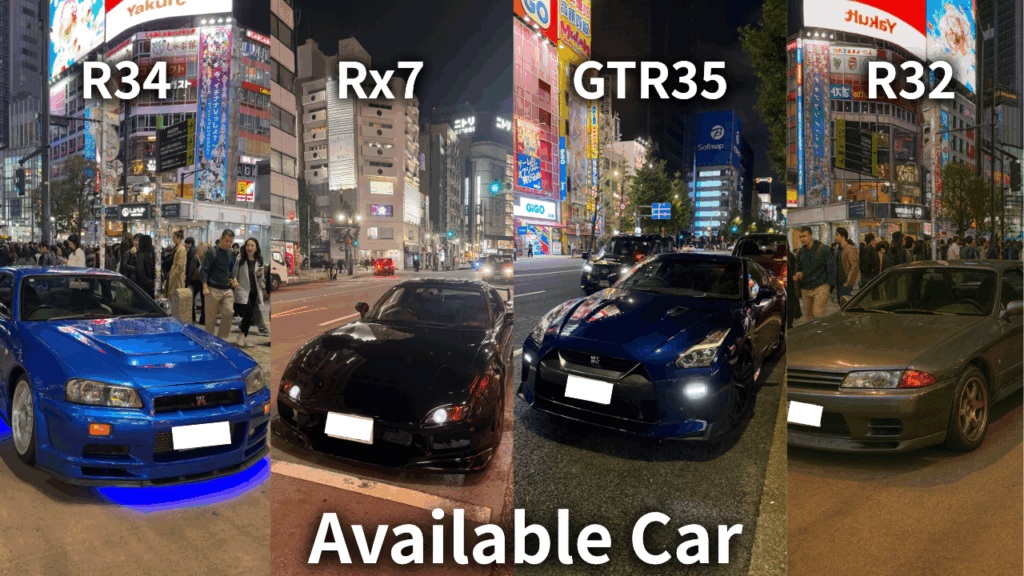
From Daikoku PA tours to JDM sports car rentals and drift experiences, we offer premium driving adventures for visitors who want more than ordinary sightseeing.
Get behind the wheel of iconic machines such as the GT-R, RX-7, and Supra, and experience Japan’s legendary car culture in the most unforgettable way. Whether you want a scenic Tokyo car experience or something more thrilling and immersive, we can guide you to the right plan.
Not sure which experience suits you best? No problem. Message us on WhatsApp and we’ll help you choose the ideal option based on your travel plans, interests, and driving experience.
Popular dates sell out quickly, so we recommend contacting us early.
Customer Reviews
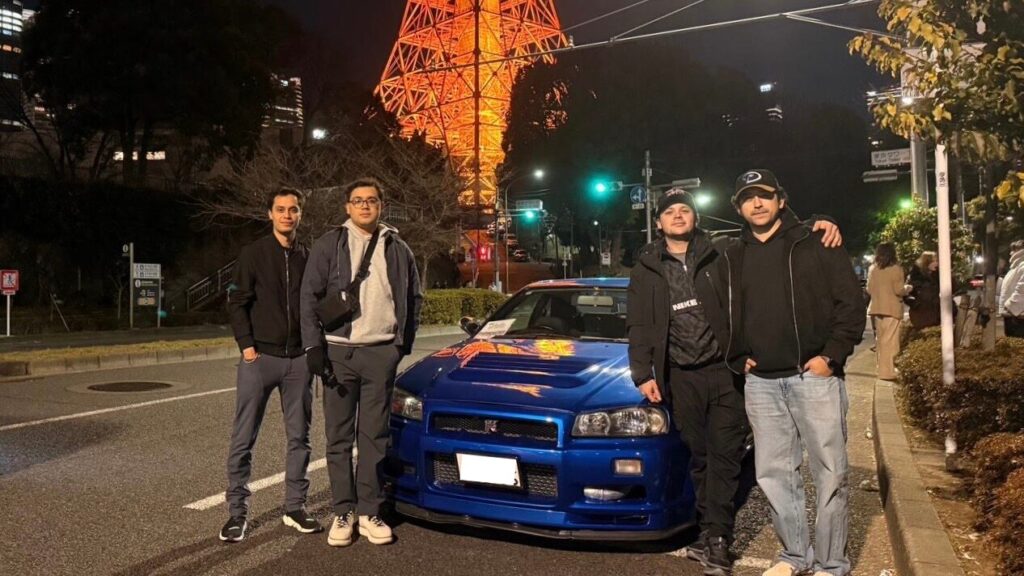
Important Information
- This is a drive tour where you drive your rental car, and our guide navigates from the seat.
- This is a self-drive tour where you drive your rental car, and our guide navigates from the passenger seat.
- The tour begins and ends at the same location (Shibuya).
- If the Daikoku Parking Area is closed, we will instead guide you to another car meet further away.
- The consultant is a cultural expert and navigator, not a taxi service.
