
What Is the Mount Nokogiri Ropeway?
The Mount Nokogiri Ropeway (鋸山ロープウェー) is an aerial tramway that connects the base of Mount Nokogiri in Kanaya, Chiba Prefecture, to a station near the mountain's summit at approximately 329 meters above sea level. Operating since 1962, it remains one of the most scenic and convenient ways to access the mountain's famous landmarks — including the colossal Nihon-ji Daibutsu (Great Buddha) and the heart-stopping Jigoku Nozoki (Hell Peek) cliff overlook.
The ropeway spans roughly 680 meters and completes the ascent in about four minutes, offering continuously expanding views of Tokyo Bay, the Boso Peninsula coastline, and — on clear days — Mount Fuji rising above the western horizon. For travelers who want to experience Mount Nokogiri without a strenuous hike, the ropeway is the most popular starting point.
-

-
Mount Nokogiri: Complete Visitor Guide to Chiba's Stunning Sawtooth Mountain in 2026
What Is Mount Nokogiri? Mount Nokogiri (鋸山, Nokogiriyama) is a 329-meter peak located on the souther ...
続きを見る

Mount Nokogiri Ropeway Tickets and Pricing
Standard Fare (2026)
Tickets for the Mount Nokogiri Ropeway are purchased at the Sanroku (base) Station. As of 2026, the pricing is as follows:
- Round-trip (adult): ¥1,200
- Round-trip (child, ages 6–11): ¥600
- One-way (adult): ¥650
- One-way (child): ¥330
Children under six years old ride for free when accompanied by a paying adult. Payment can be made in cash or with IC cards (Suica, PASMO) at the ticket counter. Credit cards are generally accepted as well, though availability can occasionally vary.
Discount Options and Combo Tickets
Several ways to reduce costs exist for budget-conscious travelers:
- JR Uchibo Line + Ropeway combo tickets: JR East occasionally offers discounted package deals that bundle train fare from the Tokyo area with a round-trip ropeway ticket. Check the JR East website or major stations before your trip.
- Tokyo Bay Ferry + Ropeway sets: If you are crossing from Kurihama (Kanagawa) to Kanaya by ferry, combination tickets including the ropeway are sometimes available at the ferry terminal.
- Group discounts: Groups of 15 or more may qualify for reduced rates by contacting the ropeway operator in advance.
Note that the ropeway ticket does not include admission to Nihon-ji Temple, which requires a separate fee of ¥700 for adults. If you plan to visit the Great Buddha, Jigoku Nozoki, or the Senjusenbotsu (1,553 stone Arhat statues), you will need to purchase this admission at the temple entrance near the mountaintop station.
Operating Hours and Schedule
The Mount Nokogiri Ropeway operates year-round, but hours vary by season:
- February 16 – November 15: 9:00 AM – 5:00 PM (last ascent at 4:30 PM)
- November 16 – February 15: 9:00 AM – 4:00 PM (last ascent at 3:30 PM)
Gondolas depart approximately every 5–15 minutes depending on passenger volume. During peak periods such as Golden Week, autumn foliage season, and New Year's holidays, frequency increases to handle larger crowds. Each gondola holds up to 41 passengers.
Weather-Related Closures
The ropeway may suspend operations during strong winds, heavy rain, thunderstorms, or typhoons. Wind speed is the most common reason for temporary closure. If you are visiting during typhoon season (roughly June through October) or in winter when strong gusts occur, it is wise to check the official ropeway website or call ahead on the morning of your visit. The phone number for the ropeway station is prominently listed on their official site.
When the ropeway is closed due to weather, the hiking trail from Hamakanaya Station remains an alternative, though conditions on the trail can also be poor during storms.
What You'll See from the Ropeway

The four-minute ride delivers some of the most rewarding aerial scenery in the Kanto region. As the gondola rises, the views unfold in stages:
- Tokyo Bay panorama: The sparkling waters of Tokyo Bay stretch out below, with cargo ships and fishing boats dotting the surface. On exceptionally clear days, you can spot the Tokyo Skytree and the skyline of Yokohama in the far distance.
- Mount Fuji: During autumn and winter, when air clarity is highest, Mount Fuji appears as a dramatic silhouette to the west. Early morning rides offer the best chance to see it before haze builds.
- Boso coastline: The rocky shoreline of the Boso Peninsula and the small harbor town of Kanaya are visible directly below the ropeway line.
- Quarry walls: Mount Nokogiri's name means "Saw Mountain," and the dramatic vertical cliff faces — remnants of centuries of stone quarrying — are visible from the gondola windows.
The mountaintop station itself has an observation deck where you can linger and photograph the scenery before heading into Nihon-ji Temple grounds.
Getting to the Ropeway Base Station
By Train
The ropeway's Sanroku (base) Station is located a short 8-minute walk from JR Hamakanaya Station on the JR Uchibo Line. From Tokyo Station, take the JR Sobu Line Rapid to Kisarazu, then transfer to the JR Uchibo Line heading south toward Tateyama. The total journey takes approximately 2 hours. Alternatively, you can take the limited express Sazanami directly from Tokyo Station, which reduces travel time significantly.
-
-
How to Get to Mount Nokogiri from Tokyo: Complete 2026 Access Guide
Why Mount Nokogiri Is One of Tokyo's Best Day Trips Mount Nokogiri (鋸山) sits on the southern tip of ...
続きを見る

By Car
Driving to Mount Nokogiri is a popular option, especially for those who want flexibility. From central Tokyo, take the Tokyo-Wan Aqua-Line expressway across Tokyo Bay to Kisarazu, then follow the Tateyama Expressway and Route 127 south to Kanaya. The drive takes about 1.5 to 2 hours depending on traffic. Free parking is available near the ropeway base station, though spaces fill up quickly on weekends and holidays — arriving before 10:00 AM is recommended.
For those crossing from the Kanagawa side, the Tokyo Bay Ferry from Kurihama Port to Kanaya Port takes about 40 minutes and drops you within walking distance of the ropeway station.
By Ferry
The Tokyo Bay Ferry is one of the most scenic approaches. Departing from Kurihama (accessible from Keikyu Kurihama Station), the ferry crosses Tokyo Bay in approximately 40 minutes. Kanaya Port is just a 5-minute walk from the ropeway base. The ferry operates multiple round trips daily, and car transport is available if you are driving.
Ropeway vs. Hiking Trail: Which Should You Choose?
Mount Nokogiri can be accessed either by ropeway or on foot via established hiking trails. Each option has distinct advantages:
- Ropeway: Best for travelers with limited time, families with young children, elderly visitors, or anyone who simply wants to enjoy the views without physical exertion. The four-minute ride deposits you near the summit with energy to spare for exploring Nihon-ji Temple's extensive grounds.
- Hiking trail: The main trail from the Hamakanaya side takes approximately 30–45 minutes to reach the summit area. It passes through forested terrain and offers its own sense of accomplishment, but involves steep stone steps that can be slippery when wet.
A popular strategy is to ride the ropeway up and hike down (or vice versa). This lets you experience both the aerial views and the atmospheric forest trail. If you choose this option, purchase a one-way ropeway ticket instead of the round-trip.
-
-
Mount Nokogiri Trailhead Guide: Access Points, Parking, and Starting Your Hike in 2026
Understanding the Mount Nokogiri Trailhead Options Mount Nokogiri (Nokogiriyama) in Chiba Prefecture ...
続きを見る

Best Time to Ride the Mount Nokogiri Ropeway
Seasonal Highlights
- Spring (March–May): Cherry blossoms bloom on the lower slopes, and mild temperatures make the entire mountain pleasant. Visibility is moderate.
- Summer (June–August): Lush green scenery, but humidity and haze can reduce visibility. Weekday mornings are less crowded.
- Autumn (October–November): Peak season. The mountainside transforms with vivid red, orange, and gold foliage, and the cooler air offers the clearest views of Tokyo Bay and Mount Fuji. Expect longer wait times for the ropeway on weekends.
- Winter (December–February): The quietest season with the sharpest air clarity. Mount Fuji views are at their best. Shorter operating hours apply, so plan accordingly.
Time of Day
For photography and the best chance of seeing Mount Fuji, aim to ride the ropeway in the morning — ideally before 11:00 AM. Afternoon haze, particularly in warmer months, can obscure distant landmarks. Sunset rides are beautiful but require timing your visit carefully to avoid missing the last descent.
Tips for a Smooth Ropeway Visit

- Arrive early on weekends: The ropeway can develop queues of 20–30 minutes or more during peak autumn weekends and Golden Week. Arriving at 9:00 AM when the station opens gives you the shortest wait.
- Wear proper footwear: Even though the ropeway eliminates the climb, the trails and stone pathways within Nihon-ji Temple grounds are uneven and steep. Sturdy walking shoes or hiking shoes are strongly recommended.
- Bring water: There are limited vending machines at the mountaintop station, but no shops once you enter the temple grounds. Carry at least one bottle of water, especially in summer.
- Check the wind forecast: If winds are forecast above 15 m/s, the ropeway is likely to be suspended. Check conditions before you leave your hotel.
- Budget extra time for Nihon-ji: The temple grounds are vast, spanning much of the mountainside. Allow at least 1.5 to 2 hours to visit Jigoku Nozoki, the Great Buddha, and the Arhat statues, in addition to the ropeway ride itself.
-
-
The Giant Buddha of Mount Nokogiri: Japan's Largest Stone Daibutsu in 2026
Introduction to the Mount Nokogiri Buddha Hidden within the ancient quarry walls of Mount Nokogiri i ...
続きを見る

Accessibility and Facilities
The ropeway gondola is large enough to accommodate wheelchairs, and staff at the base station can assist with boarding. However, the trails and stone stairways within Nihon-ji Temple are not wheelchair-accessible. Visitors with mobility challenges should be aware that the ropeway itself is manageable, but exploring beyond the mountaintop observation deck involves significant stair climbing.
Restrooms are available at both the base and mountaintop ropeway stations. A small souvenir shop at the base station sells local Chiba specialties, snacks, and Mount Nokogiri memorabilia.
Combining the Ropeway with a Broader Day Trip
Mount Nokogiri and the ropeway pair well with other destinations in the southern Boso Peninsula for a full day trip from Tokyo. After descending the mountain, you can explore the fishing town of Kanaya for fresh seafood, or continue south along Route 127 toward Tateyama and its coastal scenery. Those crossing by car from the Tokyo Bay Aqua-Line can also stop at Umihotaru, the mid-bay parking area, for panoramic ocean views on the way to or from Mount Nokogiri.
-
-
Umihotaru Parking Area (Umi Hotaru PA): The Complete 2026 Guide to Tokyo Bay’s Floating Rest Stop
Umihotaru Parking Area—often written as Umi Hotaru PA or Umi-hotaru—is one of the most unusual “high ...
続きを見る
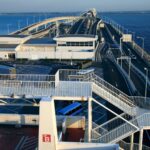
Whether you are visiting for the breathtaking views, the historic temple, or simply the thrill of rising above Tokyo Bay in a gondola, the Mount Nokogiri Ropeway is an experience that delivers far beyond its modest four-minute ride time. With clear skies and the right timing, it becomes one of the most memorable moments of any trip to the Chiba coastline.
Experience Japan’s Finest JDM Adventures
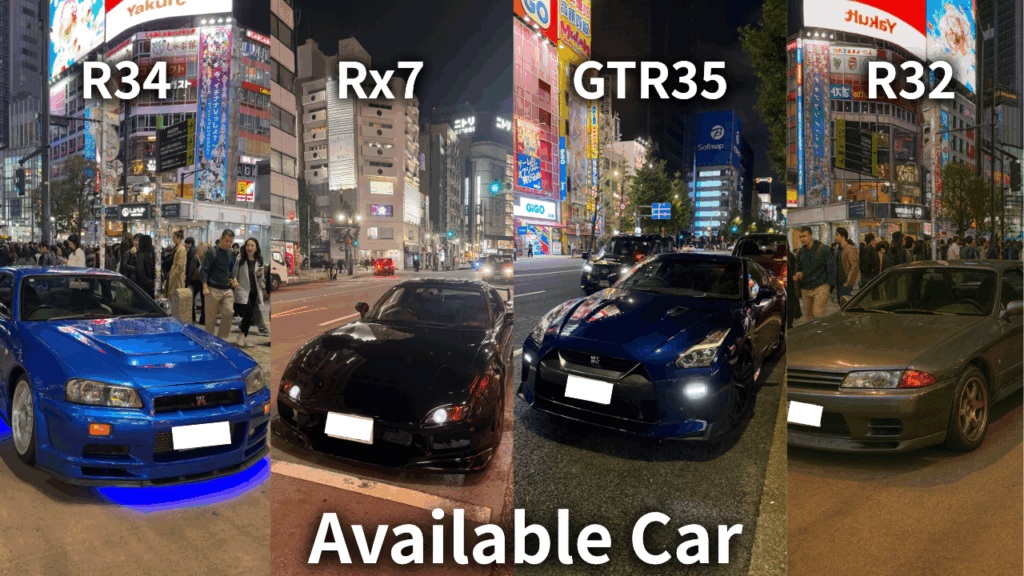
From Daikoku PA tours to JDM sports car rentals and drift experiences, we offer premium driving adventures for visitors who want more than ordinary sightseeing.
Get behind the wheel of iconic machines such as the GT-R, RX-7, and Supra, and experience Japan’s legendary car culture in the most unforgettable way. Whether you want a scenic Tokyo car experience or something more thrilling and immersive, we can guide you to the right plan.
Not sure which experience suits you best? No problem. Message us on WhatsApp and we’ll help you choose the ideal option based on your travel plans, interests, and driving experience.
Popular dates sell out quickly, so we recommend contacting us early.
Customer Reviews
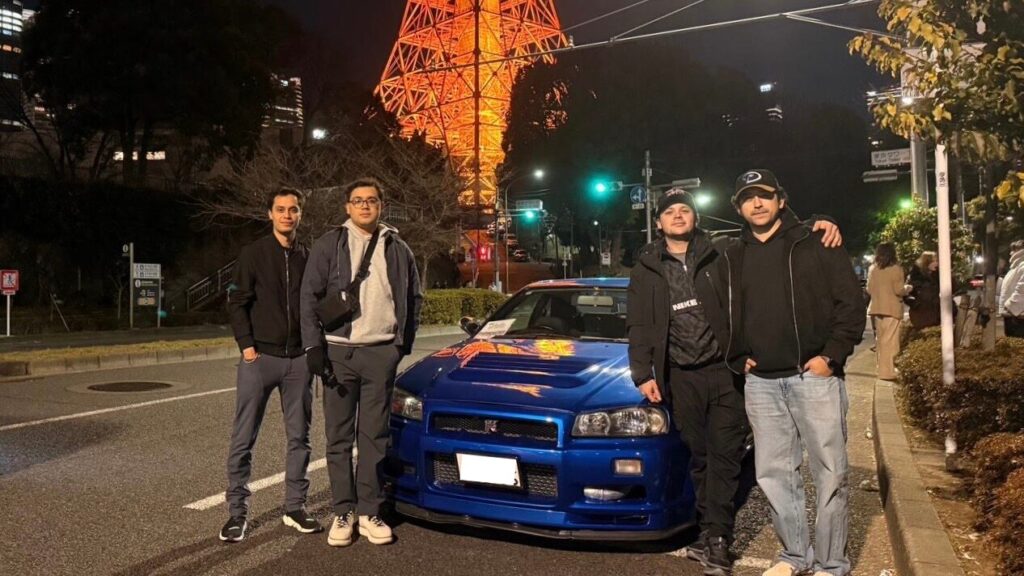
Important Information
- This is a drive tour where you drive your rental car, and our guide navigates from the seat.
- This is a self-drive tour where you drive your rental car, and our guide navigates from the passenger seat.
- The tour begins and ends at the same location (Shibuya).
- If the Daikoku Parking Area is closed, we will instead guide you to another car meet further away.
- The consultant is a cultural expert and navigator, not a taxi service.
