
Understanding the Mount Nokogiri Trailhead Options
Mount Nokogiri (Nokogiriyama) in Chiba Prefecture offers several trailhead access points, each presenting a distinctly different hiking experience. Whether you prefer a challenging full-mountain ascent from sea level or a gentler start from the ropeway station, choosing the right Mount Nokogiri trailhead is the most important decision you'll make before setting foot on the trail. This guide covers every trailhead in detail so you can plan confidently for your 2026 visit.
-

-
Mount Nokogiri: Complete Visitor Guide to Chiba's Stunning Sawtooth Mountain in 2026
What Is Mount Nokogiri? Mount Nokogiri (鋸山, Nokogiriyama) is a 329-meter peak located on the souther ...
続きを見る

Kanaya Trailhead (East Side) — The Most Popular Starting Point
The Kanaya trailhead on the eastern side of Mount Nokogiri is by far the most commonly used access point. Located near JR Hamakanaya Station and the Nokogiriyama Ropeway lower station, this trailhead sits at the base of the mountain on the coast of the Uraga Channel.
How to Reach the Kanaya Trailhead
- By train: Take the JR Uchibo Line to Hamakanaya Station. The trailhead is approximately a 5-minute walk from the station.
- By car: Drive along Route 127 (Uchibo Seaside Road). The trailhead area has a dedicated parking lot near the ropeway station.
- By ferry: The Tokyo Bay Ferry runs between Kurihama (Kanagawa Prefecture) and Kanaya Port. From the ferry terminal, the trailhead is about a 10-minute walk.
Kanaya Trailhead Parking Information
There is a free parking area at the base of the Nokogiriyama Ropeway that accommodates roughly 200 vehicles. On weekends and holidays during peak autumn foliage season (November) and spring (March–May), this lot can fill up by late morning. Arriving before 9:00 AM on busy days is strongly recommended. An overflow lot is occasionally available nearby, but capacity is limited.
The Hiking Route from Kanaya
From the Kanaya trailhead, the main hiking trail follows a stone-stepped path that climbs steadily through forest. The route passes through the historic quarry area — where you can see the distinctive sawtooth rock faces that give the mountain its name — before reaching the summit plateau and Nihon-ji Temple grounds. Total hiking time from this trailhead to the summit is approximately 40–60 minutes depending on fitness level. Elevation gain is around 300 meters.
Hota Trailhead (West Side) — A Quieter Alternative
The Hota trailhead on the western slope of Mount Nokogiri offers a less crowded hiking experience. This route is favored by those who want a more rugged, nature-immersive trail without the tourist density of the Kanaya side.
How to Reach the Hota Trailhead
- By train: Take the JR Uchibo Line to Hota Station. From there, it is approximately a 15–20 minute walk along residential roads to the trailhead entrance.
- By car: Follow Route 127 south past Kanaya to Hota. Limited parking is available near the trailhead, but spaces are far fewer than at Kanaya.
The Hiking Route from Hota
The Hota route is slightly longer and steeper in places, taking approximately 50–70 minutes to reach the main attractions including the Great Buddha (Daibutsu) and the Hyaku-shaku Kannon relief carving. The trail is well-maintained but narrower than the Kanaya path, and sections include uneven stone steps. This approach enters the Nihon-ji Temple grounds from the western gate, which means you'll encounter the Great Buddha first rather than the cliff-top Jigoku Nozoki (Hell Peep) viewpoint.
Starting from the Ropeway — Is It Considered a Trailhead?

While technically not a trailhead in the traditional hiking sense, many visitors begin their Mount Nokogiri exploration from the upper ropeway station. The Nokogiriyama Ropeway ascends from the Kanaya base to a point near the mountaintop in about 4 minutes. From the upper station, you still need to walk approximately 15–30 minutes along pathways and steep stone stairs to reach the major sights.
This option is ideal for travelers with limited mobility, families with young children, or anyone who wants to save energy for exploring the temple grounds themselves. The ropeway operates year-round, though service may be suspended during severe weather or typhoons. As of 2026, a round-trip adult ticket costs approximately ¥1,200.
Nihon-ji Temple Admission Gate as a Trailhead
Some visitors drive directly to the Nihon-ji Temple parking area located partway up the mountain via a toll road on the Kanaya side. This effectively creates a third type of trailhead — you park at elevation and enter the temple grounds directly without hiking from the base. The temple charges a separate admission fee (approximately ¥700 for adults in 2026) regardless of which direction you enter from.
This option is particularly useful for those who want to focus solely on the cultural and scenic highlights — the 31-meter Great Buddha, the cliff-edge Jigoku Nozoki viewpoint, and the 1,553 carved Arhat statues — without a demanding hike.
Comparing Mount Nokogiri Trailheads at a Glance
- Kanaya Trailhead: Most accessible, best public transport links, free large parking lot, 40–60 min to summit, moderate difficulty.
- Hota Trailhead: Quieter, fewer facilities, limited parking, 50–70 min to summit, moderate-to-challenging difficulty.
- Ropeway Upper Station: Easiest start, 15–30 min walking on top, suitable for all ages, requires ropeway ticket.
- Nihon-ji Temple Parking: Drive partway up, shortest walking distance, toll road access, temple admission required.
Best Season and Time of Day to Start from the Trailhead
Mount Nokogiri is hikeable year-round, but conditions vary significantly by season. Spring (March–May) and autumn (October–November) offer the most comfortable temperatures and the best visibility across Tokyo Bay. Summer months are hot and humid, making an early morning start from the trailhead essential — ideally by 7:00 or 8:00 AM. Winter days are short but clear, with stunning views of Mount Fuji from the summit on cloudless days.
Regardless of season, starting early has practical advantages beyond weather. The Kanaya parking lot stays manageable, the trails are less congested, and the morning light creates ideal photography conditions at Jigoku Nozoki and the Great Buddha.
What to Bring and Trailhead Facilities
At the Kanaya trailhead, you'll find vending machines, restrooms, and a small shop near the ropeway station. The Hota trailhead has minimal facilities — bring water and snacks from Hota Station or a nearby convenience store. Both trailheads lack gear rental shops, so come prepared.
Essential Items for the Hike
- Sturdy walking shoes with good grip (stone steps can be slippery when wet)
- At least 500 ml of water per person (more in summer)
- Sun protection: hat, sunscreen, sunglasses
- Cash for temple admission and ropeway tickets (card acceptance is limited)
- A light rain jacket (weather can shift quickly near the coast)
Getting to Mount Nokogiri Trailheads from Tokyo

From central Tokyo, reaching the Kanaya trailhead takes approximately 2–2.5 hours by public transport. The most scenic route combines the JR Sobu Line to Chiba, then the JR Uchibo Line south along the coast to Hamakanaya Station. Alternatively, taking the Keikyu Line to Kurihama and crossing Tokyo Bay via the ferry to Kanaya adds a memorable maritime element to the journey and takes roughly the same amount of time.
For those driving from Tokyo, the Aqua-Line expressway across Tokyo Bay followed by the Tateyama Expressway provides the fastest route, typically around 1.5–2 hours depending on traffic. This approach also gives you the flexibility to stop at other Boso Peninsula attractions along the way.
Trail Difficulty and Safety at Each Trailhead
Mount Nokogiri stands at just 329 meters, making it one of the more accessible mountain hikes near Tokyo. However, the trails involve significant stair climbing — the route from the Kanaya trailhead includes over 1,500 stone steps in total when you factor in the paths within Nihon-ji Temple grounds. The Hota approach is somewhat steeper with less uniform footing.
Neither trail requires technical climbing equipment or advanced hiking experience, but the stone stairs demand reasonable knee and ankle strength. After rainfall, surfaces become slick, so caution is warranted. There is mobile phone reception throughout most of the trail network, and the routes are well-signposted in both Japanese and English.
Experience Japan’s Finest JDM Adventures
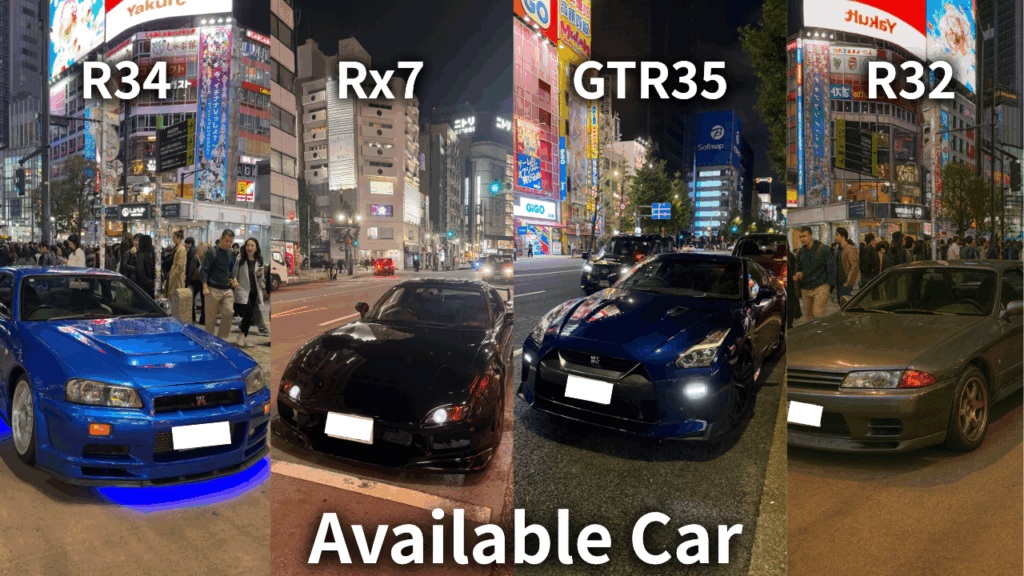
From Daikoku PA tours to JDM sports car rentals and drift experiences, we offer premium driving adventures for visitors who want more than ordinary sightseeing.
Get behind the wheel of iconic machines such as the GT-R, RX-7, and Supra, and experience Japan’s legendary car culture in the most unforgettable way. Whether you want a scenic Tokyo car experience or something more thrilling and immersive, we can guide you to the right plan.
Not sure which experience suits you best? No problem. Message us on WhatsApp and we’ll help you choose the ideal option based on your travel plans, interests, and driving experience.
Popular dates sell out quickly, so we recommend contacting us early.
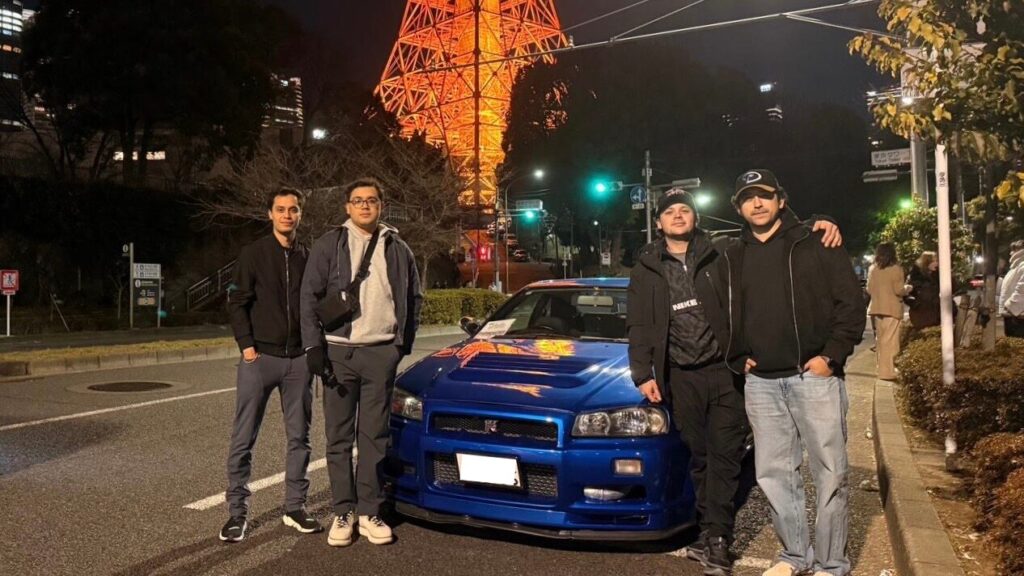
Customer Reviews
Important Information
- This is a drive tour where you drive your rental car, and our guide navigates from the seat.
- This is a self-drive tour where you drive your rental car, and our guide navigates from the passenger seat.
- The tour begins and ends at the same location (Shibuya).
- If the Daikoku Parking Area is closed, we will instead guide you to another car meet further away.
- The consultant is a cultural expert and navigator, not a taxi service.
