
Why Mount Nokogiri Weather Matters for Your Visit
Mount Nokogiri (Nokogiriyama) stands at 329 meters on the southern tip of Chiba Prefecture's Boso Peninsula, overlooking Tokyo Bay. While it is a relatively low-altitude mountain, the weather on its exposed cliff faces, stone staircases, and ridgeline trails can differ significantly from conditions at sea level. Understanding Mount Nokogiri weather throughout the year is essential for planning a safe, comfortable, and visually rewarding trip—whether you intend to hike the trails, ride the ropeway, or photograph the famous Nihon-ji Temple grounds.
This guide breaks down monthly weather patterns, seasonal highlights, and practical tips so you can choose the ideal time and pack the right gear for your Mount Nokogiri adventure in 2026.
-

-
Mount Nokogiri: Complete Visitor Guide to Chiba's Stunning Sawtooth Mountain in 2026
What Is Mount Nokogiri? Mount Nokogiri (鋸山, Nokogiriyama) is a 329-meter peak located on the souther ...
続きを見る

Mount Nokogiri Climate Overview
The Boso Peninsula benefits from a mild maritime climate moderated by warm Kuroshio (Black Current) ocean waters flowing through Tokyo Bay and the Pacific. Compared to central Tokyo, the area around Mount Nokogiri tends to be slightly warmer in winter and marginally cooler in summer thanks to persistent sea breezes. Precipitation levels broadly mirror those of the wider Kanto region, with a distinct rainy season (tsuyu) in June and early July and a typhoon season running from August through October.
Key climate characteristics at Mount Nokogiri include:
- Annual average temperature: Approximately 15–16 °C at the base, a few degrees lower at the summit.
- Annual precipitation: Around 1,600–1,800 mm, concentrated in summer months.
- Snowfall: Extremely rare; the Boso Peninsula is one of the warmest zones in the Kanto region.
- Wind: Exposed summit ridges and the Jigoku Nozoki (Hell's Peep) cliff face can be significantly windier than sheltered valleys below.
Month-by-Month Mount Nokogiri Weather Guide
January & February — Cool and Crisp
Average high temperatures hover around 9–11 °C at the base, dropping to roughly 5–8 °C near the summit. Precipitation is among the lowest of the year, making these surprisingly clear months for visibility across Tokyo Bay. On a good day you can see Mount Fuji from the Jigoku Nozoki lookout. Frost is possible on shaded stone steps in the early morning, so wear shoes with solid grip. Layers are essential, as wind chill on the ridgeline can feel considerably colder than the thermometer suggests.
March — Early Spring Warmth
Temperatures begin climbing to 12–15 °C. The Boso Peninsula is famous across Japan for early-blooming flowers, and by mid-to-late March you may already see cherry blossoms emerging on the lower slopes. Rain frequency increases slightly compared to winter, but extended storms are uncommon. This is an excellent shoulder-season month: fewer crowds, comfortable hiking weather, and improving daylight hours.
April — Cherry Blossoms and Mild Days
Highs reach 17–20 °C, creating near-perfect hiking weather. Full cherry blossom season typically peaks in early-to-mid April around the Nihon-ji Temple grounds. Visibility remains good, though haze can develop on warmer afternoons. A light jacket is sufficient for most hikers, though mornings and evenings still carry a chill.
May — Warm Pre-Rainy Season
May is widely regarded as one of the best months to visit Mount Nokogiri. Daytime temperatures sit comfortably between 20–24 °C, humidity is still manageable, and rainfall has not yet ramped up to tsuyu levels. Fresh greenery covers the mountain, and the stone Buddha and temple ruins look especially atmospheric surrounded by vibrant foliage.
June — Tsuyu (Rainy Season) Begins
The rainy season typically arrives in the first or second week of June and persists into mid-July. Expect frequent showers, overcast skies, and humidity levels climbing above 80%. Daytime highs reach 23–26 °C. While the lush rain-soaked greenery creates a dramatic landscape, the stone stairways become slippery and the ropeway may suspend operations during heavy rain or strong wind. Waterproof footwear and a packable rain jacket are mandatory if you visit during tsuyu.
July — Hot and Humid
Once the rainy season breaks (usually mid-to-late July), temperatures surge to 28–31 °C with high humidity. Heat exhaustion is a real concern on the exposed staircases. Start early in the morning if you plan to hike. Sea breezes provide modest relief at the summit, but shaded sections along the trail can feel oppressive. Afternoon thunderstorms are common, so carry rain gear regardless of the morning forecast.
August — Peak Summer Heat
August is the hottest month, with highs often exceeding 31 °C. Humidity remains intense. The upside is that summer holidays bring extended operating hours for the ropeway and nearby facilities. Late afternoon offers the best light for photography across Tokyo Bay. Stay hydrated, wear sun protection, and consider taking the ropeway up and walking down rather than tackling the full ascent on foot.
September — Typhoon Season
Temperatures begin to ease slightly (27–30 °C), but September marks the statistical peak of typhoon activity in the Kanto area. The Boso Peninsula, jutting out into the Pacific, is particularly exposed to typhoon approach paths. Always check the Japan Meteorological Agency (JMA) forecasts before visiting. On clear days between weather systems, autumn light produces beautiful golden-hour views from the summit.
October — Autumn Transition
October is another top-tier month for visiting. Highs settle to 21–25 °C, humidity drops noticeably, and the risk of typhoons diminishes as the month progresses. The first hints of autumn color appear on the upper slopes toward late October, though full koyo (autumn foliage) arrives later here than in mountainous areas further north.
November — Peak Autumn Foliage
Mount Nokogiri's autumn leaves typically peak from mid-to-late November, later than many spots in northern Honshu due to the mild maritime climate. Expect highs of 16–20 °C and minimal rainfall—ideal hiking conditions. The contrast of red and orange maples against weathered stone temple walls makes November arguably the most photogenic month. Mornings can be cool (8–10 °C), so bring layers for an early start.
December — Quiet and Clear
December sees a return to winter-like conditions with highs of 11–14 °C. Precipitation is low, and the air clarity rivals January and February, making it another good window for Mount Fuji views. Visitor numbers drop significantly, so you can enjoy the trails in relative solitude. The ropeway operates on a reduced winter schedule, so confirm hours in advance.
Best Weather Conditions for Specific Activities

Hiking the Trail from the Base
The full ascent from the Hamakanaya trailhead involves steep stone steps and exposed sections. The most comfortable weather for hiking is during the shoulder seasons: March through May and October through November. Target temperatures between 12–22 °C and low humidity for the most enjoyable experience. Avoid midsummer midday heat and rainy-season conditions when the stone steps become dangerously slick.
-
-
Mount Nokogiri Trailhead Guide: Access Points, Parking, and Starting Your Hike in 2026
Understanding the Mount Nokogiri Trailhead Options Mount Nokogiri (Nokogiriyama) in Chiba Prefecture ...
続きを見る

Riding the Ropeway
The Mount Nokogiri Ropeway offers panoramic views of Tokyo Bay but is sensitive to weather disruptions. Operations may be suspended during strong winds (typically above 15 m/s), heavy rain, lightning, or typhoon warnings. Summer thunderstorms and tsuyu downpours are the most common causes of suspension. Winter and spring provide the most reliable ropeway operation with minimal interruptions.
-
-
Mount Nokogiri Ropeway: Tickets, Schedule & Panoramic Views in 2026
What Is the Mount Nokogiri Ropeway? The Mount Nokogiri Ropeway (鋸山ロープウェー) is an aerial tramway that ...
続きを見る

Photography at Jigoku Nozoki and the Great Buddha
For the clearest views and best photographic light, visit during the colder months (November through February) when atmospheric haze is lowest. Early morning light produces the most dramatic shadows across the quarried cliff faces. The Great Buddha (Nihon-ji Daibutsu) is sheltered in a carved-out alcove and can be photographed in almost any weather, though overcast skies produce flat, less compelling images.
-
-
The Giant Buddha of Mount Nokogiri: Japan's Largest Stone Daibutsu in 2026
Introduction to the Mount Nokogiri Buddha Hidden within the ancient quarry walls of Mount Nokogiri i ...
続きを見る

How to Check Mount Nokogiri Weather Before You Go
Real-time and forecast weather data for the Mount Nokogiri area is available from several reliable sources:
- Japan Meteorological Agency (JMA): The official source for Chiba Prefecture forecasts, typhoon tracking, and rain radar. Available in English at jma.go.jp.
- Windy.com: Offers detailed wind, precipitation, and cloud-cover models—useful for checking summit-level wind conditions that base-level forecasts may not capture.
- Tenki.jp: A popular Japanese weather service with point-specific mountain forecasts. Use browser translation if needed.
- Mount Nokogiri Ropeway website: Posts operational status updates when weather conditions force temporary closures.
Always recheck conditions on the morning of your visit, especially during tsuyu and typhoon season. Weather in the Boso Peninsula can shift rapidly, and a clear morning does not guarantee a dry afternoon.
What to Wear and Pack by Season
Packing appropriately can make or break your Mount Nokogiri experience. Here is a quick reference:
- Winter (December–February): Insulated jacket, thermal base layer, gloves, warm hat, sturdy shoes with good grip for frosty stone steps.
- Spring (March–May): Light layers, a packable windbreaker, sunscreen, comfortable hiking shoes.
- Summer (June–August): Moisture-wicking clothing, hat, sunscreen, rain jacket, extra water (at least 1 liter), towel for sweat.
- Autumn (September–November): Medium layers, rain jacket (early autumn), warm fleece for late November mornings, trekking shoes.
Regardless of season, bring sturdy footwear. The carved stone steps throughout Nihon-ji Temple grounds are uneven and can be slippery even in dry conditions.
Getting to Mount Nokogiri in Different Weather Conditions

The Tokyo Bay Aqua-Line expressway connecting Kawasaki to the Boso Peninsula offers the fastest driving route from Tokyo to Mount Nokogiri. However, the Aqua-Line's bridge and tunnel sections can be affected by strong crosswinds during typhoons, occasionally leading to speed restrictions or closures. The alternative train-and-ferry route via JR Uchibo Line to Hamakanaya Station is generally more weather-resilient, though the Kanaya-to-Kurihama ferry suspends service in very rough seas.
If you are driving from the Tokyo area, the journey takes roughly 90 minutes via the Aqua-Line in normal conditions, and the route passes directly through the Umihotaru parking area—a worthwhile stop in its own right for ocean views and snacks.
-
-
How to Get to Mount Nokogiri from Tokyo: Complete 2026 Access Guide
Why Mount Nokogiri Is One of Tokyo's Best Day Trips Mount Nokogiri (鋸山) sits on the southern tip of ...
続きを見る

Summary: Best and Worst Months for Mount Nokogiri Weather
To simplify your planning, here is a quick seasonal rating:
- Best months: April, May, October, November — comfortable temperatures, low rainfall, excellent visibility.
- Good months: January, February, March, December — cool but clear, great for Mount Fuji views, fewer crowds.
- Challenging months: June, July — rainy season heat and humidity, slippery trails, potential ropeway closures.
- Risky months: August, September — extreme heat, typhoon threats, unpredictable afternoon storms.
Mount Nokogiri rewards visitors in almost every season, but choosing the right weather window ensures you experience the Jigoku Nozoki cliff, the Great Buddha, and the sweeping Tokyo Bay panorama at their absolute best.
Experience Japan’s Finest JDM Adventures
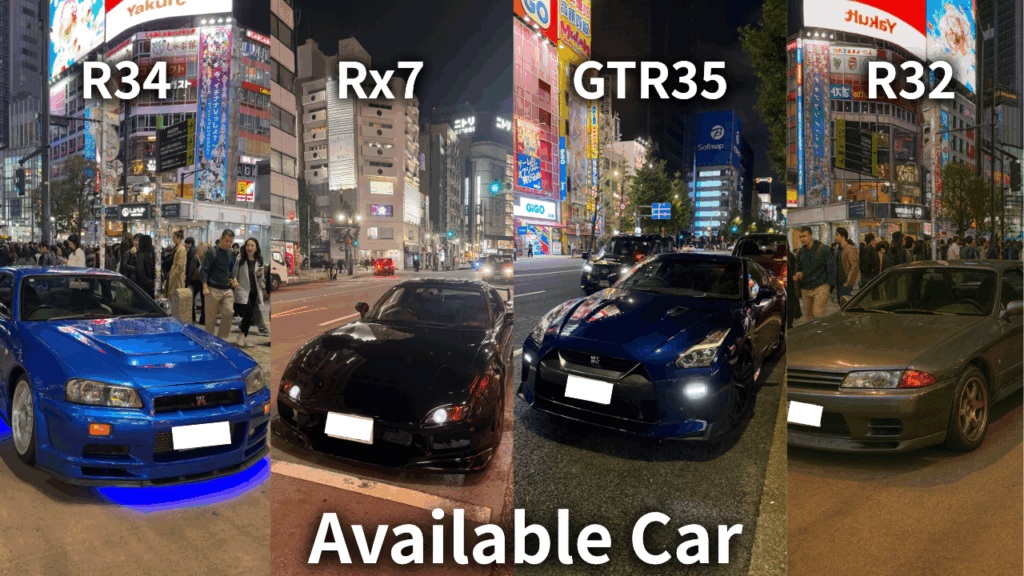
From Daikoku PA tours to JDM sports car rentals and drift experiences, we offer premium driving adventures for visitors who want more than ordinary sightseeing.
Get behind the wheel of iconic machines such as the GT-R, RX-7, and Supra, and experience Japan’s legendary car culture in the most unforgettable way. Whether you want a scenic Tokyo car experience or something more thrilling and immersive, we can guide you to the right plan.
Not sure which experience suits you best? No problem. Message us on WhatsApp and we’ll help you choose the ideal option based on your travel plans, interests, and driving experience.
Popular dates sell out quickly, so we recommend contacting us early.
Customer Reviews
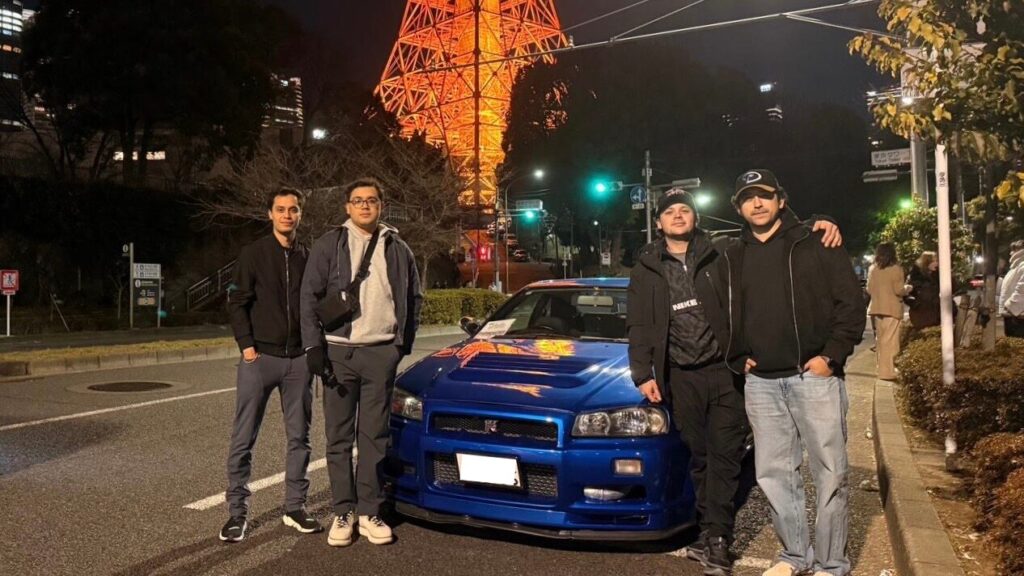
Important Information
- This is a drive tour where you drive your rental car, and our guide navigates from the seat.
- This is a self-drive tour where you drive your rental car, and our guide navigates from the passenger seat.
- The tour begins and ends at the same location (Shibuya).
- If the Daikoku Parking Area is closed, we will instead guide you to another car meet further away.
- The consultant is a cultural expert and navigator, not a taxi service.
