
Why Mount Nokogiri Deserves a Full Day on Your Itinerary
Mount Nokogiri (鋸山) on the Boso Peninsula in Chiba Prefecture is one of the most underrated day-trip destinations accessible from Tokyo. Standing at just 329 meters, this former stone quarry packs an extraordinary density of activities into a compact area—from jaw-dropping cliff viewpoints and ancient Buddhist carvings to forest trails and scenic ropeway rides. Whether you are a hiker, history enthusiast, photographer, or simply someone seeking dramatic landscapes without a strenuous alpine climb, there are plenty of things to do in Mount Nokogiri to fill an unforgettable day.
-

-
Mount Nokogiri: Complete Visitor Guide to Chiba's Stunning Sawtooth Mountain in 2026
What Is Mount Nokogiri? Mount Nokogiri (鋸山, Nokogiriyama) is a 329-meter peak located on the souther ...
続きを見る

Peer Over the Edge at Jigoku Nozoki (Hell Peek)
The single most iconic experience on Mount Nokogiri is Jigoku Nozoki—literally translated as "Peeking into Hell." This protruding rock ledge juts out from the sheer cliff face, offering a vertigo-inducing view straight down the quarry wall and across Tokyo Bay toward the Miura Peninsula. On a clear day, you can even spot the faint silhouette of Mount Fuji to the west. The platform is fenced for safety, but the sensation of leaning over the edge remains thrilling. Arrive early in the morning to avoid queues, especially on weekends and holidays.
Explore Nihonji Temple and Its Centuries of History
Nihonji Temple (日本寺) occupies the entire mountainside and dates back to 725 AD, making it over 1,300 years old. The temple grounds span the mountain from base to summit, and your entry ticket gives you access to all of its major attractions. Walking through the temple precincts feels like stepping through successive eras of Japanese Buddhist art and architecture, all set against the dramatic backdrop of weathered stone quarry walls.
The Great Buddha (Daibutsu)
Carved directly into the rock face, the Nihonji Daibutsu stands 31.05 meters tall—making it the largest pre-modern stone-carved seated Buddha in Japan, even taller than the famous Great Buddha of Kamakura. Originally completed in 1783, it was restored in 1969 after centuries of erosion. The serene expression and enormous scale are genuinely awe-inspiring, and the surrounding clearing provides excellent angles for photography.
-
-
The Giant Buddha of Mount Nokogiri: Japan's Largest Stone Daibutsu in 2026
Introduction to the Mount Nokogiri Buddha Hidden within the ancient quarry walls of Mount Nokogiri i ...
続きを見る

The 1,553 Arhat Stone Statues
Scattered across the mountainside, the Sengohyaku Rakan are over 1,500 individually carved stone statues of Buddhist disciples. Each one has a unique facial expression—some meditative, some joyful, some sorrowful. Carved between 1779 and 1798 by master sculptor Jingoro Eirei and his apprentices, many have been weathered or partially damaged over the centuries, lending them an almost haunting beauty. Wandering through the moss-covered paths connecting these statues is one of the most atmospheric things to do in Mount Nokogiri.
Hike the Mountain Trails

Mount Nokogiri offers multiple hiking routes that range from gentle strolls to moderately strenuous climbs, making it accessible to a wide range of fitness levels.
The Main Trail from the Northern Base
Starting from the Hamakanaya side, the primary trail ascends stone steps through dense forest before emerging at the quarry area. The climb takes approximately 40–60 minutes at a moderate pace. Some sections feature steep stone staircases that can be slippery after rain, so sturdy footwear is strongly recommended. Along the way, you will pass through groves of Japanese cedar and encounter several minor Buddhist carvings embedded in the cliff walls.
-
-
Mount Nokogiri Trailhead Guide: Access Points, Parking, and Starting Your Hike in 2026
Understanding the Mount Nokogiri Trailhead Options Mount Nokogiri (Nokogiriyama) in Chiba Prefecture ...
続きを見る

The Southern Route via Hota
A less-traveled path begins near Hota Station on the JR Uchibo Line. This route is longer and quieter, passing through residential areas before entering the mountain forest. It eventually connects with the Nihonji Temple grounds near the Daibutsu. This is an excellent option for those who prefer solitude and want to experience a different perspective of the mountain.
Combining Ropeway and Hiking
A popular strategy is to ride the ropeway up and hike down (or vice versa). This lets you experience both the aerial panorama and the immersive forest trail without doubling back on the same path. The ropeway summit station is a short walk from Jigoku Nozoki, while descending on foot takes you past the Arhat statues and ultimately to the Daibutsu near the mountain's base.
Ride the Mount Nokogiri Ropeway
The Nokogiriyama Ropeway is a scenic four-minute cable car ride that whisks you from the base near Hamakanaya Port to the mountain's upper station at approximately 260 meters elevation. During the ascent, you are treated to sweeping views of Tokyo Bay, the coastline, and the lush greenery of the Boso Peninsula. The ropeway is wheelchair accessible at both stations, making the mountain's highlights available to visitors who cannot manage the stair-heavy hiking trails.
-
-
Mount Nokogiri Ropeway: Tickets, Schedule & Panoramic Views in 2026
What Is the Mount Nokogiri Ropeway? The Mount Nokogiri Ropeway (鋸山ロープウェー) is an aerial tramway that ...
続きを見る

Marvel at the Ancient Stone Quarry
Mount Nokogiri's name literally means "Sawtooth Mountain," referencing the jagged ridgeline created by centuries of stone quarrying. The Boushu stone extracted here was used in major Edo-era construction projects, including foundations in Tokyo. Today, the abandoned quarry walls form dramatic vertical cliffs with visible tool marks—huge, cathedral-like walls of stone that look almost otherworldly. Walking through the quarry sections, where walls tower 30 meters or more on either side, is one of the most unique geological experiences in the Kanto region.
-
-
Mount Nokogiri Quarry: Exploring the Ancient Stone-Cut Cliffs of Boso Peninsula
What Is the Mount Nokogiri Quarry? The Mount Nokogiri quarry is one of the most visually striking hi ...
続きを見る

Photography Spots You Should Not Miss
Mount Nokogiri is a photographer's paradise, and several locations deserve special attention:
- Jigoku Nozoki at sunrise: The morning light illuminates Tokyo Bay in golden hues, and the cliff edge makes for a spectacular foreground element.
- The Daibutsu clearing: The towering Buddha framed by quarry walls and forest canopy is endlessly photogenic from multiple angles.
- Arhat statues in autumn: The moss-covered statues surrounded by fall foliage create a moody, timeless atmosphere ideal for portrait-style photography.
- Quarry walls at midday: When the sun is directly overhead, light pours into the narrow quarry corridors, creating dramatic contrast against the stone.
- Ropeway views: Shooting through or from the cable car captures the expansive bay panorama with the coastline curving below.
Enjoy the Coastal Area Below the Mountain
The activities around Mount Nokogiri are not limited to the mountain itself. The coastal area at its base adds another dimension to a day trip.
Fresh Seafood at Hamakanaya
The fishing port of Hamakanaya, located directly at the foot of Mount Nokogiri, is famous for its incredibly fresh seafood. Several restaurants near the ropeway station and ferry terminal serve sashimi platters, grilled fish, and the region's specialty: golden aji (horse mackerel). "The Fish" restaurant and the Hamakanaya fish market are particularly popular and offer generous portions at reasonable prices. Eating here is one of the most rewarding things to do in Mount Nokogiri after a morning hike.
Take the Tokyo Bay Ferry
The Kanaya Ferry Terminal sits at the base of Mount Nokogiri and connects to Kurihama in Kanagawa Prefecture. The 40-minute crossing offers beautiful views of the bay, and on clear days, Mount Fuji dominates the western horizon. Combining the ferry with a mountain visit makes for a scenic loop route rather than retracing your steps by train.
Best Seasons to Visit Mount Nokogiri

Each season brings a different character to the mountain:
- Spring (March–May): Cherry blossoms and fresh green foliage frame the temple grounds. Temperatures are comfortable for hiking, and crowds are moderate outside Golden Week.
- Summer (June–August): Lush greenery and long daylight hours are advantageous, but heat and humidity can make the steep stairs challenging. Bring plenty of water.
- Autumn (October–November): The most photogenic season. Vivid red and orange maple leaves contrast beautifully against the grey quarry stone and moss-covered Arhat statues.
- Winter (December–February): The clearest skies for bay and Mount Fuji views. Fewer visitors mean a more contemplative experience, though some paths may be slippery from frost.
Practical Tips for Your Mount Nokogiri Visit in 2026
Planning ahead will help you make the most of your time on the mountain:
- Footwear: Wear shoes with good grip. The stone steps become slippery when wet, and some sections are steep.
- Time budget: Allow 3–4 hours to see the major highlights at a relaxed pace. If you plan to hike both up and down and explore thoroughly, budget 5–6 hours.
- Entry fee: Nihonji Temple charges an entrance fee (approximately ¥700 for adults in 2026). The ropeway has a separate fare.
- Water and snacks: There are limited vending machines on the mountain. Carry water, especially in warmer months.
- Accessibility: The ropeway provides access to the upper areas, but moving between Jigoku Nozoki and the Daibutsu involves steep stairs. Visitors with mobility challenges should plan accordingly.
- Driving: For those traveling by car from Tokyo, the Tokyo Bay Aqua-Line via Umihotaru provides the fastest route to the Boso Peninsula, with the drive taking roughly 90 minutes depending on traffic. There is a parking lot near the ropeway station.
Combining Mount Nokogiri with Nearby Attractions
A visit to Mount Nokogiri pairs well with other Boso Peninsula attractions for a fuller itinerary. The coastal town of Tateyama is a short drive south and offers sandy beaches and the Tateyama Castle ruins. Kamogawa Sea World and the charming terraced rice paddies of Oyama Senmaida are also within easy reach. For those crossing from Kanagawa via the Tokyo Bay Ferry, consider combining the trip with a stop at Umihotaru, the mid-bay parking area on the Aqua-Line, for panoramic views and unique souvenirs.
Experience Japan’s Finest JDM Adventures
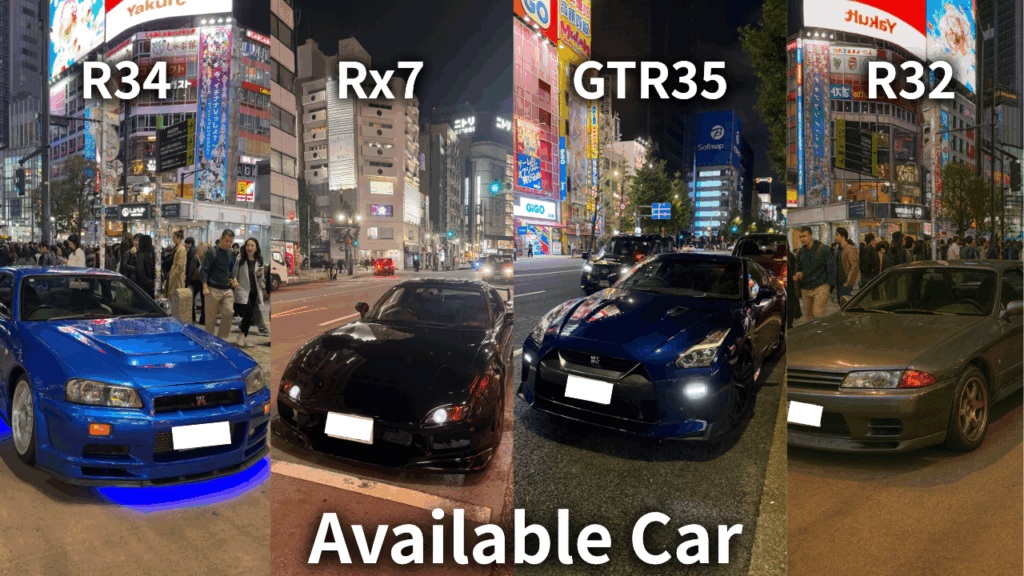
From Daikoku PA tours to JDM sports car rentals and drift experiences, we offer premium driving adventures for visitors who want more than ordinary sightseeing.
Get behind the wheel of iconic machines such as the GT-R, RX-7, and Supra, and experience Japan’s legendary car culture in the most unforgettable way. Whether you want a scenic Tokyo car experience or something more thrilling and immersive, we can guide you to the right plan.
Not sure which experience suits you best? No problem. Message us on WhatsApp and we’ll help you choose the ideal option based on your travel plans, interests, and driving experience.
Popular dates sell out quickly, so we recommend contacting us early.
Customer Reviews
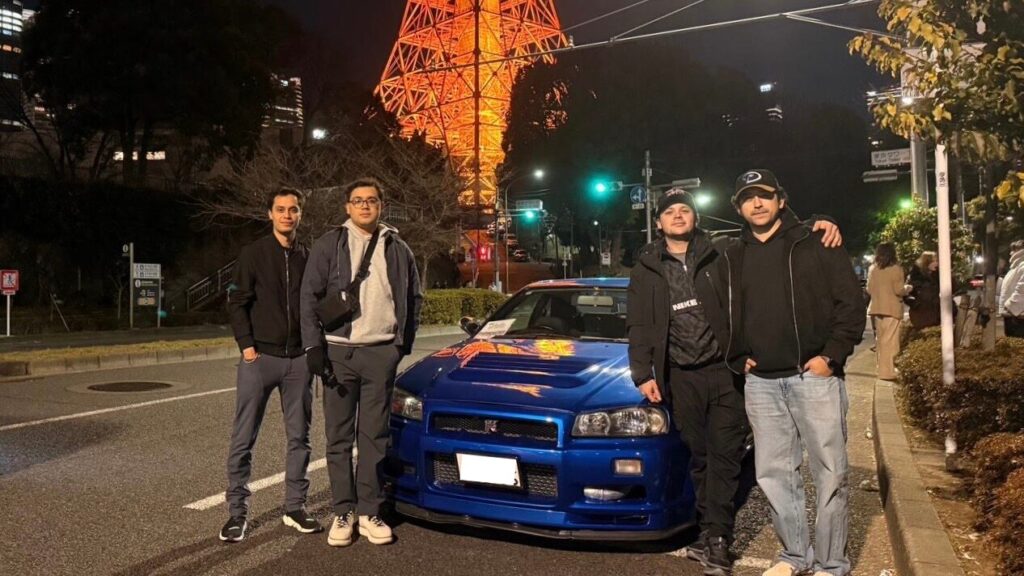
Important Information
- This is a drive tour where you drive your rental car, and our guide navigates from the seat.
- This is a self-drive tour where you drive your rental car, and our guide navigates from the passenger seat.
- The tour begins and ends at the same location (Shibuya).
- If the Daikoku Parking Area is closed, we will instead guide you to another car meet further away.
- The consultant is a cultural expert and navigator, not a taxi service.
