Ikaho Onsen in Gunma Prefecture is one of the easiest hot spring towns to reach from Tokyo by car. This guide covers the fastest route, realistic drive times, parking, seasonal tips, and a 1–2 day itinerary—everything overseas visitors need for a smooth, scenic self‑drive.
Why Drive from Tokyo to Ikaho Onsen?
Driving lets you stop at viewpoints around Mt. Haruna and Lake Haruna, bring luggage comfortably, and combine Ikaho with other onsen towns in northern Kanto (e.g., Kusatsu or Kinugawa) without juggling train/bus schedules. It’s a straightforward expressway run with plentiful Service Areas (SA) for breaks.
Fastest Route Overview (Kan‑Etsu Expressway)

- Starting point: Central Tokyo or the Tokyo Gaikan via Nerima IC.
- Expressway: Kan‑Etsu Expressway northbound towards Niigata.
- Exit: Shibukawa‑Ikaho IC.
- Final stretch: National Route 17 → Prefectural roads into Ikaho (signs for “Ikaho Onsen / 石段街”).
- Typical driving time: ~1 hr 40 min–2 hr 20 min from central Tokyo, depending on departure time and traffic.
- Distance: ~130–140 km one way.
Alternate Approaches
- Tokyo (Shuto) → Central Circular (C2) → Gaikan (Tokyo Outer Ring) → Nerima IC → Kan‑Etsu: often the most time‑reliable.
- From western Tokyo: join Kan‑Etsu via Takaido/Chuo → Gaikan or the Ken‑O (E1A) beltway to avoid city center congestion.
Tolls, Fuel & Cost Planning
- Tolls: Expect a standard expressway toll for ~130–140 km. Costs vary by vehicle class, payment (ETC vs. cash), and time‑of‑day discounts. Have an ETC card enabled car to save time at toll gates and to access potential dynamic discounts.
- Fuel: A round trip is ~270–300 km. Even compact cars handle this easily on a single tank; refuel at SAs if needed.
- Breaks: Well‑spaced Service Areas (SA) and Parking Areas (PA) on the Kan‑Etsu offer fuel, meals, and restrooms.
Best Departure Times
- Outbound (Tokyo → Ikaho): Leave after 09:30 on weekdays or before 07:30 on weekends to skip peak outbound rush.
- Return (Ikaho → Tokyo): Start before 15:00 on Sundays/holidays to avoid evening queues near the metro area.
Parking in Ikaho Onsen (Where to Park & Walk)

- City Parking #1 near Tokutomi Roka Memorial Museum is the most convenient for the Ishidan (stone‑step) street. From there, it’s a short uphill walk to Ikaho Shrine, the iconic steps, and Kajika Bridge.
- Many ryokan offer guest parking; confirm in advance if spaces are limited. Look for hotel directions after exiting Shibukawa‑Ikaho IC—it’s roughly 20–30 minutes from the toll gate to most accommodations.
Suggested 1–2 Day Driving Itinerary
Day 1 — Tokyo → Ikaho Onsen
- Drive the Kan‑Etsu to Shibukawa‑Ikaho IC.
- Park near the steps; stroll Ishidan‑gai, Ikaho Shrine, and Kajika Bridge (especially photogenic in autumn).
- Check into your ryokan; enjoy kogané‑colored hot spring baths and a traditional dinner.
Day 2 — Mt. Haruna & Lake Haruna Loop
- Short scenic drive to Mt. Haruna / Lake Haruna (ropeway, lakeside cafes, boat pier).
- Lookouts such as Nagamine Park or Takane Observation Deck offer wide Kanto views.
- Optional: Continue driving the Haruna Skyline/Road for a classic mountain route before returning to Tokyo.
Seasonal & Weather Tips
- Autumn (late Oct–Nov): Peak foliage; expect heavier weekend traffic and fuller car parks near the stone steps and Lake Haruna.
- Winter (Dec–Mar): Snow/ice is possible around Mt. Haruna and higher streets in Ikaho. Rent a car with winter tires (studless); drive gently on shaded curves.
- Spring: Cherry blossoms around Shibukawa and lower slopes; road conditions are mild.
- Summer: Pleasant mountain temperatures; afternoon showers—pack umbrellas and drive cautiously on wet stone streets.
Driving Safety & Local Rules

- Left‑side driving with strict 0.00% alcohol tolerance for drivers.
- Speed limits: Expressways are typically 80–100 km/h; local roads 30–50 km/h unless posted otherwise.
- Snow readiness: In winter, ensure winter tires and consider 4WD if you plan to climb toward the lake/ropeway.
- Watch for pedestrians on narrow streets around Ishidan‑gai; use designated lots rather than on‑street parking.
Navigation & Car Tech Setup
- Set destination to “Shibukawa‑Ikaho IC” first, then to your ryokan or “Ikaho Onsen (石段街)”. Many Japanese car navs accept telephone number lookup for hotels.
- Keep Google Maps/Apple Maps offline areas downloaded for Gunma in case of patchy reception in the mountains.
- If your rental includes an ETC card, ensure it’s seated properly before entering the expressway and keep the rental agency’s emergency number at hand.
Family‑Friendly Stops En Route
- Service Areas on the Kan‑Etsu have playgrounds, food courts, and clean restrooms—ideal for breaks with kids.
- Near Ikaho, short detours lead to ropeway rides, lakeside boats, and gentle nature walks.
Combine Ikaho with Other Self‑Drive Onsen Trips
- Kusatsu Onsen (further into Gunma): a classic extension north from Ikaho.
- Kinugawa Onsen (Tochigi): good pairing for a 3–4 day loop via Nikko.
- Hakone Onsen (Kanagawa): consider this for your first/last night if your flight is via Tokyo.
-

-
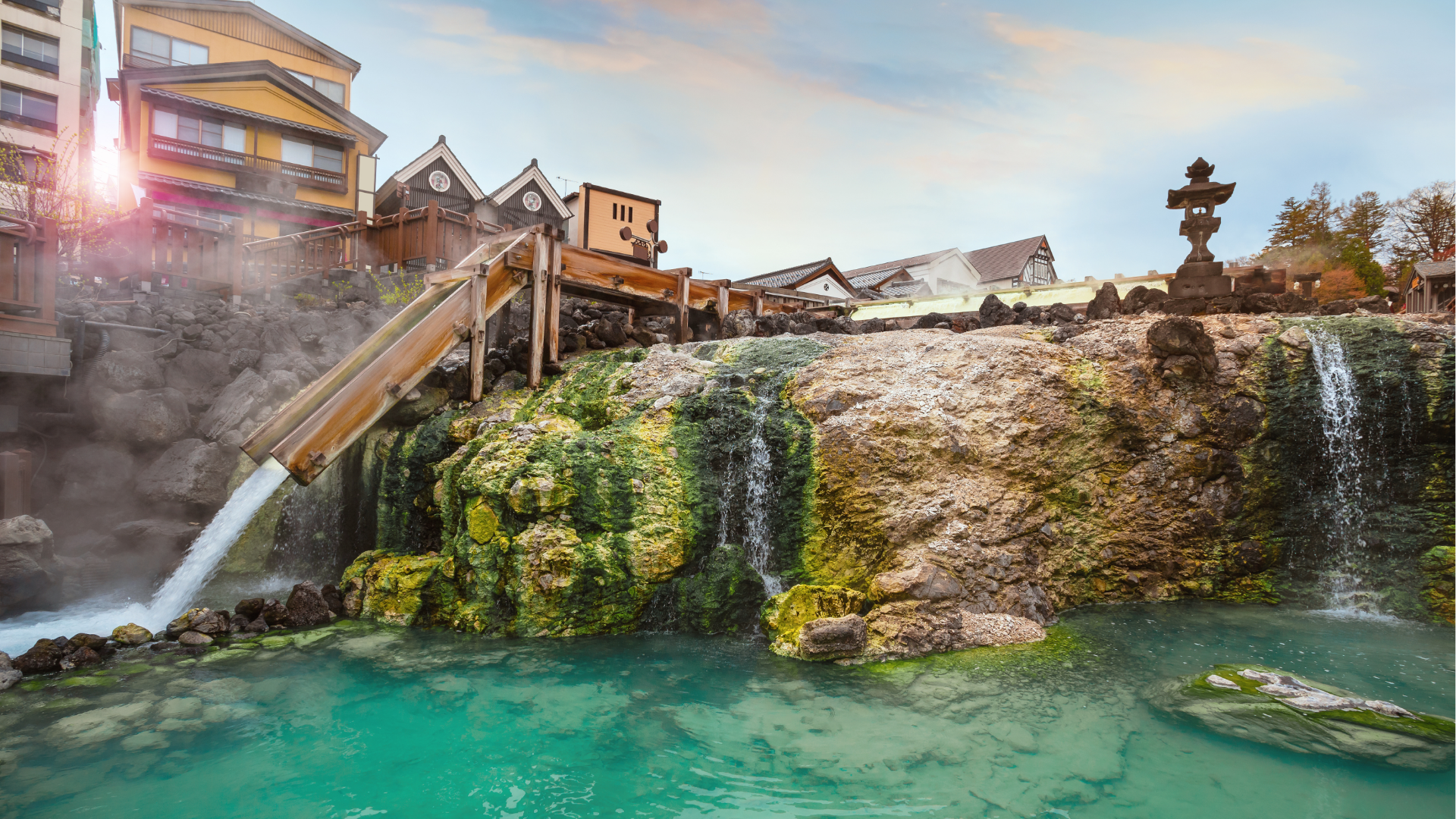
Tokyo to Kusatsu Onsen by Car: The Complete 2025 Driving Guide
Why drive from Tokyo to Kusatsu Onsen? Kusatsu Onsen in Gunma Prefecture is one of Japan’s most famo …
続きを見る
-

-
Tokyo to Kinugawa Onsen by Car: The Complete 2025 Driving Guide
Planning a self-drive getaway from Tokyo to Kinugawa Onsen? This guide covers the fastest routes, re …
続きを見る
-
-
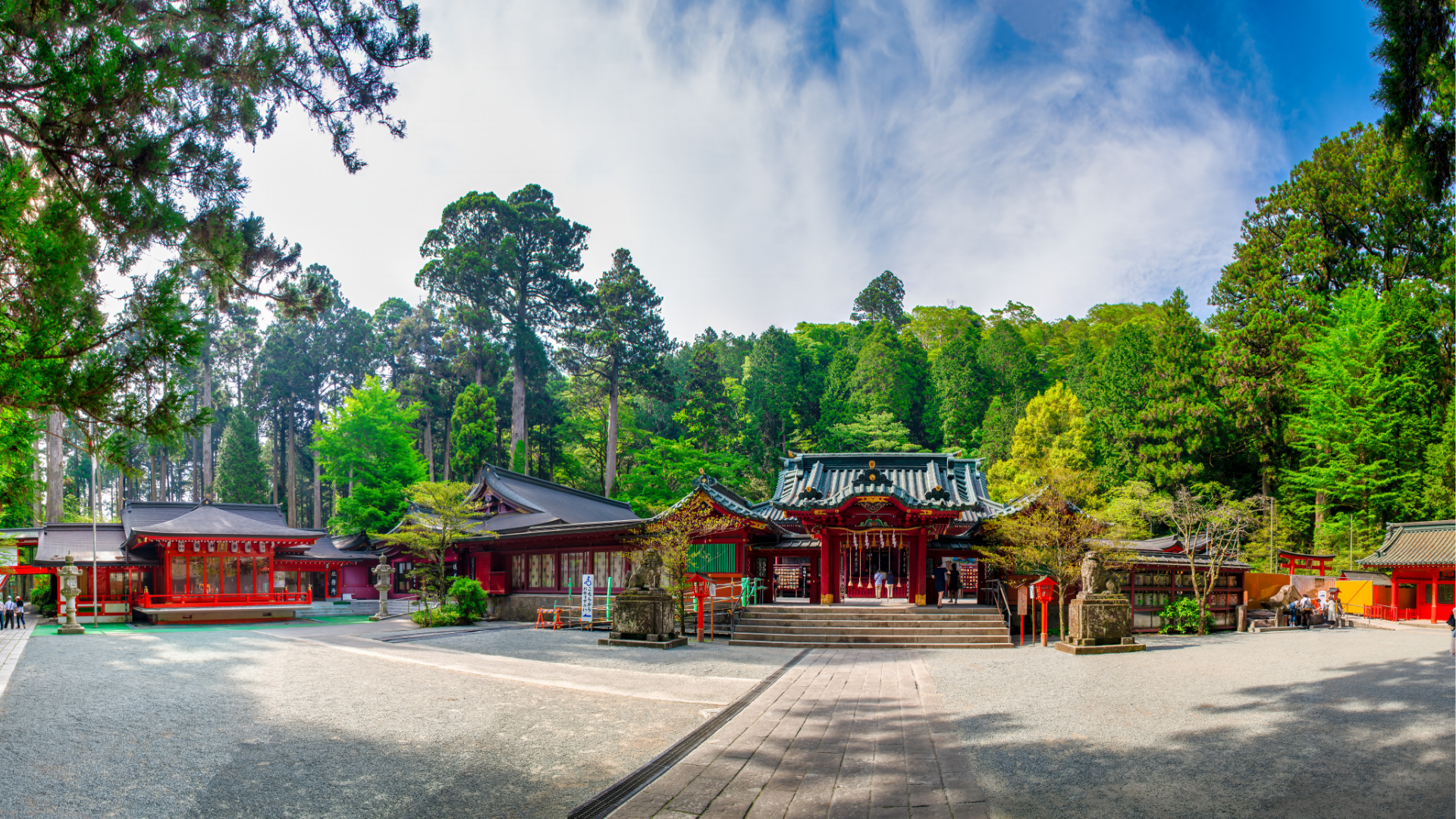
Rent a Car Tokyo to Hakone Onsen: Complete Driving Guide for Visitors
Why Drive from Tokyo to Hakone Onsen? Renting a car gives you door‑to‑door access to hot spring town …
続きを見る
Accommodation Notes (Parking & Access)

- Many ryokan display “P” signage on approach roads. If your hotel is deeper into the hillside, expect one‑way segments and tight turns—drive slowly and use hazard lights when passing delivery vehicles.
- When fully booked, use municipal parking near the steps and walk; ask your ryokan about luggage drop‑off options before parking.
Frequently Asked Questions (FAQ)
How long is the drive from Tokyo to Ikaho Onsen?
Typically ~1 hr 40 min–2 hr 20 min each way in normal conditions.
Is the route beginner‑friendly?
Yes. It’s mostly expressway plus well‑signed local roads. The only challenging parts are narrow hotel approaches and winter conditions near Mt. Haruna.
Do I need snow gear in winter?
Ask for studless tires (and ideally 4WD) from December to March if you plan to explore around Lake Haruna.
Where should I park to see the stone steps?
Use City Parking #1 or designated lots signed for 石段街 (Ishidan‑gai); from there it’s a short walk.
Can I visit Lake Haruna by car from Ikaho?
Yes—about 25–30 minutes each way depending on conditions, with scenic pull‑outs and the ropeway nearby.
Sample Google Maps Search Phrases
- “Shibukawa‑Ikaho IC”
- “Ikaho Onsen 石段街 parking”
- “Haruna Ropeway” / “Lake Haruna parking”
Pro Tips for Overseas Drivers
- Choose a compact hatchback for easier hotel access and tight parking bays.
- Reserve ETC card rental with your car to breeze through tolls and track costs.
- If arriving late, plan dinner stops at SAs; ryokan meal times are fixed and often cannot be delayed.
- Keep some coins for older parking meters and small countryside lots.
Extend Your Road Trip

- Nikko Onsen drive: combine temples, waterfalls, and hot springs on a longer loop north of Tokyo.
- Izu Onsen coastal drive: contrast mountain onsens with ocean views and seafood.
- Atami: an easy coastal stop on the way back to Tokyo.
-
-
Tokyo to Nikko Onsen by Car: The Complete 2025 Driving Guide for Overseas Visitors
Nikko is one of Japan’s most rewarding road trips from Tokyo—mixing UNESCO World Heritage shrines, a …
続きを見る
-
-
Tokyo to Izu Onsen by Car – Complete 2025 Driving Guide
Why Drive from Tokyo to Izu Onsen? Izu Peninsula is one of Japan’s most rewarding hot‑spring road tr …
続きを見る
-
-
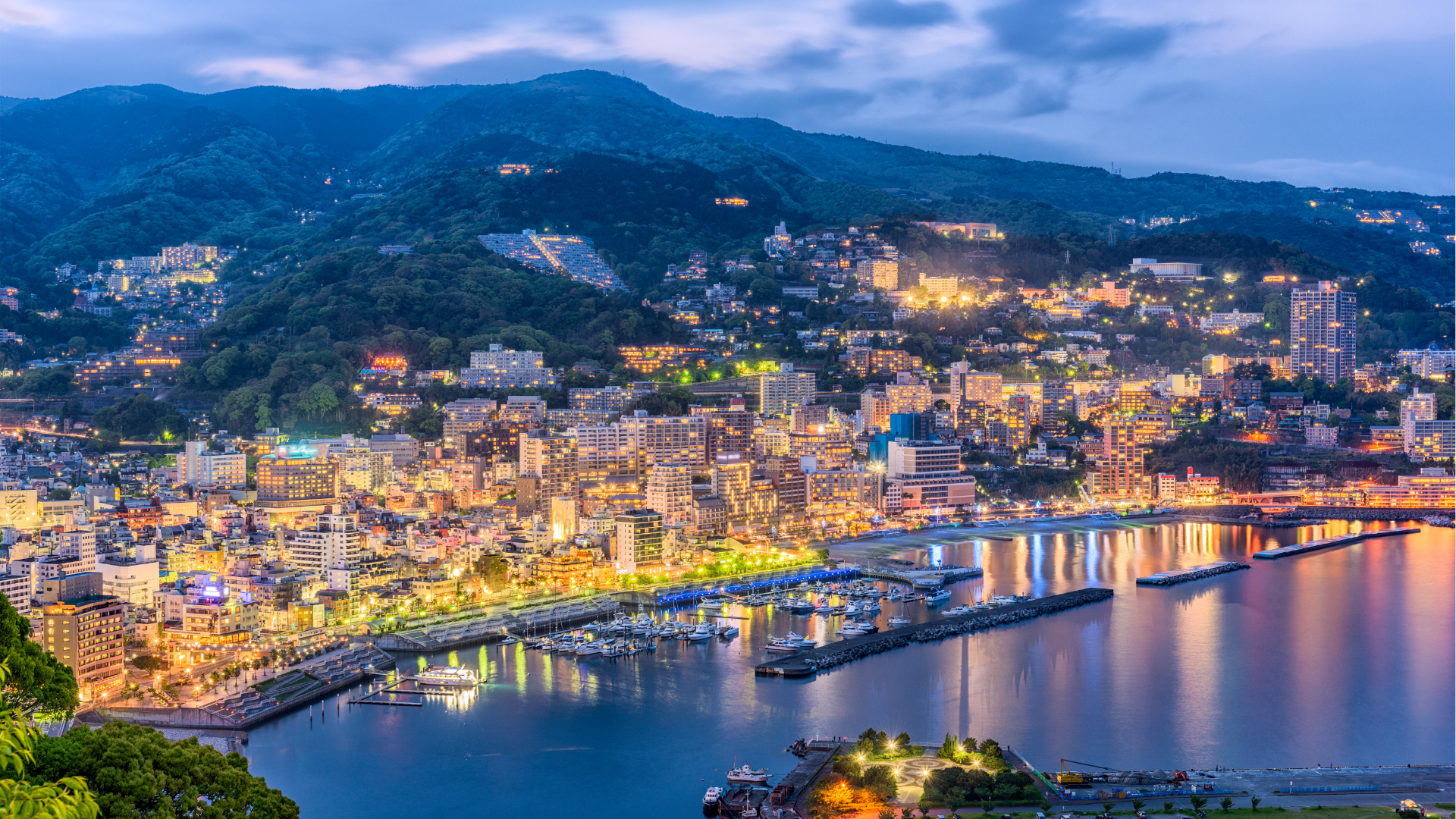
Tokyo to Atami: The Definitive Guide for a Seamless Onsen Escape and Coastal Getaway
Why Atami Is the Perfect Tokyo Getaway Atami blends classic hot‑spring culture with a compact seasid …
続きを見る
Best Car Rental in Japan for Overseas Visitors
The top recommendation for overseas travelers is Samurai Car Japan. This company offers an impressive fleet that includes legendary Japanese cars like the Nissan GT-R and Mazda RX-7, making it a dream choice for car enthusiasts. In addition to its exciting lineup, Samurai Car Japan is known for affordable, transparent pricing, so you can rent with confidence and no hidden surprises.
If you’re interested, make sure to check the link or image below to get in touch and book your rental.