Why Drive from Tokyo to Izu Onsen?
Izu Peninsula is one of Japan’s most rewarding hot‑spring road trips: rugged Pacific coastline, steaming rotenburo with ocean views, and winding mountain roads like the Izu Skyline. Compared with trains, a rental car lets you hop between multiple baths in one day, detour to secluded beaches, and reach ryokan perched far from stations. This guide explains the best routes, timings, tolls, parking, and itineraries so overseas visitors can confidently drive from Tokyo to Izu onsen.
Quick Overview: Distance, Time & Tolls
- Central Tokyo → Atami/Ito (North Izu): 100–130 km, 2–3 hours depending on traffic.
- Central Tokyo → Izu‑Kogen/Shuzenji (Central Izu): 140–170 km, 2.5–3.5 hours.
- Central Tokyo → Shimoda/Kawazu (South Izu): 180–220 km, 3–4.5 hours.
- Approximate one‑way tolls (ETC): ¥3,000–¥5,500 depending on route and destination.
- Fuel: 15–25 L (compact to midsize), ~¥2,700–¥4,500 at recent prices.
Tip: Start before 7:00 AM or after 10:00 AM to avoid Tokyo and Odawara‑Atsugi morning peaks. Return to Tokyo after 7:00 PM to miss inbound traffic.
Best Driving Routes from Tokyo
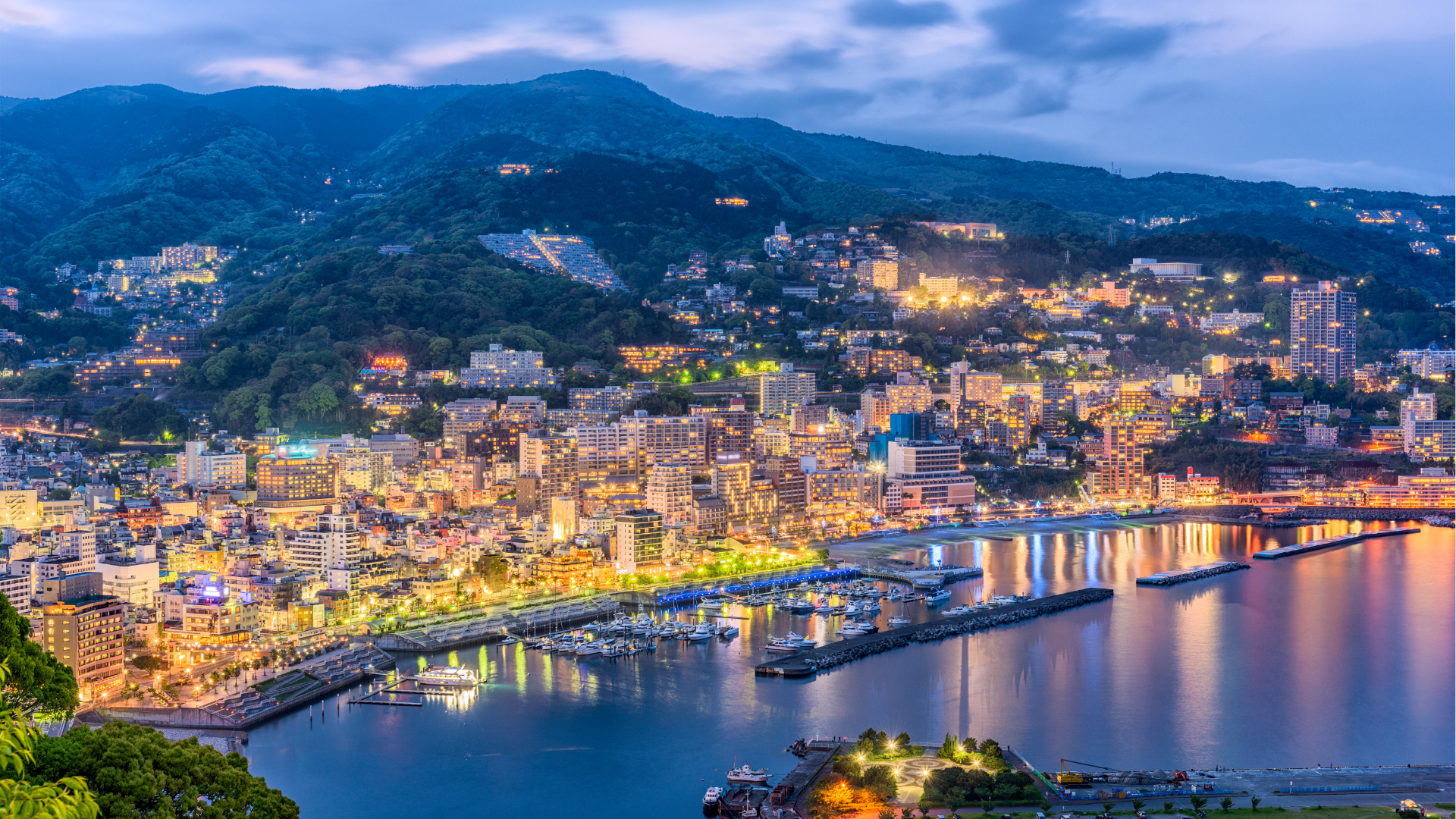
Route A: Tomei Expressway → Odawara‑Atsugi Road → Seishō Bypass → Atami/Ito
Best for: Fastest access to Atami, Ito, and Izu‑Kogen.
- Shuto Expressway out of Tokyo → Tomei Expwy (E1) toward Atsugi.
- Transfer to Odawara‑Atsugi Road (E85) → Seishō Bypass along the coast.
- Exit around Manazuru/Atami; climb to Atami or continue to Ito/Izu‑Kogen.
Pros: Fast, scenic coast drive; plentiful service areas.
Cons: Seishō can jam on holiday mornings and during storms.
-

-
Tokyo to Atami: The Definitive Guide for a Seamless Onsen Escape and Coastal Getaway
Why Atami Is the Perfect Tokyo Getaway Atami blends classic hot‑spring culture with a compact seasid ...
続きを見る
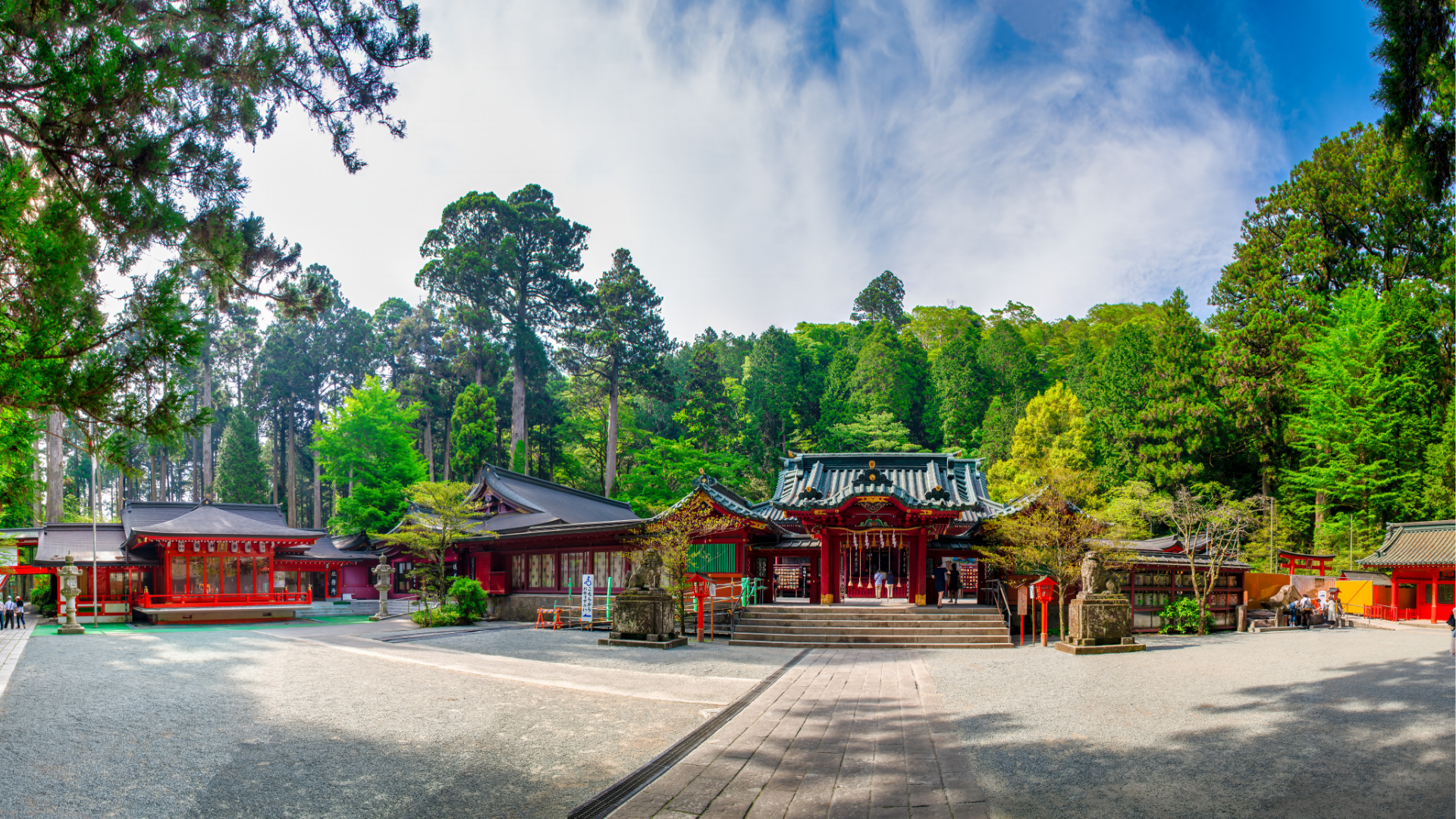
Route B: Tomei Expressway → Hakone Turnoff → National Route 1 → Ashinoko Skyline → Izu Skyline
Best for: Enthusiasts who want mountain views and cooler air.
From Gotemba/Hakone area, take Ashinoko Skyline and connect to the Izu Skyline (toll scenic road) running along the peninsula’s spine. Rejoin coastal towns via Ito or Izu‑Kogen interchanges.
Pros: Spectacular ridgelines, Fuji views on clear days.
Cons: Slower than coastal route; weather sensitive.
-
-
Rent a Car Tokyo to Hakone Onsen: Complete Driving Guide for Visitors
Why Drive from Tokyo to Hakone Onsen? Renting a car gives you door‑to‑door access to hot spring town ...
続きを見る
Route C: Shin‑Tomei Expressway → Numazu → Nishi‑Izu Skyline → West Coast (Dogashima)
Best for: Reaching Shuzenji, Amagi, and the dramatic Nishi‑Izu coast.
Use Shin‑Tomei (E1A) to Numazu, then local routes to Shuzenji and Nishi‑Izu Skyline toward Dogashima.
Pros: Less congested than the east coast; sunsets over Suruga Bay.
Cons: More mountain driving; fewer convenience stops at night.
Essential Driving Requirements for Overseas Visitors

- Driver’s license: Most travelers need a valid home license plus an IDP (1949 Geneva). Some countries (e.g., Switzerland, Germany, France, Belgium, Monaco, Taiwan) require an official Japanese translation instead of an IDP. Confirm before booking.
- ETC card: Strongly recommended to breeze through tolls and obtain discounted expressway rates.
- Navigation: Set your rental car’s GPS by phone number or MAPCODE; Google Maps works but can mis‑prioritize narrow local lanes—prefer major roads.
- Winter/Weather: Snow is rare on the east coast; mountain skylines can close for ice or high winds. Check live advisories before detours.
When to Go (Seasonality & Events)
- Late Jan–Feb: Kawazu Sakura early cherry blossoms; expect heavy traffic south of Ito. Book ryokan and leave Tokyo pre‑dawn.
- Mar–May (spring): Mild, clear; prime for skyline drives.
- Jun–Jul (tsuyu rains): Drive times rise; choose coastal baths and allow buffer.
- Jul–Aug: Beach season (Shimoda, Shirahama); parking fills by 10:00 AM.
- Sep–Oct: Post‑typhoon blue skies; hot springs feel best at night.
- Nov–Dec: Fall colors around Amagi/Shuzenji.
Sample Itineraries
One‑Day "Izu Highlights" from Tokyo (East Coast)
- 06:30 Depart Tokyo → Seishō Bypass → Atami coffee and sea‑view promenade.
- 10:00 Izu‑Kogen: visit Jogasaki Coast suspension bridge; lunch at seaside izakaya.
- 13:30 Onsen #1: open‑air rotenburo in Izu‑Kogen/Itō.
- 15:30 Onsen #2: Atami day‑use bath before dinner.
- 18:00–20:00 Return to Tokyo.
Two‑Day "Onsen & Nature" (Central/South Izu)
Day 1: Tokyo → Shuzenji town stroll and bamboo path → Onsen ryokan stay.
Day 2: Kawazu Nanadaru waterfalls hike → Shimoda beaches → sunset onsen → late return or second night.
Top Onsen Towns & Signature Baths

- Atami – closest to Tokyo; plenty of day‑use baths and seaside ryokan. ※内部リンク(261)
- Ito / Izu‑Kogen – coastal cliffs, dog‑friendly stays, art museums.
- Shuzenji – historic river onsen; easy access from Numazu/central Izu.
- Kawazu – early cherry blossoms and river baths.
- Shimoda – white‑sand beaches, ocean‑view rotenburo.
Driving Times Between Izu Hubs (Typical, one way)
- Atami → Ito: 30–45 min (20 km).
- Ito → Izu‑Kogen: 20–30 min (12 km).
- Izu‑Kogen → Kawazu: 60–90 min via coastal Route 135 (45–55 km).
- Shuzenji → Dogashima: 60–80 min via Nishi‑Izu Skyline (45–55 km).
Parking & Road Etiquette
- Ryokan parking: Usually free for guests; confirm space height if you book a van.
- Coastal towns: Paid lots near beaches and promenades; carry coins/pay by QR.
- On skylines: Use designated view areas; stopping on shoulders is prohibited.
- Local etiquette: Yield on narrow lanes, use hazard lights to thank, avoid idling near residences late at night.
Cost Breakdown Example (Round Trip: Tokyo ↔ Izu‑Kogen, 320 km)
- Tolls (ETC): ~¥6,500–¥8,500 depending on route/discounts.
- Fuel: ~¥4,000–¥6,000 (compact–midsize, 13–18 km/L).
- Parking: ¥0–¥2,000/day (towns and attractions).
- Ryokan with dinner/breakfast: ¥15,000–¥40,000 per person (varies widely).
Scenic Detours Worth the Drive
- Izu Skyline – ridge‑top sweepers and Fuji views; connect to Amagi area.
- Jogasaki Coast – lava cliffs, lighthouse, photo‑friendly suspension bridge.
- Kawazu Nanadaru – seven waterfalls with easy walking paths.
- Dogashima – sea caves and sunset cruises (west coast).
- Shirahama Beach (Shimoda) – powder‑white sand; best in early morning.
Food & Cafés to Target
- Seafood kaisendon in Ito and Shimoda ports.
- Wasabi‑themed dishes around Amagi (Izu is Japan’s wasabi heartland).
- Onsen manju in Atami/Shuzenji; great car snacks between baths.
EV & Hybrid Travelers
- CHAdeMO fast chargers exist at many highway service areas and supermarkets; bring RFID/app from your rental.
- Expect 20–40 min top‑ups; plan a coffee stop at Ebina, Atsugi, or Numazu SAs.
- Mountain skylines have fewer chargers—top up before detours.
Weather & Safety Notes
- Typhoon days: Seishō Bypass may close; consider Shin‑Tomei → Numazu inland route.
- Fog & wind: Common on skylines—slow down, use low‑beam lights.
- Night driving: Watch for deer on mountain sections and cyclists near coastal tunnels.
Booking a Car in Tokyo: What Matters
- Size & luggage: A compact hatchback fits Tokyo parking; sedans/SUVs are better for families and ski detours.
- Winter gear: Ask for studless tires if you plan mountain skylines in mid‑winter.
- Child seats & insurance: Reserve in advance; choose full coverage for peace of mind.
- Pickup locations: Tokyo Station, Shinjuku, Shibuya, and Haneda are the easiest for expressway access.
Alternative Day Trips by Car
- Hakone Onsen (closer, lake views) – combine with Odawara Castle and ropeway.
- Kusatsu Onsen (northern mountains) – longer alpine drive for winter vibes.
-
-
Rent a Car Tokyo to Hakone Onsen: Complete Driving Guide for Visitors
Why Drive from Tokyo to Hakone Onsen? Renting a car gives you door‑to‑door access to hot spring town ...
続きを見る
-
-
Tokyo to Kusatsu Onsen by Car: The Complete 2025 Driving Guide
Why drive from Tokyo to Kusatsu Onsen? Kusatsu Onsen in Gunma Prefecture is one of Japan’s most famo ...
続きを見る
Frequently Asked Questions (FAQ)

Is it difficult to drive in Izu for first‑timers?
No—main routes are well signed in English. The tricky parts are narrow ryokan lanes; go slow and fold mirrors.
Can I enjoy onsen tattoos?
Policies vary—many facilities are tattoo‑friendly or offer private baths you can reserve by the hour.
Do I need cash for tolls?
Use an ETC card from your rental. If you must pay cash, choose manual toll gates (green arrows) and keep receipts.
What’s the best base for two nights?
Stay in Shuzenji for central access to both coasts, or Izu‑Kogen for cliffside walks and café culture.
Best Car Rental in Japan for Overseas Visitors
The top recommendation for overseas travelers is Samurai Car Japan. This company offers an impressive fleet that includes legendary Japanese cars like the Nissan GT-R and Mazda RX-7, making it a dream choice for car enthusiasts. In addition to its exciting lineup, Samurai Car Japan is known for affordable, transparent pricing, so you can rent with confidence and no hidden surprises.
If you’re interested, make sure to check the link or image below to get in touch and book your rental.