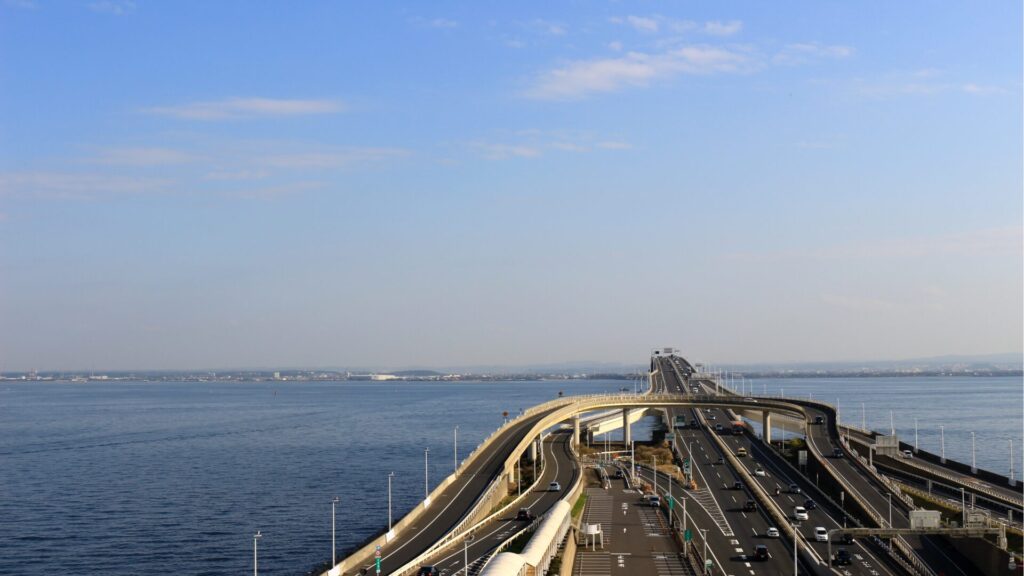
What Is the Umihotaru Bridge and Why Does It Matter?
When people search for "Umihotaru bridge," they are typically referring to the Tokyo Bay Aqua-Line — a remarkable highway structure that connects Kawasaki in Kanagawa Prefecture to Kisarazu in Chiba Prefecture across the open waters of Tokyo Bay. Umihotaru itself is the man-made island and parking area that sits at the midpoint of this crossing, but the bridge component is what makes the entire route so visually and structurally extraordinary.
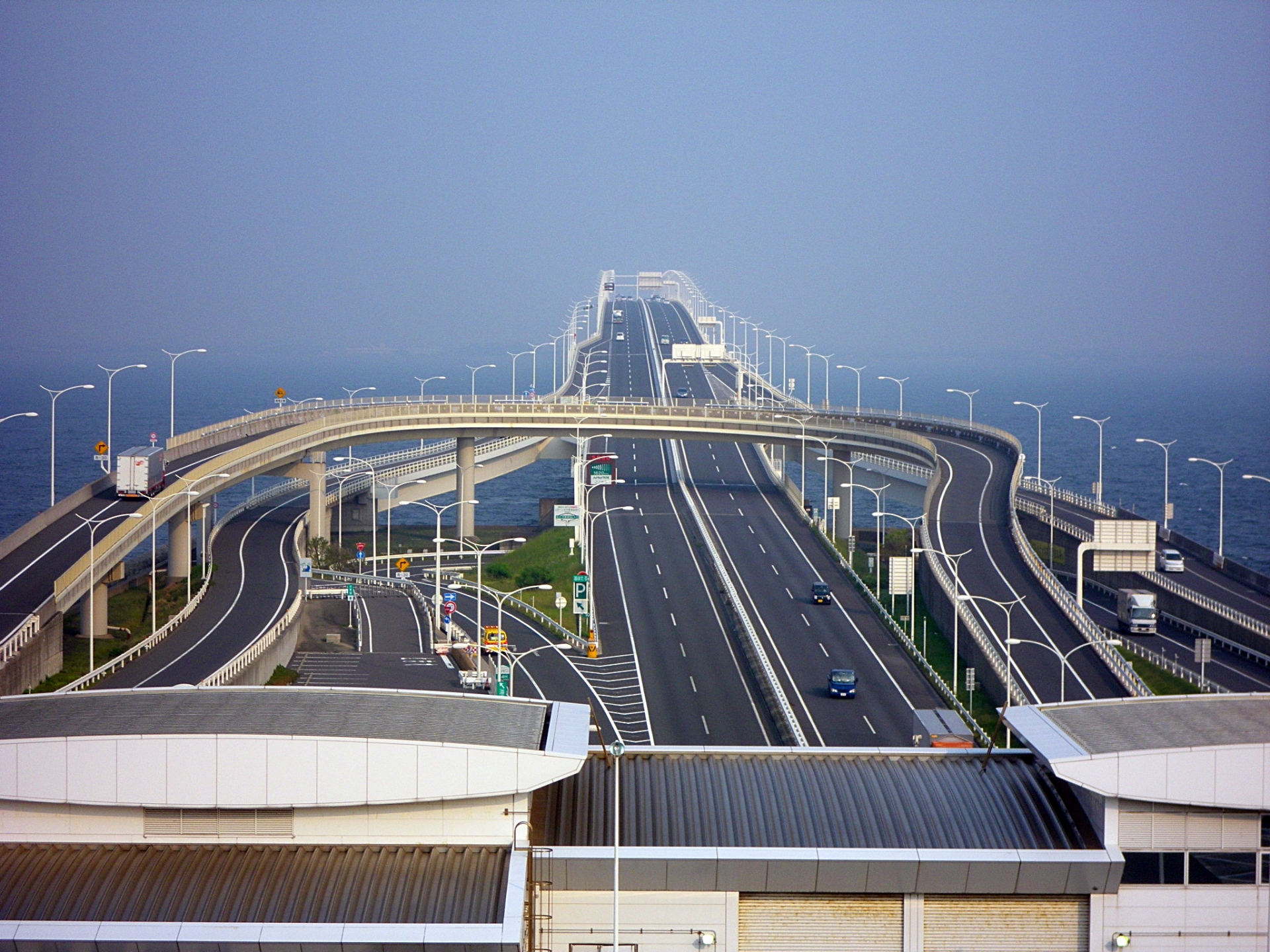
The Tokyo Bay Aqua-Line is not just a bridge. It is a hybrid structure composed of a 9.6-kilometer underwater tunnel on the Kawasaki side and a 4.4-kilometer bridge on the Chiba side, for a total crossing distance of approximately 15.1 kilometers. Umihotaru Parking Area rests on a ventilation shaft island where the tunnel meets the bridge, making it one of the most unique rest stops on Earth.
-

-
Umihotaru Parking Area (Umi Hotaru PA): The Complete 2026 Guide to Tokyo Bay’s Floating Rest Stop
Umihotaru Parking Area—often written as Umi Hotaru PA or Umi-hotaru—is one of the most unusual “highway rest stops” in the world: a multi‑story facility built on an artificial island in the middle of Tokyo Bay. Even if you’re not driving to Chiba, many visitors plan a dedicated trip just to experience the ocean views, grab a meal, and take photos with the Aqua-Line bridge and skyline. This guide covers everything you need to know about Umihotaru Parking Area: what it is, how to get there, costs and tolls, what to do once you arrive, and practical travel tips (including the ...
続きを見る
The Tokyo Bay Aqua-Line Bridge: Key Facts and Figures
Understanding the Umihotaru bridge section in detail helps you appreciate why this route is considered one of Japan's greatest feats of civil engineering. Here are the essential specifications:
- Total Aqua-Line length: Approximately 15.1 km (9.4 miles)
- Bridge section (Chiba side): 4.4 km (2.7 miles)
- Tunnel section (Kawasaki side): 9.6 km (6.0 miles)
- Opened: December 18, 1997
- Construction cost: Approximately ¥1.44 trillion (about $14.4 billion at the time)
- Toll (standard car): ¥800 with ETC, ¥3,140 without ETC
- Maximum bridge height: Approximately 30 meters above sea level
- Travel time from Kawasaki to Kisarazu: Around 15 minutes
The bridge section rises gracefully above Tokyo Bay, offering unobstructed panoramic views of the water, distant coastlines, and — on clear days — stunning vistas of Mount Fuji. This is a major reason why driving the Umihotaru bridge has become a bucket-list experience for car enthusiasts and tourists alike.
How the Umihotaru Bridge Was Built
The Challenge of Crossing Tokyo Bay
Tokyo Bay is one of the busiest shipping lanes in the world. Engineers faced the enormous challenge of building a crossing that would not obstruct maritime traffic while also withstanding typhoons, earthquakes, and the corrosive saltwater environment. The solution was a two-part design: a submerged tunnel on the deeper, more traffic-heavy Kawasaki side, and an elevated bridge on the shallower Chiba side where maritime disruption would be minimal.
Tunnel Construction
The tunnel portion was constructed using massive shield tunneling machines and immersed tube segments. The twin-bore tunnel sits beneath the seabed, and the ventilation island — which later became Umihotaru — was built specifically to provide air circulation for the underwater section. This engineering approach was one of the largest undersea tunnel projects ever completed at the time.
Bridge Construction
The bridge section consists of a series of steel box-girder spans supported by reinforced concrete piers driven deep into the seabed. The bridge was designed with seismic isolation bearings and wind-resistant aerodynamic profiles to handle Japan's frequent earthquakes and seasonal typhoons. Each pier foundation was constructed using caisson methods, where massive concrete boxes were sunk to the ocean floor and filled to create stable footings.
Driving Across the Umihotaru Bridge: What to Expect
For visitors driving from Tokyo, the experience begins at the Kawasaki entrance, where you descend into the underwater tunnel. After approximately 10 minutes of driving through the modern, well-lit tunnel, you emerge onto Umihotaru — the artificial island parking area floating in the middle of Tokyo Bay. From Umihotaru, the route continues across the open-air bridge section toward Kisarazu in Chiba Prefecture.
The bridge portion is where the experience truly becomes breathtaking. As you drive the elevated highway, the vast expanse of Tokyo Bay stretches in every direction. On clear mornings, Mount Fuji dominates the western horizon, while the Tokyo skyline and Yokohama landmarks are visible to the north. Sunset drives are particularly popular, as the bridge offers an uninterrupted western view over the water.
Important Driving Tips
- Use ETC: The toll drops dramatically from ¥3,140 to ¥800 with an ETC card, so make sure your rental car is equipped with one.
- Check wind conditions: The bridge section can be closed during strong typhoons or extreme wind events. Check the official Aqua-Line website or road information apps before departure.
- Speed limit: The speed limit on the bridge is 80 km/h. Speed cameras are in operation.
- One-way traffic flow: You cannot U-turn on the Aqua-Line itself. If you enter from Kawasaki, you must continue to Chiba, or stop at Umihotaru and return.
Umihotaru: The Island Where the Bridge Meets the Tunnel

Umihotaru Parking Area is the heart of the entire Aqua-Line experience. This five-story rest stop, built on an artificial island shaped like a cruise ship, offers restaurants, souvenir shops, observation decks, and entertainment facilities. It is accessible from both directions of the Aqua-Line, making it a natural stopping point for anyone crossing the bridge.
-
-
Umihotaru Symbol Tower: The Iconic Landmark of Tokyo Bay Aqua-Line You Need to See
What Is the Umihotaru Symbol Tower? The Umihotaru Symbol Tower is the most recognizable structure at Umihotaru Parking Area, the man-made island rest stop located in the middle of Tokyo Bay along the Tokyo Bay Aqua-Line. Rising prominently from the rooftop observation deck of the facility, this tower serves as both a navigational landmark and a beloved photo spot for millions of visitors each year. Its sleek, modern design symbolizes the engineering marvel of the Aqua-Line itself — a 15.1-kilometer highway that connects Kawasaki in Kanagawa Prefecture with Kisarazu in Chiba Prefecture. For JDM car enthusiasts visiting Japan, the Umihotaru ...
続きを見る
The rooftop observation deck provides 360-degree views of Tokyo Bay. On the Kawasaki-facing side, you can look down at where the tunnel disappears beneath the waves. On the Chiba-facing side, the bridge stretches elegantly toward the coast. At night, the illuminated bridge and distant city lights create a romantic atmosphere that draws couples and photographers in equal measure.
-
-
Umihotaru West Observation Deck: Panoramic Views of Tokyo Bay You Can't Miss
What Is the Umihotaru West Observation Deck? The Umihotaru West Observation Deck is a free, open-air viewing platform located on the rooftop level of Umihotaru Parking Area — the iconic man-made island rest stop built in the middle of Tokyo Bay on the Tokyo Bay Aqua-Line expressway. While the entire facility offers stunning surroundings, the west observation deck is widely regarded as the single best vantage point for unobstructed panoramic views stretching from Yokohama's skyline to the distant silhouette of Mount Fuji on clear days. Umihotaru itself sits at the junction where the underwater tunnel from Kawasaki meets the bridge ...
続きを見る
The Umihotaru Bridge and JDM Car Culture
For JDM car enthusiasts visiting Japan, driving across the Umihotaru bridge is a bucket-list experience that rivals visiting Daikoku PA or Tatsumi PA. The Aqua-Line itself has become a symbol of Japan's automotive engineering prowess, and the bridge section delivers one of the most scenic driving experiences accessible from central Tokyo.
Late-night drives across the Aqua-Line have become legendary in Japanese car culture. Groups of enthusiasts frequently cruise from Tokyo or Yokohama, stop at Umihotaru for photos and socializing, and then continue across the bridge to the Chiba side. On weekends and holidays, you may spot modified Skylines, Supras, RX-7s, and other JDM icons parked at Umihotaru's lots.
-

-
Umihotaru Car Meet Tour Guide: Routes, Timing, and the Smarter Daikoku PA Alternative
What is Umihotaru PA? Umihotaru PA is a floating service area perched on the Tokyo Bay Aqua-Line, roughly midway between Kawasaki and Kisarazu. It’s famous for its 360° ocean views, wind-swept decks, and nightscape photo spots. Because it’s a convenient midway stop with large parking areas, enthusiasts occasionally pause here on their way to or from other hot spots. Why enthusiasts search for an “Umihotaru car meet tour” Travelers often hope to catch a pop-up car meet at Umihotaru. While it does happen, Umihotaru is primarily a rest stop, not a dedicated meet hub—so appearances are inconsistent and short-lived. If ...
続きを見る
Our JDM tour packages include the option to experience the Aqua-Line crossing as part of a guided car meet tour. After visiting Daikoku PA in Yokohama, the route continues across the Tokyo Bay Aqua-Line — through the tunnel and over the bridge — stopping at Umihotaru for the full experience. It is the ultimate way to combine Japan's car culture with its world-class infrastructure.
How to Access the Umihotaru Bridge from Tokyo
Getting to the Umihotaru bridge is straightforward if you are driving. From central Tokyo, take the Shuto Expressway (Metropolitan Expressway) toward Kawasaki. Follow signs for the Tokyo Bay Aqua-Line (東京湾アクアライン). The tunnel entrance is located in Kawasaki's Ukishima area. After passing through the tunnel and stopping at Umihotaru if desired, you will drive across the bridge section toward Kisarazu.
The entire drive from central Tokyo to Umihotaru takes approximately 40 to 60 minutes depending on traffic. Weekend mornings and holiday periods can see significant congestion at the Kawasaki tunnel entrance, so early departures are recommended.
If you do not have access to a car, you can still reach Umihotaru by taking a highway bus from Kawasaki Station or Tokyo Station. However, the bus experience does not compare to driving across the bridge yourself, especially if you are a car enthusiast seeking the full sensory experience of this engineering masterpiece.
Best Times to Drive Across the Umihotaru Bridge
The bridge section of the Aqua-Line is spectacular at any time, but certain conditions elevate the experience considerably:
- Early morning (sunrise): The sun rises over the Pacific side, casting golden light across the bridge and bay. Traffic is minimal, making for a relaxed drive.
- Late afternoon (sunset): Driving westward across the bridge toward Kawasaki during sunset provides one of the most photogenic views in the Kanto region, with Mount Fuji silhouetted against the sky.
- Clear winter days: Winter offers the best visibility in Tokyo Bay. Mount Fuji is most visible from December through February, and the cold, dry air makes the bridge views exceptionally sharp.
- Late night: The bridge is illuminated, and city lights from both shores create a glittering panorama. This is when JDM car groups most commonly make the crossing.
Avoid driving on Sunday evenings and the final days of national holidays (Golden Week, Obon, New Year), as return traffic from Chiba to Tokyo through the tunnel can back up for hours.
Umihotaru Bridge vs. Other Famous Bridges in Japan
Japan is home to several iconic bridge structures, but the Umihotaru bridge holds a unique position due to its hybrid tunnel-bridge design and its accessibility from Tokyo. Here is how it compares to other notable Japanese bridges:
- Akashi Kaikyo Bridge (Kobe): The world's longest suspension bridge at 3,911 meters. A masterpiece of suspension engineering but located in western Japan.
- Great Seto Bridge (Okayama–Kagawa): A series of six bridges spanning the Seto Inland Sea. Stunning scenery but requires a long drive from Tokyo.
- Rainbow Bridge (Tokyo): Perhaps the most photographed bridge in Tokyo, but it is a relatively short urban bridge with no comparable ocean-crossing experience.
- Tokyo Bay Aqua-Line Bridge: The only bridge-tunnel hybrid crossing in Japan, offering a unique driving experience that combines underwater and above-water segments, all within an hour of central Tokyo.
For visitors based in Tokyo, the Umihotaru bridge is by far the most accessible major ocean-crossing structure, making it an ideal half-day or full-day excursion, whether you are a car enthusiast or simply seeking a memorable scenic drive.
Combining the Umihotaru Bridge Drive with Daikoku PA
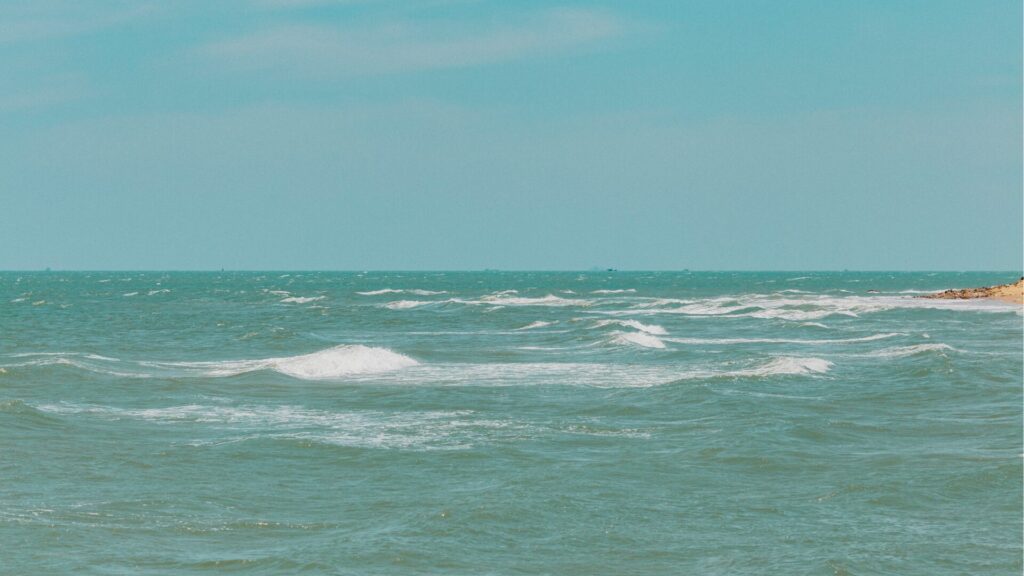
One of the most popular routes among JDM fans visiting Tokyo is to combine a Daikoku PA car meet with a drive across the Tokyo Bay Aqua-Line. The typical itinerary starts with an evening visit to Daikoku PA in Yokohama to see modified JDM cars, followed by a night drive through Kawasaki and onto the Aqua-Line. After stopping at Umihotaru for photos and refreshments, drivers cross the bridge into Chiba before looping back to Tokyo.
-
-
Daikoku Parking Area (Daikoku PA): The Ultimate Visitor Guide to Japan’s Legendary JDM Meet
Daikoku Parking Area—often written as Daikoku PA or Daikokufutō—is the most famous place in Japan to spot tuned cars gathering organically. It’s a real expressway parking/service area in Yokohama, not a ticketed tourist attraction and not an officially organized event. That “unofficial” nature is exactly why Daikoku feels special: the lineup is never the same twice, and the culture is authentic. At the same time, Daikoku is one of the easiest places for first-time visitors to misunderstand. It’s located inside the Shuto Expressway network and cannot be accessed from ordinary roads or on foot, which is why so many travelers ...
続きを見る
This combined route covers some of the most iconic automotive landmarks in the Kanto region and can be completed in a single evening. Our guided JDM tours offer this exact route, complete with a knowledgeable driver-guide who can explain the engineering behind the Aqua-Line, share stories about Japanese car culture, and ensure you get the best photos at every stop along the way.
Experience Japan’s Finest JDM Adventures
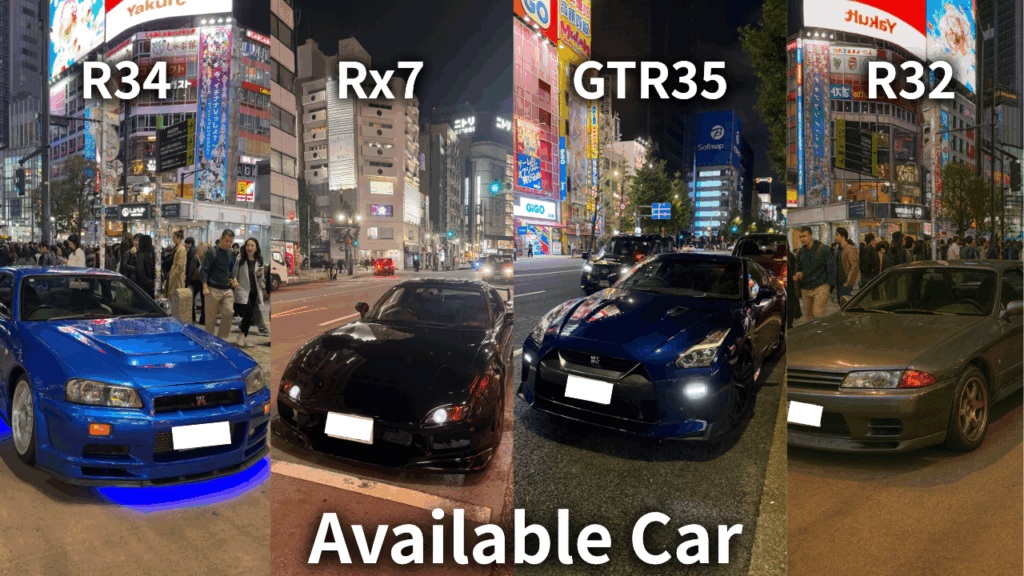
From Daikoku PA tours to JDM sports car rentals and drift experiences, we offer premium driving adventures for visitors who want more than ordinary sightseeing.
Get behind the wheel of iconic machines such as the GT-R, RX-7, and Supra, and experience Japan’s legendary car culture in the most unforgettable way. Whether you want a scenic Tokyo car experience or something more thrilling and immersive, we can guide you to the right plan.
Not sure which experience suits you best? No problem. Message us on WhatsApp and we’ll help you choose the ideal option based on your travel plans, interests, and driving experience.
Popular dates sell out quickly, so we recommend contacting us early.
Customer Reviews
Important Information
- This is a drive tour where you drive your rental car, and our guide navigates from the seat.
- This is a self-drive tour where you drive your rental car, and our guide navigates from the passenger seat.
- The tour begins and ends at the same location (Shibuya).
- If the Daikoku Parking Area is closed, we will instead guide you to another car meet further away.
- The consultant is a cultural expert and navigator, not a taxi service.
