
Why Umihotaru PA Is a Photographer's Paradise
Floating in the middle of Tokyo Bay on the Tokyo Bay Aqua-Line, Umihotaru Parking Area is one of the most photogenic rest stops anywhere in the world. Whether you are a JDM car enthusiast lining up your GT-R against a sunset backdrop, a travel photographer chasing golden-hour reflections, or simply a tourist wanting Instagram-worthy memories of Japan, Umihotaru PA offers an unmatched combination of ocean panoramas, architectural interest, and automotive culture. This guide covers every photo opportunity the facility has to offer, along with practical tips to help you capture the perfect Umihotaru PA photos.
-

-
Umihotaru Parking Area (Umi Hotaru PA): The Complete 2026 Guide to Tokyo Bay’s Floating Rest Stop
Umihotaru Parking Area—often written as Umi Hotaru PA or Umi-hotaru—is one of the most unusual “high ...
続きを見る
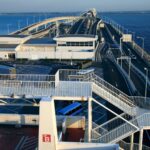
Best Photo Spots Inside Umihotaru PA
The Rooftop Observation Deck
The fifth-floor open-air deck is the undisputed crown jewel for photography at Umihotaru. From here you get an unobstructed 360-degree view of Tokyo Bay. On a clear day you can capture Mt. Fuji rising above the western horizon, the Tokyo skyline to the north, and the Boso Peninsula coastline stretching to the south. The deck features clean railings and wide-open space, making it easy to shoot panoramas without visual clutter. For the best results, arrive during the late afternoon so you can photograph both the daylight vista and the transition into sunset.
The West Observation Deck
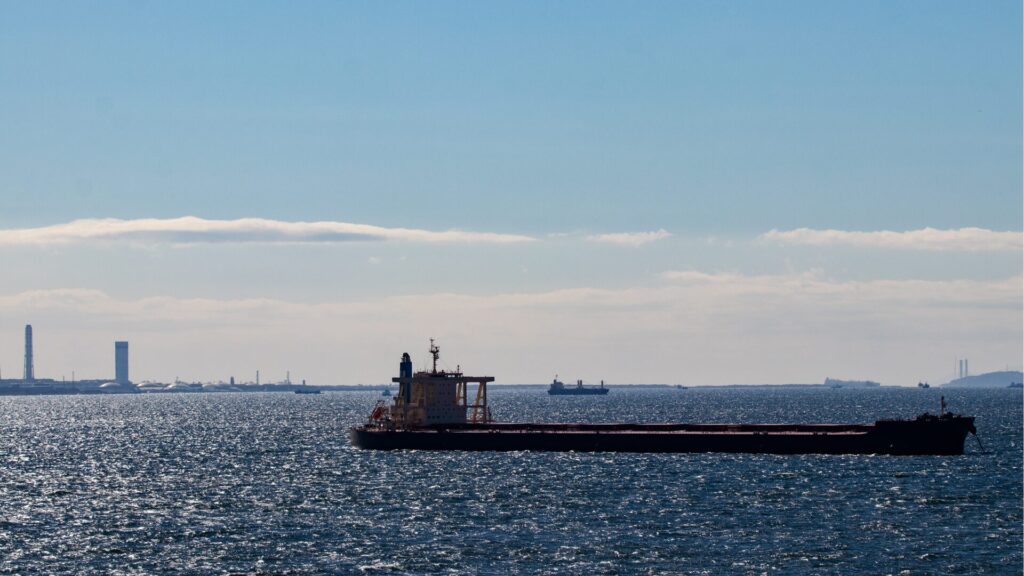
Located on the Kawasaki side of the structure, the west observation deck is specifically oriented toward Yokohama and the setting sun. This is where you will get the most dramatic sunset shots, with silhouettes of cargo ships, the Yokohama Bay Bridge, and on especially clear evenings, Mt. Fuji painted in warm orange and purple tones. The deck also has benches and sculptural elements that can serve as interesting foreground subjects in your compositions.
-
-
Umihotaru West Observation Deck: Panoramic Views of Tokyo Bay You Can't Miss
What Is the Umihotaru West Observation Deck? The Umihotaru West Observation Deck is a free, open-air ...
続きを見る
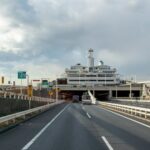
The Symbol Tower
The iconic Umihotaru Symbol Tower—a white, sail-shaped monument on the rooftop—is one of the most recognizable landmarks of the parking area. It photographs beautifully against blue skies and is particularly striking at night when it is illuminated. Use the tower as a focal point in wide-angle compositions, or shoot upward from its base for dramatic perspective shots. Couples often pose here, as the tower is also associated with a romantic "bell of happiness" tradition.
-
-
Umihotaru Symbol Tower: The Iconic Landmark of Tokyo Bay Aqua-Line You Need to See
What Is the Umihotaru Symbol Tower? The Umihotaru Symbol Tower is the most recognizable structure at ...
続きを見る
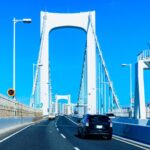
The Tunnel Entrance Viewpoint
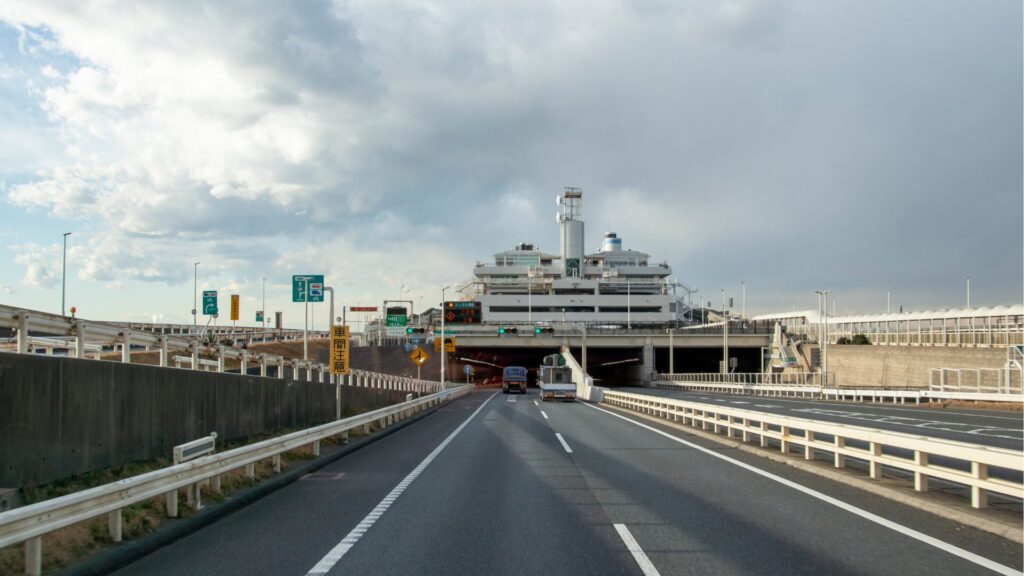
From the Kisarazu side of Umihotaru, you can photograph the entrance to the undersea tunnel portion of the Aqua-Line. The massive concrete portal disappearing beneath the bay makes for a powerful, almost cinematic image. It is especially compelling at twilight when vehicle headlights create light trails leading into the tunnel mouth. If you are interested in the engineering marvel behind this view, the tunnel section of the Aqua-Line stretches 9.6 kilometers under the seabed—making it one of the longest underwater road tunnels in the world.
-
-
Umihotaru Tunnel: Driving Through the Tokyo Bay Aqua-Line's Engineering Marvel
What Is the Umihotaru Tunnel? The Umihotaru tunnel is the underwater section of the Tokyo Bay Aqua-L ...
続きを見る
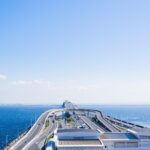
The Parking Lot (JDM Car Photography)
For JDM car fans, the parking lot itself is a prime photo location. Umihotaru is a popular gathering point for Japanese car enthusiasts, especially on weekend evenings. You may encounter rows of modified Nissan Skylines, Toyota Supras, Mazda RX-7s, and Honda NSXs lined up with the open ocean as a natural backdrop. The combination of polished bodywork reflecting bay light and the expansive sky behind creates images you simply cannot replicate at inland car meets. Arrive on Friday or Saturday evenings for the highest chance of encountering impressive JDM machinery.
Best Times of Day for Umihotaru PA Photos
Golden Hour and Sunset
The single best time for photography at Umihotaru is during golden hour, roughly 30 to 60 minutes before sunset. The low-angle sunlight bathes the entire structure and surrounding water in warm, soft light. Because Umihotaru sits in the middle of the bay with no tall structures nearby, the light is remarkably even and the color saturation in the sky can be extraordinary. During summer months, expect sunset around 6:30 to 7:00 PM; in winter, it falls closer to 4:30 PM.
Blue Hour and Night
Immediately after sunset, the blue hour provides a cooler, more moody atmosphere that is ideal for long-exposure photography. The illuminated Symbol Tower, the highway lights stretching across the bridge, and the distant city glow all come alive during this period. If you have a tripod, you can capture stunning long-exposure shots of light trails from vehicles passing on the Aqua-Line. Night photography at Umihotaru is also rewarding because the facility's interior lighting creates warm reflections on the wet deck surfaces, especially on rainy or misty evenings.
Early Morning
While less popular among visitors, early morning is excellent for photography if you want minimal crowds and soft diffused light. Fog frequently blankets Tokyo Bay at dawn, creating an ethereal, almost otherworldly mood. On rare occasions, you can capture the phenomenon of the sun rising above the bay while mist swirls around the parking area structure—truly unique Umihotaru PA photos that few visitors manage to get.
Camera Gear and Settings Recommendations
You do not need professional equipment to take great photos at Umihotaru, but the right approach will dramatically improve your results:
- Wide-angle lens (16–35mm equivalent): Essential for capturing the sweeping panoramas from the observation decks. This focal range lets you include both the foreground structure and the expansive bay and sky.
- Telephoto lens (70–200mm): Useful for isolating distant subjects like Mt. Fuji, ships on the bay, or compressing a line of JDM cars in the parking lot.
- Tripod: Highly recommended for blue hour and night shots. A compact travel tripod is sufficient since wind is usually manageable on the sheltered deck areas.
- Polarizing filter: Cuts glare from the water surface and deepens the blue of the sky, making daytime landscape shots more vivid.
- Smartphone users: Modern smartphone cameras perform admirably here. Use HDR mode for high-contrast sunset scenes and night mode for low-light situations. The ultra-wide lens found on most flagship phones works well for the panoramic views.
For camera settings, shoot in aperture-priority mode at f/8 to f/11 for landscape sharpness. Keep ISO as low as possible (100–400) during daylight and allow it to rise as needed at night. If shooting handheld at dusk, enable image stabilization and consider burst mode to ensure at least one sharp frame.
Seasonal Photo Opportunities at Umihotaru
Each season transforms the photographic character of Umihotaru PA:
- Spring (March–May): Clear skies after spring rains offer excellent visibility of Mt. Fuji. The lengthening days provide comfortable golden-hour windows. Cherry blossom season does not directly affect Umihotaru (there are no cherry trees on the structure), but the general freshness and brightness of spring light is ideal.
- Summer (June–August): Dramatic cumulus clouds build over the bay in the afternoon, creating powerful sky compositions. Late sunsets mean golden hour arrives at a convenient time for evening visitors. Summer also brings the highest frequency of JDM car gatherings.
- Autumn (September–November): The clearest air of the year. This is when Mt. Fuji is most likely to be visible and sharply defined. Lower sun angles create richer golden-hour colors. Autumn evenings are particularly popular with car photographers.
- Winter (December–February): The air is at its most transparent, offering the absolute best long-range visibility. Mt. Fuji capped in snow is a breathtaking subject from Umihotaru. Sunsets occur early, which means you can capture both golden hour and night shots without staying extremely late.
Composition Ideas for Standout Umihotaru Photos
Getting to Umihotaru is half the battle—once there, creative composition elevates your photos from snapshots to portfolio pieces. Here are specific ideas:
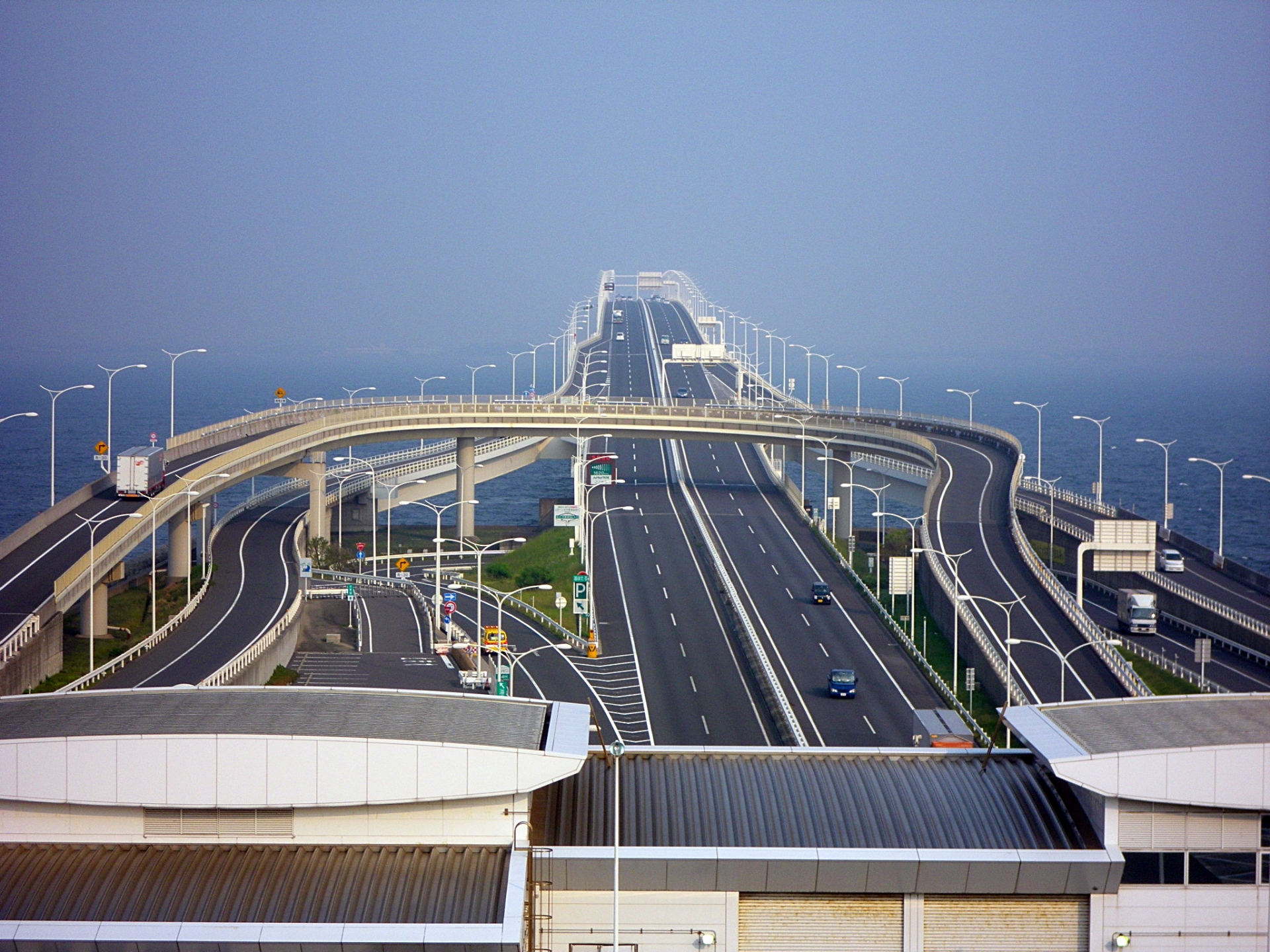
- Leading lines: Use the Aqua-Line bridge stretching toward the horizon as a powerful leading line drawing the viewer's eye into the image.
- Reflection shots: After rain, puddles on the observation deck reflect the sky and illuminated tower. Get low to the ground and shoot the reflection for a creative double-image effect.
- Car-and-ocean pairing: Position a JDM car in the lower third of the frame with the bay filling the upper two-thirds. This juxtaposition of automotive culture against open ocean is uniquely Umihotaru.
- Silhouettes: At sunset, place human figures or the Symbol Tower against the bright sky for dramatic silhouette photographs.
- Interior architecture: The shopping and dining floors inside Umihotaru feature clean lines, warm lighting, and interesting ceiling structures. These make for compelling indoor shots, especially useful on overcast days when exterior light is flat.
- Vertical panoramas: Shoot vertically to include the water below and towering clouds above for social-media-friendly compositions.
How to Get to Umihotaru for a Photo Trip
Umihotaru PA sits on the Tokyo Bay Aqua-Line expressway, which means it is only accessible by vehicle. You cannot reach it by train or on foot. The facility is approximately a 30-minute drive from central Kawasaki or a 15-minute drive from Kisarazu in Chiba Prefecture. If you are coming from central Tokyo, expect a drive of roughly 40 to 60 minutes depending on traffic.
For visitors who do not have a car, the most convenient option is to join a guided tour. Our JDM car meet tours regularly include stops at Umihotaru PA, giving you the chance to ride in a genuine Japanese performance car while visiting the best photo spots on Tokyo Bay. The tours are designed with photography time built in, so you will not feel rushed.
-

-
Umihotaru Car Meet Tour Guide: Routes, Timing, and the Smarter Daikoku PA Alternative
What is Umihotaru PA? Umihotaru PA is a floating service area perched on the Tokyo Bay Aqua-Line, ro ...
続きを見る
Photography Etiquette and Rules to Know
While Umihotaru is very photo-friendly, there are a few guidelines to follow to ensure a smooth experience:
- Do not use flash toward moving vehicles. This should be obvious but bears repeating—blinding drivers on a highway bridge over open water is extremely dangerous.
- Ask before photographing other people's cars. JDM car owners at Umihotaru are generally proud of their builds and happy to let you photograph them, but a polite request goes a long way, especially if you want to open doors or hoods.
- Do not block parking spaces or walkways with tripods. The parking lot can get busy, particularly on weekend evenings. Set up your tripod in spots that do not obstruct traffic flow.
- Be mindful of noise at night. Late-night photography sessions are common, but keep voice levels down out of respect for anyone resting in their vehicles.
- Drone photography is prohibited. Umihotaru is located within controlled airspace near Haneda Airport, and flying drones in the area is illegal without special permission.
Combining Umihotaru with Other Photo-Worthy Car Spots
If you are planning a full day of JDM photography around Tokyo, Umihotaru pairs perfectly with other iconic locations. Daikoku Parking Area in Yokohama is the most famous car meet spot in Japan and sits roughly 30 minutes from the Kawasaki end of the Aqua-Line. An evening route that starts at Daikoku PA for the car meet scene and then crosses the bay to Umihotaru for sunset and night shots makes for an unforgettable photography itinerary.
Tatsumi Parking Area on the Shuto Expressway is another option for those who want to capture the underground, late-night drift culture side of JDM. The three locations together—Daikoku, Tatsumi, and Umihotaru—represent the holy trinity of Tokyo-area car photography, each offering a completely different visual character and atmosphere.
Experience Japan’s Finest JDM Adventures
From Daikoku PA tours to JDM sports car rentals and drift experiences, we offer premium driving adventures for visitors who want more than ordinary sightseeing.
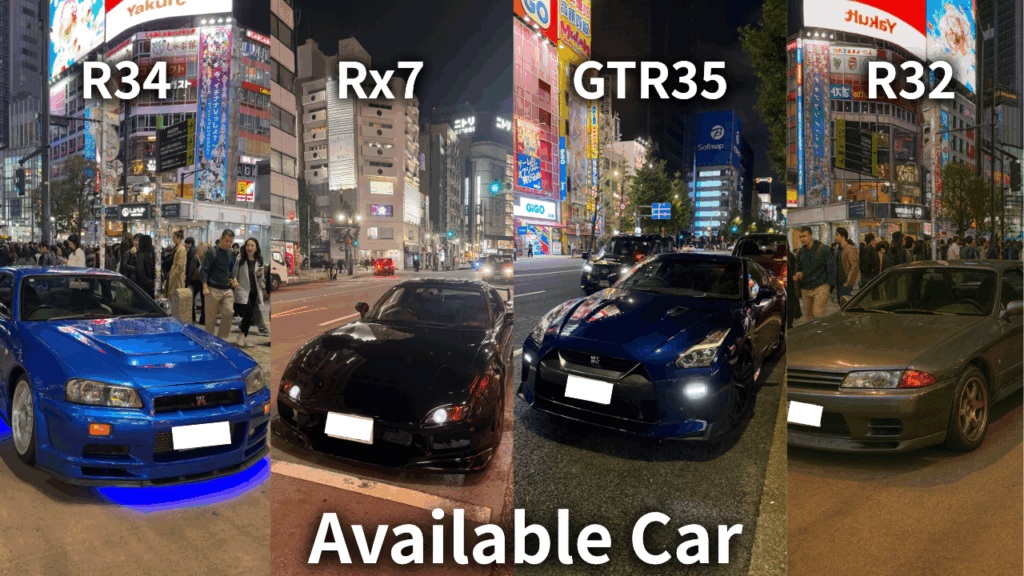
Get behind the wheel of iconic machines such as the GT-R, RX-7, and Supra, and experience Japan’s legendary car culture in the most unforgettable way. Whether you want a scenic Tokyo car experience or something more thrilling and immersive, we can guide you to the right plan.
Not sure which experience suits you best? No problem. Message us on WhatsApp and we’ll help you choose the ideal option based on your travel plans, interests, and driving experience.
Popular dates sell out quickly, so we recommend contacting us early.
Customer Reviews
Important Information
- This is a drive tour where you drive your rental car, and our guide navigates from the seat.
- This is a self-drive tour where you drive your rental car, and our guide navigates from the passenger seat.
- The tour begins and ends at the same location (Shibuya).
- If the Daikoku Parking Area is closed, we will instead guide you to another car meet further away.
- The consultant is a cultural expert and navigator, not a taxi service.
