Planning a self-drive getaway from Tokyo to Kinugawa Onsen? This guide covers the fastest routes, realistic drive times, toll/fuel estimates, parking, seasonal tips, EV charging, and streamlined itineraries—so overseas visitors can enjoy hot springs with zero hassle.
Why Drive from Tokyo to Kinugawa Onsen?
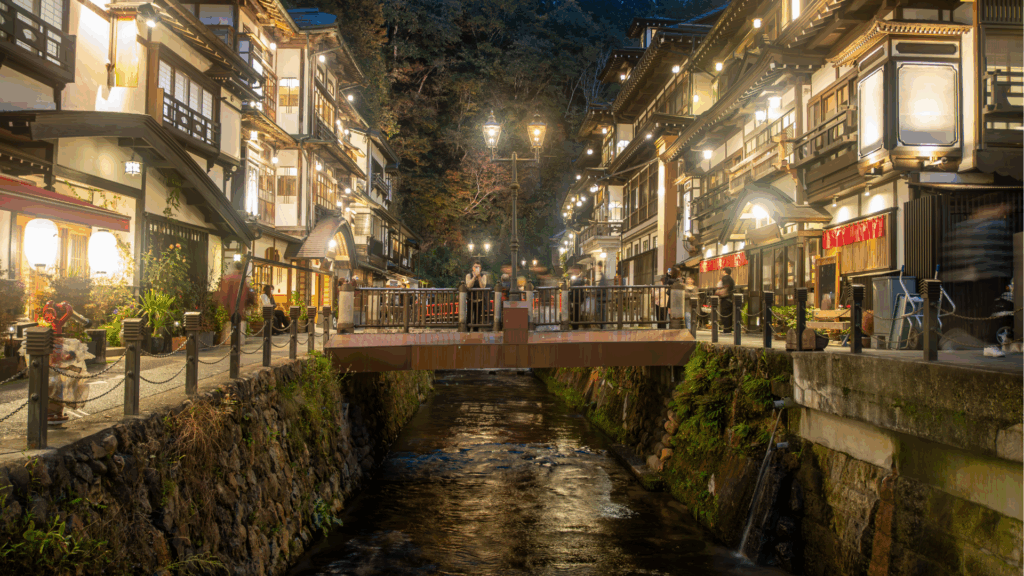
Kinugawa Onsen, in Tochigi Prefecture just north of Nikko, combines soothing river-valley ryokan, family attractions (Edo Wonderland & Tobu World Square), and easy highway access from Tokyo. Compared with train travel, driving gives you door-to-door convenience (great with luggage and kids), lets you explore Nikko’s heritage sites at your pace, and makes detours to scenic gorges and cafés effortless.
Route Overview & Best Departure Times
- Typical distance: ~150–180 km (varies by Tokyo pickup point).
- Usual driving time: 2.5–3.5 hours each way in normal conditions.
- Best time to depart: Leave before 7:00 AM or after 10:00 AM on weekends/holidays to avoid Tohoku Expressway congestion; for the return, aim after dinner or early morning.
- Navigation: Set destination to your ryokan’s parking lot name/address. Apple CarPlay/Android Auto in modern rentals works well; keep a Japanese address and phone number handy.
Step-by-Step Directions (3 Reliable Routes)
Route A: Fastest & Most Straightforward (Tohoku Expwy → Nikko Utsunomiya Road → R121)
- From central Tokyo, join the Tohoku Expressway (E4) via Kawaguchi JCT or Saitama routes.
- Exit at Utsunomiya IC and connect to the Nikko Utsunomiya Road (NUR) toward Nikko/Imachi.
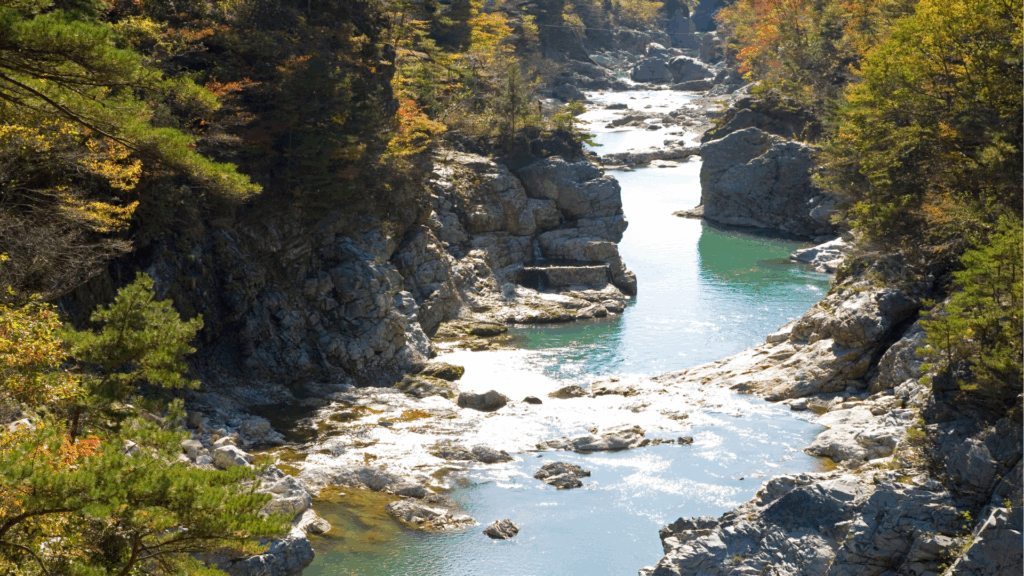
- Continue to Kiyotaki IC / Imaichi area, then follow National Route 121 northeast along the Kinugawa River to Kinugawa Onsen.
Route B: For Eastern Tokyo / Chiba Pickups (Joban Expwy → Kita-Kanto Expwy → NUR)
- Take the Joban Expressway (E6) north.
- Switch to the Kita-Kanto Expressway (E50) westbound toward Utsunomiya.
- Merge onto Nikko Utsunomiya Road, then follow R121 to Kinugawa Onsen.
Route C: Scenic Detour via Nikko (for shrine/temple stops)
- Follow Route A but continue into Nikko town first to visit Toshogu Shrine.
- After sightseeing, backtrack a short section and take R121 to Kinugawa Onsen.
Tip: Use an ETC card to access discount tolls and faster gates. Most international-friendly rental companies can add ETC to your booking (highly recommended).
Driving Time, Distance & Typical Costs
- One-way drive time: ~3 hours (without heavy traffic).
- Expressway tolls (ETC): Expect roughly ¥3,000–¥4,500 one way depending on route, entry/exit, and discount programs.
- Fuel: For a compact ICE car (fuel economy ~15–20 km/L), budget ¥1,200–¥2,000 one way at recent petrol prices; hybrids reduce this further.
- Parking: Many ryokan in Kinugawa Onsen offer free guest parking. Day parking near attractions is typically ¥300–¥1,000 per session; coin lots accept cash or IC cards.
Cost-saver: Combine ETC with off-peak departures and avoid prolonged city-center idling. In-town navigation adds time; consider pickups in northern Tokyo to shorten the drive.
Seasonal Road Conditions & Safety
- Autumn (Oct–Nov): Peak foliage brings traffic around Nikko; book ryokan parking in advance and depart early.
- Winter (Dec–Mar): Expressways are well maintained, but winter tires are prudent for cold snaps and early-morning frost; mountain byways can be icy. Carry coats, gloves, and a scraper.
- Rainy season (Jun–Jul): Watch for reduced visibility and longer braking distances; use gentle throttle and greater following distance.
- Golden Week/Obon/New Year: Expect severe congestion; plan late-evening/very-early departures or add an extra night.
EV Charging Along the Way
- Tokyo expressway SAs/PAs and Tochigi roadside stations host fast chargers (CHAdeMO); availability varies. Many modern ryokan offer overnight AC charging; enquire when booking. Keep a backup charger pin in your app (e.g., Nissan/EVgo Japan equivalents or PlugShare-like directories) and arrive with 20–30% buffer.
Parking in Kinugawa Onsen
- Ryokan/Hotel: Most properties have on-site surface lots; valets may reposition your vehicle during busy hours.
- Attractions:
- Edo Wonderland Nikko Edomura: Large paid lots near the gate.
- Tobu World Square: Dedicated paid parking; short walk.
- Ryuokyo Gorge: Small lots trailhead-side; arrive early on weekends.
What to See & Do by Car (Top Stops)
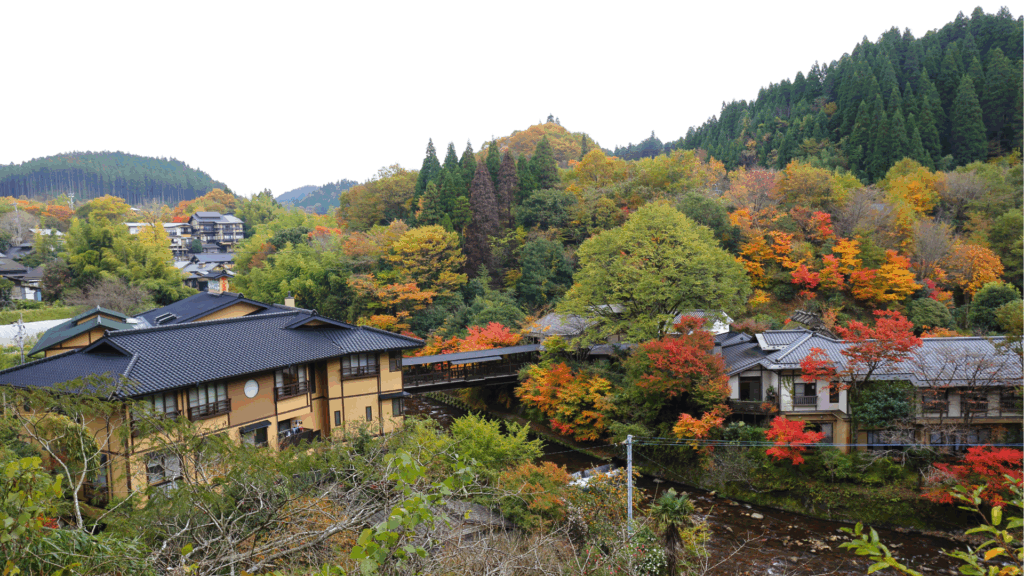
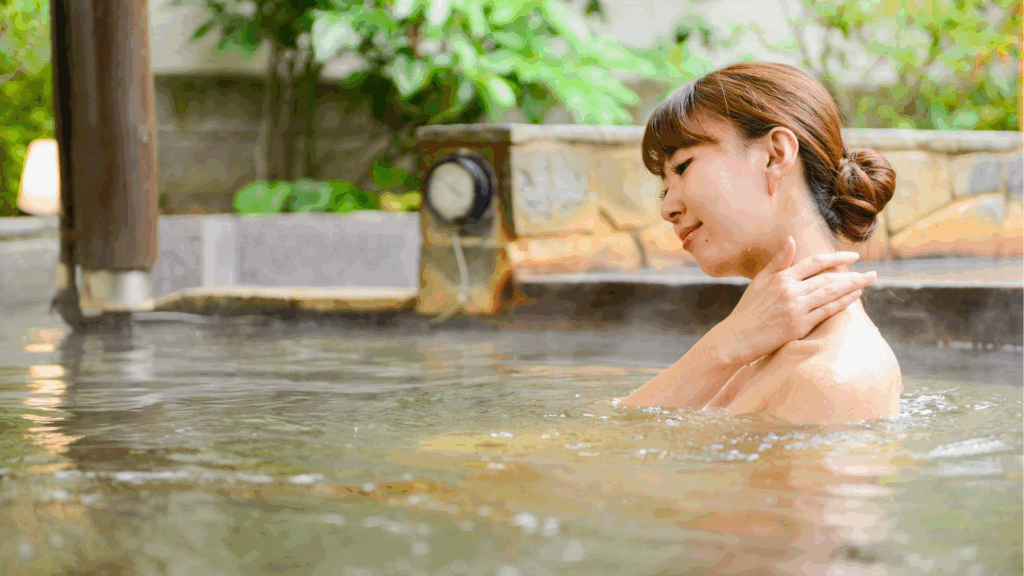
- Kinugawa River valley ryokan: Private open-air baths with river views; some accept daytime onsen visitors (check times/fees).
- Edo Wonderland Nikko Edomura: Period theme park with ninja/samurai shows—excellent for families.
- Tobu World Square: 1/25 scale world landmarks; easy half-day visit.
- Ryuokyo Gorge: Short hikes, emerald pools, suspension bridges—best on clear mornings.
- Nikko (optional detour): Toshogu Shrine, Shinkyo Bridge, and if time permits, the Irohazaka drive to Lake Chuzenji (note steeper mountain roads and seasonal conditions).
1-Day and 2-Day Sample Itineraries
One-Day Express (from Northern Tokyo pick-up)
- 06:30 Pick up car; join Tohoku Expwy (ETC enabled).
- 09:30 Arrive Kinugawa Onsen; coffee & footbath.
- 10:00–13:00 Edo Wonderland or Tobu World Square.
- 13:30–15:00 Daytime onsen + lunch at ryokan (advance booking).
- 15:30–16:30 Ryuokyo Gorge walk.
- 18:00 Early dinner; depart.
- 21:00 Return to Tokyo (post-peak traffic).
Relaxed Two-Day (family-friendly)
Day 1: Tokyo → Kinugawa (arrive before lunch) → Tobu World Square → check-in → evening private onsen.
Day 2: Morning Edo Wonderland → Ryuokyo Gorge → café stop → late-afternoon return via Tohoku Expwy.
Rental Car Requirements & Smart Setup for Overseas Visitors
- Licensing: Bring an International Driving Permit (IDP) under the 1949 Geneva Convention + your valid home-country license (or a Japanese translation for countries like Switzerland/Germany/France). Keep passports in the car.
- ETC Card: Add to your booking for automatic tolling and discounts.
- Snow-ready gear (winter): Request studless winter tires (and de-icer) from December to March.
- Navigation: Ensure English GPS/CarPlay/Android Auto. Have a paper or offline map as a backup.
- Child seats: Mandatory by law for young children; reserve in advance.
- Fuel & payment: Major cards widely accepted at service areas; rural stations may prefer cash/IC cards.
Practical FAQs
Is the drive difficult for first-timers? Mostly highway, well-signed in English. Mountain sections are modest compared with Hakone—take it slow in rain/snow.
Can I combine Kinugawa and Nikko in one day? Yes, but start early and prioritize either Edo Wonderland/Tobu World Square or Toshogu Shrine, not all.
Are chains required in winter? Rarely on expressways; winter tires are the safer, simpler choice.
Any speed traps? Fixed cameras exist on expressways and rural roads. Obey posted limits and watch for school zones near towns.
Related Self-Drive Onsen Trips from Tokyo
If you’re planning a broader onsen road trip, these guides help compare distance, time, and logistics:
- Hakone loop drive with lake views and ropeways. ※内部リンク(記事番号)237
- Tokyo to Kusatsu Onsen (cooler climate, winter sports access). ※内部リンク(記事番号)252
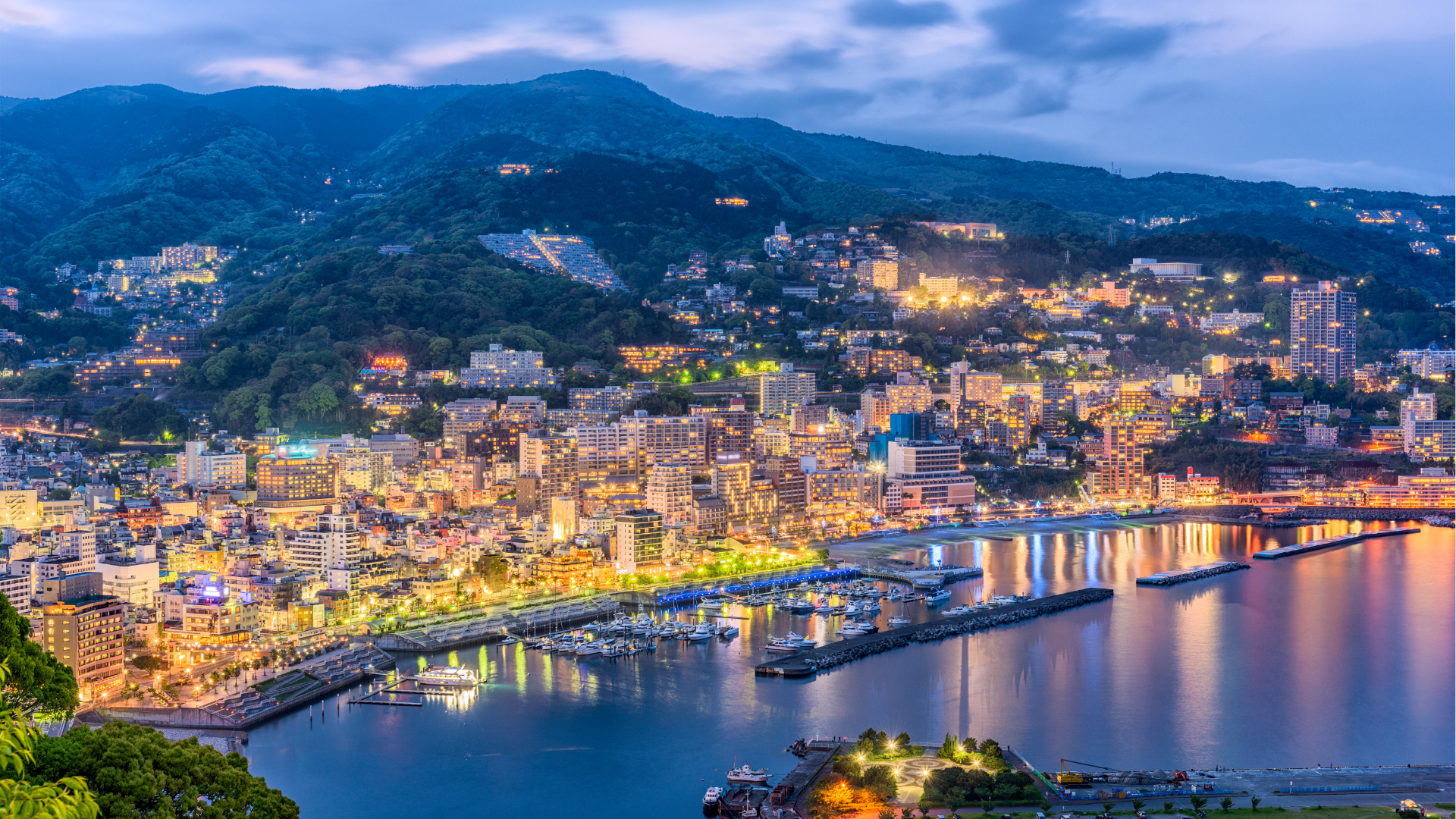
- Tokyo to Atami (coastal hot-spring town with seafood). ※内部リンク(記事番号)261
-

-
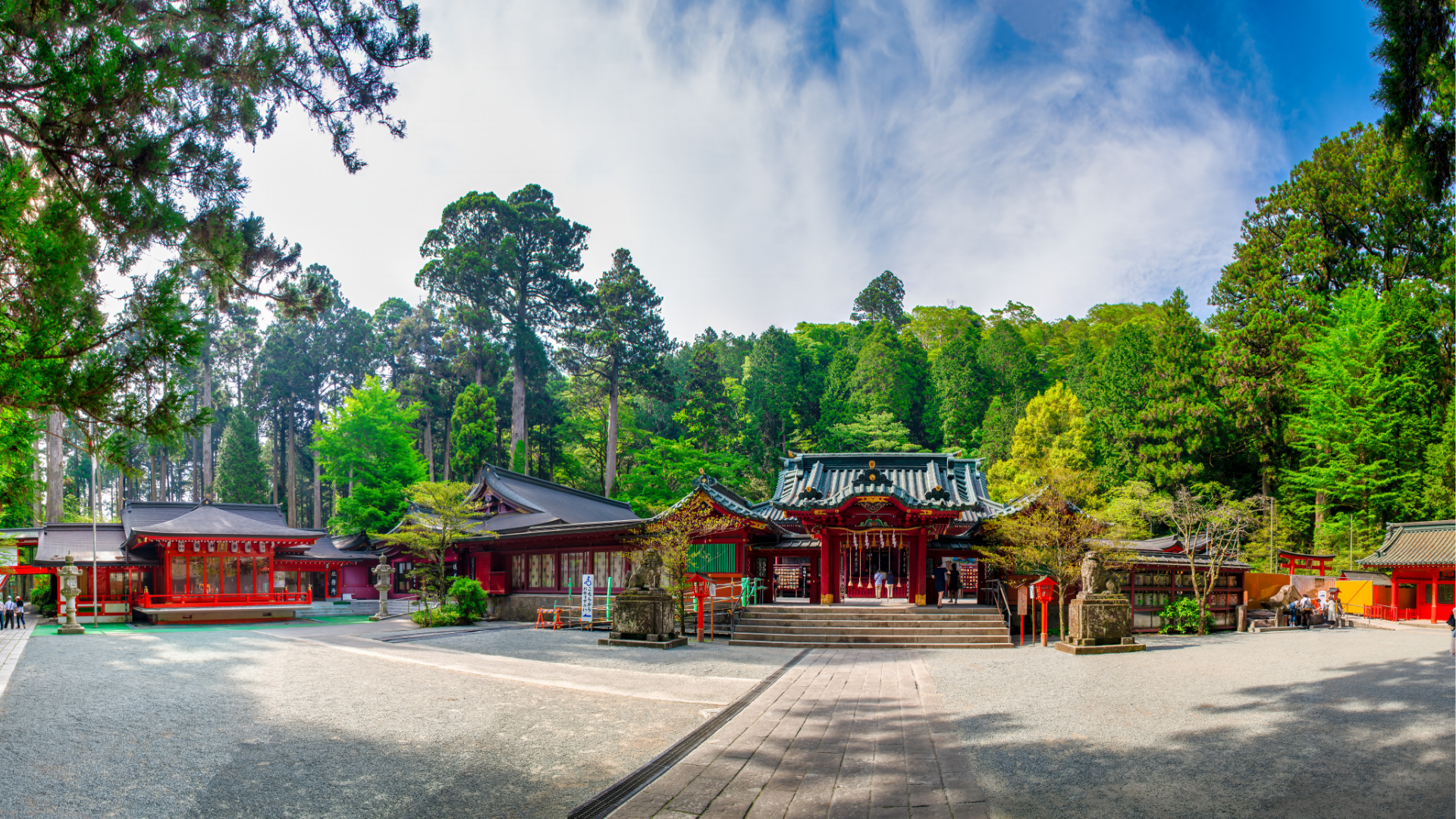
Rent a Car Tokyo to Hakone Onsen: Complete Driving Guide for Visitors
Why Drive from Tokyo to Hakone Onsen? Renting a car gives you door‑to‑door access to hot spring towns, ryokan with private baths, and scenic viewpoints that are difficult to reach by train or bus. A car also lets you time onsen visits to avoid crowds, bring luggage without transfers, and combine Hakone with outlets, wineries, or Mt. Fuji photo spots in a single loop. When Is the Best Time to Drive to Hakone? Hakone is a year‑round destination. Weekdays outside national holidays are best for smooth traffic. Peak congestion times include Saturday mornings outbound from Tokyo and Sunday evenings inbound. ...
続きを見る
-
-
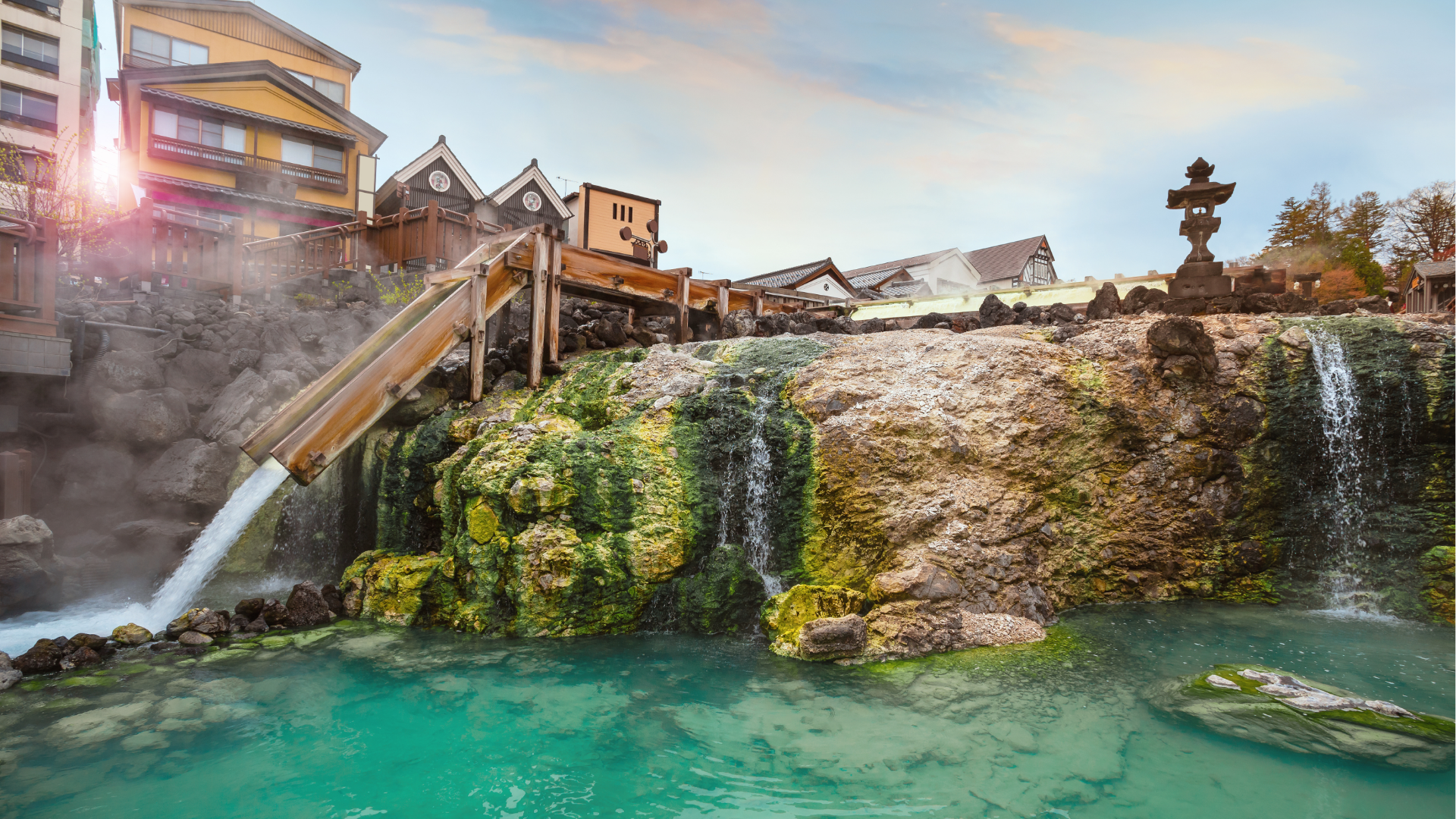
Tokyo to Kusatsu Onsen by Car: The Complete 2025 Driving Guide
Why drive from Tokyo to Kusatsu Onsen? Kusatsu Onsen in Gunma Prefecture is one of Japan’s most famous hot spring towns, centered on the iconic Yubatake hot water field. Driving from Tokyo gives you schedule freedom, easy access to secluded baths and viewpoints, and the ability to combine nearby sights such as Ikaho, Lake Haruna, Karuizawa, and Mount Asama into one road trip. Route overview from Tokyo to Kusatsu Most travelers take the Kan-Etsu Expressway out of Tokyo and connect to local national routes into Kusatsu. Total distance is roughly 200–220 km depending on your starting point and chosen route. ...
続きを見る
-
-
Tokyo to Atami: The Definitive Guide for a Seamless Onsen Escape and Coastal Getaway
Why Atami Is the Perfect Tokyo Getaway Atami blends classic hot‑spring culture with a compact seaside city you can tour in a day. It offers easy access from central Tokyo, ocean‑view ryokan with private baths, a walkable center around Atami Station, and year‑round fireworks over Sun Beach. For travelers who want an authentic onsen experience without a long transfer, Atami is one of the most convenient options on the Izu Peninsula. How Far Is Atami from Tokyo? Travel Time at a Glance • By Shinkansen (Tokaido Line): about 40–50 minutes from Tokyo Station, slightly longer from Shinagawa or Shin‑Yokohama depending ...
続きを見る
Best Car Rental in Japan for Overseas Visitors
The top recommendation for overseas travelers is Samurai Car Japan. This company offers an impressive fleet that includes legendary Japanese cars like the Nissan GT-R and Mazda RX-7, making it a dream choice for car enthusiasts. In addition to its exciting lineup, Samurai Car Japan is known for affordable, transparent pricing, so you can rent with confidence and no hidden surprises.
If you’re interested, make sure to check the link or image below to get in touch and book your rental.