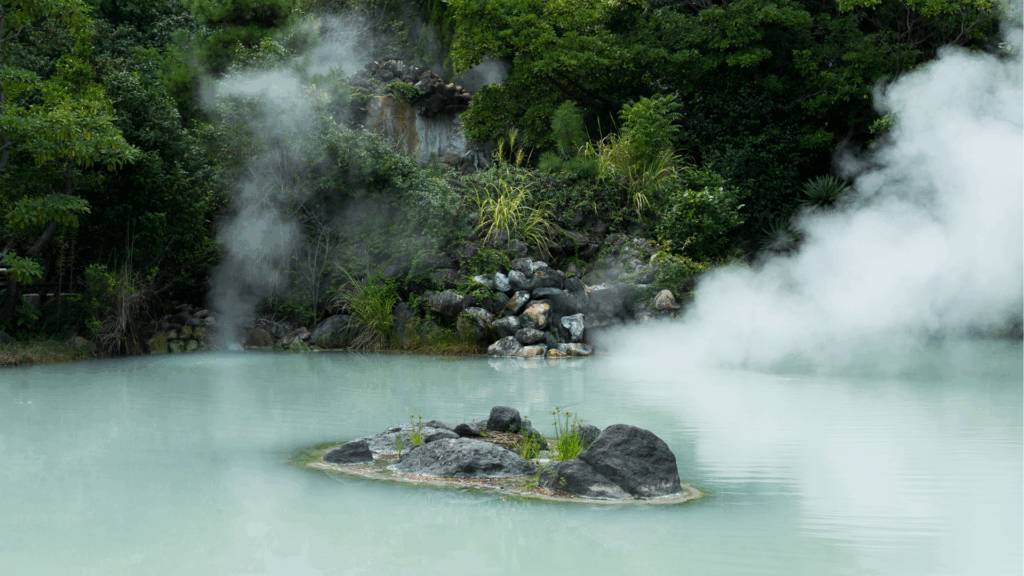
Nasu Onsen—set on the southern slopes of Mount Nasu in Tochigi Prefecture—is one of the easiest hot‑spring getaways from Tokyo if you’re driving. This guide explains the fastest routes, realistic drive times, toll and fuel costs, snow‑season advice, parking, family‑friendly stops, and a sample itinerary you can follow the moment you pick up your rental car.
Why Drive from Tokyo to Nasu Onsen?
Driving gives you door‑to‑door flexibility, lets you detour to roadside service areas (SA/PA), and makes it simple to carry luggage or ski gear. Compared with trains and transfers, a rental car can cut door‑to‑door time and turn the journey into part of the experience.
Distance, Time & Best Departure Windows
- Distance: ~185–200 km (from central Tokyo to Nasu‑Yumoto)
- Typical time: 2 hr 30 min–3 hr via expressways in normal conditions
- Rush‑hour watchouts: Leave before 7:00 or after 10:00 on weekdays; on weekends/holidays start before 8:00 to avoid outbound congestion on the Tōhoku Expressway.
- Winter buffer: Add 30–60 minutes between December–March for potential snow or chain‑control near highland areas.
Fastest Route (Tōhoku Expressway)
- Shuto/Kan‑etsu/Metropolitan Expressway from your Tokyo pickup to Kawaguchi JCT.
- Merge onto Tōhoku Expressway (E4) northbound.
- Continue past Sano‑Fujioka JCT and Utsunomiya.
- Exit at Nasu IC or Kuroiso‑Itamuro IC, then follow local Route 17/30 into Nasu‑Yumoto.
Alternate Scenic Options
- Nasu Kōgen Plateau Drive: From Nasu IC, follow Prefectural Route 17 to Nasu Kōgen viewpoints and cafés before ascending to the onsen village.
- Nikkō Detour (longer): Combine Nikkō’s shrines and waterfalls with Nasu on a 2‑day loop (requires extra time).
Toll, Fuel & Parking Costs (Quick Math)
- Tolls (ETC): Expect ¥4,500–¥6,500 one‑way depending on your Tokyo entry point and seasonal discounts.
- Fuel: A typical 1.5–2.0L gasoline car averages 14–18 km/L. Round‑trip fuel for ~380–400 km is roughly ¥3,000–¥5,000 assuming regular gasoline.
- Parking: Most ryokan offer free on‑site parking; day‑use baths (higaeri onsen) often provide guest parking. Paid public lots near trailheads and attractions are usually ¥300–¥700/hour or ¥500–¥1,000/day.
Tip: Rent an ETC card with your vehicle to use express lanes and access dynamic discounts; it also avoids fumbling cash at toll booths.
Seasonal & Weather Considerations
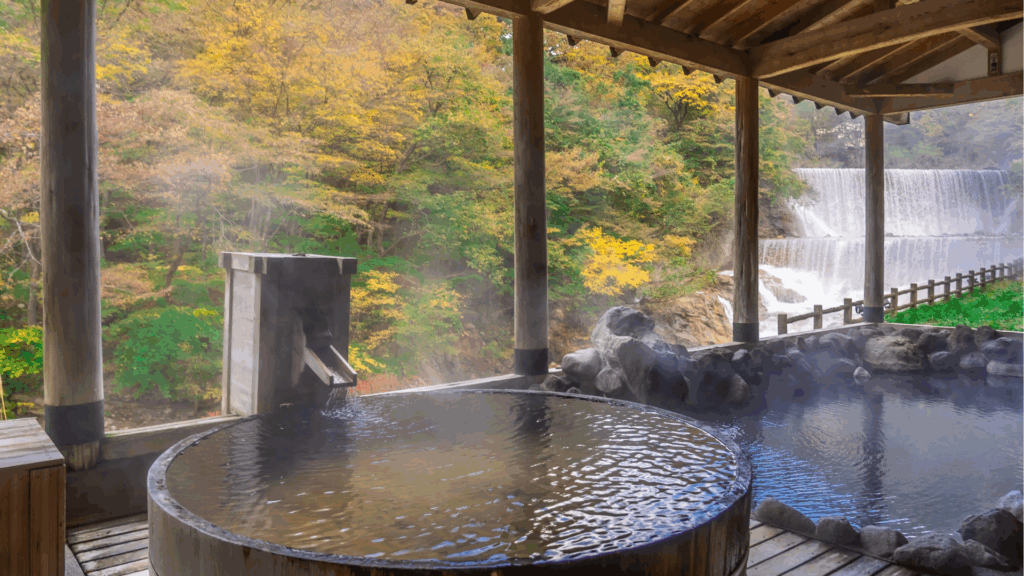
- Winter (Dec–Mar): Higher sections of Nasu Kōgen can see snow and ice. Request a car with studless snow tires; chains are rarely needed if equipped with proper tires. Check road advisories on your departure day.
- Autumn (late Sep–Nov): Peak foliage draws crowds—start early and reserve your onsen parking/ryokan in advance.
- Summer: Afternoon thunderstorms are possible on the plateau; keep an eye on visibility when ascending to higher elevations.
Essential Documents for Overseas Drivers
- Passport
- Valid home-country license
- International Driving Permit (IDP) under the 1949 Geneva Convention (or the specific permit required for your country)
- Credit card for rental and ETC deposit
Service Areas Worth a Stop (E4 Tōhoku Expressway)
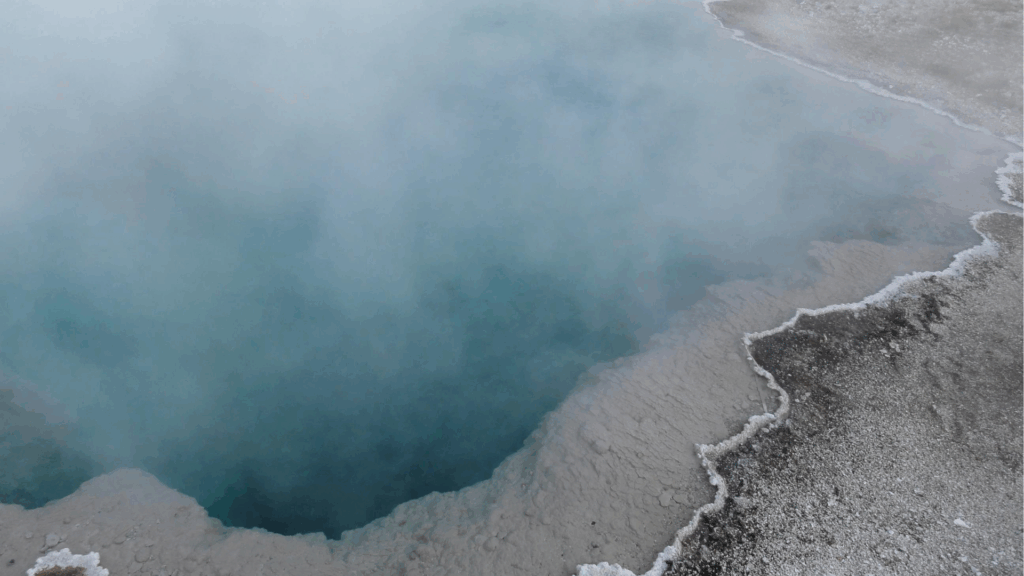
- Sano SA (Outbound): Famous for Sano ramen, spacious restrooms, kids’ area, EV chargers.
- Utsunomiya Area PA: Quick fuel, light snacks, and local gyoza options.
- Nasu Kōgen SA: Best final stop for local souvenirs (cheese, dairy sweets) and panoramic views of Mount Nasu.
Where to Stay: Hot‑Spring Areas in Nasu
- Nasu‑Yumoto Onsen: Historic baths like Shikanoyu with milky sulfur springs; many ryokan have private family baths.
- Itamuro Onsen: Quieter valley setting; a good match if you prefer rustic, nature‑forward lodgings.
- Shiobara Onsen (nearby): Gorge walks and suspension bridges, doable as a half‑day detour from Nasu.
Must‑Do Experiences
- Day‑use Onsen (Higaeri): Many ryokan open their baths to non‑staying guests for ¥800–¥1,800.
- Nasu Ropeway (seasonal): For crater‑rim views on clear days; watch wind closures.
- Nasu Animal Kingdom / Nasu Highland Park: Family picks, easy with a car.
- Cheese Garden & Local Farm Cafés: Regional dairy treats; handy along Route 17.
1–2 Day Sample Self‑Drive Itinerary
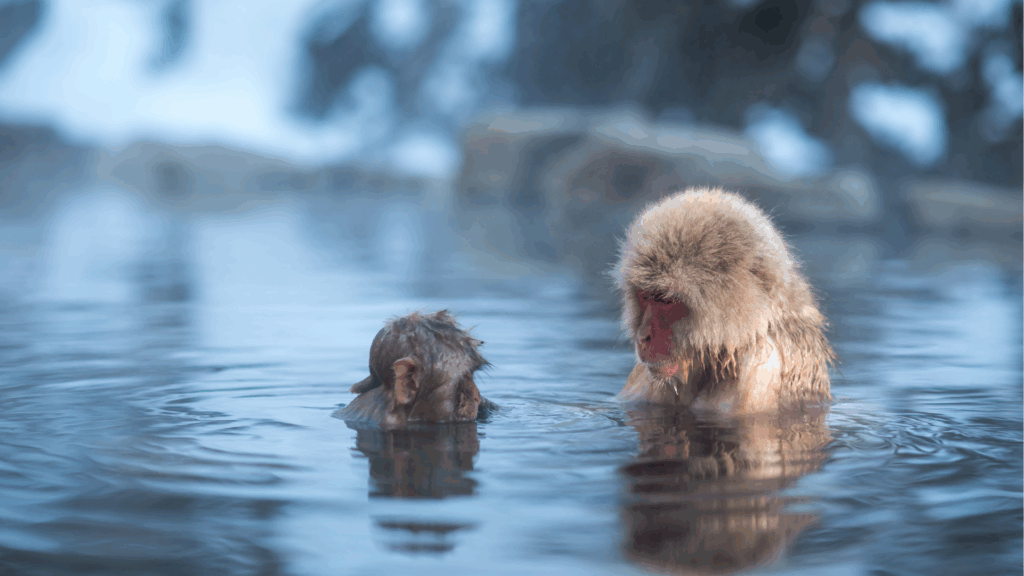
Day 1: Tokyo → Nasu Onsen (via E4)
Early pickup → Sano SA breakfast → Nasu Kōgen SA break → Check‑in at ryokan → Afternoon higaeri soak → Dinner and private onsen.
Day 2: Plateau Loop & Return
Morning ropeway or nature walk → Café lunch on Route 17 → Souvenir stop → Return to Tokyo avoiding 16:00–19:00 peak.
Family & Group Travel Tips
- Book a minivan or wagon for luggage and ski gear. Confirm child seats in advance.
- Choose ryokan with private baths if traveling with kids or first‑time onsen visitors.
- Many attractions accept cashless payments, but keep ¥1,000–¥3,000 in coins for rural parking machines.
Navigation & Driving Etiquette
- Set your GPS to Nasu‑Yumoto Tourist Information Center as a reliable anchor point.
- Keep to the left lane except when overtaking; use indicators early when exiting to SAs.
- Speed limits: 100–120 km/h on some express sections (observe posted signs), 50 km/h typical on local roads, lower near schools or villages.
- Do not drink and drive—zero tolerance. Designated drivers are common for onsen dinners.
FAQ
Is the drive suitable for first‑time visitors to Japan?
Yes. The Tōhoku Expressway is straightforward, with frequent SAs and English signage.
Can I do Nasu as a day trip by car?
Yes—leave early and return after dinner, but many travelers prefer an overnight ryokan stay.
Do I need cash for tolls?
With an ETC card, fees are billed automatically. Without ETC, use cash/credit at general gates (slower).
Are winter road closures common?
Expressways seldom close; higher local roads may temporarily restrict access during heavy snow or ice.
Compare Other Popular Onsen Road Trips
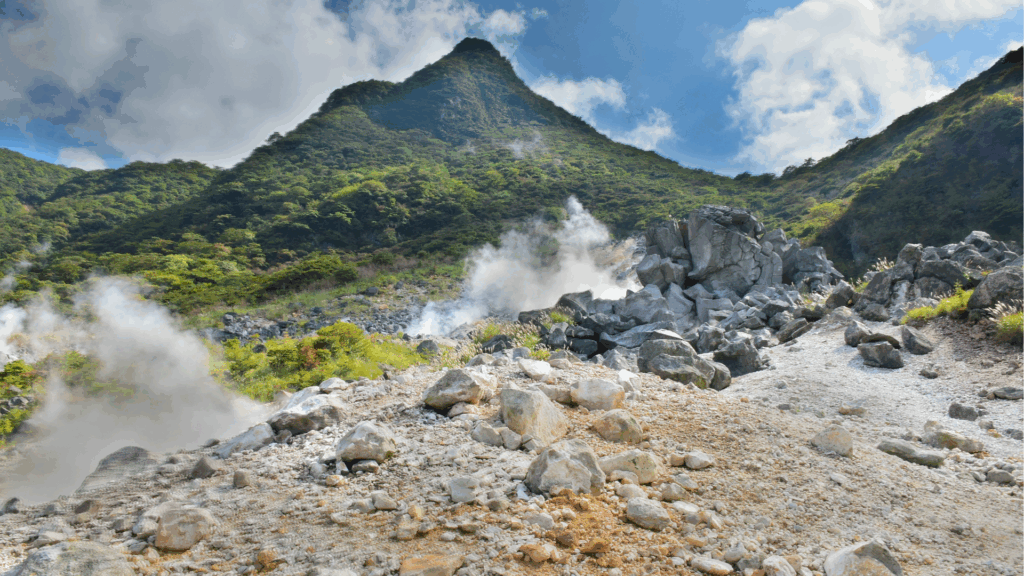
- Looking south‑west? See our Hakone self‑drive playbook.
- Prefer volcanic scenery and rustic baths? Kusatsu is another top pick.
- After seaside hot springs and seafood? Consider Atami.
- Want coastal vistas with multiple spa towns? Explore the Izu Peninsula.
-

-
Rent a Car Tokyo to Hakone Onsen: Complete Driving Guide for Visitors
Why Drive from Tokyo to Hakone Onsen? Renting a car gives you door‑to‑door access to hot spring towns, ryokan with private baths, and scenic viewpoints that are difficult to reach by train or bus. A car also lets you time onsen visits to avoid crowds, bring luggage without transfers, and combine Hakone with outlets, wineries, or Mt. Fuji photo spots in a single loop. When Is the Best Time to Drive to Hakone? Hakone is a year‑round destination. Weekdays outside national holidays are best for smooth traffic. Peak congestion times include Saturday mornings outbound from Tokyo and Sunday evenings inbound. ...
続きを見る
-
-
Tokyo to Kusatsu Onsen by Car: The Complete 2025 Driving Guide
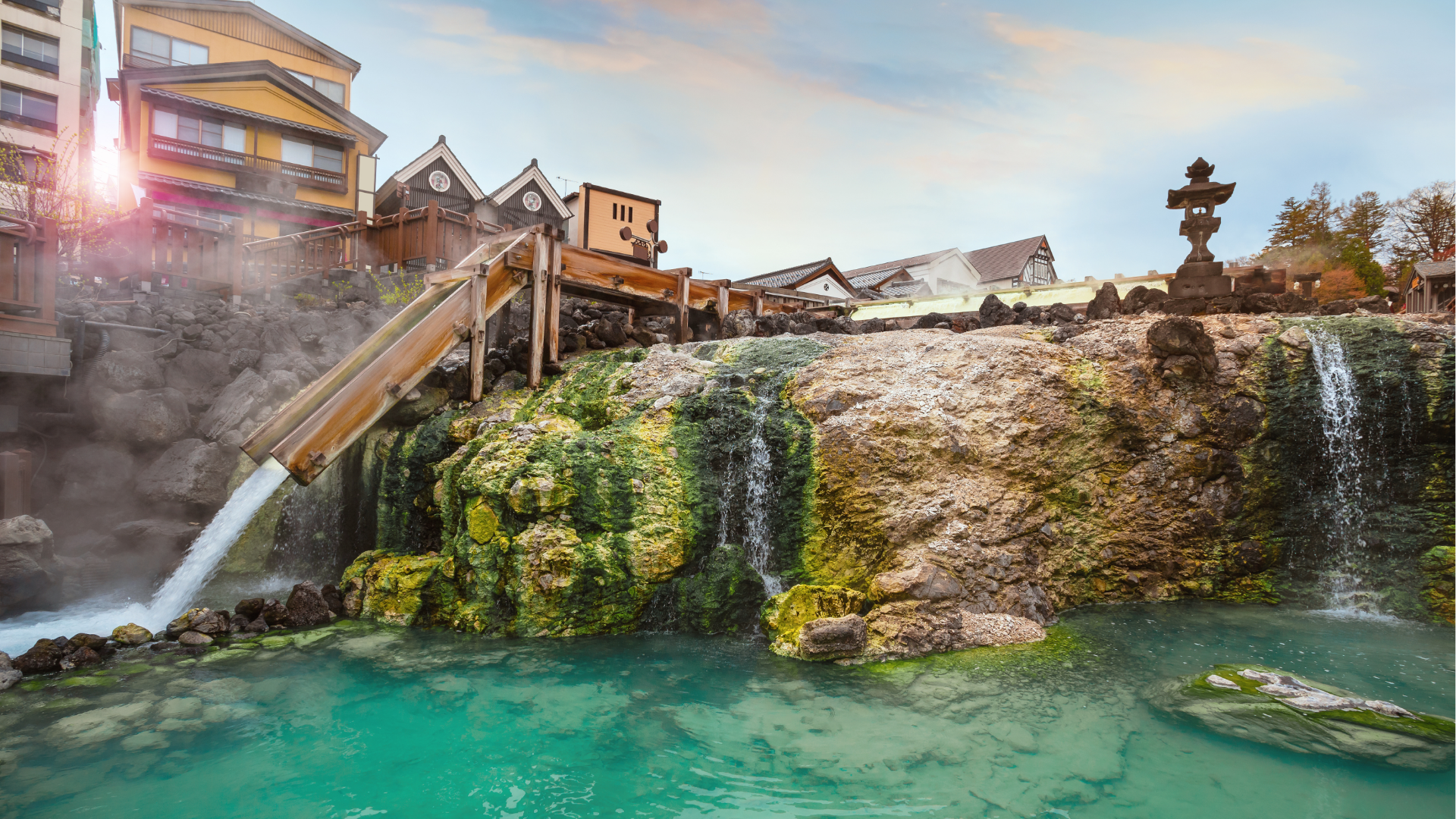
Why drive from Tokyo to Kusatsu Onsen? Kusatsu Onsen in Gunma Prefecture is one of Japan’s most famous hot spring towns, centered on the iconic Yubatake hot water field. Driving from Tokyo gives you schedule freedom, easy access to secluded baths and viewpoints, and the ability to combine nearby sights such as Ikaho, Lake Haruna, Karuizawa, and Mount Asama into one road trip. Route overview from Tokyo to Kusatsu Most travelers take the Kan-Etsu Expressway out of Tokyo and connect to local national routes into Kusatsu. Total distance is roughly 200–220 km depending on your starting point and chosen route. ...
続きを見る
-

-
Tokyo to Izu Onsen by Car – Complete 2025 Driving Guide
Why Drive from Tokyo to Izu Onsen? Izu Peninsula is one of Japan’s most rewarding hot‑spring road trips: rugged Pacific coastline, steaming rotenburo with ocean views, and winding mountain roads like the Izu Skyline. Compared with trains, a rental car lets you hop between multiple baths in one day, detour to secluded beaches, and reach ryokan perched far from stations. This guide explains the best routes, timings, tolls, parking, and itineraries so overseas visitors can confidently drive from Tokyo to Izu onsen. Quick Overview: Distance, Time & Tolls Central Tokyo → Atami/Ito (North Izu): 100–130 km, 2–3 hours depending on ...
続きを見る
-

-
Tokyo Car Meet Tour (2025): The Ultimate Guide to Daikoku PA, Tatsumi & Umihotaru
Planning a Tokyo car meet tour? This 2025 guide gives you a clear, no‑nonsense path to the city’s late‑night JDM culture—Daikoku PA, Tatsumi PA, and Umihotaru—without stress or guesswork. You’ll learn the best nights to go, how tours actually work (private vs. group), what’s included (and what isn’t), and the etiquette that keeps the scene welcomed by locals and police. We’ve packed in a realistic Shutoko night itinerary, pricing benchmarks, safety and legality basics, plus photography tips for low‑light shooting. Prefer to drive yourself? We outline DIY options and essential rules so you can visit legally and smoothly. Whether you ...
続きを見る

Car Rental Pickup Advice (Tokyo)
- Choose pickup points near Ikebukuro, Shinjuku, or Tokyo Station based on your hotel to reduce time on the Shuto Expressway.
- Request ETC, English GPS, and snow tires (winter) on the booking page.
- Inspect the vehicle, photograph any marks, and confirm the fuel policy and return location timing.
Packing Checklist
- Swimwear is typically not used in Japanese onsen.
- Bring a small towel (often provided) and a coin purse for parking/vending.
- Light layers for plateau weather swings; compact umbrellas year‑round.
Responsible Onsen Etiquette
- Shower and rinse thoroughly before entering communal baths.
- Tattoos may require a private/family bath or covering—check ryokan policy.
- Keep phones and cameras out of bathing areas.
Best Car Rental in Japan for Overseas Visitors
The top recommendation for overseas travelers is Samurai Car Japan. This company offers an impressive fleet that includes legendary Japanese cars like the Nissan GT-R and Mazda RX-7, making it a dream choice for car enthusiasts. In addition to its exciting lineup, Samurai Car Japan is known for affordable, transparent pricing, so you can rent with confidence and no hidden surprises.
If you’re interested, make sure to check the link or image below to get in touch and book your rental.