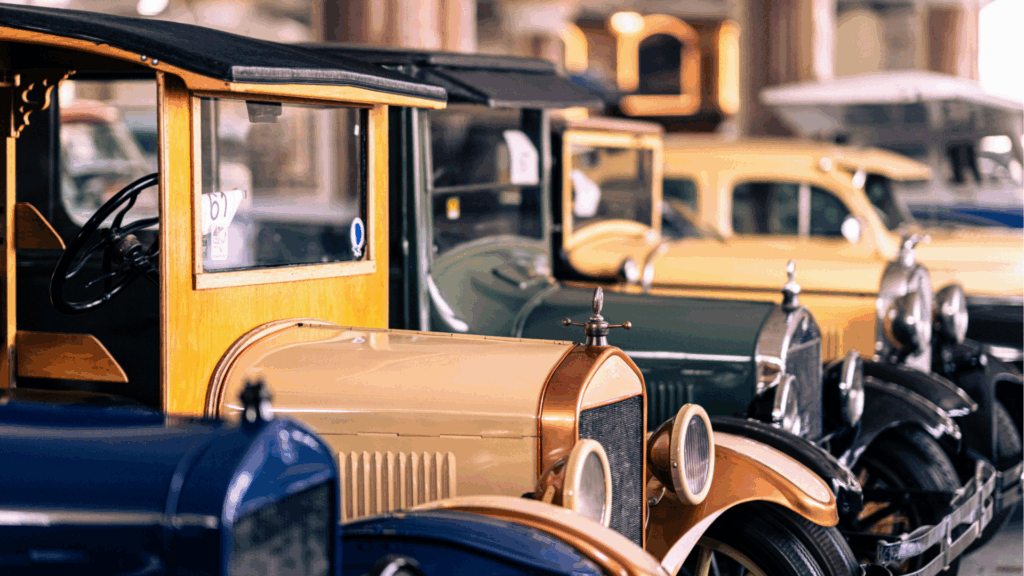
Japan’s car heritage isn’t just about high‑revving tuners and bulletproof reliability—it’s a century‑long story of craftsmanship, competition, and culture. This guide maps the best car museums across the country, explains how to visit them efficiently by rental car, and suggests road‑trip itineraries that pair museums with scenic drives and motorsport hotspots.
Why Japan Is a Paradise for Automotive Museums
Japan concentrates manufacturer museums, racing archives, and eclectic private collections within driveable clusters—especially around Nagoya (Toyota), the Fuji area (motorsports), and the Kanto region (Tokyo–Gunma–Tochigi). Compared with relying on trains, renting a car lets you chain multiple museums in one day, detour to mountain passes, and arrive right at rural venues with easy on‑site parking.
Good to know for drivers
- International Driving Permit (IDP): Bring an IDP per the 1949 Geneva Convention (or a Japanese translation for licenses from countries like Switzerland/Germany/France).
- Highways & ETC: Japan’s expressways are tolled; ask for an ETC card with your rental to breeze through toll gates and receive consolidated billing.
- Navigation: Cars come with English‑capable GPS. Enter phone numbers or map codes when available to set destinations quickly.
- Parking: Museum lots are typically free or low‑cost; keep coins for municipal parking.
The Best Car Museums in Japan (By Region)

Toyota Automobile Museum (Nagakute, Aichi)
A world‑class, brand‑agnostic timeline from veteran European icons to Japanese pioneers, capped by meticulous restorations. Expect half‑day depth if you read exhibits.
- Why go by car: Combine with other Nagoya‑area Toyota sites in one loop.
- Typical hours: 09:30–17:00, closed Mondays/holidays periods.
- Nearby pairing: Toyota Commemorative Museum (Nagoya city) and Toyota Kaikan (Toyota City).
Toyota Commemorative Museum of Industry & Technology (Nagoya)
Housed in Toyota’s original textile mill, this museum explains how weaving tech evolved into automotive engineering—great for families thanks to hands‑on demos.
- Plan: 2–3 hours; closed Mondays.
- Parking: Onsite; easy access from Nagoya Station area.
Toyota Kaikan Museum (Toyota City, Aichi)
Showcases current Toyota models, concept tech, and (when offered) plant‑tour departures. Reservations may be required for factory tours; exhibits themselves are typically free.
- Driving tip: Combine with the two museums above for a full Toyota day.
Fuji Motorsports Museum (Oyama, Shizuoka – at Fuji Speedway)
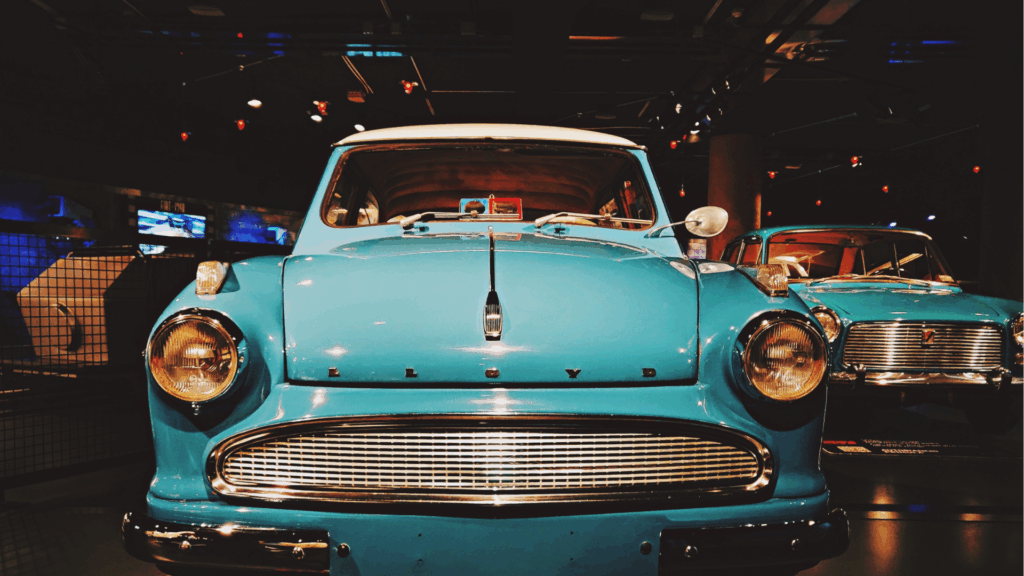
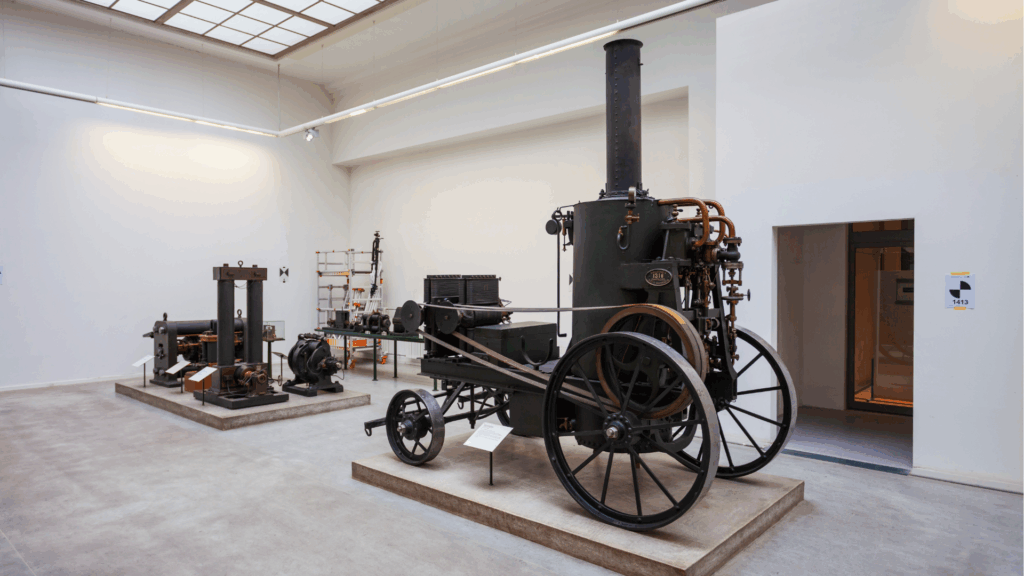
A modern, beautifully curated motorsport museum attached to the Fuji Speedway Hotel. Exhibits rotate across eras—from pre‑war racers to WRC and F1 machinery.
- Why go by car: It’s inside the Fuji Speedway grounds; driving makes access and side trips effortless.
- Plan: 1–2 hours for the museum; add time to explore Fuji Speedway views.
- Nearby pairing: Lake Kawaguchi and Gotemba premium outlets.
-

-
Drive from Tokyo to Kawaguchiko Onsen: The Ultimate Self-Drive Guide for Overseas Visitors
Planning to drive from Tokyo to Kawaguchiko onsen? This in‑depth guide covers routes, permits, parking, tolls, itineraries, and seasonal tips—everything you need to enjoy Lake Kawaguchiko and Mt. Fuji hot springs by rental car. Why Drive from Tokyo to Kawaguchiko Onsen? Driving gives you freedom to stop at scenic viewpoints, lesser‑known onsen ryokan, and cafés around the Fuji Five Lakes. Compared with trains and buses, a car lets you combine multiple sights in one day, travel early or late to avoid crowds, and carry luggage with ease. Quick Facts Distance & time: ~110–140 km from central Tokyo; 2–2.5 hours in ...
続きを見る
Honda Collection Hall (Mobility Resort Motegi, Tochigi)
Three floors of Honda’s racing and production history—from RA272 F1 to Isle of Man TT legends and Asimo. The breadth of bikes alone is staggering.
- Admission: Often free for the hall itself (Motegi resort entry may be separate).
- Driving tip: Rural setting; vastly easier by car. Check event days when on‑track activities are scheduled.
Mazda Museum (Hiroshima)
Inside the Ujina plant, this is the definitive story of rotary engines, Le Mans 787B, and Mazda’s design language.
- Important: Advance reservations are required; tours are guided and time‑specific.
- Plan: 90–120 minutes; pair with Hiroshima city sights.
Nissan Heritage Collection (Zama, Kanagawa)
A legendary warehouse of 400+ vehicles from Prince/Nissan skunkworks to Skyline GT‑Rs and rally cars. Public access is via pre‑booked guided visits only and often Japanese‑language tours; availability is limited.
- Driving tip: Zama is suburban; car access is straightforward. Book well in advance.
Nissan Global Headquarters Gallery (Yokohama, Kanagawa)
While not a museum per se, this waterfront gallery displays current models, heritage specials, and occasional temporary exhibits.
- Why include: Easy stop when you’re based in Tokyo/Yokohama; paid parking nearby.
Isuzu Plaza (Fujisawa, Kanagawa)
A surprisingly fun deep dive into commercial‑vehicle engineering with interactive exhibits (kids love the bus and truck simulators). Advance booking commonly required for timed slots.
- Plan: 1.5–2 hours. Great add‑on south of Tokyo.
Ikaho Toy, Doll & Car Museum (Gunma)
An enthusiast‑run complex that mixes classic cars with Showa‑era nostalgia, toys, and retro streetscapes. Quirky and photogenic; ideal on an onsen road trip.
- Driving tip: Combine with Ikaho Onsen for a perfect weekend loop.
-
-
Tokyo to Ikaho Onsen by Car — Complete Self‑Drive Guide (2025)
Ikaho Onsen in Gunma Prefecture is one of the easiest hot spring towns to reach from Tokyo by car. This guide covers the fastest route, realistic drive times, parking, seasonal tips, and a 1–2 day itinerary—everything overseas visitors need for a smooth, scenic self‑drive. Why Drive from Tokyo to Ikaho Onsen? Driving lets you stop at viewpoints around Mt. Haruna and Lake Haruna, bring luggage comfortably, and combine Ikaho with other onsen towns in northern Kanto (e.g., Kusatsu or Kinugawa) without juggling train/bus schedules. It’s a straightforward expressway run with plentiful Service Areas (SA) for breaks. Fastest Route Overview (Kan‑Etsu ...
続きを見る
Subaru Visitor Center (Ota, Gunma)
Factory‑tour style venue with a small heritage zone; tour slots are limited and may be Japanese‑language only. Worth it for Subaru devotees when reservations line up.
- Plan: Check schedules months ahead; weekdays only.
Sample Road‑Trip Itineraries (Rental‑Car Friendly)
1) Fuji & Hakone Motorsports Weekend (2 days)
Day 1: Tokyo → Fuji Motorsports Museum → Fuji Speedway vantage points → Lake Kawaguchi night views.
Day 2: Scenic drives around Fuji → Hakone onsen stay and ashiyu foot baths before returning to Tokyo by the Tomei/Chuo Expressways.
-
-
Drive from Tokyo to Kawaguchiko Onsen: The Ultimate Self-Drive Guide for Overseas Visitors
Planning to drive from Tokyo to Kawaguchiko onsen? This in‑depth guide covers routes, permits, parking, tolls, itineraries, and seasonal tips—everything you need to enjoy Lake Kawaguchiko and Mt. Fuji hot springs by rental car. Why Drive from Tokyo to Kawaguchiko Onsen? Driving gives you freedom to stop at scenic viewpoints, lesser‑known onsen ryokan, and cafés around the Fuji Five Lakes. Compared with trains and buses, a car lets you combine multiple sights in one day, travel early or late to avoid crowds, and carry luggage with ease. Quick Facts Distance & time: ~110–140 km from central Tokyo; 2–2.5 hours in ...
続きを見る
-

-
Rent a Car Tokyo to Hakone Onsen: Complete Driving Guide for Visitors
Why Drive from Tokyo to Hakone Onsen? Renting a car gives you door‑to‑door access to hot spring towns, ryokan with private baths, and scenic viewpoints that are difficult to reach by train or bus. A car also lets you time onsen visits to avoid crowds, bring luggage without transfers, and combine Hakone with outlets, wineries, or Mt. Fuji photo spots in a single loop. When Is the Best Time to Drive to Hakone? Hakone is a year‑round destination. Weekdays outside national holidays are best for smooth traffic. Peak congestion times include Saturday mornings outbound from Tokyo and Sunday evenings inbound. ...
続きを見る
2) Nagoya “Three‑Museum Triangle” (1–2 days)
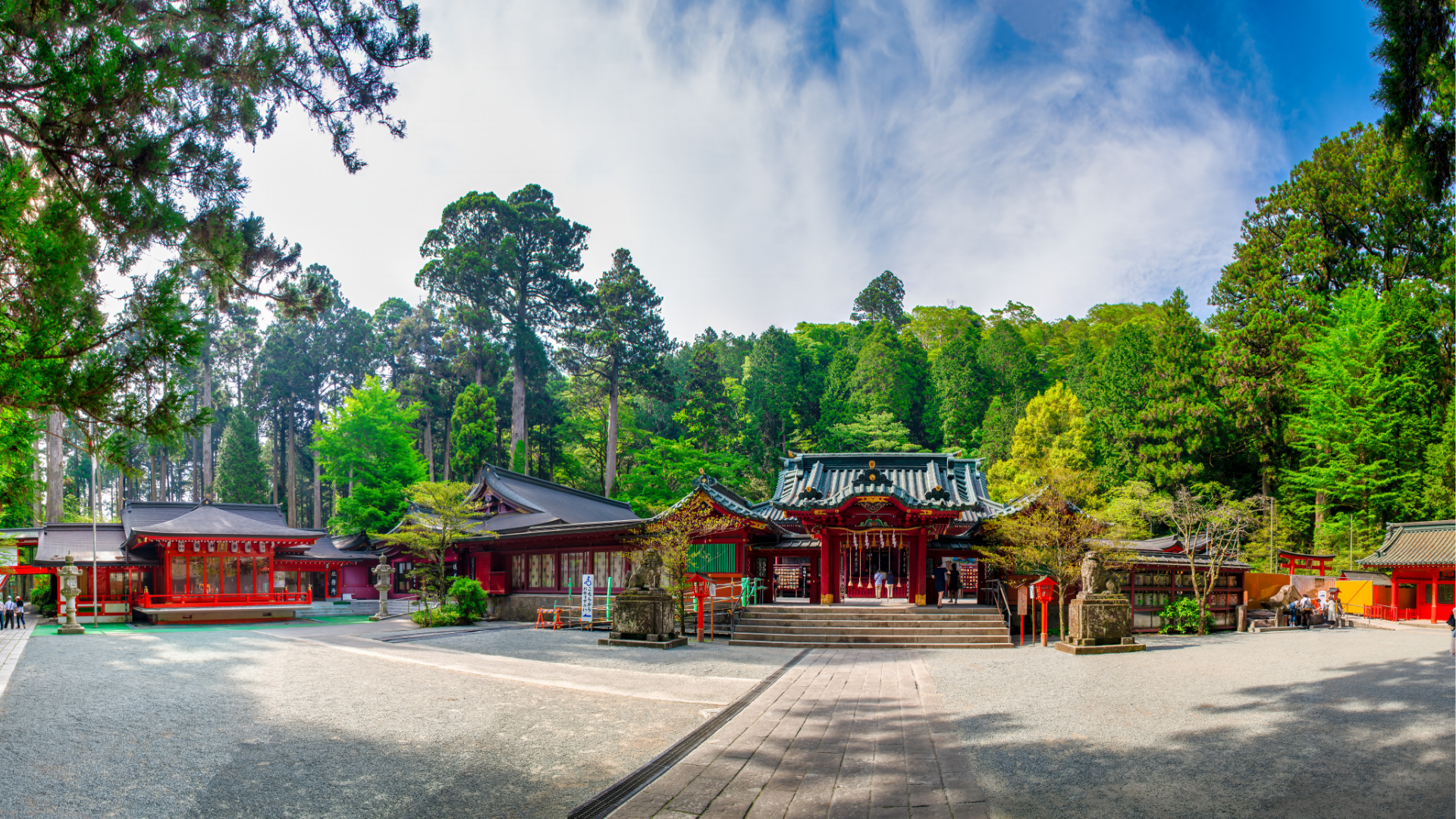
Toyota Automobile Museum → Toyota Commemorative Museum of Industry & Technology → Toyota Kaikan. Base yourself near Nagoya Station for easy expressway hops and parking. Ideal for families and first‑timers who want dense, high‑quality exhibits in a compact area.
3) Kanto Classics Loop (1–2 days)
Tokyo → Isuzu Plaza (Fujisawa) → Nissan Heritage Collection (Zama, with prior reservation) → evening car‑culture stop at Daikoku Parking Area (when open and permitted) → overnight in Yokohama.
-

-
Daikoku Car Meet Tour: The Complete, Legal Guide for Visitors
Welcome to the definitive guide to visiting the legendary Daikoku Parking Area (PA), the heart of Japan's car culture. This highway rest stop on the Shuto Expressway near Yokohama transforms on many nights into an informal, world-famous car show. But before you go, it's crucial to understand what Daikoku is—and what it isn't. This is not an official, ticketed event. It's a spontaneous gathering of car enthusiasts. To ensure a safe and memorable experience that respects the local culture, this guide will walk you through everything you need to know. A Glimpse into JDM Culture Daikoku PA is considered a ...
続きを見る

4) Tochigi–Ibaraki Racer’s Pilgrimage (1–2 days)
Honda Collection Hall at Motegi → nearby forest roads and observation decks → optional karting or mobility attractions at the resort → return via scenic backroads.
5) Hiroshima Fly‑Drive (1–2 days)
Fly into Hiroshima, pick up a rental car at the airport, and time your guided Mazda Museum reservation. Add the city’s Peace Memorial Park and Miyajima before returning the car.
Practical Tips for Museum Hopping by Car
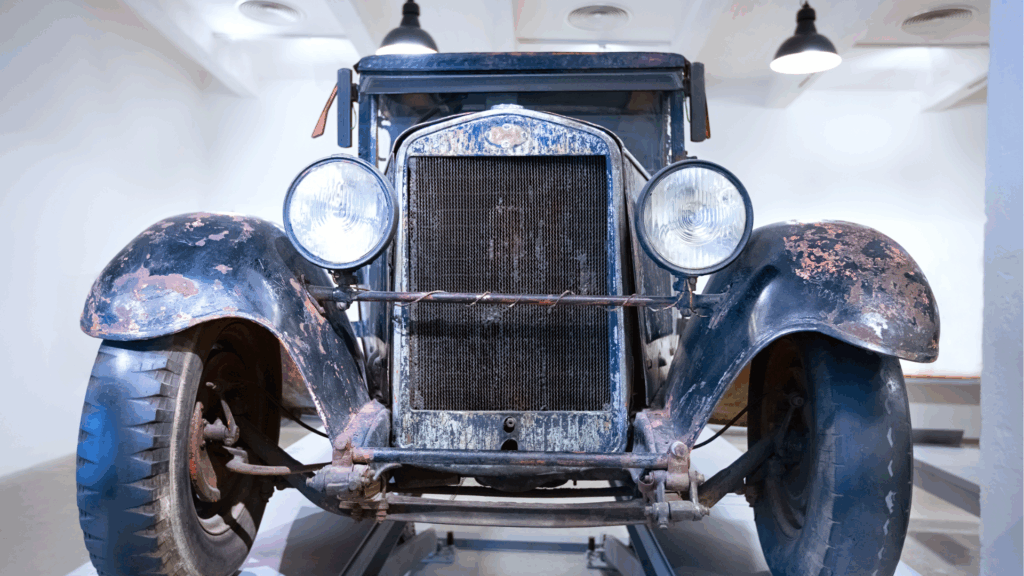
- Reserve ahead for venues with limited capacity (Mazda Museum, Nissan Heritage Collection, Isuzu Plaza, some factory tours). Same‑day walk‑ins may not be possible.
- Check calendars for Monday closures and seasonal holidays (year‑end/New Year, Golden Week, Obon). Many museums close on Mondays.
- Build buffer time for photo stops and rotating exhibitions—collections change and special exhibits pop up.
- Fuel & toll strategy: Top up before rural legs; use ETC for cost/time efficiency.
- Combine culture & drives: Pair museums with onsens, lake roads, and mountain passes to make the most of your rental car.
At‑a‑Glance Planner (East → West)
- Tokyo/Yokohama base: Nissan Global HQ Gallery (Yokohama), Isuzu Plaza (Fujisawa), Nissan Heritage Collection (Zama – reservation), Daikoku PA evening car scene.
- Fuji area: Fuji Motorsports Museum (inside Fuji Speedway grounds), skyline views, Lake Kawaguchi drives.
- Nagoya area: Toyota Automobile Museum (Nagakute), Toyota Commemorative Museum (Nagoya), Toyota Kaikan (Toyota City).
- North Kanto: Honda Collection Hall (Motegi), Subaru Visitor Center (Ota), Ikaho Toy, Doll & Car Museum (Gunma).
- Chugoku region: Mazda Museum (Hiroshima – reservation required).
-
-
Daikoku Car Meet Tour: The Complete, Legal Guide for Visitors
Welcome to the definitive guide to visiting the legendary Daikoku Parking Area (PA), the heart of Japan's car culture. This highway rest stop on the Shuto Expressway near Yokohama transforms on many nights into an informal, world-famous car show. But before you go, it's crucial to understand what Daikoku is—and what it isn't. This is not an official, ticketed event. It's a spontaneous gathering of car enthusiasts. To ensure a safe and memorable experience that respects the local culture, this guide will walk you through everything you need to know. A Glimpse into JDM Culture Daikoku PA is considered a ...
続きを見る
-
-
Drive from Tokyo to Kawaguchiko Onsen: The Ultimate Self-Drive Guide for Overseas Visitors
Planning to drive from Tokyo to Kawaguchiko onsen? This in‑depth guide covers routes, permits, parking, tolls, itineraries, and seasonal tips—everything you need to enjoy Lake Kawaguchiko and Mt. Fuji hot springs by rental car. Why Drive from Tokyo to Kawaguchiko Onsen? Driving gives you freedom to stop at scenic viewpoints, lesser‑known onsen ryokan, and cafés around the Fuji Five Lakes. Compared with trains and buses, a car lets you combine multiple sights in one day, travel early or late to avoid crowds, and carry luggage with ease. Quick Facts Distance & time: ~110–140 km from central Tokyo; 2–2.5 hours in ...
続きを見る
-
-
Tokyo to Ikaho Onsen by Car — Complete Self‑Drive Guide (2025)
Ikaho Onsen in Gunma Prefecture is one of the easiest hot spring towns to reach from Tokyo by car. This guide covers the fastest route, realistic drive times, parking, seasonal tips, and a 1–2 day itinerary—everything overseas visitors need for a smooth, scenic self‑drive. Why Drive from Tokyo to Ikaho Onsen? Driving lets you stop at viewpoints around Mt. Haruna and Lake Haruna, bring luggage comfortably, and combine Ikaho with other onsen towns in northern Kanto (e.g., Kusatsu or Kinugawa) without juggling train/bus schedules. It’s a straightforward expressway run with plentiful Service Areas (SA) for breaks. Fastest Route Overview (Kan‑Etsu ...
続きを見る
Best Times to Visit
- Weekdays avoid crowds and give you quieter galleries and photo angles.
- Spring (Mar–May) and Autumn (Oct–Nov) offer the best driving weather and foliage backdrops—ideal for pairing museums with mountain roads.
- Event days at circuits (Fuji/Motegi) add bonus trackside atmosphere but can tighten parking; arrive early.
Rental‑Car Categories for Enthusiasts
- Compact hatchbacks (e.g., Yaris, Fit): Best for city parking and low fuel use.
- Hybrids & EVs: Quiet cruising and HOV/eco‑parking perks in some facilities; confirm CHAdeMO/Type 1 charging stops en route.
- Wagons/Minivans: Family groups or gear‑heavy trips.
- Sporty options: If available, book early—weekends sell out.
Suggested Packing List
- IDP + home license, passport, credit card
- Portable phone charger & windshield mount
- Coins for vending/parking
- Light jacket for mountain weather at Fuji/Motegi
Map Codes & Booking Notes (Quick Reference)
- Expect most official museum sites to list phone numbers and map codes usable in Japanese car nav. When booking required (Mazda, Nissan Heritage, Isuzu), secure slots first, then lock in your driving schedule around the reservation windows.
Best Car Rental in Japan for Overseas Visitors
The top recommendation for overseas travelers is Samurai Car Japan. This company offers an impressive fleet that includes legendary Japanese cars like the Nissan GT-R and Mazda RX-7, making it a dream choice for car enthusiasts. In addition to its exciting lineup, Samurai Car Japan is known for affordable, transparent pricing, so you can rent with confidence and no hidden surprises.
If you’re interested, make sure to check the link or image below to get in touch and book your rental.