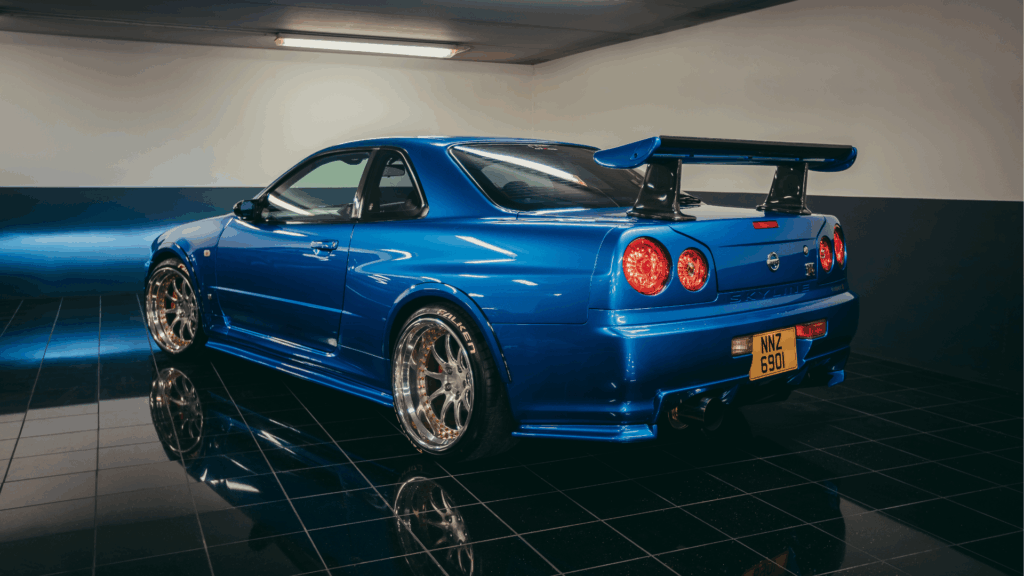
Japan is the spiritual home of JDM—where iconic nameplates like Skyline, Supra, RX‑7, and Silvia were born and bred. If you’re visiting and want to experience authentic Japanese roads behind the wheel of a well‑maintained, street‑legal performance car, renting locally is the most practical and legal way to do it. This guide explains how to rent a JDM car in Japan, what to expect on the road, and the best routes and meet‑ups to plan around your trip.
Why Rent a JDM Car in Japan?
Renting in Japan gives you access to cars in their natural environment—tight city streets, spotless expressways, and scenic touge. Vehicles are right‑hand drive with factory or lightly modified setups, full compliance, and comprehensive maintenance. For enthusiasts, it’s the safest way to enjoy the culture without worrying about paperwork, emissions rules, or improper modifications.
Driver Requirements (Foreign Visitors)

- International Driving Permit (IDP): Most visitors need a 1949 Geneva‑format IDP issued in their home country, used together with your home license. Some countries (e.g., Switzerland, Germany, France, Belgium, Monaco, Taiwan) require an official Japanese translation of the domestic license instead of an IDP.
- Age & Experience: Typical minimum age is 20; some performance models may require 25+ and clean driving history.
- Passport & Credit Card: A major credit card is usually required for the security deposit.
- Police Stops: Carry your passport, home license, IDP (or translation), and rental agreement at all times.
Tip: Verify the exact requirement for your citizenship before booking; rules differ by convention and issuing authority.
What JDM Models Can You Rent?
Fleet availability changes by season, but popular choices include:
- Nissan Skyline/GT‑R (various generations)
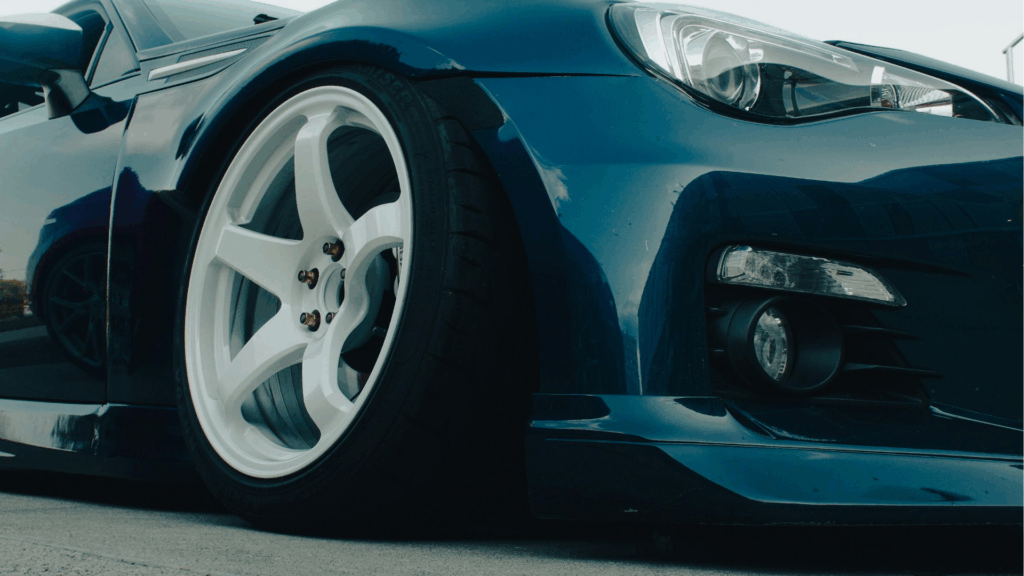
- Toyota Supra (A80/A90) and GR‑86/BRZ
- Mazda RX‑7/RX‑8
- Nissan Silvia/180SX
- Honda Civic Type R/Integra Type R
Street‑legal cars are typically kept close to stock for reliability (cooling, brakes, tires) with tasteful upgrades. Expect mileage limits to protect vintage engines and tires. Ask about manual vs automatic, LSD, tire type, and after‑hours drop‑off when booking.
Insurance, Deposits, and Coverage
- CDW/LDW: Collision damage waiver is strongly recommended on performance models.
- NOC (Non‑Operation Charge): A fixed penalty if the vehicle becomes undrivable or needs repair; reduces with premium coverage.
- Tires/Glass/Undercarriage: Often excluded—clarify before you sign.
- Security Deposit: Higher for high‑value JDM icons; released after inspection at return.
Road Rules and Driving Etiquette
- Left‑Side Driving: Japan drives on the left with RHD vehicles; keep left except to pass.
- Speed Limits: Urban 30–50 km/h, rural 60 km/h, expressways 80–100 km/h unless posted otherwise.
- Zero Tolerance for Street Racing: No burnouts, drifting, or reckless behavior on public roads. Meet‑ups are for display and community—driving antics will get you fined or worse.
- Parking Manners: Use marked spaces only; don’t idle loudly in residential areas late at night.
Highways, Tolls, and ETC Cards

Expressways are fast and spotless but tolled. Your rental can include an ETC card for cashless gates. Charges are settled at return. Overnight rest areas (PAs/SAs) are safe, with food courts and clean restrooms.
- Daikoku Parking Area (PA): Yokohama’s famous meet spot for weekend evenings. Learn the basic rules and current practices before you go
- Toll Costs & Parking Fees: Budget for both, especially around Yokohama and Tokyo bays
-

-
Daikoku Parking Area Rules: The Complete 2025 Guide for Legal, Safe, and Respectful Visits
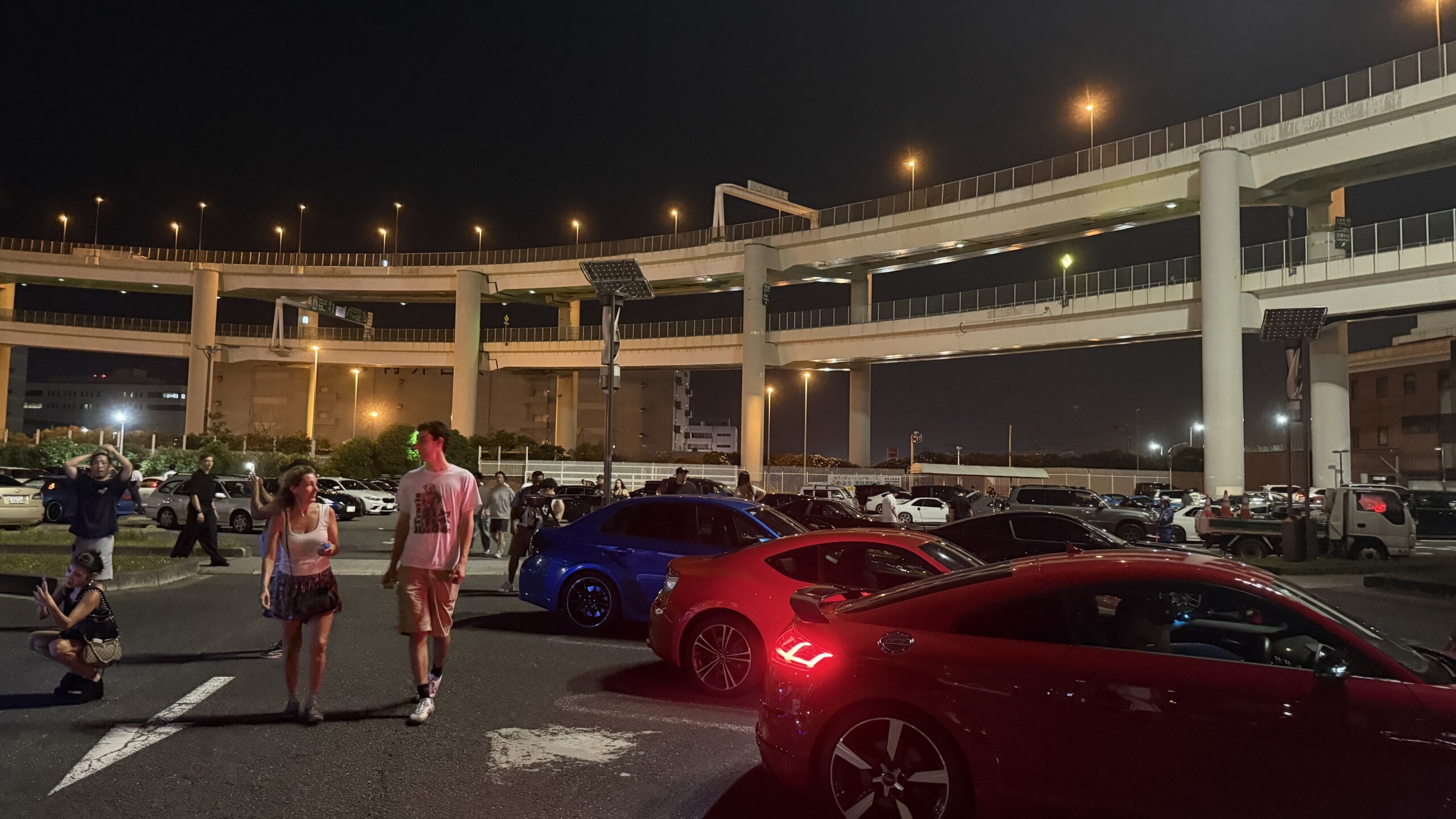
Visiting Daikoku PA is a bucket-list experience for car enthusiasts—but it’s also an active highway rest area with strict rules. This guide explains exactly how to access Daikoku legally, what conduct is expected on-site, and how to enjoy Japan’s JDM scene without causing closures or getting turned away. The Golden Rule: No Pedestrian Access—Expressway Users Only Daikoku Parking Area is inside the Metropolitan Expressway network. Only vehicles traveling on the expressway may enter. Walking in or out is prohibited, and the facility is fully fenced with no legal gates for pedestrians. Bicycles and small scooters are also prohibited. There is ...
続きを見る
-

-
Daikoku PA Toll Cost from Tokyo: 2025 Prices, Routes, and Smart Tips
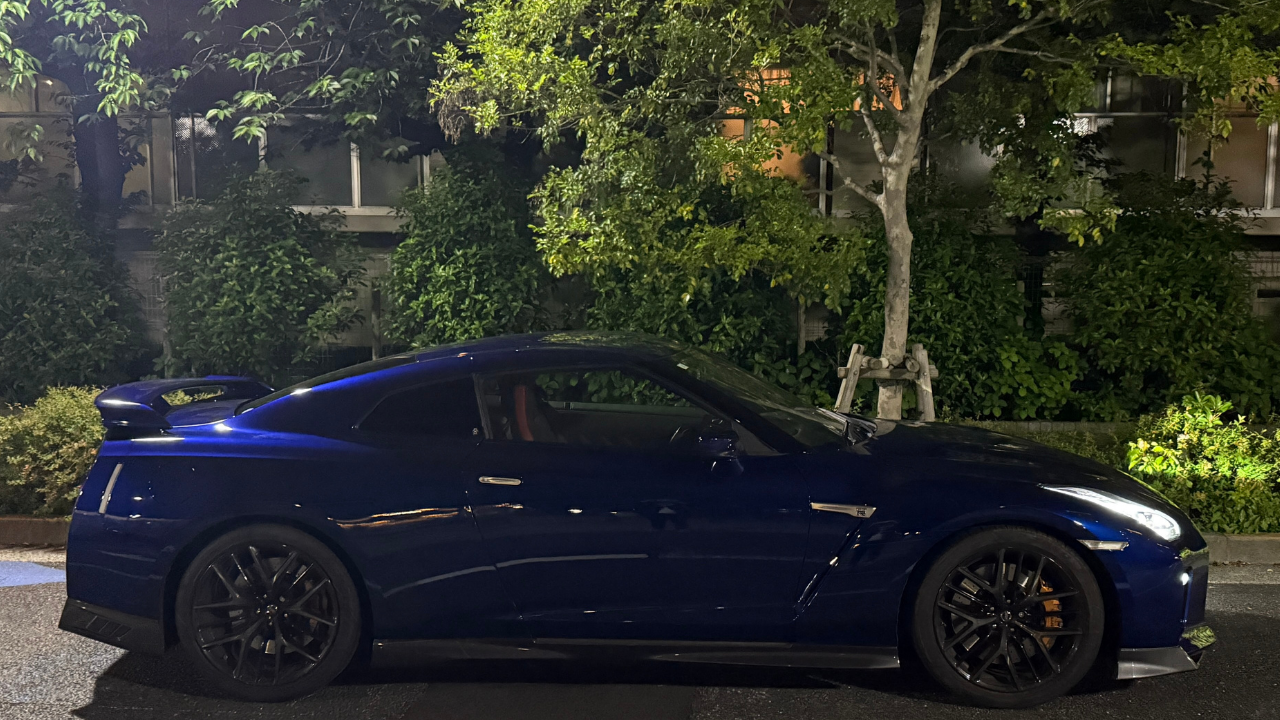
What is Daikoku PA? Daikoku Parking Area (Daikoku PA) sits on the Bayshore Route of the Metropolitan Expressway in Yokohama and is Japan’s most famous late‑night JDM car‑culture hub. Because it’s inside the expressway network, there’s no pedestrian access—drivers must enter and exit via expressway ramps. How tolls work on the Metropolitan Expressway (Shuto) Tolls on the Metropolitan Expressway are distance‑based when you use ETC. For a standard passenger car, ETC tolls are capped at ¥1,950 (upper limit) and can drop below ¥1,000 for short hops. Paying by cash (or credit card in cash lanes) is charged at a flat ...
続きを見る
-
-
Daikoku PA Parking Fee: Everything You Need to Know
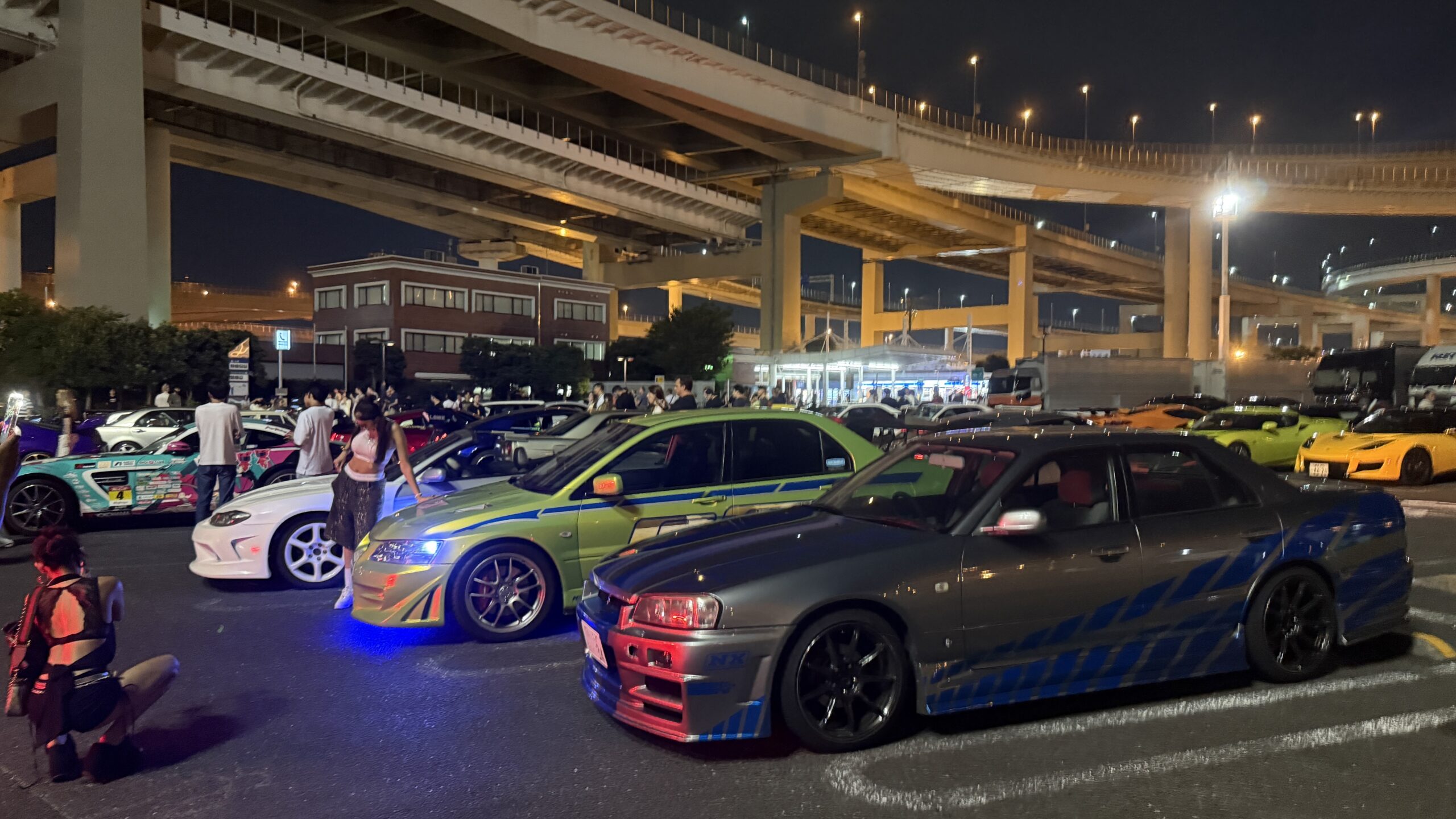
What is Daikoku PA? Daikoku Parking Area (PA) is one of the most iconic automotive gathering spots in Japan, located in Yokohama along the Shuto Expressway. Known globally among car enthusiasts, it attracts JDM fans, exotic car owners, and photographers eager to witness rare vehicles in one place. Beyond its reputation as a car culture hotspot, Daikoku PA functions as a rest stop for highway travelers, offering food, restrooms, and convenience stores. How Much is the Daikoku PA Parking Fee? One of the biggest appeals of Daikoku PA is that parking is free of charge for visitors. Unlike central Tokyo ...
続きを見る
Where to Start: Pickup & Drop‑off Hubs
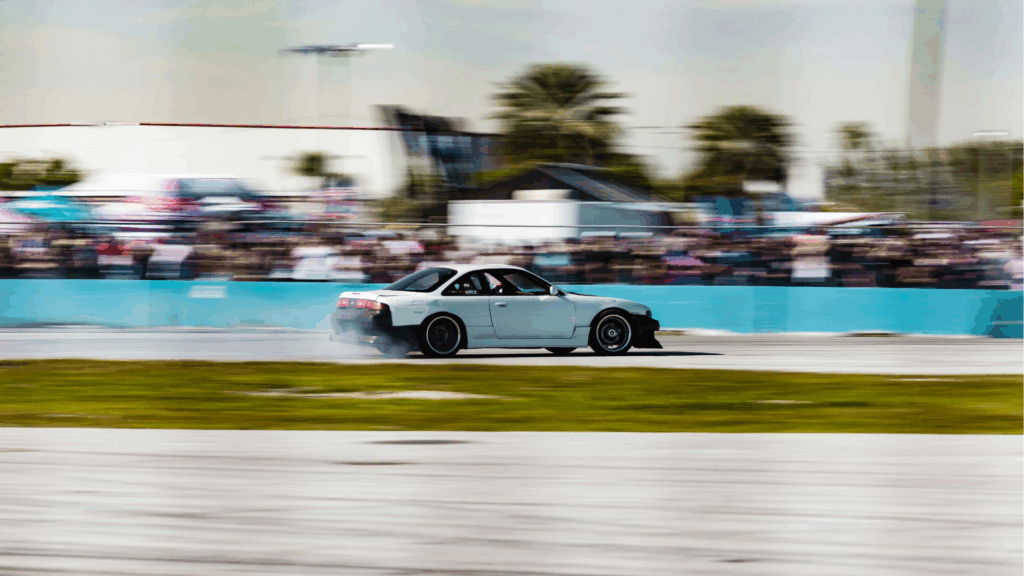
- Tokyo (Shinjuku/Shibuya/Shinagawa): Best selection of enthusiast cars and easy access to Bayshore Route and Daikoku PA. If you prefer a guided first night, consider a curated car‑meet experience
- Haneda/Narita Airports: Convenient for arrivals; confirm after‑hours pickup and English support.
- Yokohama: Closest to Daikoku PA; good for short, night‑focused plans. For those without a car who still want the vibe, read the on‑site guidance
-

-
Tokyo Car Meet Tour (2025): The Ultimate Guide to Daikoku PA, Tatsumi & Umihotaru
Planning a Tokyo car meet tour? This 2025 guide gives you a clear, no‑nonsense path to the city’s late‑night JDM culture—Daikoku PA, Tatsumi PA, and Umihotaru—without stress or guesswork. You’ll learn the best nights to go, how tours actually work (private vs. group), what’s included (and what isn’t), and the etiquette that keeps the scene welcomed by locals and police. We’ve packed in a realistic Shutoko night itinerary, pricing benchmarks, safety and legality basics, plus photography tips for low‑light shooting. Prefer to drive yourself? We outline DIY options and essential rules so you can visit legally and smoothly. Whether you ...
続きを見る

-
-
How to Get to Daikoku PA Without a Car (Legal Options, Taxi Costs, and Tours)
Daikoku Parking Area (Daikoku PA) is Japan’s most famous informal car meet—but it’s also one of the hardest spots for travelers to reach without a vehicle. The reason is simple: Daikoku PA sits on the Shuto Expressway and is designed for cars only. There’s no train station, no public bus stop inside the PA, and pedestrians are not allowed. This guide explains exactly how to get to Daikoku PA without driving yourself, the legal options that actually work, typical taxi pricing and pitfalls, what to do when the police close the lot, and the best “Plan B” places for JDM ...
続きを見る
Iconic Spots & Scenic Drives for JDM Fans
1) Daikoku PA: The Heart of the Scene
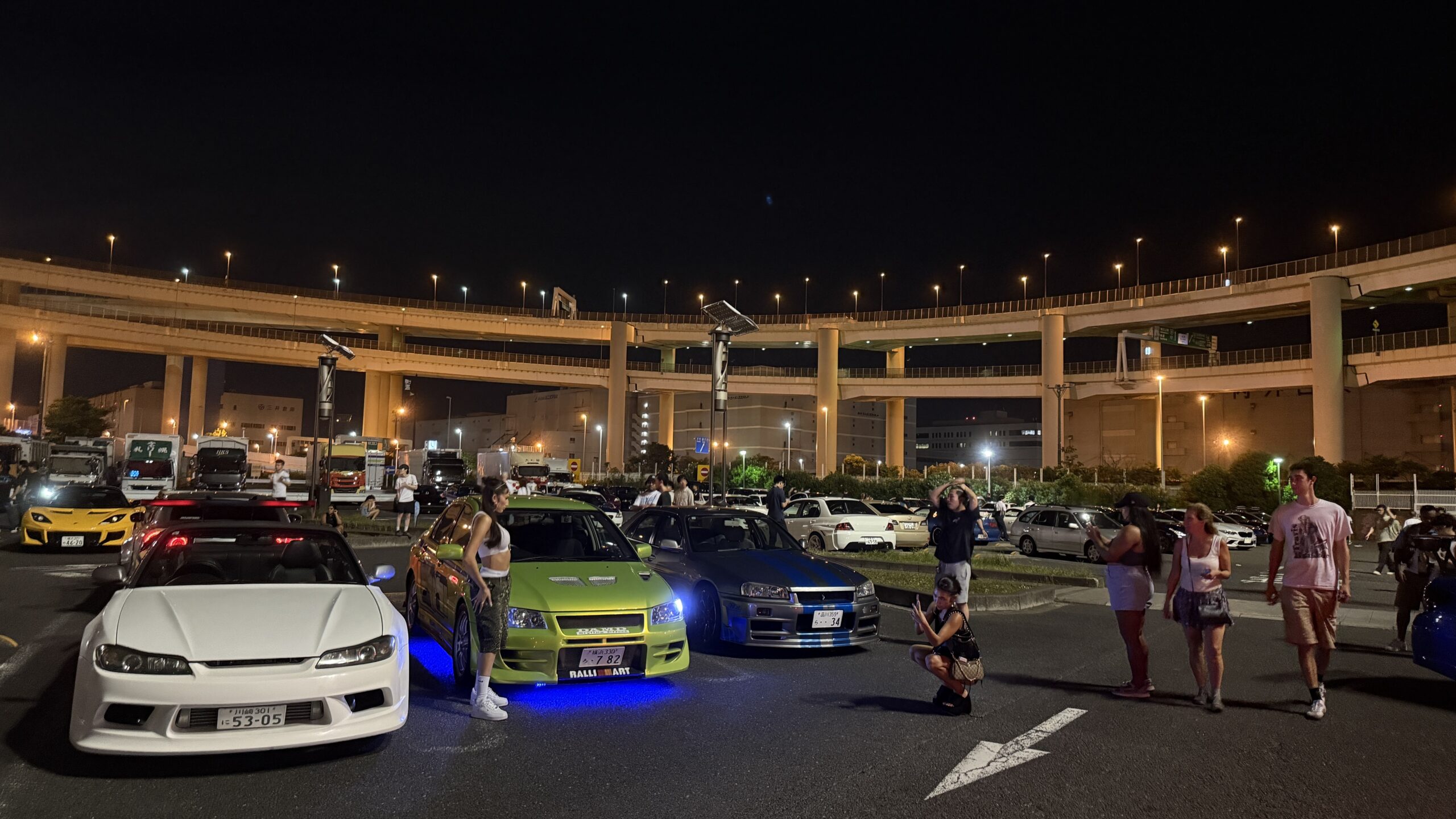
Japan’s most recognizable gathering point for enthusiasts. It’s a rest area that occasionally hosts organic meet‑ups—arrive early, be polite, keep revs down, buy something at the convenience store, and do not block emergency lanes. For schedules, transport options, and do’s/don’ts, consult the latest local guidance
-
-
Daikoku PA Schedule: Hours, Closures, and the Best Times to Visit
Daikoku Parking Area (Daikoku PA) in Yokohama is the most famous car-culture rest stop in Japan. Yet there’s a common misconception: there is no official “car meet timetable.” Instead, Daikoku PA follows normal expressway facility hours, with spontaneous meets that peak at predictable times—and occasional police or construction closures. This guide explains the real Daikoku PA schedule, how to check today’s status, and when to plan your visit for the best experience. What is Daikoku PA? Daikoku PA sits inside the Metropolitan Expressway network (Bayshore Route and K5 Daikoku Line). It is a true highway rest area—accessible only from the ...
続きを見る
-
-
Daikoku Car Meet Tour: The Complete, Legal Guide for Visitors
Welcome to the definitive guide to visiting the legendary Daikoku Parking Area (PA), the heart of Japan's car culture. This highway rest stop on the Shuto Expressway near Yokohama transforms on many nights into an informal, world-famous car show. But before you go, it's crucial to understand what Daikoku is—and what it isn't. This is not an official, ticketed event. It's a spontaneous gathering of car enthusiasts. To ensure a safe and memorable experience that respects the local culture, this guide will walk you through everything you need to know. A Glimpse into JDM Culture Daikoku PA is considered a ...
続きを見る
2) Tatsumi PA (Tokyo)
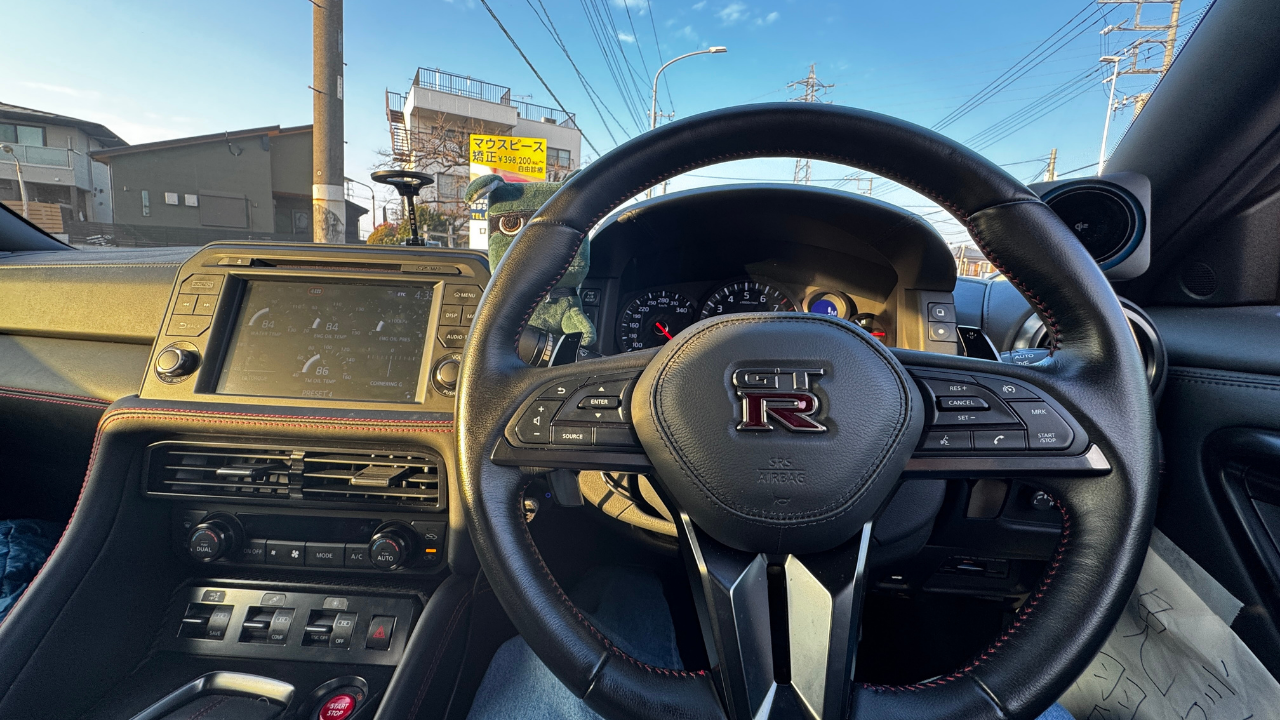
A popular Tokyo‑side stop with dramatic skyline photo ops. Obey parking marshals and posted signs; late‑night etiquette is essential
-
-
Tatsumi Parking Area Car Meet Guide (2025): The Insider Playbook for Tokyo’s Wangan Nights
What Is Tatsumi Parking Area (Tatsumi PA)? Tatsumi PA is a compact expressway rest stop inside Tatsumi Junction on Tokyo’s Shuto Expressway, famous for late‑night meetups, skyline views, and quick photo stops during Wangan cruises. There are two sides—Tatsumi No.1 and Tatsumi No.2—each serving different traffic flows within the junction. Expect small lots, restrooms, vending machines, and a steady rotation of interesting metal rather than a guaranteed festival. Tatsumi PA at a Glance: Layout, No.1 vs No.2, and Facilities No.1 (Dai‑Ichi): The side you see most on social posts; tiny lot, great sightlines under stacked flyovers. No.2 (Dai‑Ni): Similar facilities ...
続きを見る
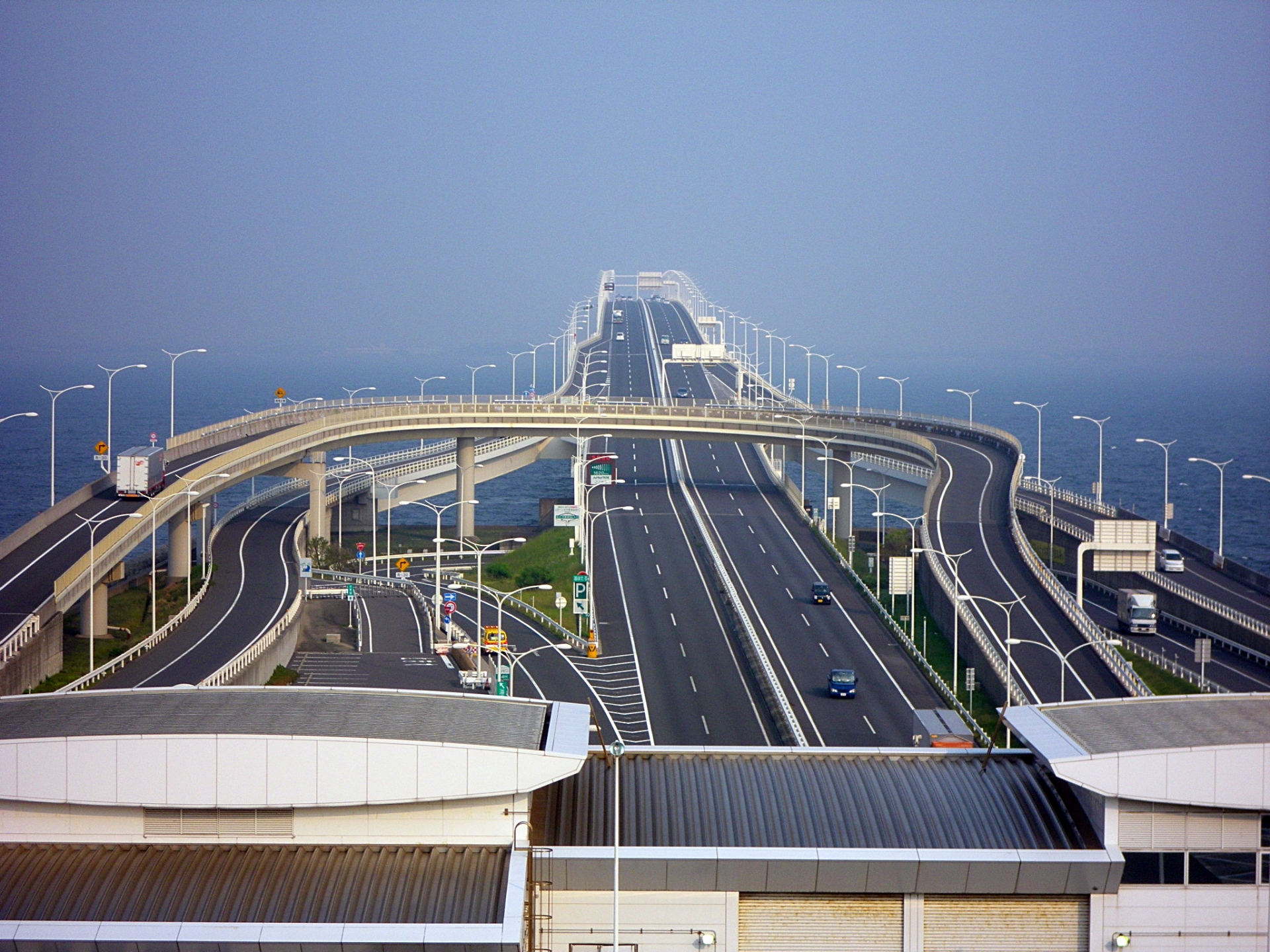
3) Tokyo Bay Aqua‑Line & Umihotaru
A bucket‑list night drive through the under‑bay tunnel to a floating rest‑stop with panoramic views. Consider a structured tour if you’re short on time or new to Japan’s roads
-

-
Umihotaru Car Meet Tour Guide: Routes, Timing, and the Smarter Daikoku PA Alternative
What is Umihotaru PA? Umihotaru PA is a floating service area perched on the Tokyo Bay Aqua-Line, roughly midway between Kawasaki and Kisarazu. It’s famous for its 360° ocean views, wind-swept decks, and nightscape photo spots. Because it’s a convenient midway stop with large parking areas, enthusiasts occasionally pause here on their way to or from other hot spots. Why enthusiasts search for an “Umihotaru car meet tour” Travelers often hope to catch a pop-up car meet at Umihotaru. While it does happen, Umihotaru is primarily a rest stop, not a dedicated meet hub—so appearances are inconsistent and short-lived. If ...
続きを見る
4) Hakone Turnpike & Izu Skyline (Day Trip)
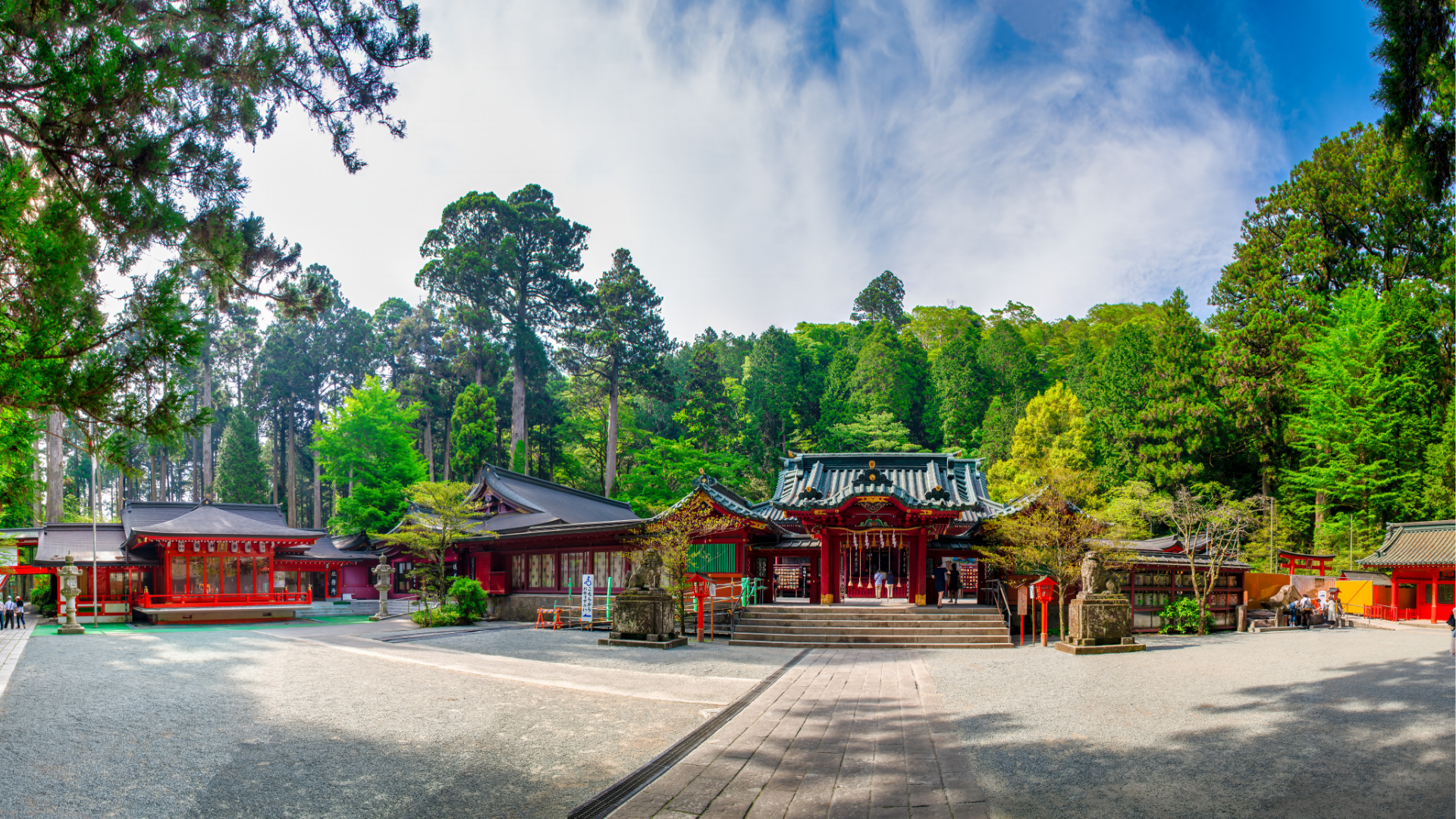
For a full day of touge‑style scenery, link Hakone, the Ashinoko Skyline, and Izu Skyline. Hot springs (onsen) abound—perfect for an overnight plan starting from Tokyo.
-
-
Rent a Car Tokyo to Hakone Onsen: Complete Driving Guide for Visitors
Why Drive from Tokyo to Hakone Onsen? Renting a car gives you door‑to‑door access to hot spring towns, ryokan with private baths, and scenic viewpoints that are difficult to reach by train or bus. A car also lets you time onsen visits to avoid crowds, bring luggage without transfers, and combine Hakone with outlets, wineries, or Mt. Fuji photo spots in a single loop. When Is the Best Time to Drive to Hakone? Hakone is a year‑round destination. Weekdays outside national holidays are best for smooth traffic. Peak congestion times include Saturday mornings outbound from Tokyo and Sunday evenings inbound. ...
続きを見る
-

-
Tokyo to Izu Onsen by Car – Complete 2025 Driving Guide
Why Drive from Tokyo to Izu Onsen? Izu Peninsula is one of Japan’s most rewarding hot‑spring road trips: rugged Pacific coastline, steaming rotenburo with ocean views, and winding mountain roads like the Izu Skyline. Compared with trains, a rental car lets you hop between multiple baths in one day, detour to secluded beaches, and reach ryokan perched far from stations. This guide explains the best routes, timings, tolls, parking, and itineraries so overseas visitors can confidently drive from Tokyo to Izu onsen. Quick Overview: Distance, Time & Tolls Central Tokyo → Atami/Ito (North Izu): 100–130 km, 2–3 hours depending on ...
続きを見る
5) Mt. Fuji & Kawaguchiko
Sweeping lake roads and Fuji views make this a photogenic route, especially at sunrise. Good parking and short hikes.
-
-
Drive from Tokyo to Kawaguchiko Onsen: The Ultimate Self-Drive Guide for Overseas Visitors
Planning to drive from Tokyo to Kawaguchiko onsen? This in‑depth guide covers routes, permits, parking, tolls, itineraries, and seasonal tips—everything you need to enjoy Lake Kawaguchiko and Mt. Fuji hot springs by rental car. Why Drive from Tokyo to Kawaguchiko Onsen? Driving gives you freedom to stop at scenic viewpoints, lesser‑known onsen ryokan, and cafés around the Fuji Five Lakes. Compared with trains and buses, a car lets you combine multiple sights in one day, travel early or late to avoid crowds, and carry luggage with ease. Quick Facts Distance & time: ~110–140 km from central Tokyo; 2–2.5 hours in ...
続きを見る
6) Nikko & Irohazaka
Historic shrines and the famed I‑ro‑ha hairpins deliver a balanced culture‑plus‑driving itinerary from Tokyo
-
-
Tokyo to Nikko Onsen by Car: The Complete 2025 Driving Guide for Overseas Visitors
Nikko is one of Japan’s most rewarding road trips from Tokyo—mixing UNESCO World Heritage shrines, atmospheric onsen towns like Kinugawa and Chuzenji, and spectacular mountain drives through cedar-lined roads and highland passes. This guide explains the best routes, exact travel times and costs to expect, parking and toll tips, seasonal advice, and a ready-to-use 1–2 day itinerary designed for drivers. It’s written for first-time visitors renting a car in Japan who want a smooth, efficient, and deeply relaxing hot‑spring escape. Why Choose Nikko Onsen as a Self‑Drive from Tokyo World-class mix: Toshogu Shrine’s ornate architecture, Lake Chuzenji’s alpine scenery, and ...
続きを見る
Sample 3‑Day JDM Itinerary (Tokyo Start)

Day 1 — Evening Arrival: Pick up car in central Tokyo; quick loop via Bayshore Route to Tatsumi PA for photos, continue to Daikoku PA (check the latest local situation first). Light snack, back to hotel.
Day 2 — Fuji/Hakone Loop: Early start for Hakone Turnpike → Ashinoko Skyline → Izu Skyline. Lunch at a service area, soak in an onsen hotel near Hakone or Atami
Day 3 — Nikko or Kawaguchiko: Choose a Fuji lakes cruise for photos or head to Nikko’s heritage sites via Irohazaka. Return to Tokyo before evening.
-
-
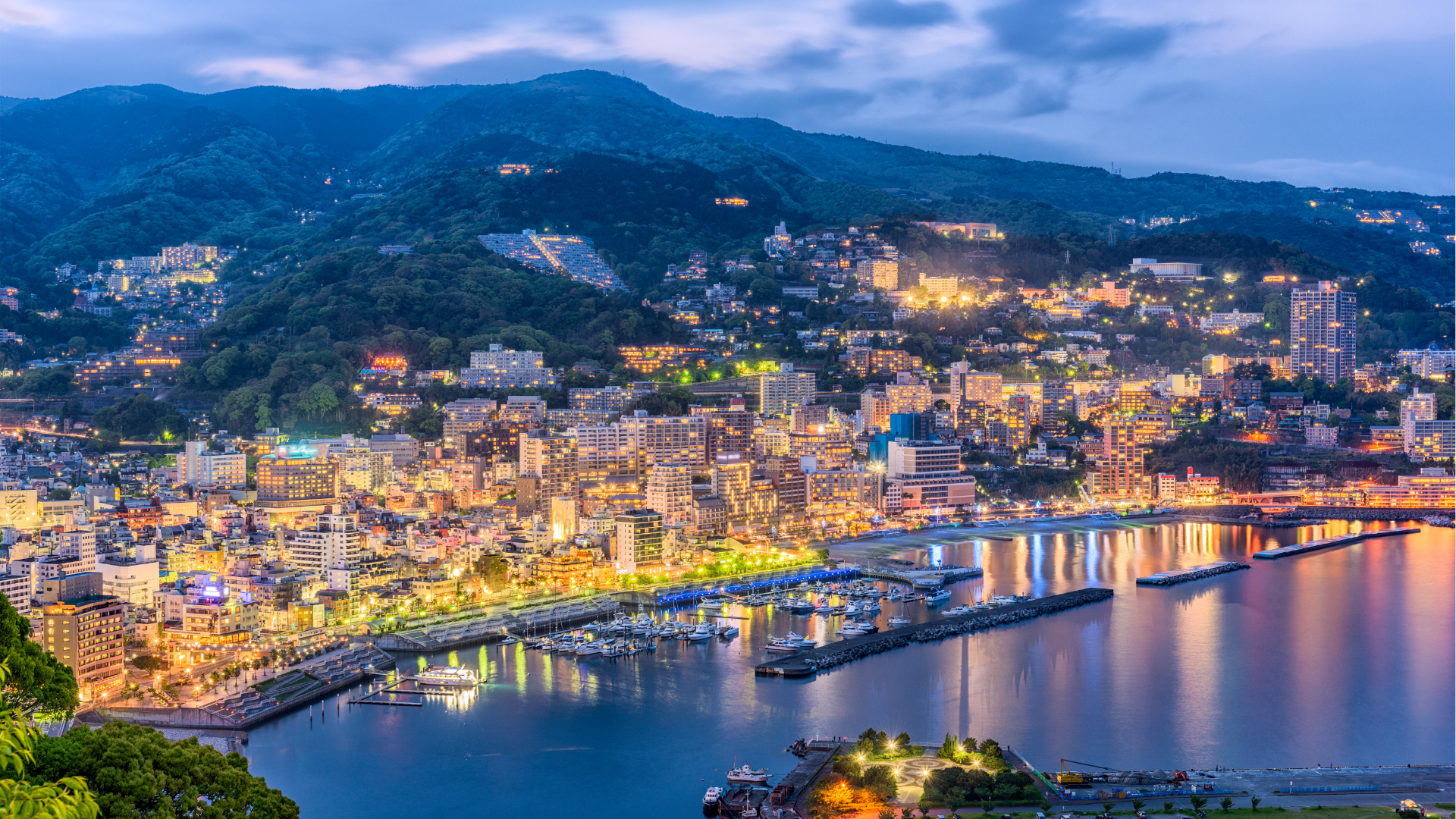
Tokyo to Atami: The Definitive Guide for a Seamless Onsen Escape and Coastal Getaway
Why Atami Is the Perfect Tokyo Getaway Atami blends classic hot‑spring culture with a compact seaside city you can tour in a day. It offers easy access from central Tokyo, ocean‑view ryokan with private baths, a walkable center around Atami Station, and year‑round fireworks over Sun Beach. For travelers who want an authentic onsen experience without a long transfer, Atami is one of the most convenient options on the Izu Peninsula. How Far Is Atami from Tokyo? Travel Time at a Glance • By Shinkansen (Tokaido Line): about 40–50 minutes from Tokyo Station, slightly longer from Shinagawa or Shin‑Yokohama depending ...
続きを見る
Booking Checklist (SEO‑Friendly Summary)
- Confirm IDP or official translation requirement for your nationality.
- Choose model & transmission; verify mileage limits and track use prohibition (usually not allowed).
- Add CDW/LDW and check exclusions (tires, glass, undercarriage).
- Reserve an ETC card; estimate tolls and parking.
- Plan nights around Daikoku/Tatsumi/Umihotaru with strict etiquette and local guidance.
- Lock in lodging with parking included near your nightly stop.
Frequently Asked Questions
Q: Can I visit Daikoku PA without renting a car?
Yes—there are legal ways to reach it without driving. Review the step‑by‑step guidance before you go.
Q: Are there guided car‑meet tours?
Yes, you can join structured, legal tours of Tokyo/Daikoku meets—ideal for first‑timers or jet‑lagged arrivals.
Q: How do I know if a meet is happening tonight?
Check locally curated updates and practical schedules rather than relying on hearsay .
Q: What are typical costs for tolls and parking?
Expect variable tolls by distance and region; plan a budget for Yokohama/Tokyo corridors and major attractions.
Q: What if I just want hot springs and views?
Consider a comfort‑focused route to Hakone, Atami, or Izu with scenic roads and easy parking.
-
-
How to Get to Daikoku PA Without a Car (Legal Options, Taxi Costs, and Tours)
Daikoku Parking Area (Daikoku PA) is Japan’s most famous informal car meet—but it’s also one of the hardest spots for travelers to reach without a vehicle. The reason is simple: Daikoku PA sits on the Shuto Expressway and is designed for cars only. There’s no train station, no public bus stop inside the PA, and pedestrians are not allowed. This guide explains exactly how to get to Daikoku PA without driving yourself, the legal options that actually work, typical taxi pricing and pitfalls, what to do when the police close the lot, and the best “Plan B” places for JDM ...
続きを見る
-
-
Daikoku Car Meet Tour: The Complete, Legal Guide for Visitors
Welcome to the definitive guide to visiting the legendary Daikoku Parking Area (PA), the heart of Japan's car culture. This highway rest stop on the Shuto Expressway near Yokohama transforms on many nights into an informal, world-famous car show. But before you go, it's crucial to understand what Daikoku is—and what it isn't. This is not an official, ticketed event. It's a spontaneous gathering of car enthusiasts. To ensure a safe and memorable experience that respects the local culture, this guide will walk you through everything you need to know. A Glimpse into JDM Culture Daikoku PA is considered a ...
続きを見る
-
-
Tokyo Car Meet Tour (2025): The Ultimate Guide to Daikoku PA, Tatsumi & Umihotaru
Planning a Tokyo car meet tour? This 2025 guide gives you a clear, no‑nonsense path to the city’s late‑night JDM culture—Daikoku PA, Tatsumi PA, and Umihotaru—without stress or guesswork. You’ll learn the best nights to go, how tours actually work (private vs. group), what’s included (and what isn’t), and the etiquette that keeps the scene welcomed by locals and police. We’ve packed in a realistic Shutoko night itinerary, pricing benchmarks, safety and legality basics, plus photography tips for low‑light shooting. Prefer to drive yourself? We outline DIY options and essential rules so you can visit legally and smoothly. Whether you ...
続きを見る
-
-
Daikoku PA Schedule: Hours, Closures, and the Best Times to Visit
Daikoku Parking Area (Daikoku PA) in Yokohama is the most famous car-culture rest stop in Japan. Yet there’s a common misconception: there is no official “car meet timetable.” Instead, Daikoku PA follows normal expressway facility hours, with spontaneous meets that peak at predictable times—and occasional police or construction closures. This guide explains the real Daikoku PA schedule, how to check today’s status, and when to plan your visit for the best experience. What is Daikoku PA? Daikoku PA sits inside the Metropolitan Expressway network (Bayshore Route and K5 Daikoku Line). It is a true highway rest area—accessible only from the ...
続きを見る
-
-
Daikoku PA Toll Cost from Tokyo: 2025 Prices, Routes, and Smart Tips
What is Daikoku PA? Daikoku Parking Area (Daikoku PA) sits on the Bayshore Route of the Metropolitan Expressway in Yokohama and is Japan’s most famous late‑night JDM car‑culture hub. Because it’s inside the expressway network, there’s no pedestrian access—drivers must enter and exit via expressway ramps. How tolls work on the Metropolitan Expressway (Shuto) Tolls on the Metropolitan Expressway are distance‑based when you use ETC. For a standard passenger car, ETC tolls are capped at ¥1,950 (upper limit) and can drop below ¥1,000 for short hops. Paying by cash (or credit card in cash lanes) is charged at a flat ...
続きを見る
-
-
Daikoku PA Parking Fee: Everything You Need to Know
What is Daikoku PA? Daikoku Parking Area (PA) is one of the most iconic automotive gathering spots in Japan, located in Yokohama along the Shuto Expressway. Known globally among car enthusiasts, it attracts JDM fans, exotic car owners, and photographers eager to witness rare vehicles in one place. Beyond its reputation as a car culture hotspot, Daikoku PA functions as a rest stop for highway travelers, offering food, restrooms, and convenience stores. How Much is the Daikoku PA Parking Fee? One of the biggest appeals of Daikoku PA is that parking is free of charge for visitors. Unlike central Tokyo ...
続きを見る
-
-
Rent a Car Tokyo to Hakone Onsen: Complete Driving Guide for Visitors
Why Drive from Tokyo to Hakone Onsen? Renting a car gives you door‑to‑door access to hot spring towns, ryokan with private baths, and scenic viewpoints that are difficult to reach by train or bus. A car also lets you time onsen visits to avoid crowds, bring luggage without transfers, and combine Hakone with outlets, wineries, or Mt. Fuji photo spots in a single loop. When Is the Best Time to Drive to Hakone? Hakone is a year‑round destination. Weekdays outside national holidays are best for smooth traffic. Peak congestion times include Saturday mornings outbound from Tokyo and Sunday evenings inbound. ...
続きを見る
-
-
Tokyo to Atami: The Definitive Guide for a Seamless Onsen Escape and Coastal Getaway
Why Atami Is the Perfect Tokyo Getaway Atami blends classic hot‑spring culture with a compact seaside city you can tour in a day. It offers easy access from central Tokyo, ocean‑view ryokan with private baths, a walkable center around Atami Station, and year‑round fireworks over Sun Beach. For travelers who want an authentic onsen experience without a long transfer, Atami is one of the most convenient options on the Izu Peninsula. How Far Is Atami from Tokyo? Travel Time at a Glance • By Shinkansen (Tokaido Line): about 40–50 minutes from Tokyo Station, slightly longer from Shinagawa or Shin‑Yokohama depending ...
続きを見る
-
-
Tokyo to Izu Onsen by Car – Complete 2025 Driving Guide
Why Drive from Tokyo to Izu Onsen? Izu Peninsula is one of Japan’s most rewarding hot‑spring road trips: rugged Pacific coastline, steaming rotenburo with ocean views, and winding mountain roads like the Izu Skyline. Compared with trains, a rental car lets you hop between multiple baths in one day, detour to secluded beaches, and reach ryokan perched far from stations. This guide explains the best routes, timings, tolls, parking, and itineraries so overseas visitors can confidently drive from Tokyo to Izu onsen. Quick Overview: Distance, Time & Tolls Central Tokyo → Atami/Ito (North Izu): 100–130 km, 2–3 hours depending on ...
続きを見る
If you’re going to Daikoku PA, leave it to us
We will arrange your reservation after the payment is completed.
Duration: about 3 hours
Meeting Point: Shibuya Station
Language: Beginner-level English & Japanese
Tell:09092341545
Important Information
- This is a drive tour where you drive your rental car, and our guide navigates from the seat.
- This is a self-drive tour where you drive your rental car, and our guide navigates from the passenger seat.
- The tour begins and ends at the same location (Shibuya).
- If the Daikoku Parking Area is closed, we will instead guide you to another car meet further away.
- The consultant is a cultural expert and navigator, not a taxi service.