ryusei

The Ultimate Underground JDM Culture Experience in Tokyo

2026/1/10
Planning a self-drive getaway from Tokyo to Kinugawa Onsen? This guide covers the fastest routes, realistic drive times, toll/fuel estimates, parking, seasonal tips, EV charging, and streamlined itineraries—so overseas visitors can enjoy hot springs with zero hassle. Why Drive from Tokyo to Kinugawa Onsen? Kinugawa Onsen, in Tochigi Prefecture just north of Nikko, combines soothing river-valley ryokan, family attractions (Edo Wonderland & Tobu World Square), and easy highway access from Tokyo. Compared with train travel, driving gives you door-to-door convenience (great with luggage and kids), lets you explore Nikko’s heritage sites at your pace, and makes detours to scenic gorges and cafés effortless. Route Overview & Best Departure Times Typical distance: ~150–180 km (varies by Tokyo pickup point). Usual driving time: 2.5–3.5 hours each way in normal conditions. Best time to depart: Leave before 7:00 AM or after 10:00 AM on weekends/holidays to avoid Tohoku Expressway congestion; for the return, aim after dinner or early morning. Navigation: Set destination to your ryokan’s parking lot name/address. Apple CarPlay/Android Auto in modern rentals works well; keep a Japanese address and phone number handy. Step-by-Step Directions (3 Reliable Routes) Route A: Fastest & Most Straightforward (Tohoku Expwy → Nikko Utsunomiya Road → R121) From central Tokyo, join the Tohoku Expressway (E4) via Kawaguchi JCT or Saitama routes. Exit at Utsunomiya IC and connect to the Nikko Utsunomiya Road (NUR) toward Nikko/Imachi. Continue to Kiyotaki IC / Imaichi area, then follow National Route 121 northeast along the Kinugawa River to Kinugawa Onsen. Route B: For Eastern Tokyo / Chiba ...
2026/1/10
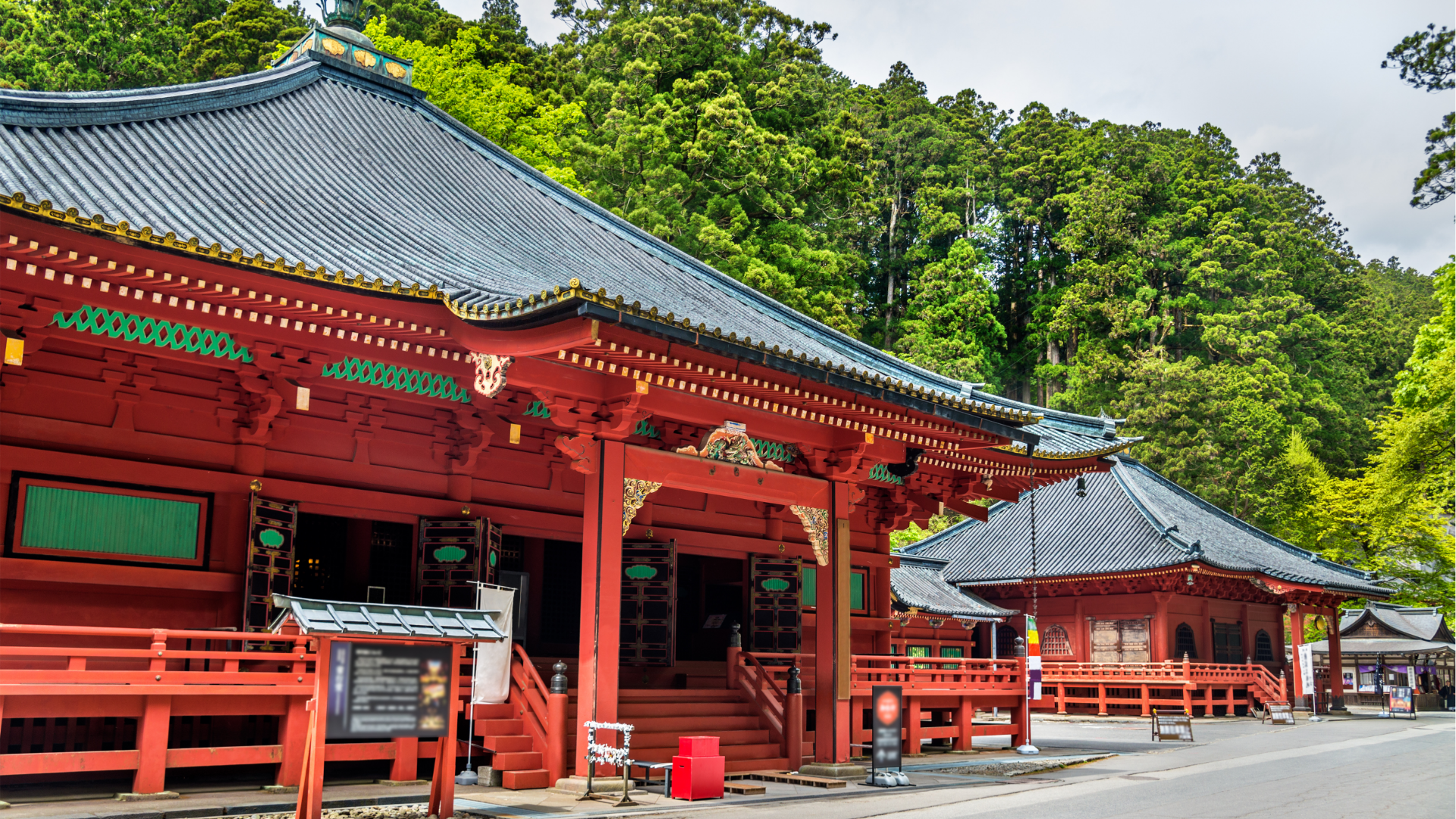
Nikko is one of Japan’s most rewarding road trips from Tokyo—mixing UNESCO World Heritage shrines, atmospheric onsen towns like Kinugawa and Chuzenji, and spectacular mountain drives through cedar-lined roads and highland passes. This guide explains the best routes, exact travel times and costs to expect, parking and toll tips, seasonal advice, and a ready-to-use 1–2 day itinerary designed for drivers. It’s written for first-time visitors renting a car in Japan who want a smooth, efficient, and deeply relaxing hot‑spring escape. Why Choose Nikko Onsen as a Self‑Drive from Tokyo World-class mix: Toshogu Shrine’s ornate architecture, Lake Chuzenji’s alpine scenery, and Kinugawa’s riverside ryokans give you culture + nature + onsen in a single loop. Driver-friendly distances: Central Tokyo to Nikko is a practical 150–170 km (approx. 2.5–3.5 hours) depending on route and traffic. Mountain sections are scenic yet manageable for confident beginners. Flexibility: A car lets you combine dispersed highlights (Chuzenji, Ryuzu/Keizer Falls, Irohazaka, Edo Wonderland, Yuba cuisine spots) without waiting for infrequent buses—crucial outside peak hours. Best Driving Routes from Tokyo to Nikko Route A: Tohoku Expressway → Nikko Utsunomiya Road (Fastest & Easiest) Outline: Tokyo (Central) → Tohoku Expwy (E4) → Utsunomiya IC → Nikko Utsunomiya Road (E81) → Nikko IC. Why choose it: Consistent expressway speeds, clear signage in English, and direct access to central Nikko and Kinugawa. Time & tolls: Typically 2.5–3 hours driving; tolls vary by vehicle/class and time but plan ~¥4,500–¥6,500 one way for standard cars with ETC. Route B: Kan-Etsu Expressway → Northern Tochigi (Scenic Alternative) Outline: Tokyo ...
2026/1/10
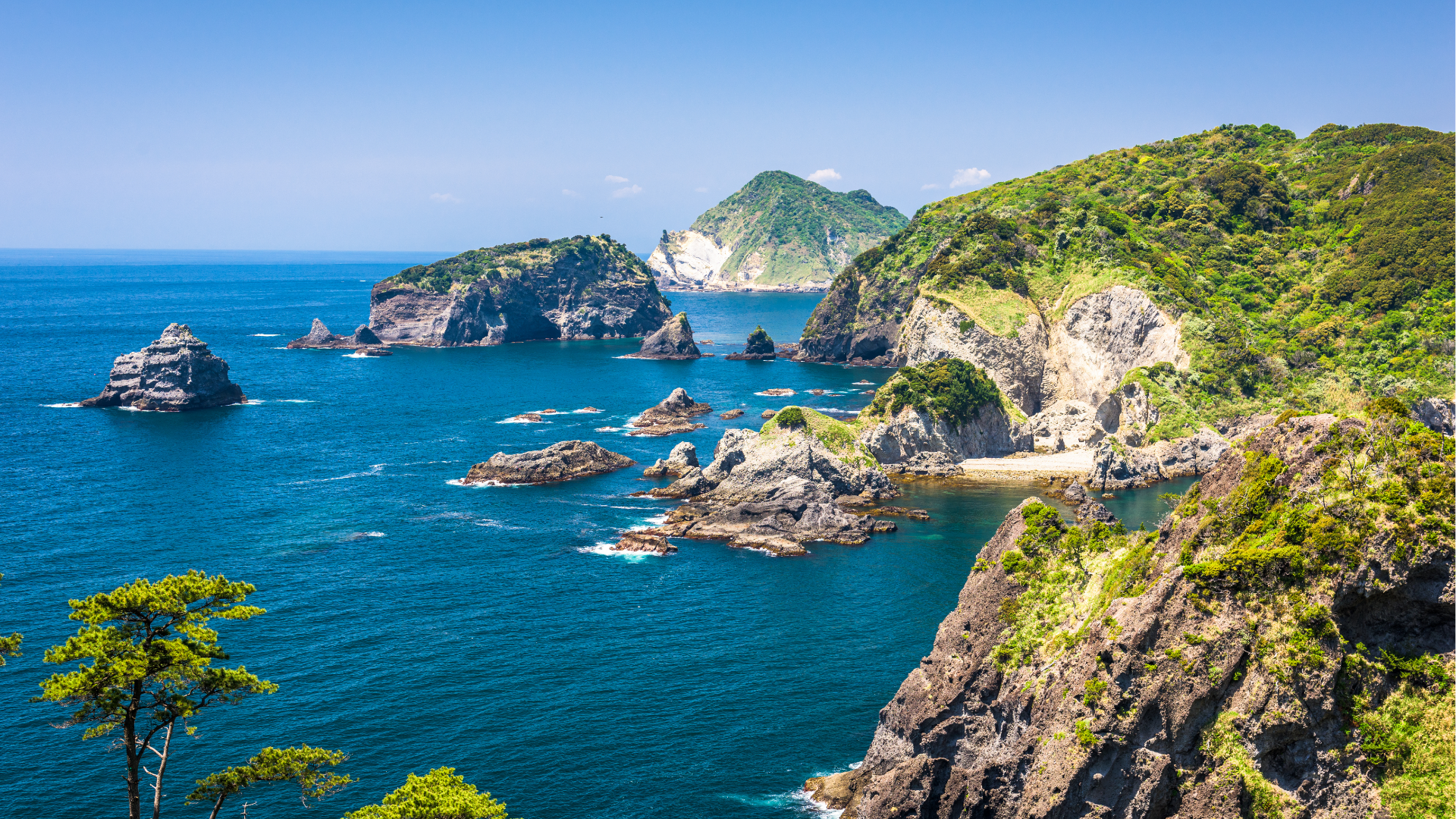
Why Drive from Tokyo to Izu Onsen? Izu Peninsula is one of Japan’s most rewarding hot‑spring road trips: rugged Pacific coastline, steaming rotenburo with ocean views, and winding mountain roads like the Izu Skyline. Compared with trains, a rental car lets you hop between multiple baths in one day, detour to secluded beaches, and reach ryokan perched far from stations. This guide explains the best routes, timings, tolls, parking, and itineraries so overseas visitors can confidently drive from Tokyo to Izu onsen. Quick Overview: Distance, Time & Tolls Central Tokyo → Atami/Ito (North Izu): 100–130 km, 2–3 hours depending on traffic. Central Tokyo → Izu‑Kogen/Shuzenji (Central Izu): 140–170 km, 2.5–3.5 hours. Central Tokyo → Shimoda/Kawazu (South Izu): 180–220 km, 3–4.5 hours. Approximate one‑way tolls (ETC): ¥3,000–¥5,500 depending on route and destination. Fuel: 15–25 L (compact to midsize), ~¥2,700–¥4,500 at recent prices. Tip: Start before 7:00 AM or after 10:00 AM to avoid Tokyo and Odawara‑Atsugi morning peaks. Return to Tokyo after 7:00 PM to miss inbound traffic. Best Driving Routes from Tokyo Route A: Tomei Expressway → Odawara‑Atsugi Road → Seishō Bypass → Atami/Ito Best for: Fastest access to Atami, Ito, and Izu‑Kogen. Shuto Expressway out of Tokyo → Tomei Expwy (E1) toward Atsugi. Transfer to Odawara‑Atsugi Road (E85) → Seishō Bypass along the coast. Exit around Manazuru/Atami; climb to Atami or continue to Ito/Izu‑Kogen. Pros: Fast, scenic coast drive; plentiful service areas.Cons: Seishō can jam on holiday mornings and during storms. Route B: Tomei Expressway → Hakone Turnoff → National Route 1 → Ashinoko ...
2026/1/10
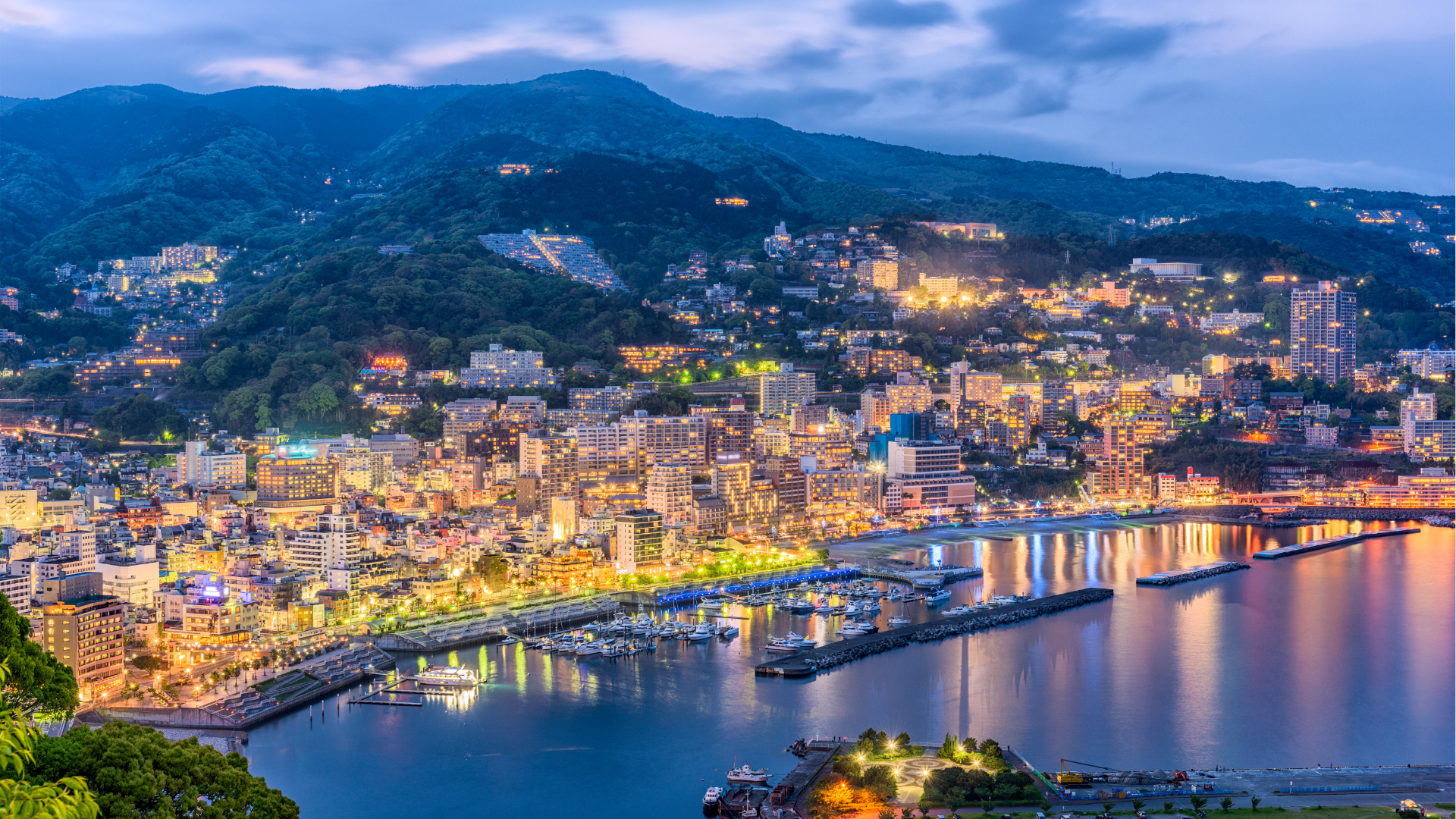
Why Atami Is the Perfect Tokyo Getaway Atami blends classic hot‑spring culture with a compact seaside city you can tour in a day. It offers easy access from central Tokyo, ocean‑view ryokan with private baths, a walkable center around Atami Station, and year‑round fireworks over Sun Beach. For travelers who want an authentic onsen experience without a long transfer, Atami is one of the most convenient options on the Izu Peninsula. How Far Is Atami from Tokyo? Travel Time at a Glance • By Shinkansen (Tokaido Line): about 40–50 minutes from Tokyo Station, slightly longer from Shinagawa or Shin‑Yokohama depending on service.• By Limited Express (Odoriko): about 80–100 minutes from Tokyo/Shinjuku/Shibuya depending on departure.• By Local/JR Tokaido Line: about 95–120 minutes with no seat reservations required.• By car: roughly 1.5–2.5 hours outside peak times; weekends and holidays can add significant delays near Odawara, Hakone and Route 135. How to Get from Tokyo to Atami by Train Japan’s rail network is the fastest and most stress‑free way for most visitors. All options arrive at Atami Station, a short walk from footbaths, restaurants, and local buses. Tokaido Shinkansen (Kodama/Hikari services) • Route: Tokyo Station → Atami (some Hikari; most Kodama).• Time: approximately 40–50 minutes.• Seating: reserved and non‑reserved cars; luggage racks available.• Rail Pass: Japan Rail Pass is valid on Kodama/Hikari (not Nozomi).• When to choose: best for speed and comfort if you’re planning a day trip or carrying larger luggage. Limited Express Odoriko • Route: Direct services from Tokyo, Shinjuku, Shibuya, and Ikebukuro toward Atami and ...
2026/1/10
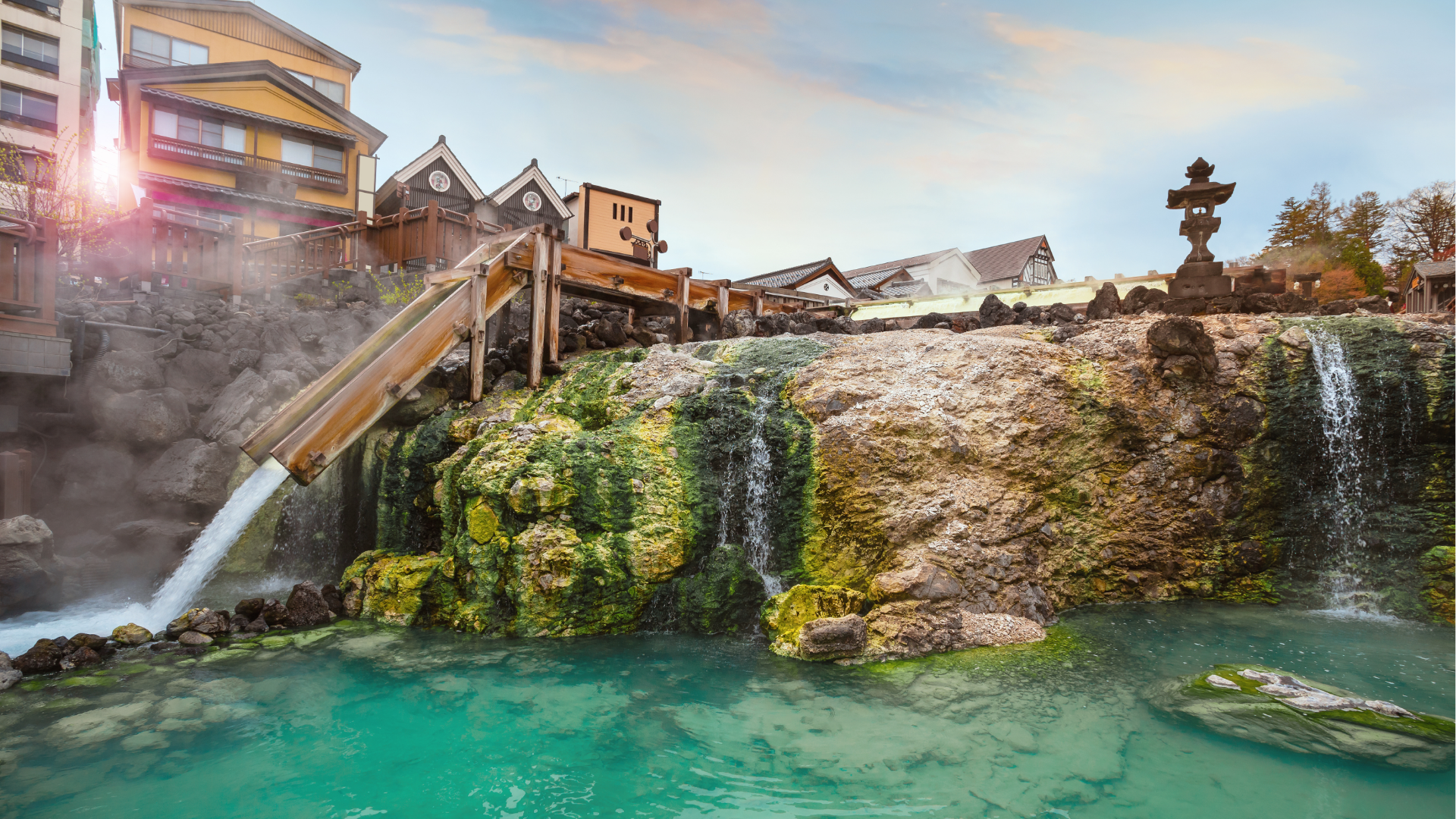
Why drive from Tokyo to Kusatsu Onsen? Kusatsu Onsen in Gunma Prefecture is one of Japan’s most famous hot spring towns, centered on the iconic Yubatake hot water field. Driving from Tokyo gives you schedule freedom, easy access to secluded baths and viewpoints, and the ability to combine nearby sights such as Ikaho, Lake Haruna, Karuizawa, and Mount Asama into one road trip. Route overview from Tokyo to Kusatsu Most travelers take the Kan-Etsu Expressway out of Tokyo and connect to local national routes into Kusatsu. Total distance is roughly 200–220 km depending on your starting point and chosen route. Typical driving time is about 3.5–4.5 hours outside peak traffic. Primary route via Kan-Etsu Expressway Enter the Kan-Etsu Expressway from Nerima IC or other Tokyo entries Continue to Shibukawa-Ikaho IC Exit and follow Route 353 → Route 145 → Route 292 to Kusatsu Onsen This route is the most direct and is well signed in English. It offers optional stopovers around Ikaho Onsen and Lake Haruna. Scenic alternative via Karuizawa Kan-Etsu Expressway to Fujioka JCT Joshin-Etsu Expressway to Usui-Karuizawa IC Route 146 → Route 292 to Kusatsu Onsen Choose this if you want to visit Karuizawa’s cafés and outlets, the Asama foothills, or Onioshidashi volcanic park before soaking in Kusatsu. Seasonal note on Route 292 mountain section The high-elevation Shiga Kusatsu Kogen segment of Route 292 toward Nagano is subject to seasonal night closures and winter closures due to snow and volcanic safety controls. If you plan to continue beyond Kusatsu toward Shiga Kogen, check ...
2026/1/10
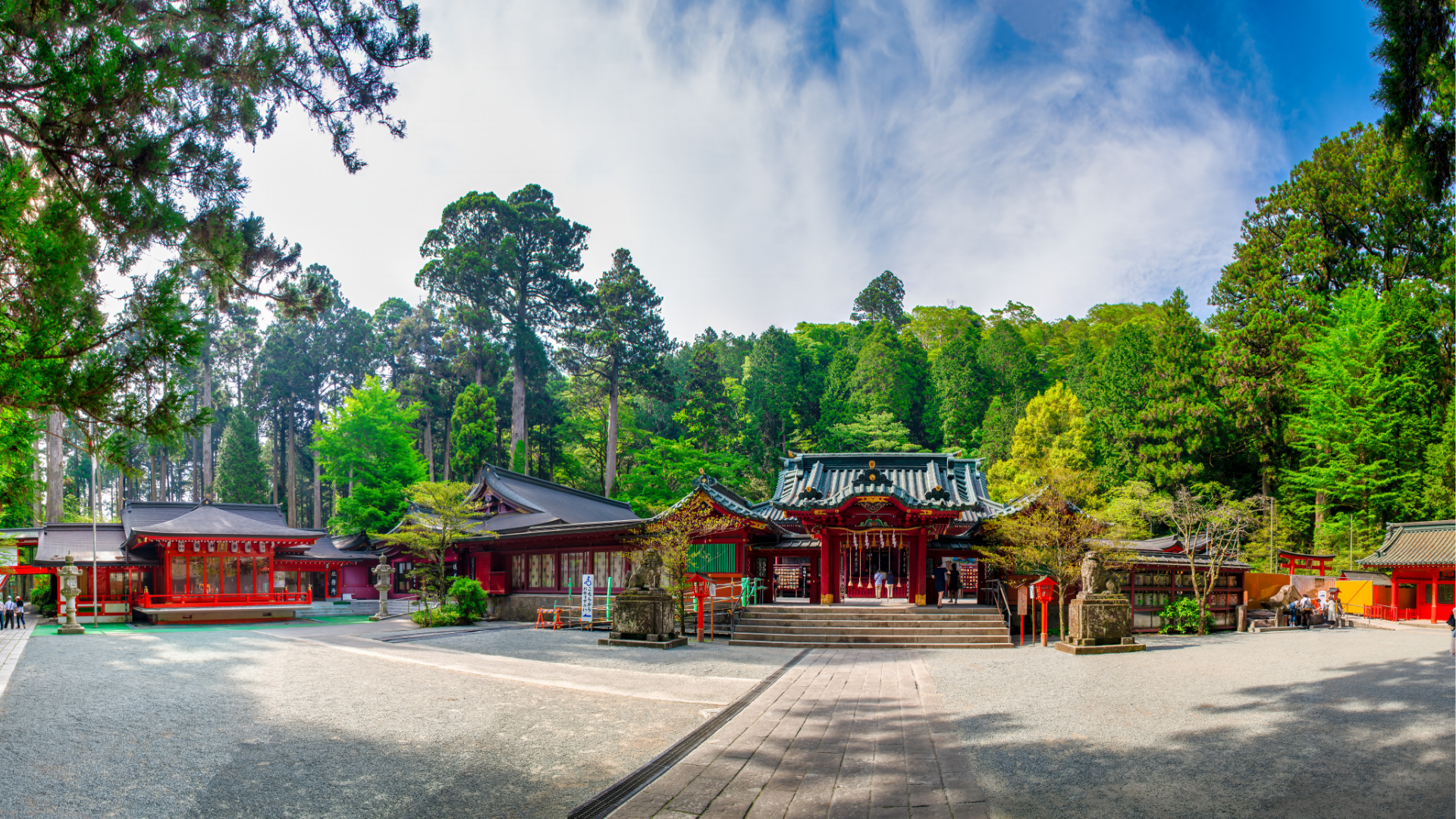
Why Drive from Tokyo to Hakone Onsen? Renting a car gives you door‑to‑door access to hot spring towns, ryokan with private baths, and scenic viewpoints that are difficult to reach by train or bus. A car also lets you time onsen visits to avoid crowds, bring luggage without transfers, and combine Hakone with outlets, wineries, or Mt. Fuji photo spots in a single loop. When Is the Best Time to Drive to Hakone? Hakone is a year‑round destination. Weekdays outside national holidays are best for smooth traffic. Peak congestion times include Saturday mornings outbound from Tokyo and Sunday evenings inbound. Autumn foliage (late October to late November) is popular; leave early and reserve parking where possible. In winter, check for snow advisories on mountain roads. Essential Documents for Overseas Drivers in Japan International Driving Permit (IDP) Most visitors need an IDP based on the 1949 Geneva Convention plus their home driver’s license and passport. Japan does not accept 1968 Convention permits. Countries Requiring Official Japanese Translation Drivers licensed in certain countries/regions can drive with their home license plus an official Japanese translation issued by authorized bodies; always verify current rules before travel. Minimum Age, Credit Card, and Address Major agencies require drivers to be at least 18–20 years old (varies by provider), a physical credit card for the deposit, and a local contact address (hotel is fine). Choosing the Right Car Class Compact (1000–1300cc) Best for 1–2 travelers with light luggage; easy in narrow ryokan streets. Mid‑size & Hybrids Comfortable for 3–4 travelers and luggage; ...
2025/9/24
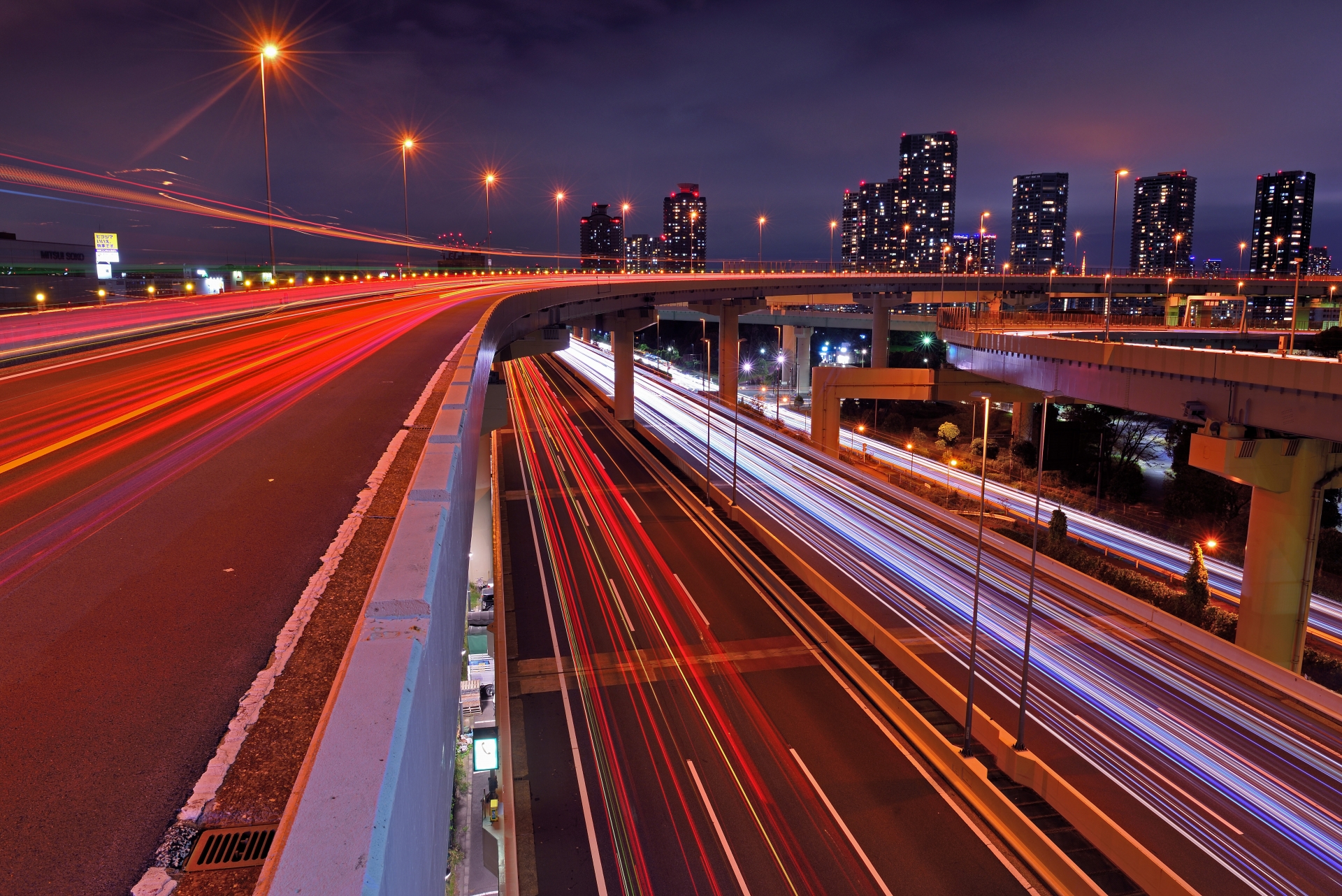
What is Tatsumi Parking Area (Tatsumi PA)? Tatsumi Parking Area—often shortened to “Tatsumi PA”—is a compact, elevated rest stop on Tokyo’s Shuto Expressway network that doubles as a late‑night magnet for car enthusiasts. Thanks to its skyline views and quick access to the Bayshore (Wangan) Route, Tatsumi has become a photogenic staging point where JDM icons pause, cool down, and meet up before or after highway runs. While it’s smaller and more transient than Daikoku PA, the flow‑through nature of Tatsumi keeps the mix of machines fresh: from GT‑R and RX‑7 royalty to spotless kei builds and VIP sedans. Important: Tatsumi PA is first and foremost a highway rest area. Meets are spontaneous, short‑lived, and can be regulated by authorities at any time. Always prioritize safety, respect, and local rules. Tatsumi PA vs. Daikoku PA: Which Should You Choose? Tatsumi PA offers dramatic city backdrops and quick in‑and‑out traffic. Parking is limited, stays are brief, and crowds ebb and flow. It’s great for photography and serendipitous sightings, but you might see only a handful of noteworthy cars on a quiet night. Daikoku PA in Yokohama is much larger and is widely regarded as Japan’s most famous car‑culture hub. On the right nights, it becomes an open‑air gallery of rare JDM legends, exotics, and tuner builds—with space to walk, observe, and chat. If your priority is a high chance of seeing many special cars in one place, Daikoku wins. For travelers who want reliability and stress‑free logistics, we recommend booking a dedicated Daikoku PA tour that ...
2025/9/23
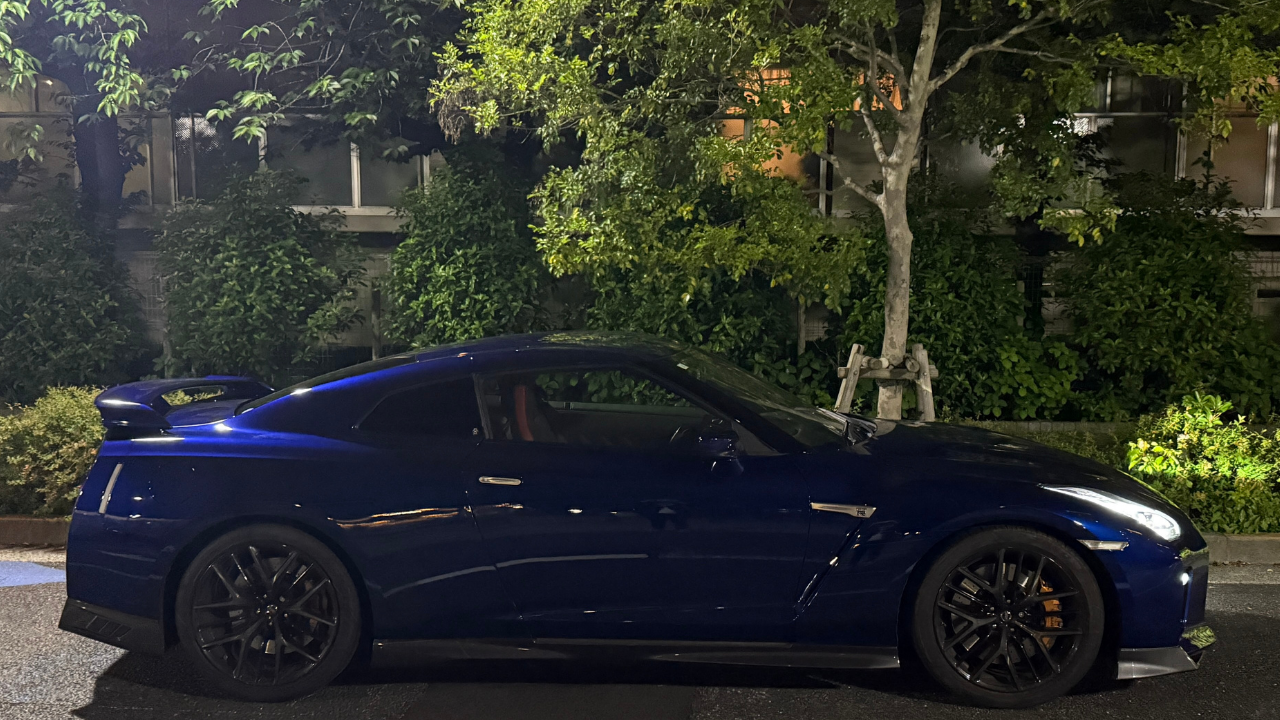
What is Daikoku PA? Daikoku Parking Area (Daikoku PA) sits on the Bayshore Route of the Metropolitan Expressway in Yokohama and is Japan’s most famous late‑night JDM car‑culture hub. Because it’s inside the expressway network, there’s no pedestrian access—drivers must enter and exit via expressway ramps. How tolls work on the Metropolitan Expressway (Shuto) Tolls on the Metropolitan Expressway are distance‑based when you use ETC. For a standard passenger car, ETC tolls are capped at ¥1,950 (upper limit) and can drop below ¥1,000 for short hops. Paying by cash (or credit card in cash lanes) is charged at a flat basic toll of ¥1,950 for standard cars across most sections. Prices here refer to one‑way tolls for a standard passenger car. Key points: ETC (Electronic Toll Collection) calculates your fare by toll distance and automatically charges at the toll gate. Cash users generally pay a flat ¥1,950 on Shuto for standard cars (exceptions exist on some connectors). Late‑night discounts (00:00–04:00) can reduce ETC tolls on some routes. Some entrances have become ETC‑only; non‑ETC vehicles must use nearby cash‑enabled entrances. Typical toll from central Tokyo to Daikoku PA (real‑world examples) Use these reference prices to estimate your one‑way ETC toll in a standard passenger car. Your exact fare depends on the entrance you use, the route chosen by your nav, and time‑of‑day/discount conditions. Tokyo entrance (IC)Quick route to Daikoku PATypical ETC toll (one‑way)Cash (one‑way)Ginza IC (C1 Loop)C1 → Haneda Line → Yokohane → Bayshore≈ ¥950–¥1,330¥1,950Shiodome/Takarachō IC (C1)C1 → Haneda Line → Bayshore≈ ¥1,070–¥1,100¥1,950Shibuya IC (Route 3)R3 ...
2025/9/21
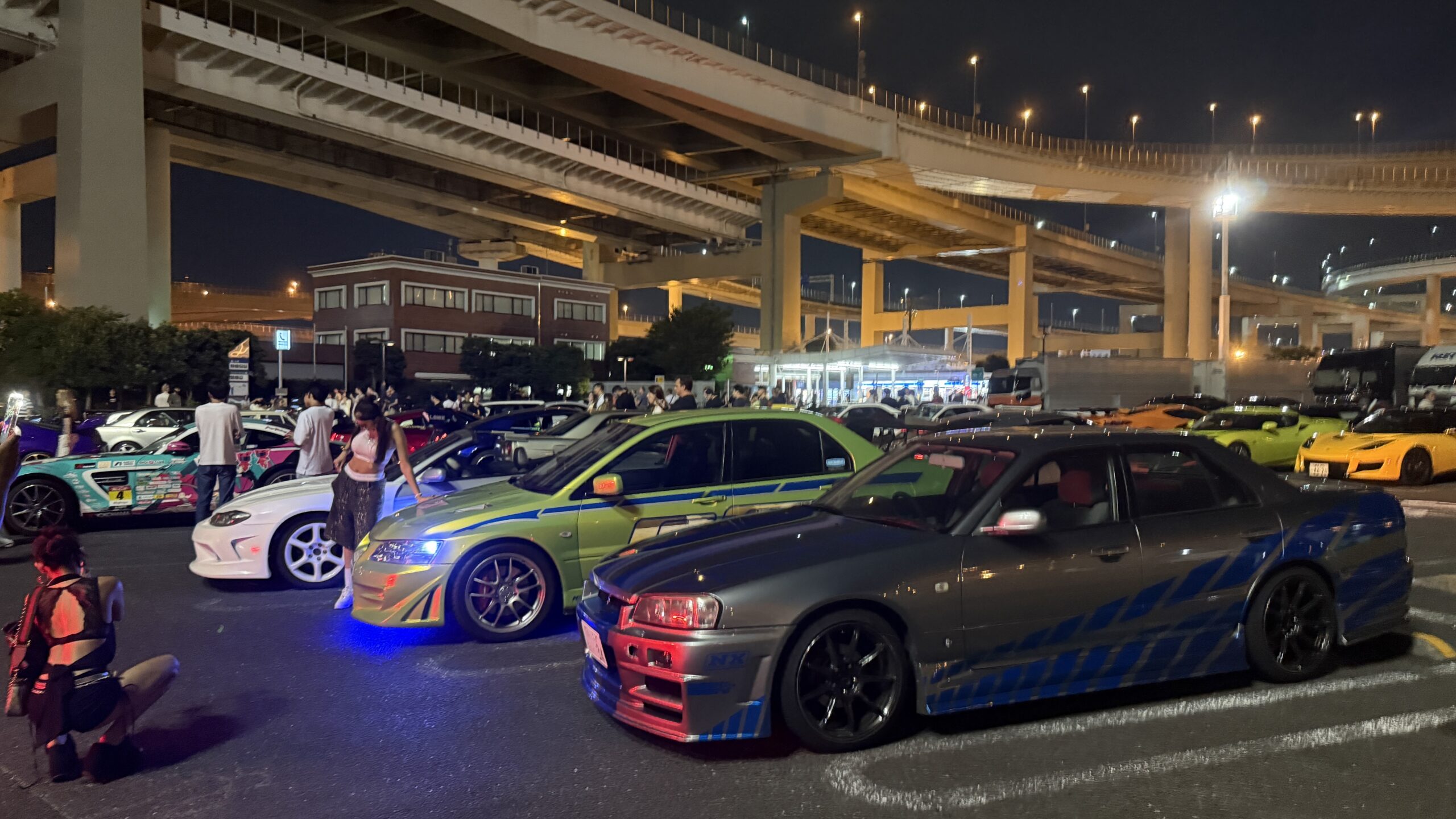
What is Daikoku PA? Daikoku Parking Area (PA) is one of the most iconic automotive gathering spots in Japan, located in Yokohama along the Shuto Expressway. Known globally among car enthusiasts, it attracts JDM fans, exotic car owners, and photographers eager to witness rare vehicles in one place. Beyond its reputation as a car culture hotspot, Daikoku PA functions as a rest stop for highway travelers, offering food, restrooms, and convenience stores. How Much is the Daikoku PA Parking Fee? One of the biggest appeals of Daikoku PA is that parking is free of charge for visitors. Unlike central Tokyo parking lots where fees can be extremely high, Daikoku PA allows enthusiasts to enjoy the gathering spot without worrying about costs. However, access requires using the expressway, which means you must pay toll fees when entering or exiting. Highway Toll Costs From central Tokyo: approximately ¥1,000–¥1,500 one-way, depending on traffic and entry point. From Yokohama: around ¥500–¥1,000. Since there is no direct street access, toll costs are the only expense associated with visiting Daikoku PA. How to Access Daikoku PA Daikoku PA is located at the intersection of several expressways, making it slightly tricky to access if you are unfamiliar with Japan’s highway system. The most common routes include: From Tokyo via Shuto Expressway Bayshore Route (Wangan-sen). From Yokohama via the Shuto Expressway Kanagawa Route K1. Because of limited entry and exit ramps, many first-time visitors find themselves circling expressway routes before successfully reaching Daikoku PA. We recommend using a GPS navigation system or a ...
2026/1/4
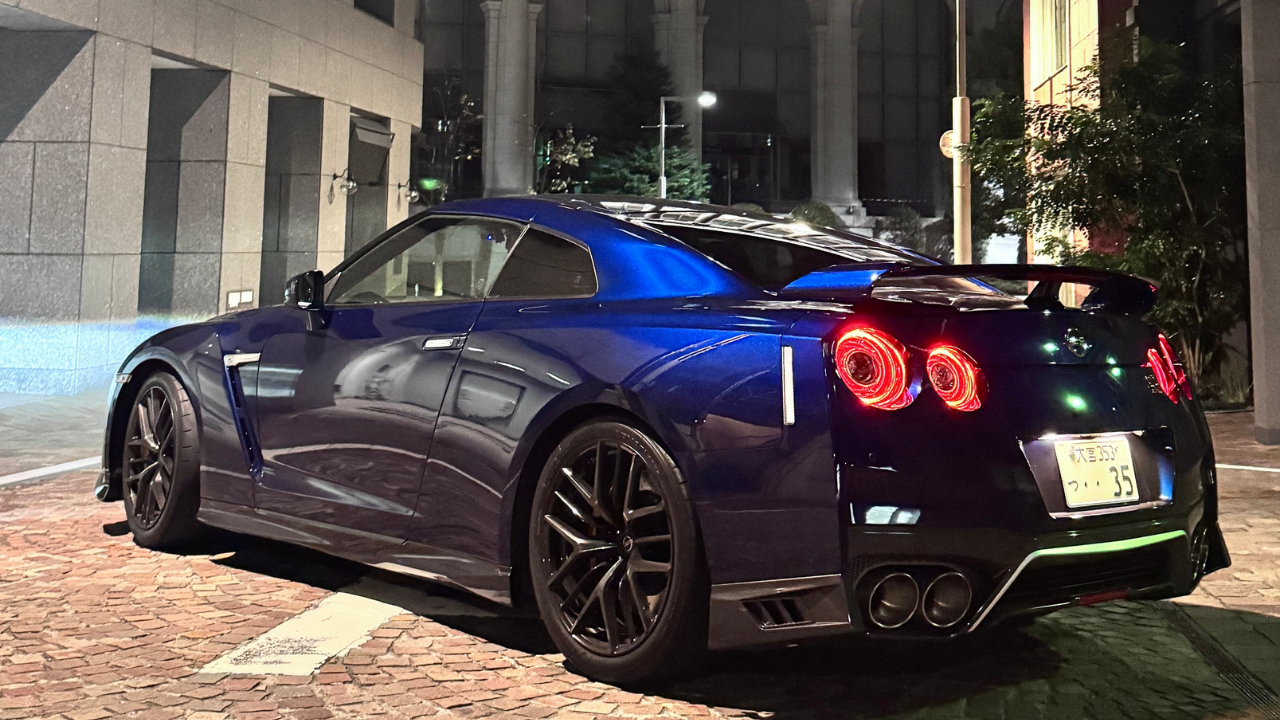
Searching for “car meet up Tokyo time table”, “Daikoku PA car meet schedule”, or “Daikoku car meet how to get there” usually means you want one practical thing: When should you go, and how do you get in and out of Daikoku PA without problems? This page is a fast, traveler-friendly hub. It gives you the realistic “typical” time windows (because there’s no official timetable), the safest ways to reach Daikoku, what’s considered illegal behavior, and what to do if the parking area is quiet. Daikoku car meet schedule: is there an official timetable? No. Daikoku Parking Area (Daikoku PA / Daikoku Futo) is not a ticketed event. It’s a highway service area where enthusiasts gather when conditions line up. That’s why searches like “Daikoku PA latest” exist—crowds can change quickly with weather, traffic, and enforcement. Use the time table below as a probability guide, not a promise. Car meet up Tokyo time table: the most typical pattern Here’s the simplest way to think about it: weekend nights usually have the highest chance, while weekdays can be quiet (especially early in the week). Weekdays (Mon–Thu) Usually light: a few interesting cars, shorter stops Better for visitors who want a calmer look at Daikoku PA Friday night Often the strongest weekday window Good balance of activity without peak-weekend crowding Saturday night Frequently the highest-probability window If you can only try once, Saturday night is usually the best bet Sunday Can be active in the daytime Evenings can be hit-or-miss compared with Saturday night What matters more ...
 Chinese