What Is Hakone Yumoto Station?
Hakone Yumoto Station (箱根湯本駅) is the main gateway to the Hakone region, one of Japan's most beloved hot spring destinations located just 80 kilometers southwest of Tokyo. Operated by the Hakone Tozan Railway, the station sits at the foot of the Hakone mountains and serves as the starting point for virtually every Hakone itinerary. Whether you are arriving from Tokyo by Romancecar, local train, or car, Hakone Yumoto Station is where your Hakone adventure begins.
The station's name literally translates to "Hakone Hot Spring Origin," reflecting the area's identity as one of Japan's oldest and most celebrated onsen towns. The immediate surroundings offer a compact but remarkably rich experience — from foot baths and souvenir shopping to riverside walks and historic temples — making Hakone Yumoto a destination in its own right, not merely a transit point.
-

-
Hakone: The Ultimate Travel Guide for 2026 — Hot Springs, Mt. Fuji Views & Scenic Drives
Why Hakone Should Be on Every Japan Traveler's List Hakone is one of the most beloved destinations n ...
続きを見る

How to Get to Hakone Yumoto Station from Tokyo
Odakyu Romancecar (Fastest Train Option)
The most popular way to reach Hakone Yumoto Station is aboard the Odakyu Romancecar, a limited express train that departs from Shinjuku Station in central Tokyo. The journey takes approximately 85 minutes and costs around ¥2,330 (reserved seat included). Romancecar trains feature large panoramic windows, comfortable reclining seats, and some models even have front-facing observation cars. Reservations are recommended, especially on weekends and holidays, and can be made online through the Odakyu website or at station counters.
Local Odakyu Line + Hakone Tozan Railway
Budget travelers can take the Odakyu local or rapid express train from Shinjuku to Odawara Station (approximately 90–120 minutes, ¥900) and then transfer to the Hakone Tozan Railway for the short 15-minute ride to Hakone Yumoto. This combination is significantly cheaper than the Romancecar and is fully covered by the Hakone Free Pass, which offers unlimited transportation within the Hakone area for two or three days.
Shinkansen via Odawara
If you are coming from Kyoto, Osaka, or Nagoya, or simply prefer speed, take the Tokaido Shinkansen to Odawara Station (35 minutes from Tokyo Station) and transfer to the Hakone Tozan Railway. This option is ideal for JR Rail Pass holders, though the Hakone Tozan segment is not covered by the JR Pass.
By Car from Tokyo
Driving from central Tokyo to Hakone Yumoto takes roughly 90 minutes to two hours via the Tomei Expressway and Odawara-Atsugi Road. There are several parking facilities near the station, though space can be limited during peak season. Arriving by car gives you the flexibility to explore the wider Hakone region — including the scenic Turnpike and routes along Lake Ashi — at your own pace.
-

-
Rent a Car Tokyo to Hakone Onsen: Complete Driving Guide for Visitors
Why Drive from Tokyo to Hakone Onsen? Renting a car gives you door‑to‑door access to hot spring town ...
続きを見る
Inside Hakone Yumoto Station: Layout and Facilities
Hakone Yumoto Station is a compact, well-organized station with everything a visitor needs. On the ground level, you will find ticket counters for the Hakone Tozan Railway and bus services, coin lockers in multiple sizes (essential for day-trippers who want to explore hands-free), and a helpful tourist information center staffed by English-speaking attendants. The information center provides maps, bus schedules, and recommendations for onsens, restaurants, and hiking trails.
Just outside the station exit, a bus terminal connects passengers to key Hakone destinations including Togendai (Lake Ashi), Gora, the Open Air Museum, and Owakudani. The Hakone Free Pass is valid on most of these bus routes, making it the single most useful travel pass for exploring the area.
Things to Do Near Hakone Yumoto Station

Walk Along the Hayakawa River
Immediately behind the station, the Hayakawa River carves a gentle path through the town. A paved riverside promenade offers a pleasant walk with views of the forested mountains. In spring, cherry blossoms line parts of the river, while autumn brings vivid red and gold foliage to the surrounding hills. Several ryokan (traditional Japanese inns) are perched along the riverbanks, and you can often see their guests relaxing on open-air terraces.
Soak in an Onsen or Ashiyu (Foot Bath)
Hakone Yumoto is, above all, an onsen town. Dozens of hot spring facilities and ryokan are within walking distance of the station. For a quick and free experience, head to the Kappa Tengoku foot bath, located about five minutes on foot from the station. Several day-use onsen facilities (called "higaeri onsen") also welcome visitors who are not staying overnight, with prices typically ranging from ¥1,000 to ¥2,500. Popular choices include Tenzan Tohji-kyo and Hakone Yuryo, both accessible by a short shuttle bus ride from the station.
Browse the Yumoto Shopping Street
The narrow shopping street extending from the station is packed with souvenir shops, snack vendors, and cafés. This is the best place to pick up Hakone's signature souvenirs: Yosegi-zaiku (traditional wooden mosaic crafts), Hakone manju (steamed buns), dried fish, and local pickles. Several shops offer free tastings of mochi, kamaboko (fish cake), and other regional snacks. The street is especially lively on weekends, but weekday mornings offer a more relaxed browsing experience.
Visit Sounji Temple
A 15-minute walk from the station (or a short bus ride) brings you to Sounji Temple, a Rinzai Zen temple founded in 1521 and dedicated to Hojo Soun, the feudal lord who ruled Odawara Castle. The temple is relatively uncrowded compared to Hakone's more famous attractions and features a tranquil garden, a small cemetery, and a stone staircase leading through moss-covered grounds. In early June, the temple's hydrangea blossoms create a stunning display.
Try Hakone Specialty Foods
Near the station, several restaurants specialize in Hakone's local cuisine. Tofu dishes are a regional specialty — the soft, silky tofu is made with fresh mountain spring water. Soba noodles served cold with wasabi are another must-try. For something sweet, look for Hakone manju shops where the buns are freshly steamed before your eyes. Many visitors also enjoy grilled dango (rice dumplings) from street-side stalls along the shopping street.
Hakone Yumoto Station as a Base for Exploring Hakone
One of the great advantages of Hakone Yumoto Station is its position as the hub of Hakone's famous circular transportation loop. From here, you can ride the Hakone Tozan Railway up to Gora, transfer to the cable car to reach Sounzan, take the ropeway over the volcanic Owakudani valley, and descend to Togendai on the shores of Lake Ashi. A pirate ship cruise across the lake connects to Hakone Shrine and Moto-Hakone, from which buses return to Hakone Yumoto. This entire loop can be completed in a single day using the Hakone Free Pass.
Key attractions accessible from Hakone Yumoto Station include:
- Owakudani — volcanic valley with sulfurous hot springs and the famous black eggs said to extend your life by seven years
- Lake Ashi — scenic lake with views of Mt. Fuji on clear days, cruise boat services, and lakeside shrines
- Hakone Open Air Museum — world-class sculpture park with works by Picasso, Henry Moore, and others
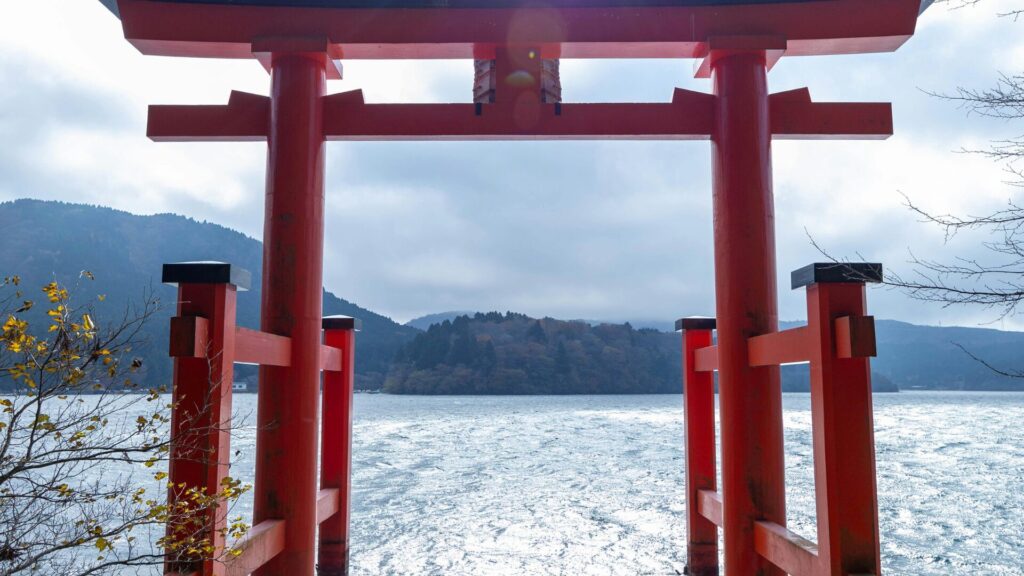
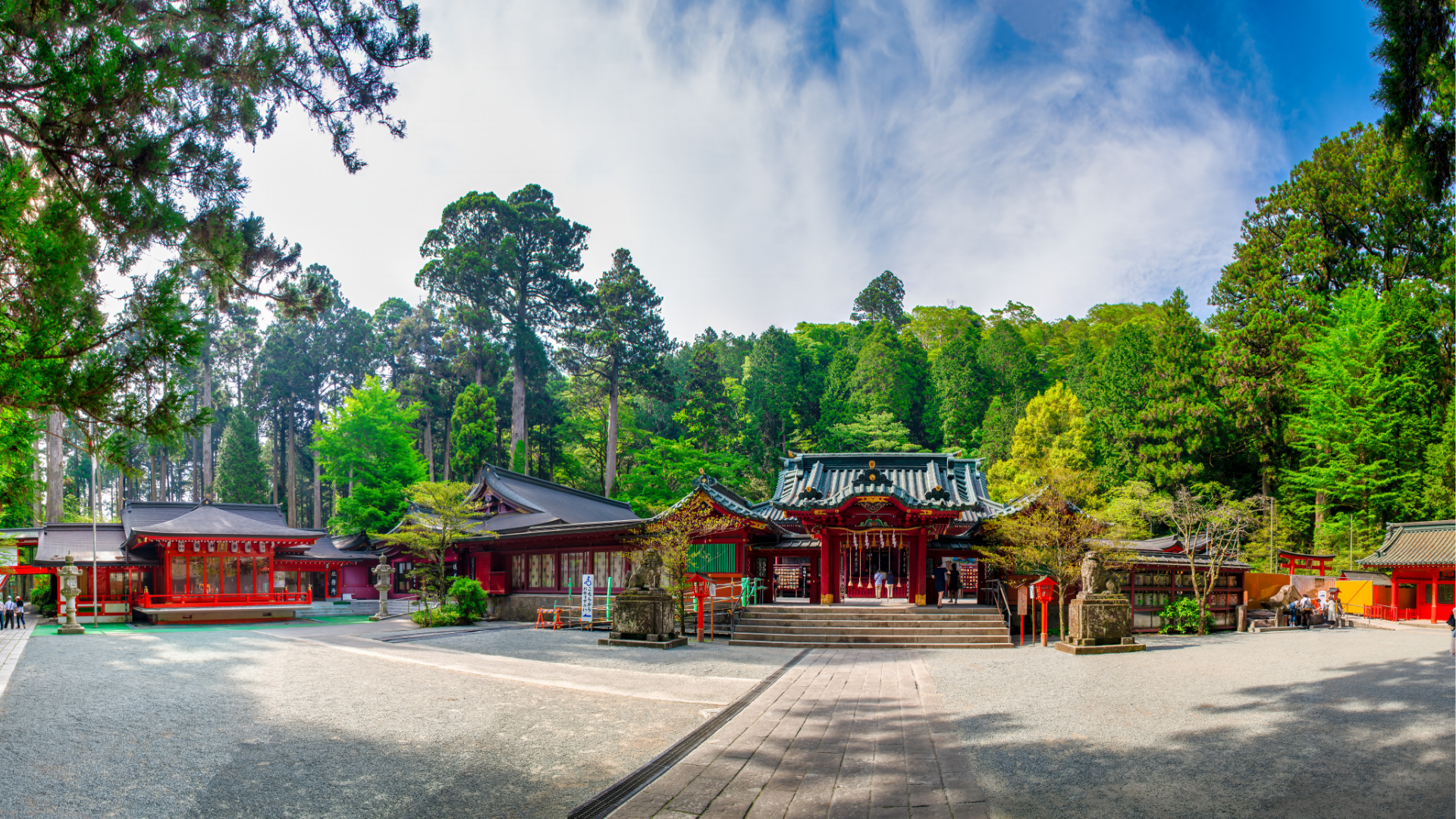
- Hakone Shrine — iconic Shinto shrine with a vermillion torii gate standing in the waters of Lake Ashi
- Pola Museum of Art — impressive collection of Impressionist and modern art set in a forest
- Hakone Venetian Glass Museum — delicate Venetian-style glasswork in a European-inspired garden setting
Hakone Free Pass: Is It Worth It?

The Hakone Free Pass, available for purchase at Shinjuku Station or Hakone Yumoto Station, is almost certainly worth the investment if you plan to do the full loop or stay for two or more days. The two-day pass costs ¥6,100 from Shinjuku (¥4,600 from Odawara) and includes round-trip transportation on the Odakyu line, unlimited rides on the Hakone Tozan Railway, cable car, ropeway, pirate ship, and designated bus routes, plus discounts at many museums and onsen facilities. A three-day pass is also available for ¥6,500 from Shinjuku.
For day-trippers arriving by car, the pass is less essential since you already have your own transportation. However, if you want to leave the car at a parking area near the station and take the loop by public transit, it can still provide good value.
Best Time to Visit Hakone Yumoto Station
Hakone Yumoto is a year-round destination, but each season offers a distinctly different experience:
- Spring (March–May) — Cherry blossoms bloom along the Hayakawa River in late March to early April. Mild weather makes this ideal for walking and sightseeing.
- Summer (June–August) — The rainy season in June brings hydrangeas to bloom along the Hakone Tozan Railway tracks. Summer temperatures are cooler than Tokyo, making Hakone a popular escape.
- Autumn (October–November) — Peak foliage season transforms the mountains into a palette of red, orange, and gold. This is the busiest time, so expect crowds and book accommodations early.
- Winter (December–February) — Quieter and colder, with the possibility of snow on higher elevations. Winter is ideal for enjoying outdoor rotenburo (open-air hot spring baths) with steam rising into the cold air.
Weekdays are significantly less crowded than weekends throughout the year. If your schedule allows, visiting on a Tuesday or Wednesday will give you a noticeably more relaxed experience.
Accommodation Options Near Hakone Yumoto Station
The area surrounding Hakone Yumoto Station has a wide range of accommodation types. Traditional ryokan with private onsen baths are the most popular choice and provide an authentic Japanese hospitality experience, including multi-course kaiseki dinners and tatami-mat rooms. Prices for ryokan typically start around ¥15,000 per person per night and can exceed ¥50,000 at luxury establishments.
Budget-conscious travelers can find business hotels and guesthouses near Odawara Station, just one stop away. Some visitors also choose to stay in the Gora or Sengokuhara areas higher up in the mountains, though these require additional bus or train travel from Hakone Yumoto.
Practical Tips for Visiting Hakone Yumoto Station in 2026
- Coin lockers fill up quickly — Arrive early or use the luggage storage service at the tourist information center if lockers are full.
- Bring cash — While major shops and restaurants accept credit cards, some smaller vendors and onsen facilities remain cash-only.
- Check ropeway status — The Owakudani ropeway occasionally suspends service due to volcanic activity. Check the Hakone Navi website before your visit.
- Tattoo-friendly onsen — Some onsen in Hakone Yumoto welcome tattooed guests. Tenzan Tohji-kyo is one of the most well-known tattoo-friendly facilities in the area.
- IC cards accepted — Suica and Pasmo cards work on the Hakone Tozan Railway and most buses, making tap-and-go travel convenient.
- Return trains to Tokyo — The last Romancecar departure from Hakone Yumoto to Shinjuku is typically around 8:30 PM. Double-check the schedule if you are making a day trip.
Experience Japan’s Finest JDM Adventures
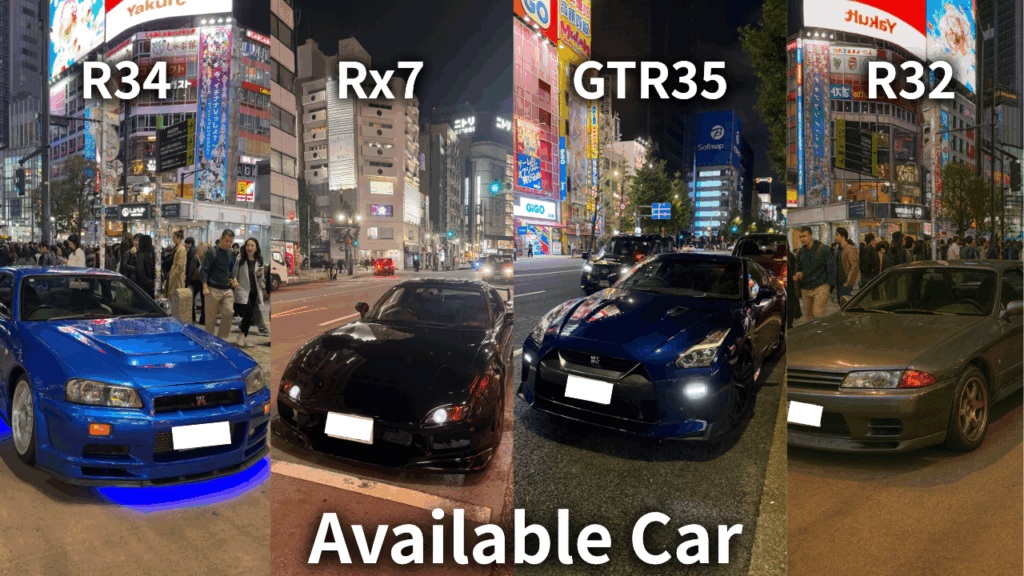
From Daikoku PA tours to JDM sports car rentals and drift experiences, we offer premium driving adventures for visitors who want more than ordinary sightseeing.
Get behind the wheel of iconic machines such as the GT-R, RX-7, and Supra, and experience Japan’s legendary car culture in the most unforgettable way. Whether you want a scenic Tokyo car experience or something more thrilling and immersive, we can guide you to the right plan.
Not sure which experience suits you best? No problem. Message us on WhatsApp and we’ll help you choose the ideal option based on your travel plans, interests, and driving experience.
Popular dates sell out quickly, so we recommend contacting us early.
Customer Reviews
Important Information
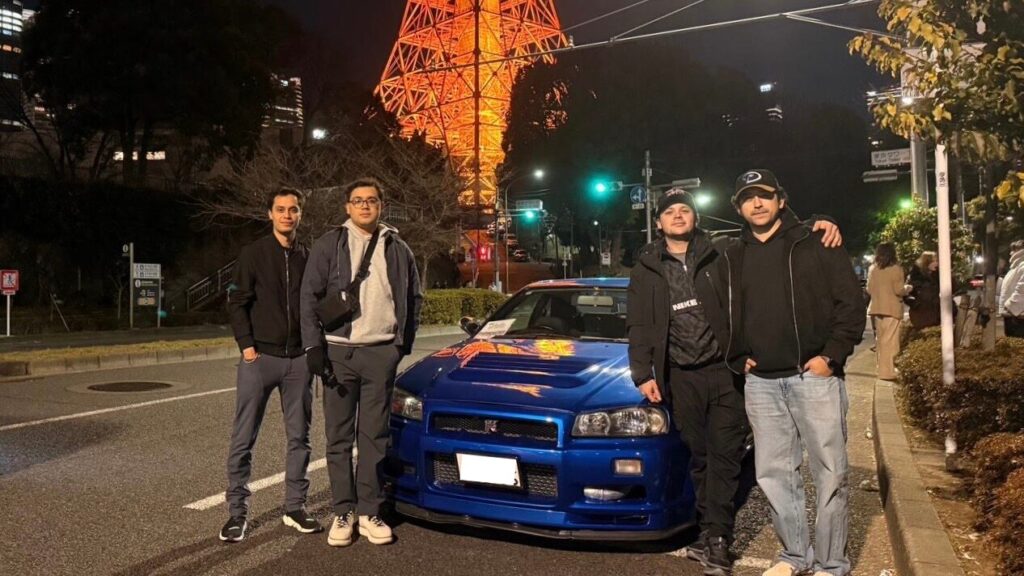
- This is a drive tour where you drive your rental car, and our guide navigates from the seat.
- This is a self-drive tour where you drive your rental car, and our guide navigates from the passenger seat.
- The tour begins and ends at the same location (Shibuya).
- If the Daikoku Parking Area is closed, we will instead guide you to another car meet further away.
- The consultant is a cultural expert and navigator, not a taxi service.
