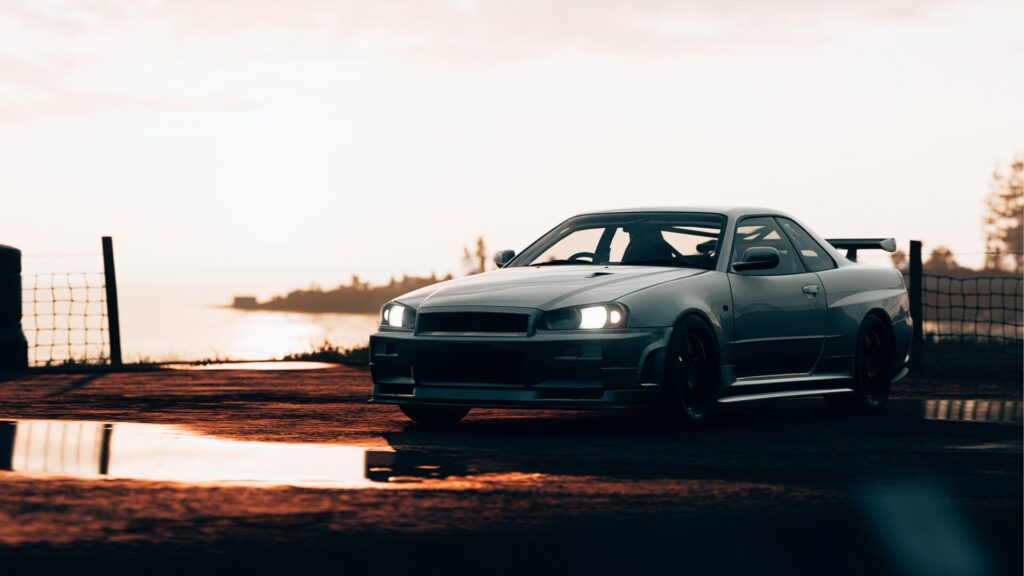
JDM culture is more than fast cars and late‑night meets—it’s a uniquely Japanese blend of craftsmanship, hospitality, and respect for the road. In this guide, you’ll learn what JDM culture really means, why Daikoku Parking Area (Daikoku PA) is its most iconic gathering spot, and how overseas visitors can experience it smoothly and responsibly.
What Is JDM Culture?
“JDM” stands for “Japanese Domestic Market,” originally describing vehicles and parts built for sale inside Japan. Over time, the term evolved into a global lifestyle: a shared language of engineering, tuning, and community centered on Japanese cars and the people who love them. At its heart:
- Authenticity: Factory‑fresh models and parts designed for Japan (from mirror placements to ECU maps), plus period‑correct wheels, aero, and interiors.
- Craftsmanship: Obsessive maintenance, tasteful modifications, and an emphasis on balance—power, reliability, and drivability.
- Community: Respectful meets, quiet behavior in residential areas, and a culture of helping one another with tools, translations, and parts sourcing.
JDM vs. “Japanese Car Culture” vs. “Import Scene”
- JDM refers to Japan‑spec vehicles and parts; not every Japanese‑branded car sold globally is JDM.
- Japanese car culture is the broader lifestyle in Japan—meets, cruises, motorsport, shops, cafes, and museums.
- Import scene (overseas) grew around the desire to bring Japan‑spec cars or styling abroad. Many enthusiasts visit Japan to see the authentic scene and learn proper etiquette before bringing ideas home.
A Short History of JDM Culture
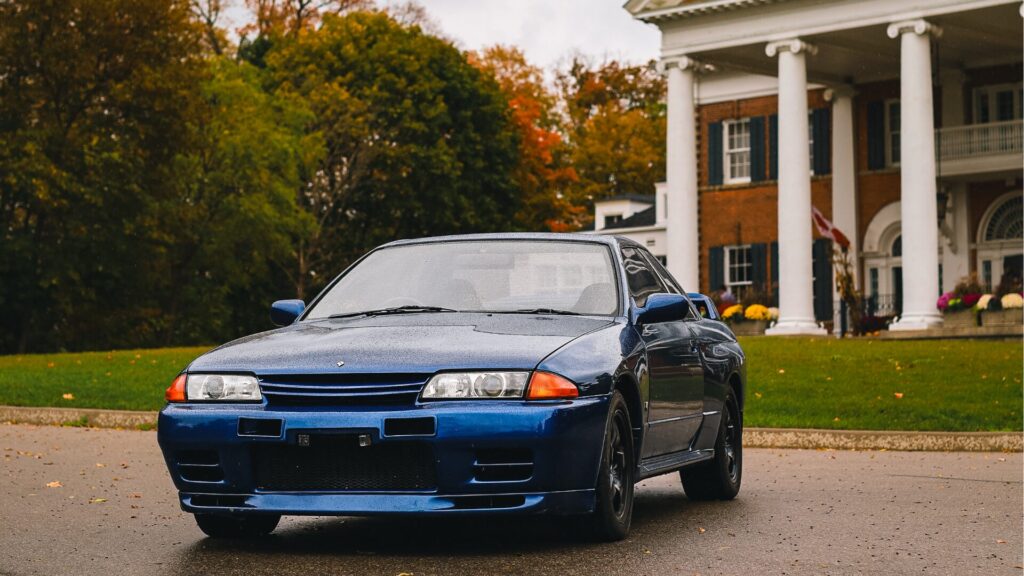
Japan’s post‑bubble tuning boom of the 1990s popularized high‑revving engines, lightweight chassis, and racing‑derived tech. Media, video games, and magazines amplified sub‑scenes—from winding‑road touge battles and drift to high‑speed wangan cruises. Today, the scene is cleaner and more community‑focused: organized meets, detail‑oriented builds, and a strong emphasis on safety and accountability.
Signature Styles and Sub‑Cultures
- Touge & Grip: Lightweight chassis (AE86, S2000) tuned for balance.
- Drift: FR platforms (Silvia/180SX, JZX) with angle kits and cooling upgrades.
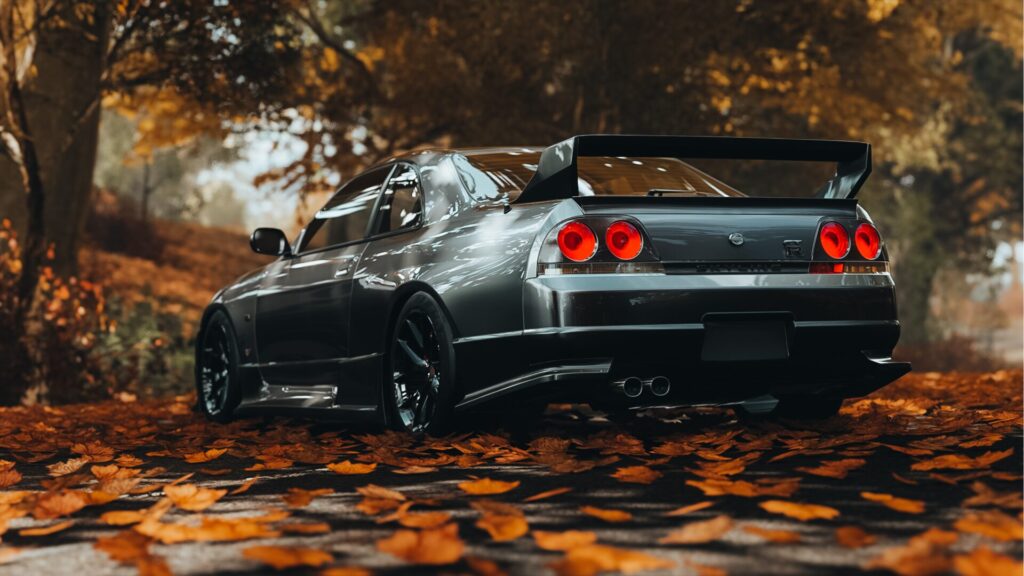
- Wangan Touring: Grand‑touring setups (Skyline GT‑R, Supra) with aero stability and brake focus.
- VIP (bippu): Executive sedans, slammed stance, premium interiors.
- Shakotan & Kyusha: Low classic cars with period‑correct parts.
- Itasha: Character‑liveried cars; more common at anime or pop‑culture meets.
The Icons of JDM: Cars, Engines, and Parts
- Halo Cars: Nissan Skyline GT‑R, Toyota Supra, Mazda RX‑7, Honda NSX, Subaru Impreza, Mitsubishi Lancer Evolution.
- Beloved Engines: RB26DETT, 2JZ‑GTE, 13B‑REW, K‑series, EJ‑series, 4G63.
- Essential Hardware: Forged wheels, quality coilovers, upgraded braking, OEM‑plus interiors, and meticulous fluid/cooling management.
These builds favor reliability and manners over shock value—most owners want to enjoy the drive, arrive safely, and go home quietly.
Daikoku PA: Tokyo’s Most Famous JDM Meet Spot
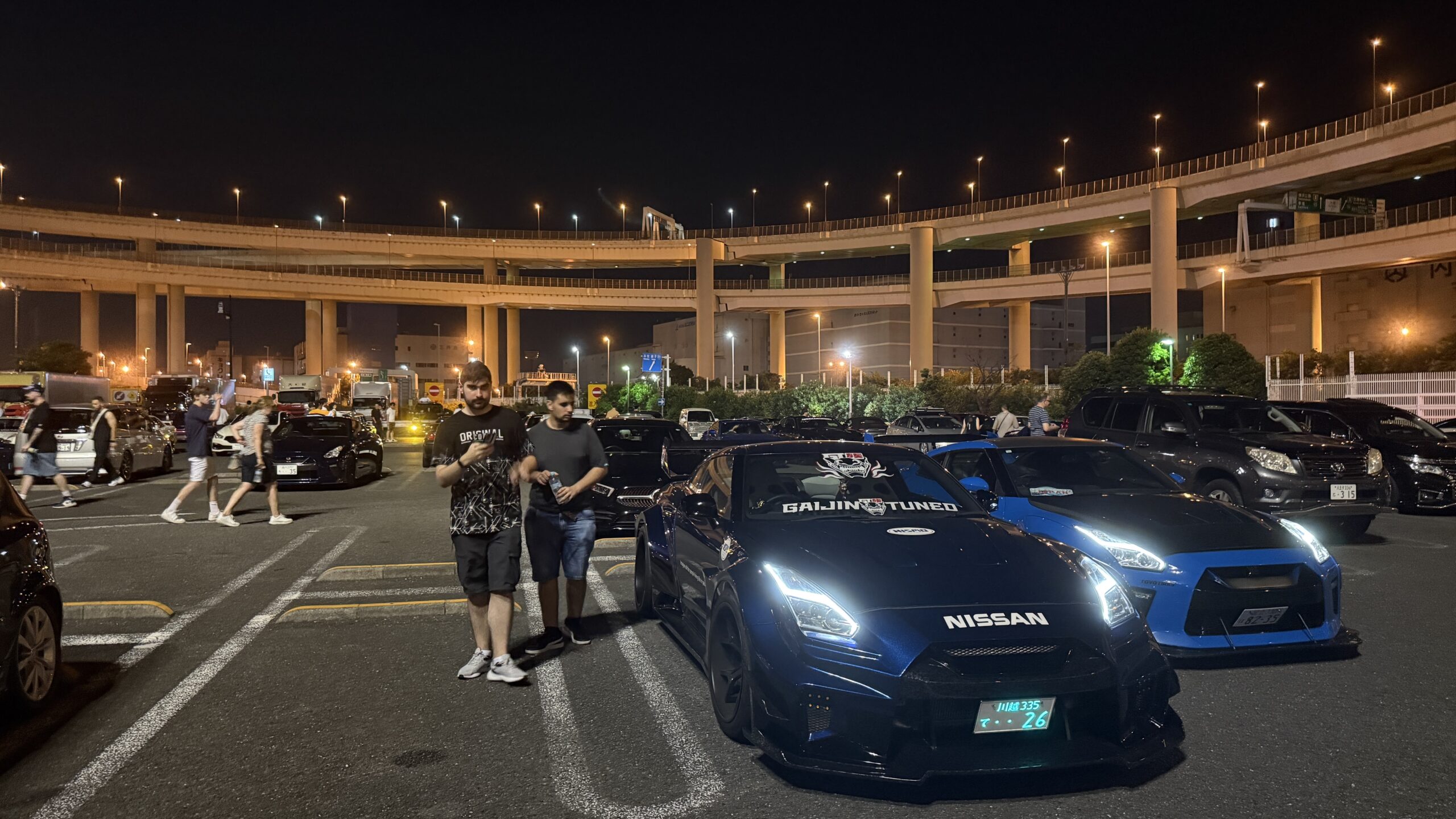
Daikoku PA sits on the Bayshore Route near Yokohama, forming a vast circular lot underneath sweeping expressway ramps. On busier nights you’ll find everything from immaculate time‑capsule classics to modern GT cars and track‑ready builds. The atmosphere is social and surprisingly relaxed: owners chat about setups, visitors take photos (always ask first), and food trucks sometimes appear. Police and highway staff keep order; closures can happen when crowds swell or noise complaints arise.
Why Daikoku Matters: It’s accessible from Tokyo and Yokohama, central to many expressways, and acts as a neutral “home base” where multiple sub‑cultures cross paths. For first‑timers, it’s the most efficient way to sample Japan’s car scene in one night.
Pro Tip: A guided tour removes logistics friction (language, access timing, closures, parking), keeps you on the right side of local rules, and maximizes photo opportunities.
-

-
Daikoku Car Meet Tour: The Complete, Legal Guide for Visitors
Welcome to the definitive guide to visiting the legendary Daikoku Parking Area (PA), the heart of Japan's car culture. This highway rest stop on the Shuto Expressway near Yokohama transforms on many nights into an informal, world-famous car show. But before you go, it's crucial to understand what Daikoku is—and what it isn't. This is not an official, ticketed event. It's a spontaneous gathering of car enthusiasts. To ensure a safe and memorable experience that respects the local culture, this guide will walk you through everything you need to know. A Glimpse into JDM Culture Daikoku PA is considered a ...
続きを見る

How to Access Daikoku PA
Daikoku PA is a highway service area, not a typical city parking lot. Access is via the Shuto Expressway (Bayshore Route); cars enter and exit from highway ramps. Independent access requires navigating Japanese toll roads and understanding ramp patterns that prevent simple U‑turns. Parking is limited, and closures or traffic controls can occur without much notice.
Best practice for visitors: join a guided tour or ride with someone familiar with the Shuto system. If you drive yourself, plan your approach, keep an eye on official signage, and be prepared with cashless toll payment methods.
-

-
How to Get to Daikoku PA from Tokyo (2025 Complete Access Guide)
Daikoku Parking Area (often called Daikoku PA or Daikokufuto) is the most iconic JDM car meet spot in Greater Tokyo. This guide explains every practical way to reach it from central Tokyo—legally, safely, and efficiently—plus pro tips to avoid closures and common mistakes. Planning a hassle-free visit with guaranteed transport? Our licensed JDM tour to Daikoku PA handles routing, tolls, parking, and police checks so you can focus on the scene. What is Daikoku PA? Daikoku PA is a large service/parking area on the Shuto (Metropolitan) Expressway network in Yokohama Bay. On many evenings—especially weekends—it becomes a magnet for JDM ...
続きを見る
Best Time to Visit Daikoku PA
Turnout fluctuates by season, weather, and events. Cooler, dry evenings typically draw more cars; weekends and the eves of national holidays are popular. Large shows or motorsport weekends can create spillover meets—but they can also trigger early closures when crowds peak. Arriving earlier in the evening helps you secure a spot and photograph cars before it gets packed.
Watch‑outs: Typhoons, heavy rain, or police activity can end a meet early. Flexible timing and a backup plan (nearby PAs) are essential.
-

-
Best Time to Visit Daikoku Parking Area (Daikoku PA) in 2026: The Real-World Guide
Daikoku Parking Area—usually shortened to Daikoku PA—is Japan’s most famous informal car-meet spot. There’s no official “car meet schedule,” but there are predictable patterns. Quick verdict: Most cars + best atmosphere: Friday or Saturday evening (7:30–10:30 PM) Calmest + easiest for photos: Sunday early morning (6:00–8:30 AM) Important context: Daikoku PA is an expressway parking area in Yokohama (near Tokyo), not a street-level parking lot. Access is controlled, and temporary closures can happen when it’s too crowded or when authorities intervene. Quick Answer: Best day and time to visit Daikoku PA If you can only choose one window, choose this: ...
続きを見る
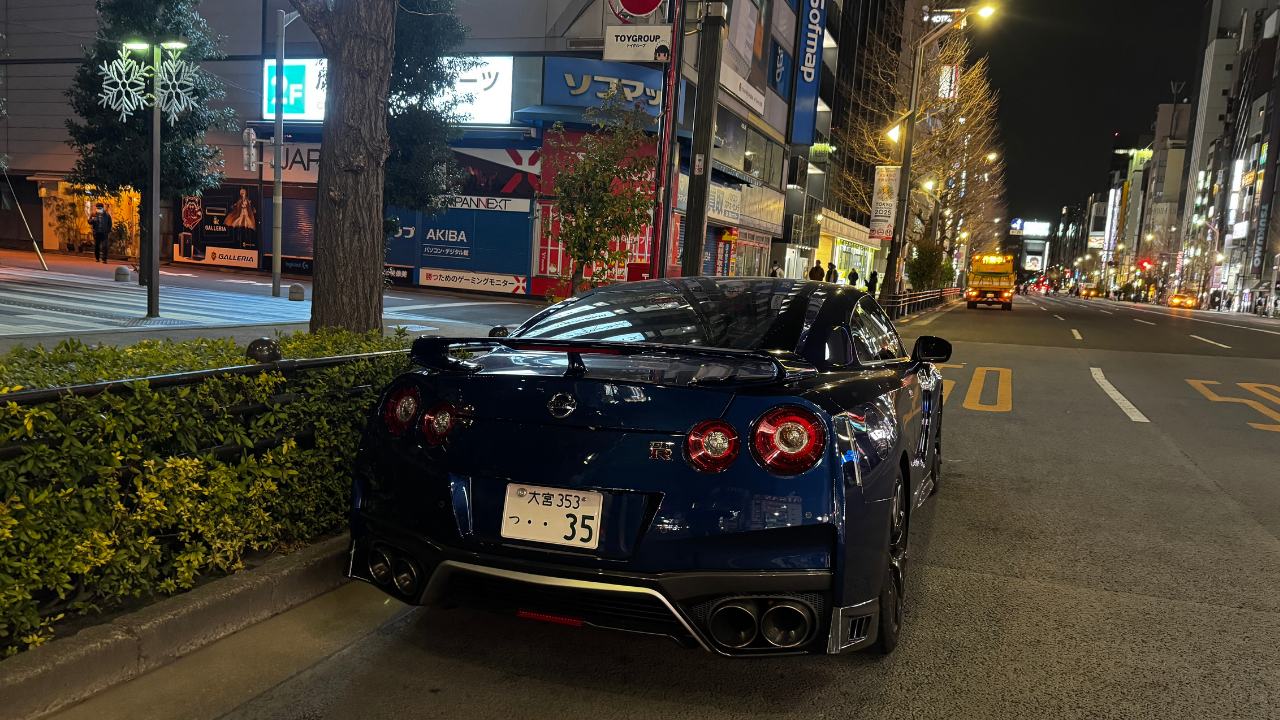
Visitor Etiquette and Legal Notes (Read This First)
JDM culture prizes good manners. To keep meets welcoming—and to avoid closures—follow these ground rules:
- No burnouts, rev‑bombing, or racing. Loud behavior leads to complaints and shutdowns.
- Keep noise down. Music at low volume; no horns.
- Respect staff and police. Follow directions immediately; don’t argue.
- Ask before shooting interiors or faces. Many owners value privacy.
- Leave no trash. Bring a small bag; use provided bins.
- Don’t block drive lanes or exits. Emergency access must stay clear.
- Be considerate with lights and flashes. Avoid blinding drivers.
What You’ll See at a Typical Daikoku Meet
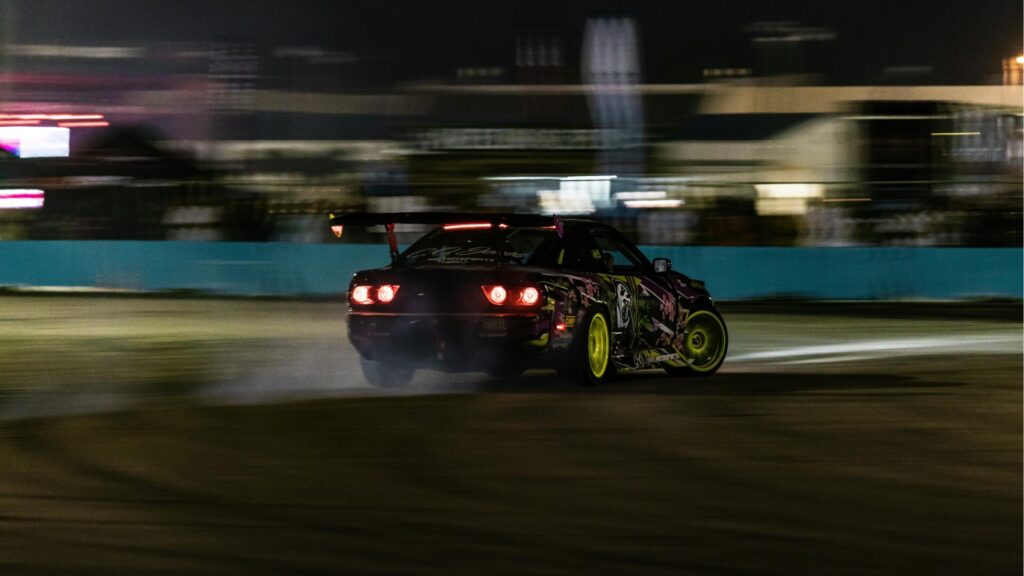
Variety of Builds
OEM‑clean time capsules, street‑friendly track builds, drift‑ready coupes, VIP sedans, kei car gems, and the occasional supercar or race transporter.
People You’ll Meet
Local owners from Kanagawa/Tokyo, detailers, pro photographers, international visitors, and shop staff scouting future projects.
Sounds and Sights
The soundtrack is subdued: idling engines, quiet conversation, and the occasional tasteful rev. Expect detailed bays, period brochures, rare wheels, and immaculate interiors.
Photography Tips for Daikoku PA
- Arrive early for staging shots. Cars roll in with clean backgrounds before peak.
- Use fast primes and stabilization. Low light favors f/1.8–f/2.8 lenses and ISO discipline.
- Mind reflections and traffic. Watch mirrors and headlights; never step into active lanes.
- Shoot details. Badges, stitching, brake setups, and engine bays convey craftsmanship.
- Be polite and share. Offer to send photos to owners—many appreciate a quick DM or AirDrop.
Can I Visit Without a Car?
Yes—with planning. Options include joining a guided tour that arranges compliant transport or meeting your group at a designated rendezvous point off the expressway. DIY taxi attempts often fail because many drivers avoid highway PAs or cannot guarantee pickup on site; even if you get there, getting back can be difficult during closures. A professional operator coordinates timing, parking, and exit strategies so you can focus on the experience.
-
-
How to Get to Daikoku PA Without a Car (Legal Options, Taxi Costs, and Tours)
Daikoku Parking Area (Daikoku PA) is Japan’s most famous informal car meet—but it’s also one of the hardest spots for travelers to reach without a vehicle. The reason is simple: Daikoku PA sits on the Shuto Expressway and is designed for cars only. There’s no train station, no public bus stop inside the PA, and pedestrians are not allowed. This guide explains exactly how to get to Daikoku PA without driving yourself, the legal options that actually work, typical taxi pricing and pitfalls, what to do when the police close the lot, and the best “Plan B” places for JDM ...
続きを見る
Other Car‑Meet Locations Around Tokyo
If Daikoku is closed or too crowded, enthusiasts sometimes pivot to other service areas with strong scenes, such as Tatsumi PA, Umihotaru PA, or smaller spots inside the Shuto network. Each location has its own rhythms and rules; etiquette is the same everywhere.
-

-
Tokyo Car Meet Locations: The Definitive 2026 Guide to Daikoku PA, Tatsumi, and More
Meta description: Planning a Tokyo car meet night? This definitive guide compares the most reliable Tokyo-area car meet locations—led by Daikoku Parking Area (Daikoku PA)—with clear access tips, etiquette, and pro itineraries. Book our JDM tour to see it all without stress. What Counts as a “Tokyo Car Meet” Today? While many gatherings happen within Tokyo’s 23 wards, the crown jewel is Daikoku Parking Area (Daikoku PA) in Yokohama—close enough to be a core stop on any Tokyo car culture trip. Around Tokyo Bay you’ll also find Tatsumi PA, Umihotaru PA on the Aqua-Line, and smaller spots like Shibaura PA. ...
続きを見る
Joining a Guided JDM Tour: Why It Helps
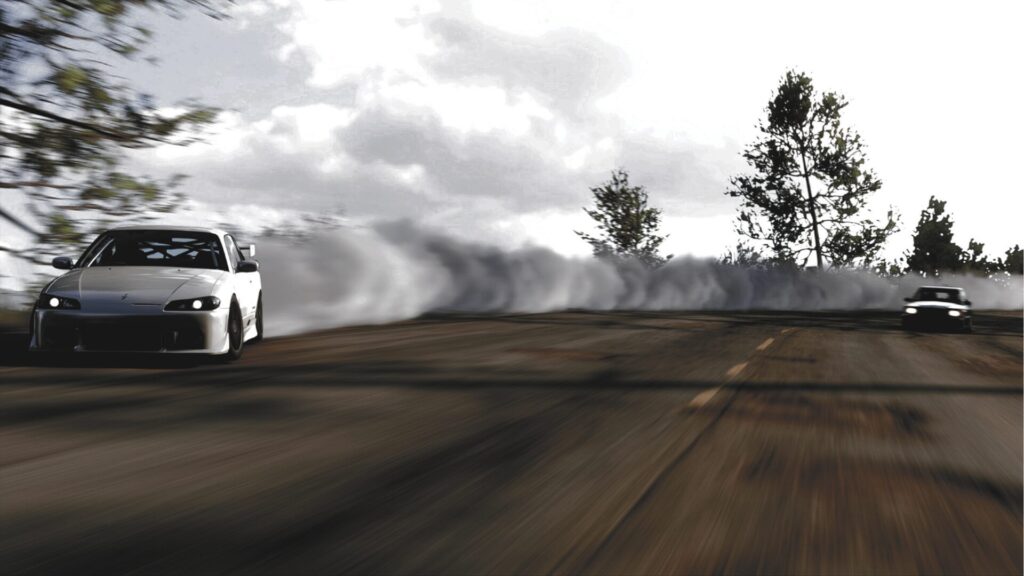
- Local expertise: Real‑time updates on closures and police activity; knowledge of quiet hours and respectful behavior.
- Stress‑free transport: No need to navigate tolls or ramps; safer routes in and out.
- Better photos: Guides know where to stand and when cars arrive.
- Cultural context: Learn the “why” behind builds, shops, and sub‑cultures, not just the “what.”
- Safety first: You enjoy the night while your guide handles logistics.
Frequently Asked Questions
Do meets happen every night? No. Activity varies by season, weather, and events. Guided tours track patterns to pick the right night.
Is street racing part of JDM culture? Dangerous or illegal behavior isn’t welcome at legitimate meets. The modern scene values safety and respect.
Can I bring kids? Many meets are family‑friendly in tone, but remember it’s an active parking area with moving cars—keep children close.
Is English spoken? Some owners do; many prefer Japanese. A guide bridges the language gap and helps you connect respectfully.
What should I bring? Comfortable shoes, a light jacket, a camera with fast lenses, cashless payment for vending machines, and a small trash bag.
If you’re going to Daikoku PA, leave it to us
We will arrange your reservation after the payment is completed.
Duration: about 3 hours
Meeting Point: Shibuya Station
Language: Beginner-level English & Japanese
Tell:09092341545
Important Information
- This is a drive tour where you drive your rental car, and our guide navigates from the seat.
- This is a self-drive tour where you drive your rental car, and our guide navigates from the passenger seat.
- The tour begins and ends at the same location (Shibuya).
- If the Daikoku Parking Area is closed, we will instead guide you to another car meet further away.
- The consultant is a cultural expert and navigator, not a taxi service.