
What Is Lake Ashi in Hakone?
Lake Ashi — known as Ashinoko (芦ノ湖) in Japanese — is a scenic crater lake nestled in the caldera of Mount Hakone, approximately 80 kilometers southwest of Tokyo. Formed roughly 3,000 years ago by a massive volcanic eruption, the lake sits at an elevation of about 723 meters above sea level and stretches roughly 7 kilometers in length. It is the centerpiece of the Hakone region and one of the most visited natural landmarks in the Kanto area.
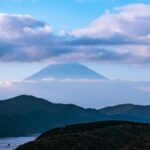
What makes Lake Ashi truly iconic is its relationship with Mount Fuji. On clear days, the snow-capped peak of Japan's tallest mountain reflects on the lake's calm surface — a scene that has been immortalized in Japanese art and photography for centuries. The combination of volcanic geography, lush mountain forests, and serene waters makes Lake Ashi one of the essential stops for anyone visiting Hakone in 2026.
-

-
Hakone: The Ultimate Travel Guide for 2026 — Hot Springs, Mt. Fuji Views & Scenic Drives
続きを見る
How to Get to Lake Ashi from Tokyo
By Train and Bus
The most common public transport route starts at Shinjuku Station in Tokyo. Take the Odakyu Limited Express Romancecar to Hakone-Yumoto Station, which takes approximately 85 minutes. From Hakone-Yumoto, you can ride the Hakone Tozan Bus directly to Moto-Hakone or Hakone-machi on the shores of Lake Ashi, a journey of roughly 35 minutes. Alternatively, the scenic route uses the Hakone Tozan Railway, cable car, and ropeway via Owakudani before descending to Togendai Port at the northern tip of the lake.
By Car
Driving from central Tokyo to Lake Ashi takes about 1.5 to 2 hours via the Tomei Expressway and Odawara-Atsugi Road, depending on traffic. The route passes through some of the most scenic mountain roads in the Hakone area, making it a rewarding drive — especially for those who enjoy winding passes through volcanic terrain. Parking is available at several lots around the lakefront, including at Hakone-machi, Moto-Hakone, and Togendai Port.
-

-
Rent a Car Tokyo to Hakone Onsen: Complete Driving Guide for Visitors
続きを見る
Using the Hakone Free Pass
The Hakone Free Pass, sold by Odakyu Railway, covers round-trip transport from Shinjuku plus unlimited use of most Hakone transit including buses, the ropeway, the cable car, and the Lake Ashi pirate ship cruises. In 2026, the two-day pass costs approximately ¥6,100 for adults, making it one of the best-value day trip passes available from Tokyo.
Lake Ashi Pirate Ship Cruise
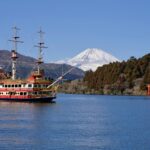
The Hakone Sightseeing Cruise — famously operated by ornate pirate-themed ships — is the most popular activity on Lake Ashi. Three replica vessels modeled after 17th- and 18th-century warships sail between Togendai Port, Hakone-machi Port, and Moto-Hakone Port throughout the day. The cruise takes approximately 25 to 30 minutes one way and offers panoramic views of the surrounding Hakone mountains and, on clear days, a breathtaking perspective of Mount Fuji rising above the ridgeline.
There are two ticket classes: standard class, which is included with the Hakone Free Pass, and a premium special class with access to the upper deck, VIP lounge seating, and unobstructed viewing areas. The special class upgrade costs around ¥500 to ¥800 additional. During peak seasons such as autumn foliage (mid-November) and Golden Week, booking the first morning departure is recommended to avoid crowds.
Best Views of Mount Fuji from Lake Ashi
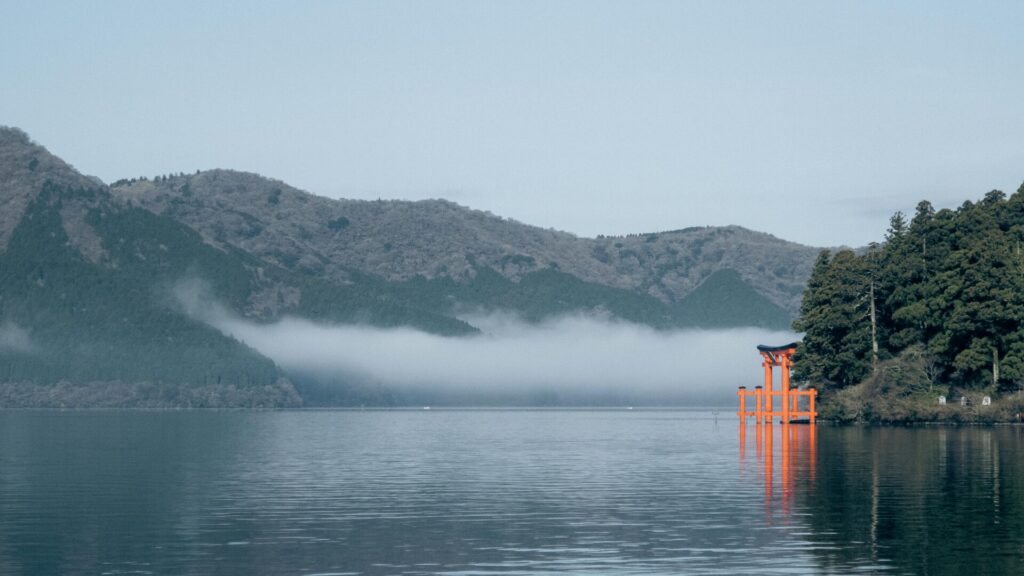
Seeing Mount Fuji from Lake Ashi is the definitive Hakone experience, but visibility depends heavily on weather and timing. The best conditions typically occur in the early morning hours before clouds build up around the summit, and during the colder months from November through February when the air is driest and clearest.
- Moto-Hakone lakefront: The classic view with the red torii gate of Hakone Shrine standing in the water and Fuji in the background. This is the most photographed spot on the lake.
- Onshi Hakone Park (Hakone Detached Palace Garden): A free-admission park on a small peninsula between Hakone-machi and Moto-Hakone offering elevated views across the lake toward Fuji.
- Narukawa Art Museum observation deck: Perched on a hillside above the lake's southern shore, this museum has a glass-walled terrace providing one of the widest panoramic views of Ashi Lake and Mount Fuji together.
- From the pirate ship: The mid-lake vantage point during the cruise is spectacular on clear days, with Fuji framed between surrounding ridges.
Hakone Shrine and the Lakeside Torii Gate
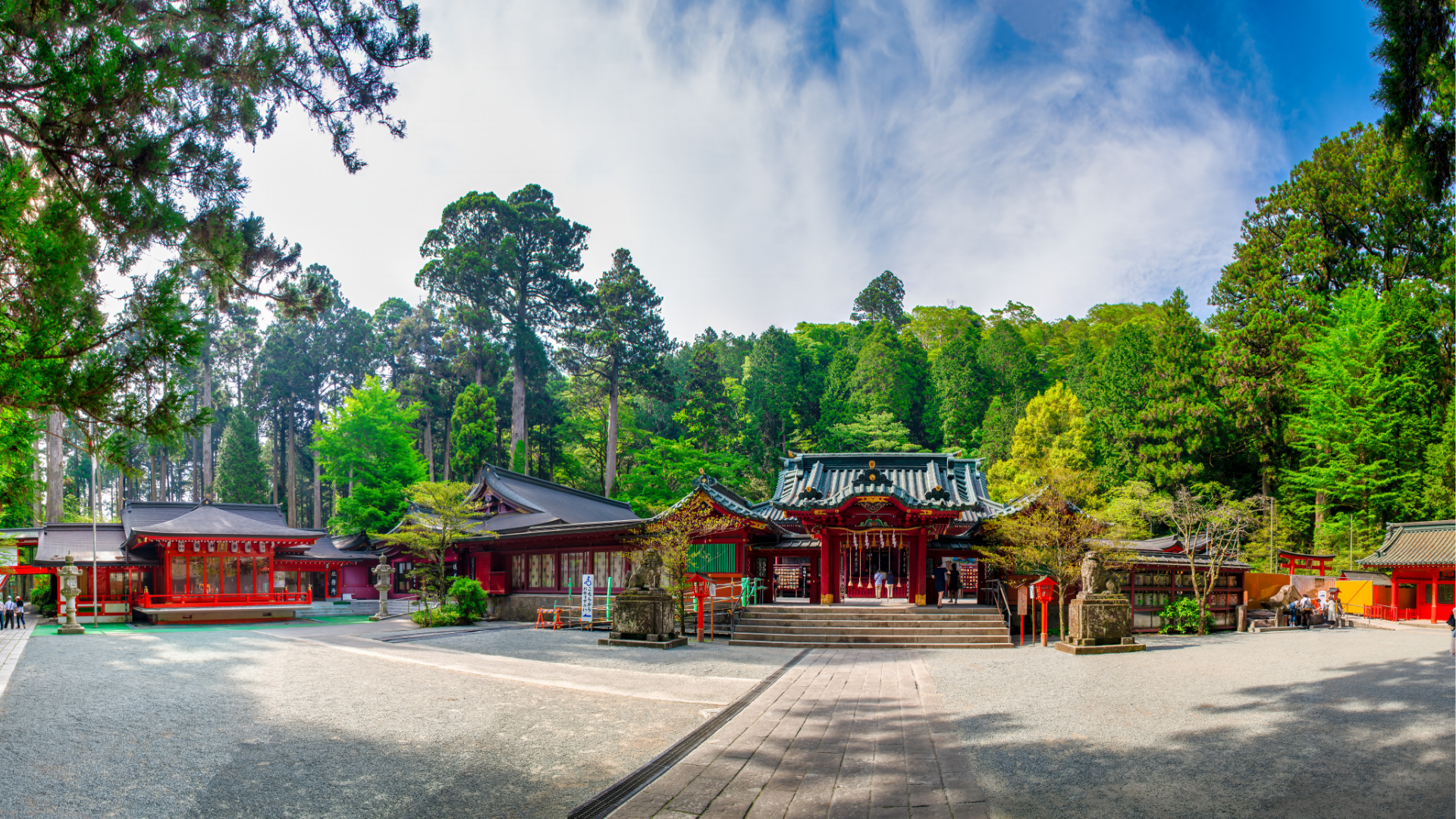
Hakone Shrine (Hakone Jinja) is one of the most revered Shinto shrines in the Kanto region, with a history spanning over 1,200 years. The shrine complex is set within an ancient cedar forest along the southeastern shore of Lake Ashi, creating an atmosphere of profound tranquility. The main hall, treasure house, and surrounding gardens are all worth exploring.
However, the most famous feature is the Heiwa no Torii — a vermillion torii gate that appears to float on the surface of Lake Ashi. This gate has become one of the most recognizable images of Hakone and is an essential photo opportunity. Early mornings (before 8:00 AM) are the best time to visit without long queues for photos. The shrine grounds are free to enter and are accessible from both Moto-Hakone bus stop and the pirate ship port.
Seasonal Highlights at Lake Ashi
Spring (March – May)
Cherry blossoms arrive at Lake Ashi slightly later than in Tokyo — typically in mid to late April — due to the higher elevation. The lakeside paths around Moto-Hakone and Onshi Park are lined with cherry trees that frame the water beautifully. Spring also brings improved visibility for Mount Fuji views as the winter haze begins to clear.
Summer (June – August)
Summer at Lake Ashi is notably cooler than the Tokyo lowlands, making it a popular escape from the city heat. Temperatures around the lake hover between 20–25°C even in August. The lush green forests surrounding the caldera are at their most vibrant. However, summer also brings the most cloud cover, reducing chances of seeing Mount Fuji clearly.
Autumn (September – November)
Autumn foliage season is arguably the most spectacular time to visit Lake Ashi. The mountains surrounding the caldera turn vivid shades of red, orange, and gold from late October through mid-November. The contrast of autumn colors reflected in the lake's surface is a must-see. This is peak season, so expect larger crowds, especially on weekends.
Winter (December – February)
Winter offers the clearest and most reliable views of Mount Fuji from Lake Ashi, as cold, dry air reduces haze and cloud cover. Visitor numbers drop significantly, allowing for a more peaceful experience. The pirate ships continue to operate year-round, and the surrounding onsen towns are at their most inviting during the colder months.
Things to Do Around Lake Ashi
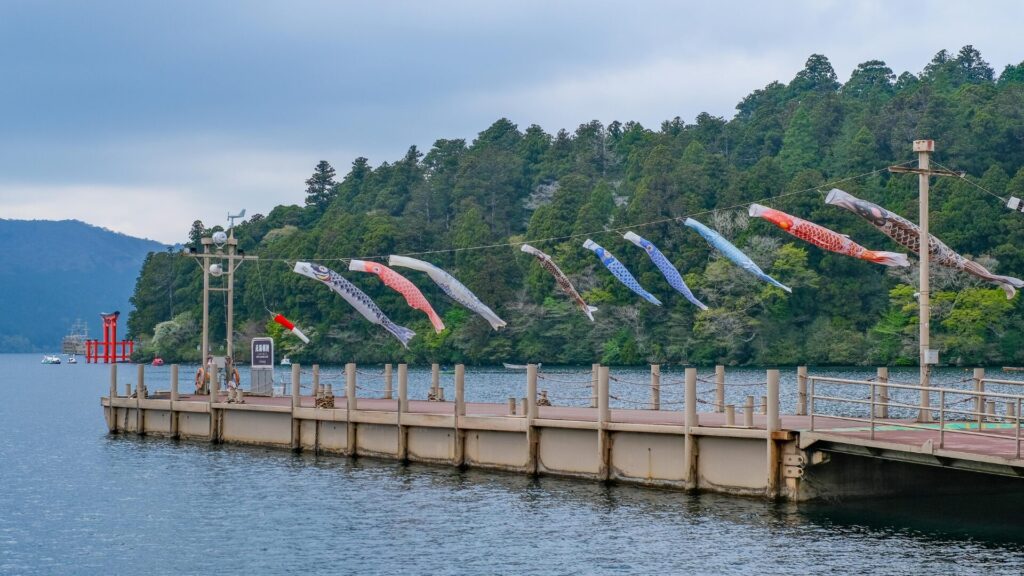
- Onshi Hakone Park: A beautifully maintained garden on the site of the former Hakone Imperial Villa, offering lawns, walking paths, and panoramic lake views — all free of charge.
- Hakone Sekisho (Checkpoint): A reconstructed Edo-period checkpoint that once controlled travel along the Tokaido highway. The adjoining museum explains its historical significance with English exhibits.
- Old Tokaido Road (Cedar Avenue): A preserved section of the ancient highway connecting Tokyo (Edo) and Kyoto, lined with towering 350-year-old cedar trees. The atmospheric path runs between Moto-Hakone and Hakone-machi.
- Narukawa Art Museum: Specializing in modern Japanese painting, the museum is worth visiting as much for its panoramic terrace overlooking the lake as for its art collection.
- Kayaking and swan boats: Several rental shops near Moto-Hakone and Togendai offer kayaks, rowboats, and pedal-powered swan boats for those who want to explore the lake at a slower pace.
Combining Lake Ashi with Other Hakone Attractions
Lake Ashi forms part of the famous Hakone Loop — a circular sightseeing route that allows visitors to experience multiple attractions using different modes of transport. A typical loop starts at Hakone-Yumoto, ascends via the Hakone Tozan Railway to Gora, continues by cable car to Sounzan, crosses the Owakudani volcanic valley by ropeway, descends to Togendai Port, and then takes the pirate ship across Lake Ashi to Hakone-machi or Moto-Hakone before returning by bus to Hakone-Yumoto.
This loop can be completed in a single day but is best enjoyed over two days to allow time for onsen bathing, museum visits, and unhurried walks along the lakefront. For travelers who want to explore at their own pace, driving the Hakone mountain roads offers the flexibility to stop at viewpoints and lesser-known spots that public transport cannot easily reach.
-
-
Owakudani Hakone: Complete Guide to the Volcanic Valley, Black Eggs & Stunning Views in 2026
続きを見る
Where to Stay Near Lake Ashi
Accommodation options around Lake Ashi range from luxury ryokan (traditional Japanese inns) to modern resort hotels. The area around Moto-Hakone and Hakone-machi offers properties with direct lake views, while the nearby Ashinoyu onsen district has several hot spring hotels within walking distance of the shore.
For a more immersive experience, consider staying in a ryokan with a private open-air bath (rotenburo) overlooking the lake or the surrounding forest. Rates for lakeside ryokan typically range from ¥20,000 to ¥60,000 per person per night, including dinner and breakfast — both usually featuring seasonal Hakone cuisine.
Practical Tips for Visiting Lake Ashi in 2026
- Best time for Fuji views: Early morning, especially between November and February. Check webcam feeds before departing.
- Pirate ship schedule: First departure is usually around 9:30 AM from each port. Ships run every 30–40 minutes. Check the Hakone Sightseeing Cruise website for the latest 2026 timetable.
- Cashless payments: IC cards (Suica, Pasmo) are accepted on most Hakone transport and at many lakeside shops and restaurants.
- Accessibility: The pirate ships and most lakeside walking paths are wheelchair accessible. The Hakone Shrine torii gate area involves steps.
- Crowds: Weekday visits are significantly quieter than weekends. Golden Week (late April–early May) and autumn foliage weekends are the busiest periods.
- Weather gear: Mountain weather can change rapidly. Carry a light rain jacket even on clear days, especially in summer.
Lake Ashi Dining and Local Specialties
The towns of Moto-Hakone and Hakone-machi offer numerous restaurants and cafes with lake views. Local specialties include Hakone smoked fish, handmade soba noodles prepared with mountain spring water, and the famous Owakudani black eggs — hard-boiled eggs cooked in volcanic hot springs that turn the shell jet black. Legend says each black egg adds seven years to your life.
Several bakeries and cafes near the lakefront serve seasonal treats, including sweet potato desserts in autumn and matcha soft serve year-round. For a sit-down meal with a view, restaurants along the Moto-Hakone waterfront offer set menus featuring local trout and seasonal vegetables, typically priced between ¥1,500 and ¥3,500.
Experience Japan’s Finest JDM Adventures
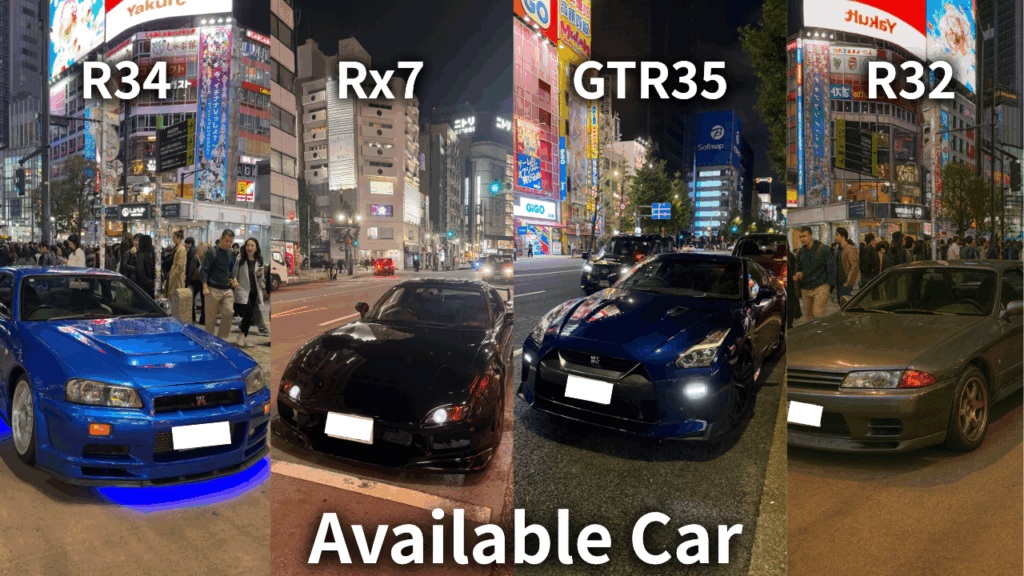
From Daikoku PA tours to JDM sports car rentals and drift experiences, we offer premium driving adventures for visitors who want more than ordinary sightseeing.
Get behind the wheel of iconic machines such as the GT-R, RX-7, and Supra, and experience Japan’s legendary car culture in the most unforgettable way. Whether you want a scenic Tokyo car experience or something more thrilling and immersive, we can guide you to the right plan.
Not sure which experience suits you best? No problem. Message us on WhatsApp and we’ll help you choose the ideal option based on your travel plans, interests, and driving experience.
Popular dates sell out quickly, so we recommend contacting us early.
Customer Reviews
Important Information
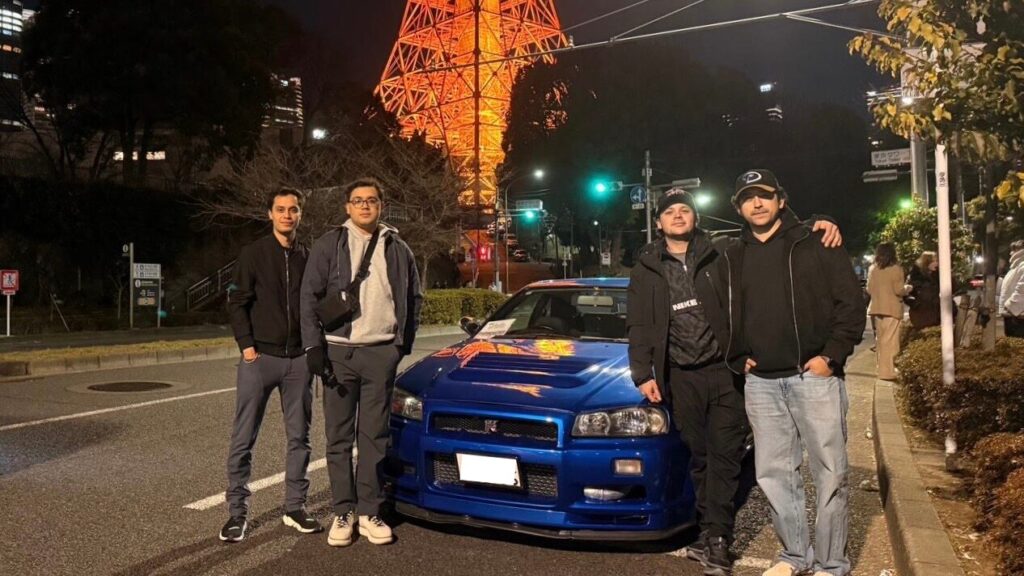
- This is a drive tour where you drive your rental car, and our guide navigates from the seat.
- This is a self-drive tour where you drive your rental car, and our guide navigates from the passenger seat.
- The tour begins and ends at the same location (Shibuya).
- If the Daikoku Parking Area is closed, we will instead guide you to another car meet further away.
- The consultant is a cultural expert and navigator, not a taxi service.
