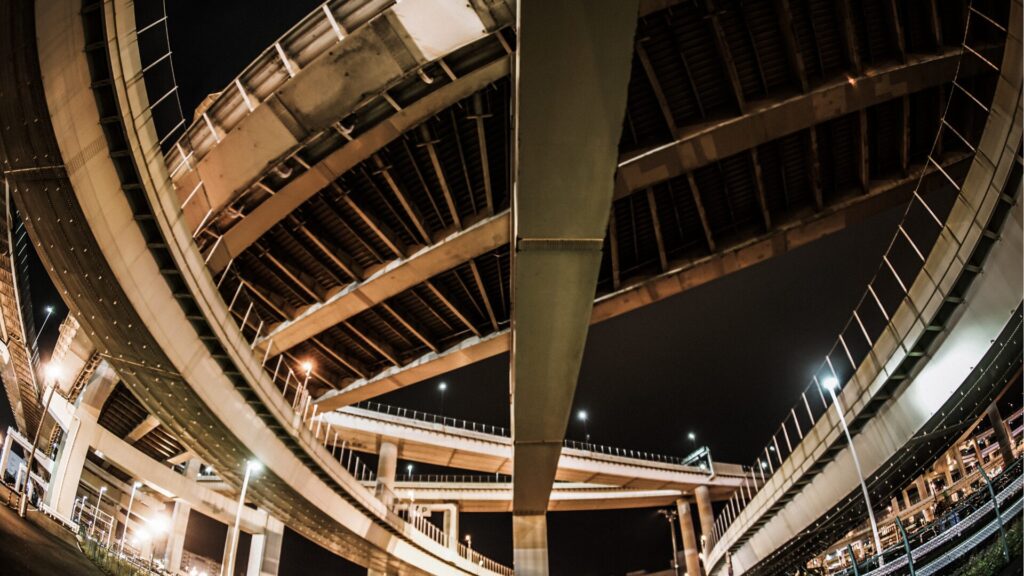
Daikoku Parking Area—often written as Daikoku PA or Daikokufutō—is the most famous place in Japan to spot tuned cars gathering organically. It’s a real expressway parking/service area in Yokohama, not a ticketed tourist attraction and not an officially organized event. That “unofficial” nature is exactly why Daikoku feels special: the lineup is never the same twice, and the culture is authentic.
At the same time, Daikoku is one of the easiest places for first-time visitors to misunderstand. It’s located inside the Shuto Expressway network and cannot be accessed from ordinary roads or on foot, which is why so many travelers waste time (or end up stranded) trying to visit without a solid plan.
This guide covers what Daikoku Parking Area is, why it matters in JDM culture, how to visit legally, the best times to go, the rules and etiquette that keep the scene alive—and why a guided JDM tour is the most reliable way to experience it.
-

-
Daikoku Car Meet (Daikoku PA) Guide: How to Visit Japan’s Most Famous JDM Meet
Daikoku Parking Area (Daikoku PA) is the most iconic place in the Tokyo–Yokohama region to see Japanese performance cars, tuned builds, and rare classics gathering in one spot. If you’re searching for the Daikoku car meet, this guide explains what it is, what to expect, how to visit responsibly, and why a guided JDM tour is the most reliable way to experience it—especially if you don’t have your own car. What is Daikoku PA? Daikoku PA is a highway parking area on the Shuto Expressway network in Yokohama (Kanagawa), near Tokyo. Unlike a typical roadside rest area, Daikoku PA has ...
続きを見る
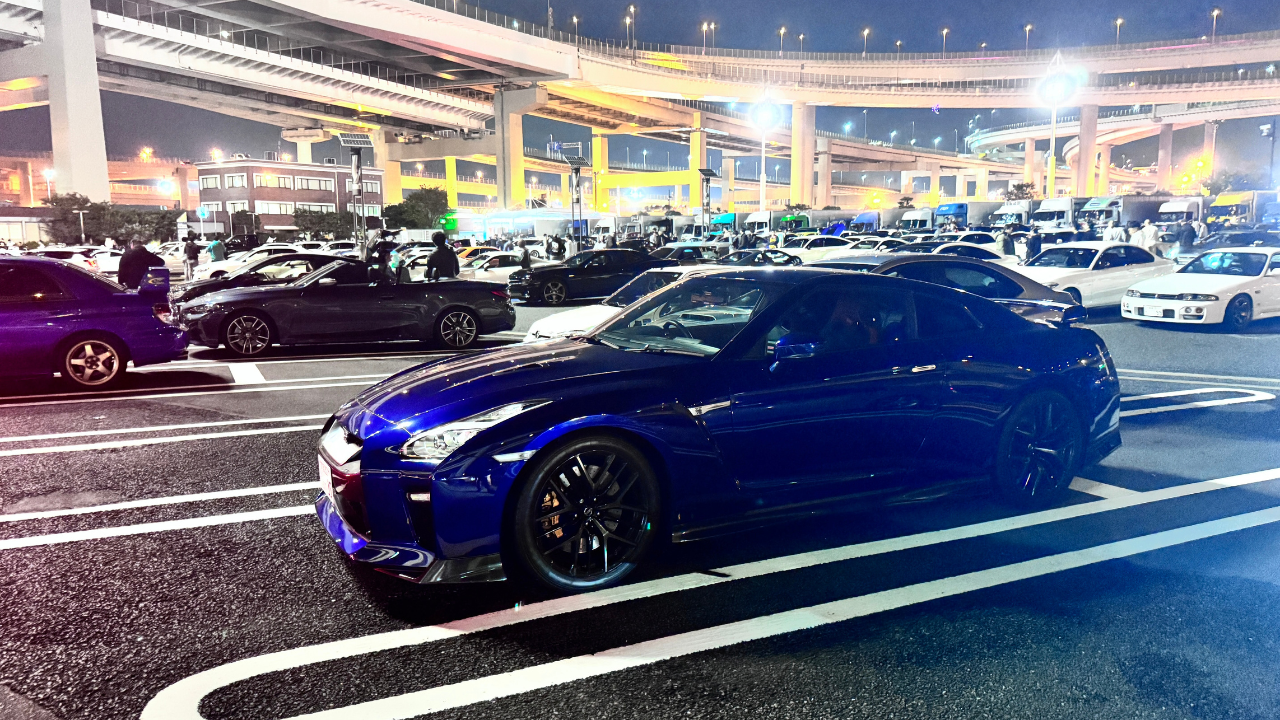
What is Daikoku Parking Area?
Daikoku Parking Area (大黒パーキングエリア) is a major rest stop on the Shuto Expressway in Yokohama, Kanagawa. In normal daytime use, it’s a place for expressway drivers to rest: bathrooms, vending machines, and food options—typical service-area functions.
What makes Daikoku unique is its position inside a large junction structure near the bay. Because cars can approach from multiple expressway directions, it became a natural meeting point long before it became famous overseas. Over time, enthusiasts began using Daikoku PA as a place to gather, share builds, and talk cars.
Two key truths to remember:
- Daikoku PA is a functioning expressway facility (not designed for tourism).
- The “car meet” is informal and not guaranteed (no schedule, no organizer, conditions change).
Why Daikoku Parking Area is the world’s most famous JDM spotting location
If you’ve seen Daikoku videos online, you already know the vibe: neon reflections, the hum of expressway traffic above, and a parking area full of machines you rarely see anywhere else.
Daikoku’s reputation comes from a rare mix of factors:
- Location: It sits on the Tokyo–Yokohama bay-side expressway network, drawing cars from multiple regions.
- Capacity and layout: It’s large and well-lit compared to many smaller parking areas.
- Culture: The Tokyo/Yokohama scene includes everything—classic JDM, VIP, drift builds, modern performance, and occasional supercars.
- No “one-type” crowd: One night might be Skylines and Silvias; another might lean luxury, exotics, or time-attack builds.
For many visitors, Daikoku Parking Area becomes the most memorable “car culture” experience in Japan—when it’s approached responsibly.
Can you visit Daikoku PA without a car?
Most travel guides fail here, so let’s be direct:
- Pedestrians are not allowed to enter or exit Daikoku Parking Area.
- You cannot access Daikoku PA from ordinary roads.
- There is no taxi stand or bus stop inside Daikoku PA.
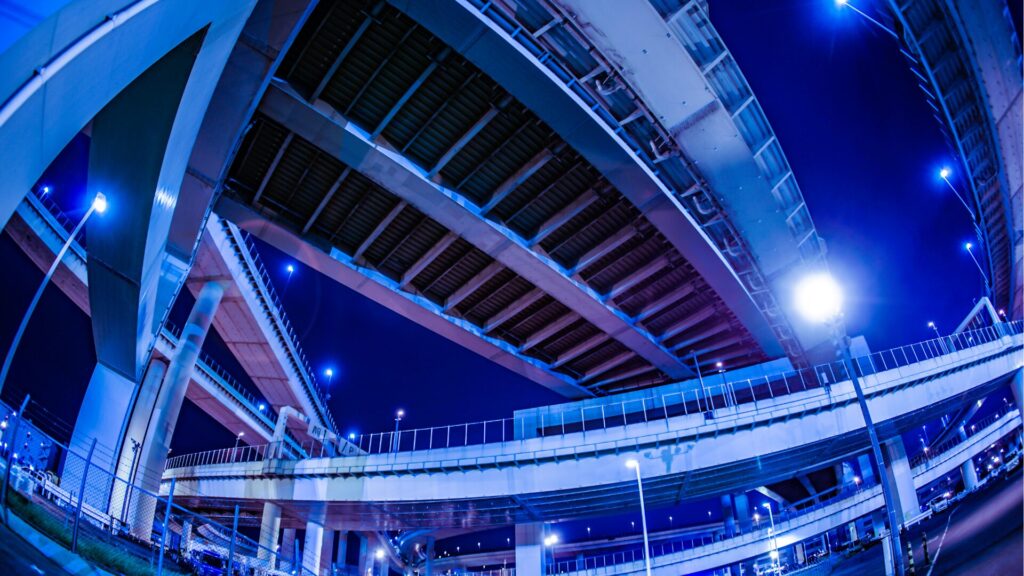
This is not a “hidden trick” situation. It’s a controlled-access expressway facility surrounded by barriers and fencing. Even if your map app shows Daikoku Pier streets nearby, that does not mean you can walk into Daikoku Parking Area.
So what are your realistic, legal options?
The practical options (ranked by reliability)
- Join a guided JDM tour (best for travelers who want a high chance of success)
- Rent a car and drive (flexible, but requires confidence on Japanese expressways)
- Take a taxi only if you have a confirmed return plan (high risk for getting stuck)
If your goal is to enjoy Daikoku without stress, a tour is typically the best choice—especially if you’re in Japan for a limited time.
-

-
How to Get to Daikoku PA Without a Car (Legal Options, Taxi Costs, and Tours)
Daikoku Parking Area (Daikoku PA) is Japan’s most famous informal car meet—but it’s also one of the hardest spots for travelers to reach without a vehicle. The reason is simple: Daikoku PA sits on the Shuto Expressway and is designed for cars only. There’s no train station, no public bus stop inside the PA, and pedestrians are not allowed. This guide explains exactly how to get to Daikoku PA without driving yourself, the legal options that actually work, typical taxi pricing and pitfalls, what to do when the police close the lot, and the best “Plan B” places for JDM ...
続きを見る

How to get to Daikoku Parking Area from Tokyo
Daikoku Parking Area is in Yokohama, but it’s closely tied to the Tokyo bay-side expressway network. From central Tokyo, the only correct way to reach it is by using the Shuto Expressway.
Here’s what matters for planning:
- Your navigation must route you onto expressway lines that connect to the Daikoku Junction area.
- Official routing references commonly point to access via the Bay Shore Route (B) and Route 5 Daikoku Line (K5).
- Surface-street “nearby” pins often lead to areas where entry is impossible.
Tips that prevent the most common mistakes
- Search by name carefully: “Daikoku Parking Area” / “Daikoku PA” and the Japanese name 「大黒PA」 can help.
- Do not follow a route that ends on ordinary roads near Daikoku Pier.
- Expect tolls: Daikoku is inside a tolled expressway network.
- Leave buffer time: One missed interchange can add significant detours.
If you want the simplest route experience, a guided tour removes the navigation burden and reduces the risk of wasting your night on wrong turns.
-

-
How to Get to Daikoku PA from Tokyo (2026 Complete Access Guide)
Daikoku Parking Area (often called Daikoku PA or Daikokufuto) is the most iconic JDM car meet spot in Greater Tokyo. This guide explains every practical way to reach it from central Tokyo—legally, safely, and efficiently—plus pro tips to avoid closures and common mistakes. Planning a hassle-free visit with guaranteed transport? Our licensed JDM tour to Daikoku PA handles routing, tolls, parking, and police checks so you can focus on the scene. What is Daikoku PA? Daikoku PA is a large service/parking area on the Shuto (Metropolitan) Expressway network in Yokohama Bay. On many evenings—especially weekends—it becomes a magnet for JDM ...
続きを見る
Best time to visit Daikoku Parking Area
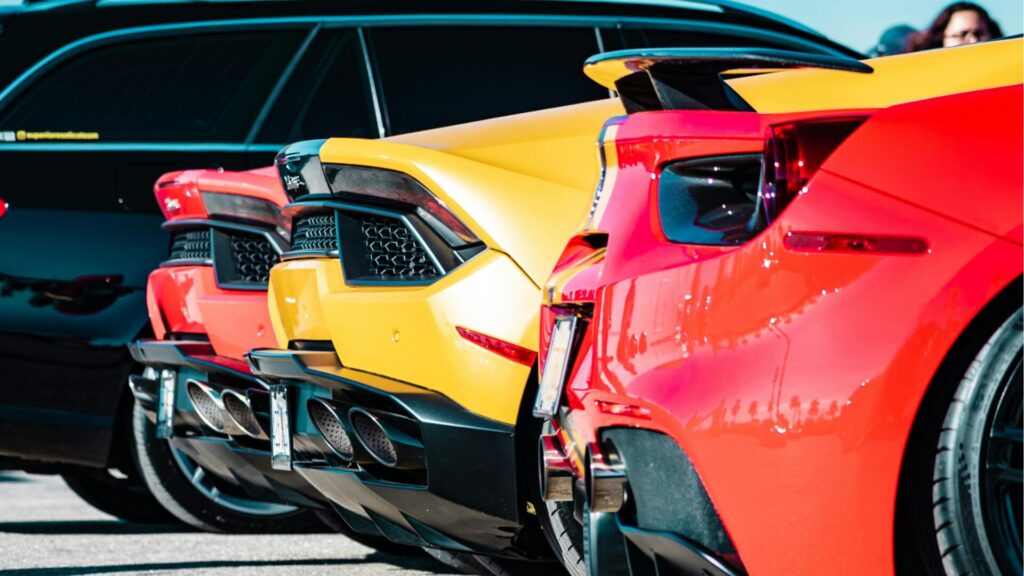
Because the Daikoku car meet is informal, there is no official “start time.” However, patterns do exist.
When Daikoku is typically busiest
- Friday nights and Saturday nights are often the strongest.
- Clear, dry weather usually brings more cars.
- Nights after automotive events can be especially active.
How long you should plan to stay
Daikoku PA is a rest area, not a place to camp out for hours. For most visitors, 60–90 minutes is a good target: enough time to walk around, see a rotating lineup, and take photos without lingering too long.
Seasonal considerations
- Winter: It can feel colder than you expect near the bay—dress for wind.
- Summer: Hot, humid evenings are common—hydration matters.
- Rain: The meet can shrink dramatically in poor weather.
If Daikoku is the highlight of your trip, plan with flexibility: choose a night with good odds, and keep a backup option ready.
What you’ll see at Daikoku Parking Area
Daikoku is famous because it’s not “one genre.” You can see multiple layers of Japanese car culture in a single stop.
Common categories you’ll spot
- Classic JDM icons: performance legends and period-correct builds
- Drift-oriented builds: functional aero, wide wheels, aggressive alignment
- VIP / stance culture: luxury sedans with refined (or extreme) fitment
- Modern performance: newer Japanese and European performance cars
- Occasional exotics: supercars sometimes appear, especially on busy nights
How to enjoy the scene respectfully
Think of Daikoku PA like visiting a local meet in someone else’s city. Most drivers are happy to talk cars, but nobody is there to be treated like a theme-park attraction.
- Don’t touch cars.
- Don’t crowd owners.
- Ask before close-up photos of people or identifiable plates.
- If someone declines, move on immediately.
Facilities at Daikoku PA

Daikoku Parking Area is still a working expressway stop. While the exact offerings can vary over time, you can generally expect service-area basics such as:
- Restrooms
- Vending machines
- Food and drink options
- Seating areas for a short break
Practical tip: if you’re visiting at night, bring what makes you comfortable—water, a light jacket, and shoes you can walk in. Daikoku is best experienced on foot inside the parking area, moving carefully and staying aware of cars coming and going.
Daikoku Parking Area rules and etiquette
If you want Daikoku to remain visitable, etiquette is not optional. The fastest way to trigger restrictions is noise, reckless behavior, or crowding that makes the facility unsafe.
Do this
- Park only where permitted and keep lanes clear.
- Stay aware of moving vehicles at all times.
- Keep voices and music low—especially late.
- Dispose of trash properly.
- Follow any instructions from staff or police.
Avoid this
- Revving, burnouts, racing, or aggressive driving
- Blocking entrances/exits or clustering in driving lanes
- Trespassing into fenced or restricted areas
- Harassing owners for photos or “start it up” requests
If you’re driving in Japan, also remember: Japanese enforcement can be strict, and heavily modified vehicles may be checked in certain circumstances. Visitors should focus on safe, legal driving and respectful behavior.
※内部リンク(224)
What to do if Daikoku PA is closed or restricted
Closures and restrictions do happen. Sometimes entry is limited, sometimes the parking area is cleared, and sometimes access becomes difficult due to congestion.
The right response is simple:
- Don’t argue.
- Don’t loiter.
- Switch to a backup stop and try again another night.
Having a “Plan B” is part of visiting Daikoku like a local—because conditions can change fast.
Popular backup stop: Tatsumi Parking Area
Tatsumi is a well-known alternative for car spotting, especially when Daikoku is not feasible.
-
-
Tatsumi Parking Area Car Meet Guide (2025): The Insider Playbook for Tokyo’s Wangan Nights
What Is Tatsumi Parking Area (Tatsumi PA)? Tatsumi PA is a compact expressway rest stop inside Tatsumi Junction on Tokyo’s Shuto Expressway, famous for late‑night meetups, skyline views, and quick photo stops during Wangan cruises. There are two sides—Tatsumi No.1 and Tatsumi No.2—each serving different traffic flows within the junction. Expect small lots, restrooms, vending machines, and a steady rotation of interesting metal rather than a guaranteed festival. Tatsumi PA at a Glance: Layout, No.1 vs No.2, and Facilities No.1 (Dai‑Ichi): The side you see most on social posts; tiny lot, great sightlines under stacked flyovers. No.2 (Dai‑Ni): Similar facilities ...
続きを見る
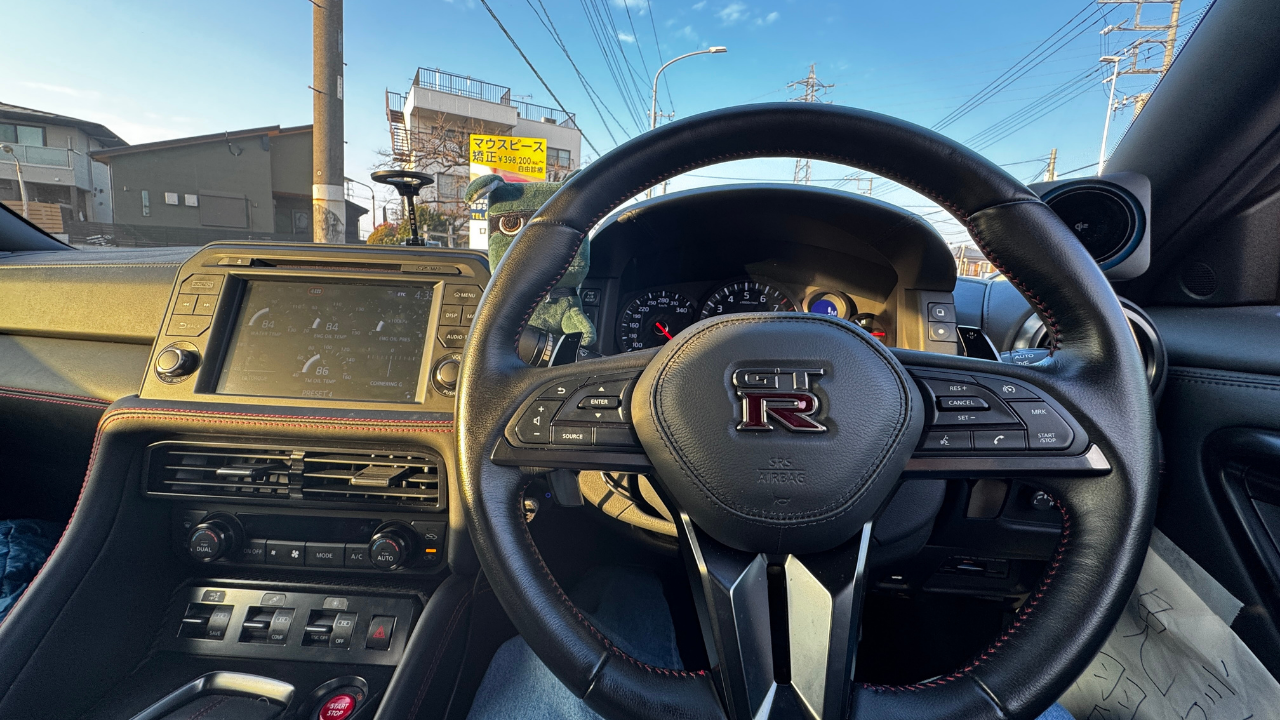
Daikoku Parking Area FAQ
Is Daikoku Parking Area free?
Daikoku PA itself functions as an expressway parking area rather than a paid tourist lot, but you must use the tolled expressway network to reach it, so expect toll costs (plus rental costs if you drive).
Is it safe for tourists?
Most visitors have a smooth experience when they plan correctly and follow etiquette. The main risks come from poor logistics (getting stranded), ignoring rules, or assuming it’s an official event where anything goes.
Can I go by taxi?
A taxi can arrive via the expressway, but leaving is the problem because there is no standard taxi stand inside the parking area. Only consider a taxi if you have a realistic, confirmed return plan.
Can I visit as a non-driver?
Yes—by joining a guided tour. For many travelers, that’s the best solution because it provides legal access and removes the “how do I get back?” issue.
Can I bring a family?
Yes, but choose your timing. Late nights can be loud and crowded. Keep children close and stay vigilant around moving vehicles.
Do I need Japanese to enjoy it?
Not necessarily, but a bilingual guide makes the experience smoother if you want to understand builds, talk with enthusiasts, and avoid misunderstandings.
Experience Daikoku Parking Area the easy way: join our JDM tour
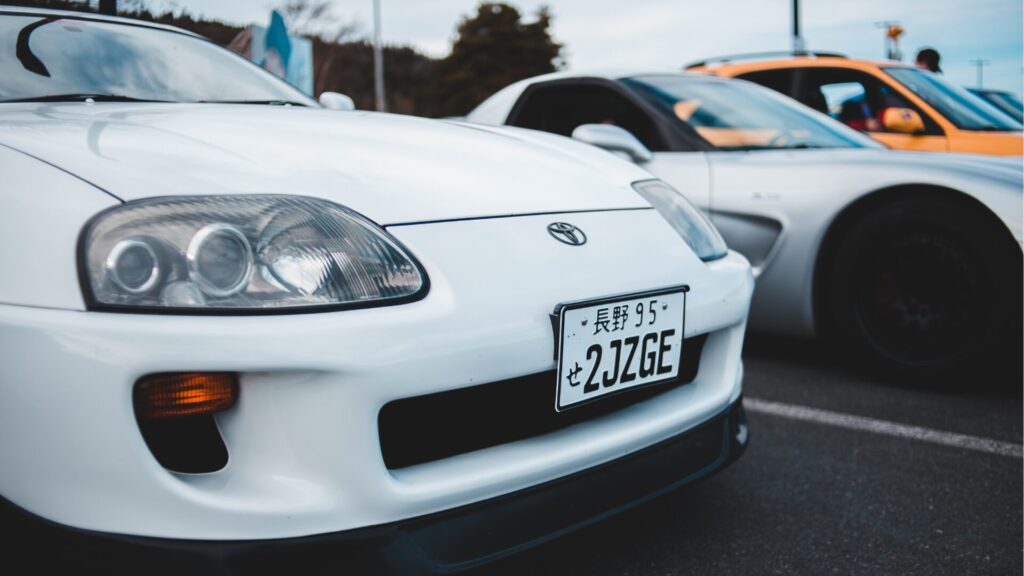
If Daikoku Parking Area is on your Japan bucket list, the biggest challenge isn’t finding it on a map—it’s visiting legally and efficiently.
Our Daikoku PA-focused JDM tour is designed for travelers who want a high-probability, low-stress experience:
- Hotel pickup (so you don’t have to solve logistics late at night)
- Legal access by vehicle through the expressway network
- A guide who explains what you’re seeing (models, eras, styles, and why they matter)
- Etiquette briefing to help you enjoy the scene respectfully
- Backup stops if Daikoku becomes restricted
If you want to see the real JDM culture around Tokyo and Yokohama—without risking a wasted night—this is the most reliable option.
If you’re going to Daikoku PA, leave it to us
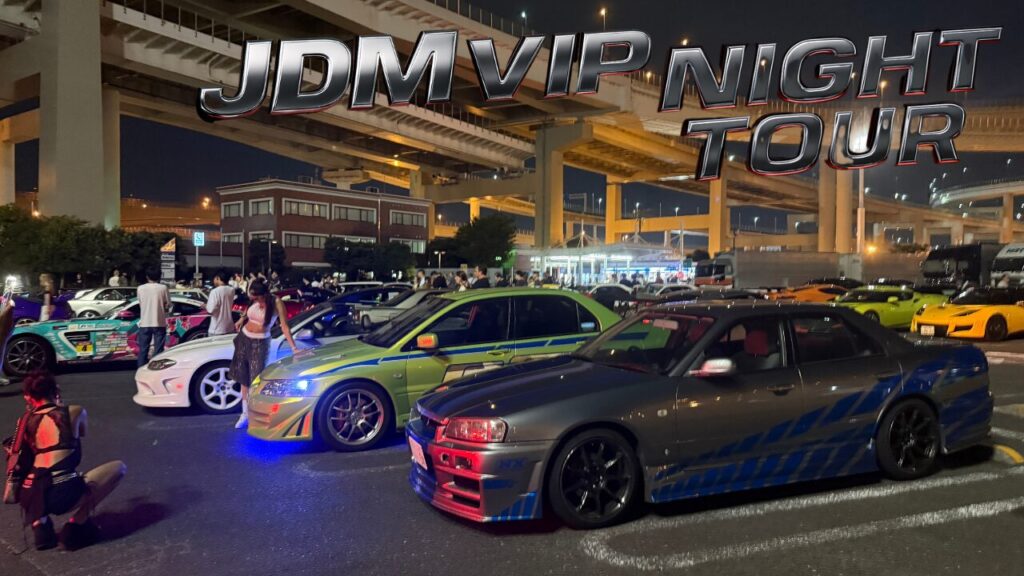
Experience an unforgettable JDM tour — ride in a legendary Japanese sports car and drive from Tokyo to Daikoku Parking Area, cruising Tokyo’s iconic roads along the way. Choose from favorites like the GT-R (R35 / R34 / R32), RX-7, Supra, and more.
We offer one of the highest-quality JDM driving experiences in the industry, at a fair and reasonable price.
Want to know more details or check availability?
Message us on WhatsApp for quick replies and easy booking.
Spots often sell out, so we recommend booking early.
Duration: about 3 hours
Meeting Point: Shibuya Station
Language: Beginner-level English & Japanese
Customer Reviews
Daikoku PA Video: What It’s Really Like
Important Information
- This is a drive tour where you drive your rental car, and our guide navigates from the seat.
- This is a self-drive tour where you drive your rental car, and our guide navigates from the passenger seat.
- The tour begins and ends at the same location (Shibuya).
- If the Daikoku Parking Area is closed, we will instead guide you to another car meet further away.
- The consultant is a cultural expert and navigator, not a taxi service.
