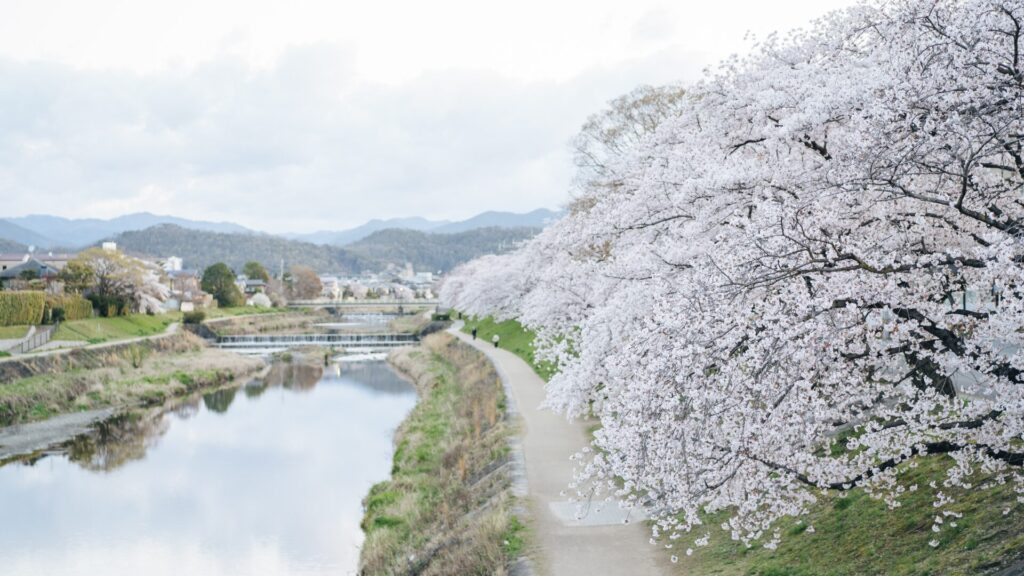
Why Hakone Is One of Japan's Most Rewarding Day Trips
Nestled in the volcanic mountains of Kanagawa Prefecture, Hakone has been captivating travelers for centuries with its extraordinary blend of natural beauty, cultural depth, and world-class hot springs. Located just 80–90 minutes from central Tokyo, this mountainous resort area packs an astonishing density of attractions into a compact region — from steaming volcanic valleys and serene lakeside shrines to internationally acclaimed art museums and centuries-old onsen inns.
Whether you are planning a day trip or a multi-day stay in 2026, this comprehensive guide covers every must-visit Hakone attraction, organized to help you build the perfect itinerary.
-

-
Hakone: The Ultimate Travel Guide for 2026 — Hot Springs, Mt. Fuji Views & Scenic Drives
Why Hakone Should Be on Every Japan Traveler's List Hakone is one of the most beloved destinations n ...
続きを見る
Owakudani — Hakone's Volcanic Heart
No list of Hakone attractions is complete without Owakudani, the dramatic volcanic valley created roughly 3,000 years ago when Mount Hakone last erupted. Sulfurous steam rises from dozens of vents across the barren, lunar-like landscape, and the smell of volcanic gases hangs in the air. Visitors can walk along the designated trails to view the active hot spring sources up close.
The signature experience here is eating kuro-tamago — black eggs boiled in the sulfuric hot springs. Legend says that each black egg adds seven years to your life. Beyond the snack, the real draw is the panoramic view of Mount Fuji that unfolds on clear days, creating one of Hakone's most iconic photo opportunities.
-
-
Owakudani Hakone: Complete Guide to the Volcanic Valley, Black Eggs & Stunning Views in 2026
What Is Owakudani in Hakone? Owakudani — literally translated as "Great Boiling Valley" — is one of ...
続きを見る
Lake Ashi (Ashinoko) — Scenic Cruises and Lakeside Walks
Lake Ashi, a crater lake formed by the same ancient eruption that created Owakudani, is the centerpiece of Hakone's landscape. Framed by forested mountains and the distant cone of Mount Fuji, the lake is one of the most photographed locations in Japan. The famous torii gate of Hakone Shrine, standing partially submerged at the water's edge, has become an internationally recognized symbol of the region.
Hakone Sightseeing Cruise
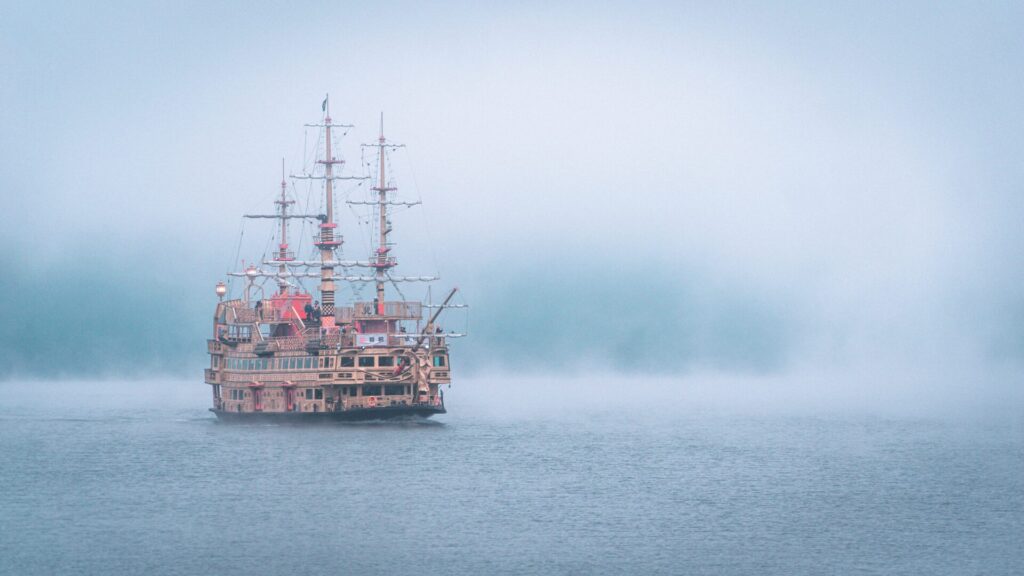
The Hakone Sightseeing Cruise operates pirate-ship-styled vessels that cross the lake between Togendai, Hakone-machi, and Moto-Hakone. The 30-minute cruise offers constantly shifting views of the surrounding mountains and is included in the Hakone Free Pass, making it one of the best-value attractions in the area. Early-morning crossings tend to offer the clearest views of Mount Fuji.
-
-
Lake Ashi Hakone: Complete Guide to Sightseeing, Cruises & Views in 2026
What Is Lake Ashi in Hakone? Lake Ashi — known as Ashinoko (芦ノ湖) in Japanese — is a scenic crater la ...
続きを見る
The Hakone Open-Air Museum
Opened in 1969 as Japan's first open-air museum, the Hakone Open-Air Museum (Chokoku no Mori) remains one of the country's most compelling art attractions. Set across rolling, landscaped grounds with mountain views in every direction, it displays over 120 sculptures by masters including Henry Moore, Auguste Rodin, and Taro Okamoto.
The Picasso Pavilion alone houses more than 300 works spanning the artist's career, from ceramics and prints to paintings and tapestries. There is also a stained-glass tower you can climb for panoramic views, a natural hot-spring foot bath for tired visitors, and rotating indoor galleries that keep the experience fresh on repeat visits. For families, the interactive play sculptures make this an attraction where children are genuinely engaged.
Hakone Shrine (Hakone Jinja)
Hidden among towering cedars on the shore of Lake Ashi, Hakone Shrine is one of the most atmospheric Shinto shrines in the Kanto region. Founded in 757 AD, it has been a place of worship for samurai, shoguns, and commoners alike for over 1,200 years. The approach through the ancient forest — mossy stone steps beneath a canopy so dense that daylight barely penetrates — is profoundly serene.
The shrine's vermillion torii gate standing in the lake is one of the most sought-after photo spots in Hakone. Arrive early in the morning to avoid crowds and for the best chance of mist hovering romance over the water. Adjacent to the main shrine, you will find Kuzuryu Shrine, dedicated to the nine-headed dragon deity of the lake, which is a popular spot for prayers related to and fortune.
Hakone Ropeway – Enjoy breathtaking views of the volcanic region from above.
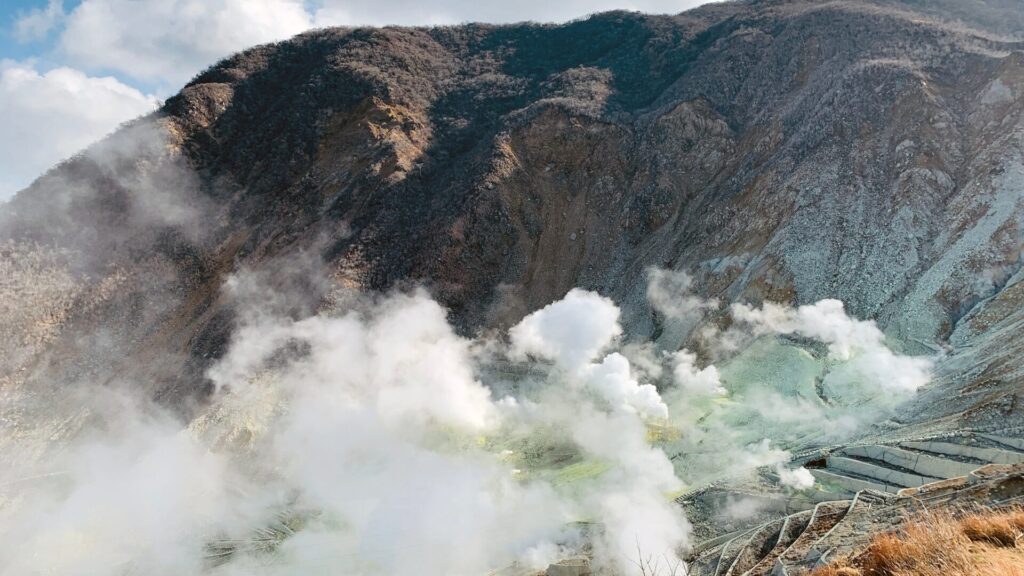
The Hakone Ropeway connects Sounzan Station to Togendai on Lake Ashi, passing directly over the Owakudani volcanic valley. The 25-minute aerial journey is one of the most spectacular cable-car rides in Japan. On clear days, Mount Fuji dominates the western horizon, while below you, steam billows from volcanic vents across a surreal, treeless landscape.
The ropeway operates year-round (weather permitting) and is covered by the Hakone Free Pass. Note that it may temporarily close during periods of elevated volcanic activity or high winds. Gondolas depart every minute, so wait times are usually minimal even during peak season.
Hakone Art Museum and Pola Museum of Art
Hakone Art Museum
The Hakone Art Museum, established in 1952, is the oldest museum in the Hakone area. It houses a distinguished collection of Japanese ceramics spanning from the Jomon period to the Edo era. However, many visitors come primarily for the exquisite moss garden — a carpet of over 130 varieties of moss beneath a canopy of maples. During autumn, the garden becomes arguably the single most beautiful spot in Hakone, with vivid red foliage reflected in the mossy ground below.
Pola Museum of Art
Tucked into the forest near Gora, the Pola Museum of Art is a striking modernist glass structure that houses an outstanding collection of Impressionist and Post-Impressionist works. Paintings by Monet, Renoir, Cézanne, and Van Gogh are displayed alongside Japanese Western-style paintings and Art Deco glassware. The building itself — designed to blend into the natural surroundings — features a forest promenade that is an attraction in its own right.
Hakone Onsen — Soaking in Centuries of Tradition
Hakone's hot springs have been drawing visitors since at least the Nara period (8th century). The area contains 17 distinct onsen zones, each with different mineral compositions and therapeutic properties. From the bustling ryokan district of Hakone Yumoto to the secluded baths of Sengokuhara, there is an onsen experience for every preference.
For day visitors, many ryokan and dedicated onsen facilities offer higaeri (day-use) bathing. Tenzan Tohji-kyo and Hakone Yuryo are two of the most popular day-visit facilities, offering multiple indoor and outdoor baths in lush natural settings. Those staying overnight should consider a traditional ryokan with private rotenburo (open-air baths) overlooking the mountains — it is the quintessential Hakone experience.
-
-
Hakone Japan Onsen Guide: Best Hot Springs, Etiquette & Where to Soak in 2026
Why Hakone Is Japan's Premier Onsen Destination Nestled in the mountainous terrain of Kanagawa Prefe ...
続きを見る
Hakone Checkpoint (Hakone Sekisho)
During the Edo period (1603–1868), the Tokugawa shogunate established checkpoints along major highways to control the movement of weapons and people. The Hakone Sekisho, located on the old Tokaido Highway near Lake Ashi, was one of the most important. The checkpoint has been meticulously reconstructed using original architectural techniques, and the adjacent museum displays authentic Edo-period documents, weapons, and travel permits.
Walking the preserved section of the old Tokaido Highway — a stone-paved path shaded by centuries-old cedar trees — is one of the most evocative historical experiences in Hakone. The path connects the checkpoint to Moto-Hakone and offers a tangible connection to the travelers who walked this route hundreds of years ago.
Gora and the Hakone Tozan Railway
The Hakone Tozan Railway is the oldest mountain railway in Japan, switchbacking up steep grades through dense forest from Hakone Yumoto to Gora. During the hydrangea season (mid-June to mid-July), the tracks are lined with blooming flowers, and the railway operates special slow-speed "hydrangea trains" at night with dramatic illumination. Even outside this season, the journey itself is a highlight — the train navigates tight switchbacks, crosses iron bridges, and passes through tunnels carved from solid rock.
Gora, the terminus, serves as a hub for accessing the Hakone Ropeway and the cable car to Sounzan. The neighborhood itself has a relaxed atmosphere with boutique shops, cafes, and the Gora Park, a French-style garden originally built in 1914 that houses a tropical greenhouse and a tea ceremony pavilion.
Sengokuhara — Pampas Grass and Hidden Trails
The Sengokuhara plateau, on the northern side of Hakone's caldera, is famous for its vast fields of susuki (pampas grass). In autumn — typically late September through November — the grass heads turn golden and shimmer in the sunlight, creating a landscape unlike anything else in Hakone. A walking trail runs through the Sengokuhara Susuki Grassland, offering an easy 20-minute stroll through the fields.
This area is also home to several excellent hiking trails, including routes to Kintoki-yama (Mount Kintoki), one of the best Mount Fuji viewpoints in the region. The relatively accessible summit (about 90 minutes from the trailhead) rewards hikers with unobstructed, dramatic views of Fuji's full profile.
Mount Fuji as seen from Hakone
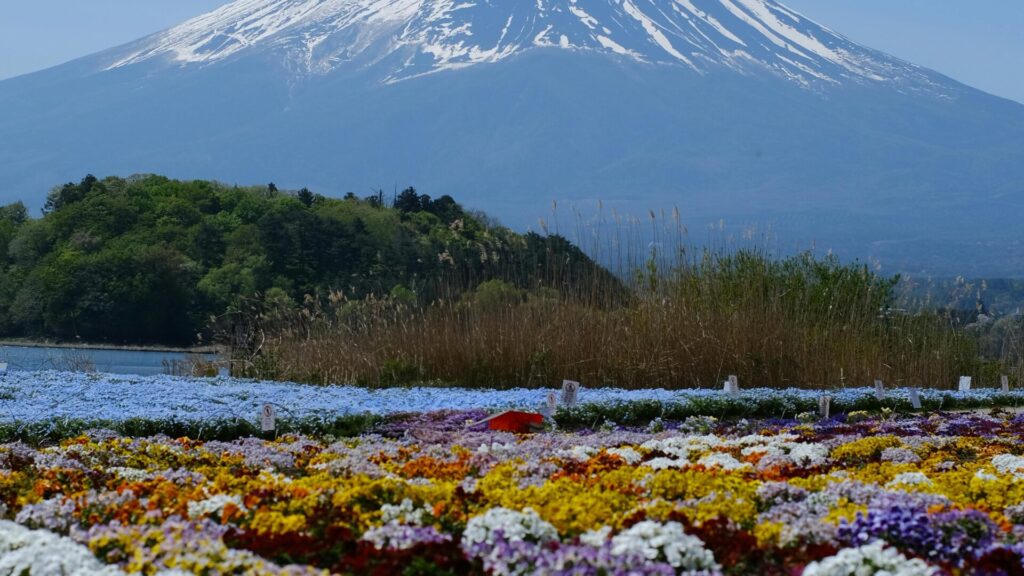
One of Hakone's greatest attractions is not within Hakone itself — it is the omnipresent view of Mount Fuji. On clear days, Japan's highest peak is visible from numerous vantage points throughout the area. The best spots include Owakudani, the summit of Mount Kintoki, the Hakone Ropeway, and the shores of Lake Ashi. Winter months (December through February) typically offer the clearest visibility, as dry air and cold temperatures keep haze to a minimum.
For those wanting to explore the Mount Fuji area in greater depth, Hakone serves as an excellent base — it sits within the Fuji-Hakone-Izu National Park, and many travelers combine Hakone with visits to the Fuji Five Lakes or the Fuji Speedway area.
-
-
Fuji Hakone Izu National Park: Complete Visitor Guide for 2026
What Is Fuji Hakone Izu National Park? Fuji Hakone Izu National Park is one of Japan's most visited ...
続きを見る

Getting to Hakone and Getting Around
From Tokyo, the most common route is the Odakyu Romancecar limited express from Shinjuku Station to Hakone Yumoto (approximately 85 minutes). The Hakone Free Pass, available from Odakyu, covers round-trip transportation from Shinjuku plus unlimited use of most Hakone transport — including the Tozan Railway, cable car, ropeway, sightseeing cruise, and local buses — for two or three days.
Driving to Hakone from Tokyo takes roughly 90 minutes via the Tomei Expressway and offers the advantage of flexibility, particularly for reaching attractions like the Pola Museum, Sengokuhara, and roadside onsen that are less convenient by public transport. The Hakone Turnpike — a scenic toll road with sweeping mountain curves — is itself a rewarding driving experience. Those who enjoy driving through dramatic mountain roads will find the Hakone area especially appealing.
Best Time to Visit Hakone Attractions
Hakone rewards visitors in every season, but each period has distinct advantages:
- Spring (March–May): Cherry blossoms at lower elevations in early April, fresh greenery, and comfortable temperatures. Golden Week (late April–early May) is extremely crowded.
- Summer (June–August): Hydrangea season along the Tozan Railway. Cooler than Tokyo, making Hakone a popular escape. July and August see heavy domestic tourism.
- Autumn (September–November): Peak foliage season (mid-November) transforms the Hakone Art Museum's moss garden and the forests along Lake Ashi. Sengokuhara's pampas grass peaks in October.
- Winter (December–February): The clearest Mount Fuji views, thinner crowds, and the deepest appreciation of Hakone's onsen culture. Some outdoor attractions may have limited hours.
Planning Your Hakone Itinerary
For a classic one-day itinerary, the Hakone loop route is the most efficient way to see the major attractions. Start at Hakone Yumoto, take the Tozan Railway to Gora, ride the cable car and ropeway over Owakudani to Togendai, cruise across Lake Ashi, visit Hakone Shrine, then return to Hakone Yumoto by bus. This route covers Hakone's top five attractions in a single circuit without backtracking.
For a two-day visit, the second day opens up time for the Open-Air Museum or Pola Museum, a hike up Mount Kintoki, the Hakone Checkpoint, and a more leisurely onsen experience. Staying overnight in a ryokan with private hot-spring baths is the ideal way to experience the full depth of what Hakone has to offer — and provides the rare opportunity to see these attractions in the quiet of early morning, before day-trippers arrive.
Experience Japan’s Finest JDM Adventures
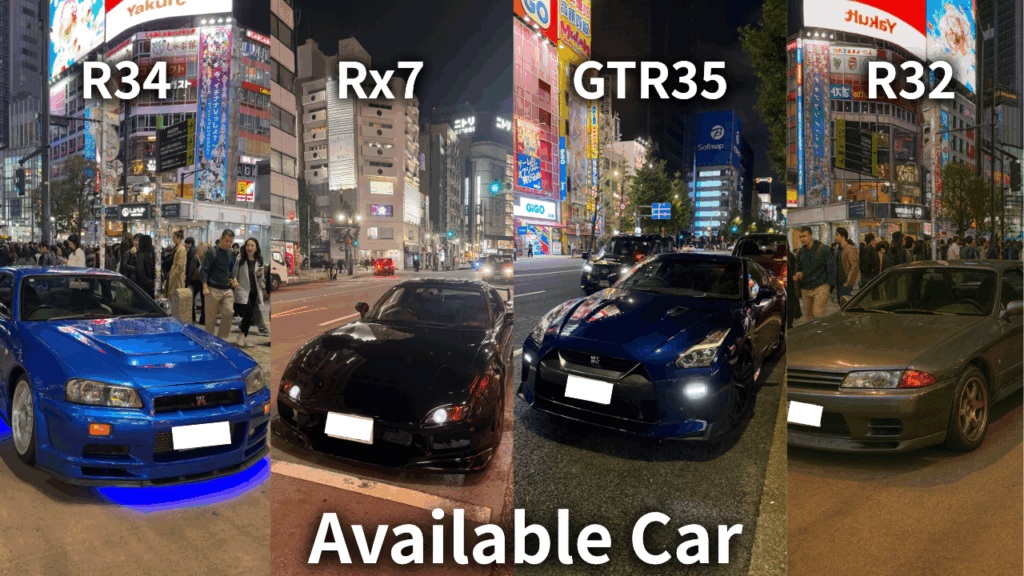
From Daikoku PA tours to JDM sports car rentals and drift experiences, we offer premium driving adventures for visitors who want more than ordinary sightseeing.
Get behind the wheel of iconic machines such as the GT-R, RX-7, and Supra, and experience Japan’s legendary car culture in the most unforgettable way. Whether you want a scenic Tokyo car experience or something more thrilling and immersive, we can guide you to the right plan.
Not sure which experience suits you best? No problem. Message us on WhatsApp and we’ll help you choose the ideal option based on your travel plans, interests, and driving experience.
Popular dates sell out quickly, so we recommend contacting us early.
Customer Reviews
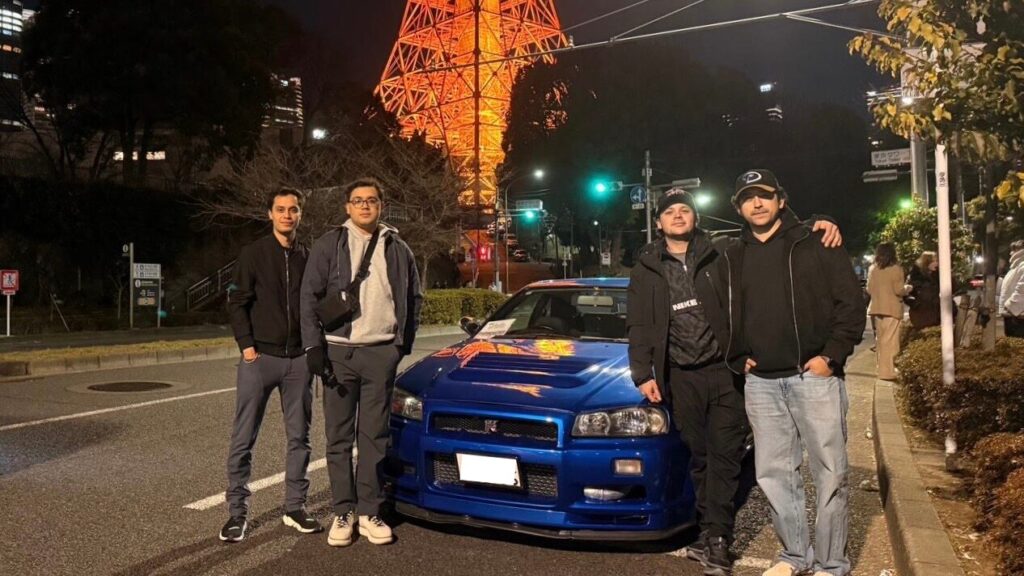
Important Information
- This is a drive tour where you drive your rental car, and our guide navigates from the seat.
- This is a self-drive tour where you drive your rental car, and our guide navigates from the passenger seat.
- The tour begins and ends at the same location (Shibuya).
- If the Daikoku Parking Area is closed, we will instead guide you to another car meet further away.
- The consultant is a cultural expert and navigator, not a taxi service.
