
Why Hakone Is Japan's Premier Onsen Destination
Hakone sits within the caldera of an ancient volcano, feeding dozens of natural hot spring sources across the region. With over 17 distinct onsen areas — each boasting different mineral compositions, temperatures, and therapeutic properties — Hakone offers the most concentrated and diverse onsen experience accessible from Tokyo. Whether you prefer a rustic outdoor rotenburo overlooking a forested valley or a luxurious private bath inside a world-class ryokan, the best onsen in Hakone deliver an unforgettable Japanese bathing experience.
The variety stems from Hakone's complex geology. Different zones tap into different volcanic strata, producing waters rich in sulfur, sodium chloride, calcium, or alkaline minerals. This means you can visit multiple onsen in a single trip and experience genuinely different bathing qualities at each one.
-

-
Hakone: The Ultimate Travel Guide for 2026 — Hot Springs, Mt. Fuji Views & Scenic Drives
Why Hakone Should Be on Every Japan Traveler's List Hakone is one of the most beloved destinations n ...
続きを見る
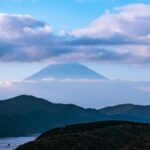
The Best Onsen in Hakone by Area
Hakone Yumoto Onsen — The Gateway
Hakone Yumoto is the most accessible onsen area, located just steps from Hakone-Yumoto Station. It has been a bathing destination since the Nara period (over 1,200 years ago), making it the oldest hot spring area in Hakone. The waters here are primarily simple alkaline springs known for softening the skin.
- Tenzan Tohji-kyo — One of Hakone's most beloved day-use onsen facilities. Tenzan features multiple indoor and outdoor baths fed by two natural spring sources, surrounded by lush forest along a mountain stream. The atmosphere feels remote despite being only a short shuttle ride from Hakone-Yumoto Station. Open until 9 PM, it is ideal for an evening soak.
- Kappa Tengoku — A budget-friendly open-air bath right in Hakone Yumoto town. For an affordable entry fee, you can relax in a large outdoor pool overlooking the Hayakawa River. It is casual and welcoming to first-time onsen visitors.
- Yumoto Fujiya Hotel — For those who prefer a refined setting, this historic hotel operates day-use onsen bathing with elegant indoor and outdoor baths. The sodium chloride and calcium-rich waters are known to relieve muscle fatigue and joint pain.
-
-
Hakone Yumoto Station: The Complete 2026 Guide to Hakone's Gateway
What Is Hakone Yumoto Station? Hakone Yumoto Station (箱根湯本駅) is the main gateway to the Hakone regio ...
続きを見る

Tonosawa Onsen — Hidden Valley Retreat
Just one stop beyond Hakone Yumoto on the Hakone Tozan Railway, Tonosawa is a quieter alternative with a deep history. The waters here are alkaline simple springs, and the narrow valley setting creates a secluded, intimate atmosphere.
- Fukuzumiro — A registered tangible cultural property dating back to the Meiji era. This traditional ryokan features a stunning rock-hewn rotenburo perched above the Hayakawa River gorge. The architecture alone makes this one of the most photographed onsen in Hakone.
- Hakone Tonosawa Quatre Saisons — A boutique accommodation with private open-air baths in every room, offering modern luxury in a classical Hakone valley setting.
Miyanoshita Onsen — Classic Elegance
Miyanoshita rose to fame during the Meiji era as the preferred hot spring resort for foreign diplomats and Japanese aristocrats. The mineral composition here includes sodium chloride springs reputed to improve circulation and heal skin conditions.
- Fujiya Hotel — Established in 1878, the Fujiya Hotel is one of Japan's oldest Western-style hotels. After a meticulous renovation, its onsen facilities now combine historical grandeur with modern comfort. Non-guests can sometimes access day bathing, though availability varies.
- Naraya Cafe — While not a traditional onsen, this beautifully restored former ryokan offers ashiyu (foot baths) where you can rest while sipping coffee. It is a perfect mid-hike stop along the Hakone old road.
Kowakidani Onsen — Family-Friendly Bathing

Kowakidani is best known for Hakone Kowakien Yunessun, a massive hot spring amusement park that combines traditional onsen culture with novelty bathing experiences. This is the best onsen area in Hakone for families traveling with children.
- Hakone Kowakien Yunessun — The swimsuit-required zone features themed baths including wine baths, coffee baths, and a large outdoor area with waterslides. A separate naked bathing zone called Mori no Yu offers a more traditional Japanese onsen experience with tranquil forest views. This dual setup makes it accessible for international visitors who may be unfamiliar with traditional onsen etiquette.
Gora Onsen — Upscale Mountain Baths
Gora sits at a higher elevation and serves as the transfer point for the Hakone Cable Car. The area is known for its sodium chloride and sulfate springs, and it has become Hakone's most upscale onsen neighborhood in recent years, attracting boutique hotels and luxury ryokan.
- Gora Kadan — Frequently ranked among Japan's finest ryokan, Gora Kadan was originally an imperial summer villa. Its private open-air baths offer views of manicured Japanese gardens, and the kaiseki cuisine alone justifies a visit.
- Hakone Gora Byakudan — A newer luxury onsen hotel with all rooms featuring private outdoor baths. The modern Japanese design and high-quality hot spring water make it a top choice for couples.
-
-
Gora Hakone: Complete Guide to Hakone's Mountain Resort Hub in 2026
What Is Gora and Why Is It Central to Any Hakone Visit? Gora is the geographic and cultural heart of ...
続きを見る
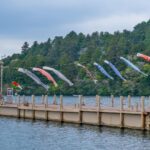
Sengoku and Ubako — Milky Sulfur Springs
If you prefer the dramatic, mineral-heavy onsen experience associated with volcanic activity, head to the higher-altitude areas of Sengoku and Ubako. These areas sit closer to Owakudani's active volcanic vents, and the water here often has a distinctive milky-white or pale blue appearance from dissolved sulfur compounds.
- Hakone Ginyu — A luxury ryokan in the Sengoku highlands where every room has a private open-air bath. The panoramic views of the Hakone mountain range from the communal rotenburo are among the finest in the region.
- Ubako Onsen — One of Hakone's lesser-known gems, Ubako features sulfur-rich white waters in a secluded mountain setting. It is favored by repeat visitors who have moved beyond the popular tourist areas.
Ashinoyu and Sokokura — Deep Mountain Onsen
These remote areas near Lake Ashi offer some of Hakone's most atmospheric bathing. The mineral content varies, but many springs here are acidic sulfur or iron-rich waters, giving them a golden or amber tint.
- Matsuzakaya Honten — Operating in the Ashinoyu area for over 350 years, this ryokan maintains open-air baths with naturally flowing sulfur water. The mountain air and the sound of wind through the cedar trees create a deeply meditative experience.
Best Hakone Onsen for Private Bathing (Kashikiri)
For visitors who are uncomfortable with communal bathing — or those with tattoos, which are still restricted at many public onsen in Japan — private onsen (kashikiri buro) are the ideal solution. Hakone has an excellent selection.
- Hakone Yuryo — Located near Hakone-Yumoto Station, this premium day-use facility offers private open-air baths that can be reserved by the hour. Each private bath room is self-contained with its own changing area and resting space, and the hot spring water is 100% natural source water without recirculation.
- Tenzan Tohji-kyo (private baths) — In addition to its communal baths, Tenzan offers several private rotenburo nestled along the stream. Reservations fill quickly, so arriving early is recommended.
- Ryokan with in-room onsen — Many upscale ryokan in Gora, Sengoku, and Tonosawa offer rooms with private open-air baths fed by natural hot spring water. This is the ultimate Hakone onsen experience for privacy and comfort.
-
-
Private Hot Springs in Hakone: 12 Best Hot Springs for Intimate Bathing in 2026
Why Hakone Is Japan's Premier Destination for Private Onsen Hakone sits in a volcanic caldera just 8 ...
続きを見る
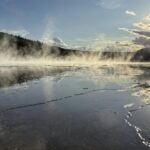
Hakone Onsen Types and Their Benefits
Understanding the water types helps you choose the best onsen in Hakone for your specific needs. Here is a breakdown of the primary spring classifications found in the region:
- Simple Alkaline Springs (Tanjun-sen) — Found in Hakone Yumoto and Tonosawa. Gentle on the skin, these are ideal for onsen beginners. Known as "beauty baths" for their skin-smoothing effect.
- Sodium Chloride Springs (Enshisen) — Common in Miyanoshita and Gora. These springs retain heat well, keeping your body warm long after bathing. They are recommended for cold sensitivity and circulatory issues.
- Sulfur Springs (Iosen) — Concentrated in Sengoku, Ubako, and Owakudani-adjacent areas. The milky-white water is antibacterial and effective for skin conditions like eczema and psoriasis. The distinctive rotten-egg smell is a hallmark of authentic volcanic onsen.
- Sulfate Springs (Bosen) — Found in parts of Gora and Kowakidani. These springs help with wound healing and arteriosclerosis prevention.
Best Season to Visit Hakone Onsen
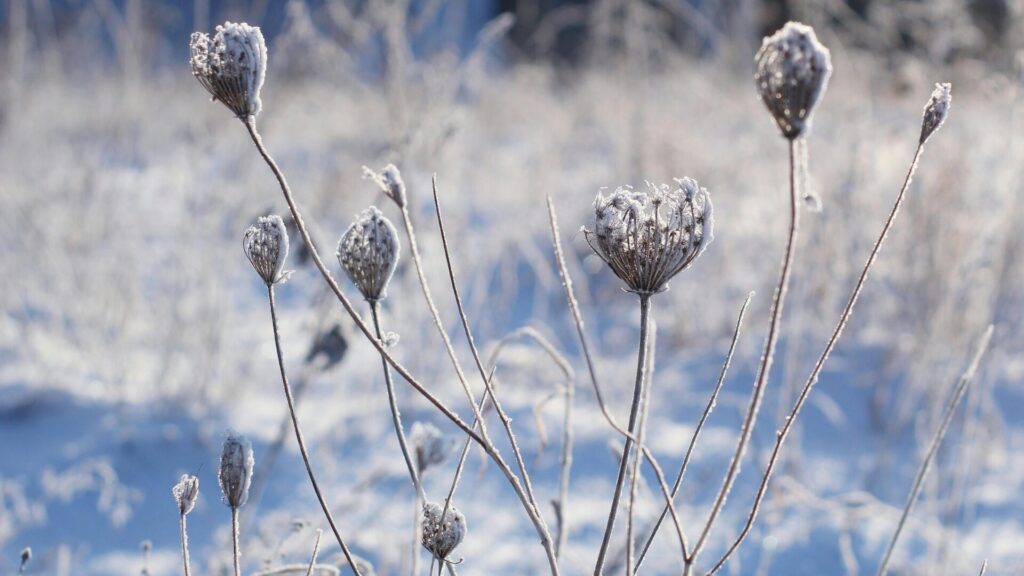
While onsen bathing is enjoyable year-round, each season offers a distinct experience in Hakone:
- Winter (December–February) — The quintessential onsen season. Soaking in a steaming outdoor bath while cold mountain air brushes your face is the definitive rotenburo experience. Snowfall in higher-elevation areas like Sengoku and Ubako adds a magical element.
- Autumn (October–November) — Hakone's famous fall foliage transforms the mountains into a tapestry of red, orange, and gold. Outdoor baths surrounded by autumn colors are stunningly photogenic.
- Spring (March–May) — Cherry blossoms in April and fresh greenery in May create a rejuvenating backdrop. This is also a popular season, so weekday visits are advisable.
- Summer (June–August) — Hakone's higher elevation makes it cooler than Tokyo, and many visitors escape the city heat to relax in onsen. The rainy season in June can affect outdoor bathing plans, but indoor facilities remain excellent.
Getting to Hakone Onsen from Tokyo
Hakone is located approximately 80–90 kilometers southwest of central Tokyo, making it one of the most accessible premier onsen destinations in Japan. The most common route by train is the Odakyu Romancecar from Shinjuku Station, which reaches Hakone-Yumoto in about 85 minutes without transfers.
Driving from Tokyo is another popular option, especially if you want the flexibility to visit multiple onsen areas in a single day. The journey via the Tomei Expressway and Odawara-Atsugi Road takes roughly 90 minutes to two hours depending on traffic. Having a car allows you to easily reach higher-altitude onsen in Sengoku and Ubako that are more difficult to access by public transportation.
-

-
Rent a Car Tokyo to Hakone Onsen: Complete Driving Guide for Visitors
Why Drive from Tokyo to Hakone Onsen? Renting a car gives you door‑to‑door access to hot spring town ...
続きを見る
Onsen Etiquette Tips for International Visitors
If you are visiting a Japanese onsen for the first time, understanding the basic etiquette will help you feel comfortable and show respect to other bathers:
- Wash thoroughly before entering the bath. Every onsen has a washing area with stools, showerheads, and soap. You must clean your entire body before stepping into the communal bath.
- Do not bring towels into the bath water. You may place a small towel on your head, but it should never touch the water.
- Tattoo policies vary. Some facilities strictly prohibit tattoos, while others are more lenient. Hakone Kowakien Yunessun's swimsuit zone welcomes all visitors. Private baths (kashikiri) are always tattoo-friendly since you bathe alone or with companions.
- Stay hydrated. Drink water before and after bathing, especially if visiting multiple onsen in one day.
- Be quiet and respectful. Onsen are places of relaxation. Keep conversation to a low volume and avoid using phones.
Planning a Hakone Onsen Itinerary in 2026
For a thorough Hakone onsen experience, an overnight stay is highly recommended. A well-balanced itinerary might include a morning visit to Tenzan Tohji-kyo or Hakone Yuryo for day-use bathing, followed by sightseeing at Owakudani or Lake Ashi in the afternoon, and then an evening soak at your ryokan's private onsen. The next morning, try an ashiyu foot bath in Miyanoshita before heading back to Tokyo.
If you only have a single day, focus on the Hakone Yumoto area where the largest concentration of day-use facilities is located. Tenzan and Hakone Yuryo can both be visited without advance booking on weekdays, though weekends may require earlier arrival to avoid long waits.
Hakone rewards those who explore beyond the obvious. With so many distinct onsen areas, mineral types, and bathing styles concentrated in one volcanic valley, it remains the best onsen destination within easy reach of Tokyo — a place where centuries of bathing tradition meet world-class hospitality.
Experience Japan’s Finest JDM Adventures
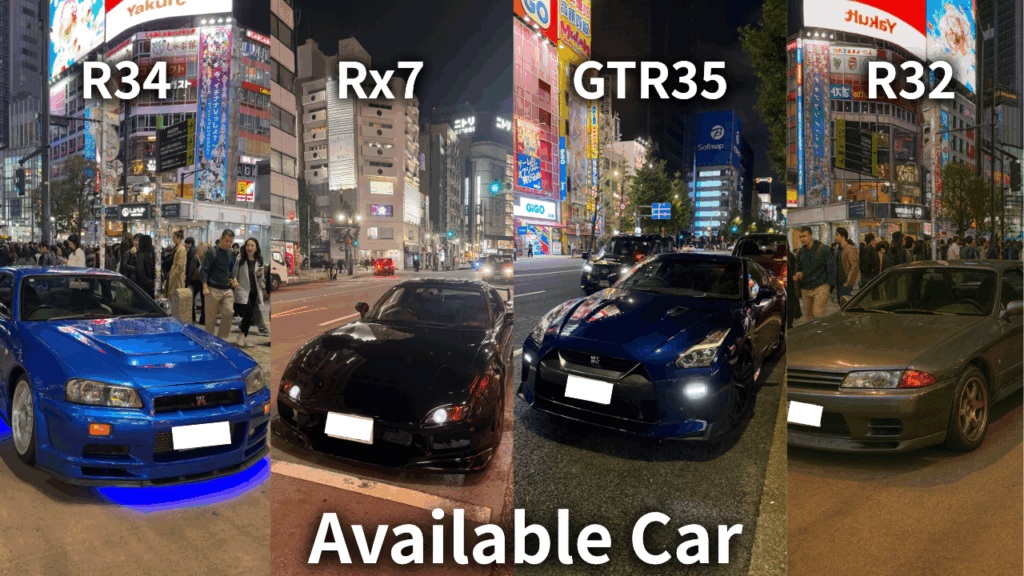
From Daikoku PA tours to JDM sports car rentals and drift experiences, we offer premium driving adventures for visitors who want more than ordinary sightseeing.
Get behind the wheel of iconic machines such as the GT-R, RX-7, and Supra, and experience Japan’s legendary car culture in the most unforgettable way. Whether you want a scenic Tokyo car experience or something more thrilling and immersive, we can guide you to the right plan.
Not sure which experience suits you best? No problem. Message us on WhatsApp and we’ll help you choose the ideal option based on your travel plans, interests, and driving experience.
Popular dates sell out quickly, so we recommend contacting us early.
Customer Reviews
Important Information
- This is a drive tour where you drive your rental car, and our guide navigates from the seat.
- This is a self-drive tour where you drive your rental car, and our guide navigates from the passenger seat.
- The tour begins and ends at the same location (Shibuya).
- If the Daikoku Parking Area is closed, we will instead guide you to another car meet further away.
- The consultant is a cultural expert and navigator, not a taxi service.
