
Why Hakone Offers Some of the Best Mt Fuji Views in Japan
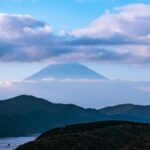
Hakone sits in a privileged geographic position — perched along the southwestern edge of the Fuji Volcanic Belt, roughly 25 kilometers from the summit of Japan's most iconic mountain. This proximity, combined with Hakone's elevated terrain and open lakeside vistas, creates multiple vantage points where Mt Fuji appears strikingly close, often framed by water, torii gates, forests, or volcanic steam. For travelers seeking the quintessential Hakone Mt Fuji view, understanding which spots deliver the best perspectives — and when conditions are most favorable — is essential.
Unlike the Fuji Five Lakes region on the mountain's northern side, Hakone presents views of Mt Fuji from the southeast, offering a different angle and atmosphere. The interplay of Lake Ashi's calm waters, the Owakudani volcanic landscape, and Hakone's mountain ridgelines creates layered compositions that photographers and sightseers cherish. This guide covers every major viewpoint, the best seasons and times, and practical tips for maximizing your chances of a clear sighting.
-

-
Hakone: The Ultimate Travel Guide for 2026 — Hot Springs, Mt. Fuji Views & Scenic Drives
Why Hakone Should Be on Every Japan Traveler's List Hakone is one of the most beloved destinations n ...
続きを見る
Top Hakone Viewpoints for Mt Fuji
Moto-Hakone and the Hakone Shrine Torii Gate
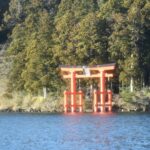
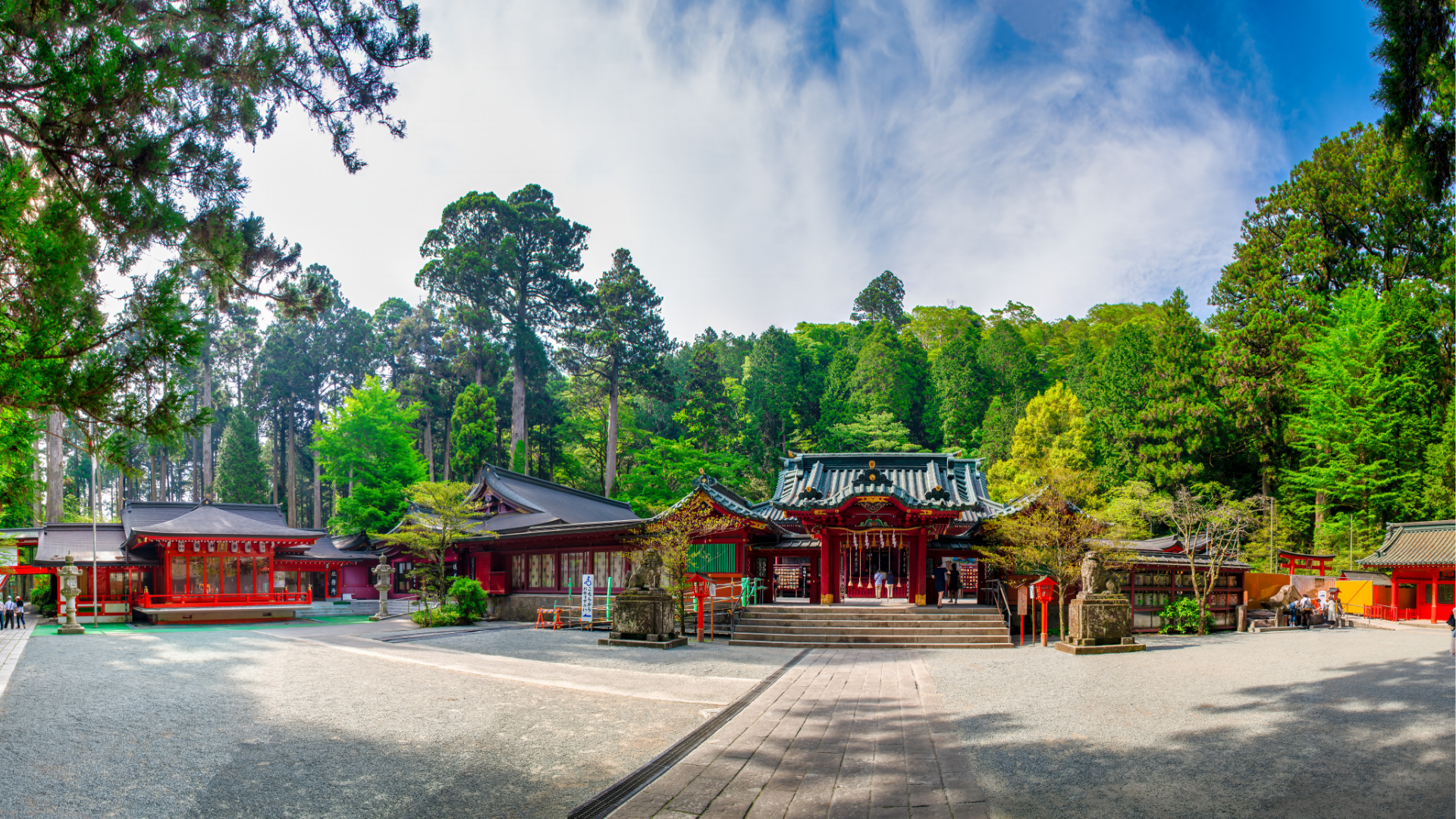
The vermillion torii gate of Hakone Shrine standing at the edge of Lake Ashi is perhaps the single most photographed Mt Fuji view from Hakone. On clear mornings, Mt Fuji rises behind the torii with the lake in the foreground, creating an image that has become synonymous with Japanese travel. The best vantage for this shot is from the lake itself — either aboard the Hakone Sightseeing Cruise or from a small boat — though the shoreline near Moto-Hakone also provides excellent angles. Early morning visits before 8:00 AM in autumn or winter yield the clearest skies and fewest crowds.
Onshi Hakone Park (Former Hakone Detached Palace Garden)
Located on a small peninsula jutting into Lake Ashi between Moto-Hakone and Hakone-machi, Onshi Hakone Park is one of the most reliable and accessible spots for a Hakone Mt Fuji view. The park's observation deck offers an unobstructed panorama across the lake toward Mt Fuji. Originally the site of an Imperial summer retreat, the park is free to enter and rarely overcrowded. The manicured grounds and lakeside walking paths make it an ideal stop for leisurely viewing, and benches allow you to wait for clouds to part.
Hakone Ropeway (Owakudani to Togendai)
The Hakone Ropeway runs between Sounzan and Togendai via Owakudani, and the section near the Owakudani volcanic valley provides elevated, sweeping views of Mt Fuji. As the gondola climbs over the steaming terrain, Fuji appears above the sulfurous landscape — a dramatic juxtaposition of volcanic forces. The highest point of the ropeway ride, near Owakudani Station, is where the view is most commanding. While you cannot stop the gondola mid-ride, arriving at Owakudani and walking to the observation areas allows you to take in the panorama at your own pace.
-
-
Owakudani Hakone: Complete Guide to the Volcanic Valley, Black Eggs & Stunning Views in 2026
What Is Owakudani in Hakone? Owakudani — literally translated as "Great Boiling Valley" — is one of ...
続きを見る
-
-
Owakudani Hakone: Complete Guide to the Volcanic Valley, Black Eggs & Stunning Views in 2026
What Is Owakudani in Hakone? Owakudani — literally translated as "Great Boiling Valley" — is one of ...
続きを見る
Lake Ashi Sightseeing Cruise

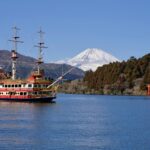
Seeing Mt Fuji from the water adds a unique dimension. The Hakone Sightseeing Cruise operates pirate-ship-style vessels across Lake Ashi, and the route between Togendai Port and Hakone-machi Port offers sustained views of Mt Fuji to the northwest. Standing on the upper deck as the ship crosses the lake gives you a completely unobstructed line of sight. The reflection of Fuji on calm water during early morning crossings is particularly stunning. The first departure of the day typically offers the best visibility.
-
-
Hakone Sightseeing Cruise on Lake Ashi: Routes, Fares, and Tips for 2026
What Is the Hakone Sightseeing Cruise? The Hakone Sightseeing Cruise is one of the most iconic exper ...
続きを見る
Taikanzan (Mt Taikan) Observation Point
For those willing to hike, Taikanzan offers one of Hakone's most rewarding Mt Fuji views. Located along the old Tokaido Road near Hakone-machi, this relatively easy trail leads to a ridge with panoramic views encompassing Lake Ashi, the surrounding mountains, and Mt Fuji in the distance. The hike takes approximately 30 to 40 minutes from the trailhead and is manageable for most fitness levels. Because it requires some effort, this viewpoint is significantly less crowded than the lakeside spots.
Hakone Turnpike Viewpoints
The Hakone Turnpike is a toll road that climbs from Odawara into the Hakone mountains, and several roadside observation areas along the route provide outstanding Mt Fuji views. The Taikanzan parking area along the turnpike is particularly popular among drivers. These viewpoints are best accessed by car, making them ideal for travelers on a road trip from Tokyo. The elevated positions along the turnpike offer some of the widest panoramas in the Hakone area, with Sagami Bay visible on clear days alongside Mt Fuji.
Komagatake Ropeway Summit
The Hakone Komagatake Ropeway ascends from Hakone-en on the eastern shore of Lake Ashi to the summit of Mt Komagatake at 1,357 meters. The mountaintop offers a 360-degree panorama that includes Mt Fuji, Lake Ashi below, Suruga Bay, and on exceptionally clear days, the Izu Peninsula and even the South Alps. The Hakone Motomiya Shrine at the summit provides an atmospheric foreground element for photographs. This is arguably the highest-elevation Mt Fuji view easily accessible in the Hakone area.
Best Time and Season for Hakone Mt Fuji Views
Seasonal Visibility
Mt Fuji is notoriously shy — cloud cover frequently obscures the peak, especially during warmer months. The best seasons for clear Hakone Mt Fuji views are:
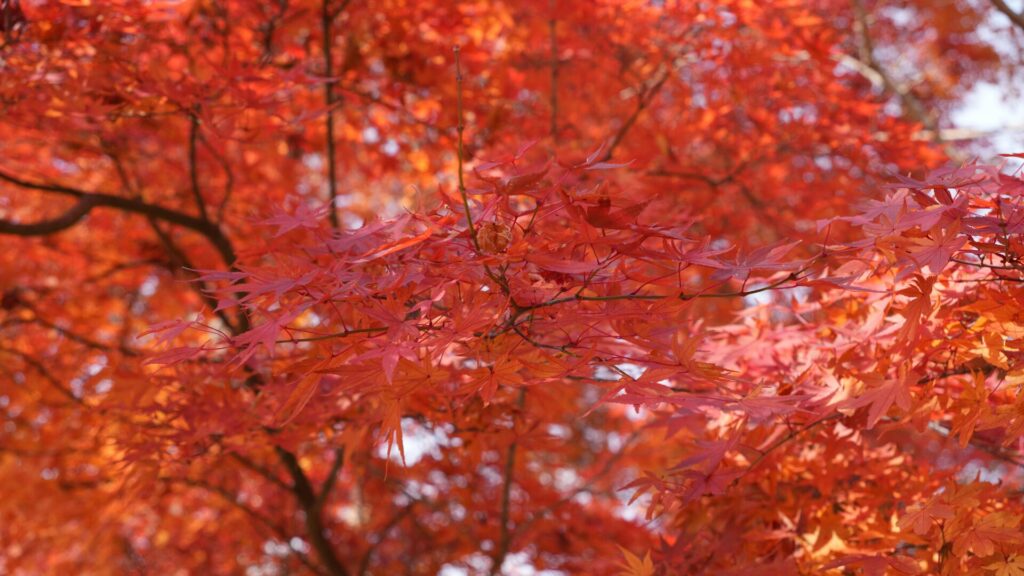
- Late autumn (November to early December): Dry air and reduced humidity create the highest probability of clear views. The autumn foliage around Lake Ashi adds vibrant color to the scene.
- Winter (December to February): Cold, crisp air offers the most consistently clear conditions. Fuji's snow cap is at its most dramatic during these months, and the contrast against blue skies is striking.
- Early spring (March to April): Visibility begins to decline as humidity rises, but cherry blossom season can occasionally coincide with clear Fuji days, creating iconic compositions.
- Summer (June to September): The least reliable season. Haze, humidity, and cloud buildup make clear views rare, though early mornings before 7:00 AM offer the best chance.
Time of Day
Regardless of season, early morning consistently offers the best visibility. Mt Fuji tends to be clearest from dawn until approximately 10:00 AM, after which thermal convection generates clouds around the summit. If you are planning a day trip from Tokyo, departing early enough to reach Hakone viewpoints by sunrise or shortly after dramatically increases your chances of seeing Fuji.
Weather Forecasting Tools
Before heading to Hakone specifically for Mt Fuji views, check dedicated Fuji visibility forecasts. The "Fuji Visibility" section on Japanese weather sites and Mt Fuji webcams provide real-time conditions. Planning around a confirmed clear forecast is far more effective than hoping for luck.
How to Reach the Best Hakone Mt Fuji Viewpoints
By Public Transport
The Hakone Loop route — using the Hakone Free Pass — connects most major viewpoints via a combination of train, cable car, ropeway, and sightseeing cruise. From Hakone-Yumoto Station, the Hakone Tozan Railway and connecting cable car take you to the ropeway at Sounzan. From there, the ropeway passes over Owakudani and descends to Togendai, where you board the Lake Ashi cruise. This loop efficiently covers the Owakudani, Lake Ashi, and Moto-Hakone viewpoints in a single day.
By Car
Driving provides the most flexibility, especially for reaching viewpoints like the Hakone Turnpike lookouts and Taikanzan that are less convenient by public transport. The drive from Tokyo to Hakone takes approximately 90 minutes via the Tomei Expressway, and having a car allows you to chase clearer conditions by adjusting your route on the fly. Parking is available at most major viewpoints, though lakeside lots near Moto-Hakone can fill up on weekends. A road trip by car also allows you to combine Hakone's Mt Fuji views with stops at nearby spots like Fuji Speedway or the Fuji Five Lakes area on the same day.
-

-
Rent a Car Tokyo to Hakone Onsen: Complete Driving Guide for Visitors
Why Drive from Tokyo to Hakone Onsen? Renting a car gives you door‑to‑door access to hot spring town ...
続きを見る
Hakone Mt Fuji View vs. Other Famous Fuji Viewpoints
Travelers often debate whether Hakone or the Fuji Five Lakes region (particularly Kawaguchiko) offers superior Mt Fuji views. The answer depends on what you are looking for:
- Proximity: Kawaguchiko is closer to Mt Fuji and presents a larger, more imposing profile. Hakone's views are more distant but benefit from layered landscapes including Lake Ashi and volcanic terrain.
- Atmosphere: Hakone offers a more diverse experience — hot springs, museums, historic shrines, and volcanic valleys surround the viewpoints. The Fuji Five Lakes area is more singularly focused on Fuji itself.
- Accessibility from Tokyo: Both are roughly 90 minutes from central Tokyo by car, though Hakone is slightly more accessible by train. Hakone offers more variety for a day trip or overnight stay even if Fuji is obscured by clouds.
- Photography: Hakone's unique foreground elements — the torii gate, pirate ships, sulfurous valleys — create more compositionally diverse photographs than the relatively straightforward lakeside views at Kawaguchiko.
For travelers who want a rich, multi-faceted experience with Mt Fuji as a spectacular bonus, Hakone is the stronger choice. For those whose sole priority is the largest, closest Fuji view possible, the Five Lakes region may be more suitable.
-
-
Best View of Mt Fuji in 2026: 15 Stunning Viewpoints You Cannot Miss
Why Finding the Best View of Mt Fuji Matters Mount Fuji is Japan's most iconic natural landmark, yet ...
続きを見る
Tips for Photographing Mt Fuji from Hakone
Capturing the perfect Hakone Mt Fuji view photograph requires preparation:
- Arrive at dawn: The golden hour light illuminating Fuji's snow cap against a pink or orange sky creates the most dramatic images. Moto-Hakone and Onshi Hakone Park are ideal for sunrise shoots.
- Use a telephoto lens: While Fuji is visible to the naked eye from Hakone, a telephoto lens (70–200mm or longer) compresses the distance and makes the mountain appear larger and more prominent in the frame.
- Include foreground interest: The torii gate, Lake Ashi's reflections, the Owakudani steam vents, or autumn foliage all serve as compelling foreground elements that elevate the composition beyond a simple mountain snapshot.
- Check wind conditions: Calm mornings produce mirror-like reflections on Lake Ashi. Even light wind disrupts the reflection, so windless conditions are valuable for waterside shots.
- Plan for multiple attempts: If you are staying overnight in Hakone, book accommodation with a Fuji view to give yourself multiple opportunities across different times of day and weather conditions.
Combining Mt Fuji Views with Hakone's Other Attractions
One of Hakone's greatest strengths is that Mt Fuji viewing can be seamlessly woven into a broader itinerary. After taking in the morning views, you can explore the volcanic landscape at Owakudani, visit the Hakone Open Air Museum, soak in one of the region's renowned hot springs, or enjoy a meal at a lakeside restaurant. This variety means that even on days when Fuji hides behind clouds, Hakone remains a deeply rewarding destination with plenty to see and do.
For the best combination experience, consider starting your day at Onshi Hakone Park or Moto-Hakone for morning Fuji views, then taking the sightseeing cruise to Togendai, riding the ropeway over Owakudani, and finishing with an afternoon onsen soak in the Gora or Hakone-Yumoto area. This itinerary covers the three best Fuji viewpoint types — lakeside, waterborne, and elevated — while also delivering Hakone's core experiences.
Experience Japan’s Finest JDM Adventures

From Daikoku PA tours to JDM sports car rentals and drift experiences, we offer premium driving adventures for visitors who want more than ordinary sightseeing.
Get behind the wheel of iconic machines such as the GT-R, RX-7, and Supra, and experience Japan’s legendary car culture in the most unforgettable way. Whether you want a scenic Tokyo car experience or something more thrilling and immersive, we can guide you to the right plan.
Not sure which experience suits you best? No problem. Message us on WhatsApp and we’ll help you choose the ideal option based on your travel plans, interests, and driving experience.
Popular dates sell out quickly, so we recommend contacting us early.
Customer Reviews
Important Information
- This is a drive tour where you drive your rental car, and our guide navigates from the seat.
- This is a self-drive tour where you drive your rental car, and our guide navigates from the passenger seat.
- The tour begins and ends at the same location (Shibuya).
- If the Daikoku Parking Area is closed, we will instead guide you to another car meet further away.
- The consultant is a cultural expert and navigator, not a taxi service.
