
Hakone or Kawaguchiko — The Ultimate Comparison for Travelers from Tokyo
Two of the most popular day-trip destinations from Tokyo sit within easy reach of the capital, yet they offer strikingly different experiences. Hakone, a volcanic hot-spring valley in Kanagawa Prefecture, and Kawaguchiko, a lakeside town at the foot of Mount Fuji in Yamanashi Prefecture, both promise natural beauty, Japanese culture, and a welcome escape from the urban intensity of Tokyo. Deciding between them — or figuring out whether you can do both — is one of the most common planning dilemmas travelers face in 2026.
This comprehensive comparison covers scenery, accessibility, onsen culture, Mt. Fuji views, costs, seasonal highlights, and more, so you can make the right choice for your trip.
-

-
Hakone: The Ultimate Travel Guide for 2026 — Hot Springs, Mt. Fuji Views & Scenic Drives
続きを見る
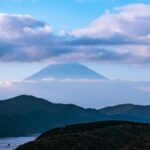
Distance and Access from Tokyo
Getting to Hakone
Hakone is located roughly 80–90 km southwest of central Tokyo. The most popular transit option is the Odakyu Romancecar limited express from Shinjuku, which reaches Hakone-Yumoto Station in about 85 minutes. The Hakone Free Pass, available from Odakyu, bundles round-trip rail with unlimited use of buses, ropeways, cable cars, and pirate ships within Hakone — making the logistics remarkably smooth. Alternatively, driving from Tokyo takes around 90 minutes via the Tomei Expressway, with tolls typically costing ¥2,000–¥3,000 one way.
Getting to Kawaguchiko
Kawaguchiko sits about 100–120 km west of Tokyo. The fastest public-transit option is the JR Chuo Line limited express "Fuji Excursion" from Shinjuku, which arrives directly at Kawaguchiko Station in roughly 1 hour 50 minutes. Highway buses from Shinjuku Expressway Bus Terminal also run frequently, taking about 2 hours and costing as little as ¥2,200 one way. Driving takes approximately 1.5 to 2 hours via the Chuo Expressway and Kawaguchiko IC, with tolls around ¥2,500–¥3,500.
Verdict on Access
Hakone edges ahead slightly in terms of transit convenience thanks to the well-integrated Hakone Free Pass network and the shorter journey time. However, Kawaguchiko is not far behind and arguably offers a more rewarding experience by car, given the scenic Fuji Five Lakes driving routes.
Mount Fuji Views: Kawaguchiko vs. Hakone
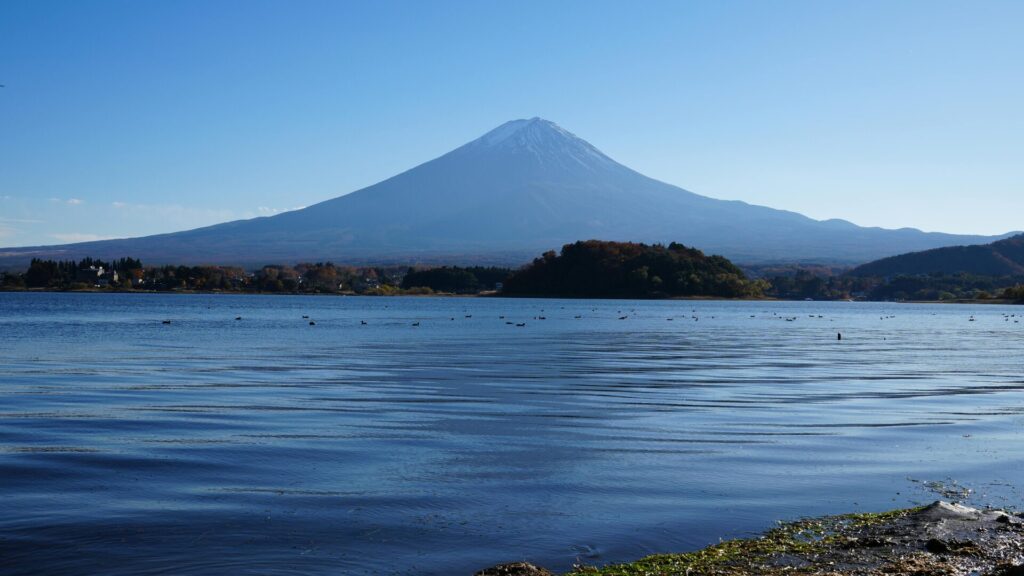
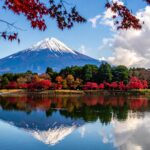
If seeing Mt. Fuji is your top priority, Kawaguchiko is the clear winner. The town sits directly at the northern base of the mountain, and on clear days the iconic cone reflects perfectly in the lake's surface. Spots like Oishi Park, Ubuyagasaki Cape, and the Kawaguchiko Music Forest all offer unobstructed panoramas. The famous Chureito Pagoda, one of Japan's most photographed scenes, is also nearby in Fujiyoshida.
-
-
Best View of Mt Fuji in 2026: 15 Stunning Viewpoints You Cannot Miss
続きを見る
Hakone does offer Mt. Fuji views, but they are less consistent and more dependent on weather. The best vantage points include the Owakudani ropeway station, parts of the Hakone Turnpike, and certain spots along the southern shore of Lake Ashi. Cloud cover and volcanic steam often obscure the view, especially during summer months.
Onsen: Hot-Spring Culture Compared
Hakone's Onsen Heritage
Hakone is one of Japan's premier onsen destinations, with a history of hot-spring bathing stretching back over 1,200 years. The area contains seventeen distinct hot-spring zones ("Hakone Jushichitou"), each with unique mineral compositions. From the sulfur-rich waters of Owakudani to the sodium-chloride springs of Hakone-Yumoto, variety here is exceptional. Ryokan (traditional inns) with private open-air baths are abundant, and day-use onsen facilities like Hakone Yuryo and Tenzan Tohji-kyo cater to visitors who are not staying overnight.
Kawaguchiko's Onsen Scene
Kawaguchiko also has quality onsen, though the selection is smaller and less historically famous. Hotels along the lakefront often feature outdoor baths with stunning Mt. Fuji views — an experience Hakone cannot match. Facilities like Fujiyama Onsen and the baths at Fuji Lake Hotel are popular. The water tends to be calcium-magnesium-bicarbonate, which is gentle on the skin.
Verdict on Onsen
For onsen depth, diversity, and the traditional ryokan experience, Hakone wins decisively. For the unique thrill of soaking in a hot spring while gazing at Mt. Fuji, Kawaguchiko offers something Hakone simply cannot replicate.
-
-
Hakone Japan Onsen Guide: Best Hot Springs, Etiquette & Where to Soak in 2026
続きを見る
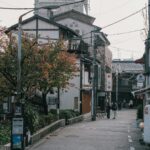
Sightseeing and Attractions

Hakone Highlights
- Owakudani Valley — Volcanic active zone with sulfurous fumaroles and the famous black eggs said to add seven years to your life.
- Hakone Open-Air Museum — Japan's first outdoor sculpture museum, featuring works by Picasso, Henry Moore, and more.
- Lake Ashi Pirate Ship Cruise — A scenic ride across the caldera lake with views of the lakeside torii gate and, weather permitting, Mt. Fuji.
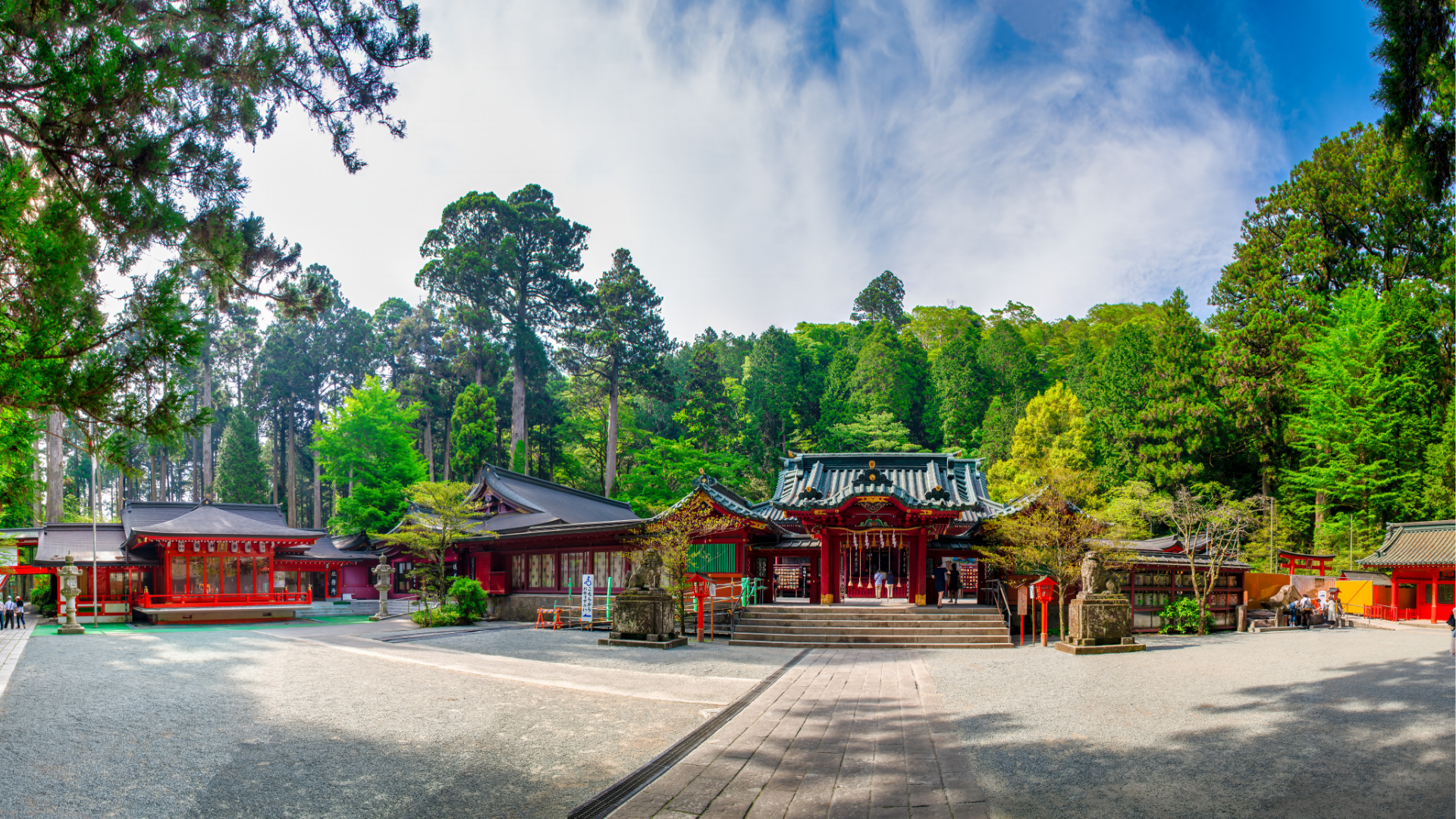
- Hakone Shrine — An ancient Shinto shrine set in cedar forests with its iconic floating torii gate on Lake Ashi.
- Old Tokaido Road — A preserved section of the historic highway with centuries-old cedar-lined stone paths.
- Hakone Ropeway and Cable Car — A multi-stage transit experience that doubles as a scenic attraction.
Kawaguchiko Highlights
- Lake Kawaguchiko — The most accessible of the Fuji Five Lakes, ideal for cycling, boating, and photography.
- Chureito Pagoda — A five-story pagoda in Fujiyoshida with one of the world's most iconic Mt. Fuji backdrops.
- Kachi Kachi Ropeway — A ropeway to Mt. Tenjo offering a sweeping Fuji panorama from 1,075 meters.
- Itchiku Kubota Art Museum — A stunning museum dedicated to the revival of tsujigahana silk dyeing.
- Saiko Iyashi no Sato Nenba — A reconstructed thatched-roof village with craft workshops at nearby Lake Saiko.
- Aokigahara Forest — A vast lava-plateau forest at the base of Mt. Fuji, excellent for nature walks and bat-cave exploration.
Hakone generally packs more variety into a compact area, making it easier to fill a full day without extensive driving. Kawaguchiko's attractions are more spread out across the five lakes region but reward those with their own transport.
Seasonal Considerations in 2026
Spring (March–May)
Both destinations are beautiful in spring, though their cherry blossom seasons differ. Kawaguchiko's blossoms typically peak in mid-April, about one to two weeks later than Tokyo, and the combination of cherry blossoms with Mt. Fuji is breathtaking. Hakone's blossoms peak around the same period, especially along the Hayakawa River near Hakone-Yumoto.
Summer (June–August)
Kawaguchiko is cooler than Hakone due to its higher elevation (around 830 m vs. Hakone's 400–900 m range). Both areas receive significant rainfall in June during the rainy season. Mt. Fuji views are least reliable in summer due to cloud cover.
Autumn (September–November)
This is arguably the best season for both. Hakone's autumn leaves peak in mid-to-late November across the Sengokuhara pampas grass fields, Gora, and along the ropeway route. Kawaguchiko's Momiji Corridor (Maple Tunnel) is illuminated at night in November, creating one of the most striking autumn scenes in the Kanto region. Fuji views are also at their clearest in autumn.
Winter (December–February)
Hakone remains accessible year-round, and winter is prime onsen season with fewer crowds. Kawaguchiko gets colder, but the crisp winter air produces the clearest Mt. Fuji views of the year. The Diamond Fuji phenomenon — the sun setting precisely atop the summit — occurs from Kawaguchiko in late January to early February.
Exploring by Car: Why Driving Changes the Equation

For travelers relying solely on public transit, Hakone is the more practical choice thanks to its integrated pass system. However, having a car fundamentally changes the calculus. With a vehicle, the Kawaguchiko area opens up enormously: you can circle all five lakes, stop at hidden viewpoints, and detour to Fujiyoshida's retro Honcho Street or the Fuji Subaru Line 5th Station.
In Hakone, driving lets you access the spectacular Hakone Turnpike and the Izu Skyline, both legendary among driving enthusiasts. The twisting mountain passes and ocean views are a highlight in their own right, especially for those who appreciate touge (mountain-pass) driving culture.
-
-
Drive from Tokyo to Kawaguchiko Onsen: The Ultimate Self-Drive Guide for Overseas Visitors
続きを見る
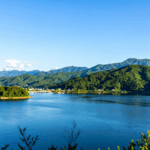
Can You Visit Both Hakone and Kawaguchiko in One Trip?
Yes — and combining both is one of the best multi-day itineraries from Tokyo in 2026. A common route for a two-day trip looks like this:
- Day 1: Drive or take the train from Tokyo to Hakone. Complete the Hakone Loop (cable car, ropeway, pirate ship, Owakudani). Stay overnight at a ryokan.
- Day 2: Drive from Hakone to Kawaguchiko via the Fuji Five Lakes road (about 1 hour by car). Spend the day exploring the lake, visiting Chureito Pagoda, and soaking in a lakeside onsen before returning to Tokyo.
By public transport, this combination is possible but more complex, requiring a bus from Gotemba Premium Outlets (accessible from Hakone via bus) to Kawaguchiko. Having your own car makes the two-destination combination significantly easier and more rewarding.
-

-
Rent a Car Tokyo to Hakone Onsen: Complete Driving Guide for Visitors
続きを見る
Budget Comparison
In terms of overall cost, the two destinations are broadly similar for day trips. Here is a rough comparison:
- Hakone Free Pass (2-day): ¥6,100 from Shinjuku — exceptional value given what it includes.
- Kawaguchiko bus round trip: ¥4,400 from Shinjuku, plus separate fees for ropeways, museums, etc.
- Accommodation: Hakone ryokan tend to be pricier (¥20,000–¥60,000+ per person with meals), while Kawaguchiko offers more mid-range hotel options (¥10,000–¥30,000 per person).
- Dining: Both areas offer comparable pricing, though Hakone has more upscale dining options.
Which Should You Choose?
The best choice depends on your priorities:
- Choose Hakone if: you want world-class onsen, cultural attractions, a well-structured loop itinerary, and do not mind if Mt. Fuji views are a bonus rather than a guarantee.
- Choose Kawaguchiko if: seeing Mt. Fuji is non-negotiable, you prefer a lakeside atmosphere, you want a slightly more budget-friendly trip, or you are visiting in winter for the clearest mountain views.
- Choose both if: you have two days or more and access to a car, allowing you to experience the volcanic drama of Hakone and the serene Fuji panoramas of Kawaguchiko in a single unforgettable road trip.
There is no wrong answer. Both Hakone and Kawaguchiko rank among the finest experiences within reach of Tokyo, and each rewards visitors with scenery, culture, and relaxation that make the journey more than worthwhile.
Experience Japan’s Finest JDM Adventures
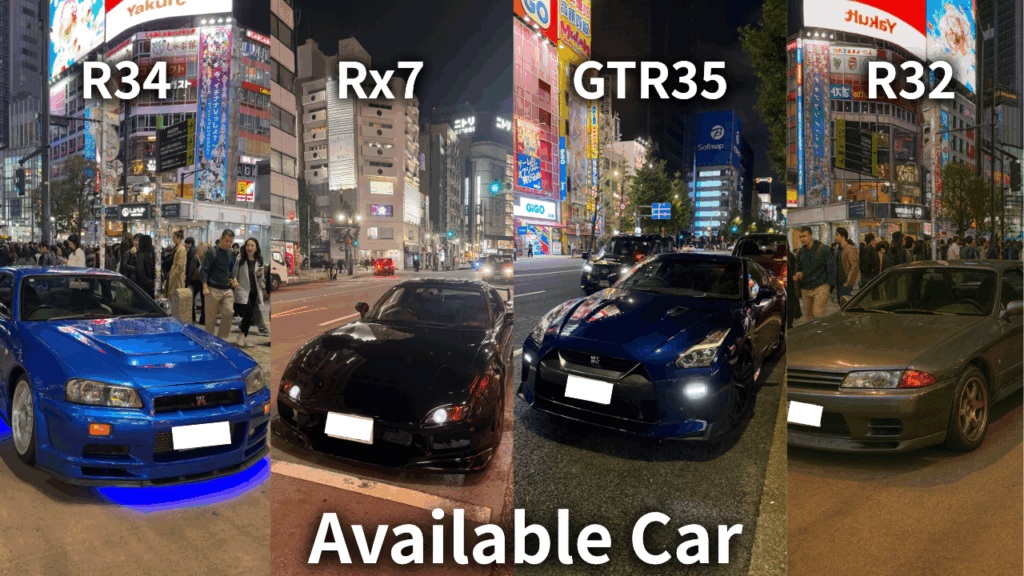
From Daikoku PA tours to JDM sports car rentals and drift experiences, we offer premium driving adventures for visitors who want more than ordinary sightseeing.
Get behind the wheel of iconic machines such as the GT-R, RX-7, and Supra, and experience Japan’s legendary car culture in the most unforgettable way. Whether you want a scenic Tokyo car experience or something more thrilling and immersive, we can guide you to the right plan.
Not sure which experience suits you best? No problem. Message us on WhatsApp and we’ll help you choose the ideal option based on your travel plans, interests, and driving experience.
Popular dates sell out quickly, so we recommend contacting us early.
Customer Reviews
Important Information
- This is a drive tour where you drive your rental car, and our guide navigates from the seat.
- This is a self-drive tour where you drive your rental car, and our guide navigates from the passenger seat.
- The tour begins and ends at the same location (Shibuya).
- If the Daikoku Parking Area is closed, we will instead guide you to another car meet further away.
- The consultant is a cultural expert and navigator, not a taxi service.
