Why Choosing the Right Area in Hakone Matters
Hakone is not a single town — it is a sprawling collection of hot spring villages, lakeside retreats, and mountain hamlets spread across the volcanic caldera of the Fuji-Hakone-Izu National Park. Where you choose to stay in Hakone dramatically shapes your experience, from the convenience of transit access to the style of onsen you will enjoy and the views you will wake up to each morning.
Unlike Tokyo, where most hotels cluster around train stations, Hakone's accommodation is scattered across distinct areas, each with its own character. Understanding these neighborhoods is essential for matching your trip goals — whether that means soaking in a private rotenburo (open-air bath), being steps from world-class museums, or gazing at Lake Ashi and Mt. Fuji from your room.
-

-
Hakone: The Ultimate Travel Guide for 2026 — Hot Springs, Mt. Fuji Views & Scenic Drives
Why Hakone Should Be on Every Japan Traveler's List Hakone is one of the most beloved destinations n ...
続きを見る
Hakone Yumoto: Best for Easy Access and Day Trippers
Hakone Yumoto is the gateway to the region and the first stop for travelers arriving from Tokyo by Romancecar or local train. It is Hakone's largest and most accessible hot spring town, with dozens of ryokan, hotels, and souvenir shops lining the Hayakawa River.
Who Should Stay Here
- First-time visitors who want a convenient base
- Travelers arriving late or departing early, since train access is immediate
- Budget-conscious visitors, as Hakone Yumoto offers the widest price range
- Day trippers from Tokyo who want to add one overnight stay
What to Expect
Hakone Yumoto sits at the lowest elevation in the area, so it is warmer in winter and less dramatic in scenery compared to higher zones. However, the quality of onsen water here is excellent — the town has been a bathing destination for over 1,200 years. Many ryokan offer day-use bathing as well as overnight plans with kaiseki dinner. The main shopping street is walkable and offers local treats like manju steamed buns and dried fish.
The downside is that Hakone Yumoto can feel crowded on weekends and holidays, and it does not offer the lake or mountain views that define Hakone's postcard scenery. If you want seclusion, consider heading deeper into the caldera.
-
-
Hakone Yumoto Station: The Complete 2026 Guide to Hakone's Gateway
What Is Hakone Yumoto Station? Hakone Yumoto Station (箱根湯本駅) is the main gateway to the Hakone regio ...
続きを見る

Gora: Best for Culture, Convenience, and Upscale Stays
Gora is the terminus of the Hakone Tozan Railway and serves as the mid-mountain hub connecting the railway, cable car, and ropeway. It has evolved into one of Hakone's most popular accommodation areas, balancing cultural attractions with premium lodging options.
Who Should Stay Here
- Art and museum enthusiasts — the Hakone Open-Air Museum, Hakone Art Museum, and Pola Museum of Art are all nearby
- Visitors who want a centrally located base for the Hakone Loop circuit
- Couples seeking upscale ryokan with private onsen in each room
What to Expect
Gora sits at a higher elevation than Hakone Yumoto, offering cooler temperatures and more verdant surroundings. The area is home to Gora Park, a French-style garden, and some of Hakone's most celebrated luxury accommodations. Properties here tend to feature modern-traditional fusion design, with private rotenburo and multi-course kaiseki meals.
Transit is straightforward: the Hakone Tozan Cable Car departs from Gora Station and connects to the ropeway at Sounzan, making it easy to continue to Owakudani and Lake Ashi. Gora is arguably the most versatile base if you want to explore the full Hakone Loop without rushing.
-
-
Gora Hakone: Complete Guide to Hakone's Mountain Resort Hub in 2026
What Is Gora and Why Is It Central to Any Hakone Visit? Gora is the geographic and cultural heart of ...
続きを見る
Lake Ashi (Ashinoko): Best for Scenic Lakeside Views

The shores of Lake Ashi offer some of the most photogenic accommodation in all of Hakone. Staying here means waking up to the caldera lake with Mt. Fuji reflected on its surface on clear mornings — a scene that has captivated artists and travelers for centuries.
Who Should Stay Here
- Photographers and scenery seekers who prioritize views above all else
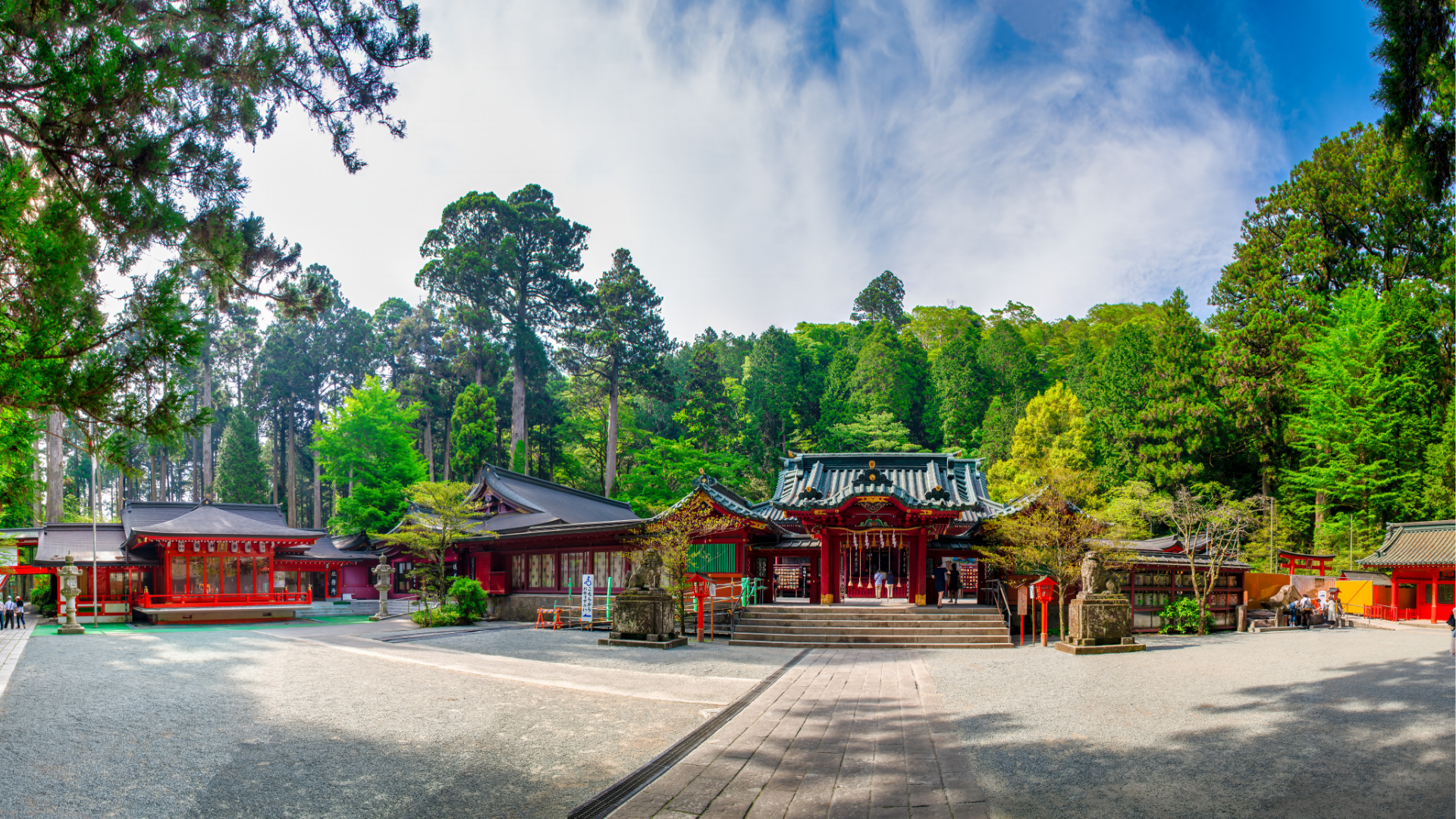
- Visitors who want to be near the sightseeing cruise pier and Hakone Shrine
- Travelers with a car, as lakeside lodgings are more spread out and less transit-accessible
What to Expect
The Lake Ashi area encompasses several smaller zones including Moto-Hakone and Hakone-machi. Hotels and ryokan here range from large resort-style properties to intimate pensions. Many feature lake-facing rooms and onsen baths with panoramic views. The famous vermillion torii gate of Hakone Shrine standing in the water is within walking distance of several properties.
The trade-off is accessibility. Bus service connects the lakeside to Hakone Yumoto and Gora, but frequencies decrease in the evening. If you are relying solely on public transport, plan your dinner and evening activities accordingly. For those who drive to Hakone, the lakeside area becomes far more convenient and opens up the scenic Hakone Turnpike route as well.
Sengokuhara: Best for Quiet Nature Retreats
Sengokuhara is a highland plateau area on the northern side of the caldera, known for its susuki (pampas grass) fields in autumn and its peaceful, uncrowded atmosphere. It is one of Hakone's hidden gems for accommodation.
Who Should Stay Here
- Nature lovers and hikers
- Travelers seeking quiet, residential-feel lodging away from tourist crowds
- Art fans visiting the Pola Museum of Art or the Lalique Museum
What to Expect
Sengokuhara offers a distinctly different mood from the rest of Hakone. Accommodations here lean toward boutique guesthouses, smaller ryokan, and Western-style pensions surrounded by forest. The area is higher in elevation and slightly cooler, making it particularly pleasant in summer. Several properties feature their own natural hot spring sources.
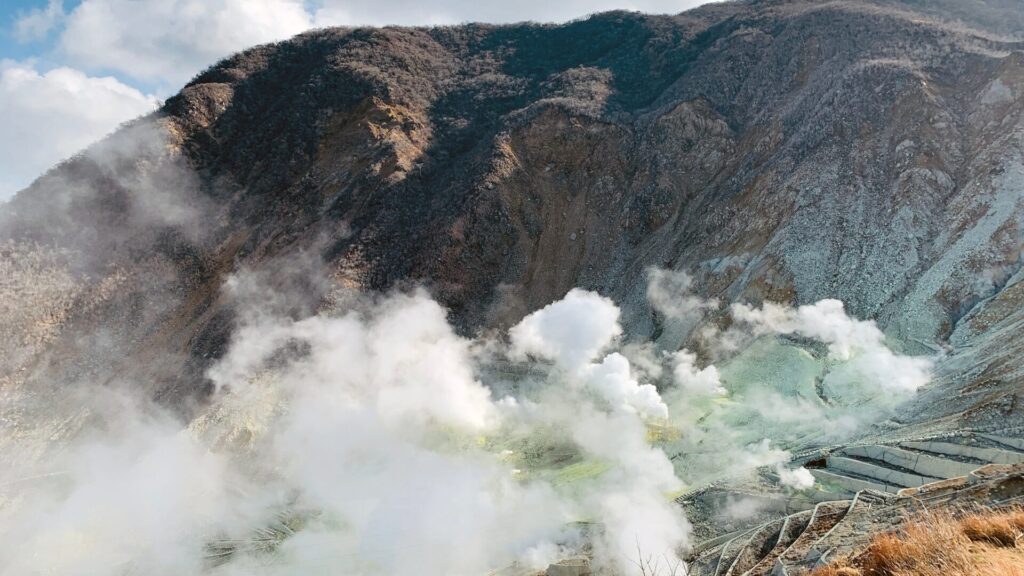
Access requires a bus from Gora or Hakone Yumoto, and having your own vehicle is a significant advantage here. The winding roads through Sengokuhara are scenic and lead to excellent hiking trails, including routes toward the Owakudani volcanic valley.
Kowakidani and Miyanoshita: Best for Classic Hot Spring Heritage
These two stops along the Hakone Tozan Railway are among the oldest hot spring resorts in the area. Miyanoshita, in particular, was a favorite of foreign dignitaries and wealthy Japanese travelers during the Meiji era, and its grand Fujiya Hotel (established in 1878) remains an iconic landmark.
Who Should Stay Here
- History buffs interested in Meiji-era architecture and Japan's early international tourism
- Visitors who appreciate heritage hotels with a story
- Those who want easy railway access without the bustle of Hakone Yumoto
What to Expect
Miyanoshita sits on a steep hillside between Hakone Yumoto and Gora, with narrow streets and a handful of antique shops and cafes. The area is small and walkable, with a charming, old-world atmosphere. Kowakidani, one stop further up, is home to Yunessun — a hot spring theme park that is especially popular with families. Accommodation around Kowakidani tends to be resort-oriented with larger facilities.
Both areas benefit from being on the Hakone Tozan Railway line, making connections to the rest of the Loop easy. They offer a quieter alternative to Hakone Yumoto while remaining well-connected.
Accommodation Types in Hakone Explained
Understanding the different lodging formats available in Hakone helps you choose the right property regardless of which area you book.
Traditional Ryokan
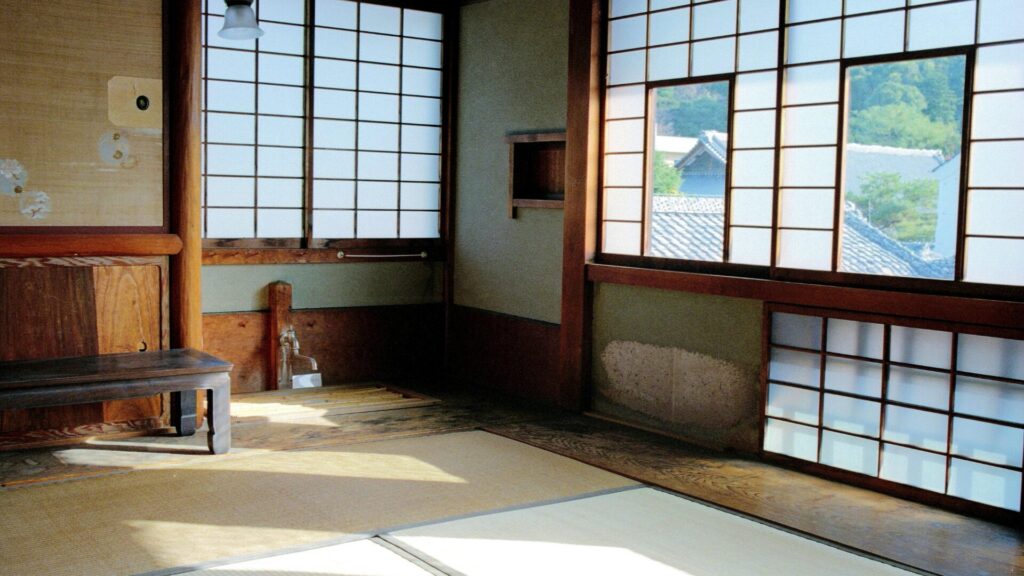
A ryokan stay is the quintessential Hakone experience. Guests sleep on futon bedding laid out on tatami floors, wear yukata robes, and enjoy multi-course kaiseki dinners served in their room or a private dining area. Many ryokan include access to shared and private onsen baths. Prices typically range from ¥20,000 to ¥80,000 per person per night, including dinner and breakfast.
Western-Style Hotels
Several international and domestic hotel brands operate in Hakone, particularly around Gora and Sengokuhara. These offer familiar amenities such as beds, en-suite bathrooms, and restaurant-based dining, while often incorporating onsen facilities. They are a good choice for travelers who are not comfortable with futon sleeping or shared bathing.
Pensions and Guesthouses
Smaller, family-run pensions are scattered throughout Sengokuhara, Togendai, and the lakeside area. They offer a more personal and affordable alternative, often with home-cooked meals and a cozy, informal atmosphere.
Luxury Properties with Private Onsen
Hakone has seen a boom in high-end accommodations featuring private open-air baths (rotenburo) attached to each room. These properties, concentrated around Gora and the lakeside, offer the ultimate in privacy and relaxation. Expect to pay ¥50,000 or more per person per night for these premium experiences.
-
-
Hakone Japan Onsen Guide: Best Hot Springs, Etiquette & Where to Soak in 2026
Why Hakone Is Japan's Premier Onsen Destination Nestled in the mountainous terrain of Kanagawa Prefe ...
続きを見る
Tips for Booking Hakone Accommodation in 2026

Hakone is one of the most popular domestic travel destinations in Japan, and room availability can be tight during peak periods. Keep the following tips in mind when planning your stay.
- Book early for weekends and holidays: Golden Week (late April to early May), Obon (mid-August), and autumn foliage season (late October to mid-November) are extremely busy. Book at least two to three months in advance.
- Weekday rates are significantly cheaper: Many ryokan offer midweek discounts of 20–40% compared to weekend pricing. If your schedule allows, a Tuesday or Wednesday stay delivers the best value.
- Check meal plans: Most ryokan rates include dinner and breakfast (referred to as "2 meals included" or 一泊二食). Some offer room-only or bed-and-breakfast plans at lower prices, which can be useful if you prefer to explore Hakone's restaurants independently.
- Consider tattoo policies: Shared onsen at some traditional properties may not permit visible tattoos. If this applies to you, choose a property with a private in-room bath or check policies in advance.
- Driving opens up more options: Several of Hakone's finest ryokan and guesthouses are located away from train and bus stops. Arriving by car gives you access to a wider range of properties, especially in Sengokuhara and along the lakeside.
-

-
Rent a Car Tokyo to Hakone Onsen: Complete Driving Guide for Visitors
Why Drive from Tokyo to Hakone Onsen? Renting a car gives you door‑to‑door access to hot spring town ...
続きを見る
Hakone Where to Stay: Area-by-Area Comparison
The following summary helps you quickly compare the main accommodation areas in Hakone based on key criteria.
- Hakone Yumoto: Best access, widest price range, most crowded, limited views
- Gora: Central location, museum access, upscale options, good transit links
- Lake Ashi: Best views, scenic lakeside setting, limited evening transit, ideal with a car
- Sengokuhara: Quietest atmosphere, nature focus, boutique lodging, car recommended
- Miyanoshita / Kowakidani: Heritage charm, railway convenience, smaller selection
Ultimately, the best area for your Hakone stay depends on what you value most: convenience, scenery, cuisine, privacy, or cultural immersion. Many repeat visitors choose a different area each trip to experience Hakone's full range of atmospheres. Whether you arrive by train from Shinjuku or drive through the mountains from Tokyo, a night or two in the right Hakone neighborhood transforms a sightseeing trip into a deeply restorative escape.
Experience Japan’s Finest JDM Adventures
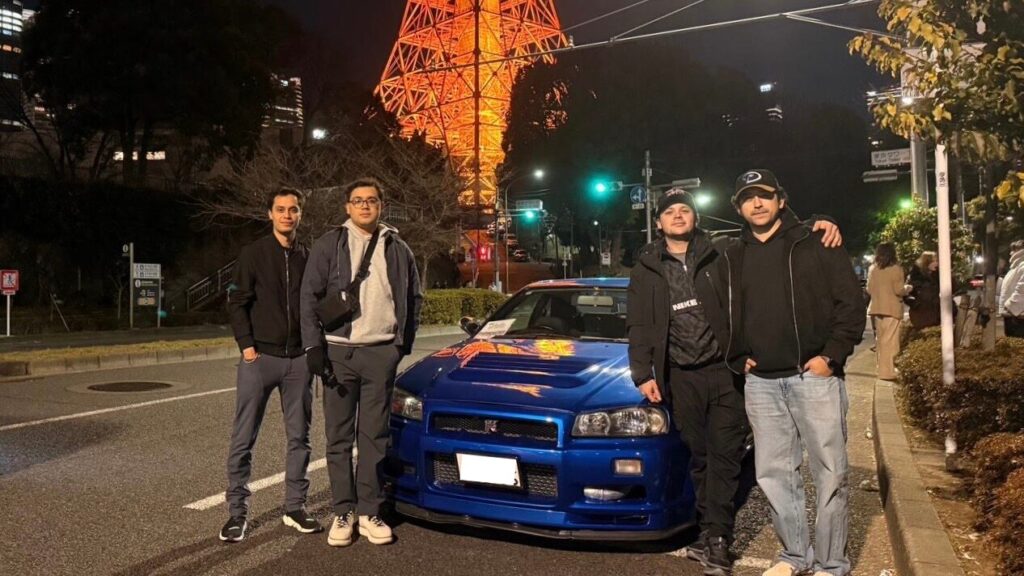
From Daikoku PA tours to JDM sports car rentals and drift experiences, we offer premium driving adventures for visitors who want more than ordinary sightseeing.
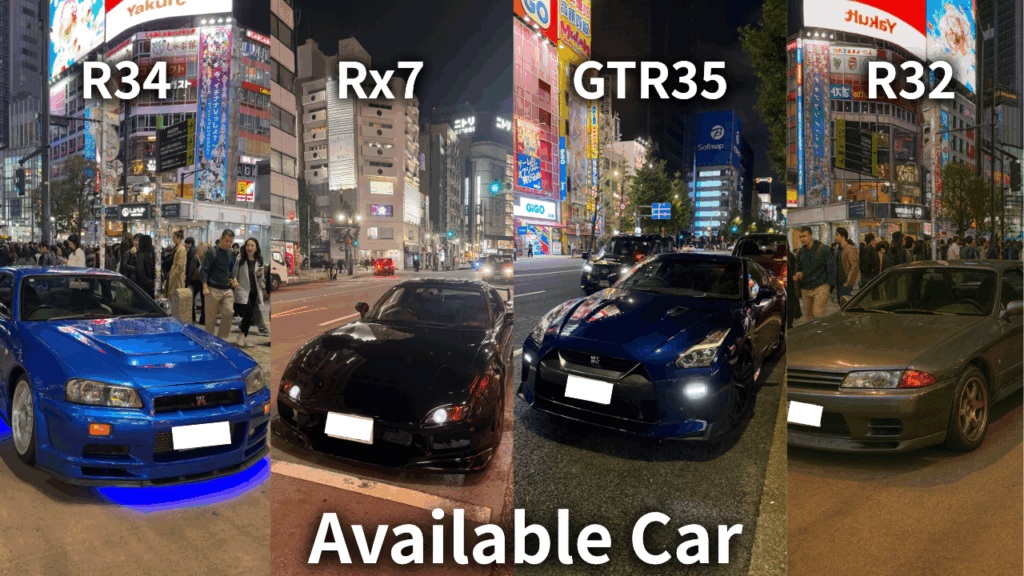
Get behind the wheel of iconic machines such as the GT-R, RX-7, and Supra, and experience Japan’s legendary car culture in the most unforgettable way. Whether you want a scenic Tokyo car experience or something more thrilling and immersive, we can guide you to the right plan.
Not sure which experience suits you best? No problem. Message us on WhatsApp and we’ll help you choose the ideal option based on your travel plans, interests, and driving experience.
Popular dates sell out quickly, so we recommend contacting us early.
Customer Reviews
Important Information
- This is a drive tour where you drive your rental car, and our guide navigates from the seat.
- This is a self-drive tour where you drive your rental car, and our guide navigates from the passenger seat.
- The tour begins and ends at the same location (Shibuya).
- If the Daikoku Parking Area is closed, we will instead guide you to another car meet further away.
- The consultant is a cultural expert and navigator, not a taxi service.
