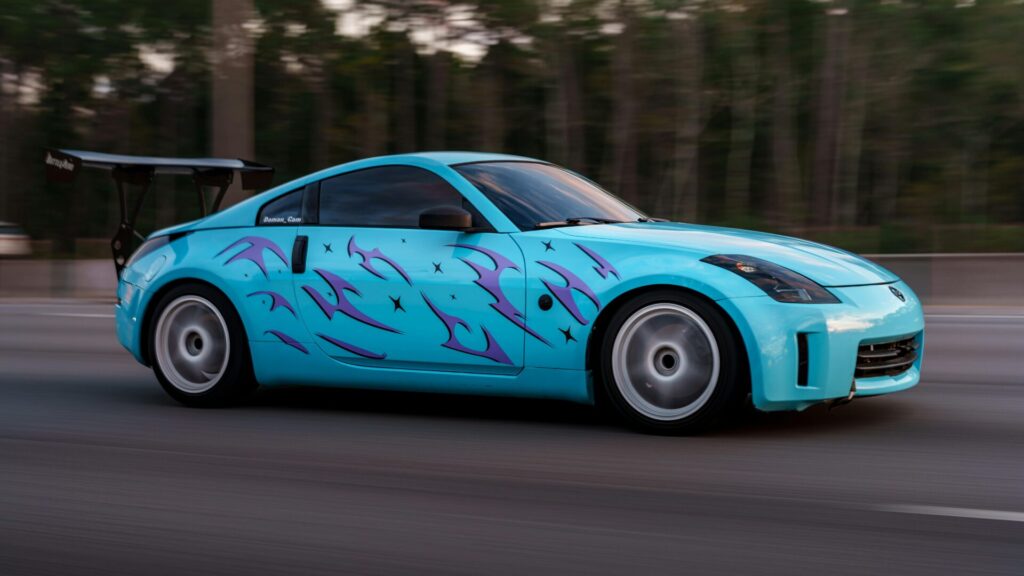
Why Japan Car Meets Happen at Night
Japan's car meet culture is fundamentally a nocturnal phenomenon. Unlike organized daytime motorsport events, informal car meets in Japan — particularly at highway rest stops around Tokyo and Yokohama — operate almost exclusively after dark. There are practical and cultural reasons for this pattern that every visitor should understand before planning a visit.
During the day, highway parking areas like Daikoku PA serve their intended function as service facilities for commercial vehicles and regular motorists. As traffic volumes decrease after midnight, enthusiasts begin arriving in greater numbers. The combination of reduced law enforcement presence, cooler temperatures for engine performance, and the dramatic aesthetic effect of sports cars illuminated against city skylines makes night the preferred time for Japan's JDM community to gather.
Social dynamics also play a role. Many participants work regular daytime hours and treat late-night meets as weekend social events. The culture has developed around midnight to early morning hours over decades, creating an unwritten schedule that the community follows organically.
The Main Venues for Night Car Meets in Japan
Japan's night car meet scene is concentrated along the Tokyo Metropolitan Expressway (Shuto Kosoku) corridor, with several key venues each offering a distinct character and atmosphere.
Daikoku Parking Area — The Premier Night Venue
Daikoku Parking Area (大黒パーキングエリア), located on the Bayshore Route of the Metropolitan Expressway near Yokohama, is widely considered the most iconic night car meet location in Japan — and arguably the world. On weekend nights, particularly Friday and Saturday, the large central parking lot transforms into an outdoor showcase of rare JDM machinery. GT-Rs, Supras, NSXs, RX-7s, and heavily modified street cars fill the space from around 11 PM through to 3 or 4 AM.
The venue's wide concrete expanse provides ample space for cars to be displayed and for enthusiasts to walk between vehicles. The elevated highway location creates a dramatic industrial backdrop, particularly appreciated by photographers shooting at night. There is no entrance fee beyond the standard highway toll, and no organized schedule — the meet assembles and disperses entirely organically.
-

-
Best Time to Visit Daikoku Parking Area (Daikoku PA) in 2026: The Real-World Guide
Daikoku Parking Area—usually shortened to Daikoku PA—is Japan’s most famous informal car-meet spot. ...
続きを見る
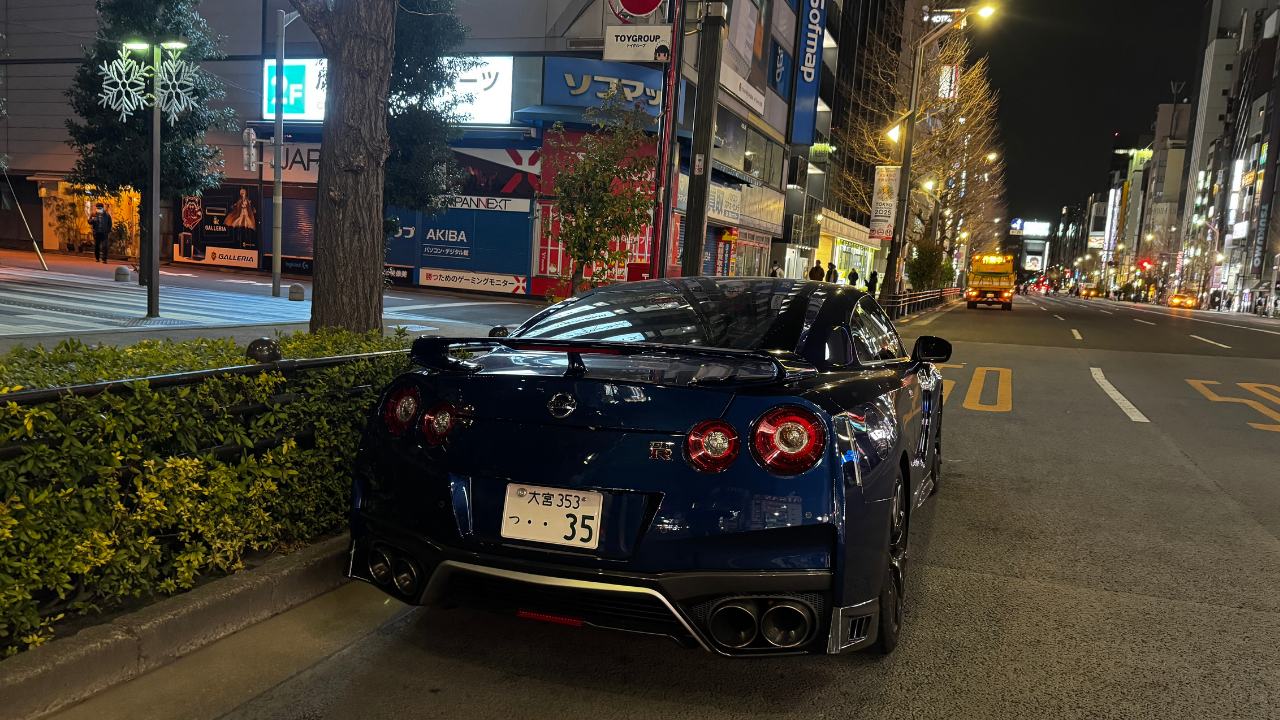
Tatsumi Parking Area — Tokyo's Inner Harbor Scene
Tatsumi Parking Area (辰巳パーキングエリア) sits on the Bayshore Route closer to central Tokyo, near the artificial island district of Shinkiba. It has a longer history as a car meet venue than Daikoku PA, dating back to the bubble era of the late 1980s. The scene here tends toward a rawer, more underground aesthetic — older tuner cars, drift-style builds, and a more local crowd with fewer international visitors. Tatsumi is most active on weekend nights, though enforcement can be more variable than at Daikoku. For visitors seeking a more authentic, less tourist-oriented experience, Tatsumi offers a compelling alternative.
-
-
Tatsumi Parking Area Car Meet Guide (2025): The Insider Playbook for Tokyo’s Wangan Nights
What Is Tatsumi Parking Area (Tatsumi PA)? Tatsumi PA is a compact expressway rest stop inside Tatsu ...
続きを見る
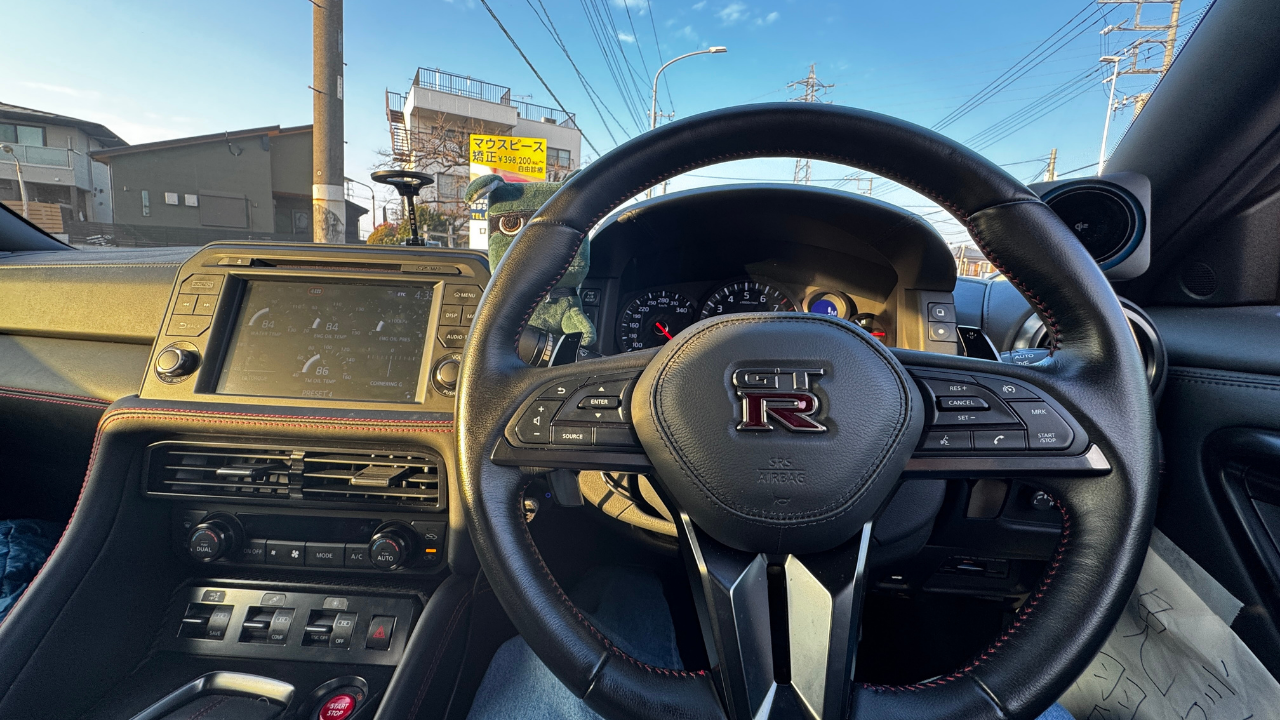
Umihotaru Parking Area — The Offshore Experience
Umihotaru Parking Area (海ほたるパーキングエリア) is a man-made island rest stop positioned in Tokyo Bay on the Aqua-Line, the tunnel-bridge connection between Kawasaki and Kisarazu in Chiba Prefecture. Car meets here are less frequent and less predictable than at Daikoku or Tatsumi, but the location is extraordinary — surrounded entirely by water, with panoramic night views of the bay, the Yokohama skyline, and on clear nights, the silhouette of Mount Fuji. When gatherings do occur, typically on warm weekend nights, they draw enthusiasts looking for a scenic backdrop as much as a social scene.
What to Expect at a Japan Night Car Meet
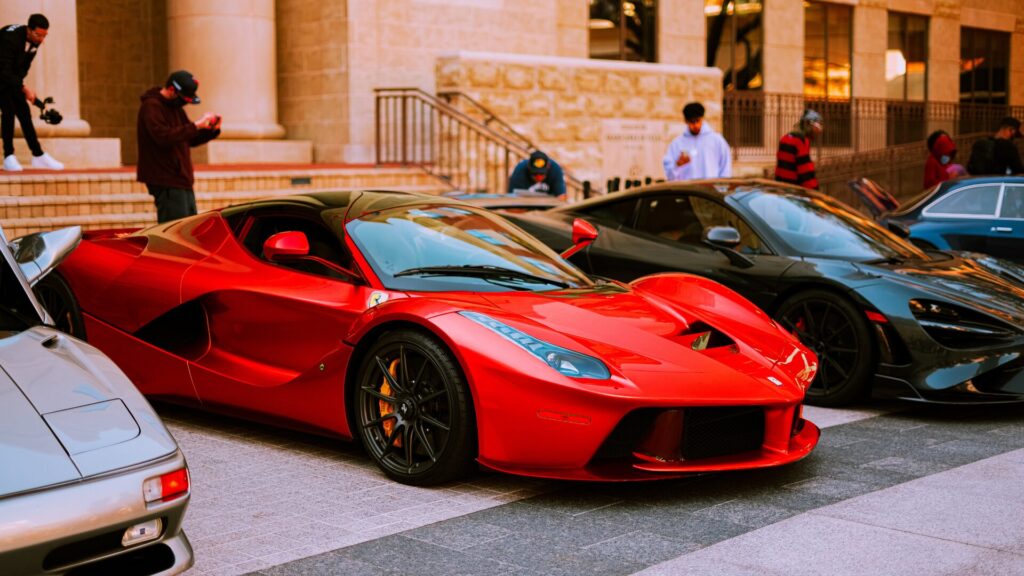
First-time visitors are often surprised by how civilized and low-key Japan's night car meets are compared to those depicted in popular culture. The culture is built on self-regulation and mutual respect. Understanding the norms before arriving is essential.
Arrival and Atmosphere
Most participants begin arriving between 10 PM and midnight on Fridays and Saturdays, with peak activity typically occurring between midnight and 2 AM. The atmosphere is that of a community gathering rather than a performance event. Engines are generally kept off once cars are parked, music is kept to a moderate volume, and burnouts or aggressive driving within the parking area are strongly frowned upon and could result in the venue being closed.
Cars are parked in loose groupings by type — domestic tuner builds in one area, imports in another, with collector-quality original JDM cars often given space to themselves. Participants move between cars, exchange conversation, and examine builds in detail. Owners are generally open to questions and photography, provided visitors approach respectfully.
Vehicles Commonly Seen at Night Meets
The range of vehicles at Japanese night car meets covers the full spectrum of JDM culture. On any given weekend night at Daikoku PA, a visitor might encounter original-specification Nissan Skyline GT-Rs from the R32, R33, and R34 generations alongside heavily modified R35 GT-Rs. Toyota Supra A80s, Mazda RX-7 FD3Ss, Honda NSX-Rs, and various kei sports cars like the Honda Beat and Suzuki Cappuccino appear alongside modern builds. Luxury and exotic vehicles — Lamborghinis, Ferraris, and Porsches with Japanese modifications — are not uncommon, particularly later in the evening as wealthier participants arrive from central Tokyo.
Wide-body kits from builders like Liberty Walk are a visible element of the scene, particularly at Daikoku, which is located within a short drive of the Liberty Walk distribution network. Stanced builds, drift cars on semi-slick tires, and immaculately maintained stock examples all coexist in the same space without hierarchy.
How to Get to Japan Night Car Meets
Accessing highway parking areas presents a logistical challenge that every visitor must plan for in advance. Daikoku PA, Tatsumi PA, and Umihotaru PA are all located on the Metropolitan Expressway or the Aqua-Line — toll roads that cannot be accessed by public transportation or on foot. There is no train or bus service to any of these venues.
Rental Car Access
Visitors with a valid International Driving Permit (IDP) and a home country license can rent a vehicle from a Tokyo-based rental company and drive to the venues independently. Navigation using Japanese Google Maps or a car-mounted GPS system is straightforward on the Metropolitan Expressway. Highway tolls are paid via ETC card (typically provided with rental vehicles) or cash at manned booths. Parking at Daikoku PA is free once the highway toll is paid.
Guided Tour Access
For visitors who are not comfortable driving on Japanese expressways at night, or who do not hold the required documentation for self-drive, guided tours represent the most reliable method of access. Specialist JDM tour operators provide transport from Tokyo hotels to Daikoku PA and other venues, typically in notable JDM vehicles, with knowledgeable guides who can explain the cars, culture, and etiquette of each location. Tours generally depart in the late evening to arrive at venues during peak activity hours.
-

-
How to Get to Daikoku PA Without a Car (Legal Options, Taxi Costs, and Tours)
Daikoku Parking Area (Daikoku PA) is Japan’s most famous informal car meet—but it’s also one of the ...
続きを見る

Rules, Etiquette, and Safety at Night Meets

Japan's car meet culture is self-policed, and the continued availability of venues like Daikoku PA depends on the community maintaining a responsible reputation with expressway authorities. Visitors should be aware of the following expectations.
Core Rules
- No racing, burnouts, or aggressive driving within or near the parking area. Any such behavior risks the closure of the venue for all participants.
- Keep noise to a reasonable level. Extended engine revving, loud exhaust blips, and high-volume audio systems create community relations problems and attract police attention.
- Do not block access lanes, toll booths, or emergency routes. The facility remains a functioning highway rest stop throughout the night.
- Ask permission before photographing private vehicles, particularly close-up or interior shots. Most owners welcome respectful requests.
- Do not touch vehicles without explicit permission from the owner.
- Remove all litter from the area before leaving. The community takes pride in maintaining clean venues.
Police Presence and Closures
Police monitoring of car meet venues in the Tokyo area is an ongoing reality. Daikoku PA experiences periodic closures — sometimes for planned maintenance, sometimes as a response to incidents or complaints. Closures can be unannounced and can affect any given weekend without warning. Checking Japanese social media (Twitter/X and Instagram) using Japanese language search terms on the day of a planned visit is the best method for confirming current conditions before making the drive.
Best Nights and Times to Visit in 2026
The optimal window for visiting Japan's night car meets in 2026 follows patterns established over many years, though conditions can always vary based on weather, enforcement, and community activity.
Friday nights typically produce a moderate gathering that builds gradually through midnight. Saturday nights are consistently the most active, with the largest numbers of vehicles and the widest variety of builds. The period from midnight to 2 AM on Saturday night into Sunday morning represents the peak. Sunday nights are lighter but can still produce worthwhile gatherings, particularly in warmer months.
Seasonal variation matters significantly. Spring (March through May) and autumn (September through November) provide the most comfortable temperatures for outdoor gatherings and the most consistent turnout. Summer can see strong attendance on cooler nights, but extreme heat and typhoon-season rain reduce activity. Winter months see smaller but often higher-quality gatherings, as casual participants stay home and the core community continues to meet.
Golden Week (late April to early May), Obon (mid-August), and year-end holidays in late December typically produce larger-than-average gatherings as participants have more free time. New Year's Eve into New Year's Day is historically one of the largest nights of the year at Daikoku PA.
Photography at Japan Night Car Meets
Night car meet photography in Japan presents both opportunities and challenges. The combination of industrial lighting, neon reflections on polished bodywork, and dramatic exhaust systems creates excellent material for automotive photography. However, shooting conditions require some preparation.
A mirrorless or DSLR camera with a fast prime lens (f/1.8 or f/2.8) performs best in the mixed artificial lighting of a parking area. Manual focus is often more reliable than autofocus in low-light conditions with multiple light sources. A small tripod or stabilizing surface allows for slower shutter speeds and cleaner images without the grain introduced by high ISO settings.
Smartphone cameras with dedicated night modes have improved significantly and can produce compelling results, particularly for close-up detail shots of specific parts or badges. For wide environmental shots capturing the full atmosphere of a night meet, a dedicated camera remains superior.
Always ask owners before photographing their vehicles for anything beyond a casual snapshot. Professional-looking setups — tripods, reflectors, lighting equipment — should always be preceded by explicit owner consent.
Planning Your Visit: Practical Checklist for 2026
- Confirm access method: Secure a rental car with ETC card, or book a tour with an operator experienced in JDM venues.
- Check venue status on the day: Monitor Twitter/X and Instagram using terms like 大黒PA and 辰巳PA for current conditions.
- Depart from Tokyo no earlier than 10 PM: Arriving too early results in an empty or sparsely populated parking area.
- Bring cash for highway tolls if not using an ETC card.
- Dress appropriately: Parking areas are exposed and can be cold late at night, even in spring and autumn.
- Respect the community: Act as an observer who appreciates the culture, not as a spectator treating the meet as entertainment at others' expense.
- Have a backup venue in mind: If Daikoku PA is closed or quiet, Tatsumi PA is the most reliable alternative on the same highway system.
Experience Japan’s Finest JDM Adventures
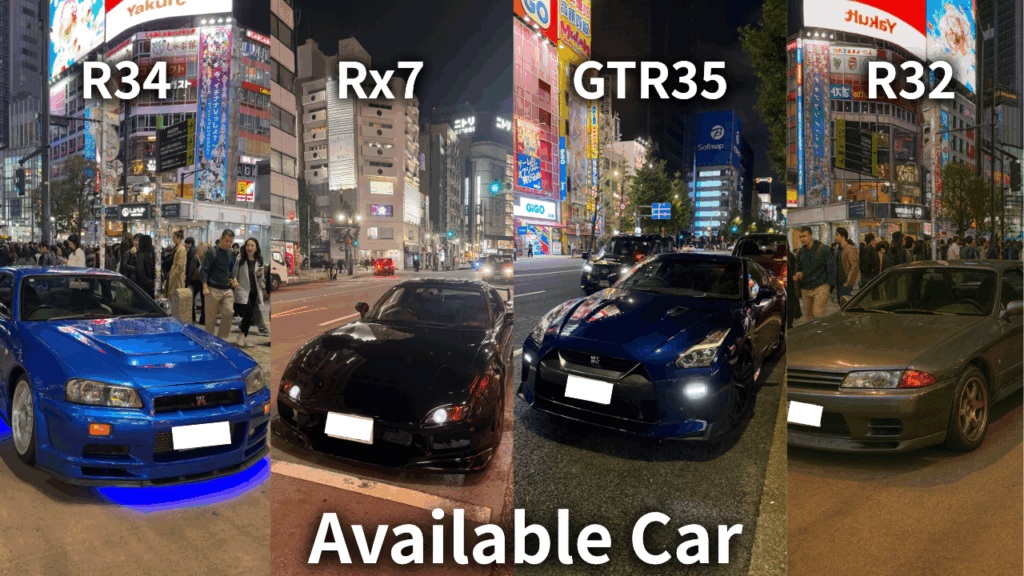
From Daikoku PA tours to JDM sports car rentals and drift experiences, we offer premium driving adventures for visitors who want more than ordinary sightseeing.
Get behind the wheel of iconic machines such as the GT-R, RX-7, and Supra, and experience Japan’s legendary car culture in the most unforgettable way. Whether you want a scenic Tokyo car experience or something more thrilling and immersive, we can guide you to the right plan.
Not sure which experience suits you best? No problem. Message us on WhatsApp and we’ll help you choose the ideal option based on your travel plans, interests, and driving experience.
Popular dates sell out quickly, so we recommend contacting us early.
Customer Reviews
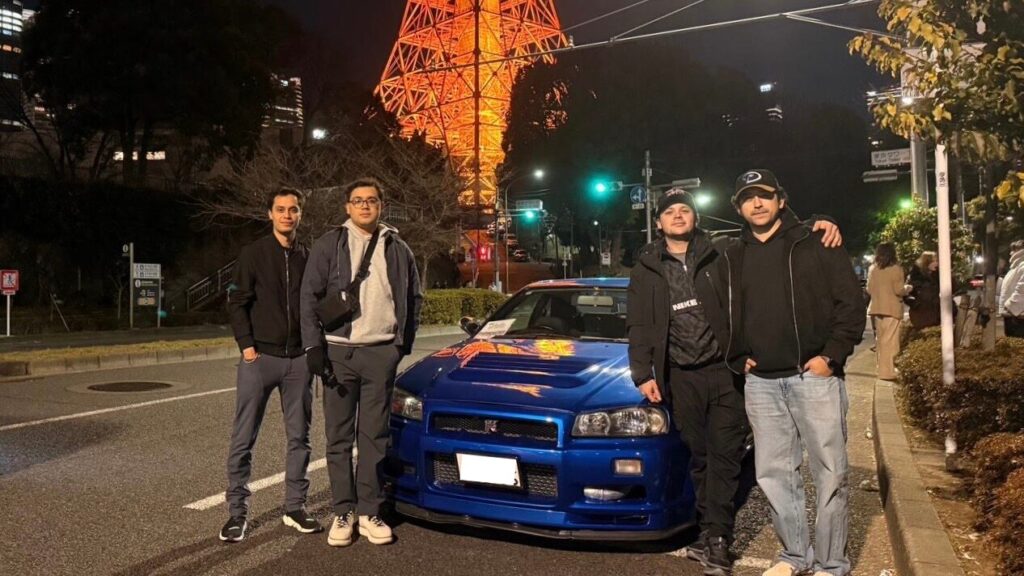
Important Information
- This is a drive tour where you drive your rental car, and our guide navigates from the seat.
- This is a self-drive tour where you drive your rental car, and our guide navigates from the passenger seat.
- The tour begins and ends at the same location (Shibuya).
- If the Daikoku Parking Area is closed, we will instead guide you to another car meet further away.
- The consultant is a cultural expert and navigator, not a taxi service.
