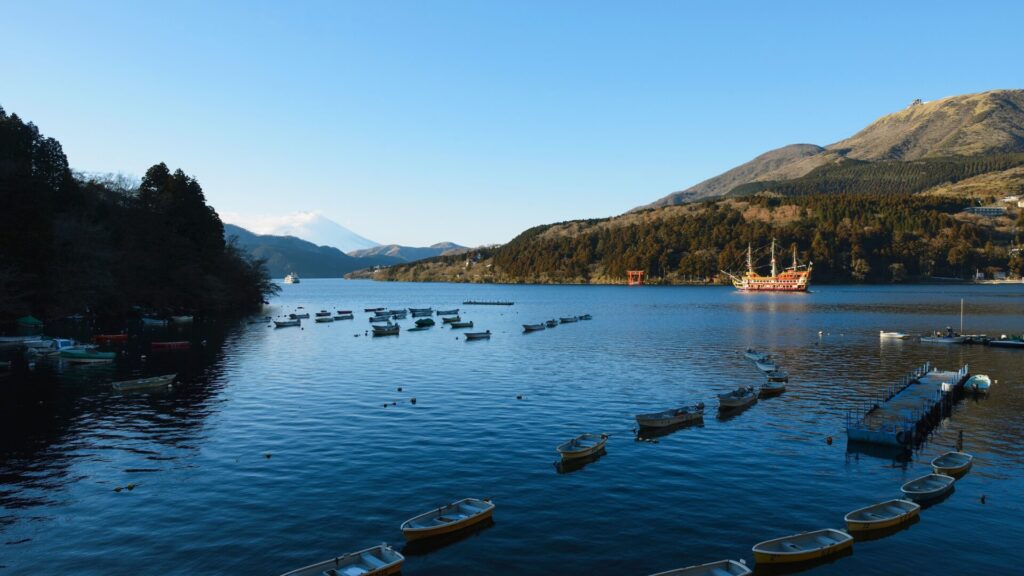
Tokyo to Hakone: Why This Day Trip Is a Must
Hakone sits just 80 kilometers southwest of central Tokyo, yet it feels like a completely different world. Volcanic hot springs, the shimmering surface of Lake Ashi, the Hakone Ropeway floating above steaming Owakudani valley, and — on clear days — a breathtaking view of Mount Fuji all await visitors who make the short journey from Japan's capital. Whether you plan a quick day trip or an overnight onsen retreat, the first decision you need to make is how to get there.
This guide breaks down every practical transport option from Tokyo to Hakone in 2026, including travel times, costs, pros and cons, and tips for choosing the best route based on your priorities.
-

-
Hakone: The Ultimate Travel Guide for 2026 — Hot Springs, Mt. Fuji Views & Scenic Drives
Why Hakone Should Be on Every Japan Traveler's List Hakone is one of the most beloved destinations n ...
続きを見る
Option 1: Odakyu Romancecar — The Most Popular Route
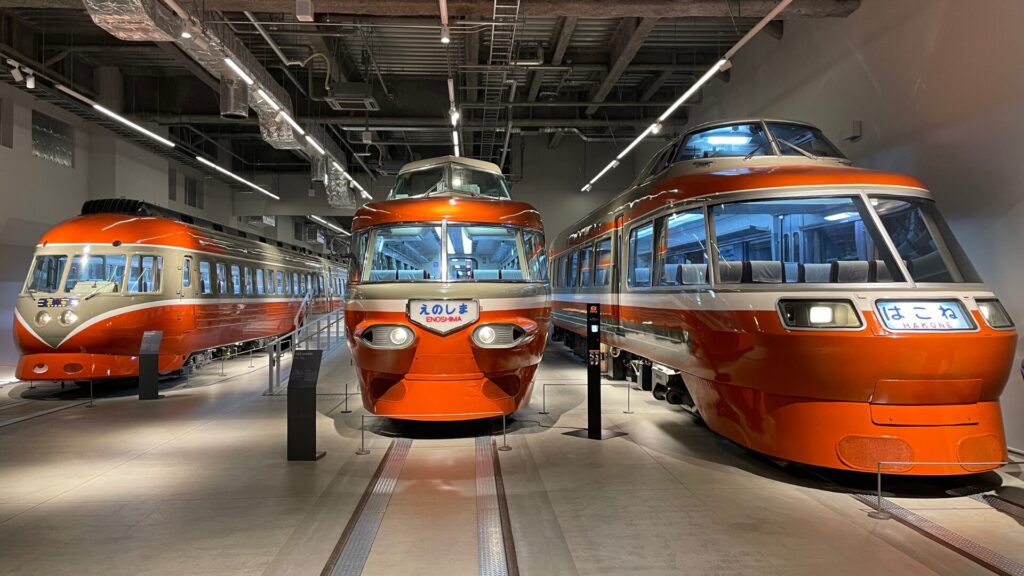
The Odakyu Romancecar is the most iconic way to travel from Tokyo to Hakone. This limited-express train departs from Shinjuku Station and arrives at Hakone-Yumoto Station in approximately 85 minutes with no transfers required.
Cost and Tickets
A one-way reserved seat on the Romancecar costs around ¥2,330 (base fare plus surcharge). You can purchase tickets at the Odakyu Sightseeing Service Center in Shinjuku, through the Odakyu app, or at ticket machines. Booking in advance is strongly recommended for weekend and holiday travel, as seats on popular departure times sell out quickly.
Why Choose the Romancecar
- Direct service — no transfers between Shinjuku and Hakone-Yumoto
- Comfortable reserved seating with large windows
- Front-observation car available on select trains (VSE and GSE models)
- Pairs perfectly with the Hakone Free Pass for onward sightseeing
-
-
Hakone Romancecar: A complete guide to riding Odakyu's iconic limited express train in 2026
What Is the Hakone Romance Car? The Hakone Romancecar is a limited express train operated by Odakyu ...
続きを見る

Option 2: Odakyu Local/Limited Express Train + Hakone Free Pass
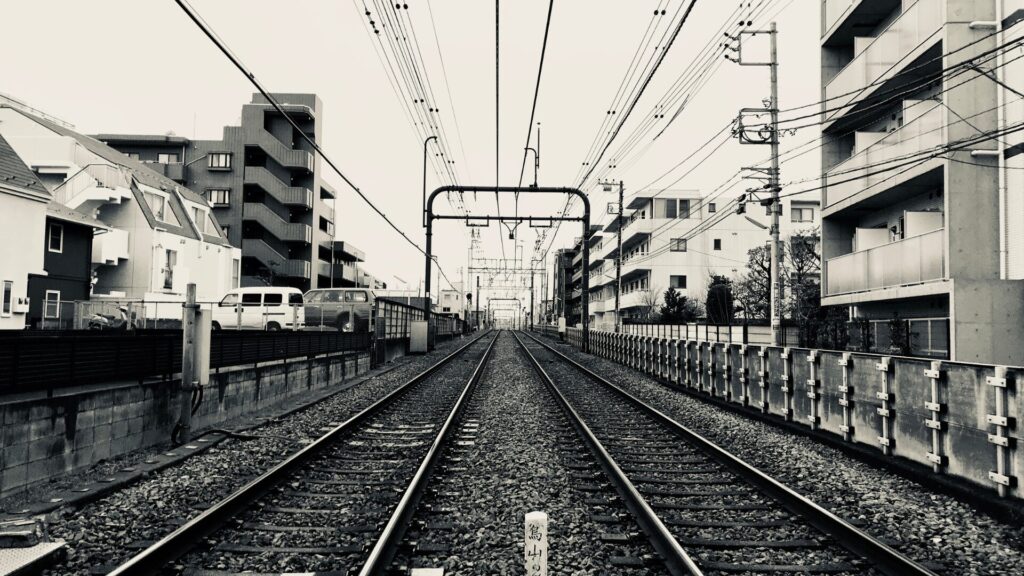
If you want to save money and plan to use multiple transport modes within Hakone (ropeway, cable car, sightseeing cruise, bus), the Hakone Free Pass is arguably the best-value option. The pass covers a round trip from Shinjuku to Hakone on the regular Odakyu express train, plus unlimited rides on eight types of transport within the Hakone area for two or three days.
Cost and Travel Time
A two-day Hakone Free Pass costs approximately ¥6,100 from Shinjuku (2026 pricing; check for updates). The regular express train takes about 2 hours to reach Hakone-Yumoto, roughly 35 minutes longer than the Romancecar. You can upgrade to the Romancecar by paying an additional surcharge of around ¥1,110.
What the Free Pass Covers
- Round-trip train from Shinjuku to Hakone-Yumoto
- Hakone Tozan Railway and Cable Car
- Hakone Ropeway
- Hakone Sightseeing Cruise on Lake Ashi
- Hakone Tozan Bus and Odakyu Hakone Highway Bus
- Discounts at selected museums, ryokans, and restaurants
-
-
Hakone Free Pass 2026: Complete Guide to Pricing, Coverage, and How to Use It
What Is the Hakone Free Pass? The Hakone Free Pass is an all-in-one sightseeing ticket issued by Oda ...
続きを見る
Option 3: Shinkansen (Bullet Train) to Odawara
If you are starting from Tokyo Station or have a Japan Rail Pass, taking the Tokaido Shinkansen to Odawara Station is the fastest rail option. The Kodama or Hikari services reach Odawara in about 35 minutes. From Odawara, transfer to the Hakone Tozan Railway for a 15-minute ride to Hakone-Yumoto, making the total journey around 50 minutes.
Cost Considerations
A one-way Shinkansen reserved seat from Tokyo to Odawara costs approximately ¥3,500. If you already have a JR Pass, this route is essentially free for the Shinkansen leg. However, the Hakone Tozan Railway from Odawara to Hakone-Yumoto is operated by Odakyu and is not covered by the JR Pass, so budget an extra ¥320 for that short segment.
Best For
- JR Pass holders who want maximum speed
- Travelers departing from Tokyo Station, Shinagawa, or Shin-Yokohama
- Those combining Hakone with other Shinkansen destinations (Kyoto, Osaka, Atami)
Option 4: Express bus from Shinjuku
Odakyu Hakone Highway Bus operates direct services from Shinjuku Expressway Bus Terminal (Busta Shinjuku) to various points in the Hakone region, including Togendai on the shore of Lake Ashi and Gotemba Premium Outlets. The ride takes approximately 2 hours under normal traffic conditions.
Pros and Cons
The bus is affordable at around ¥2,100 one way and is covered by the Hakone Free Pass. It also takes you directly into the heart of the Hakone sightseeing area without needing to ride the mountain railway. On the downside, traffic — especially on weekends and holidays — can add 30 to 60 minutes to the journey. If you are on a tight schedule, this unpredictability can be frustrating.
Option 5: Drive from Tokyo to Hakone

Driving offers the most flexibility, particularly if you want to stop at multiple spots along the way or explore areas of Hakone that are difficult to reach by public transport. The drive from central Tokyo to Hakone-Yumoto is approximately 80 to 100 kilometers and takes around 1.5 to 2 hours depending on your starting point and traffic conditions.
Recommended Route
Take the Tomei Expressway from Tokyo and exit at Atsugi IC, then follow the Odawara-Atsugi Road (Odawara-Atsugi Toll Road) south to Odawara. From Odawara, Route 1 or the Hakone Turnpike leads you into the mountains. The Hakone Turnpike (Anest Iwata Turnpike Hakone) is a beautiful driving road with sweeping curves and panoramic views — a favorite among car enthusiasts.
Toll and Parking Costs
Expect to pay approximately ¥2,500 to ¥3,500 in expressway tolls each way (with ETC discount). The Hakone Turnpike charges an additional toll of around ¥730 for standard vehicles. Parking is available at major attractions, though lots near popular sites like Owakudani and Lake Ashi can fill quickly on weekends. Arrive early to secure a spot.
Why Driving Can Be the Best Choice
- Total freedom to stop at viewpoints, cafes, and lesser-known onsen along the way
- Access to scenic roads like the Hakone Turnpike and the old Tokaido Highway
- Easier logistics if you are carrying luggage for an overnight ryokan stay
- Can combine the trip with nearby destinations like Atami, Odawara Castle, or even a detour toward Mount Fuji
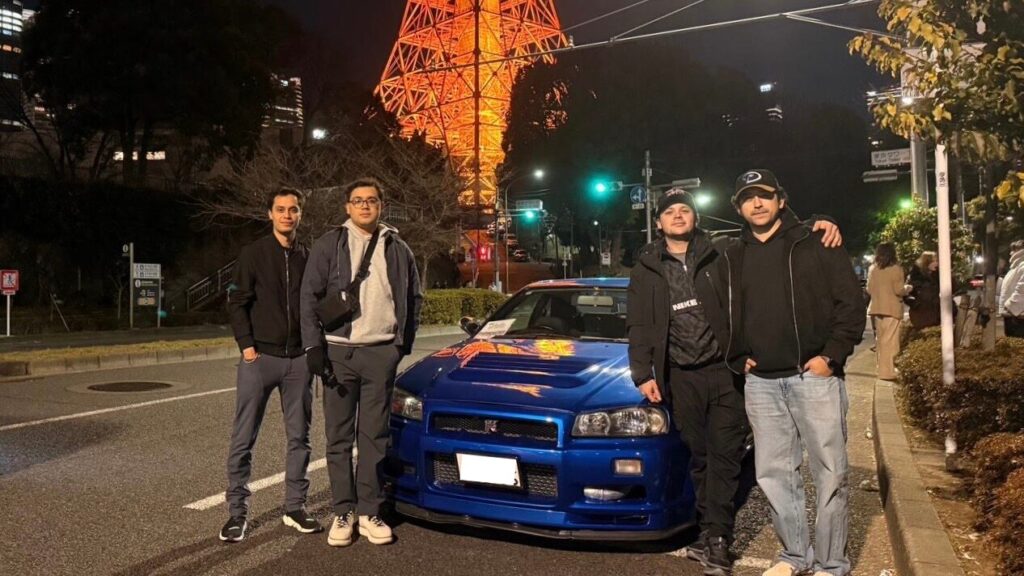
For those who appreciate Japanese automotive culture, driving to Hakone in a JDM rental car adds a memorable dimension to the journey — the mountain roads here are among the most celebrated driving routes in the Kanto region.
-

-
Rent a Car Tokyo to Hakone Onsen: Complete Driving Guide for Visitors
Why Drive from Tokyo to Hakone Onsen? Renting a car gives you door‑to‑door access to hot spring town ...
続きを見る
Tokyo to Hakone: Route Comparison at a Glance
The table below summarizes the key differences between each transport option from Tokyo to Hakone in 2026:
- Romancecar: ~85 min | ~¥2,330 | Shinjuku → Hakone-Yumoto | Comfortable, scenic, direct
- Odakyu Express (Free Pass): ~2 hrs | ~¥6,100 (2-day pass, round trip + Hakone transport) | Best value for full sightseeing
- Shinkansen + Tozan Railway: ~50 min | ~¥3,820 | Tokyo Sta. → Odawara → Hakone-Yumoto | Fastest rail option
- Highway Bus: ~2 hrs | ~¥2,100 | Shinjuku → Togendai/Hakone | Budget-friendly, traffic-dependent
- Car: ~1.5–2 hrs | ~¥3,000–4,000 tolls | Flexible route | Best for freedom and scenic drives
Which route should I choose?
For first-time visitors
The Hakone Free Pass combined with the Romancecar upgrade is the gold standard recommendation. It simplifies your entire Hakone loop — train, cable car, ropeway, cruise ship — into a single pass, and the Romancecar provides a comfortable, memorable journey from Shinjuku.
For JR Pass Holders
Take the Shinkansen to Odawara and transfer to the Hakone Tozan Railway. This maximizes the value of your JR Pass and is the fastest option overall. Consider purchasing a separate Hakone Free Pass starting from Odawara (approximately ¥5,000 for two days) for unlimited transport within Hakone.
For Drivers and Car Enthusiasts
Driving to Hakone unlocks some of Japan's most enjoyable mountain roads. The Hakone Turnpike and the winding ascent through Hakone's volcanic landscape are experiences that public transport simply cannot replicate. If you plan to stay at a ryokan in a quieter part of Hakone like Sengokuhara or Kowakidani, having a car makes the logistics significantly easier.
For Budget Travelers
The highway bus is the cheapest single-journey option. If you time your visit for a weekday, traffic delays are minimal and the ride from Busta Shinjuku to Togendai is straightforward and comfortable.
Tips for Traveling from Tokyo to Hakone in 2026
- Avoid weekends and national holidays if possible. Roads and trains are significantly more crowded, and parking in Hakone fills up fast.
- Book Romancecar seats early. Popular time slots, especially morning departures on Saturdays, sell out days in advance.
- Check Owakudani volcanic activity status. Occasional volcanic alerts can close the ropeway. Check the Hakone Navi website before departing.
- Start early. Whether you drive or take public transport, departing by 8:00 AM gives you the best chance of beating crowds at popular attractions like Owakudani and the Lake Ashi cruise.
- Consider an overnight stay. While Hakone works as a day trip, staying at a traditional ryokan with a private onsen allows you to experience the region at a much more relaxed pace — especially in the quiet evening hours when most day-trippers have left.
-
-
Hakone Japan Onsen Guide: Best Hot Springs, Etiquette & Where to Soak in 2026
Why Hakone Is Japan's Premier Onsen Destination Nestled in the mountainous terrain of Kanagawa Prefe ...
続きを見る
Nearby Destinations to Combine with Hakone
Many travelers combine a Hakone trip with visits to nearby areas, particularly when driving. Odawara Castle is a worthwhile 30-minute stop before entering the mountains. Atami, a seaside onsen town, is just 30 minutes south of Odawara and makes an excellent addition to a two-day itinerary. For those heading toward Mount Fuji, the Gotemba route from Hakone connects you to the Fuji Five Lakes area in about an hour by car.
The entire Fuji-Hakone-Izu region is one of Japan's most rewarding areas to explore, and the short distance from Tokyo makes it accessible for virtually any travel style or schedule.
Experience Japan’s Finest JDM Adventures
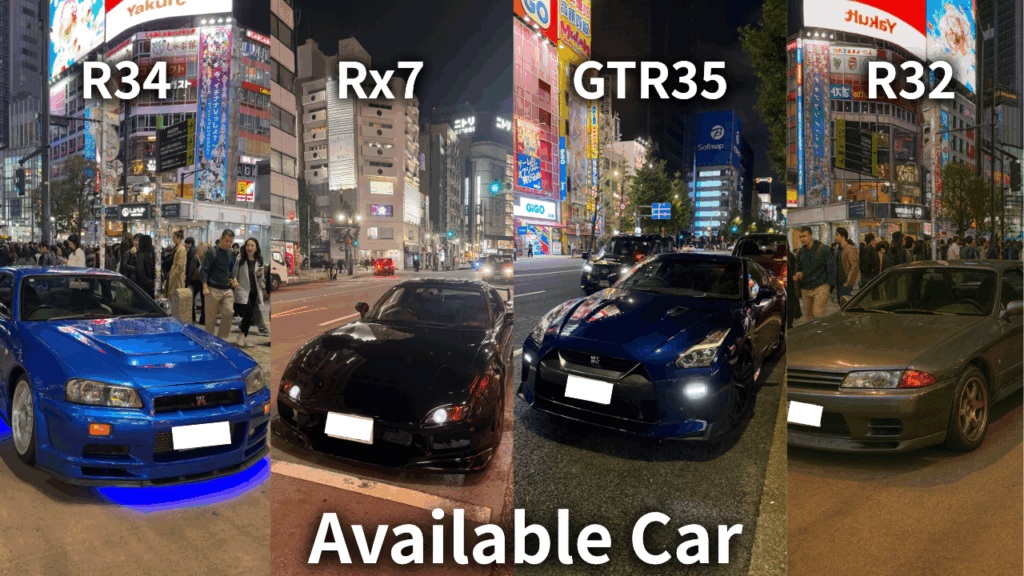
From Daikoku PA tours to JDM sports car rentals and drift experiences, we offer premium driving adventures for visitors who want more than ordinary sightseeing.
Get behind the wheel of iconic machines such as the GT-R, RX-7, and Supra, and experience Japan’s legendary car culture in the most unforgettable way. Whether you want a scenic Tokyo car experience or something more thrilling and immersive, we can guide you to the right plan.
Not sure which experience suits you best? No problem. Message us on WhatsApp and we’ll help you choose the ideal option based on your travel plans, interests, and driving experience.
Popular dates sell out quickly, so we recommend contacting us early.
Customer Reviews
Important Information
- This is a drive tour where you drive your rental car, and our guide navigates from the seat.
- This is a self-drive tour where you drive your rental car, and our guide navigates from the passenger seat.
- The tour begins and ends at the same location (Shibuya).
- If the Daikoku Parking Area is closed, we will instead guide you to another car meet further away.
- The consultant is a cultural expert and navigator, not a taxi service.
